スピーカーを設置可能なスペースに収める
フレームと磁気回路を選定する前に、お客様の筐体寸法と取り付け構造を確認いたします。
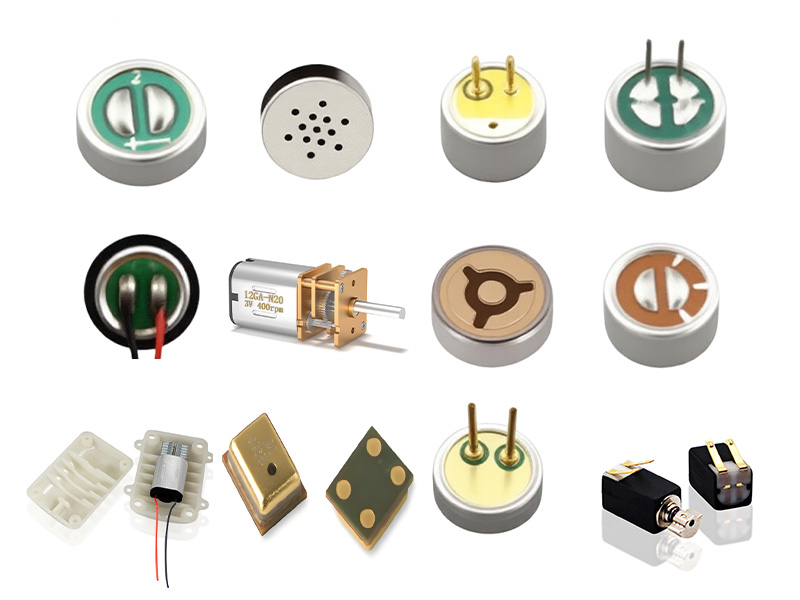
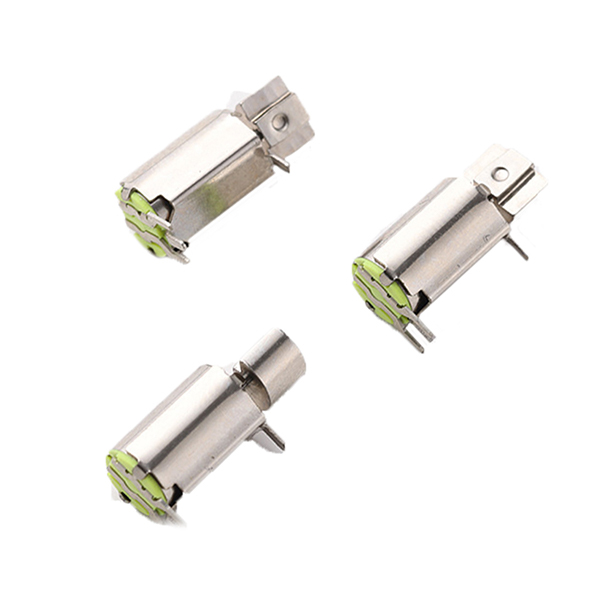
小型DCモーターやギアードモーターから、ブラシレスモーター、ステッピングモーター、振動モーターまで、RHFはお客様の製品のトルク、速度、電圧、サイズ、制御方式、動作環境に基づいたカスタマイズされたモーターソリューションを提供します。
モーターは電圧と寸法だけで選定できるものではありません。実際の性能は、負荷、始動トルク、運転速度、デューティサイクル、伝達効率、制御方式、放熱性、設置構造などによって左右されます。
モーターの選定が適切でない場合、初期テストでは正常に動作するかもしれませんが、連続運転中にトルク不足、速度不安定、過剰な騒音、過熱、または早期故障が発生する可能性があります。
ZEHは、お客様の製品全体の一部としてモーターを評価します。お客様の用途に基づき、当社のエンジニアリングチームがモーターの種類、定格電圧、速度、トルク、ギアボックス比、シャフト構成、フィードバック方式、接続システムなどを定義し、製品性能と量産性の両方にとって実用的なソリューションを構築します。
当社は、世界中のOEMおよびODMプロジェクト向けに、カスタム仕様のDCモーター、ブラシレスモーター、ギアモーター、ステッピングモーター、振動モーター、および統合モーターアセンブリを提供しています。速度、トルク、電圧、シャフト、ギアボックス、配線、取り付け方法など、お客様のご要望に応じたソリューションをご用意しております。
下記に掲載されているモーターは、一般的な市販製品ではありません。これらは、OEMおよびODMプロジェクト向けに開発されたカスタマイズ可能なモーターソリューションです。お客様の製品機能、設計図、技術仕様、または実物サンプルに基づいて、モーターの寸法、構造、出力性能、および取り付け構成を設計・最適化し、製品全体の組み立て、電源、制御システム、および動作環境との正確な互換性を確保します。
選択およびカスタマイズ可能なオプションには、モーターの種類、全体寸法、定格電圧、速度、トルク、出力、回転方向、シャフトの直径と長さ、取り付け穴の位置、リード線とコネクタ、ギアボックス、エンコーダ、ギア比、騒音および振動レベル、保護等級、耐用年数などがあります。お客様のプロジェクト要件に応じて、プラスチックまたは金属部品、カスタムワイヤーハーネス、組み立て、性能試験サービスも提供可能です。
ZEHSMAUDIOは、既存のスピーカープラットフォームを改造したり、設置スペース、音響目標、電子機器、筐体、製造要件に基づいて改良された構造を開発したりすることができます。
フレームと磁気回路を選定する前に、お客様の筐体寸法と取り付け構造を確認いたします。
円形、楕円形、長方形、薄型フレームは、内部リブ、PCBの位置、および組み立て方法に合わせて調整可能です。
スピーカーのパラメータは、アンプ、エンクロージャー、リスニング距離、および要求される音響性能と合わせて評価されます。
振動板、サラウンド、磁石の材料は、目標とする音質、環境、コスト要件に応じて選定されます。
このプロジェクトには、筐体、グリル、配線、コネクタ、シーリング部品、アンプのマッチングなどが含まれる場合があります。
音声の明瞭度は、内部空洞の制限とスピーカー+マイク+PCBAとのバランスが取れている必要があります。

明確な学習内容は、薄型で不規則な住居環境と、繰り返し可能な日常的な使用とのバランスが取れているべきである。
迅速な対応と警報の明瞭さは、管理された組み立てスペースと長期的な一貫性とのバランスを取る必要がある。
効率的な音響出力は、共有電子機器スペースと屋内/半屋外の設置場所とのバランスを考慮して設計されるべきである。
コンパクトで聞き取りやすい音は、小型の電池式筐体と、動きや日常的な取り扱いとのバランスが取れている必要があります。
ZEHはオーディオ技術のエキスパートとして、豊富な技術蓄積を背景に、様々な業界のオーディオアクセサリーの研究開発とカスタマイズニーズに包括的に対応します。コアコンポーネントから総合的なソリューションまで、プロフェッショナルなサポートを提供し、お客様の製品のオーディオ性能向上を支援します。
We provide miniature DC motors, brushed motors, brushless motors, coreless motors, gear motors, and vibration motors tailored to your product requirements. Customization options include overall dimensions, operating voltage, speed, torque, output shafts, mounting configurations, wires, and connectors. We can also supply matching gearboxes, plastic or metal parts, and assembly services.
Yes. We can evaluate solutions based on engineering drawings, technical specifications, physical samples, or overall product requirements. If your design is not yet complete, you can provide the required motion, load conditions, power supply specifications, available installation space, and operating duration to help define the motor type and key parameters.
Selection requires evaluating the startup load, operating torque, target speed, start-stop frequency, continuous operating time, and control method, while also considering installation space, noise, heat dissipation, and cost. We select motors based on actual load conditions rather than relying solely on dimensions, voltage, or no-load speed.
Brushed motors typically have simpler drive requirements and are suitable for products that prioritize cost and basic rotational functions. Brushless motors require compatible drive circuitry and can be evaluated based on efficiency, speed control, and service life requirements.
Coreless motors can be used in compact drive or vibration mechanisms with specific size, weight, and start-stop response requirements, such as portable electronic products, small actuators, and haptic feedback devices.
We can evaluate operating voltage, winding configuration, speed, torque, and gear ratio based on your project requirements. These parameters are interrelated and must be determined together with motor size, power supply capacity, efficiency, and thermal conditions, with the corresponding load and test conditions clearly specified.
They cannot be used directly as parameters for normal operation under load. No-load speed is measured with no external load on the output shaft, while stall torque corresponds to the condition in which the shaft cannot rotate. Motor selection should be based on speed, torque, current, and temperature rise at the actual operating point to avoid damage from prolonged overload or stalling.
We can evaluate the gearbox and gear ratio based on the target output speed, torque, and mounting requirements, and customize the output shaft diameter, length, shape, and coupling features. Transmission efficiency, gear backlash, noise, and allowable loads must also be considered to ensure compatibility with the equipment’s drive mechanism.
We can evaluate motor size, eccentric mass configuration, operating speed, and drive method to achieve the desired vibration effect. Perceived vibration also depends on mounting location, attachment method, enclosure weight, and structural stiffness, so it must be verified in the assembled product. For eccentric rotating mass vibration motors, vibration frequency and intensity are typically linked and cannot be adjusted completely independently.
We can evaluate speed control, forward and reverse rotation, start-stop control, and Hall sensor or encoder feedback solutions based on the motor type and equipment requirements.
Yes. We evaluate solutions based on the voltage range and available current of the battery, power adapter, or internal power supply, while considering startup current, operating current under load, and current changes under abnormal load conditions.
We can evaluate the motor configuration based on enclosure space, mounting hole locations, output shaft position, and assembly orientation, and adjust wire routing direction, lead length, and connector configuration. Compact products also require sufficient clearance for moving parts, wire routing, and heat dissipation to prevent interference during assembly and operation.
We can evaluate how motor operation, gear transmission, bearings, and mounting structures affect noise and vibration based on the product’s operating environment and performance targets. For devices with microphones, speakers, or voice functions, mechanical vibration transmission and electrical interference must also be considered, with verification performed in the complete product under actual operating conditions.
Suitability must be evaluated based on the specific operating conditions. We determine the solution by considering load, continuous operating time, ambient temperature, and heat dissipation. For humid or dusty environments, protective structures and sealing requirements around the output shaft and cable exits must also be confirmed. Operating temperature, ingress protection rating, and service life requirements should be defined before development and verified under agreed-upon conditions.
We can evaluate compatibility between the motor, motor drive and control PCBA, wire harnesses, connectors, gearbox, mounting brackets, and enclosure based on your project requirements, and provide prototype assembly and functional testing and adjustment. Delivery options include standalone motors, motor assemblies with wire harnesses or gear reduction mechanisms, and fully assembled functional modules.