
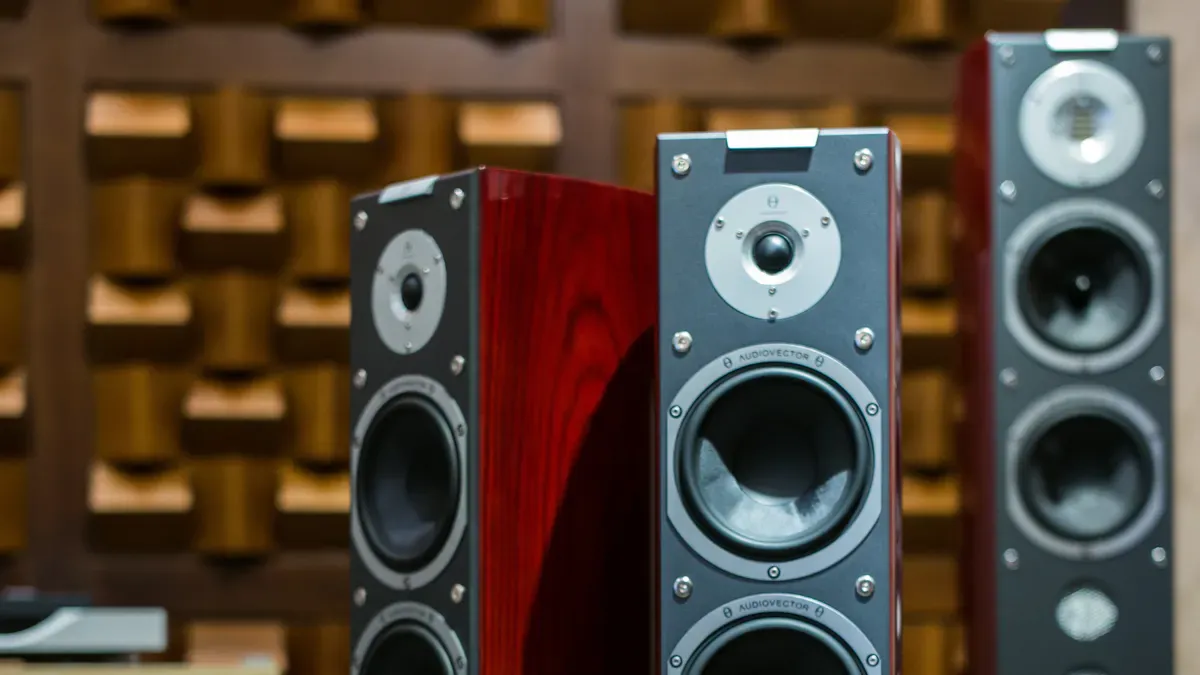
You can hear changes in sound with different speaker magnet materials. Magnet strength and stability affect the sound you hear. Neodymium magnets make small speakers sound strong. Ferrite magnets keep speakers cheap and light. Alnico magnets make special sounds that many music fans like. Each magnet type changes how your speaker works and sounds.
Strong magnets make sound clearer and louder. Stable fields help stop sound from getting messy.
Key Takeaways
-
Different magnet materials change how speakers sound. Neodymium gives clear and strong sound. Ferrite is cheaper and lasts longer.
-
Pick the right magnet for what you need. Neodymium is best for small, portable speakers. Ferrite is good if you want to save money.
-
Strong and steady magnets help stop distortion. This makes the sound clearer and listening better.
-
Think about the size and weight of the magnets. Neodymium lets speakers be smaller and lighter. The sound quality stays good.
-
Always pick the magnet that fits how you like to listen. This helps you hear music the way it should sound.
What Are Speaker Magnet Materials?

Role in Speaker Design
Speaker magnet materials sit inside every speaker. These magnets make the speaker cone move. This movement creates sound. The material you pick changes how the speaker works. It also changes how the speaker sounds. There are four main types of magnets. These are Ferrite, Alnico, Neodymium, and Samarium Cobalt. Each magnet has its own special features.
|
Magnet Type |
Composition |
Defining Properties |
Typical Applications |
|---|---|---|---|
|
Ferrite |
Iron oxide and ceramic materials |
Strong, resists rust, cheap, heavy, not very powerful |
Used in affordable and tough speakers |
|
Alnico |
Aluminum, nickel, cobalt, iron |
Handles heat well, gives warm sound, costs more, can lose magnetism |
Used in old-style and high-quality speakers |
|
Neodymium (NdFeB) |
Neodymium, iron, boron |
Very strong, small, light, expensive, breaks easily |
Used in fancy, small, and pro speakers |
|
Samarium Cobalt |
Samarium and cobalt |
Stays strong, resists rust, works in heat, most expensive |
Used in special and tough audio equipment |
Speaker magnet materials change the size and weight of speakers. They also change how well speakers work. Neodymium magnets help make small speakers sound loud. Ferrite magnets are good for cheap and tough speakers. Alnico magnets give a warm sound but need careful use. Samarium Cobalt magnets are best for harsh places and last a long time.
Why Magnet Material Matters
It is important to know why magnet material matters. The magnet decides how much power your speaker can make. Neodymium magnets make speakers louder and use less energy. You get clearer sound and less noise. Ferrite magnets are stable and last longer. Alnico magnets give a classic sound that music fans like.
-
Strong magnets make speakers more sensitive. You hear louder sound with less power.
-
Powerful magnets help bass and clarity. Music sounds deeper and richer.
-
Small speakers need strong magnets. You get portable and pro audio gear.
Tip: Pick your speaker magnet based on what you need. If you want clear sound and small speakers, neodymium is best. If you want tough and cheap speakers, ferrite is a good choice. For old-style sound, alnico is special.
How Speaker Magnet Materials Affect Sound Quality
Magnetic Field Strength and Stability
You can hear the difference when a speaker uses a strong and stable magnet. The magnet creates a magnetic field around the voice coil. This field helps the voice coil move back and forth. When the field stays steady, the voice coil moves in a smooth way. You get clear sound waves and better sound quality.
A strong magnet gives the voice coil more force. You hear louder sound with less power. If the magnetic field changes or becomes weak, the voice coil does not move right. This can make the sound messy or unclear. You may notice more distortion in your music.
-
A stable magnetic field in the voice coil gap reduces modulation distortion.
-
Variations in magnetic field strength can lead to non-linear distortion.
-
Neodymium magnets provide a consistent magnetic field, resulting in lower Total Harmonic Distortion (THD) and Intermodulation Distortion (IMD).
When you choose a speaker with a strong and steady magnet, you help the voice coil make clean sound waves. This means you get better sound quality and less noise.
Sensitivity and Efficiency
The magnet material changes how well your speaker turns power into sound. Sensitivity means how much sound you get from a certain amount of power. Efficiency tells you how well the speaker uses energy to make sound waves.
If you use a strong magnet, the voice coil moves more easily. You get more sound for the same power. Neodymium magnets make speakers very sensitive and efficient. You can use smaller speakers and still get big sound. Ferrite magnets give good sensitivity but need more size and weight. Alnico magnets offer a classic sound but may not be as efficient as neodymium.
Speakers with high sensitivity need less power to fill a room with sound. You save energy and get louder music. The voice coil works better when the magnet stays strong and stable. This helps you enjoy clear sound quality every time you listen.
-
Studies indicate that using stronger and more uniform magnets in speakers can significantly reduce total harmonic distortion (THD), including intermodulation distortion.
Impact on Sound Clarity and Distortion
You want your music to sound clear and true. The magnet material plays a big role in this. When the magnetic field is strong and stable, the voice coil moves in a straight line. This makes the sound waves match the music signal. You hear every detail and less unwanted noise.
If the magnet is weak or unstable, the voice coil can move in a strange way. This causes distortion. Distortion means the sound does not match the original music. You may hear buzzing or fuzzy notes. Neodymium magnets help lower distortion because they keep the magnetic field steady.
Here is a table that shows how different magnet types affect sound clarity and distortion:
|
Magnet Type |
Frequency Response (±dB) |
Total Harmonic Distortion (THD) |
Group Delay (dB) |
Transient Response (ms) |
|---|---|---|---|---|
|
Neodymium |
±2.1 |
12% lower below 90dB |
3dB less below 100Hz |
0.3 faster on transients |
|
Ferrite |
N/A |
N/A |
N/A |
N/A |
|
Alnico |
N/A |
N/A |
N/A |
N/A |
You can see that neodymium magnets help speakers reach better sound quality. You get less distortion and faster response. The voice coil moves quickly and makes clear sound waves. This gives you a better listening experience.
Tip: If you want the best sound quality, look for speakers with strong and stable magnets. The voice coil will work better, and you will hear music the way it was meant to sound.
Comparing Speaker Magnet Materials
Neodymium Magnets
Neodymium magnets are used in many new speakers and headphones. These magnets are special because they make a very strong magnetic field. This strong field helps speakers make clear and sharp sound. Even small speakers can sound loud and detailed. Neodymium magnets let speakers be small and light but still sound good.
Here is a table that lists the main features of neodymium magnets:
|
Characteristic |
Description |
|---|---|
|
Strength and Efficiency |
Stronger than ferrite, gives better sound detail and clarity |
|
Compact Size |
Allows for smaller, lighter speakers |
|
Heat Resistance |
Good for most uses, but not for very high heat |
|
Cost |
More expensive due to rare materials |
Note: Neodymium magnets need a special cover to stop rust and damage. They can break if you drop them, so handle with care.
Ferrite Magnets
Ferrite magnets are found in many cheaper speakers. These magnets cost less because they use easy-to-find materials. Ferrite magnets work best in big speakers where weight is not a problem. They do not rust easily, so you can use them outside or in wet places.
-
Ferrite magnets are weaker than neodymium, so you need bigger ones for the same sound.
-
They can break if dropped because they are brittle.
-
Ferrite magnets can handle heat better than neodymium, but not as well as alnico.
|
Factor |
Neodymium Magnets |
Ferrite Magnets |
|---|---|---|
|
Cost |
Expensive |
More cost-effective |
Alnico Magnets
Alnico magnets give speakers a warm and classic sound. Many people who love music like this sound. You will find alnico magnets in old or high-end speakers. They work well in hot places and do not rust as fast as neodymium. Alnico magnets are strong and easy to shape, but not as powerful as neodymium or ferrite.
|
Advantages |
Disadvantages |
|---|---|
|
High temperature stability |
Lower magnetic strength |
|
Good corrosion resistance |
Can lose magnetism from other strong magnets |
|
Strong and durable |
More expensive than ferrite |
Tip: Pick alnico if you want an old-style sound and need your speaker to last in hot places.
Speaker Performance and Magnet Choice
Power Handling and Output
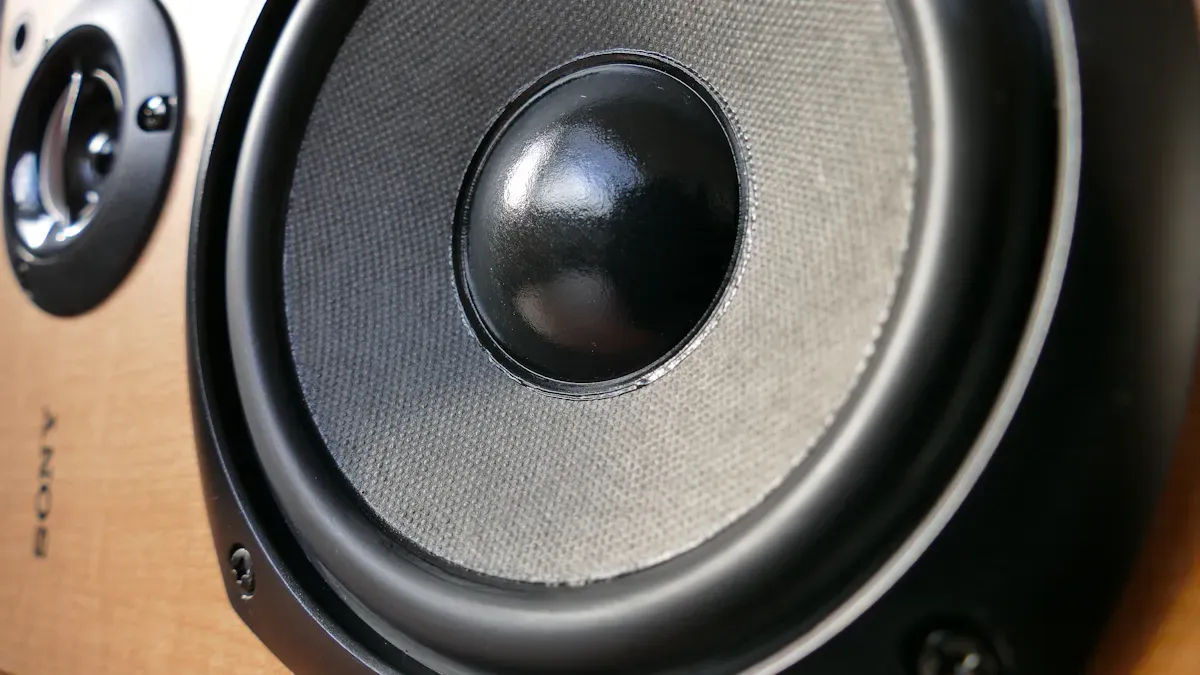
Speakers need to play music loud and clear. The magnet inside helps decide how much power the speaker can use. Neodymium magnets give strong magnetic energy. This lets speakers handle more power and play louder. Small speakers use neodymium to sound bigger. But neodymium magnets can get hot after long use. Ferrite magnets stay cooler for longer times. They are better for speakers that play music for hours. Think about how you use your speakers before picking the magnet. The right magnet makes your speaker work better and keeps music sounding good.
Low-Frequency Response
Low notes make music sound deep and full. The magnet material helps speakers play these low sounds. Magnetic buzzers use special materials for lower notes. Neodymium magnets help speakers play strong bass with less noise. New ferrite materials also help with low sounds and keep speakers light. Some advanced magnets, like giant magnetostrictive materials, make low sounds even better. These magnets let speakers move fast and handle big changes in music. Picking the right magnet improves speaker performance and gives you better bass.
Efficiency in Different Applications
Speakers are used in many places. Home audio, studios, and portable speakers need different things. The magnet material changes how well speakers work in each place. Here is a table to show the differences:
|
Application |
Key Considerations |
Magnetic Density Role |
|---|---|---|
|
Home Audio |
Good sound and energy savings |
High magnetic density gives rich sound in home theater systems |
|
Professional Audio |
Clear and accurate sound for music production |
Strong magnets are needed for top speaker performance |
|
Portable Speakers |
Small size and good sound |
Neodymium keeps speakers small but strong for speaker performance |
Neodymium magnets help portable speakers stay light and strong. Ferrite magnets work well in home and pro audio where size is not a problem. Match the magnet to your needs for the best speaker performance.
Tip: Always check the magnet type before buying speakers. The right magnet gives you better sound and lasts longer.
Speaker Magnet Materials in Real-World Design
Size and Weight Considerations
Think about how big and heavy your speaker is. Magnet materials change the size and weight of speakers. Here is a table to compare them:
|
Magnet Type |
Size and Weight Characteristics |
Additional Notes |
|---|---|---|
|
Neodymium |
Makes drivers smaller and lighter |
Used in high-end speakers to cut weight |
|
Ferrite |
Needs more magnet mass, so drivers are heavier |
Replaced alnico, heavier than neodymium |
|
Alnico |
Has four times ferrite’s remanent strength; heavier than neodymium |
Flux stays stable with temperature and opposing flux; valued for sound quality |
Neodymium lets you have small speakers that are light. Ferrite makes speakers heavier, so they are used in big home or car speakers. Alnico gives a classic sound but adds more weight.
Cost and Availability
You should know how much magnets cost and how easy they are to get. Here are some important points:
-
Neodymium is used in many new speakers, electric cars, and smart devices. It helps make small speakers that sound strong.
-
Ferrite costs less and works well in most speakers. You see it in affordable models because it is easy to find and handles heat.
-
Alnico is chosen for its warm sound and history. It costs more and is not as common.
Note: Neodymium has less impact on global warming than ferrite. Recycled neodymium is even better for the planet.
Application Examples
You can find these magnets in different speakers:
-
Neodymium is in headphones, slim soundbars, and pro audio gear. You get strong sound in a small package.
-
Alnico is popular in guitar amps and vintage speakers. Musicians like its warm, classic tone.
-
Home audio systems use neodymium for high output in small boxes.
-
Pro sound systems need magnets that handle lots of power.
-
Car speakers use magnets that work well with heat and shaking.
New technology brings hybrid magnets and recycled materials. These changes help you get better sound and protect the planet.
Choosing the Right Speaker Magnet
Matching Magnet Material to Sound Preferences
You want your speakers to match your listening style. Each magnet material gives a different sound and feel. Here are some things to think about:
-
Neodymium magnets make speakers sound clear and powerful. You get strong bass and sharp details, even in small speakers.
-
Ferrite magnets work well for everyday use. They give you solid sound and last a long time. You often find them in home and car speakers.
-
Alnico magnets create a warm and classic sound. Many music lovers enjoy this tone, especially for vintage music or guitar amps. Alnico also keeps its strength in hot places, so your sound stays steady.
Tip: The magnet you choose changes how your music feels. Think about what kind of sound you like best.
Practical Tips for Buyers
You can make a smart choice by following a few simple steps:
-
Check the magnet’s grade. Stronger grades like N52 give more power, but may not work well in hot places. For high heat, look for grades like N42SH.
-
Pick the right shape. Discs and rings fit most speakers. Make sure the shape matches your speaker design.
-
Measure the size. Bigger magnets give more strength, but need more space. Ferrite magnets often need to be larger to work as well as neodymium.
-
Think about pull force. The magnet must be strong enough to move the speaker parts without slipping.
-
Look at the environment. If your speaker will be in a hot or wet place, choose a magnet that resists heat and rust.
Many people make mistakes when they pick magnets. They choose magnets that are too weak, or they forget about heat and moisture. Some pick the wrong size, which can hurt sound quality.
Note: Always match the magnet to your needs. This helps your speakers last longer and sound better.
You can see that speaker magnet materials change sound and how speakers work. The type of magnet changes the sound in every speaker. Neodymium magnets make small speakers sound better. Ferrite magnets keep sound good in tough places. Alnico magnets give music a classic sound that fans enjoy. Samarium cobalt magnets work well in very hard conditions. You should always check the sound quality before you pick a speaker. The table below shows how each magnet changes sound and how well speakers work.
|
Magnet Type |
Key Characteristics |
Sound Performance Impact |
|---|---|---|
|
Ferrite Magnets |
Cheap, heavy, do not rust easily |
Sound is better when played loud, good for wet places. |
|
AlNiCo Magnets |
Smooth old-style sound, hard to break, costs more |
Used in fancy speakers for careful tuning. |
|
Neodymium Magnets |
Strongest field, light, small |
Great sound at many pitches, best for small loud speakers. |
|
Samarium Cobalt Magnets |
Do not rust, work in heat, cost more |
Not used much, can break, not as strong as neodymium. |
You need to pick the right magnet for how you listen. Home speakers need good sound and must look nice. Car speakers need to fit the car and sound good inside. Pro speakers need to be strong and easy to set up. The table below helps you pick the best sound for your needs.
|
Use Case |
Customization Focus |
Key Considerations |
|---|---|---|
|
Home Audio |
Looks and how well it works |
Must match home style and be easy to use |
|
Car Audio |
Fits well in the car |
Must work with car design and sound good inside |
|
Professional Sound |
Works with other gear, strong, easy to move |
Must be easy to move, set up fast, and have backup for shows |
You get better sound by picking the right magnet for you. Good sound is important in every speaker. You hear better music when you match the magnet to what you like and where you use it. Good sound makes listening more fun.
FAQ
What does a speaker magnet do in a speaker?
You find the speaker magnet at the heart of every speaker. It creates a magnetic field that moves the voice coil. This movement makes sound waves. The right magnet gives you clear music and better sound dispersion.
How does magnetic density affect sound quality?
Magnetic density shows how strong the magnet is inside your speaker. High magnetic density lets the speaker move the cone with more control. You hear less distortion and better sound dispersion. This helps you enjoy music with a balanced sound dispersion pattern.
Why do some speakers use neodymium magnets?
You see neodymium magnets in many modern speakers. These magnets are strong and light. They help make small speakers with big sound. You get better sound dispersion and clear music, even in a compact home theater system.
Can the magnet material change the sound dispersion pattern?
Yes, the magnet material changes how your speaker spreads sound. Stronger magnets with high magnetic density give you a wider sound dispersion pattern. You hear music fill the room. The right speaker magnet helps you enjoy better sound dispersion.
How do I choose the perfect speaker magnet for my needs?
You should think about your space, music style, and speaker size. If you want better sound dispersion, pick a magnet with high magnetic density. For a home theater system, look for a speaker magnet that matches your room and gives you clear sound.