Fit the Speaker Into the Available Space
We review your housing dimensions and mounting structure before selecting the frame and magnetic circuit.
ZEH takes full advantage of its audio and acoustic technologies to optimize the opening and structural design of Grilles from the perspective of acoustic fundamentals. It combines superior sound transmission with reliable protection, matches all kinds of sound drivers and equipment structures, and highly unifies acoustic performance and appearance application.
Full customization: Customizable size, holes, appearance and logo for all devices
High acoustic transparency: Precise hole design, low sound loss, restore original sound
Protective & durable: Dustproof, shockproof and rust-resistant materials safeguard drivers
Precision molding: Smooth burr-free surface, accurate hole position, perfect fitting
Wide compatibility: Fit for speakers, amplifiers, automotive, smart home and more
We also engineer the material thickness, reinforcing ribs, and attachment features to ensure the grille integrates accurately with the speaker, enclosure, and overall product assembly—providing reliable protection without compromising acoustic performance.
A grille is more than a cosmetic component—it can directly affect sound transmission, airflow, dust protection, mechanical strength, assembly accuracy, and the overall product design. Speaker grilles protect internal drivers from impact, dust, foreign objects, and everyday damage while maintaining clear, efficient sound transmission. Openings that are too small, insufficient open area, excessive material thickness, or inadequate clearance between the grille and diaphragm may reduce high-frequency response, lower sound output, or cause unwanted vibration and noise.
The grille’s open-area ratio, hole pattern, material thickness, structural strength, mounting space, opening size, and surface finish all influence the appearance, performance, and durability of the finished product.
Based on your product dimensions, acoustic enclosure, sound-output direction, target frequency response, and industrial design requirements, we develop custom metal or plastic speaker grilles. Our engineers optimize the hole pattern, open-area ratio, mounting position, sealing structure, and surface finish while considering airflow direction, heat-dissipation needs, safety clearances, filtration requirements, and available installation space.
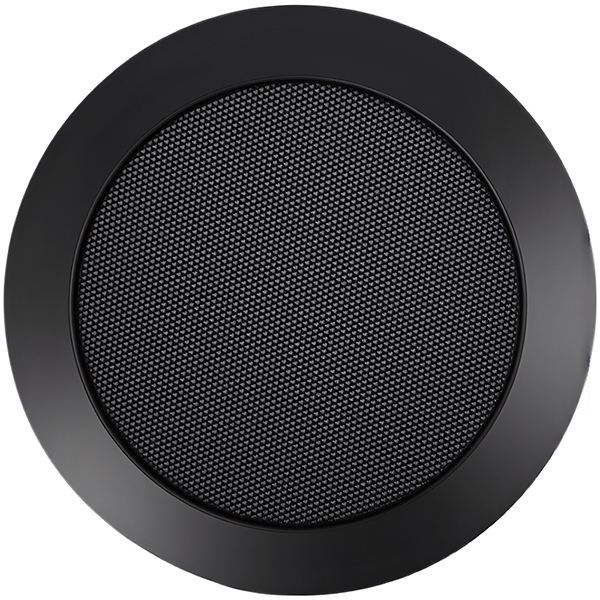
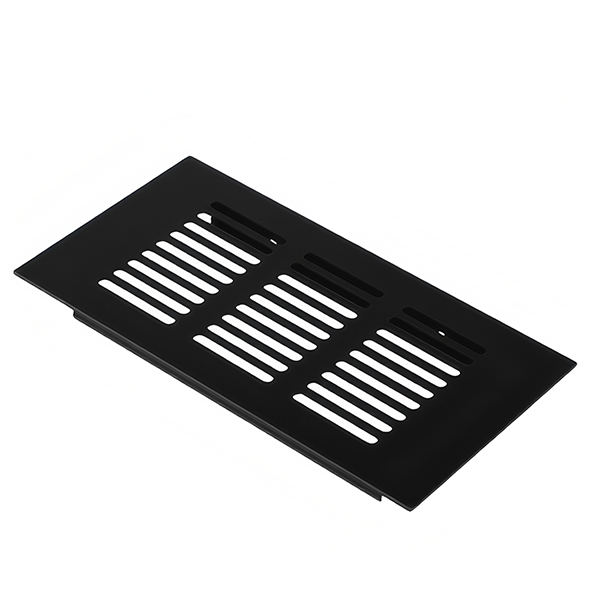
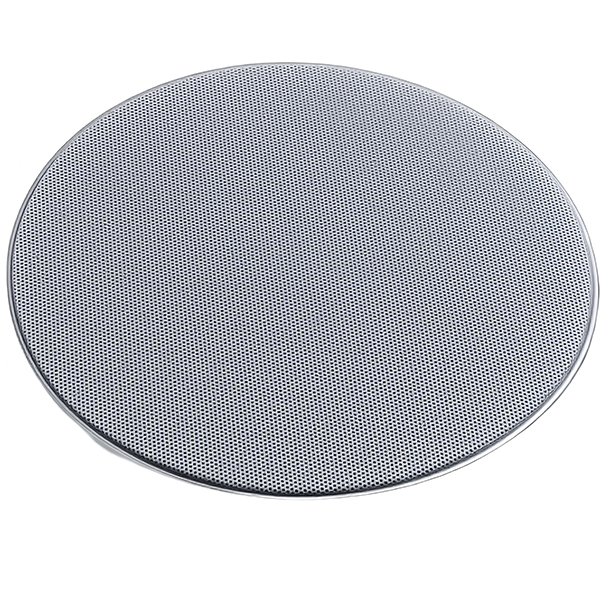
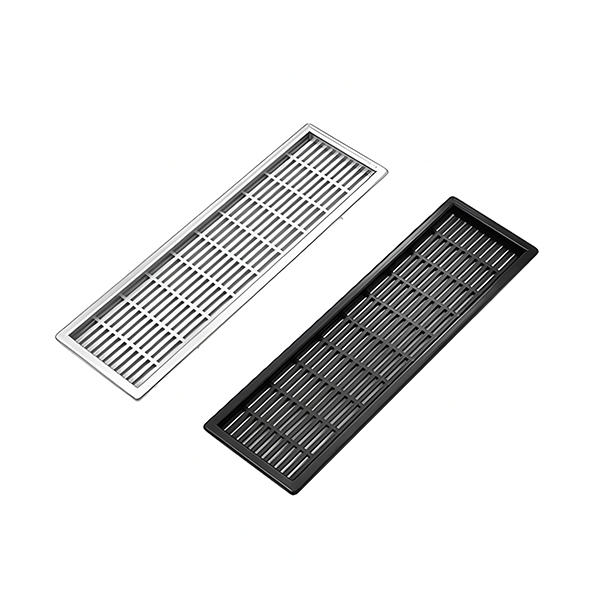
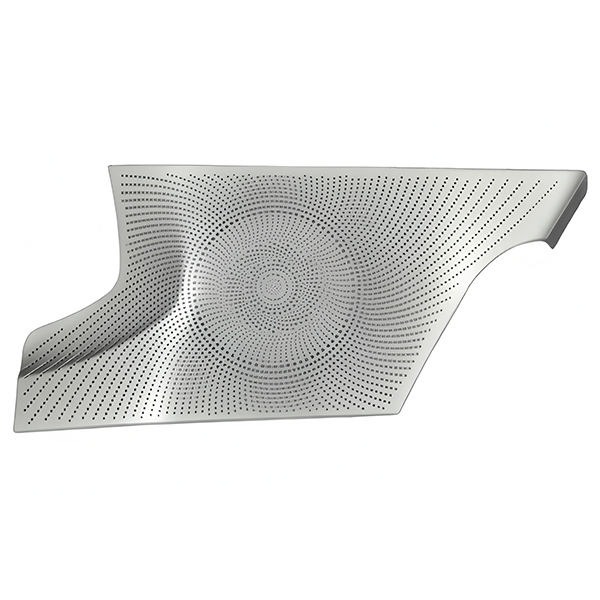
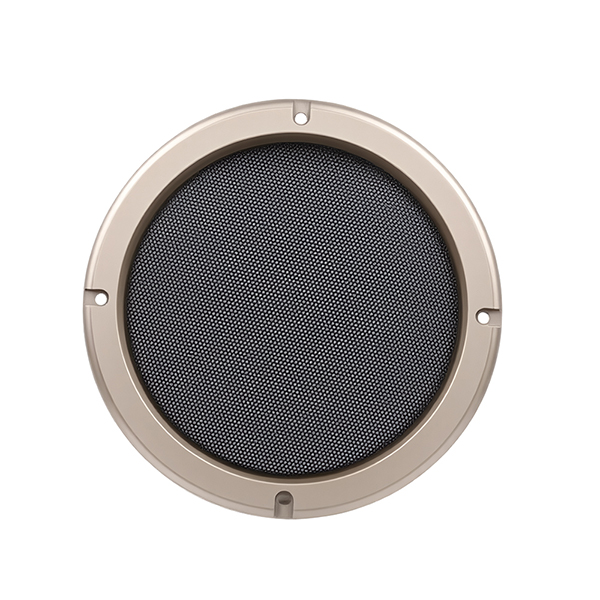
The products shown below are not standard retail items. They represent fully customized grille solutions developed for OEM and ODM projects. We can design and manufacture each grille according to your product requirements, engineering drawings, or physical samples, ensuring a precise fit with the speaker, enclosure, and complete product assembly.
Customization options include flat, curved, concave, and three-dimensional formed structures; micro-perforations, round, square, hexagonal, and custom hole patterns; snap-fit, screw-mounted, adhesive-bonded, heat-staked, and embedded installation methods; standalone grilles or grilles integrated with plastic enclosures; and optional dust mesh, acoustic fabric, foam, seals, and other functional components. Different colors, textures, gloss levels, brand logos, and surface finishes are also available.
ZEHSMAUDIO can adapt an existing speaker platform or develop a modified structure based on your installation space, sound target, electronics, enclosure and production requirements.
We review your housing dimensions and mounting structure before selecting the frame and magnetic circuit.
Round, oval, rectangular and low-profile frames can be adapted to internal ribs, PCB positions and assembly methods.
Speaker parameters are evaluated together with the amplifier, enclosure, listening distance and required sound performance.
Diaphragm, surround and magnet materials are selected according to the target sound, environment and cost requirements.
The project can include the enclosure, grille, wiring, connector, sealing components and amplifier matching.
We provide custom metal grilles, plastic grilles, and combination grille assemblies based on your product configuration, equipment shape, available mounting space, and operating environment. Using our precision CNC machining equipment, we can manufacture matching frames, mounting interfaces, and structural components to project requirements, coordinating the fit between the grille, speaker, enclosure, and mounting hardware.
Audio grilles influence product appearance, sound transmission, internal component protection, and final assembly. Based on your product drawings, acoustic requirements, and operating environment, we offer custom metal grilles, plastic grilles, and combined metal and plastic designs tailored to your product.
We consider speaker dimensions, operating frequency range, clearance between the speaker and grille, and enclosure structure when designing hole sizes, spacing, open area ratio, material thickness, and perforation patterns. Along with protection and appearance, we focus on how the grille affects sound transmission and verify the design through sample assembly and acoustic testing.
From round and square grilles to curved and custom shapes, we tailor overall dimensions, surface contours, frames, and mounting features to the available installation space. We carefully evaluate mounting hole locations, edge coverage, assembly clearances, and speaker clearance to help reduce interference, lifted edges, and insecure mounting.
Based on weight, strength, appearance, and corrosion resistance requirements, we offer stainless steel, aluminum alloys, plastics, and combinations of these materials. Applicable finishing and branding options include powder coating, painting, anodizing, and custom logos, helping the grille complement the overall product design.
For grilles with plastic frames or housings, we evaluate the metal grille, plastic components, and attachment points as a complete assembly, coordinating formed dimensions, locating features, and assembly sequence. Depending on your needs, we can supply standalone grilles or matched component assemblies, reducing the time your team spends checking dimensions and fit across separate parts.