Small Speaker Drivers 13–40 mm for Built-in Audio — China OEM Manufacturer

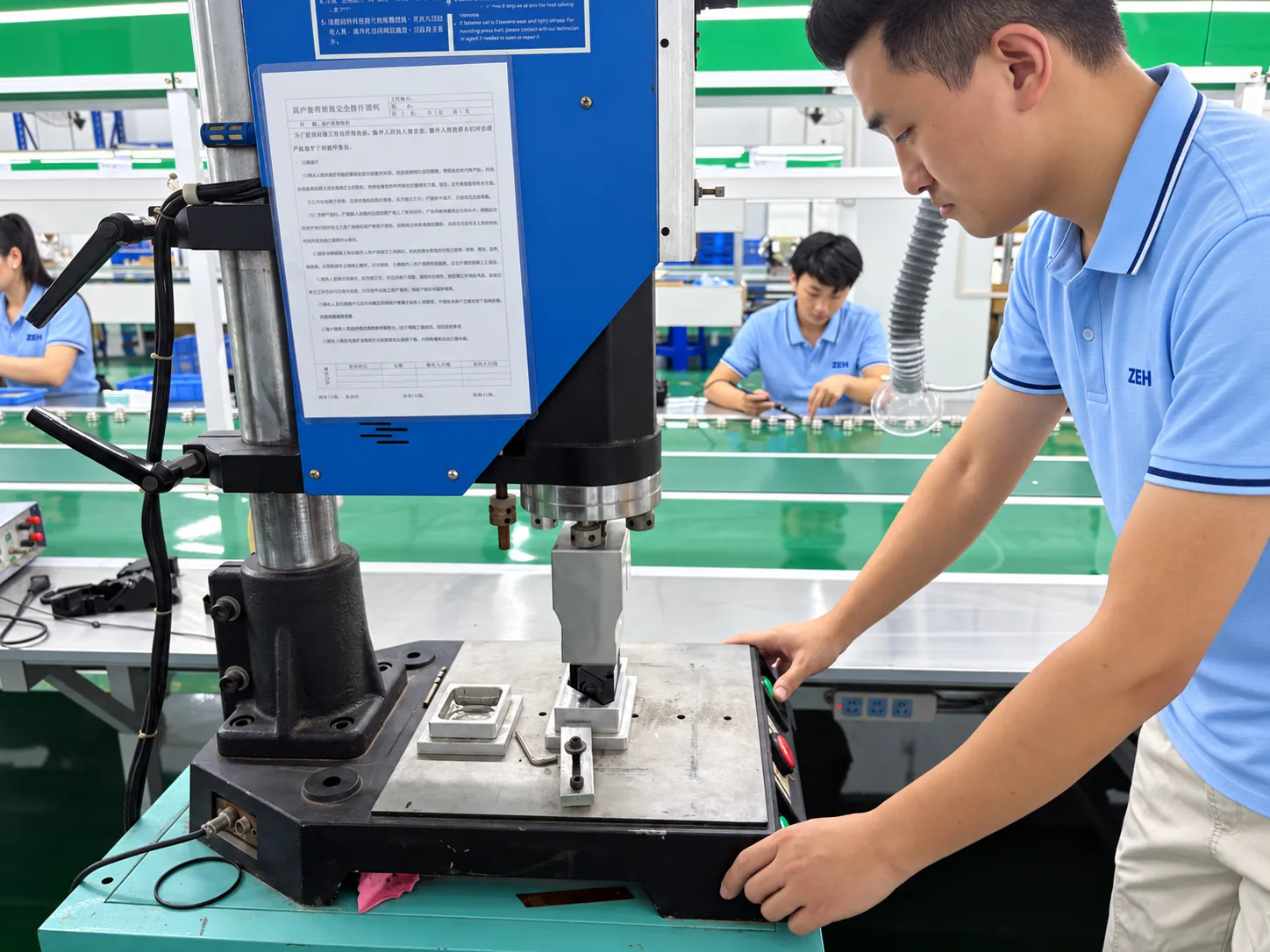
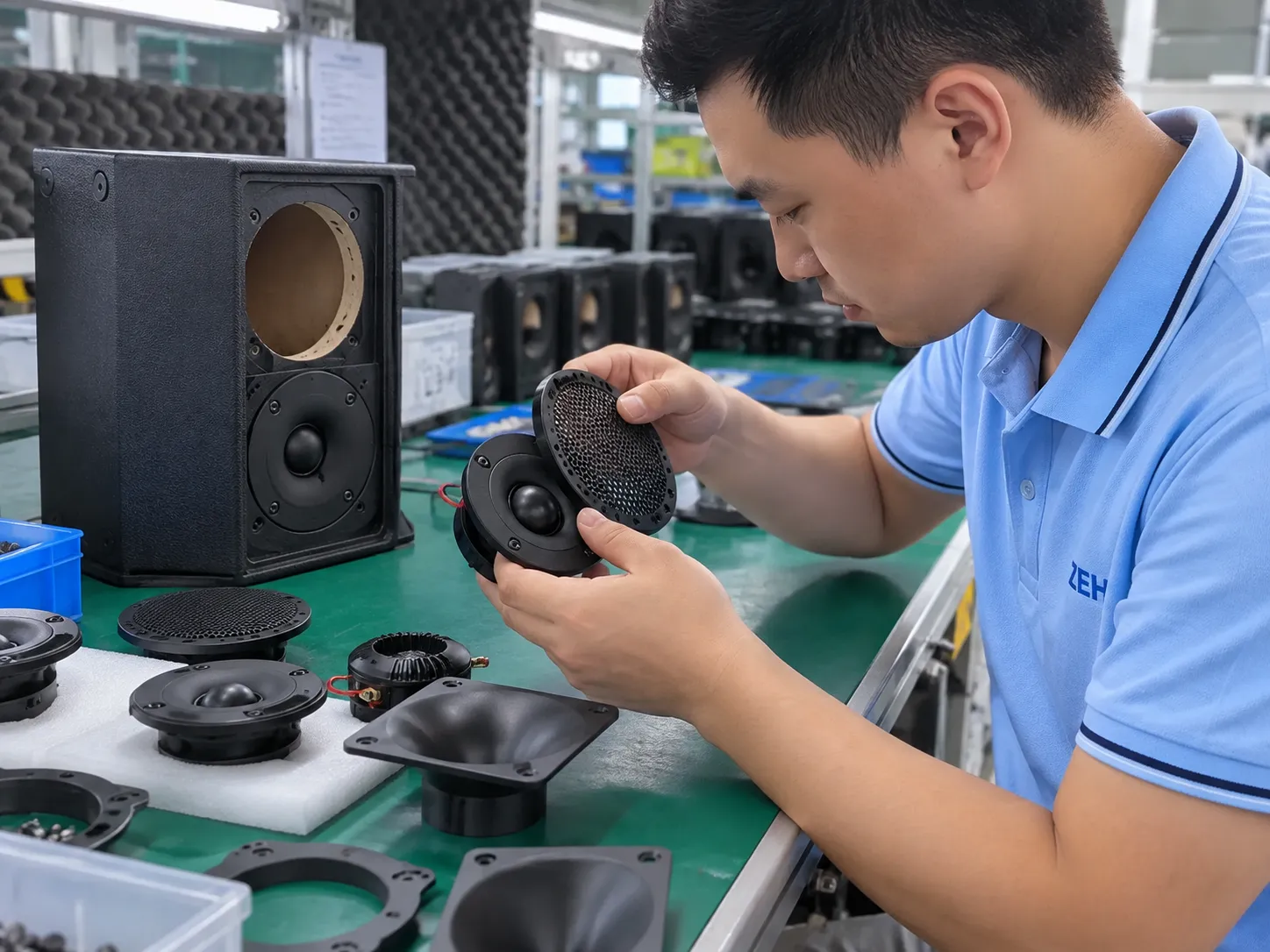
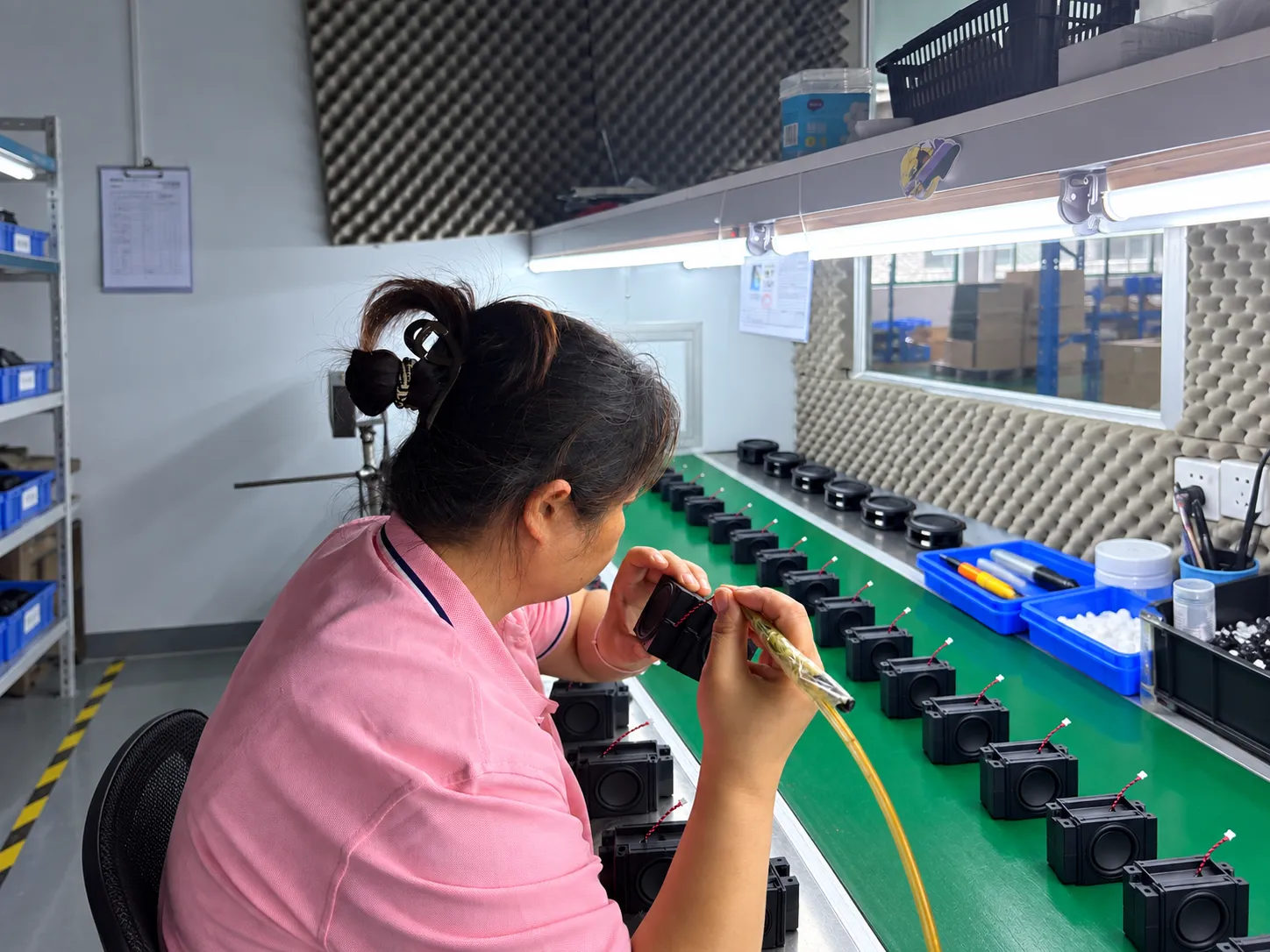
As a renowned loudspeaker design firm, ZEH Audio specializes in Speaker driver manufacturing. With exceptional quality, it stands as a trusted partner for speaker makers, boasting core advantages as follows:

  • High Cost-Effectiveness: Lean production + mature supply chain balance quality and cost, boosting end-product competitiveness.
  • Cutting-Edge Testing: Advanced equipment precisely tests frequency response, distortion, and other metrics to ensure stable acoustic performance.
  • Strict Quality Control: Full-process checks (from material selection to delivery) ensure consistent delivered quality.
  • Flexible Sizing: Small-size & custom designs fit diverse enclosures, delivering great bass in compact spaces.
  • Free Samples: Sample testing available to lower partnership decision costs.
Professional speaker & mold design &cable & wire harness Manufacturer & Supplier
Small Speaker Basics

Choose the Right Speaker Size for Your Product

When selecting a speaker, the outer diameter should not be the only consideration. Available installation space, enclosure volume, amplifier output, impedance, rated power, sensitivity, frequency response, target sound pressure level, and operating environment should all be evaluated.

Even speakers of the same size can deliver noticeably different sound performance due to differences in diaphragm material, voice coil, NdFeB magnet, acoustic enclosure, and sound outlet design.

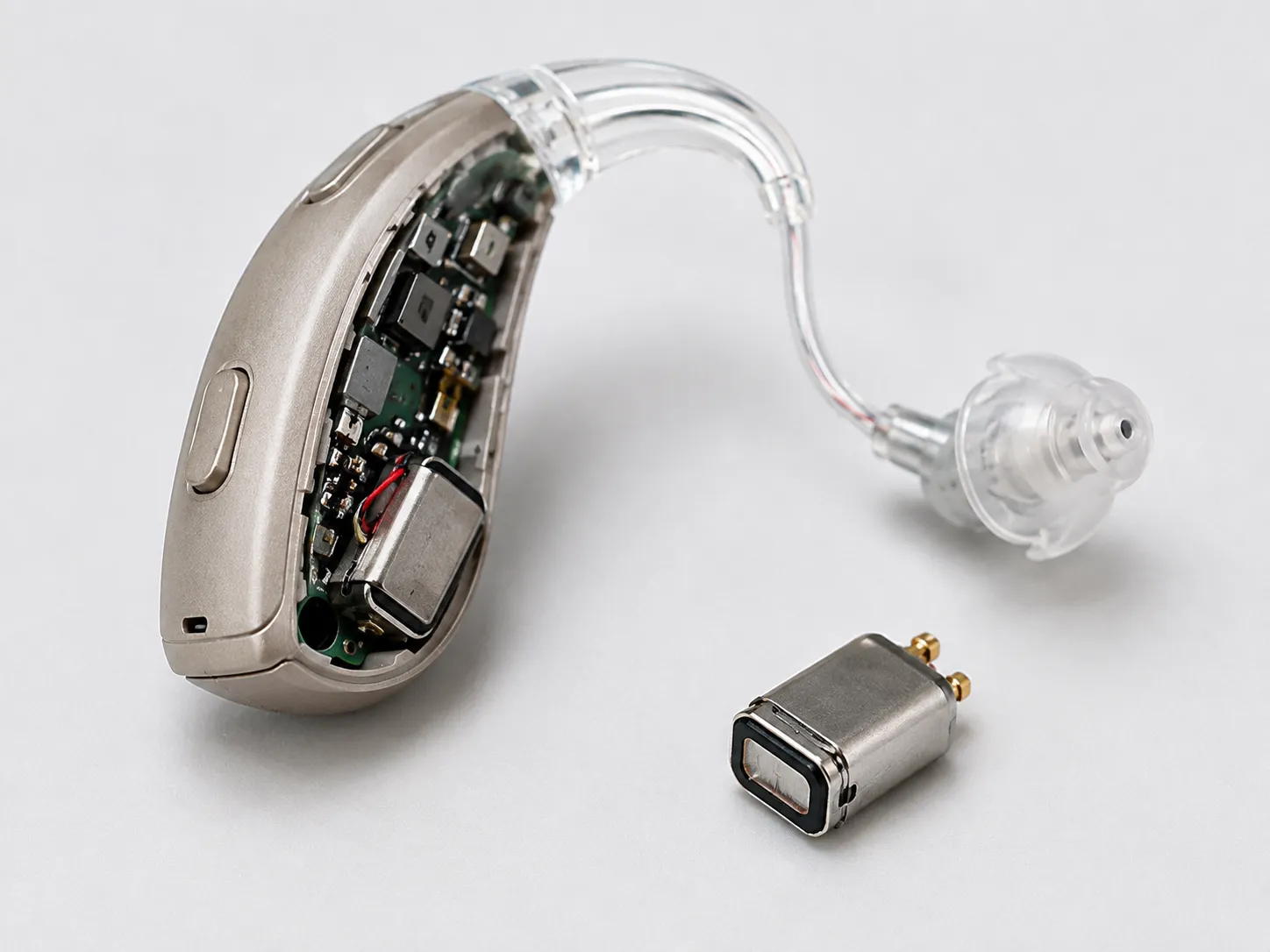
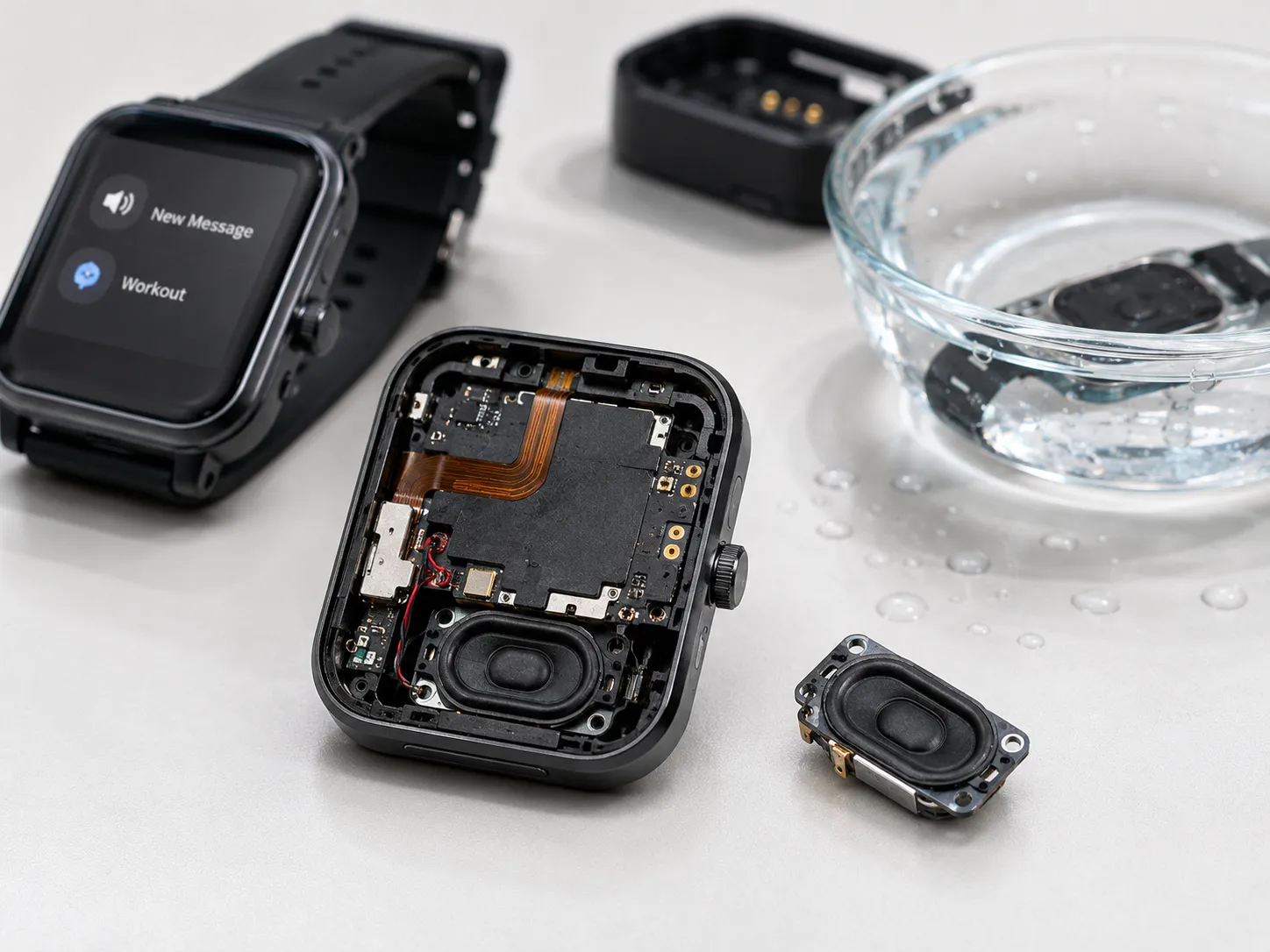
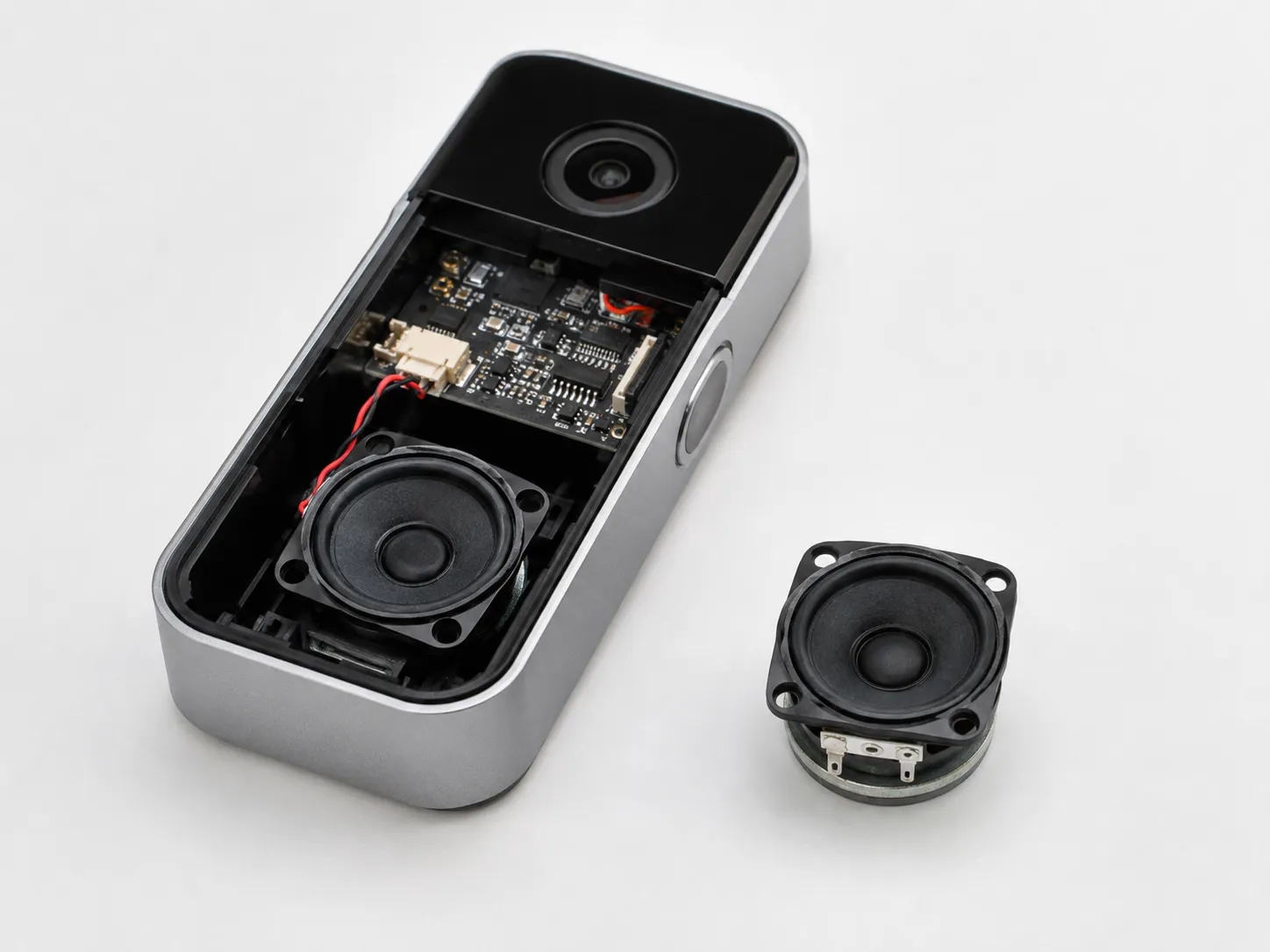
Small-size speakers are designed for electronic devices with limited installation space. They enable voice prompts, alarm tones, hands-free communication, and music playback within compact product structures.

However, a smaller speaker does not mean acoustic design can be overlooked. Actual volume, sound quality, and low-frequency performance are also influenced by amplifier output, enclosure volume, sealing, sound outlet area, and mounting position. For products requiring stronger bass or higher sound pressure levels, performance should be optimized through the coordinated design of the speaker, amplifier, acoustic enclosure, and overall product structure.

Small-Size Speakers(0.5’’-1.5’’)
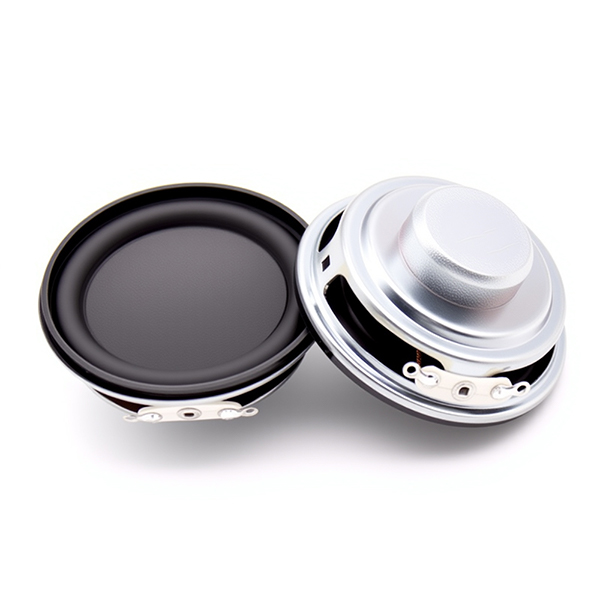
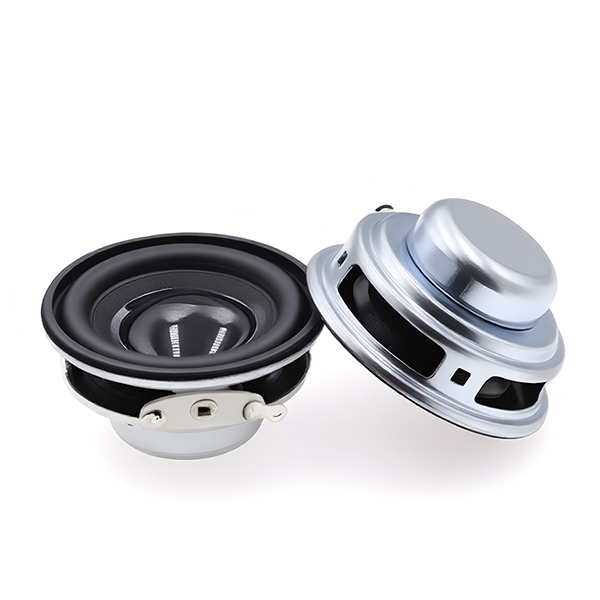
Compact, lightweight, energy-efficient, and flexible to install, small-size speakers deliver clear voice prompts, notification tones, alarms, and music playback in space-constrained products while leaving more room for other internal components.
Medium-Size Speakers(1.5’’-4.0’’)
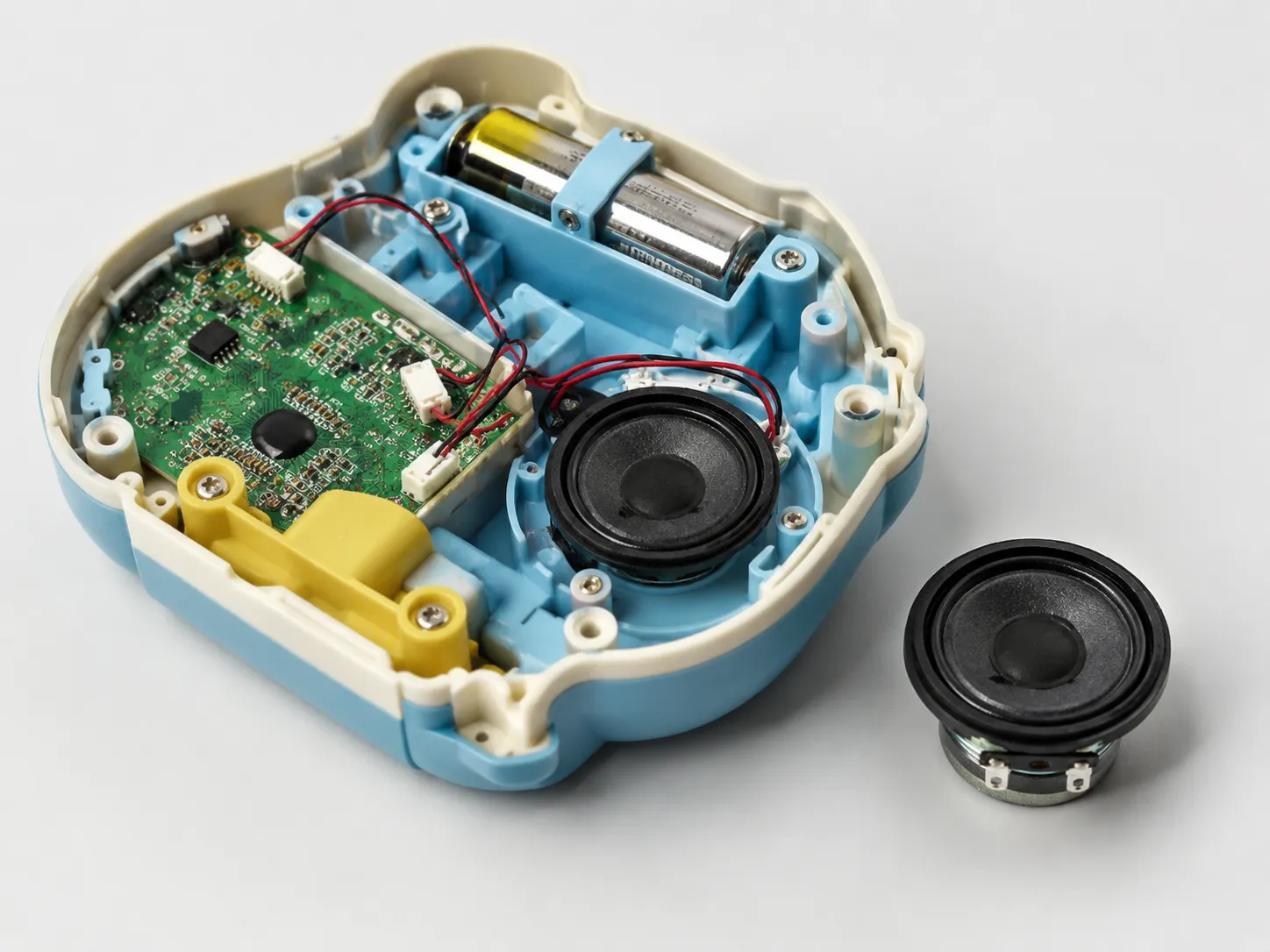
Medium-size speakers provide higher sound pressure levels, a wider frequency range, and fuller sound. Suitable for clear voice reproduction, background music, notification tones, and other multimedia applications, they are the most common choice for many electronic products—offering an ideal balance of size, volume, power handling, and sound quality.
Large-Size Speakers(4.0’’-18’’)
Large-size speakers deliver stronger bass, higher volume, and wider sound coverage. They are ideal for equipment requiring powerful sound output, greater dynamic performance, and higher power-handling capability.

Built-in small size Speaker Series

Each type of loudspeaker below can be selected from our existing size platforms or customized to suit your product structure, acoustic enclosure, amplifier specifications, target sound performance, and mass-production requirements. Customizable parameters include speaker size, shape, depth, mounting holes, impedance, rated power, magnet, diaphragm, mounting method, and wire connection. Speaker grilles can also be added upon request.

Based on your product structure and target sound performance, ZEH can recommend or customize small-, medium-, and large-size speakers for your project. We also provide acoustic enclosure design, amplifier matching, PCBA development and debugging, DSP tuning, plastic enclosure manufacturing, sample validation, and mass-production services—helping ensure stable acoustic and mechanical integration between the speaker and the finished product.

Products Categories
Get A Free Quote
Contact Form
Products Categories
Customization Capabilities

Configure the Speaker Around Your Product

ZEHSMAUDIO can adapt an existing speaker platform or develop a modified structure based on your installation space, sound target, electronics, enclosure and production requirements.

Fit the Speaker Into the Available Space

We review your housing dimensions and mounting structure before selecting the frame and magnetic circuit.

Outside diameter Total height Mounting depth Hole positions Magnet dimensions Sound outlet position
Application Engineering
Select an application

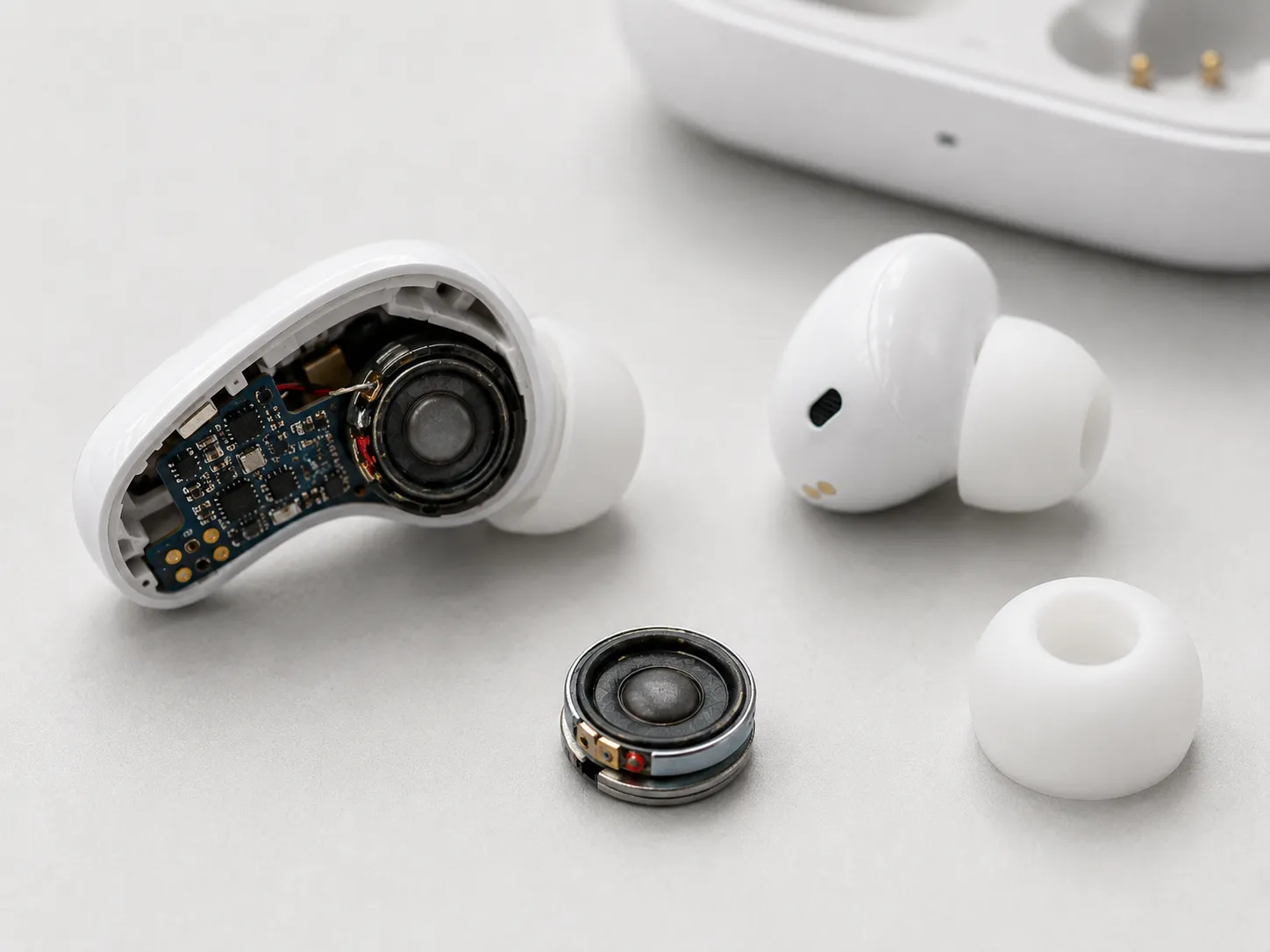
Custom Small Speaker for a True Wireless Earbud

True wireless earbuds require a speaker driver small enough to fit within a sealed in-ear housing, typically under 10mm in diameter, while still reproducing a usable frequency range and adequate SPL within a very limited battery and amplifier power budget.
ZEH sizes the driver (typically 6mm–10mm) and selects diaphragm material for low mass to maximize sensitivity within the available power budget. Voice coil winding and magnetic circuit are optimized for the compact form factor, and acoustic chamber volume behind the diaphragm is tuned in coordination with the earbud's vent and seal design.
ZEH Results
Driver fits within the target earbud housing dimensions. Sensitivity meets target SPL within the available amplifier power. Frequency response is consistent across production batches.
Custom Small Speaker for a True Wireless Earbud

Why Choose ZEH Audio as Your Small Speaker Manufacturer?

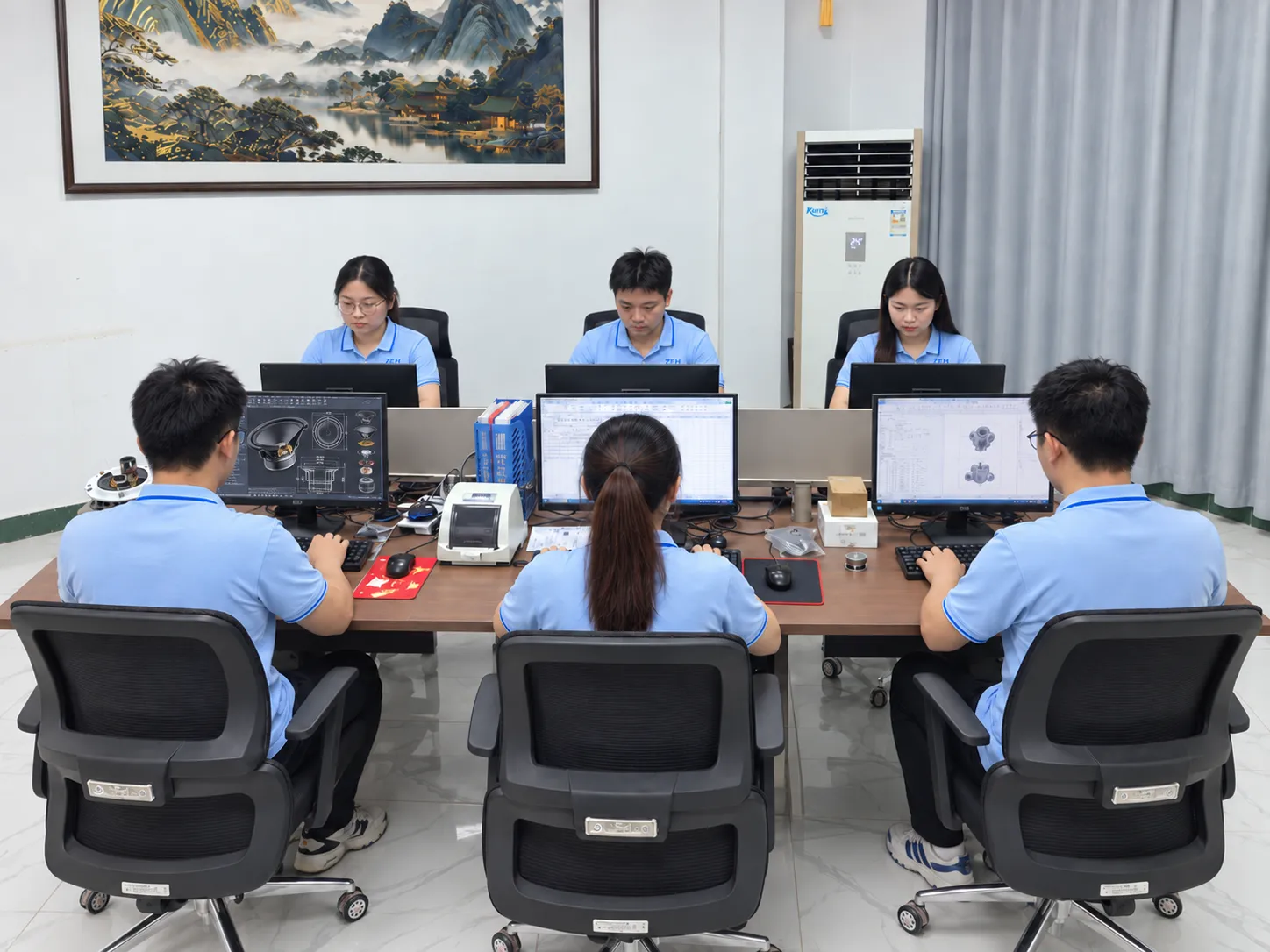
Small speakers operate within tighter mechanical, acoustic and power constraints than larger drivers. ZEH Audio combines speaker engineering, system integration and scalable manufacturing to help OEM/ODM customers develop compact audio solutions that fit the product, meet the target sound performance and remain consistent in mass production.

Compact Mechanical & Acoustic Engineering

Small speaker performance depends on more than driver diameter. Our engineers evaluate mounting depth, frame shape, magnet size, sound outlet position, enclosure volume and available internal space together to develop a speaker that fits your product without compromising the required acoustic performance.

System-Level Integration for Compact Electronics

We evaluate the speaker together with the enclosure, amplifier, PCBA, acoustic chamber, sound outlet, sealing structure and wiring. This system-level approach helps achieve clearer voice reproduction, sufficient SPL and more stable sound performance within limited product space and power budgets.

Prototype Validation & Production Consistency

Speaker samples can be evaluated for frequency response, sensitivity, impedance, distortion, mechanical fit and other project-specific requirements before mass production. Controlled materials, production processes and acoustic testing help maintain consistent performance from approved samples to production batches.

Flexible OEM/ODM Development from Prototype to Production

With more than 20 years of loudspeaker manufacturing and engineering experience, ZEH can start from an existing speaker platform or develop a customized solution around your product requirements. We support projects from speaker selection and structural modification through sample validation, enclosure integration and volume production.

FAQs

What size range counts as a small speaker driver?

A small speaker driver measures roughly 13–40 mm (0.5″–1.5″) across its mounting footprint, in round, oval, square or rectangular form. Below 13 mm a part is normally classed as a micro speaker; above 40 mm it enters the medium range. Measure the footprint and the total depth including the magnet, not the cone diameter — depth is what usually decides whether a driver fits.

What is the difference between a small speaker driver and a micro speaker?

Size is only part of it. Small speaker drivers (13–40 mm) use a conventional cone and carry music as well as voice prompts. Micro speakers (8–20 mm) use a much shallower motor and a flat diaphragm, trading low-frequency output for thickness, and are chosen when the product is thinner than about 4 mm. Where the ranges overlap at 13–20 mm, available depth decides.

Is a built-in speaker the same thing as a small speaker driver?

In sourcing terms, yes. “Built-in speaker” and “internal speaker” describe where the part sits — inside the customer’s housing, with no cabinet of its own — while “small speaker driver” describes what the part is. Almost every built-in speaker in consumer and industrial electronics is a 13–40 mm raw driver, supplied bare or pre-assembled with leads, a gasket and a plastic box.

Should I choose a 4 Ω or an 8 Ω small speaker driver?

Match the driver to the amplifier, not to a preference. At the same supply voltage a 4 Ω driver draws roughly twice the current and delivers about 3 dB more output, which suits battery products that must be loud from 3.7 V. 8 Ω runs cooler, sits inside a small class-D amplifier’s current limit, and is the safer default when the amplifier is fixed or the product plays continuously.

How much power does a small speaker driver need?

Usually less than the spec sheet suggests. A 28–40 mm driver rated 1–3 W reaches its mechanical limit well before its thermal limit, so a 5 W amplifier adds distortion rather than volume. Set the rated power from the amplifier’s real output at the battery’s lowest voltage and leave 20–30% headroom. Rated power is a durability figure; sensitivity and excursion decide loudness.

How much enclosure volume does a small speaker driver need?

Give a 28 mm driver at least 1–2 cc of sealed back volume and a 40 mm driver 5–10 cc; below that, air stiffness raises the resonance and thins the sound. The cavity must be genuinely sealed — a 0.5 mm gap around a wire exit can cost several dB in the low end. Where volume is unavailable, a vent or passive radiator tuned to the cavity recovers more than a bigger driver would.

Why does the speaker buzz once it is assembled into my product?

In most cases the driver is fine and the assembly is the cause. The usual culprits are an amplifier clipping at low battery voltage, an unsealed or resonating housing panel, leads touching the cone, and a frame deformed by uneven screw or rib pressure. Reproduce the fault with the driver in a test baffle first — if it disappears there, the problem is mechanical, not acoustic.

Scroll to Top

Get a free quote or sample

Contact Form
If you have any questions, please do not hesitate to contact us.