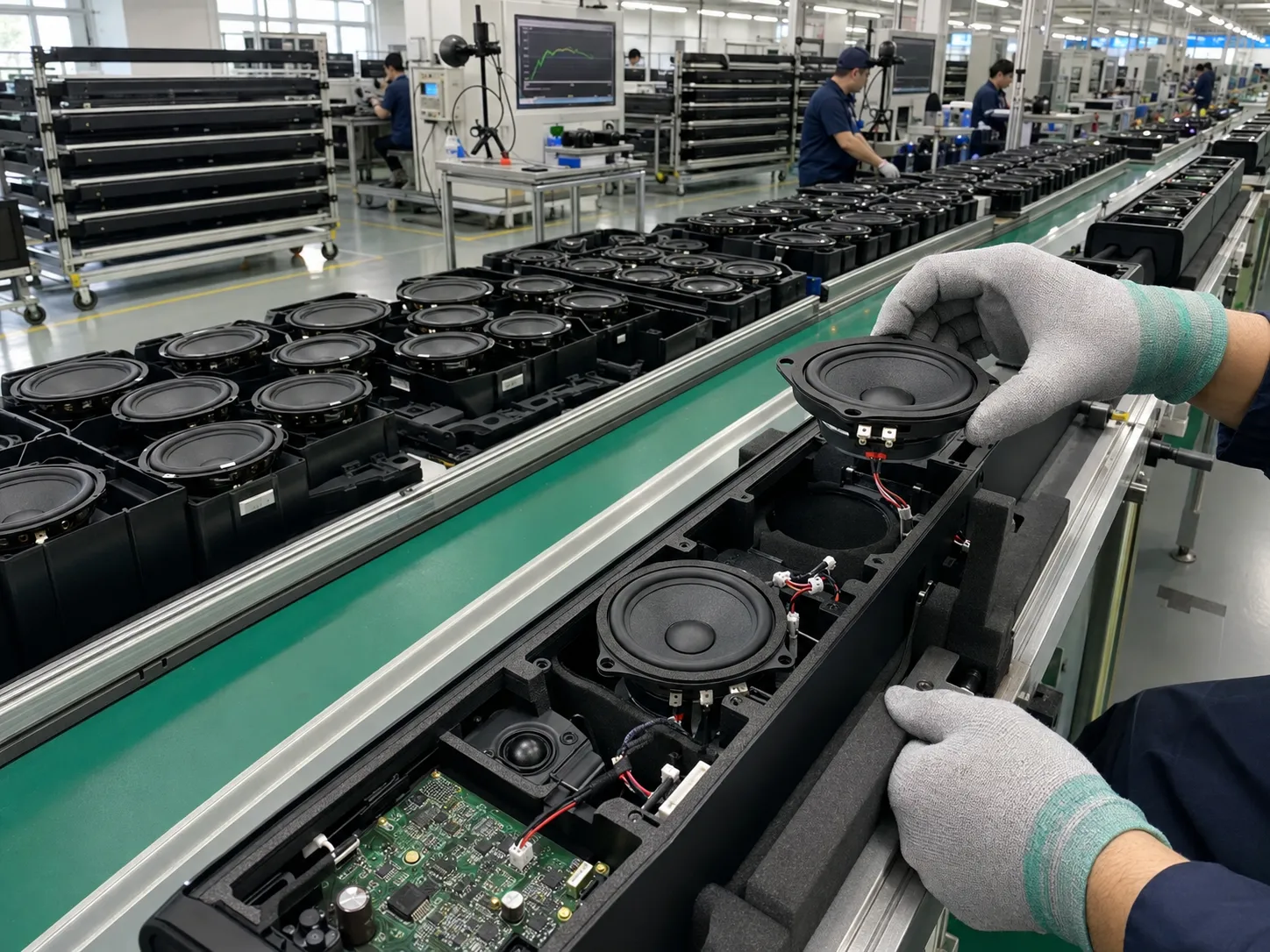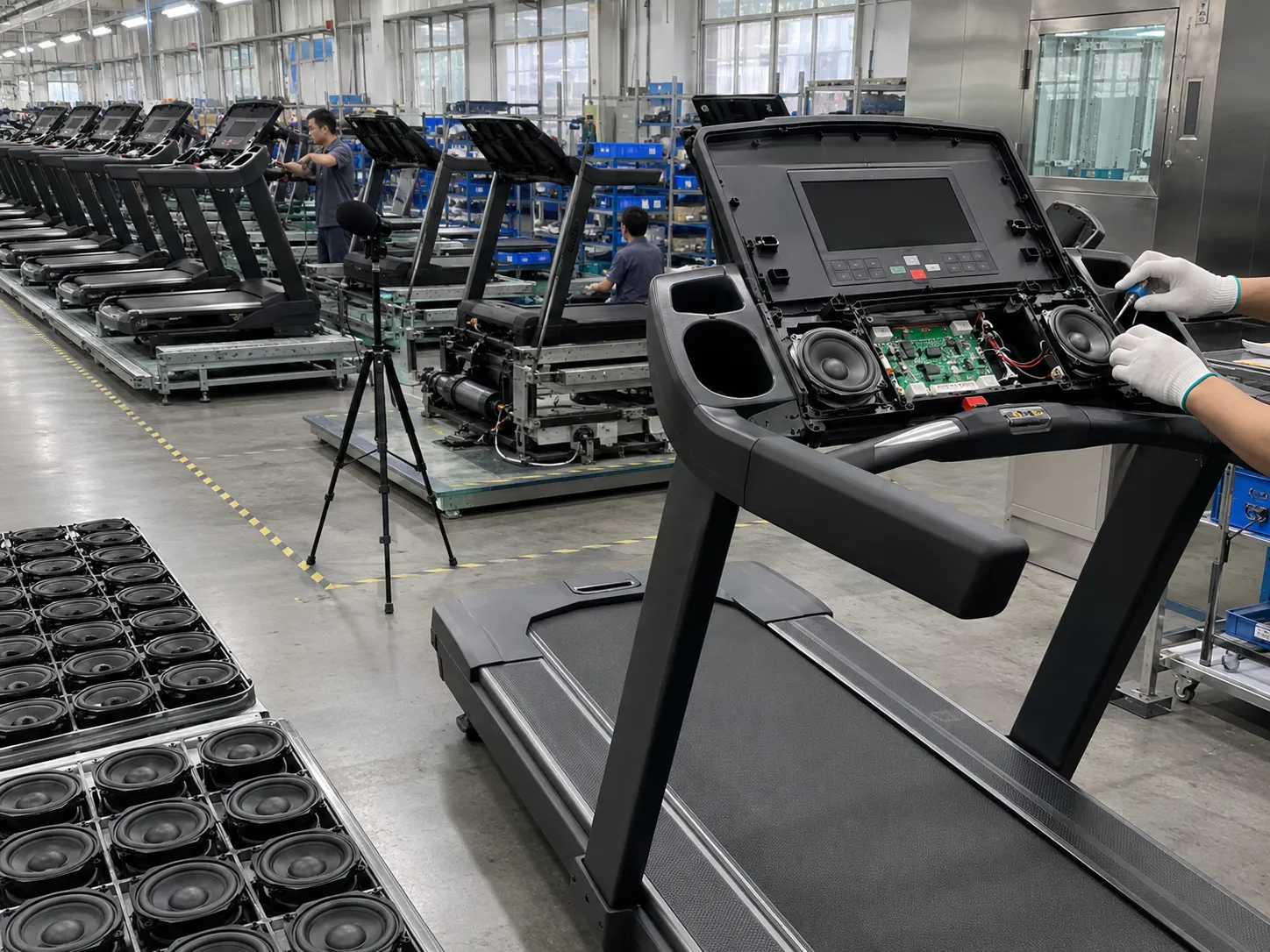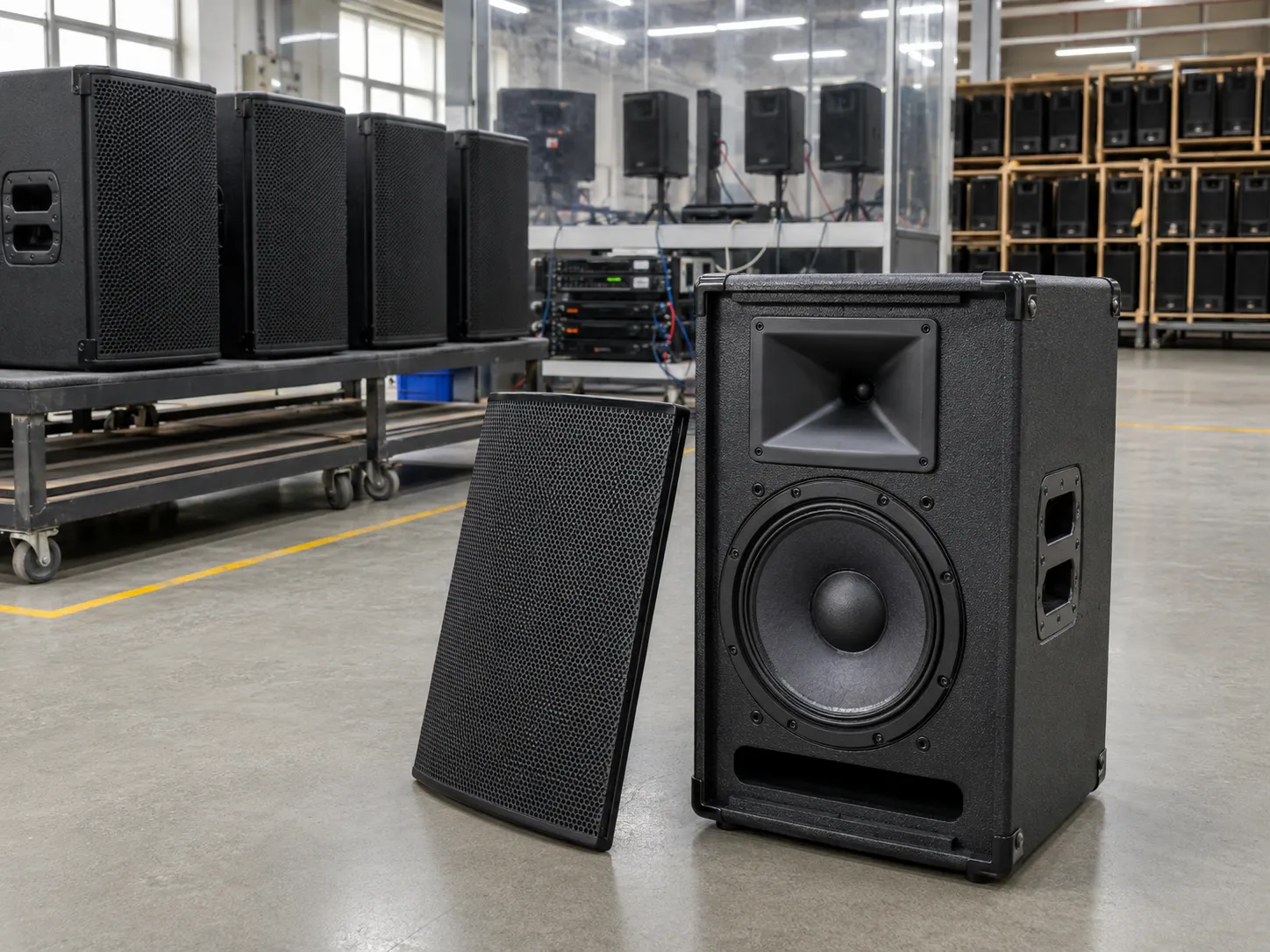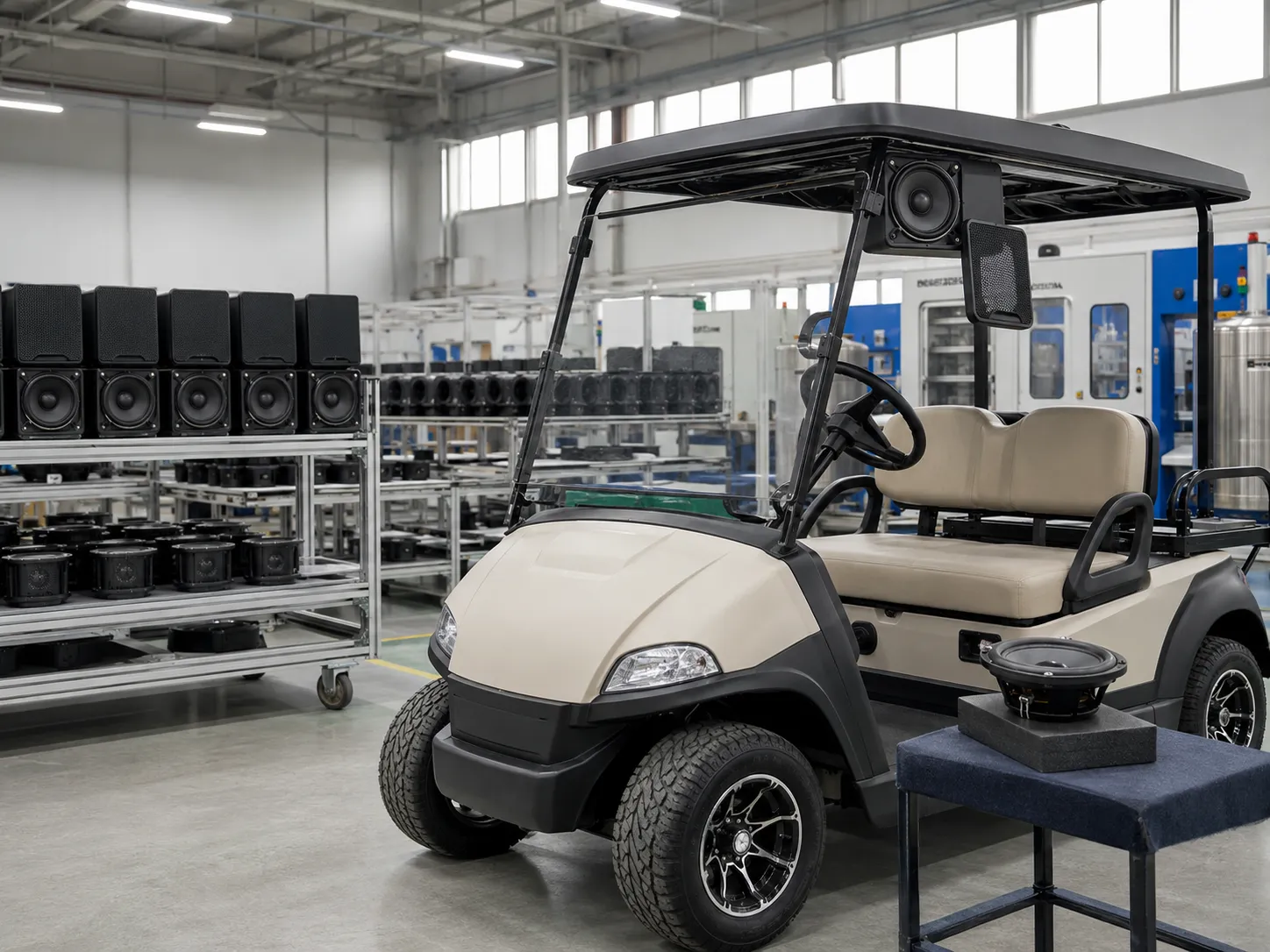

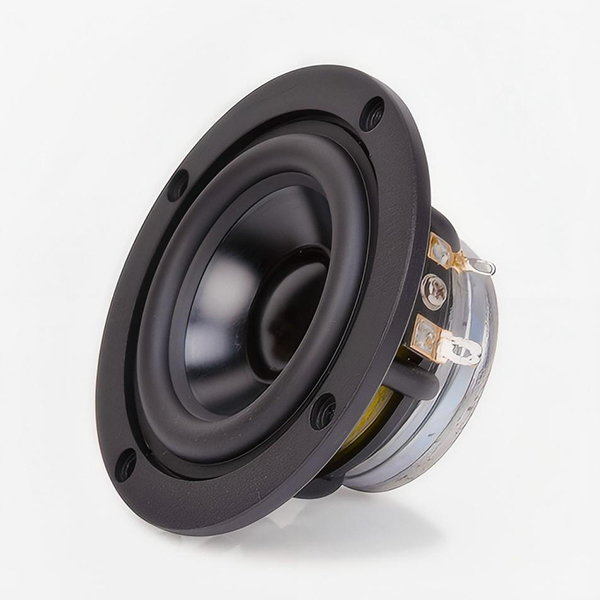
Fit the Speaker Into the Available Space
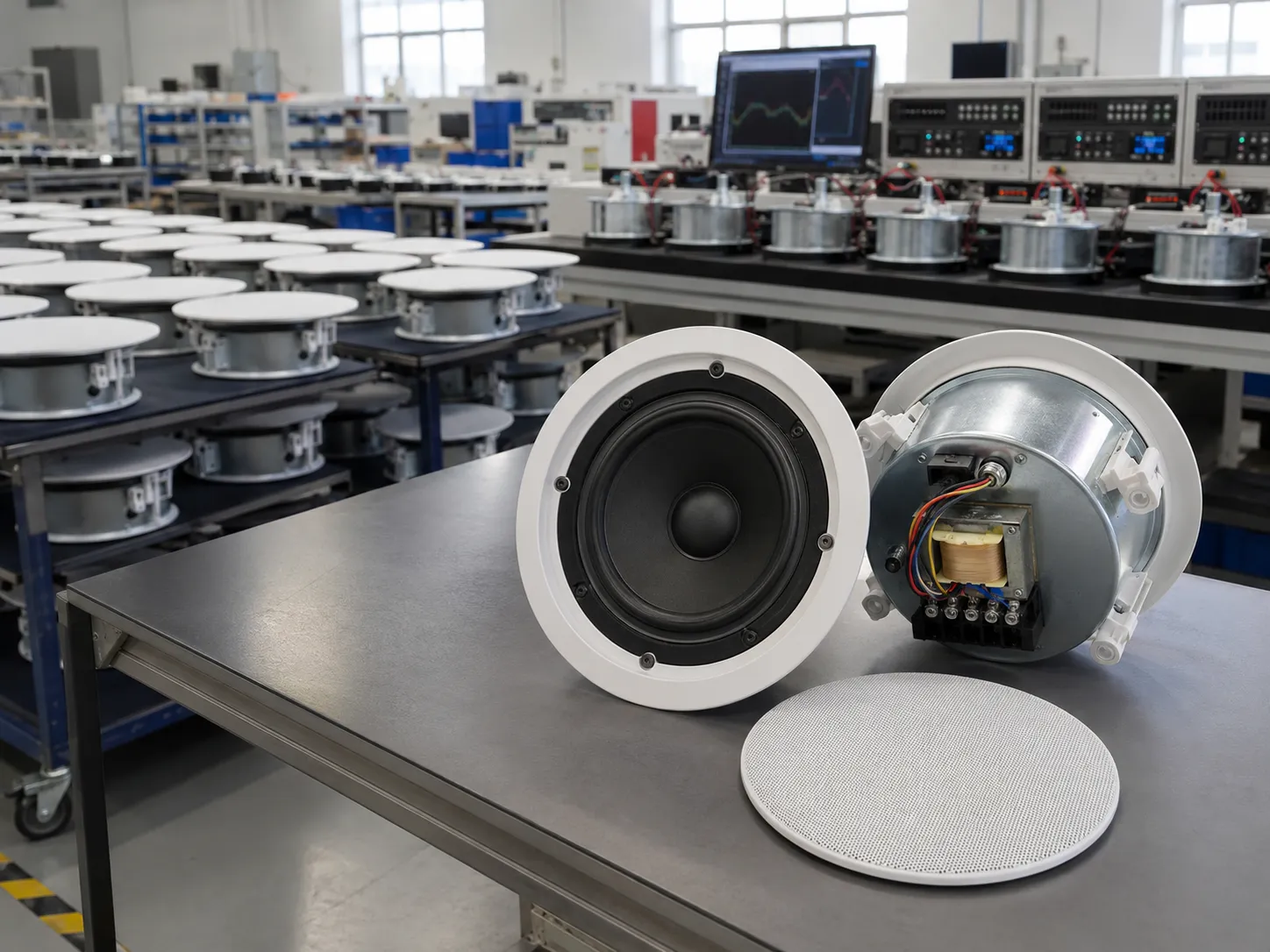
We review your housing dimensions and mounting structure before selecting the frame and magnetic circuit.
ZEH develops and manufactures midbass speaker drivers for OEM and ODM projects. We match the driver size, structure, impedance, power and acoustic response to your enclosure, amplifier, crossover and adjoining speaker drivers—not to a fixed off-the-shelf specification.
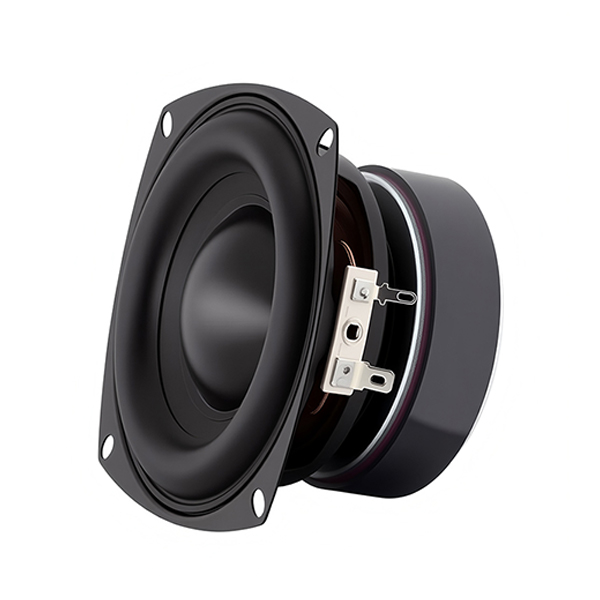
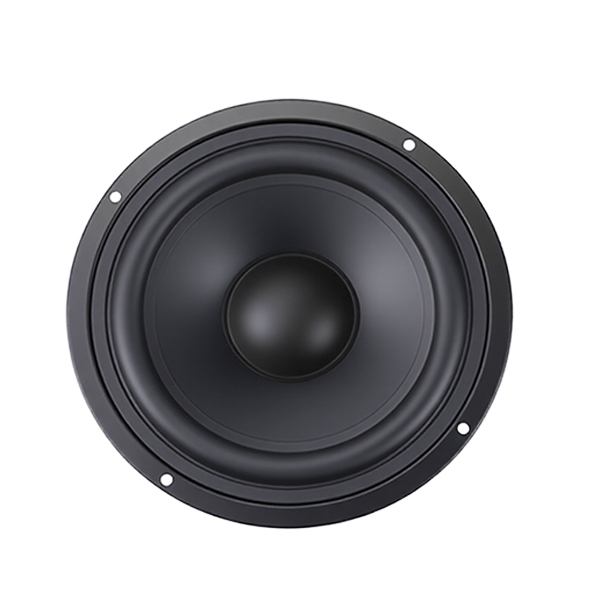
A midbass speaker driver reproduces the region between the main bass and middle-frequency sections of an audio system. It helps deliver body, impact and warmth while maintaining enough control to connect smoothly with the midrange driver or tweeter.
Depending on the system design, a midbass driver may operate as the main low-frequency unit in a compact two-way speaker or between a woofer and midrange or tweeter in a three-way system.
Its final performance depends on more than diameter and power rating. Cone material, suspension, voice coil, magnetic circuit, excursion, enclosure volume, port design and crossover settings all affect the usable acoustic result.
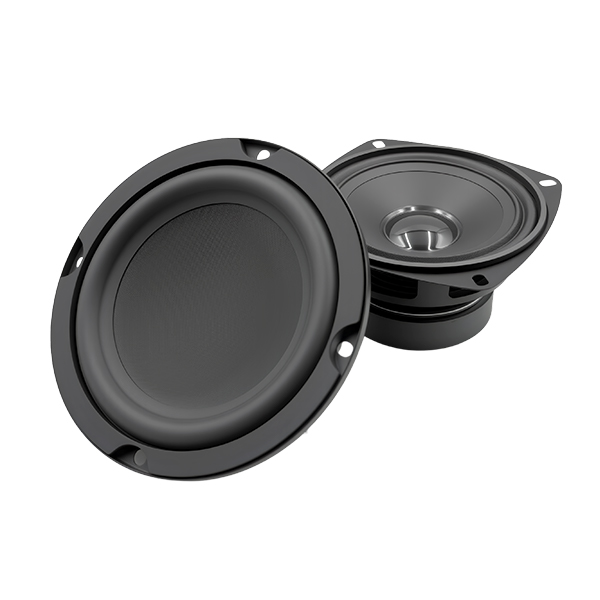
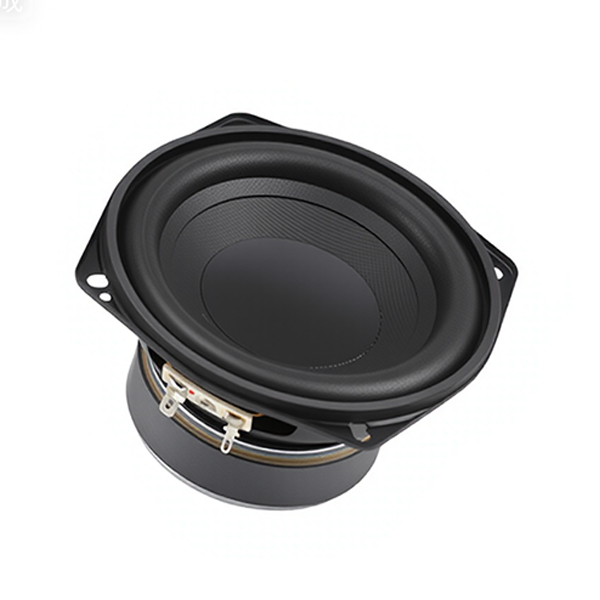
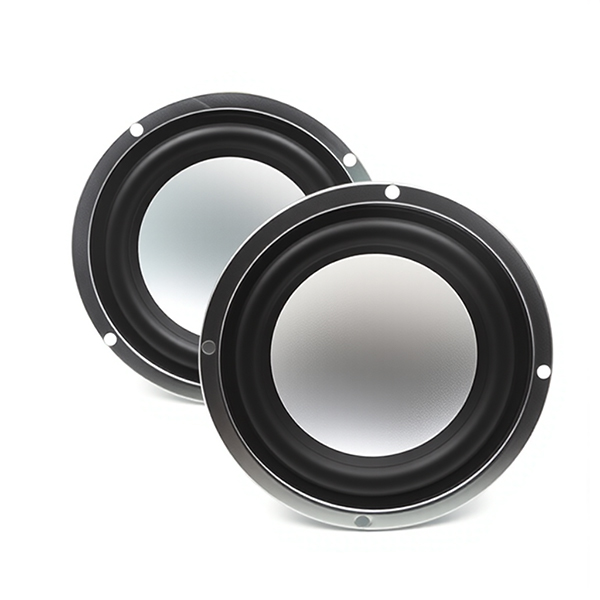
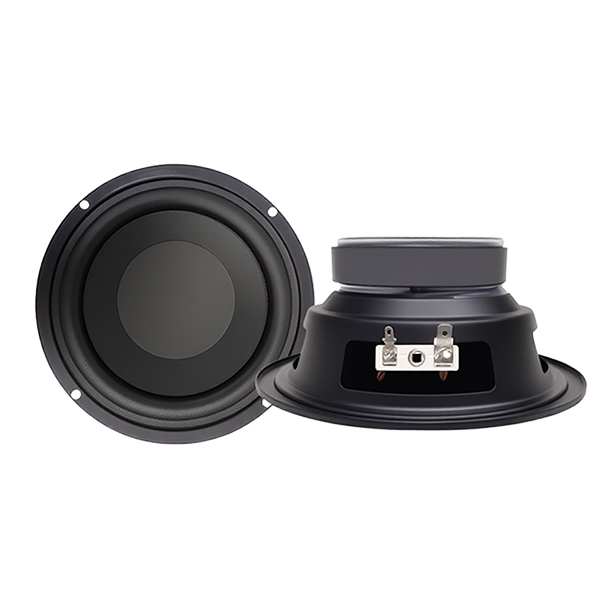
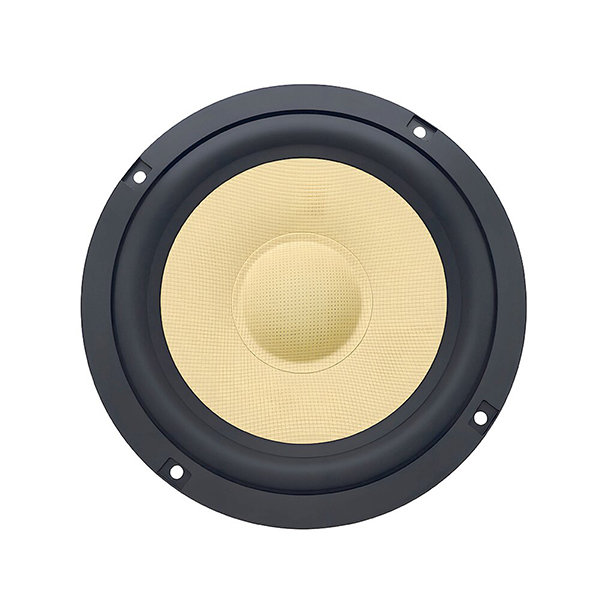
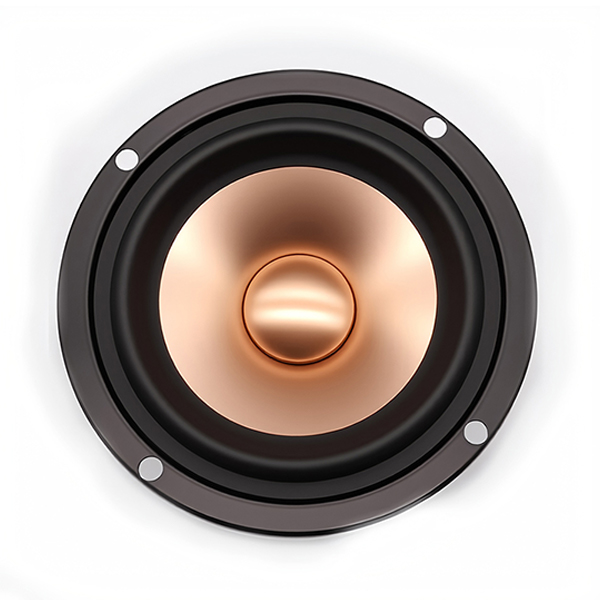
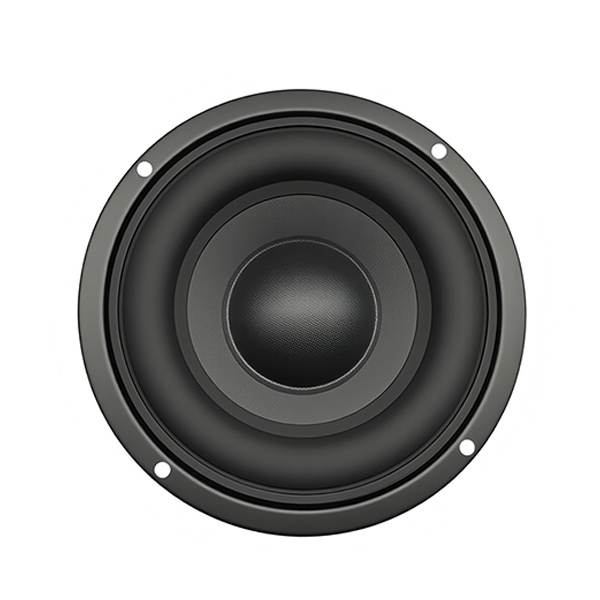
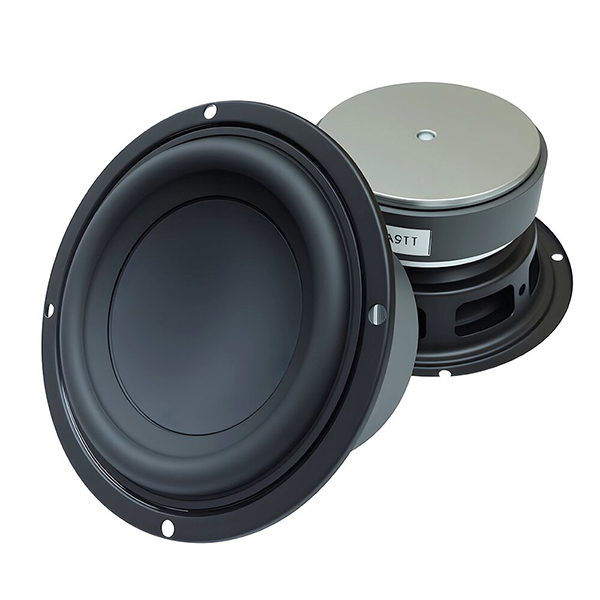
The drivers below represent existing midbass platforms with different diameters, frames, magnetic circuits, impedances and power levels.
They are starting points for OEM and ODM development rather than fixed retail products. Each platform can be evaluated or modified according to your enclosure, amplifier, crossover, adjoining speaker drivers, acoustic target and production requirements.
ZEH can supply the individual midbass driver or coordinate related parts such as the enclosure, grille, wire harness, connector and crossover components.
ZEHSMAUDIO can adapt an existing speaker platform or develop a modified structure based on your installation space, sound target, electronics, enclosure and production requirements.
We review your housing dimensions and mounting structure before selecting the frame and magnetic circuit.
Round, oval, rectangular and low-profile frames can be adapted to internal ribs, PCB positions and assembly methods.
Speaker parameters are evaluated together with the amplifier, enclosure, listening distance and required sound performance.
Diaphragm, surround and magnet materials are selected according to the target sound, environment and cost requirements.
The project can include the enclosure, grille, wiring, connector, sealing components and amplifier matching.
Different products place different demands on speaker size, vocal clarity, sound pressure, enclosure volume, power consumption and long-term reliability. Select an application to see how the acoustic priorities change.
For smart terminals and voice-enabled products, the speaker must reproduce speech clearly inside a compact enclosure while working together with the microphone, audio PCBA and product housing.
Low-profile structure, vocal-band tuning, cavity matching and complete audio hardware coordination.
Interactive toys and learning products need clear speech, comfortable loudness and a structure that remains consistent across repeated use and mass production.
Shape customization, controlled sound pressure and voice-frequency optimization for educational content.
Voice prompts and alarms must remain understandable and stable, while the speaker or module also fits the assembly, supply and reliability requirements of the medical device.
Integrated modules, stable acoustic output, controlled materials and documented validation before production.
Doorbells, panels, sensors and connected terminals often require a small speaker that delivers clear prompts or alerts without taking valuable space from the rest of the electronics.
Compact structures, alert-tone tuning, optional environmental protection and connector integration.
Trackers, training products and portable electronics need compact sound components that survive movement, limited battery capacity and repeated everyday handling.
Small-footprint drivers, efficient notification output and optional sealing or integrated module assembly.
A midbass driver cannot be selected only by diameter, impedance or power rating. It must work correctly with the enclosure, amplifier, crossover and adjoining speaker drivers.
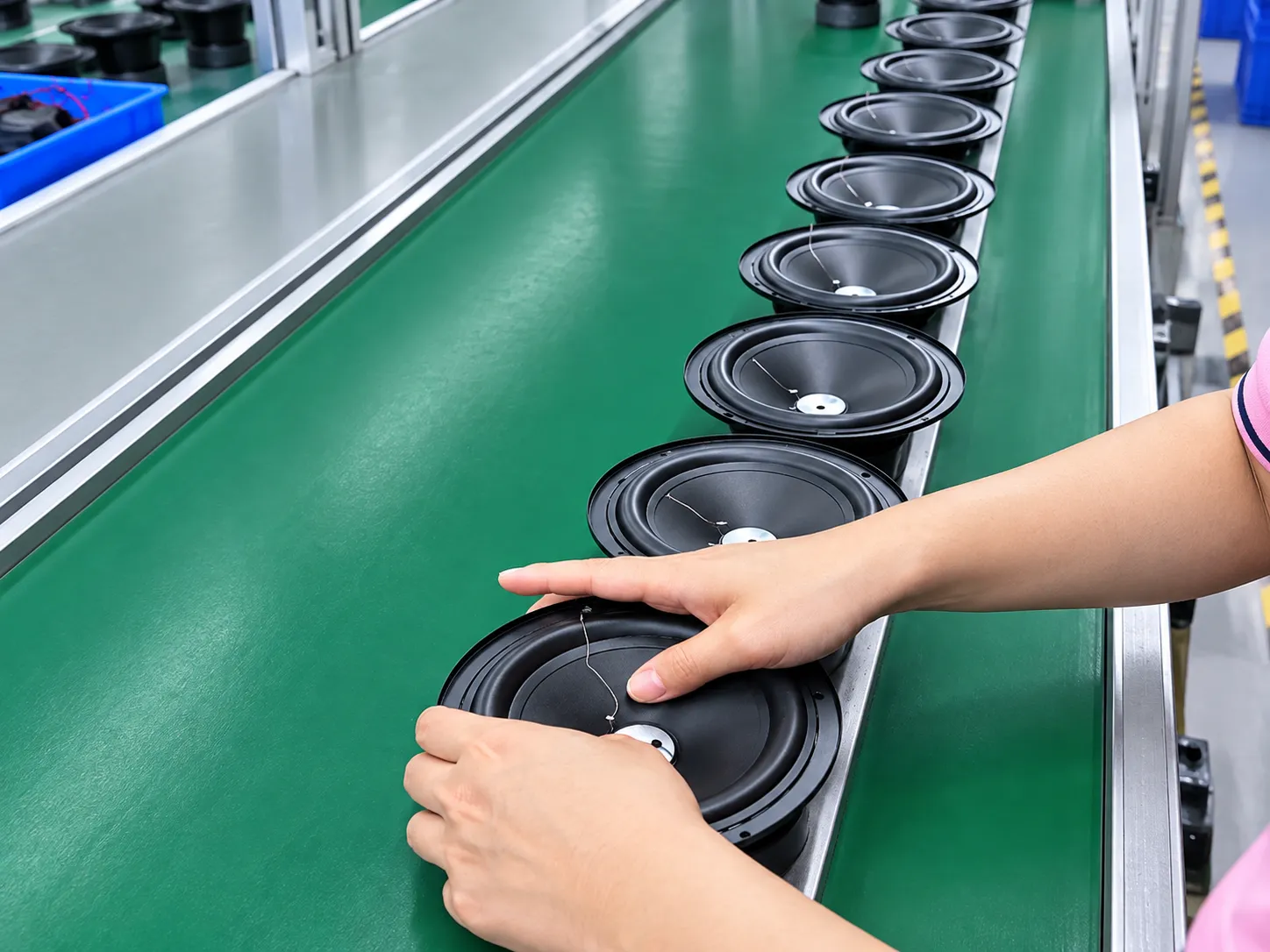
ZEH supports OEM and ODM customers from platform selection and sample development through system matching, prototype validation and volume production.
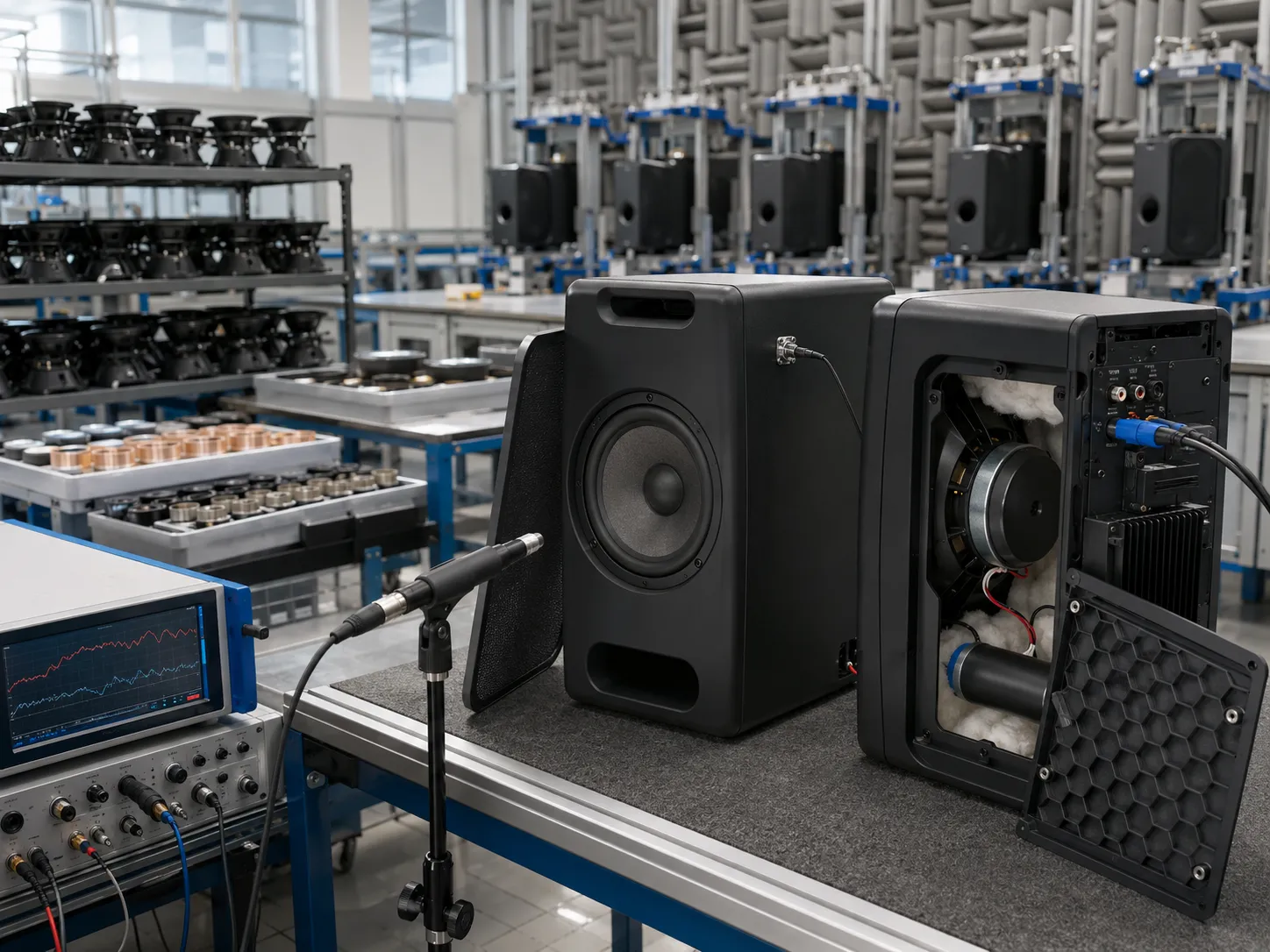
ZEH evaluates the midbass driver together with the enclosure, amplifier, crossover, tweeter and, where applicable, the woofer or midrange driver.
The selection process considers:
This helps reduce weak bass, uncontrolled cone movement, sensitivity mismatch and poor transition between drivers.
ZEH maintains existing midbass platforms with different frames, cone structures, magnetic circuits, impedances and power levels.
These platforms provide a practical starting point for OEM development while allowing project-specific adjustments to mechanical, electrical and acoustic specifications.
When an existing platform cannot meet the installation or performance requirements, structural modification or new tooling can be evaluated according to the project volume.
Beyond the midbass driver, ZEH can coordinate related components such as enclosures, grilles, acoustic mesh, wire harnesses, connectors, crossover parts and amplifier requirements.
Evaluating these components together helps improve compatibility and reduces the complexity of managing multiple suppliers.
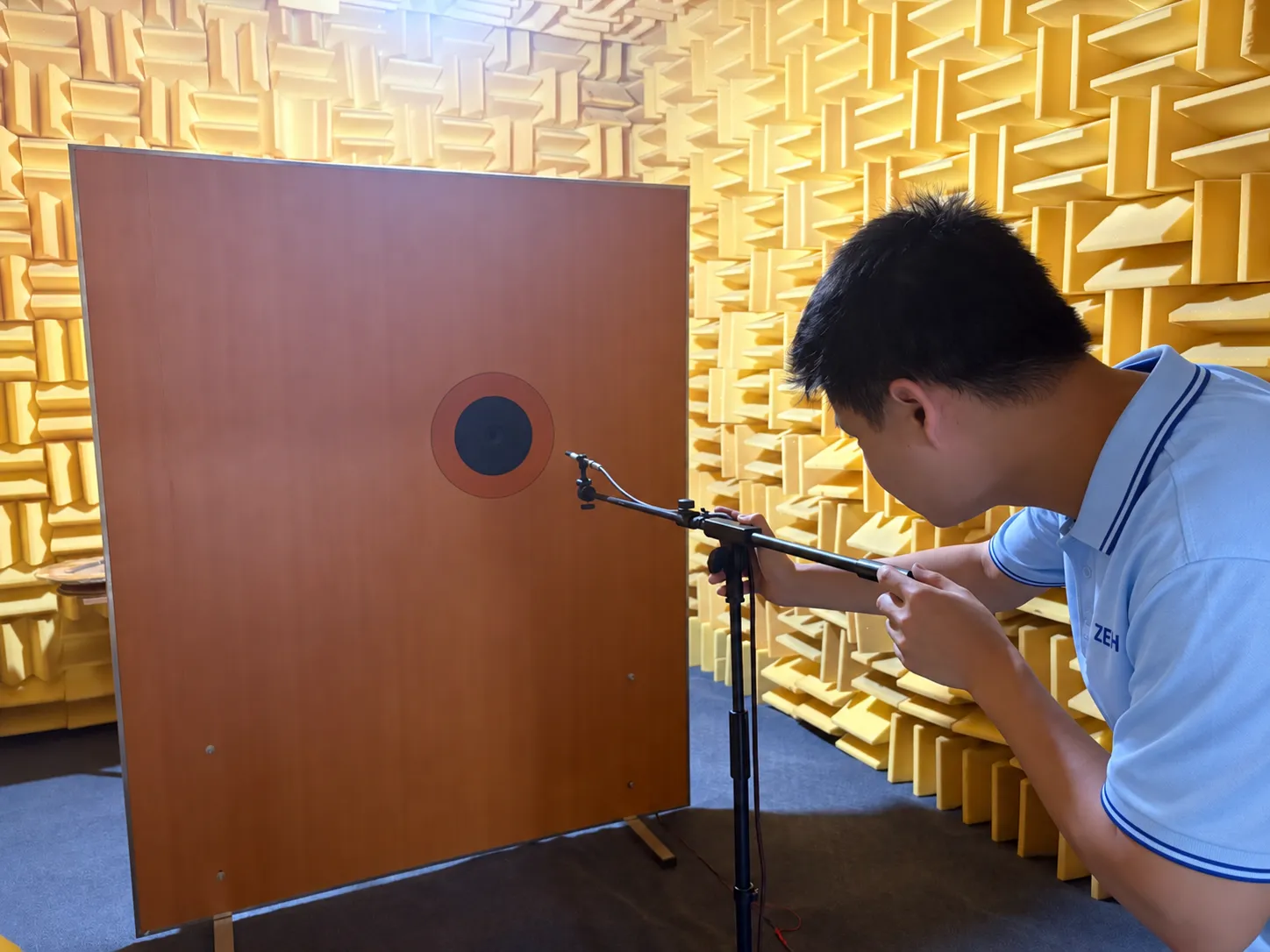
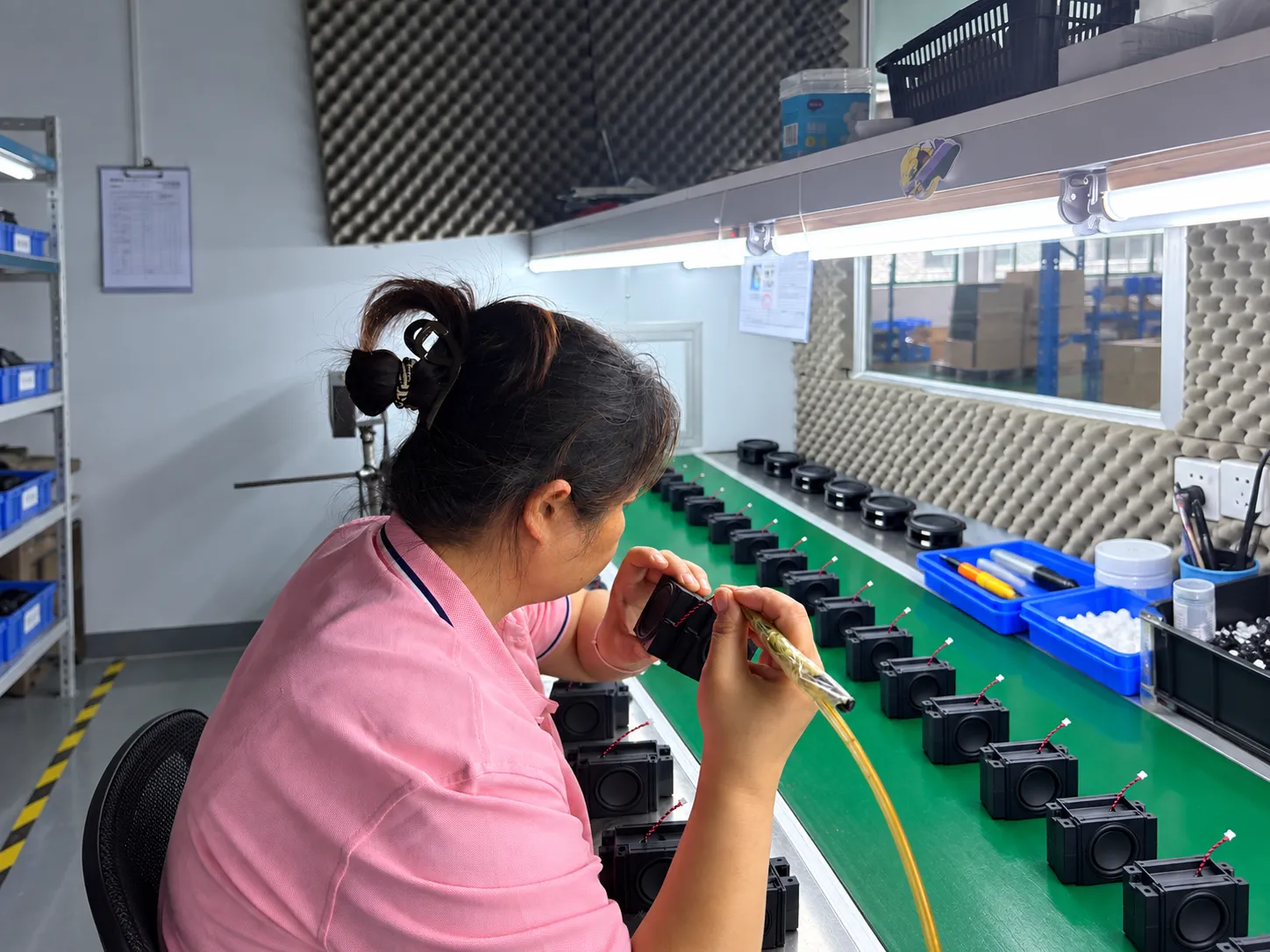
ZEH supports engineering samples and prototype evaluation before pilot production.
The validation process can include installation compatibility, electrical parameters, frequency response, impedance, sensitivity, abnormal noise, power reliability, enclosure matching and crossover coordination.
After the sample and technical specifications are confirmed, the project can move into pilot and volume production.
A midbass speaker driver reproduces upper-bass and lower-midrange content.
It may be used as the main low-frequency driver in a compact two-way system or as the midbass section of a larger multi-driver audio system.
A midbass driver extends further into the bass region and normally requires greater diaphragm movement.
A midrange driver focuses more on vocals, dialogue and central musical content.
A woofer is generally selected when the system requires greater low-frequency extension.
A midbass driver places more emphasis on bass impact, lower-midrange clarity and a smooth transition to the tweeter or midrange driver.
The final classification depends on the driver design and its intended operating range.
Yes. A midbass driver can operate as the main low-frequency unit in a two-way system when it is correctly matched with the tweeter, enclosure and crossover.
ZEH can evaluate the two drivers and recommend a suitable development platform.
Yes. The outside diameter, mounting depth, frame, hole positions, magnet dimensions and installation structure can be evaluated according to your product housing.
Customization feasibility depends on the selected platform, tooling requirements and expected production volume.
Yes. ZEH can evaluate the impedance, rated power, sensitivity, resonant frequency and frequency response according to the amplifier, enclosure and target sound.
Final parameters must be confirmed through sample development and testing.
Yes. Please provide the available enclosure dimensions, internal volume, port structure, grille, amplifier and target acoustic requirements.
ZEH can evaluate the driver platform together with the enclosure and complete audio system.
Yes. You can provide a 2D drawing, 3D file, existing speaker sample, enclosure sample or complete audio product.
Our engineers will review the installation space, electronics, crossover and acoustic requirements before recommending or modifying a platform.
Yes. ZEH supports engineering samples, enclosure matching, acoustic evaluation and pilot production before mass manufacturing.
Testing requirements are confirmed according to the product application and project scope.
MOQ and development time depend on the selected platform, customization level, tooling requirements, testing scope and expected order volume.
Please provide your technical requirements so ZEH can evaluate the project route and prepare a project-specific quotation.