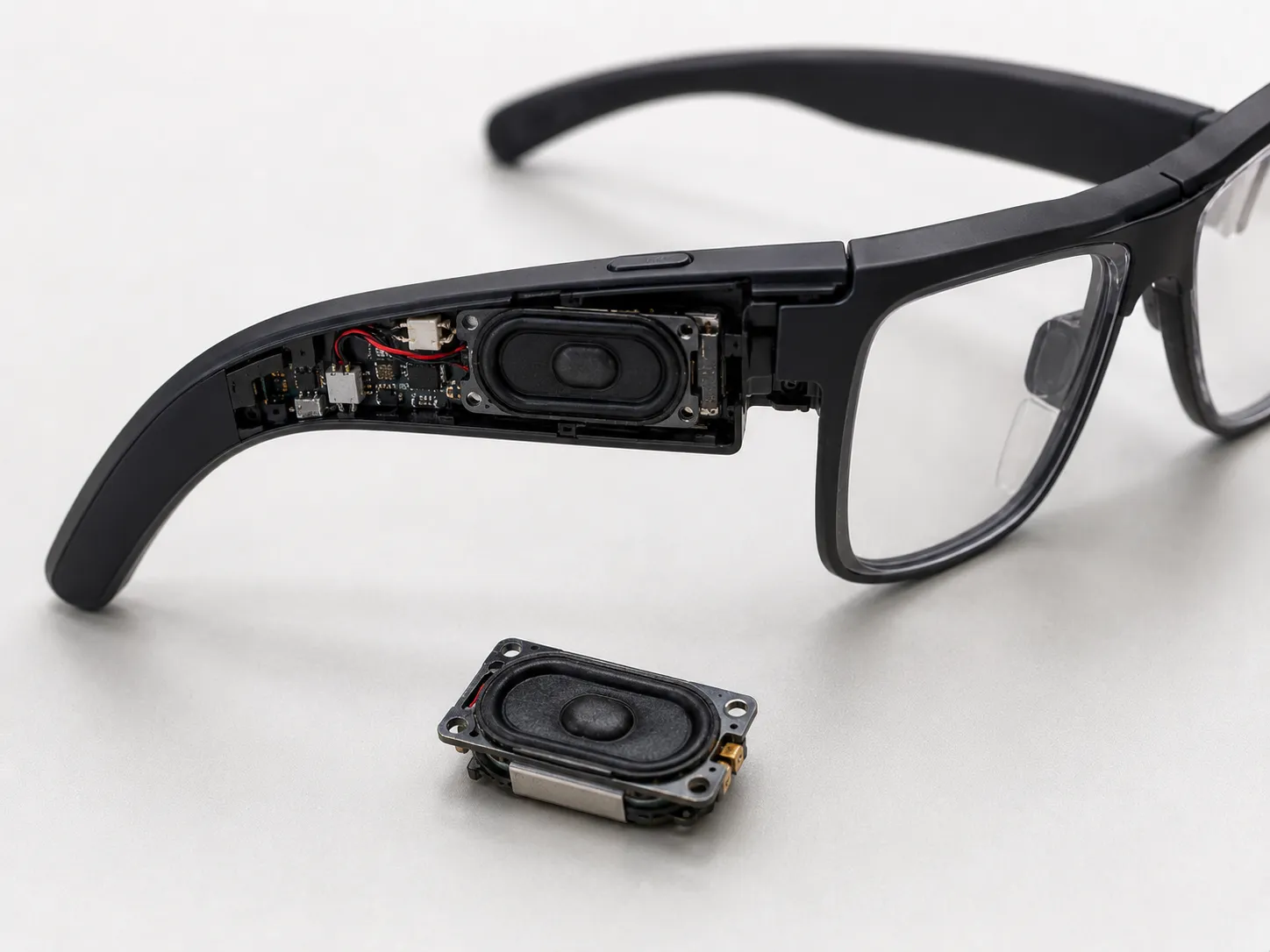
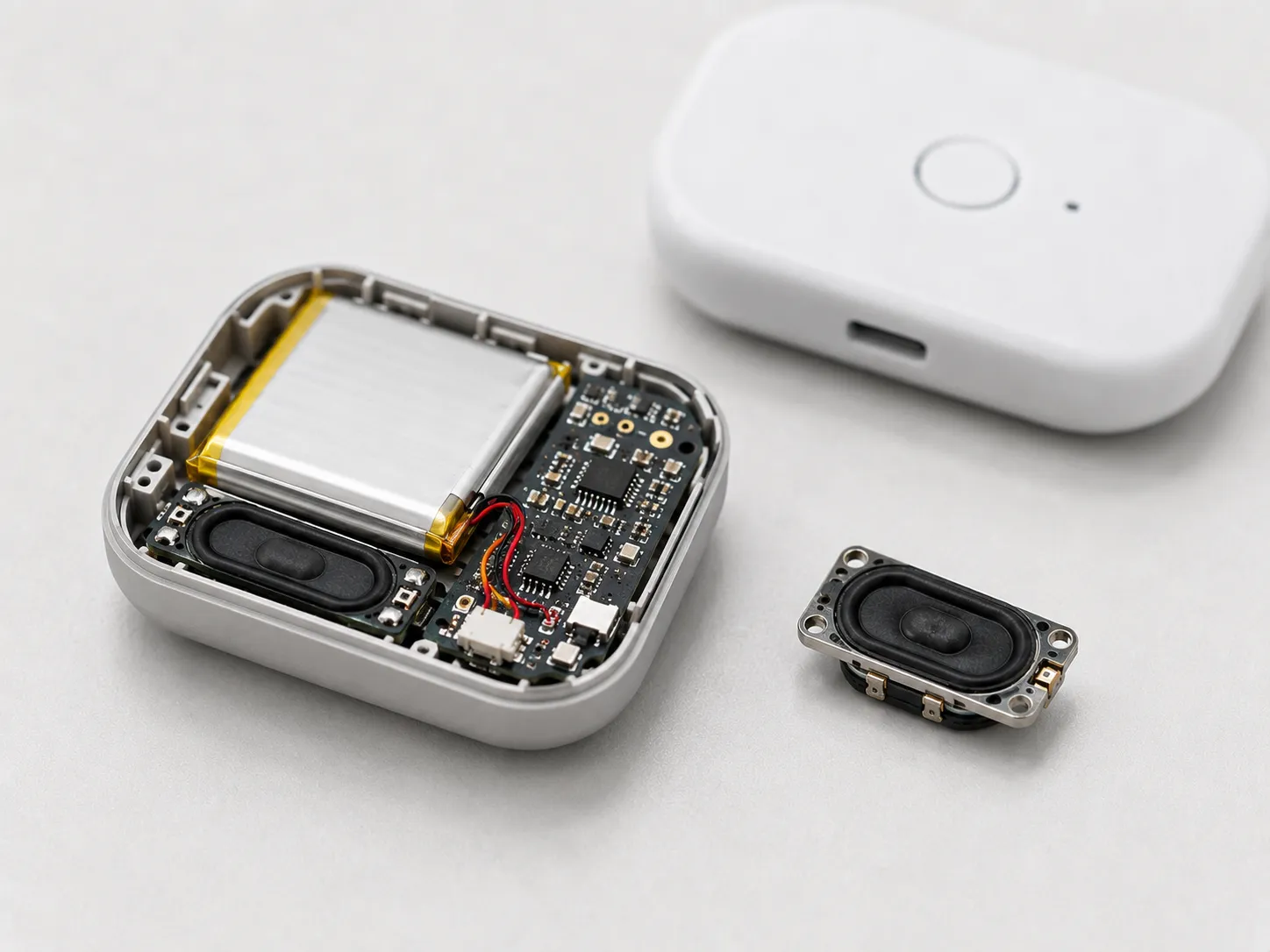
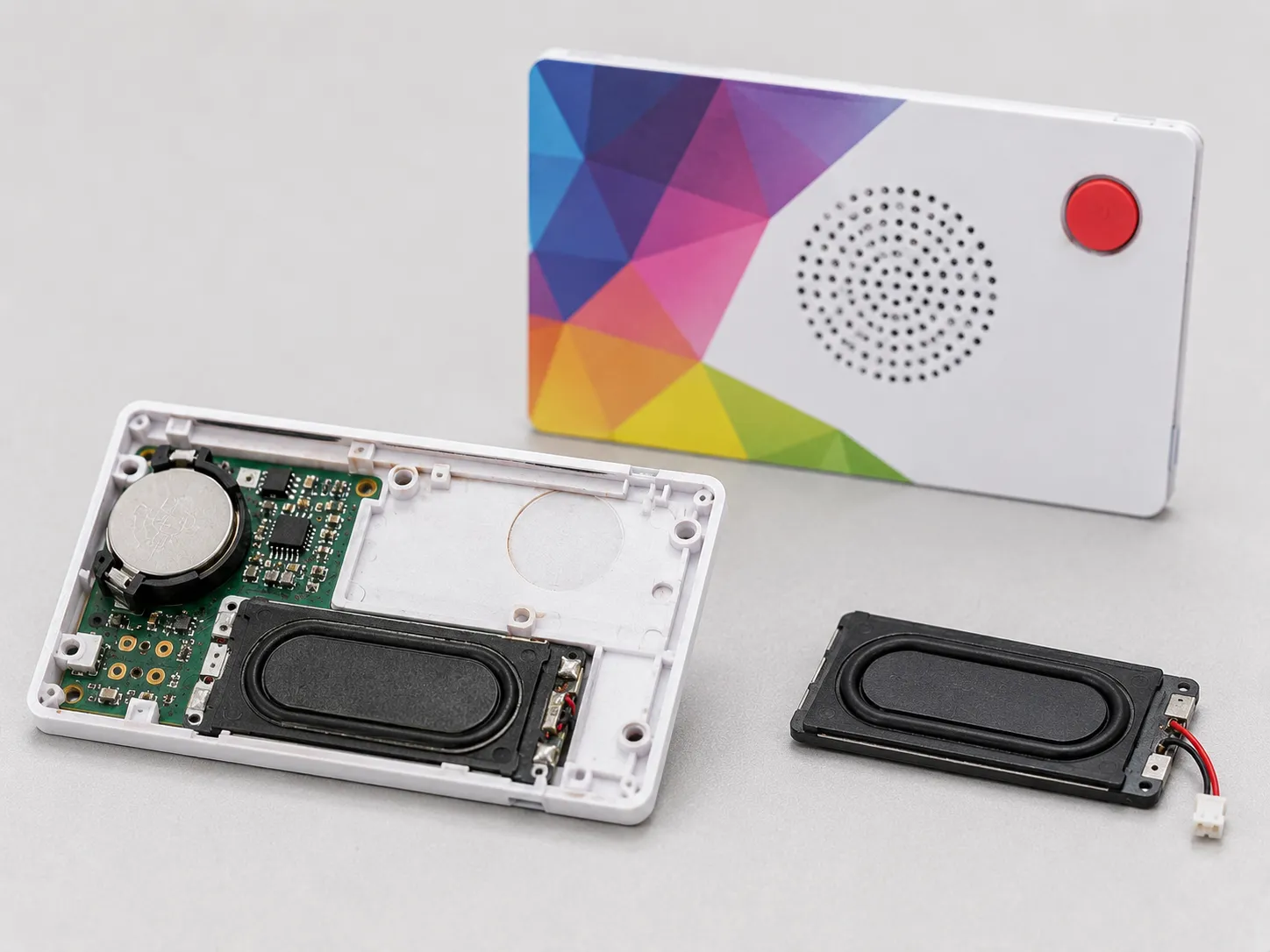
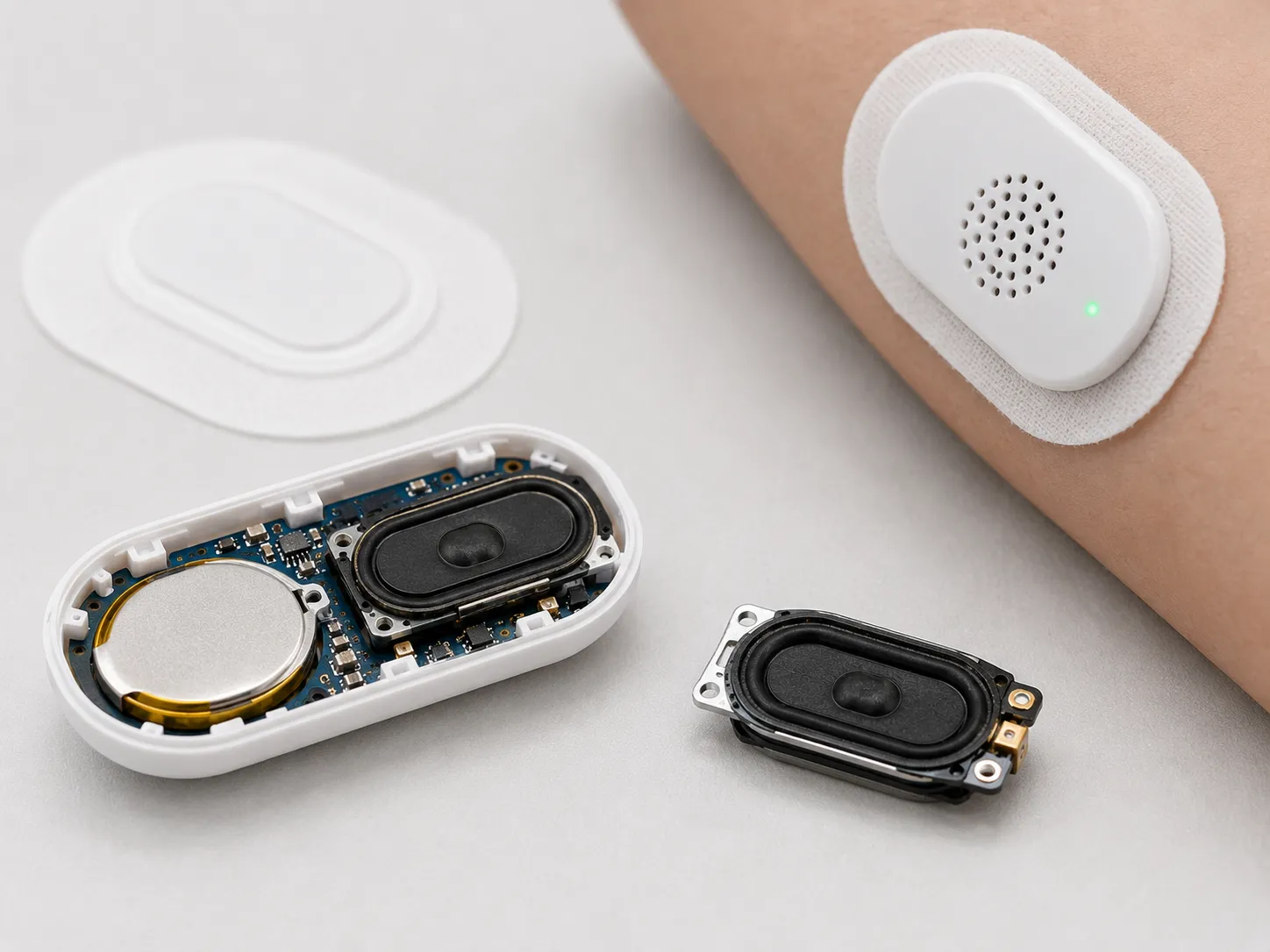
Fit the Speaker Into the Available Space
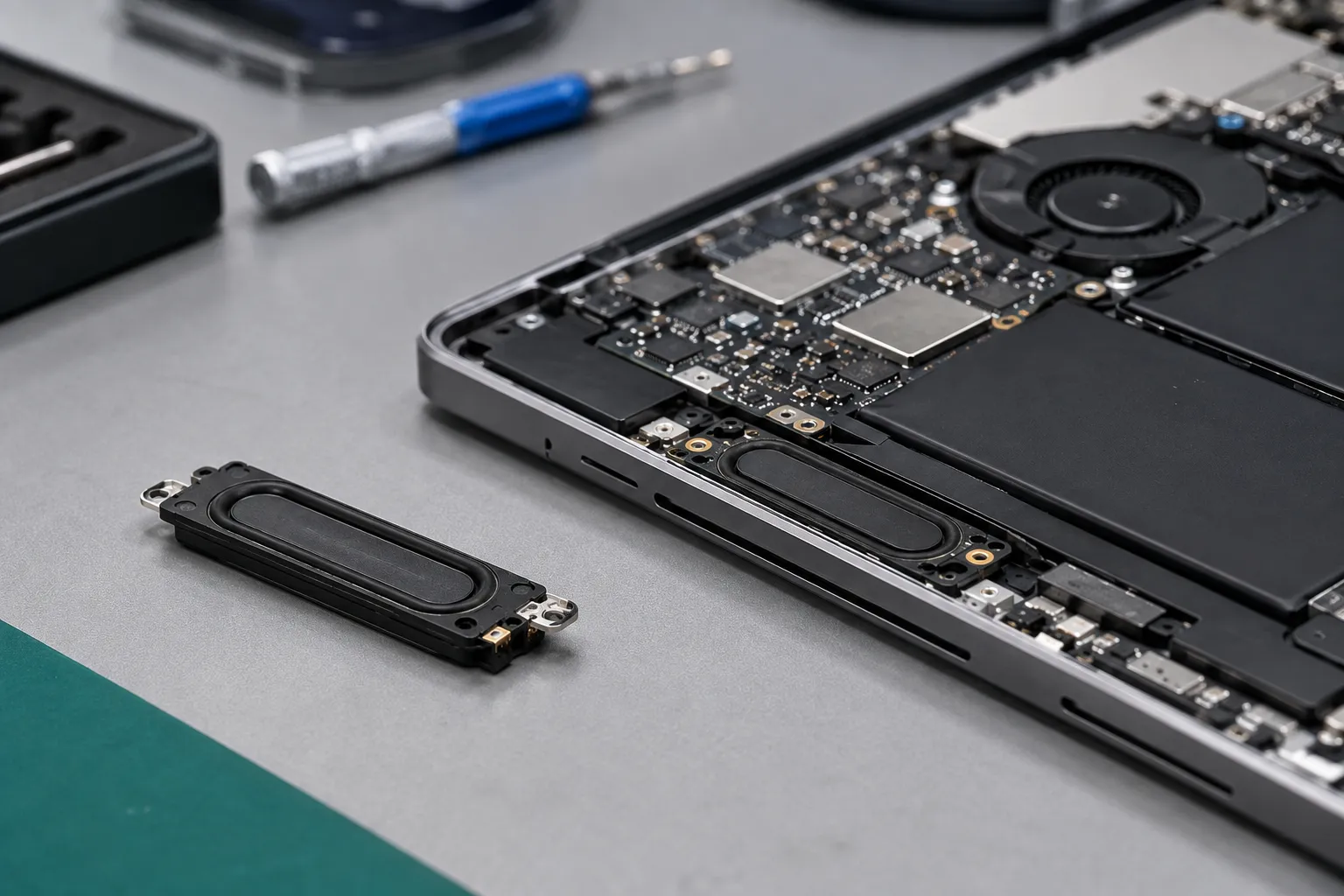
We review your housing dimensions and mounting structure before selecting the frame and magnetic circuit.
Compact and low-profile speaker drivers engineered for wearables, smart electronics, medical devices, portable equipment and other space-constrained products.
The right speaker size is not necessarily the largest one that fits. It should work together with the amplifier, acoustic enclosure, sound outlet and product housing to achieve the required acoustic performance.
Based on your product drawings, available installation space, enclosure design, amplifier parameters, target sound performance and operating environment, ZEH can provide professional speaker selection and customization, enclosure matching, structural optimization, sample development, acoustic tuning and reliability validation. Our engineering support helps shorten your product development cycle while ensuring stable sound performance, proper assembly fit and batch-to-batch consistency in the final product.

Mini speakers & micro speakers are compact electroacoustic components designed for ultra-thin and space-constrained electronic devices. They deliver clear voice prompts, notification tones and alarm sounds within extremely limited installation space while maintaining low power consumption.
The classification of mini and micro speakers varies depending on the manufacturer’s product range, external dimensions, thickness, power rating and intended application. Speaker selection should therefore not be based on size alone. Available installation space, acoustic enclosure volume, amplifier output, impedance, rated power, sensitivity, frequency response, target sound pressure level and operating environment must all be carefully evaluated.
The amplifier, acoustic enclosure, product housing and overall mechanical structure should also be optimized as an integrated system to achieve the desired volume, clarity, frequency response and long-term reliability.
Each type of Micro speaker below can be selected from our existing size platforms or customized to suit your product structure, acoustic enclosure, amplifier specifications, target sound performance, and mass-production requirements. Customizable parameters include speaker size, shape, depth, mounting holes, impedance, rated power, magnet, diaphragm, mounting method, and wire connection. Speaker grilles can also be added upon request.
Based on your product structure and target sound performance, ZEH can recommend or customize small-, medium-, and large-size speakers for your project. We also provide acoustic enclosure design, amplifier matching, PCBA development and debugging, DSP tuning, plastic enclosure manufacturing, sample validation, and mass-production services—helping ensure stable acoustic and mechanical integration between the speaker and the finished product.
ZEHSMAUDIO can adapt an existing speaker platform or develop a modified structure based on your installation space, sound target, electronics, enclosure and production requirements.
We review your housing dimensions and mounting structure before selecting the frame and magnetic circuit.
Round, oval, rectangular and low-profile frames can be adapted to internal ribs, PCB positions and assembly methods.
Speaker parameters are evaluated together with the amplifier, enclosure, listening distance and required sound performance.
Diaphragm, surround and magnet materials are selected according to the target sound, environment and cost requirements.
The project can include the enclosure, grille, wiring, connector, sealing components and amplifier matching.
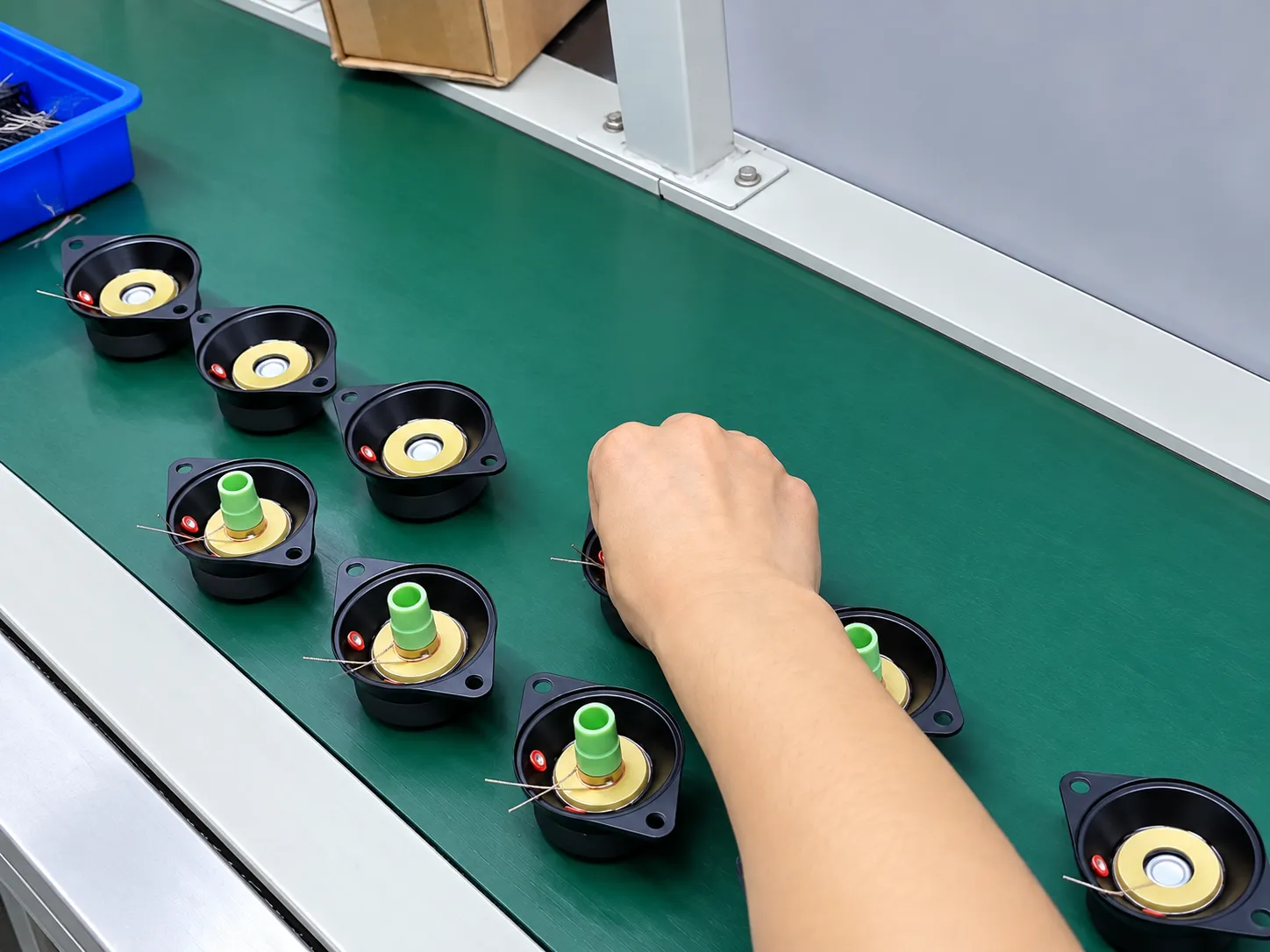
Mini and micro speakers must deliver usable acoustic performance within extremely limited space, power and structural constraints. ZEH Audio combines compact speaker engineering, acoustic integration and controlled manufacturing to help OEM/ODM customers develop reliable speaker solutions for space-sensitive electronic products.
Miniature speaker projects often have strict limits on diameter, thickness, mounting depth and internal clearance. Our engineers optimize the frame, magnet system, diaphragm, voice coil and mounting structure around the available space to achieve the required balance between compact size, output level and acoustic performance.
For compact electronic devices, voice intelligibility is often more important than extended low-frequency output. We tune frequency response, sensitivity and acoustic loading around the target application to improve speech clarity, notification sound and near-field listening performance within small enclosures.
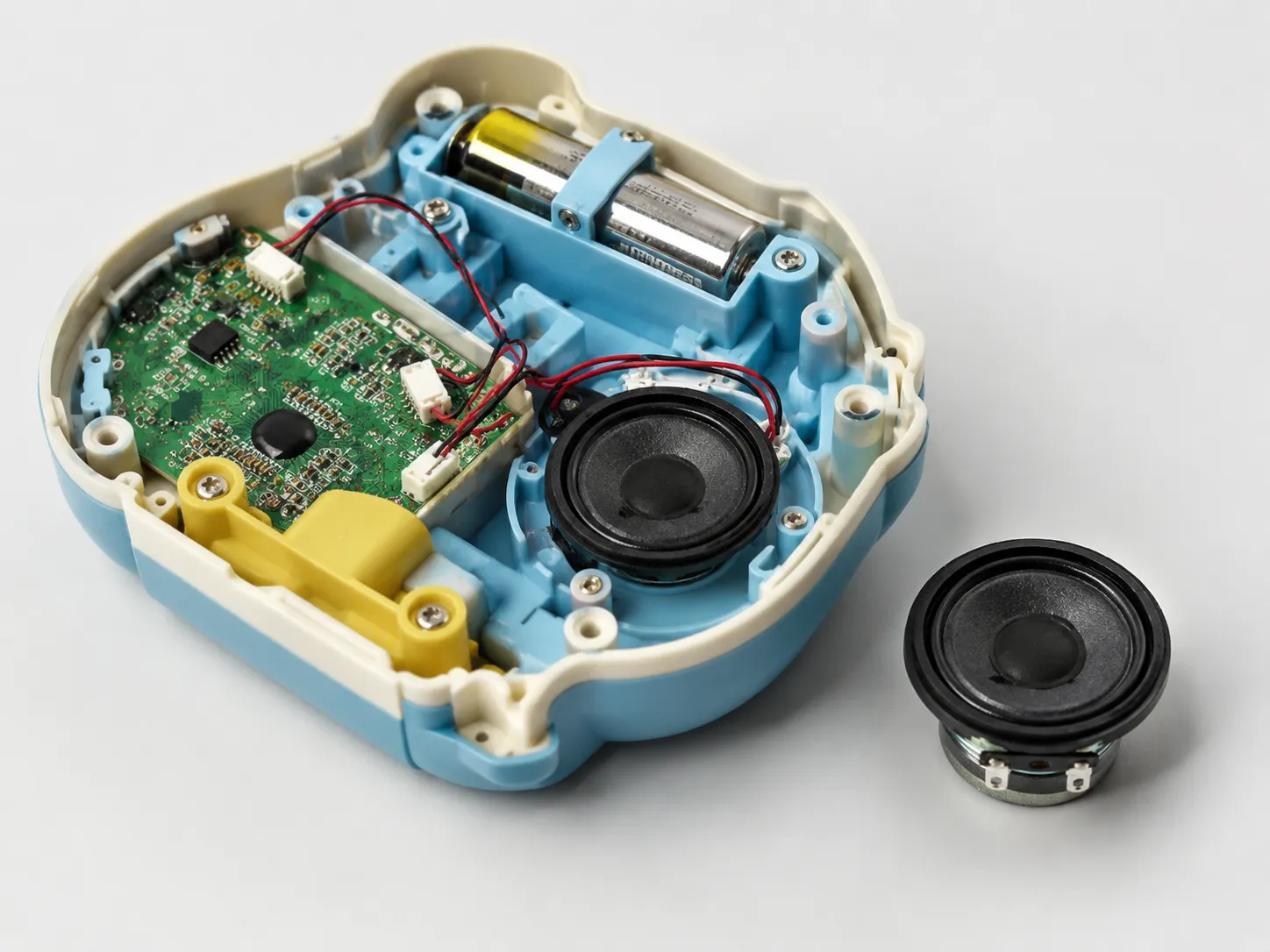
We evaluate the speaker together with the amplifier, PCBA, enclosure volume, acoustic chamber, sound outlet, sealing structure and power budget. This helps reduce acoustic loss, unwanted resonance and performance variation while allowing the speaker to work efficiently in battery-powered and highly integrated devices.
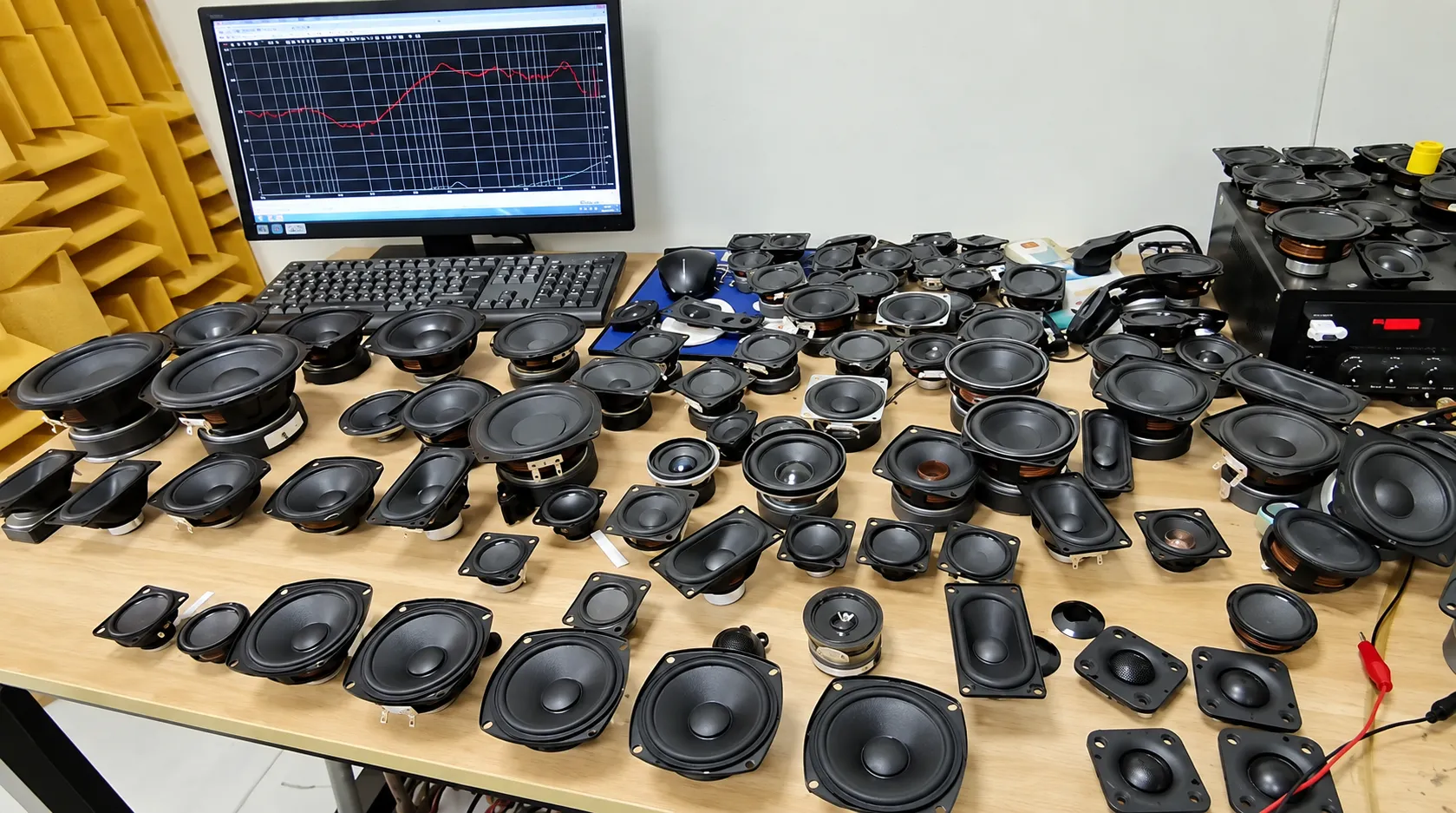
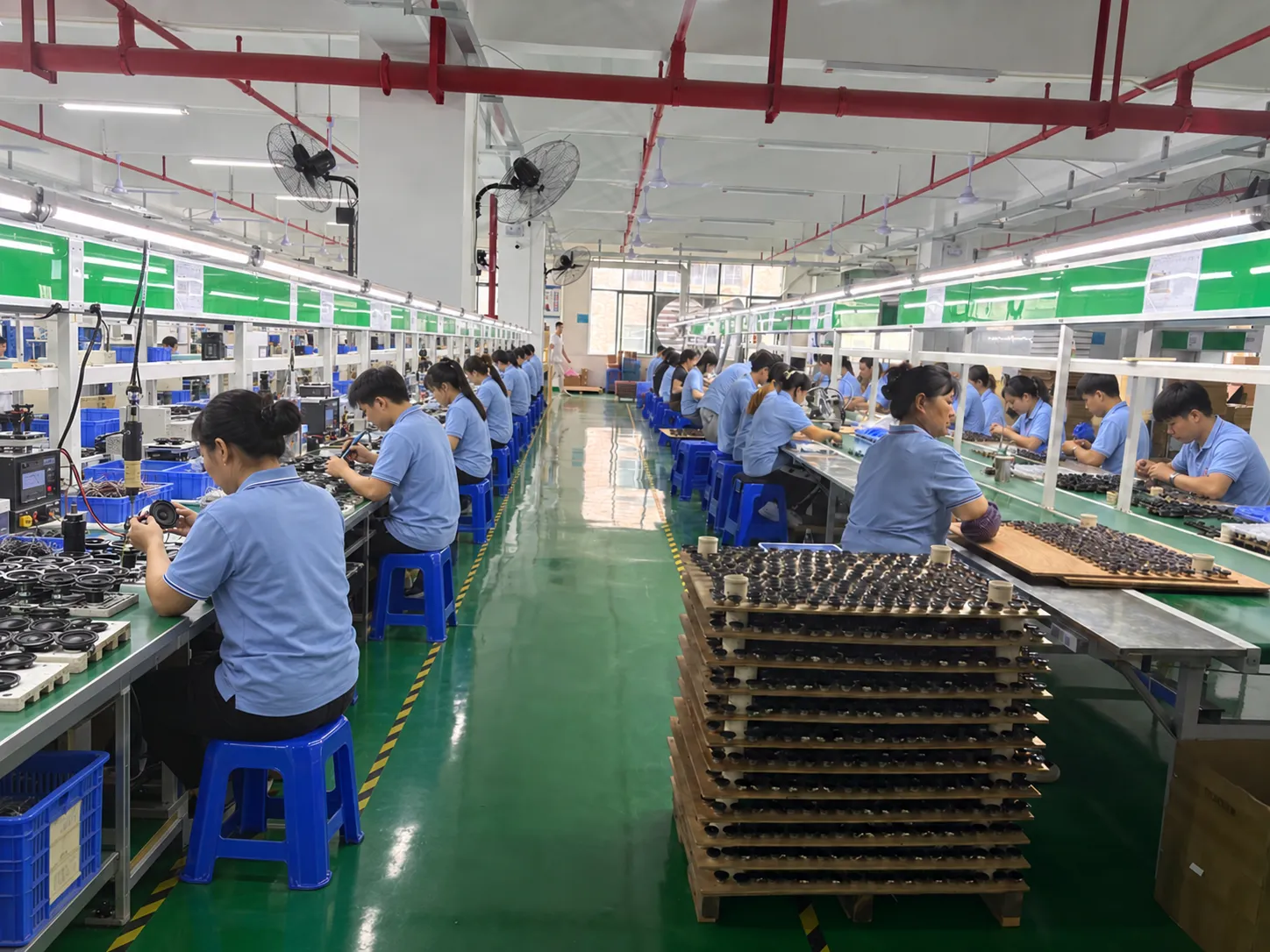
Mini and micro speakers are sensitive to small variations in materials, assembly and acoustic structure. ZEH supports sample development, frequency-response testing, impedance verification, distortion evaluation and mechanical-fit validation before production. Controlled processes and batch testing help maintain consistency from approved prototype to volume manufacturing.
A micro speaker driver is a compact loudspeaker unit designed for products with limited internal space. It converts electrical audio signals into sound and is commonly integrated into wearable devices, medical electronics, smart devices, handheld equipment, tablets, control terminals, and other compact electronic products.
Unlike finished Bluetooth speakers or portable speakers, the products supplied by ZEH Audio are speaker units intended for integration into OEM and ODM products.
There is no single industry-wide size boundary between micro speakers and small speakers. In general, micro speakers are selected where installation space, thickness, and weight are highly restricted, while small speaker drivers may offer more flexibility in diaphragm size, power handling, and acoustic output.
For projects where the available space is especially limited, we usually recommend selecting the speaker according to the actual mounting dimensions rather than relying only on the terms “micro” or “small.”
ZEH Audio supplies mini and micro speaker drivers in round, rectangular, square, and other compact formats. Available dimensions vary depending on the required power, impedance, acoustic performance, and installation structure.
If you provide the maximum length, width, and thickness available inside your product, our team can help identify a suitable existing model or evaluate a custom speaker design.
Yes. 4Ω and 8Ω are common impedance options for mini and micro speaker drivers, and other configurations may also be available depending on the project.
The correct impedance should match your amplifier or audio circuit. Choosing impedance only by speaker size is not recommended because amplifier output, voltage, power requirements, and target sound pressure level also affect the final selection.
The speaker’s rated power should be matched to the actual output of the amplifier and the operating conditions of the finished product.
A higher wattage speaker is not automatically better. In compact products, diaphragm size, enclosure volume, sensitivity, frequency range, and thermal limits can be just as important as rated power. We recommend providing your amplifier output and target sound level when requesting a speaker recommendation.
The required SPL depends on the listening distance, background noise, enclosure design, speaker position, and intended use of the product.
For example, a wearable device used close to the user may have very different SPL requirements from an industrial terminal used in a noisy environment. ZEH Audio can evaluate sensitivity together with speaker size, power, frequency response, and enclosure conditions rather than selecting SPL as an isolated specification.
Yes. Thickness is one of the most common constraints in compact speaker projects.
Depending on the acoustic and mechanical requirements, we can evaluate changes to the speaker frame, magnet structure, diaphragm, terminal design, wiring, and overall dimensions. Extremely thin designs may involve trade-offs in output, low-frequency response, power handling, or manufacturing cost, so the available installation space should be confirmed early in the project.
Yes. Wire length, wire specification, solder pads, terminals, and connectors can be customized to match your assembly process.
If your product uses a specific connector or PCB interface, you can provide the connector model, drawing, pin definition, or assembly requirements for evaluation.
Water-resistant speaker designs are available for applications that may be exposed to moisture, splashes, or humid environments.
The required solution depends on the target protection level and the structure of the finished product. Waterproof performance should be evaluated together with the diaphragm material, sealing method, front acoustic opening, enclosure design, and assembly method.
Yes. Speaker performance can be adjusted according to the target application, including sensitivity, resonant frequency, frequency response, impedance, power handling, and overall tonal characteristics.
For custom projects, providing the target frequency response, SPL requirement, amplifier information, enclosure volume, and reference sample can help our engineers evaluate the design more accurately.
Yes. This is often the most effective way to select a mini or micro speaker.
You can provide the available speaker space, enclosure drawing, mounting method, acoustic opening, amplifier output, required impedance, target SPL, and intended application. Our engineers can then recommend an existing speaker model or evaluate whether customization is required.
Yes. Samples can be provided for compatible existing models so that customers can evaluate mechanical fit and acoustic performance before mass production.
For customized speakers, prototype development and sample validation may be required before final specifications are confirmed.