Fit the Speaker Into the Available Space
We review your housing dimensions and mounting structure before selecting the frame and magnetic circuit.
From compact DC motors and geared motors to brushless, stepper and vibration motor solutions, RHF provides customized motor solutions based on your product’s torque, speed, voltage, size, control and operating environment.
A motor cannot be selected by voltage and dimensions alone. Its actual performance depends on load, starting torque, operating speed, duty cycle, transmission efficiency, control method, heat dissipation and installation structure.
An incorrectly matched motor may work during an initial test but develop insufficient torque, unstable speed, excessive noise, overheating or premature failure during continuous operation.
ZEH evaluates the motor as part of your complete product. Based on your application, our engineering team helps define the motor type, rated voltage, speed, torque, gearbox ratio, shaft configuration, feedback method and connection system—creating a solution that is practical for both product performance and volume production.
We provide custom DC motors, brushless motors, gear motors, stepper motors, vibration motors and integrated motor assemblies for global OEM and ODM projects. Custom speed, torque, voltage, shafts, gearboxes, wiring and mounting solutions are available.
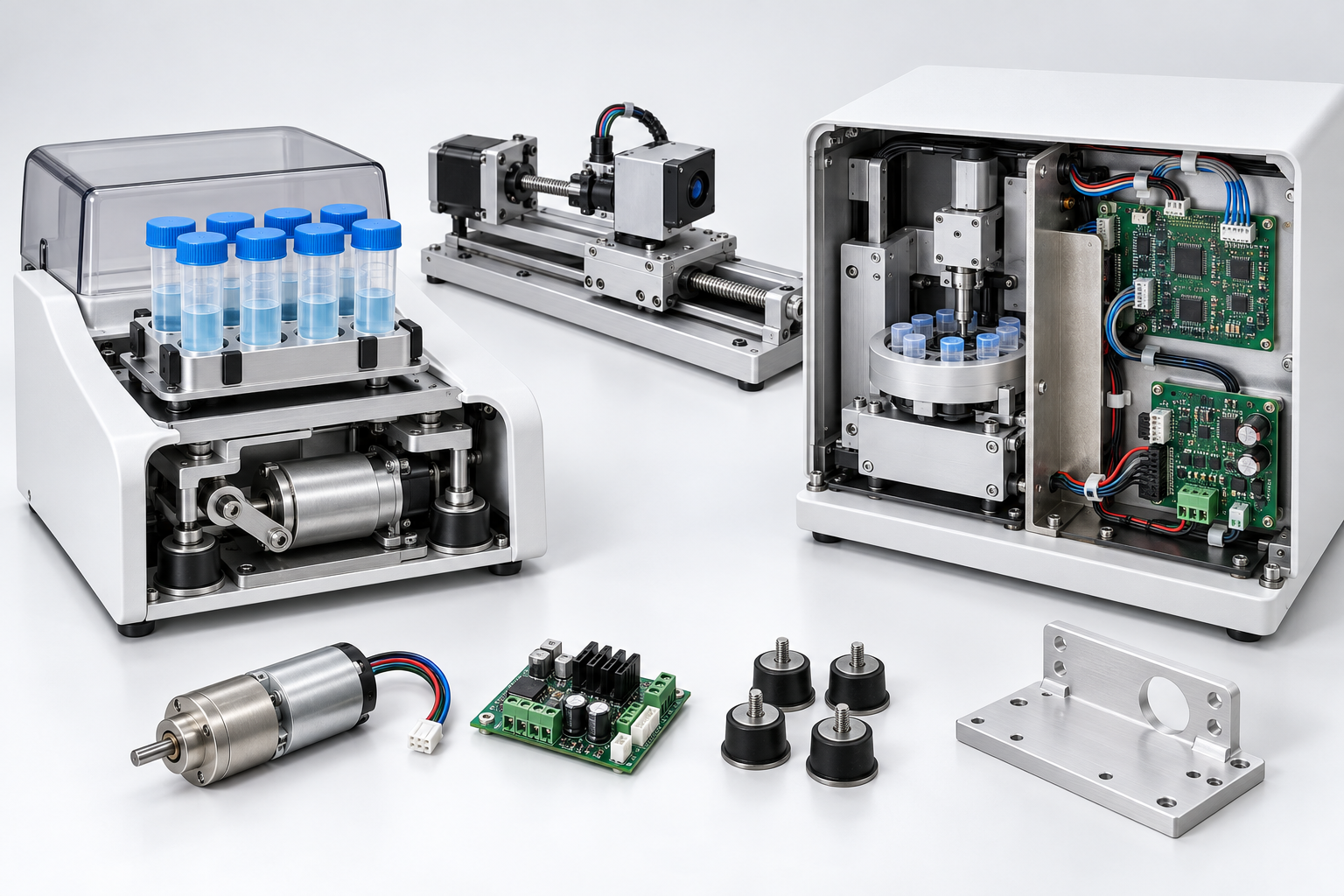
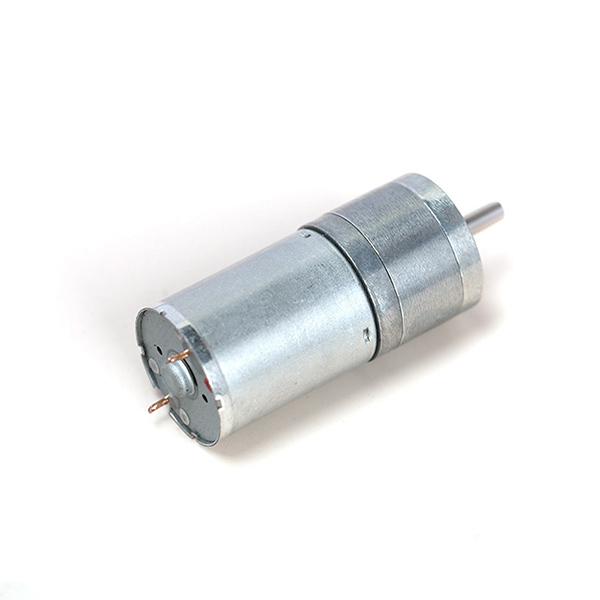
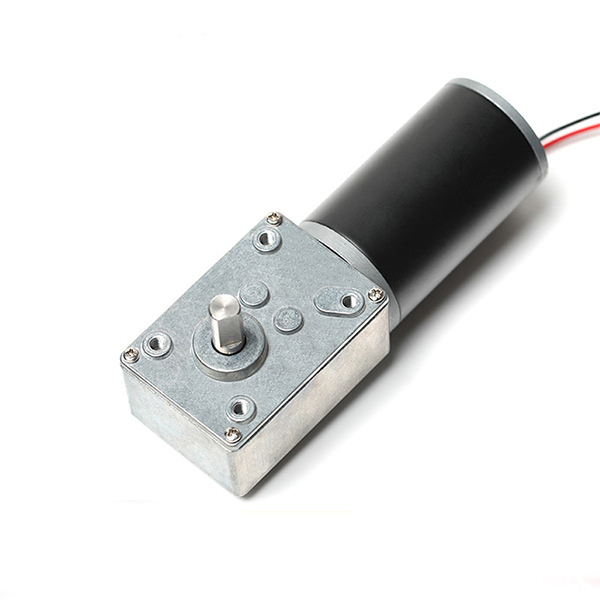
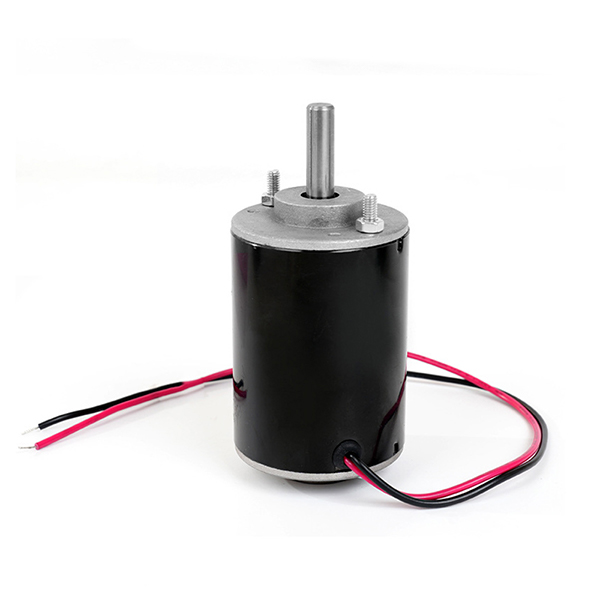
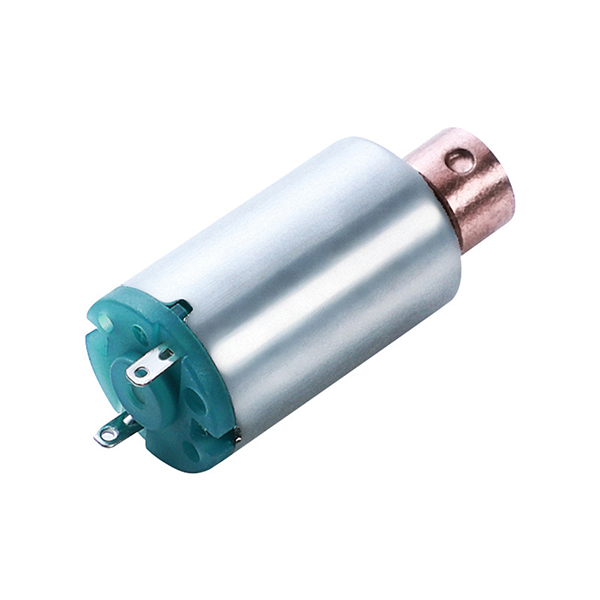
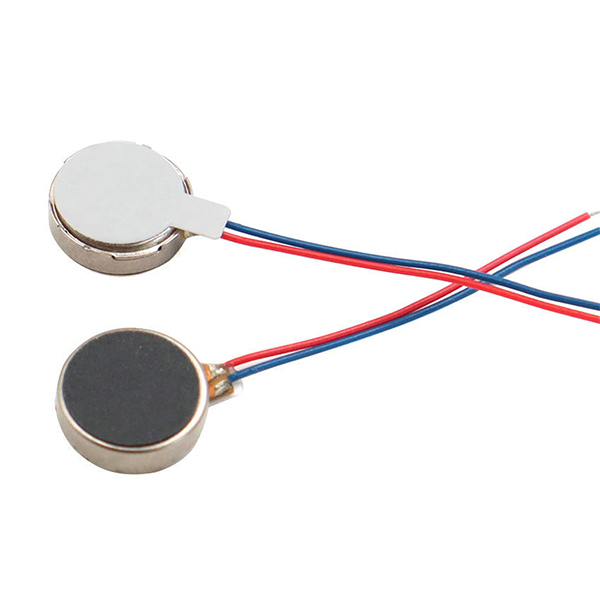
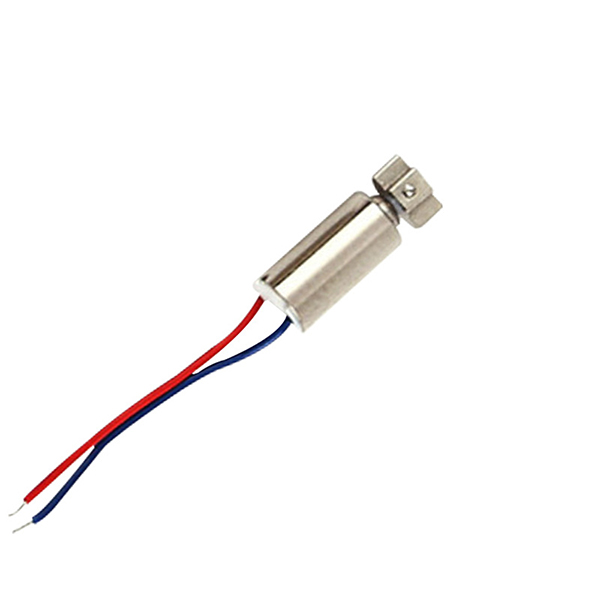
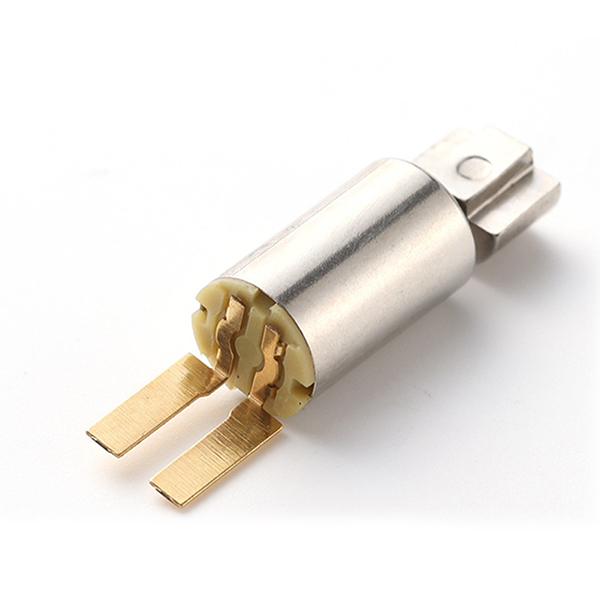
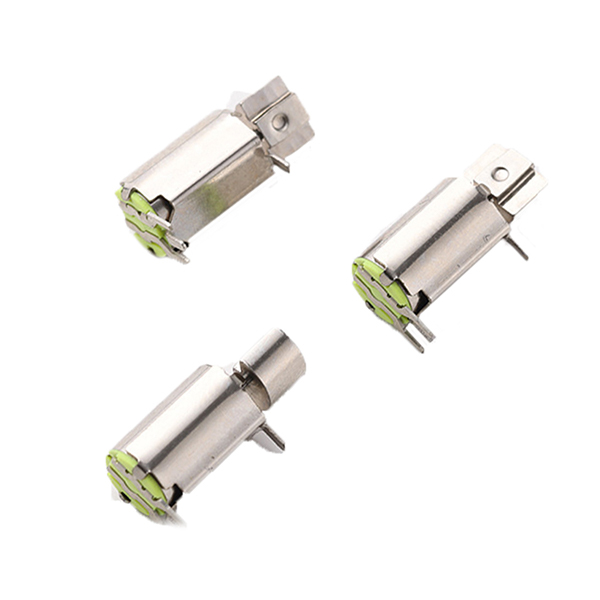
The motors shown below are not standard retail products. They are customizable motor solutions developed for OEM and ODM projects. Based on your product functions, engineering drawings, technical specifications, or physical samples, we can design and optimize the motor’s dimensions, structure, output performance, and mounting configuration to ensure precise compatibility with your complete product assembly, power supply, control system, and operating environment.
Available selection and customization options include motor type, overall dimensions, rated voltage, speed, torque, power output, direction of rotation, shaft diameter and length, mounting-hole locations, lead wires and connectors, gearboxes, encoders, gear ratios, noise and vibration levels, ingress protection ratings, and service life. Depending on your project requirements, we can also provide plastic or metal components, custom wire harnesses, assembly, and performance testing services.
ZEHSMAUDIO can adapt an existing speaker platform or develop a modified structure based on your installation space, sound target, electronics, enclosure and production requirements.
We review your housing dimensions and mounting structure before selecting the frame and magnetic circuit.
Round, oval, rectangular and low-profile frames can be adapted to internal ribs, PCB positions and assembly methods.
Speaker parameters are evaluated together with the amplifier, enclosure, listening distance and required sound performance.
Diaphragm, surround and magnet materials are selected according to the target sound, environment and cost requirements.
The project can include the enclosure, grille, wiring, connector, sealing components and amplifier matching.
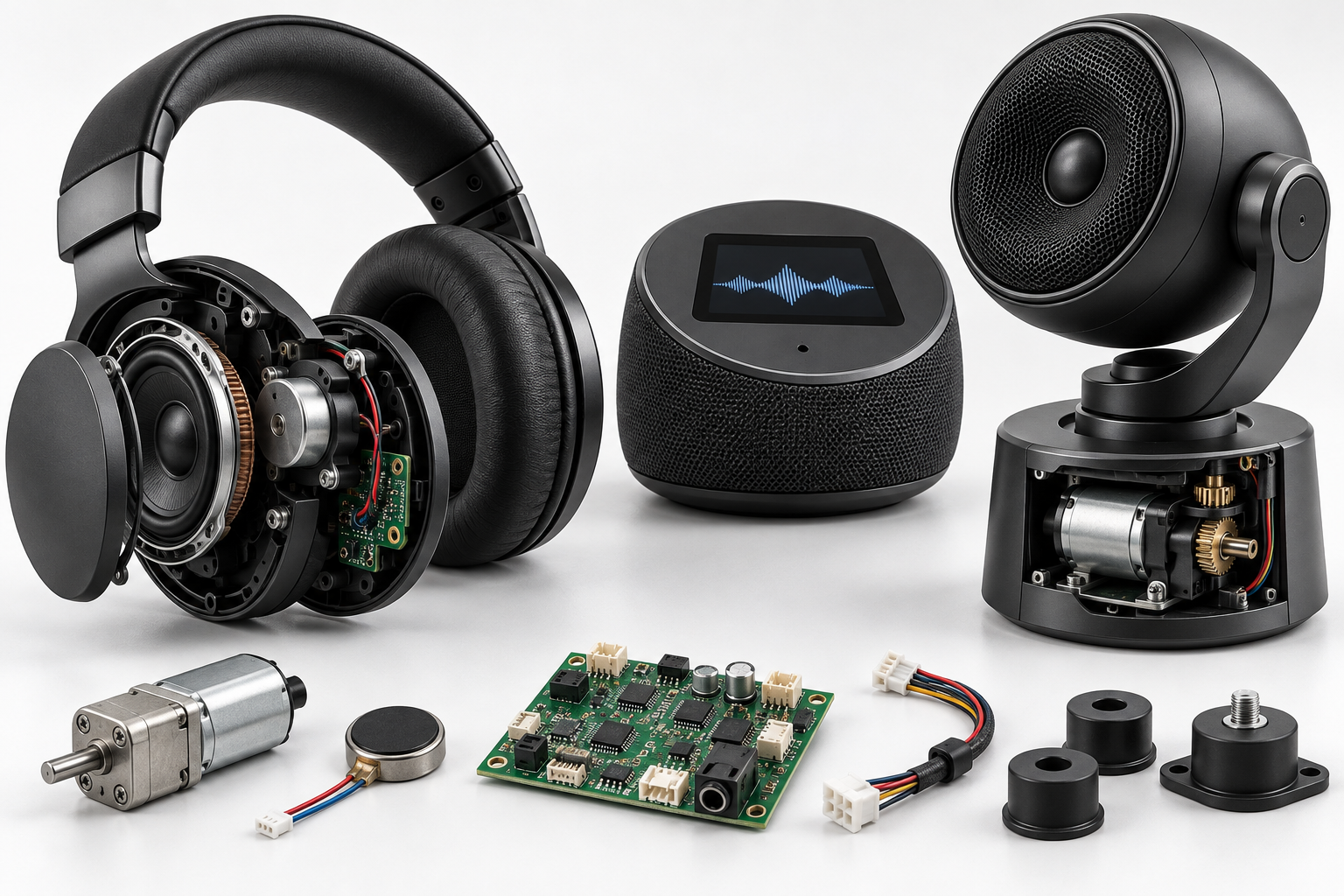
From haptic feedback in audio products to rotation, adjustment, and actuation in equipment, motors need to be matched to the power supply, load, control system, and mounting structure.
Motors are essential components for rotation, mechanical drive, and vibration feedback. The right motor must match the product’s load, power supply, control method, and mounting structure. Based on customer drawings, technical specifications, or physical samples, we provide custom motors and matching components. From motor selection and evaluation to sample validation and volume production, we focus on the operating requirements of the complete product.
We evaluate motor options based on startup load, operating torque, target speed, start-stop frequency, and continuous operating time. We distinguish between no-load specifications and performance requirements under load, while accounting for power supply capacity and heat dissipation to help reduce selection risks such as insufficient torque, difficulty starting, or excessive temperature rise during operation.
Depending on the product’s requirements for rotation, geared drive, or vibration feedback, we evaluate options including miniature DC motors, coreless motors, brushless motors, gearmotors, and vibration motors. We consider dimensions, response speed, control complexity, noise requirements, and target cost to select an appropriate configuration for each application.
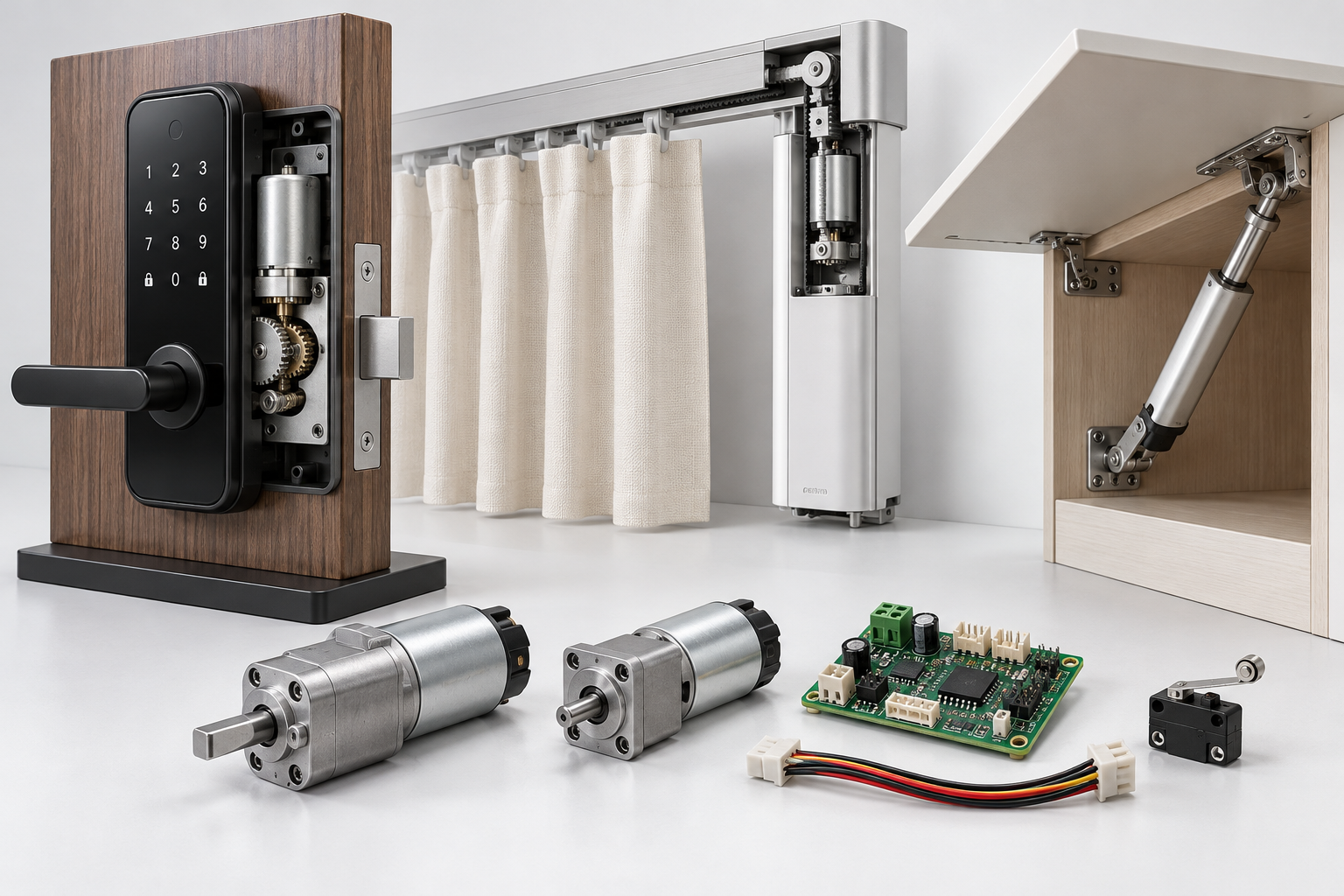
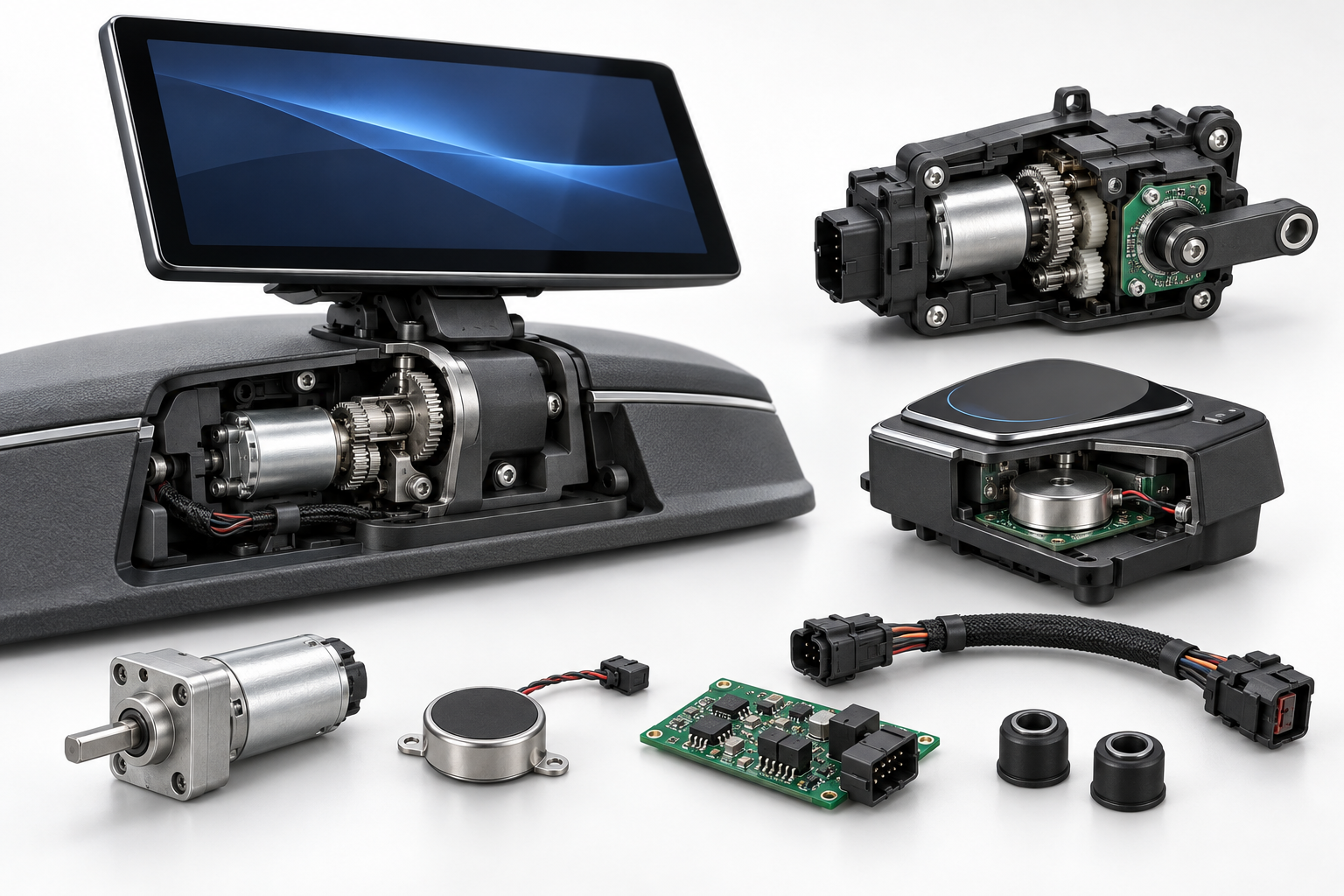
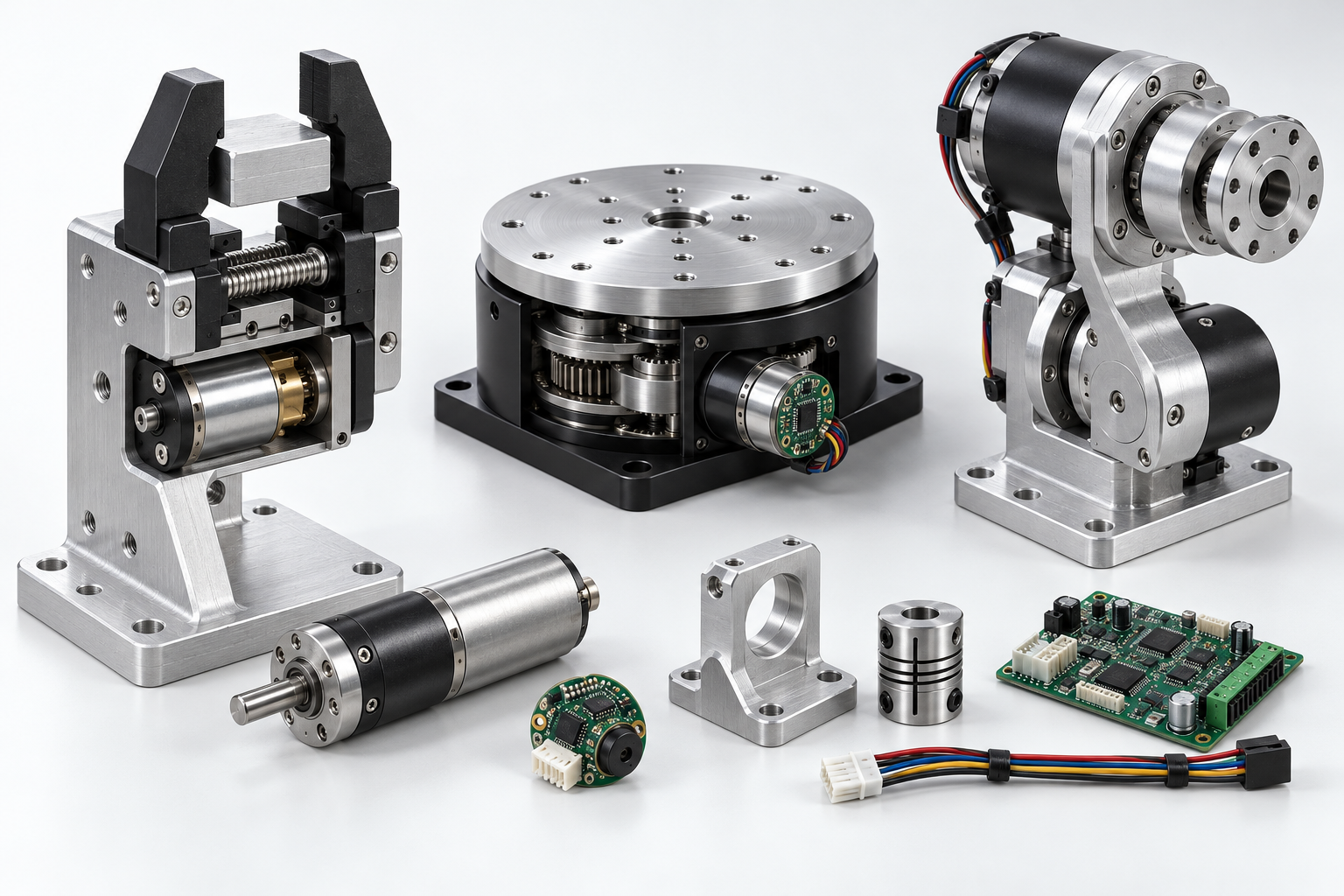
Based on the available installation space and drivetrain configuration, we customize motor dimensions, shaft diameter and length, shaft-end geometry, mounting hole locations, lead wire orientation, and connectors to meet project requirements. We pay particular attention to how the output shaft fits with gears, couplings, or other driven components, making the motor easier to integrate into your product.
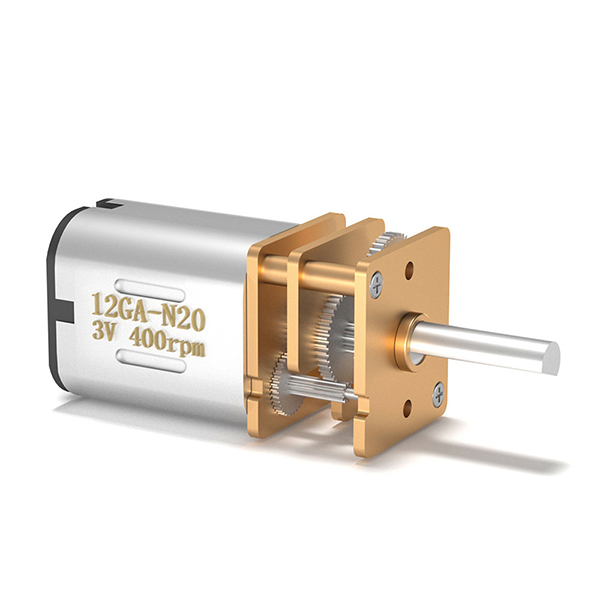
For applications requiring low-speed operation or higher output torque, we evaluate gear ratios and gearbox configurations based on load, target output speed, transmission efficiency, and space constraints. Depending on the application, we address gear backlash, output shaft support, and forward and reverse operation to match the drivetrain to the required motion.
We provide miniature DC motors, brushed motors, brushless motors, coreless motors, gear motors, and vibration motors tailored to your product requirements. Customization options include overall dimensions, operating voltage, speed, torque, output shafts, mounting configurations, wires, and connectors. We can also supply matching gearboxes, plastic or metal parts, and assembly services.
Yes. We can evaluate solutions based on engineering drawings, technical specifications, physical samples, or overall product requirements. If your design is not yet complete, you can provide the required motion, load conditions, power supply specifications, available installation space, and operating duration to help define the motor type and key parameters.
Selection requires evaluating the startup load, operating torque, target speed, start-stop frequency, continuous operating time, and control method, while also considering installation space, noise, heat dissipation, and cost. We select motors based on actual load conditions rather than relying solely on dimensions, voltage, or no-load speed.
Brushed motors typically have simpler drive requirements and are suitable for products that prioritize cost and basic rotational functions. Brushless motors require compatible drive circuitry and can be evaluated based on efficiency, speed control, and service life requirements.
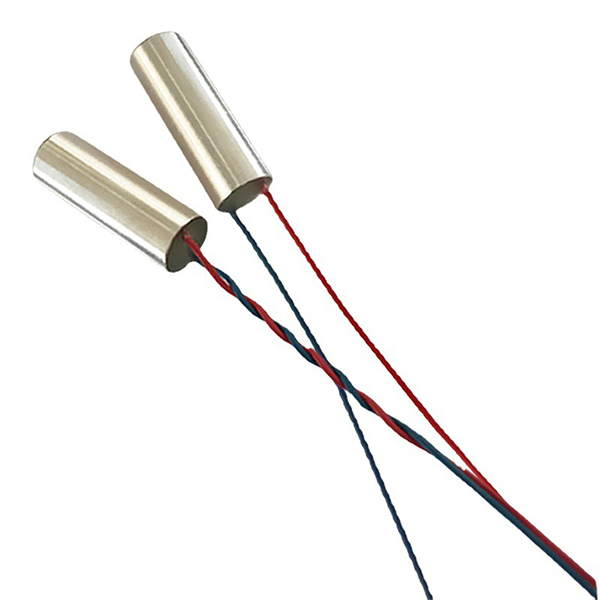
Coreless motors can be used in compact drive or vibration mechanisms with specific size, weight, and start-stop response requirements, such as portable electronic products, small actuators, and haptic feedback devices.
We can evaluate operating voltage, winding configuration, speed, torque, and gear ratio based on your project requirements. These parameters are interrelated and must be determined together with motor size, power supply capacity, efficiency, and thermal conditions, with the corresponding load and test conditions clearly specified.
They cannot be used directly as parameters for normal operation under load. No-load speed is measured with no external load on the output shaft, while stall torque corresponds to the condition in which the shaft cannot rotate. Motor selection should be based on speed, torque, current, and temperature rise at the actual operating point to avoid damage from prolonged overload or stalling.
We can evaluate the gearbox and gear ratio based on the target output speed, torque, and mounting requirements, and customize the output shaft diameter, length, shape, and coupling features. Transmission efficiency, gear backlash, noise, and allowable loads must also be considered to ensure compatibility with the equipment’s drive mechanism.
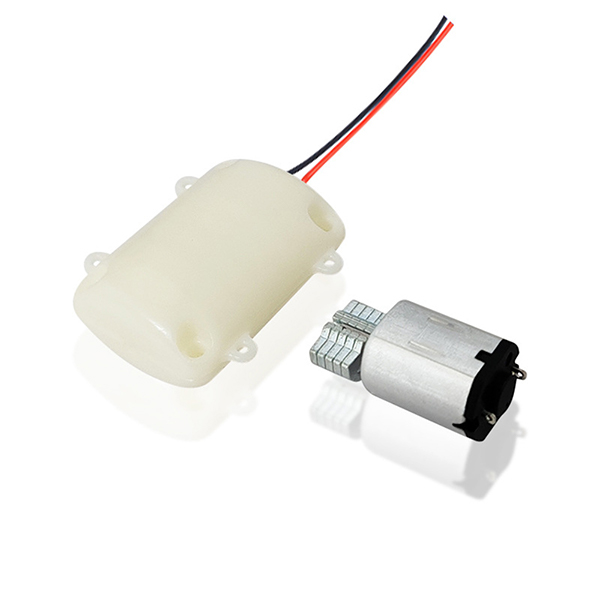
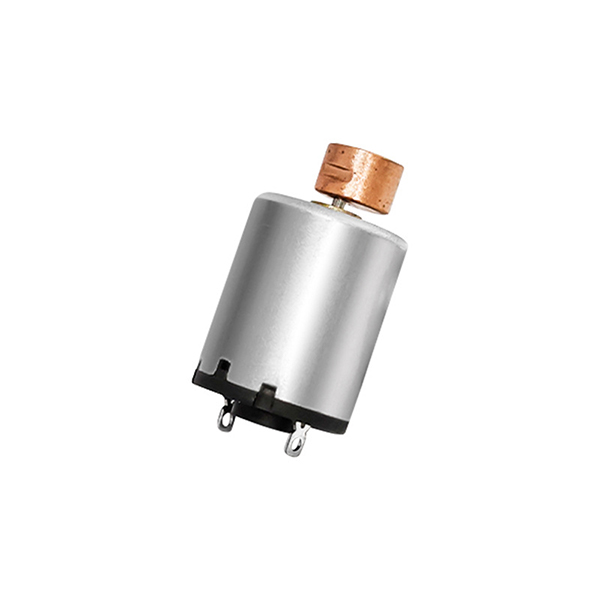
We can evaluate motor size, eccentric mass configuration, operating speed, and drive method to achieve the desired vibration effect. Perceived vibration also depends on mounting location, attachment method, enclosure weight, and structural stiffness, so it must be verified in the assembled product. For eccentric rotating mass vibration motors, vibration frequency and intensity are typically linked and cannot be adjusted completely independently.
We can evaluate speed control, forward and reverse rotation, start-stop control, and Hall sensor or encoder feedback solutions based on the motor type and equipment requirements.
Yes. We evaluate solutions based on the voltage range and available current of the battery, power adapter, or internal power supply, while considering startup current, operating current under load, and current changes under abnormal load conditions.
We can evaluate the motor configuration based on enclosure space, mounting hole locations, output shaft position, and assembly orientation, and adjust wire routing direction, lead length, and connector configuration. Compact products also require sufficient clearance for moving parts, wire routing, and heat dissipation to prevent interference during assembly and operation.
We can evaluate how motor operation, gear transmission, bearings, and mounting structures affect noise and vibration based on the product’s operating environment and performance targets. For devices with microphones, speakers, or voice functions, mechanical vibration transmission and electrical interference must also be considered, with verification performed in the complete product under actual operating conditions.
Suitability must be evaluated based on the specific operating conditions. We determine the solution by considering load, continuous operating time, ambient temperature, and heat dissipation. For humid or dusty environments, protective structures and sealing requirements around the output shaft and cable exits must also be confirmed. Operating temperature, ingress protection rating, and service life requirements should be defined before development and verified under agreed-upon conditions.
We can evaluate compatibility between the motor, motor drive and control PCBA, wire harnesses, connectors, gearbox, mounting brackets, and enclosure based on your project requirements, and provide prototype assembly and functional testing and adjustment. Delivery options include standalone motors, motor assemblies with wire harnesses or gear reduction mechanisms, and fully assembled functional modules.