Fit the Speaker Into the Available Space
We review your housing dimensions and mounting structure before selecting the frame and magnetic circuit.
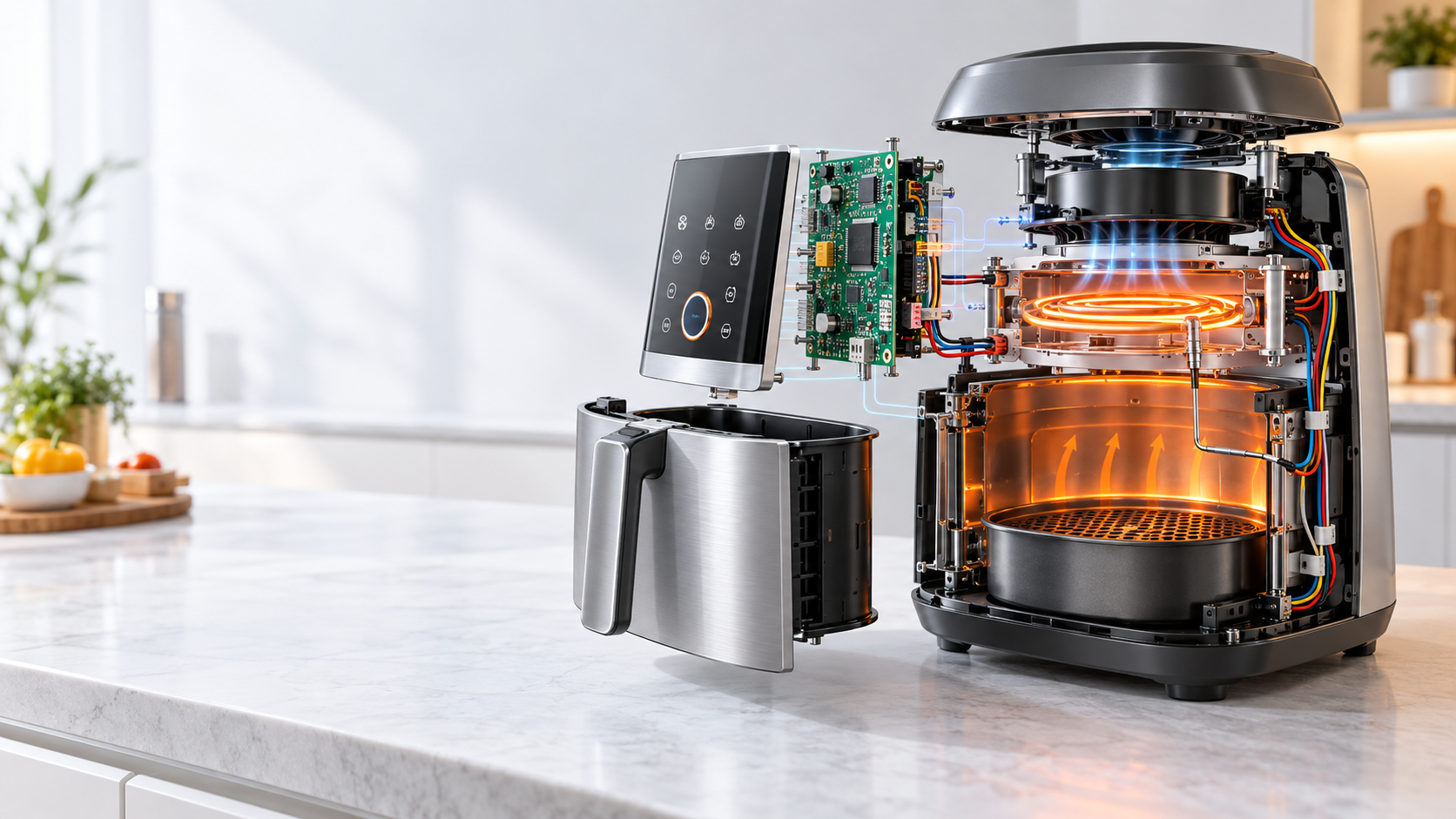
Well-designed devices may need to control vibration, rotation, heating, cooling, lighting, or voice playback while also managing touch input, mode switching, battery operation, and status notifications. These functions directly influence control board architecture, power supply design, thermal management, electrical connections, and enclosure layout.For example, motor startup can cause power supply fluctuations, heating elements require temperature feedback, and battery-powered products must balance runtime and weight. Devices exposed to water also require careful evaluation of sealing and material compatibility.
A Great Product Experience Starts with Coordinated Electronics, Mechanical Design and Control Logic
Every aspect of customization is guided by your product’s actual operating requirements, including control modes, intensity levels, timers, coordinated operation, and setting memory; board dimensions, shape, mounting holes, interfaces, and component height; motors, pumps, fans, heaters, and lighting assemblies; temperature sensor types and placement, control strategies, and protection logic; battery capacity, charging methods, battery level indication, and power consumption; buttons, touch controls, displays, indicator lights, and audible alerts; wire gauge, harness length, connectors, cable retention, and error-proof connection design; and enclosure materials, appearance, surface finishes, sealing, and mounting.
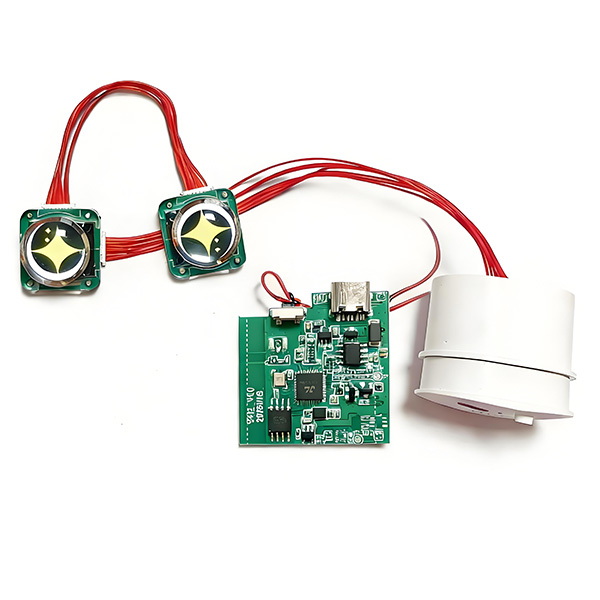
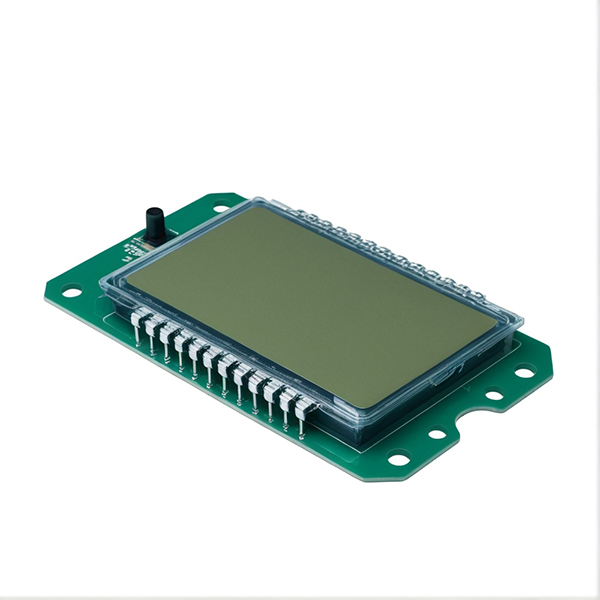
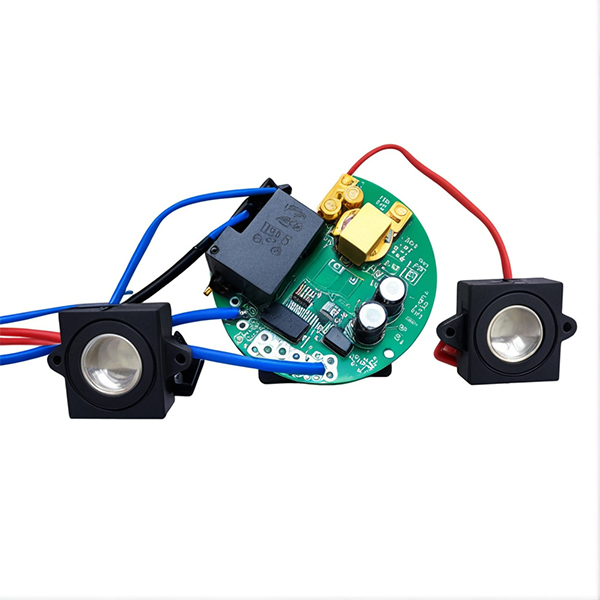
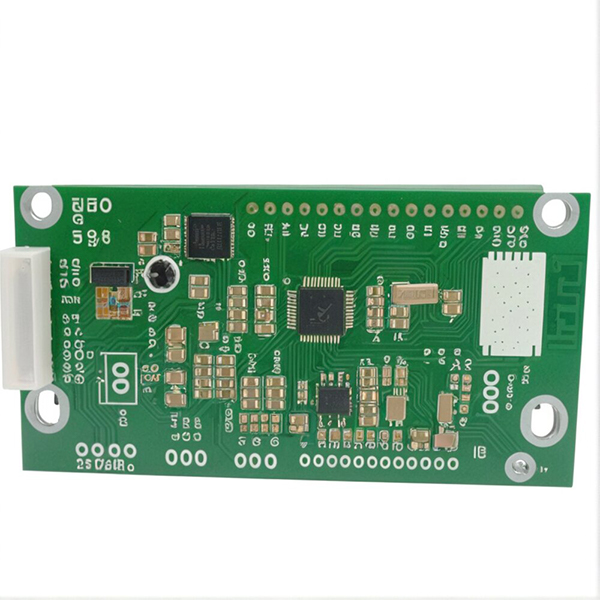
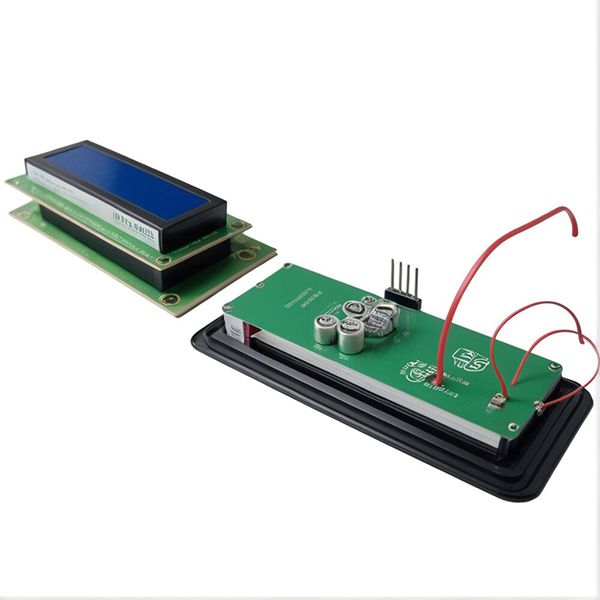
The products shown below are not standard, off-the-shelf items with fixed specifications. They are custom development and manufacturing solutions designed for OEM and ODM projects. Based on the customer’s product concept, functional requirements, engineering drawings, technical specifications, communication protocols, bill of materials (BOM), complete product structure, or physical samples, we can customize the electronic hardware, software functions, display interface, mechanical structure, and assembly method.
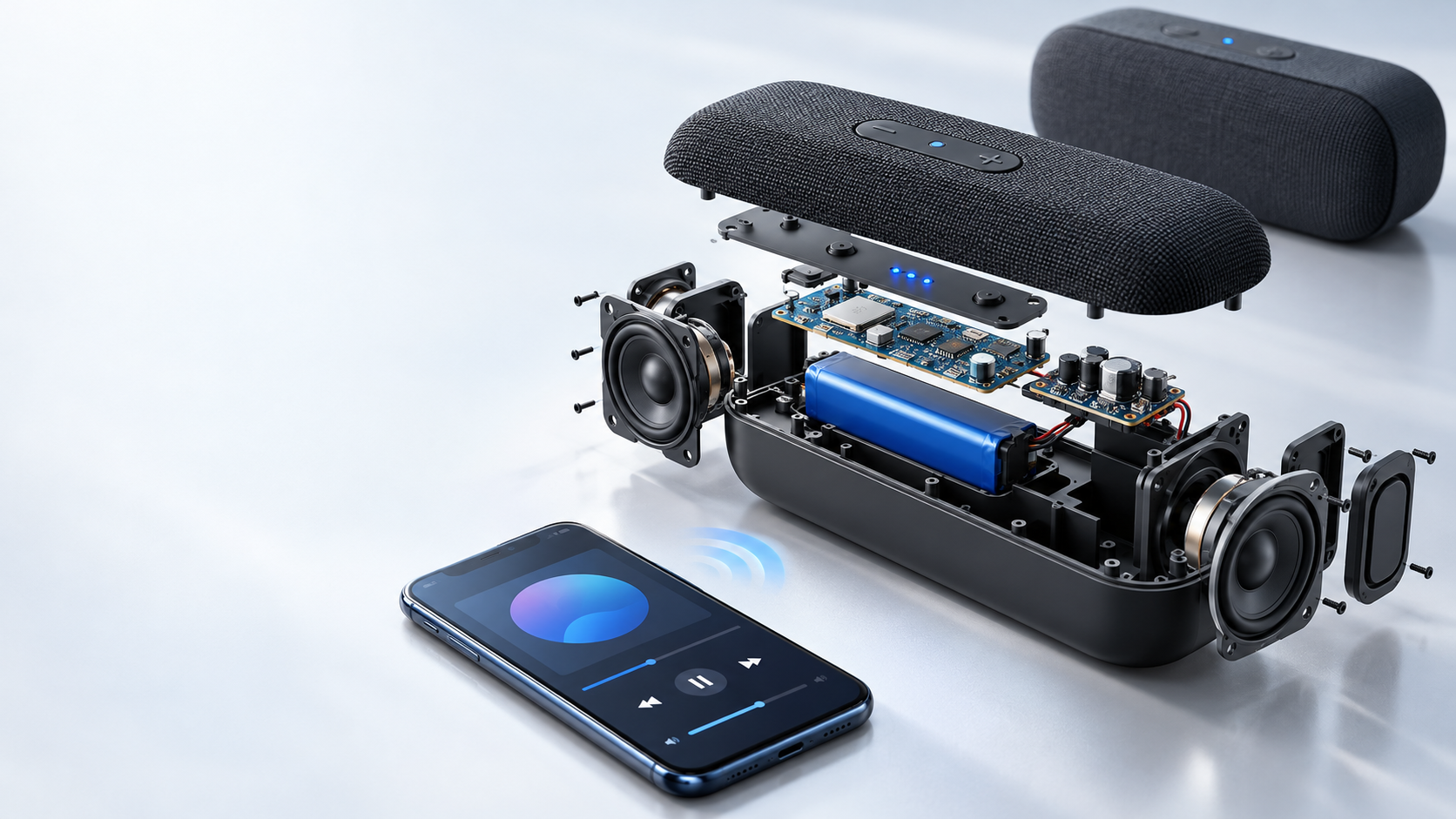
ZEHSMAUDIO can adapt an existing speaker platform or develop a modified structure based on your installation space, sound target, electronics, enclosure and production requirements.
We review your housing dimensions and mounting structure before selecting the frame and magnetic circuit.
Round, oval, rectangular and low-profile frames can be adapted to internal ribs, PCB positions and assembly methods.
Speaker parameters are evaluated together with the amplifier, enclosure, listening distance and required sound performance.
Diaphragm, surround and magnet materials are selected according to the target sound, environment and cost requirements.
The project can include the enclosure, grille, wiring, connector, sealing components and amplifier matching.
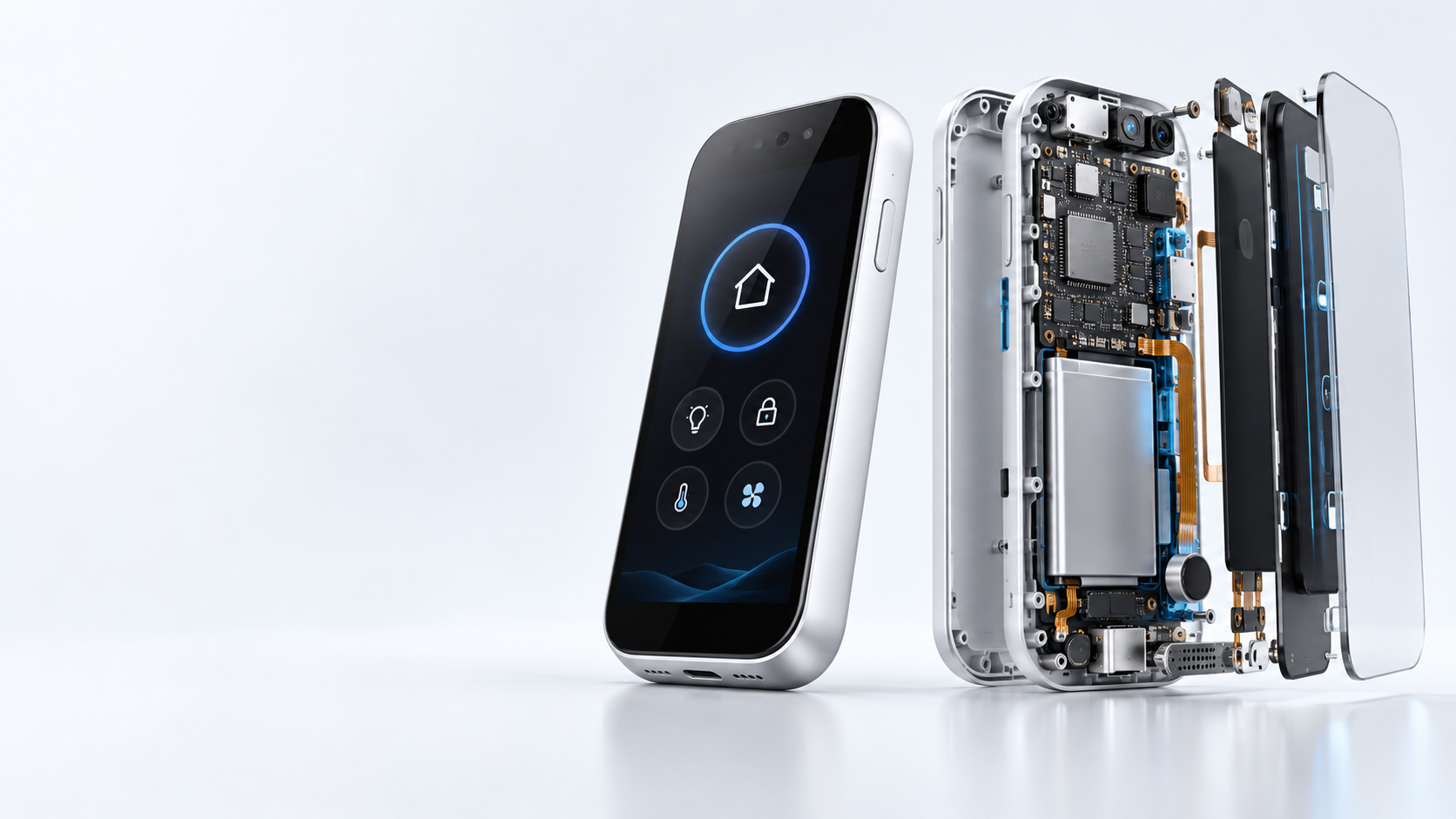
Voice prompts, Bluetooth connectivity, temperature sensing, vibration control, heating, and user interaction all require the mainboard, software, sensors, motors, speakers, battery, wiring harnesses, and enclosure to work together. Based on your product concept, feature list, drawings, BOM, or physical samples, ZEH provides custom OEM/ODM support covering software design, mechanical design modifications, firmware development, functional integration, and complete product assembly.
The main control board needs to work with motors, sensors, heating or cooling components, displays, buttons, speakers, and batteries. Based on each component’s specifications and operating characteristics, ZEH evaluates board interfaces, driver circuits, power distribution, and control logic, and plans firmware features according to project requirements.
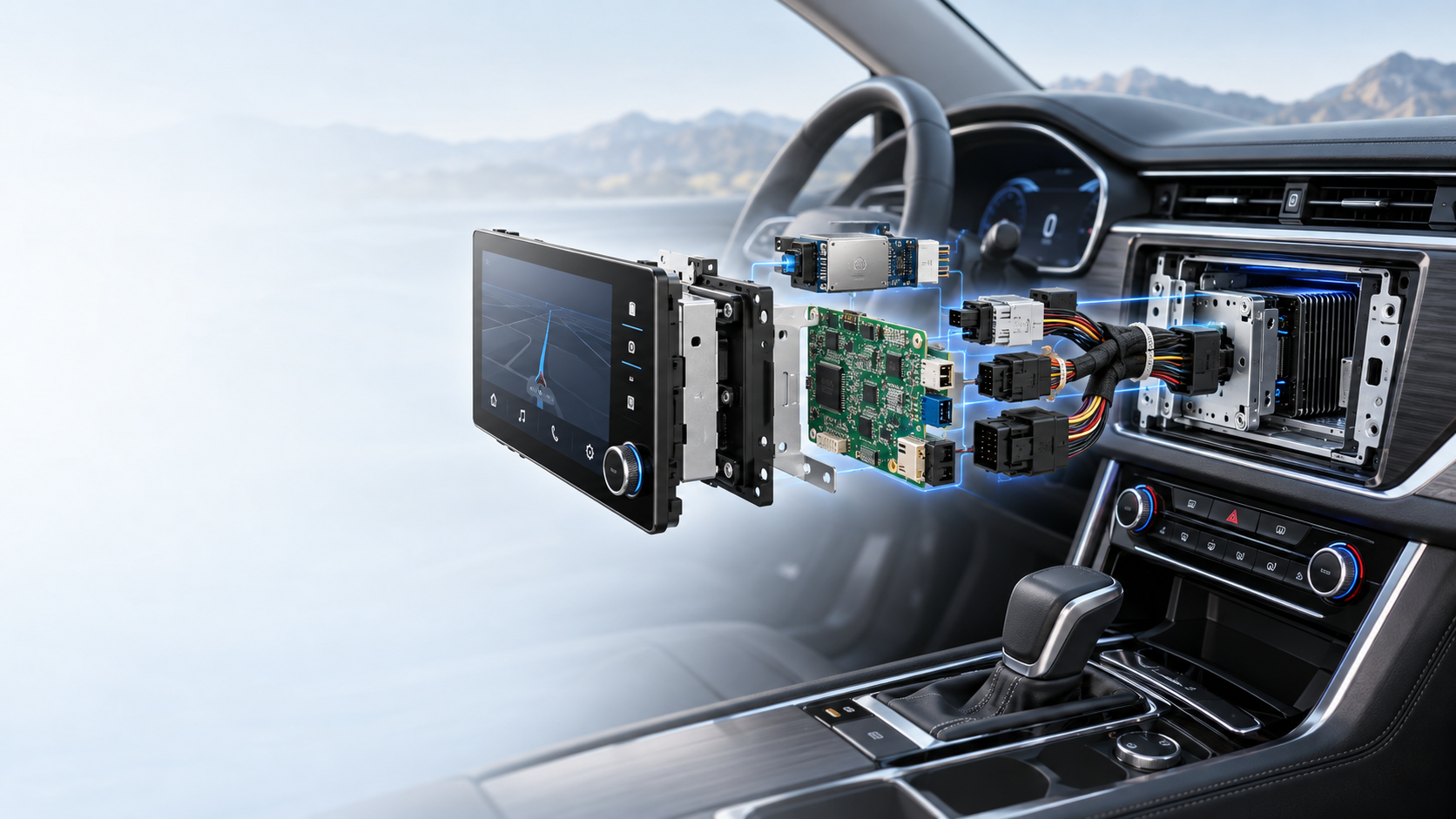
For devices with voice prompts or audio features, we evaluate how to integrate the audio mainboard, microphones, speakers, amplifiers, and enclosure acoustics. For Bluetooth products, we can discuss audio reception, music playback, volume control, connection status indicators, and other connectivity features based on platform capabilities and project needs.
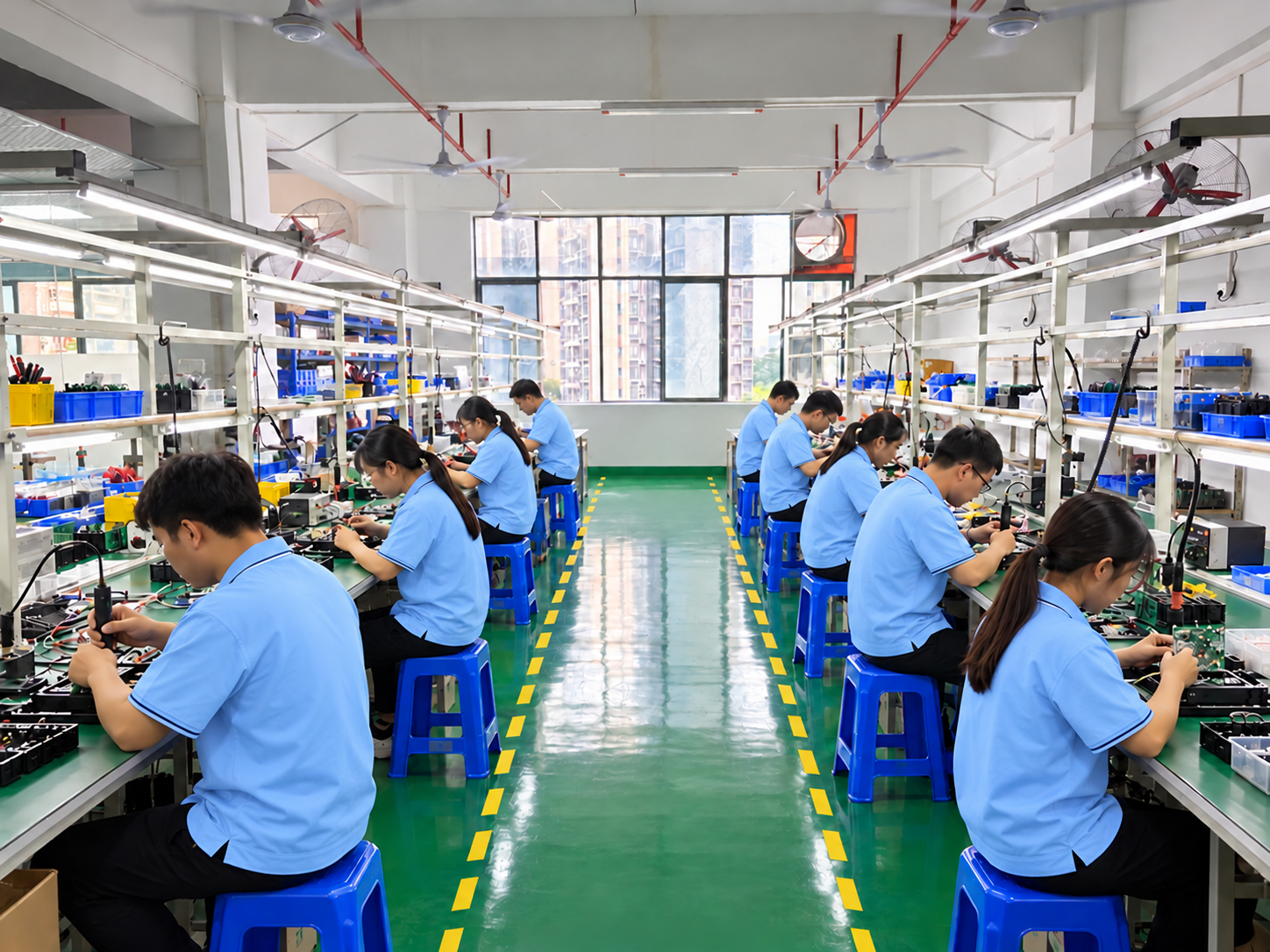
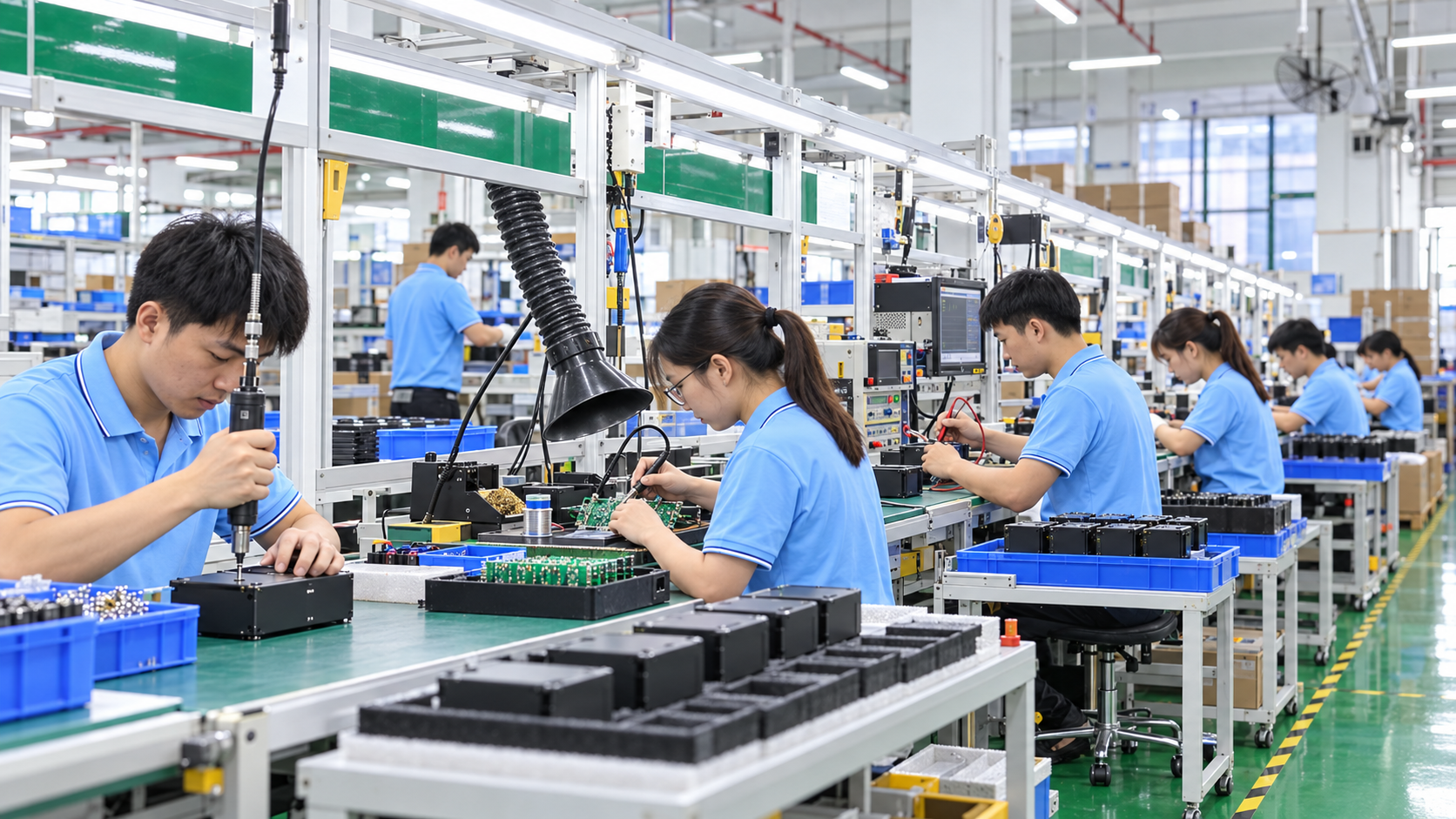
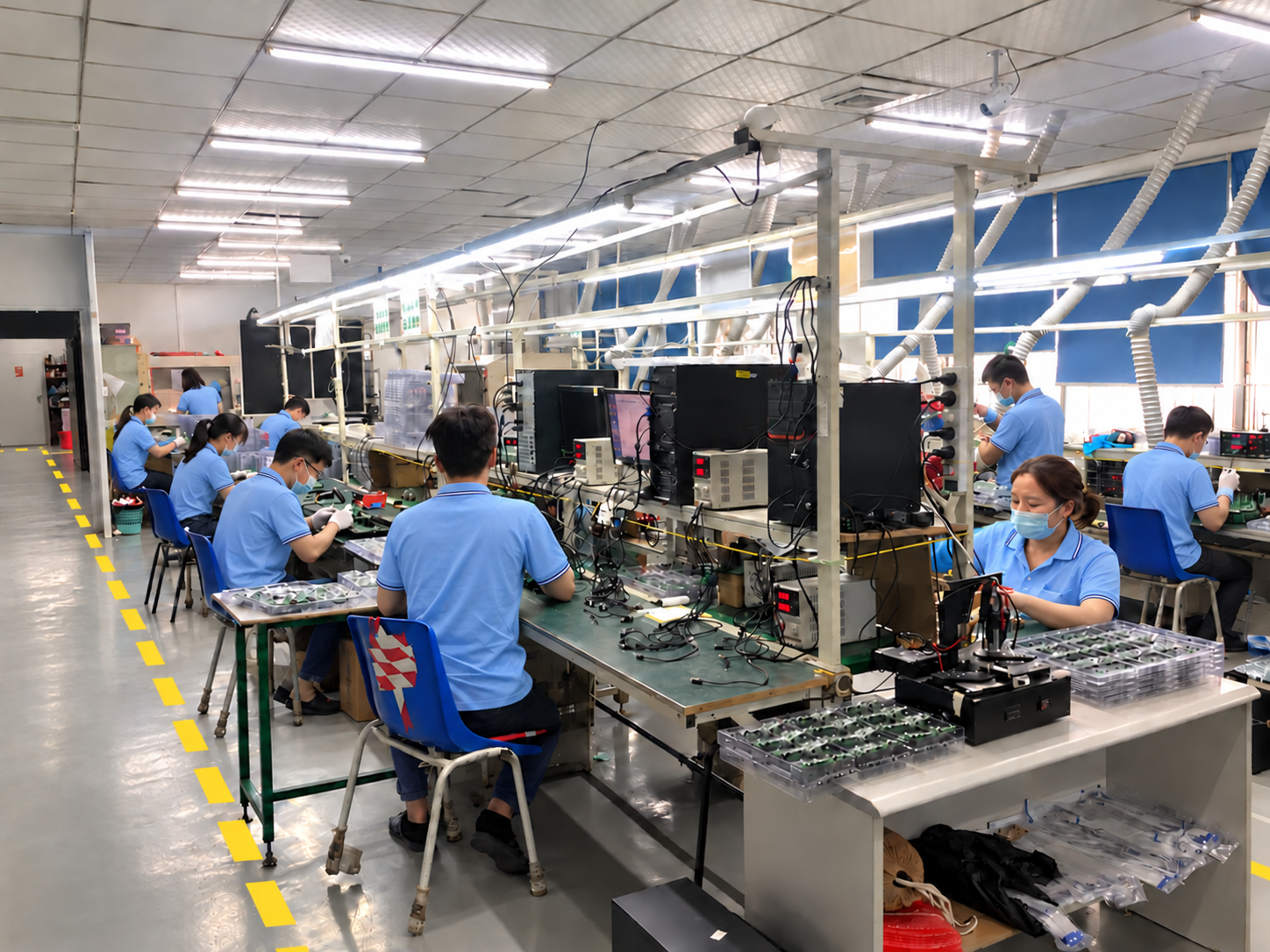
Depending on your production plans, you can choose PCB assemblies, integrated functional assemblies with displays and sensors, or complete product assembly incorporating enclosures, wiring harnesses, speakers, and supporting components. The scope of delivery, testing, labeling, and packaging requirements can be defined during project planning.
Board dimensions, component heights, mounting hole locations, interface positions, and wiring harness routing all affect the internal layout. ZEH evaluates fit and compatibility based on enclosure and internal component information, and can discuss materials, surface finishes, sealing, button layouts, display windows, and branding according to project requirements.
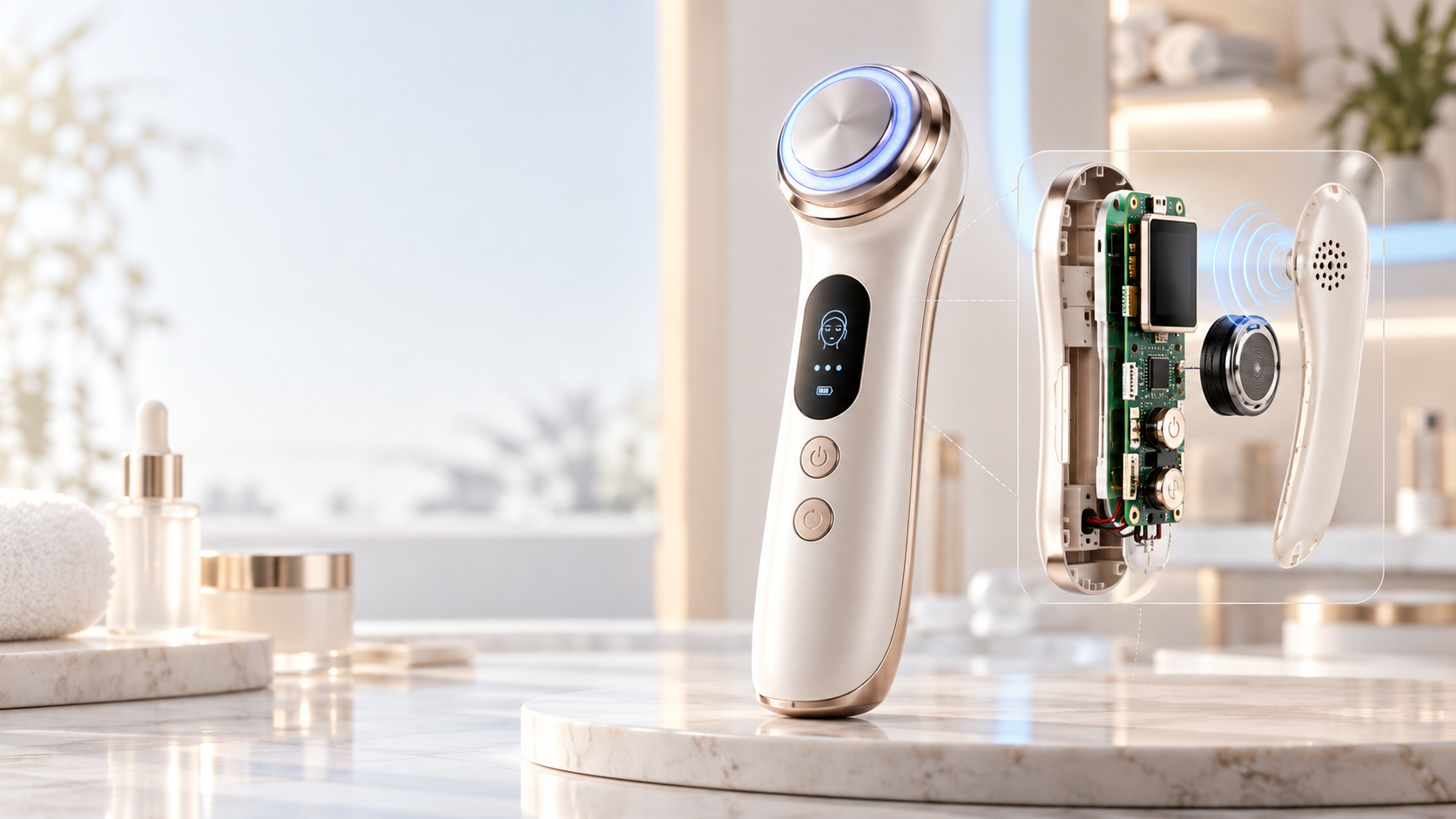
ZEH provides customized electronic components and manufacturing support for beauty instruments and equipment. Depending on project requirements, our services may include PCBA design and manufacturing, control circuits, wiring harnesses, connectors, plastic enclosures, metal components, and product assembly. We can evaluate projects from prototype development through mass production based on the required functions, product structure, and technical specifications.
Yes. We can evaluate custom solutions based on your product concept, functional requirements, engineering drawings, technical specifications, bill of materials (BOM), or existing samples. If your product is still in the early development stage, we can first review the intended functions, installation space, power supply, and operating conditions to define a suitable development scope.
Yes. We can provide customized PCBA solutions based on your product requirements. Depending on the application, these may include main control circuits, power management, button controls, display interfaces, sensor connections, motor drivers, and other electronic functions. The final design is evaluated according to the device’s operating principles, electrical specifications, control logic, and overall structure.
We can evaluate suitable miniature motors, vibration motors, and related drive components according to your project requirements. Customization parameters may include operating voltage, rotational speed, vibration characteristics, mounting dimensions, connection methods, and duty cycles. Component selection depends on the device’s mechanical structure, load, control method, and intended operating conditions.
Yes. Depending on the product design, customized solutions can incorporate display interfaces, function buttons, status indicators, operating mode selection, timer control, and other user interface functions. We evaluate interface compatibility, control logic, power requirements, and available internal space to help integrate these functions into the overall product.
Yes. We can evaluate customized wiring harnesses, cables, and connectors according to your electrical and assembly requirements. Customization options may include wire specifications, harness lengths, terminal types, connector models, pin assignments, and cable routing. These details help coordinate connections between the PCBA, power supply, display, motor, and other electronic components.
Yes. Depending on project requirements, we can support the manufacturing of custom plastic enclosures, injection molds, and related metal components. We evaluate enclosure design in relation to internal electronic components, mounting methods, button positions, cable exits, and assembly requirements to help ensure proper fit. Materials and manufacturing processes are selected according to the product design and intended operating environment.
Yes. We can evaluate electronic component solutions for different beauty device applications, including handheld beauty instruments, portable skincare devices, equipment with display interfaces, and products requiring motor control, operating mode selection, or timer functions. Since each application has different technical requirements, the proposed solution depends on the operating principle, power supply, and target functions of the device.
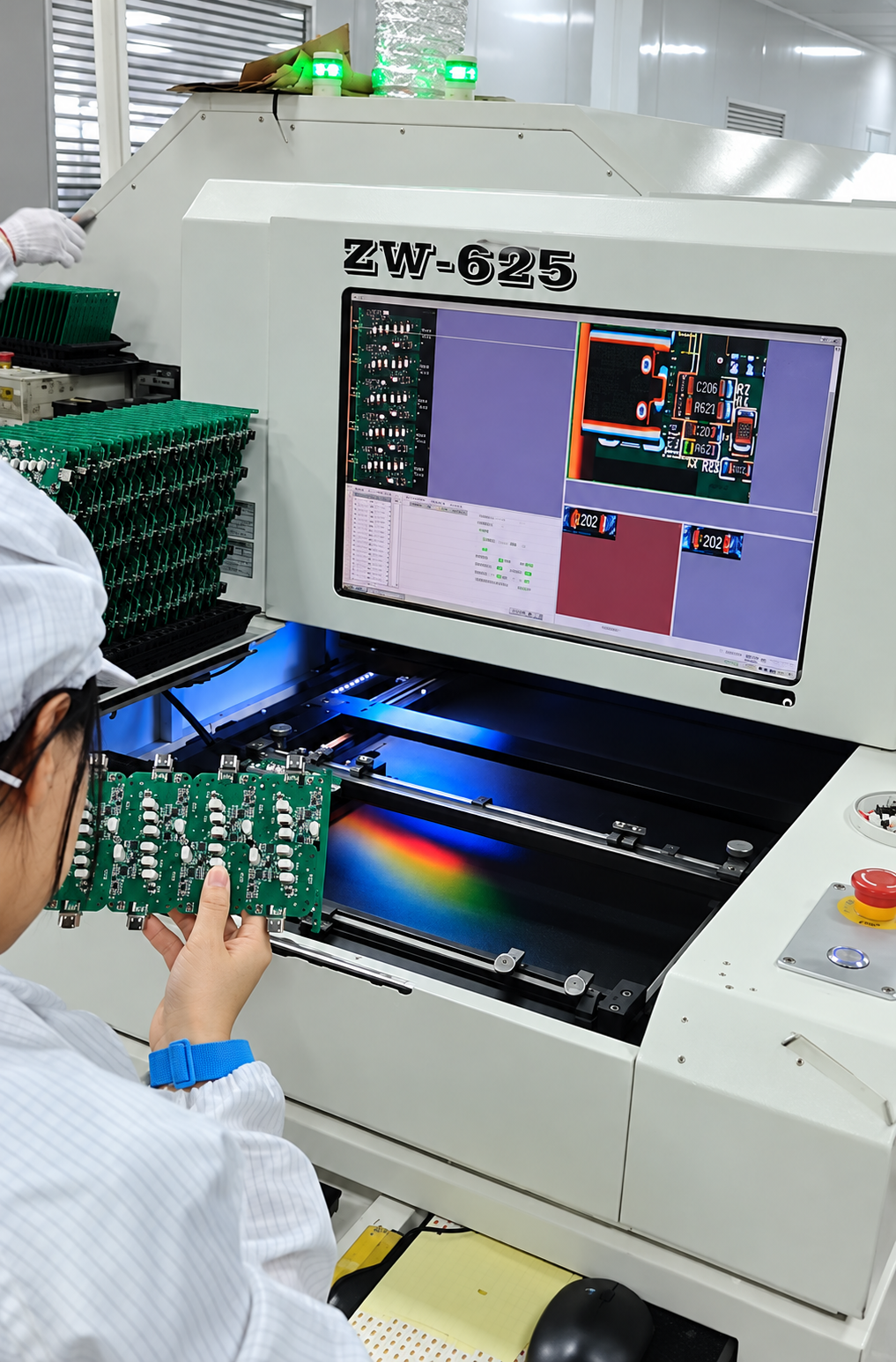
Yes. We can evaluate prototype development and pre-production verification based on the project scope. Potential verification items include basic PCBA functions, button and display operation, motor performance, wiring connections, power stability, temperature rise, and mechanical fit. The specific test items and acceptance criteria should be agreed upon before testing begins.
We evaluate applicable verification requirements based on the product’s electrical design, operating conditions, and target market. Relevant checks may include power stability, temperature rise, overcurrent protection, short-circuit protection, connection reliability, and mechanical assembly. Devices involving skin contact, heating, light-based functions, or other specialized features may require additional safety assessments and testing based on their specific designs. Compliance with particular regulations or certification requirements must be confirmed through the applicable evaluation and testing process.
Yes. We can evaluate OEM and ODM cooperation based on your project requirements. OEM projects generally involve manufacturing according to customer-provided designs, drawings, and technical specifications. ODM projects may involve a broader scope of product development, including PCBA design, electronic function integration, structural components, and product assembly. Development responsibilities, intellectual property ownership, and deliverables should be clearly defined before the project begins.
Yes. For projects with existing product drawings, PCBAs, BOMs, or physical samples, we can evaluate potential improvements in component selection, PCB layout, wiring harness design, enclosure structure, assembly processes, and manufacturability. Any proposed changes should balance product functionality, quality requirements, reliability, and target cost, with appropriate engineering evaluation before implementation.
We can evaluate manufacturing arrangements from prototype development and pilot runs through mass production, depending on project complexity, component availability, tooling requirements, testing procedures, and order quantities. When requesting a quotation, please provide your initial order quantity, estimated annual demand, and target delivery schedule so we can assess the production plan and associated costs.
We recommend providing the product application, target functions, overall dimensions, power requirements, engineering drawings, PCB files, BOM, or physical samples. Please also specify your estimated order quantity and target delivery schedule. If the product includes motors, displays, sensors, heating, or light-based functions, relevant technical parameters and safety requirements should also be provided. Based on this information, we can evaluate project feasibility, define the required manufacturing scope, and prepare a quotation.