Fit the Speaker Into the Available Space
We review your housing dimensions and mounting structure before selecting the frame and magnetic circuit.
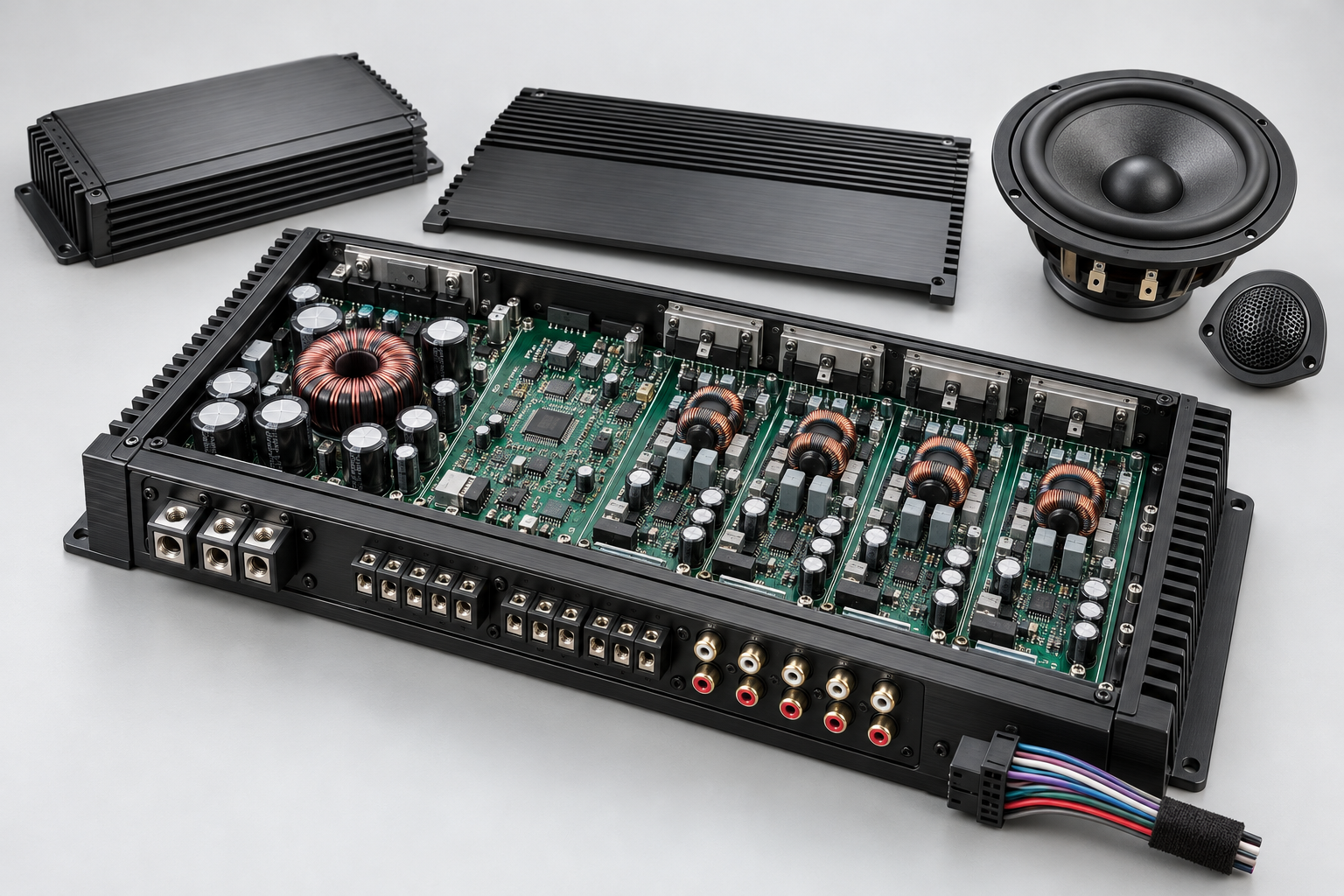
ZEH audio is a leader in innovative, high-performance single and multi-channel audio amplifiers for applications.
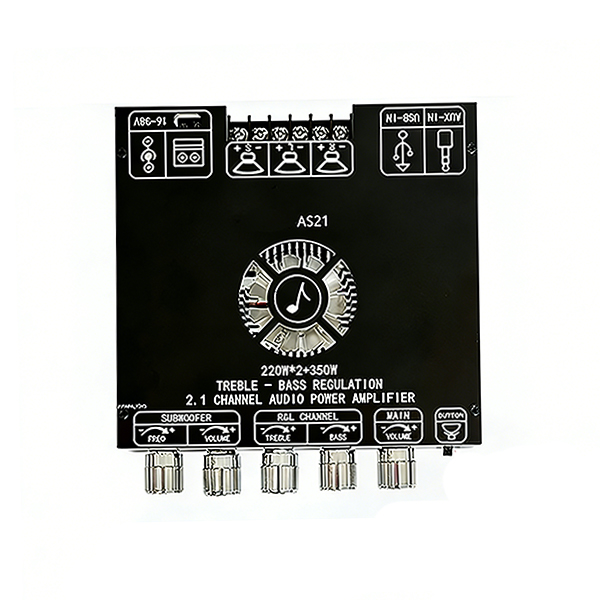
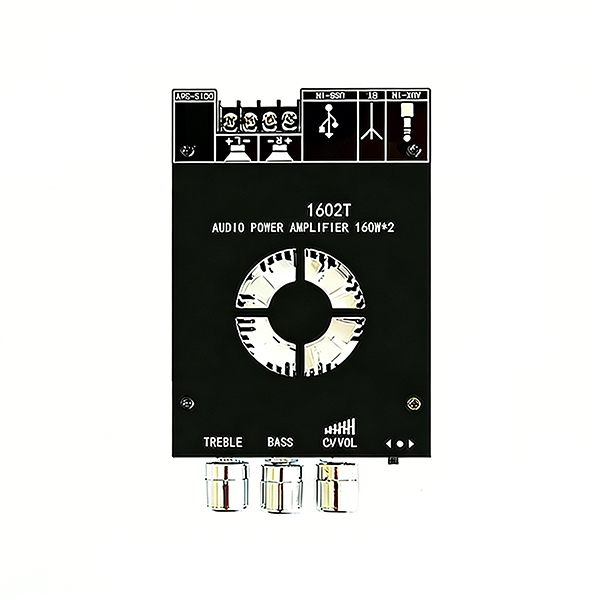
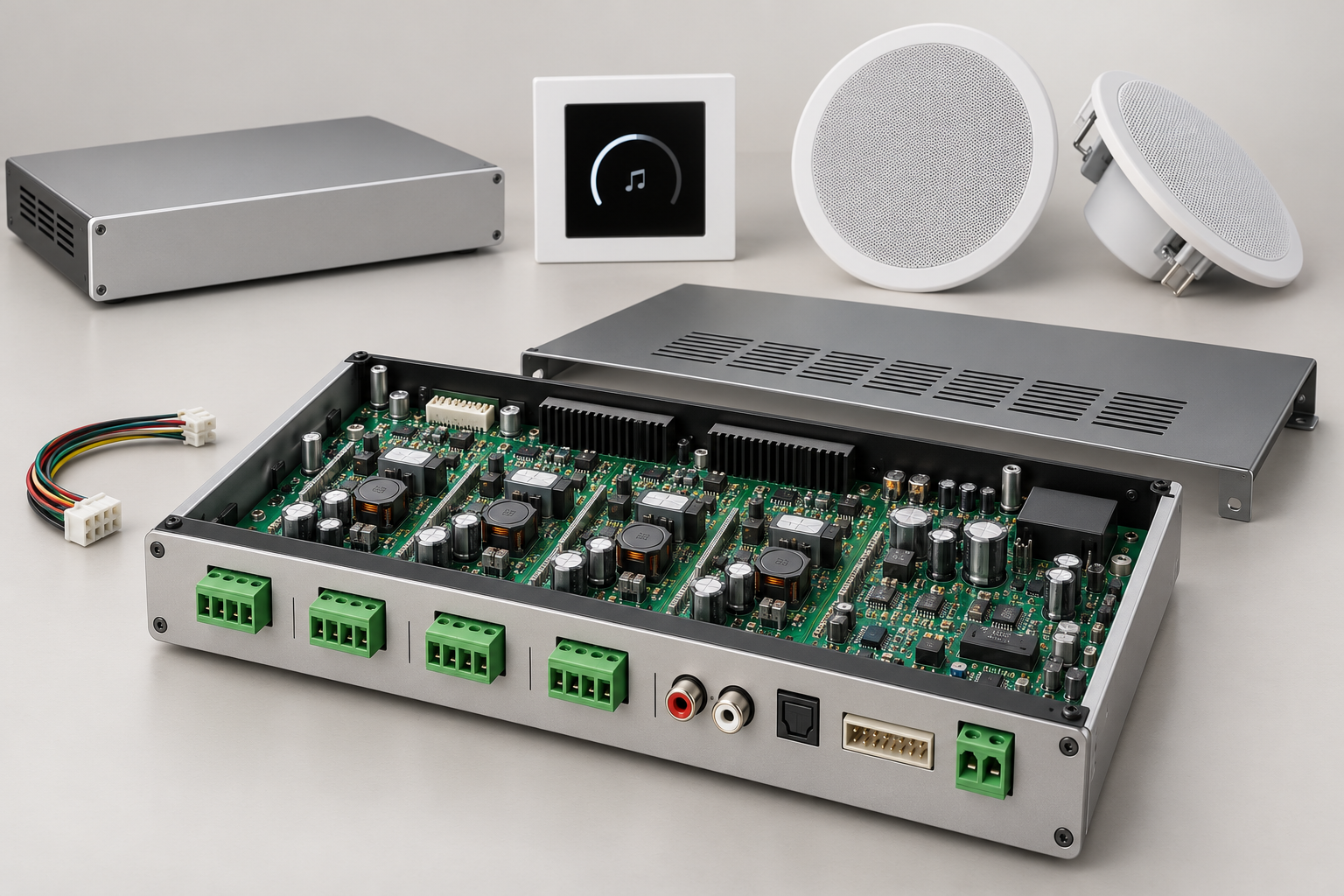
Digital amplifiers use compact Class-D designs and can support a wide range of speaker configurations. Available features vary by model and may include digital (S/PDIF) and analog inputs, allowing direct connection to digital signals, low-level analog signals, and high-level speaker outputs.
Some models also feature digital signal processing (DSP), providing adjustable functions such as crossover settings, filtering, frequency equalization, and dynamic range control.
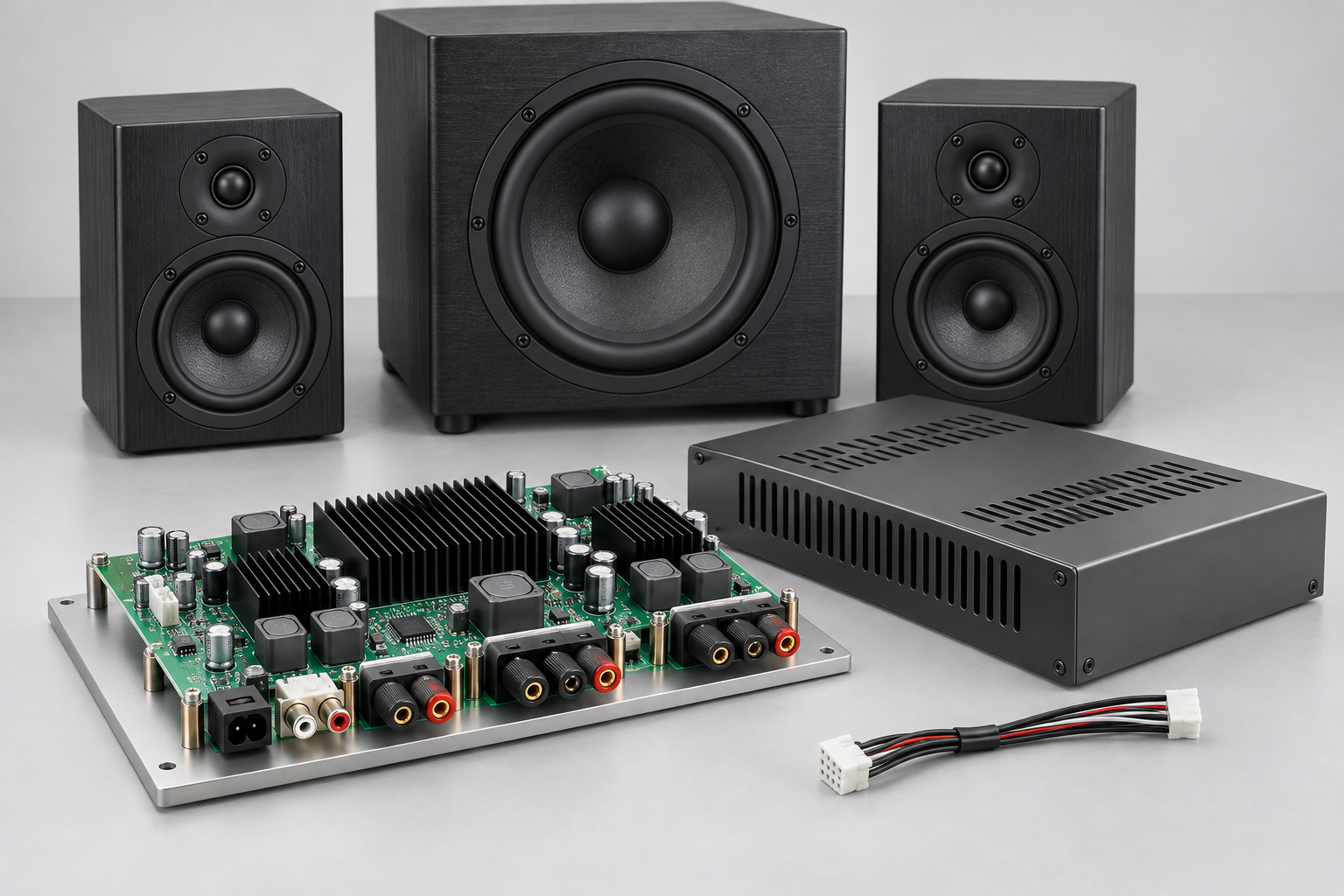
The amplifier and speaker are two core components that work together in an audio system. The amplifier increases the audio signal and supplies the power required to drive the speaker, while the speaker converts the electrical signal into sound. Proper matching of power, impedance, sensitivity, and frequency range is essential for achieving sufficient volume, clear sound, and reliable system performance.
Matching a speaker with an amplifier involves more than simply comparing their rated power. Product structure, acoustic enclosure design, audio signal characteristics, operating environment, target sound pressure level, and continuous operating time can all affect the final sound quality and system reliability.
Frequency Range and Crossover Settings Must Be Coordinated:Different types of speakers are designed to reproduce different frequency ranges. Tweeters, midrange drivers, midbass drivers, and woofers should operate within their safe and effective frequency bands.
The Acoustic Enclosure and Product Structure Affect System Matching:Enclosure volume, sealing, bass-reflex design, sound openings, grilles, mounting position, and housing materials can all affect frequency response, sound pressure level, bass performance, and distortion.
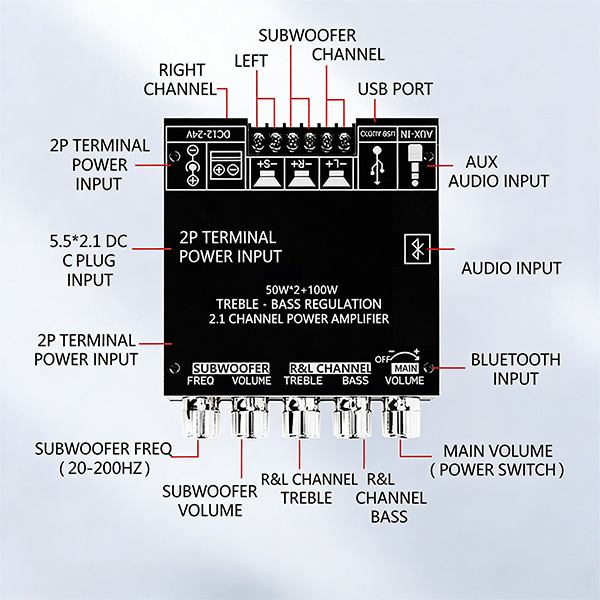
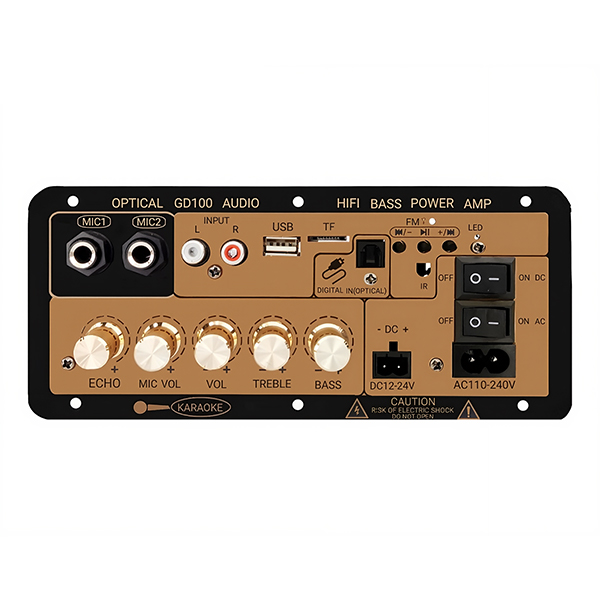
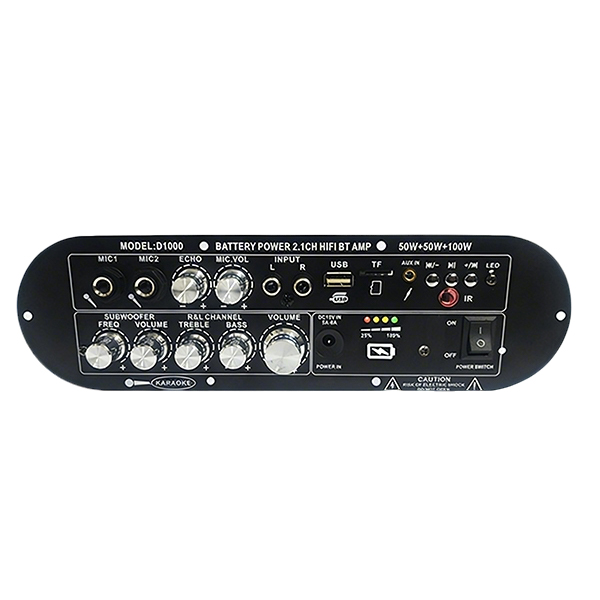
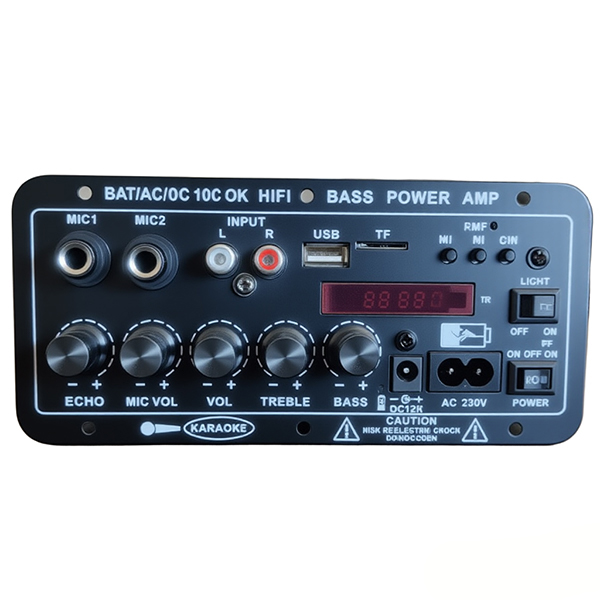
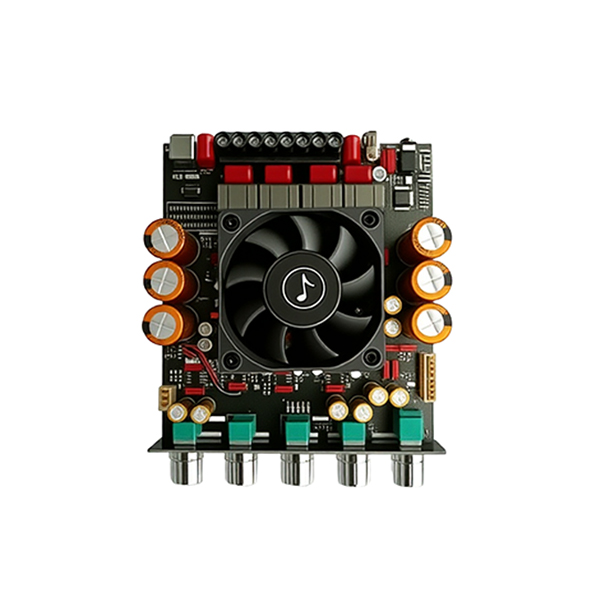
Each amplifier can be selected and customized according to your product structure, speaker configuration, audio inputs, target sound quality, and production requirements. Key options include output power, impedance, channels, supply voltage, interfaces, dimensions, DSP, Bluetooth, EQ, crossovers, and circuit protection.
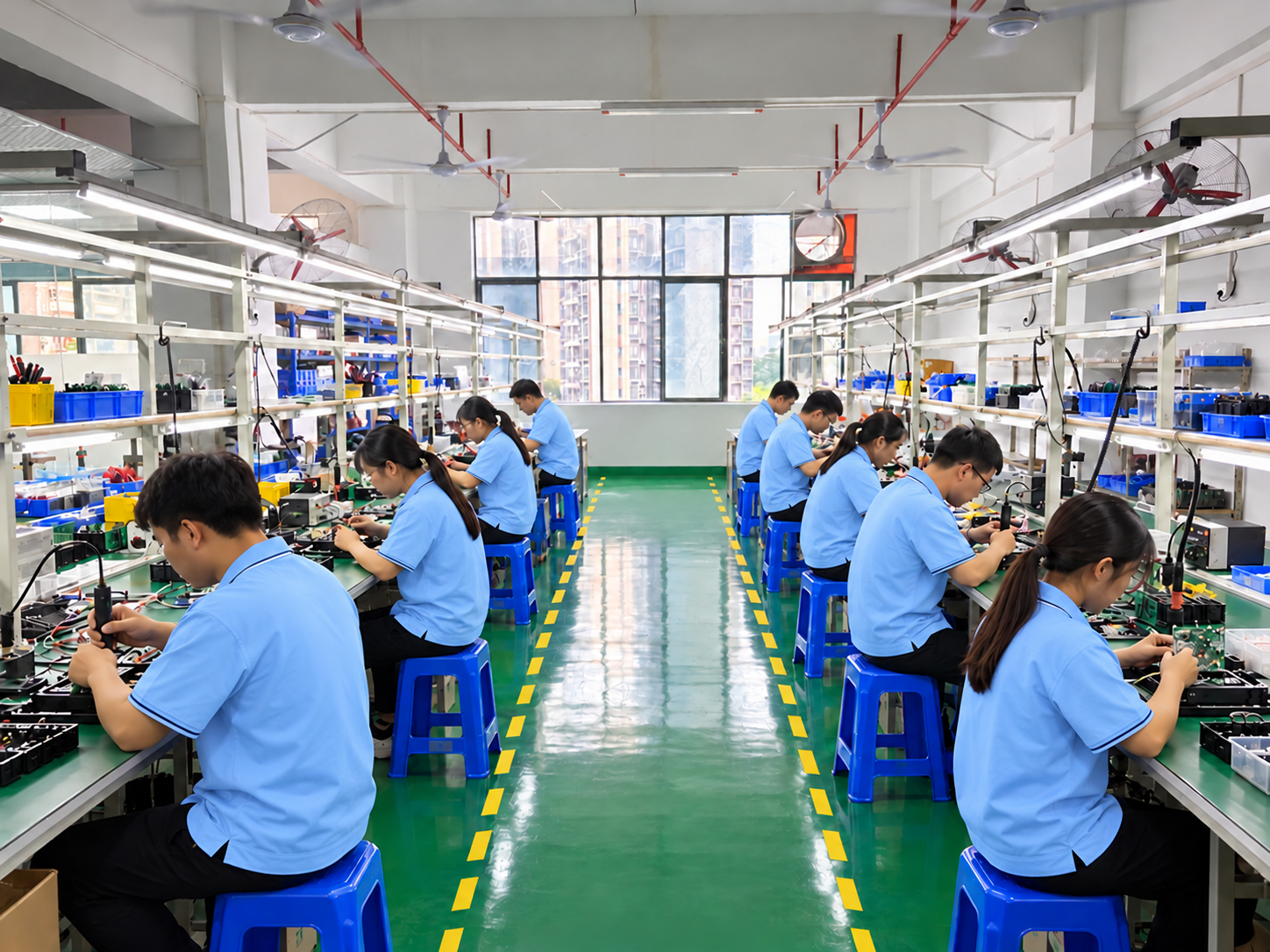
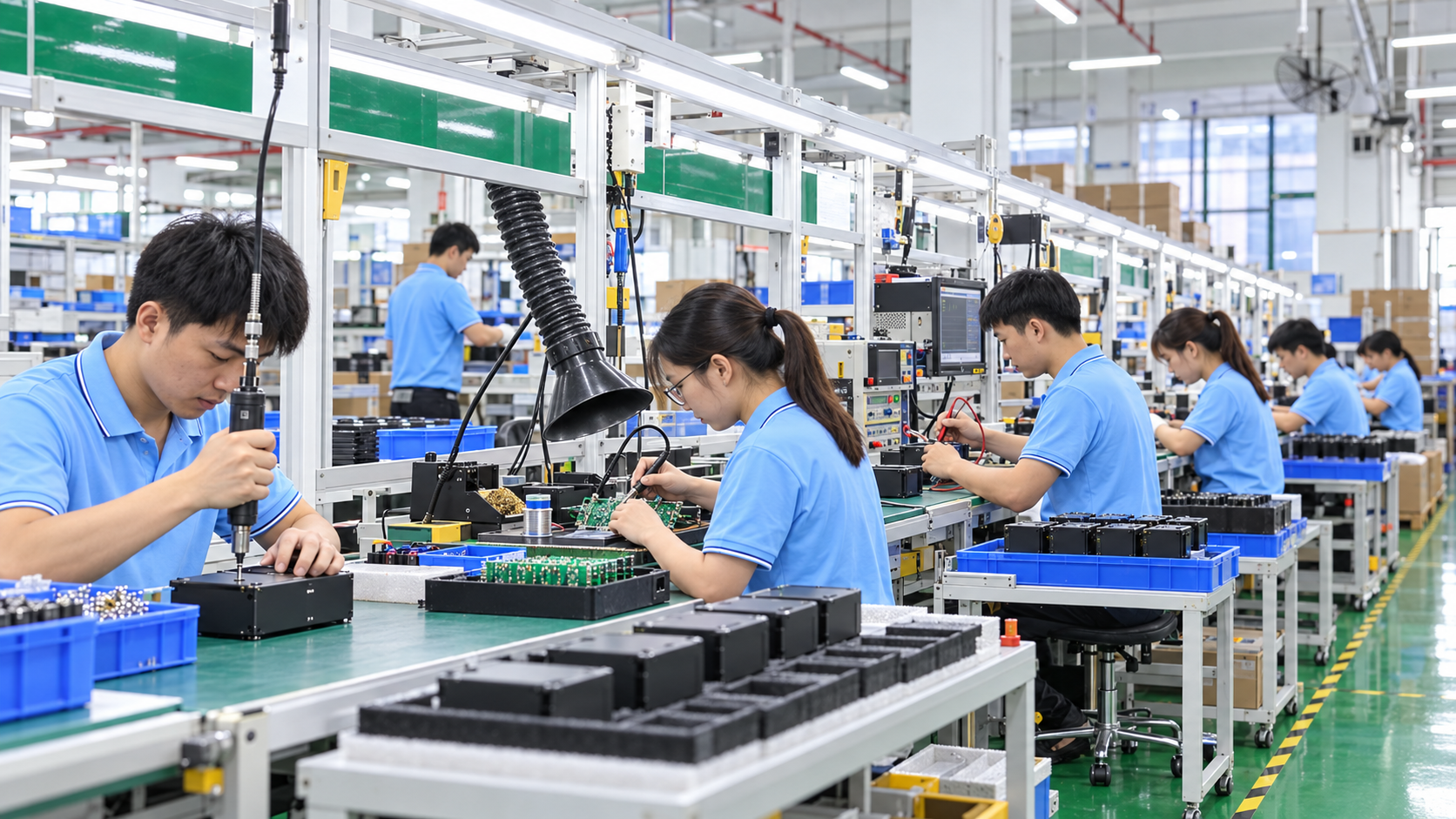
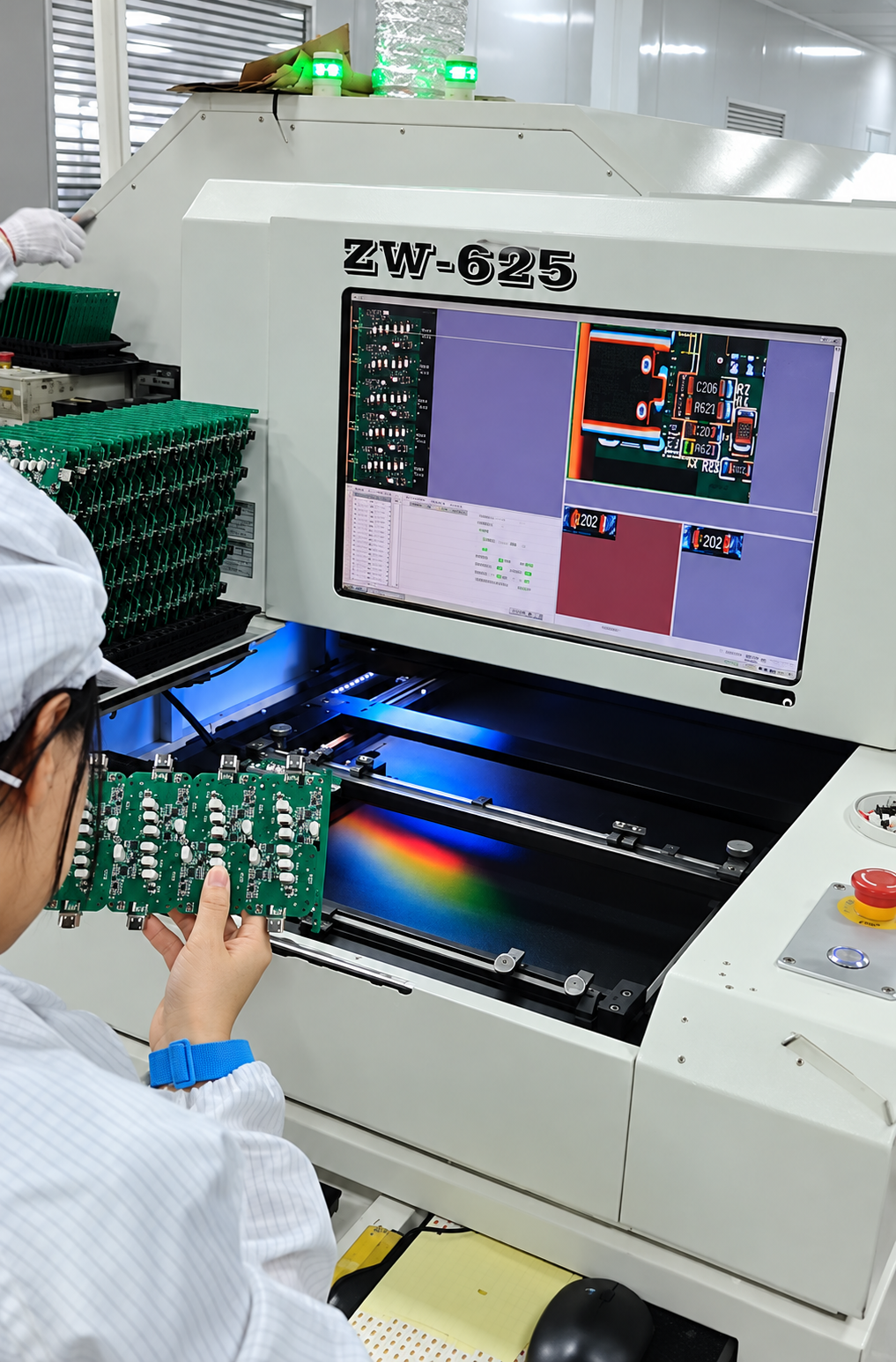
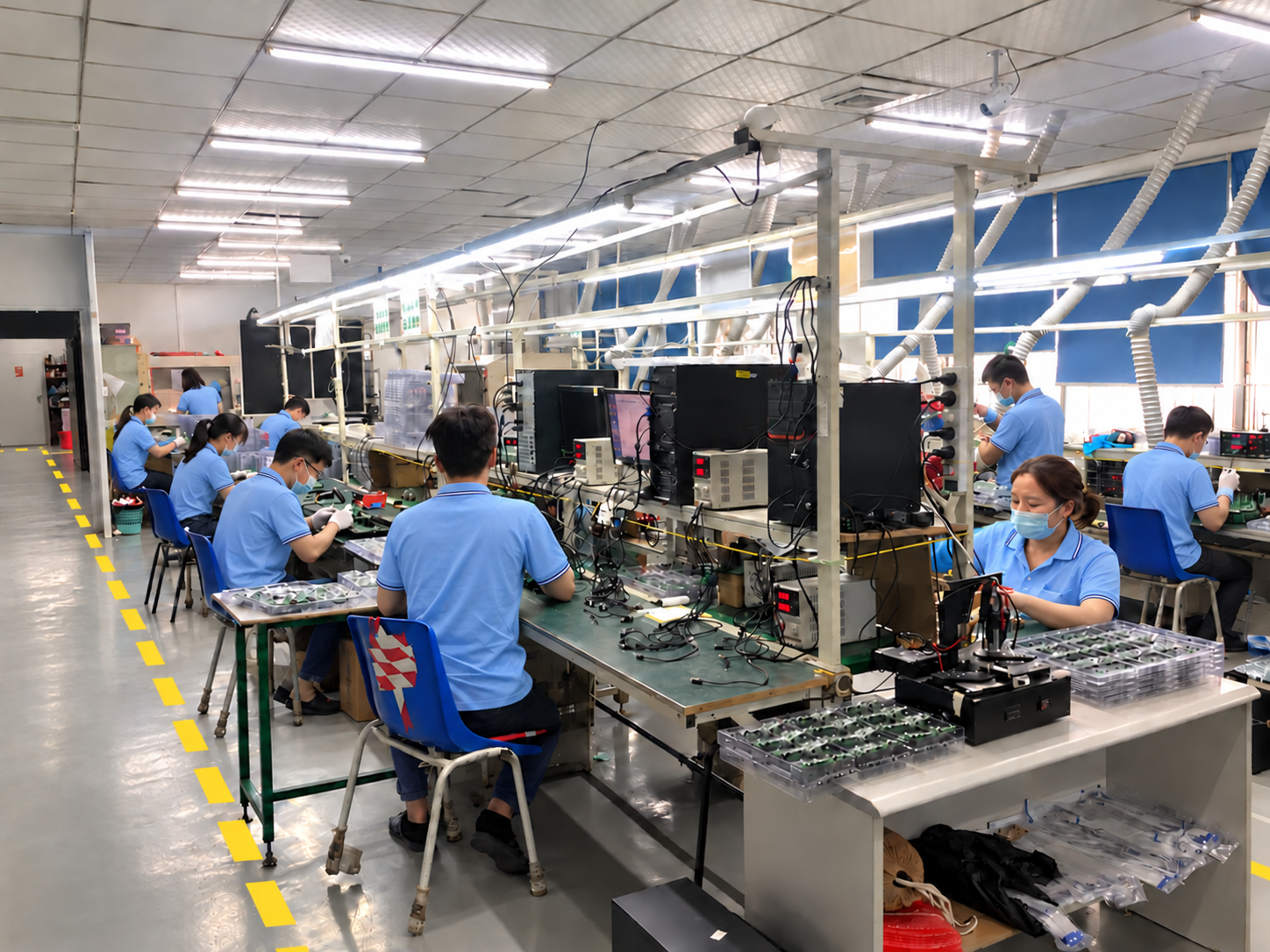
ZEH provides amplifier selection, speaker matching, PCBA design, DSP tuning, enclosure design, prototyping, and reliability testing. By optimizing the amplifier, speakers, enclosure, power supply, and product structure as a complete system, we help improve sound quality, simplify assembly, shorten development time, and ensure consistent performance in volume production.
ZEHSMAUDIO can adapt an existing speaker platform or develop a modified structure based on your installation space, sound target, electronics, enclosure and production requirements.
We review your housing dimensions and mounting structure before selecting the frame and magnetic circuit.
Round, oval, rectangular and low-profile frames can be adapted to internal ribs, PCB positions and assembly methods.
Speaker parameters are evaluated together with the amplifier, enclosure, listening distance and required sound performance.
Diaphragm, surround and magnet materials are selected according to the target sound, environment and cost requirements.
The project can include the enclosure, grille, wiring, connector, sealing components and amplifier matching.
Different products have different requirements for output power, sound quality, power supply, audio interfaces, and installation space. ZEH provides audio amplifier selection, feature customization, and system integration support tailored to your end product. Simply share your requirements for supply voltage, speaker impedance, target output power, channel count, audio interfaces, and mounting dimensions. Based on your sound quality goals, thermal conditions, and budget, we will help evaluate suitable amplifier architectures, feature configurations, and supporting components, defining clear technical requirements for prototype development, complete system validation, and volume production.
Audio amplifiers need to work seamlessly with speakers, power supplies, audio inputs, and the product’s mechanical design. For OEM/ODM projects, ZEH provides coordinated services ranging from solution evaluation, circuit design, and feature customization to system tuning and finished product assembly, aligning speaker and amplifier designs with your product requirements.
We evaluate suitable amplifier solutions based on speaker impedance, target output power, supply voltage, sound quality requirements, channel count, and available space for thermal management. From audio modules to multichannel systems, we balance audio performance, efficiency, and overall product cost.
We configure Bluetooth, analog, or digital audio inputs according to your audio sources and control requirements. For projects requiring DSP, we can further evaluate equalization, crossover settings, filtering, and dynamic range control to match the feature set to the intended application.
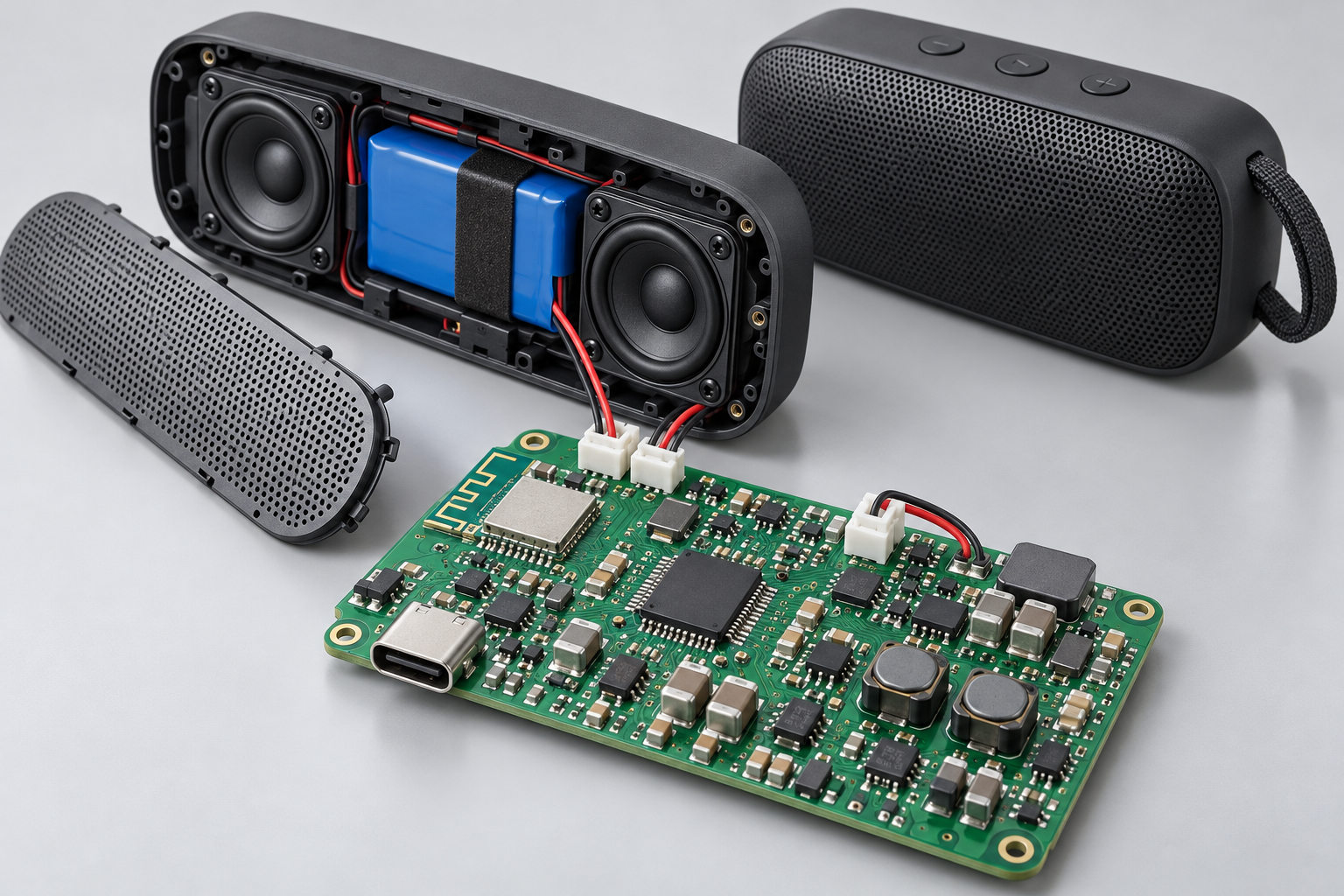
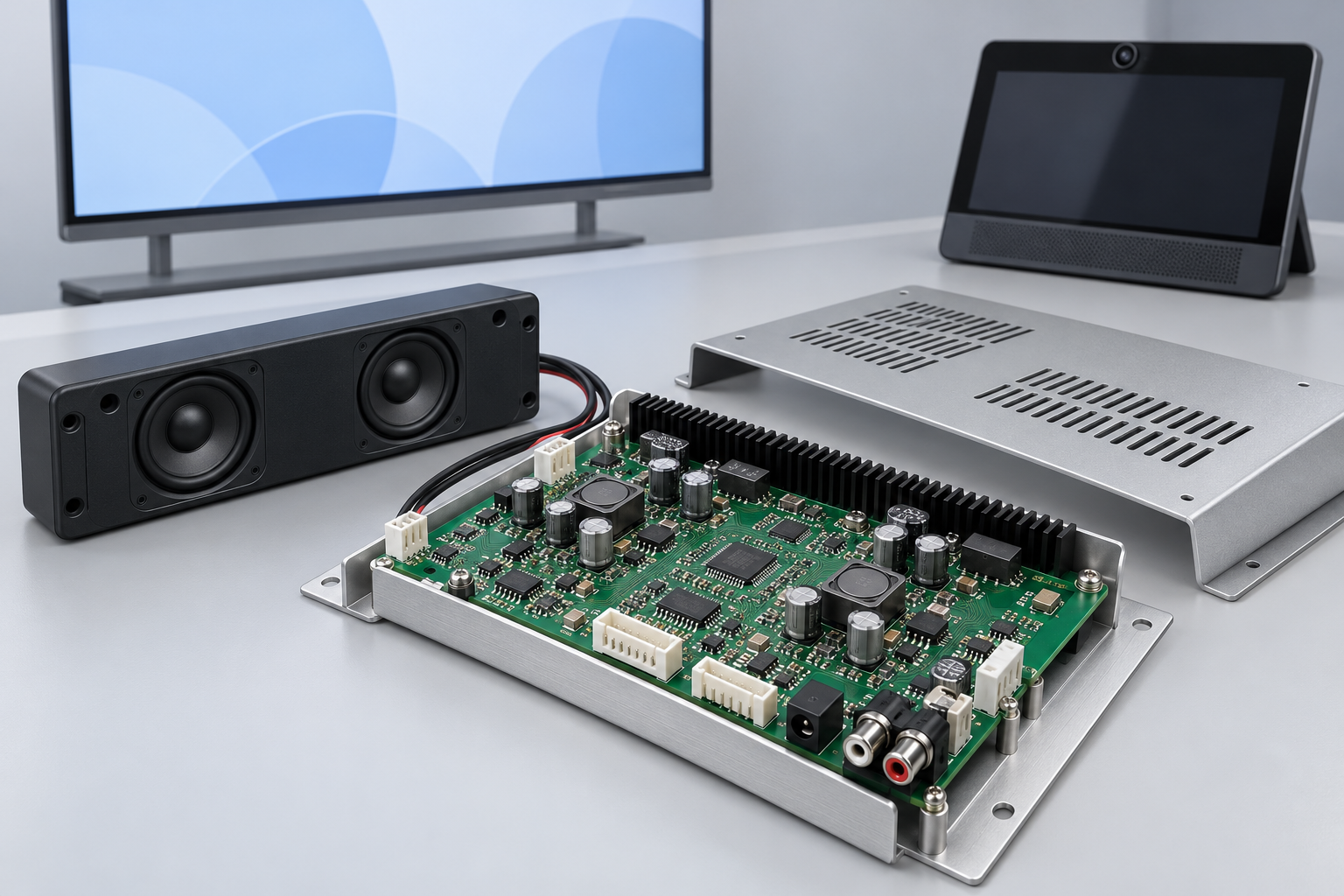
We consider speakers, acoustic chambers, the main control board, and wiring harness connections together, matching and tuning them within the complete product. This helps reduce repeated adjustments between components and supports your target sound quality and audio output. We also provide matching enclosures, panels, color options, and logo customization to simplify integration into your product design and assembly process.
Based on load, power supply, and thermal requirements, we incorporate appropriate overcurrent, overtemperature, and short-circuit protection and verify output performance, temperature rise, and protection functions to support reliable continuous operation while optimizing overall manufacturing costs within the specified performance requirements.
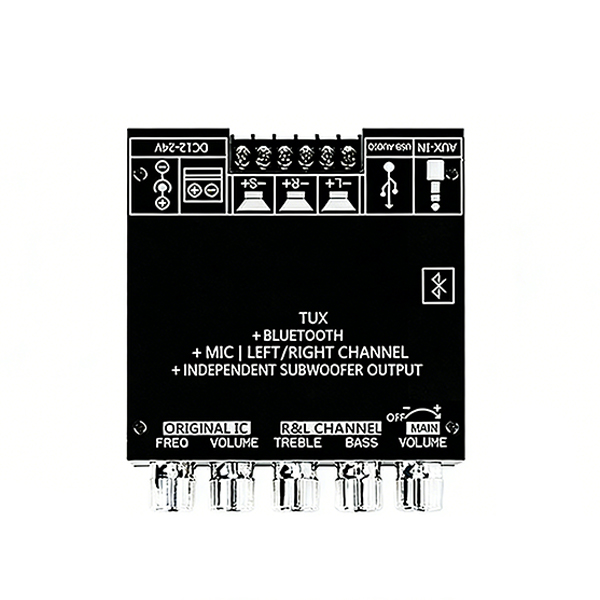
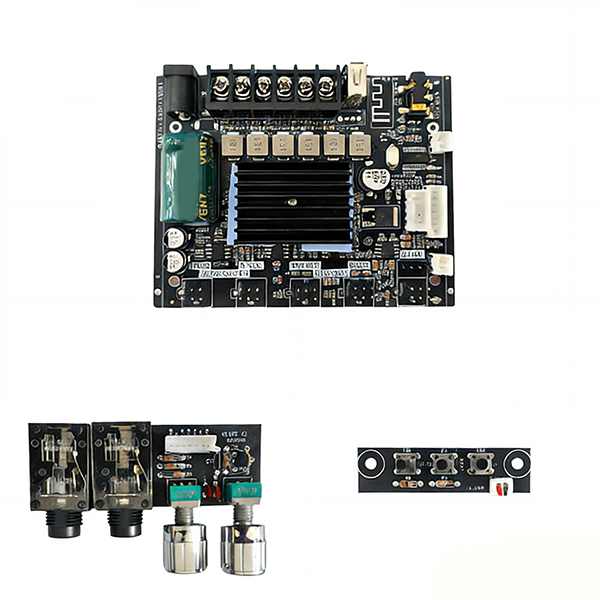
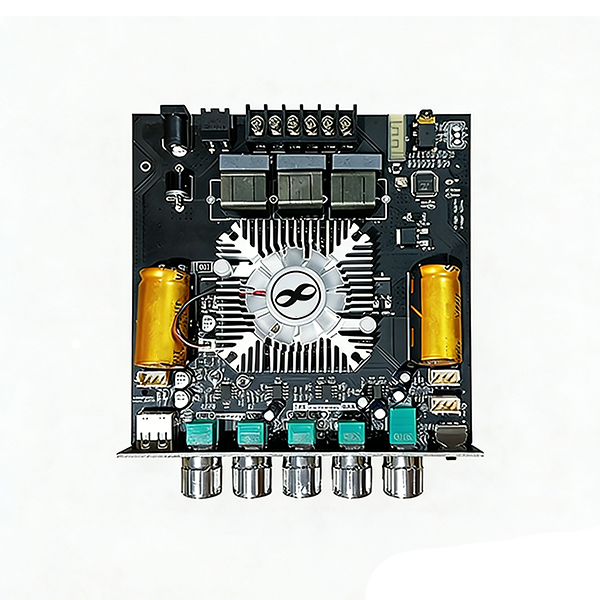
We provide audio amplifier boards, Bluetooth amplifier modules, and supporting audio PCBA solutions tailored to your product requirements. Customization options include output power, channel count, supply voltage, audio interfaces, control functions, board dimensions, and mounting configurations. We can also supply matching speakers, wire harnesses, connectors, and enclosure components.
Yes. We can evaluate a solution based on circuit schematics, technical specifications, reference samples, or overall product requirements. If your design is not yet complete, you can provide speaker specifications, power supply conditions, available installation space, audio input requirements, and target sound quality to help define the development direction.
We can evaluate mono, stereo, 2.1-channel, or other multichannel configurations based on the number of speakers, frequency band assignments, and product functions. Power allocation, controls, and interface configurations for each channel can be tailored to the overall system requirements.
Selection requires evaluating speaker impedance, rated power, sensitivity, operating frequency range, and target volume, along with power supply capacity, acoustic enclosure design, and continuous operating time. We match the amplifier to the overall product requirements rather than selecting it based on wattage alone.
Not necessarily. Output power affects the amplifier’s available drive capability, but sound quality also depends on distortion, noise, frequency response, speaker performance, and acoustic enclosure design. When comparing power ratings, it is essential to specify the supply voltage, load impedance, distortion level, and test method, and to distinguish continuous output power from peak power.
Yes. We evaluate amplifier solutions based on speaker impedance and actual load requirements. Supported load ranges vary by amplifier, so output current, thermal conditions, and protection features must also be checked. When multiple speakers are connected in series or parallel, the combined load must be verified.
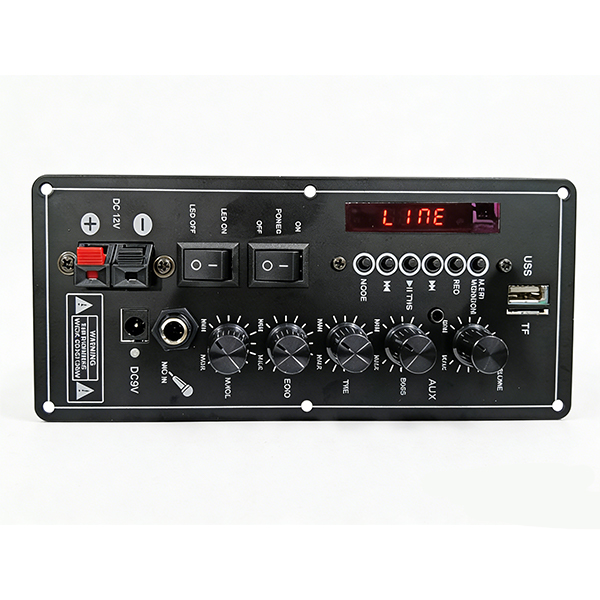
We can evaluate Bluetooth, AUX, USB, or digital audio inputs based on your product requirements and configure the corresponding input switching and controls. Available interface functions depend on the selected solution. For example, USB audio input and playback from a USB flash drive are different functions and should be clearly defined before development.
We can evaluate microphone inputs, preamplification, mixing, independent volume adjustment, and button or rotary knob controls based on the intended application. During design, we confirm the microphone type, signal level, and power requirements, while evaluating noise and acoustic feedback within the complete system.
We can evaluate digital signal processing solutions for equalization, crossover processing, filtering, and dynamic control based on your project requirements. Depending on the hardware platform, we can also tune the system to match the speakers, acoustic enclosure, and target sound quality.
Yes. We evaluate the solution based on the voltage range, available current, and power consumption requirements of the power adapter, battery, or internal power supply.
Depending on the selected IC and circuit design, we can evaluate overcurrent, overtemperature, short-circuit, undervoltage, overvoltage, and reverse-polarity protection, along with other customer requirements.
We can evaluate the board layout based on enclosure space, mounting hole locations, connector orientation, and assembly requirements. We also consider output power, ambient temperature, and continuous operating time to determine heat sink, heat transfer, or ventilation requirements, and verify temperature rise in the assembled product.
Yes. We can coordinate the amplifier PCBA, speakers, acoustic enclosure, grilles, wire harnesses, connectors, and housing to meet your requirements, and provide prototype assembly and audio tuning. Delivery options include standalone amplifier boards, audio modules, speakers, or other fully assembled component assemblies.