Fit the Speaker Into the Available Space
We review your housing dimensions and mounting structure before selecting the frame and magnetic circuit.
Custom control cores for efficient signal acquisition, device communication and actuation control.
From circuit design and embedded firmware to PCBA assembly and volume production, we deliver complete OEM/ODM control solutions tailored to your equipment’s space, power, connectivity, and operating requirements.
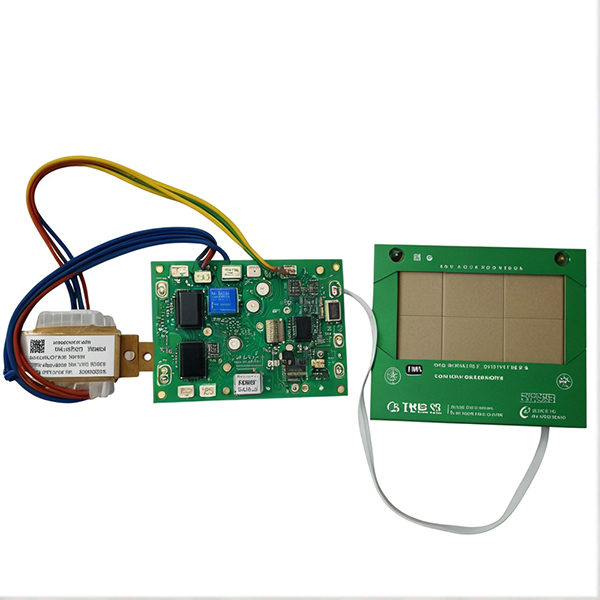
Choose standalone boards or integrated assemblies with displays, sensors, wiring harnesses, speakers, and enclosures—all designed to simplify integration and streamline production.
Custom I/O & Functions | Hardware & Firmware Development | Prototyping to Production | System Integration
Different types of industrial equipment have different control requirements. Some require continuous temperature, pressure, and liquid level monitoring, while others need to control motors, valves, relays, and lighting. Still others must handle user interfaces, network connectivity, and remote monitoring simultaneously.
When a control board’s interface count, electrical specifications, communication methods, or physical dimensions do not match the equipment’s requirements, additional adapter boards, wiring harnesses, or software modifications are often necessary, increasing assembly complexity and maintenance costs.
EMI Immunity Design: Evaluate PCB layout, grounding, filtering, isolation, and shielding requirements for power inputs, signal paths, communication interfaces, and power switching circuits. Wiring harness routing and enclosure design must also be considered for their impact on electromagnetic compatibility (EMC).
Temperature Rise and Continuous Operation: Assess PCB copper heat dissipation, heatsinks, and system ventilation based on the heat generated by processors, voltage regulators, power devices, and loads.
Fault Detection and Recovery: Develop fault-handling logic for communication timeouts, sensor faults, power supply abnormalities, and output failures based on equipment requirements. Define alarm, shutdown, retry, and recovery conditions to help minimize unpredictable operating behavior.
Environmental Protection: Evaluate component selection, connector retention, moisture protection, and mechanical protection based on the product’s actual installation environment.
Starting from the actual equipment workflow, and incorporating requirements for sensors, actuators, power supplies and host systems, plan the mainboard functions, interface layout, protection circuits and control logic to achieve stable product control and efficient integration.
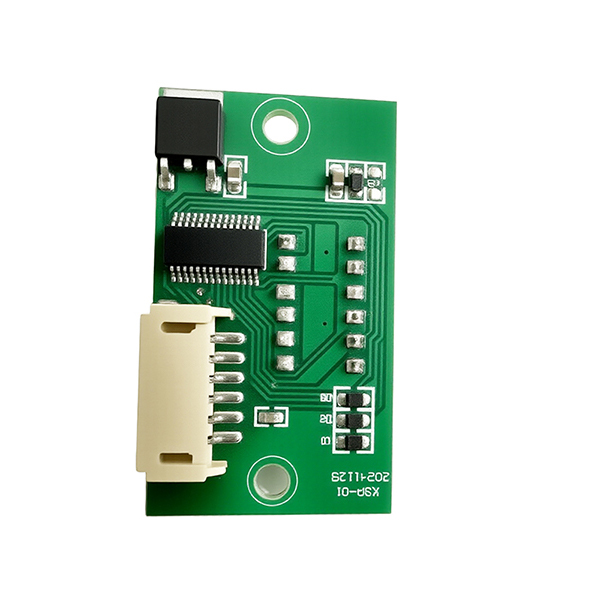
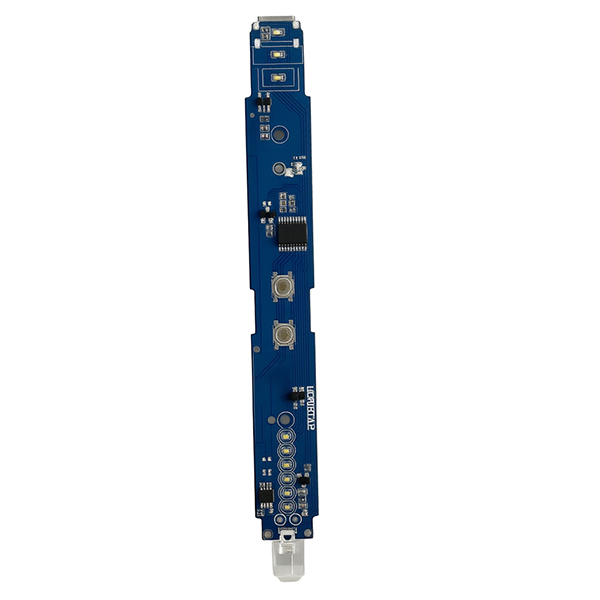
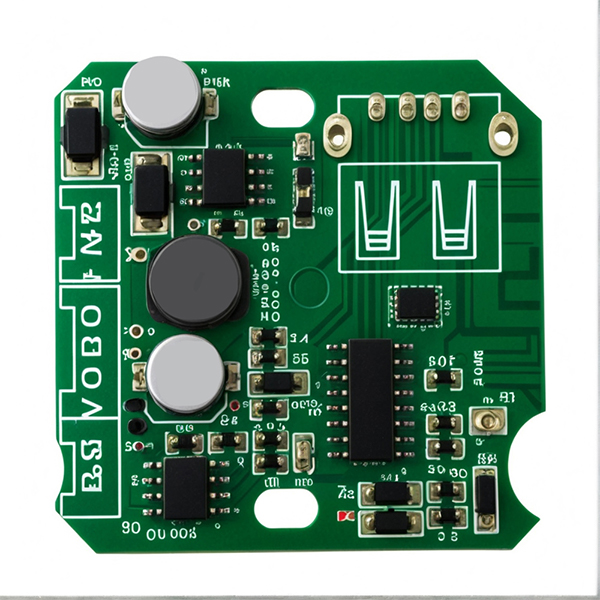
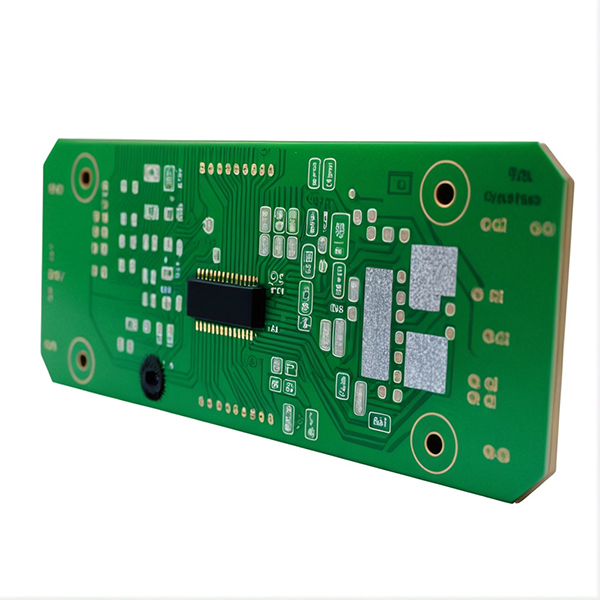
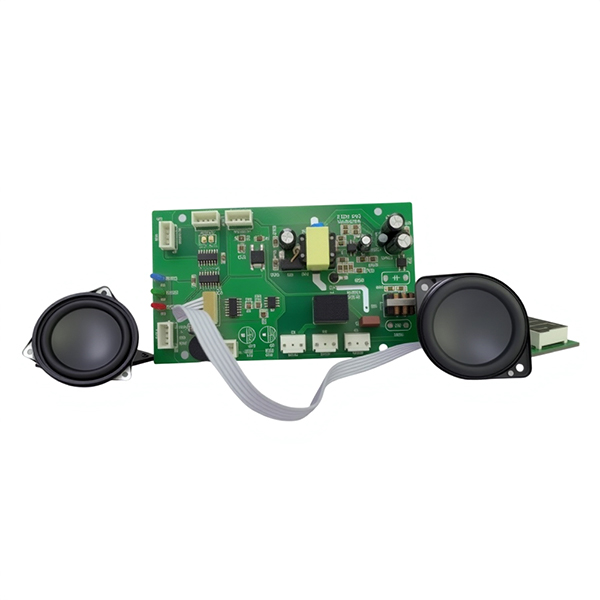
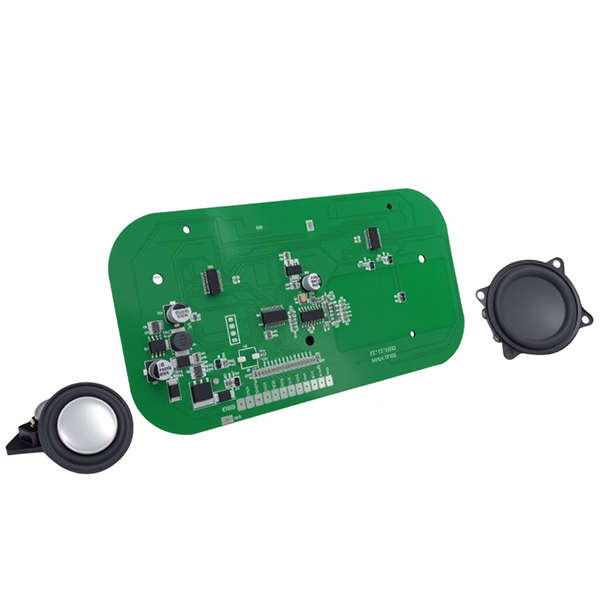
The products shown below are not standard, off-the-shelf items with fixed specifications. They are custom development and manufacturing solutions designed for OEM and ODM projects. Based on the customer’s product concept, functional requirements, engineering drawings, technical specifications, communication protocols, bill of materials (BOM), complete product structure, or physical samples, we can customize the electronic hardware, software functions, display interface, mechanical structure, and assembly method.
ZEHSMAUDIO can adapt an existing speaker platform or develop a modified structure based on your installation space, sound target, electronics, enclosure and production requirements.
We review your housing dimensions and mounting structure before selecting the frame and magnetic circuit.
Round, oval, rectangular and low-profile frames can be adapted to internal ribs, PCB positions and assembly methods.
Speaker parameters are evaluated together with the amplifier, enclosure, listening distance and required sound performance.
Diaphragm, surround and magnet materials are selected according to the target sound, environment and cost requirements.
The project can include the enclosure, grille, wiring, connector, sealing components and amplifier matching.
Based on your product concept, functional requirements, technical specifications, communication protocols, bill of materials (BOM), mechanical drawings, or physical samples, ZEH provides customized hardware, software, display interface, mechanical, and assembly solutions—from concept design and prototype development through mass production.
For functions such as collecting temperature, pressure, and liquid-level data, as well as controlling motors, valves, relays, and lighting, ZEH can assess the main control platform, number of I/O points, electrical parameters, communication methods, and control logic in line with the equipment’s operating workflow. This helps align the control board with the requirements of the complete system.
We support circuit design, embedded firmware development, display and human-machine interface (HMI) design, and customized communication and protocol conversion. Depending on equipment requirements, solutions may include industrial display and HMI boards, industrial communication and gateway boards, and lighting and power management control boards. This helps clarify the interfaces between the control board and the equipment.
In addition to standalone control boards, projects can integrate displays, sensors, wiring harnesses, speakers, connectors, and enclosures as needed. By considering hardware interfaces, installation space, and assembly methods together, we help simplify product integration and production coordination.
ZEH supports hardware and firmware development, prototype production, PCBA assembly, and mass production. Customers can confirm functions, technical specifications, and production requirements at each project stage to advance product development and manufacturing step by step.
Customizing motherboards for kids’ devices centers on safety prioritization and child-centric scenario adaptability, adopting a standardized, targeted customization workflow to strike a seamless balance between functionality and protective capabilities. The detailed steps are as follows:
1. Define Core Product Requirements
First, map out the device’s intended use cases (e.g., early education devices, kids’ smartwatches, educational toys), functional modules (positioning, voice interaction, sensors), and safety benchmarks. Outline kid-specific safety requirements—including low radiation, interfaces compatible with food-grade materials, and short-circuit prevention—while validating compliance with relevant children’s safety certifications (e.g., China Compulsory Certificate (CCC) for children’s products).
2. Solution Customization & Prototype Development
Based on the defined requirements, engineers incorporate low-power chips into the motherboard architecture to extend battery life, integrate anti-misoperation circuit safeguards, and minimize the motherboard footprint to align with the compact form factors of kids’ devices. Following the finalization of the initial solution, a prototype motherboard is rapidly fabricated to validate functional compatibility, safety, and stability.
3. Testing & Mass Production Launch
Comprehensive multi-dimensional testing is imperative, covering safety voltage withstand tests, drop and shock resistance evaluations, and functional compatibility assessments to ensure full adherence to children’s product safety standards. Once all tests are passed, mass production can kick off. Additionally, dedicated after-sales technical support is provided to guarantee the long-term reliable operation of the motherboards.
The entire process is anchored in the unique needs of children’s usage scenarios, not only meeting the device’s functional demands but also fortifying a robust safety barrier.