Fit the Speaker Into the Available Space
We review your housing dimensions and mounting structure before selecting the frame and magnetic circuit.
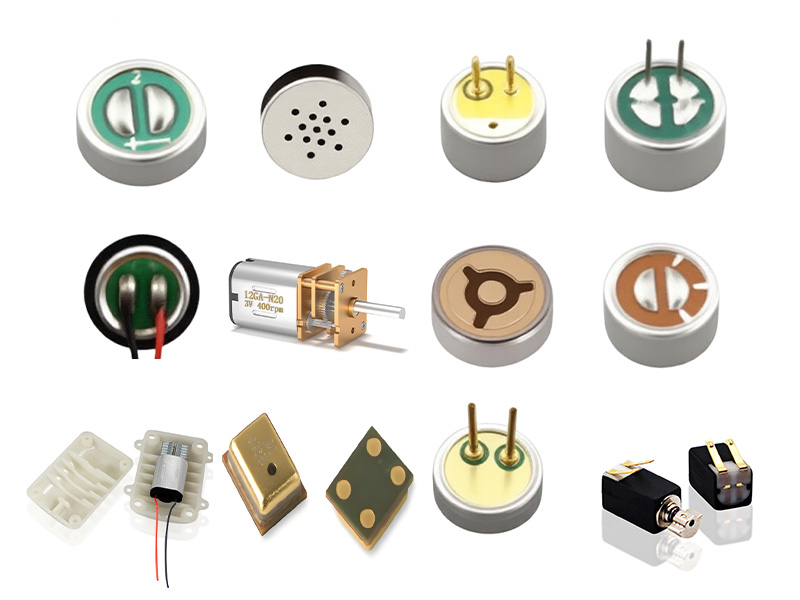
Beyond the speaker domain, ZEH AUDIO also covers two core product categories: Microphones and Motors. It not only provides a rich selection of standardized products but also offers customized services for the motor category, fully meeting your diverse needs.
Whether your product requires close-range communication, far-field voice recognition, ambient sound detection, sound source localization, active noise cancellation, or intelligent voice interaction, we can turn your audio capture requirements into a solution that is testable, easy to assemble, and ready for mass production.
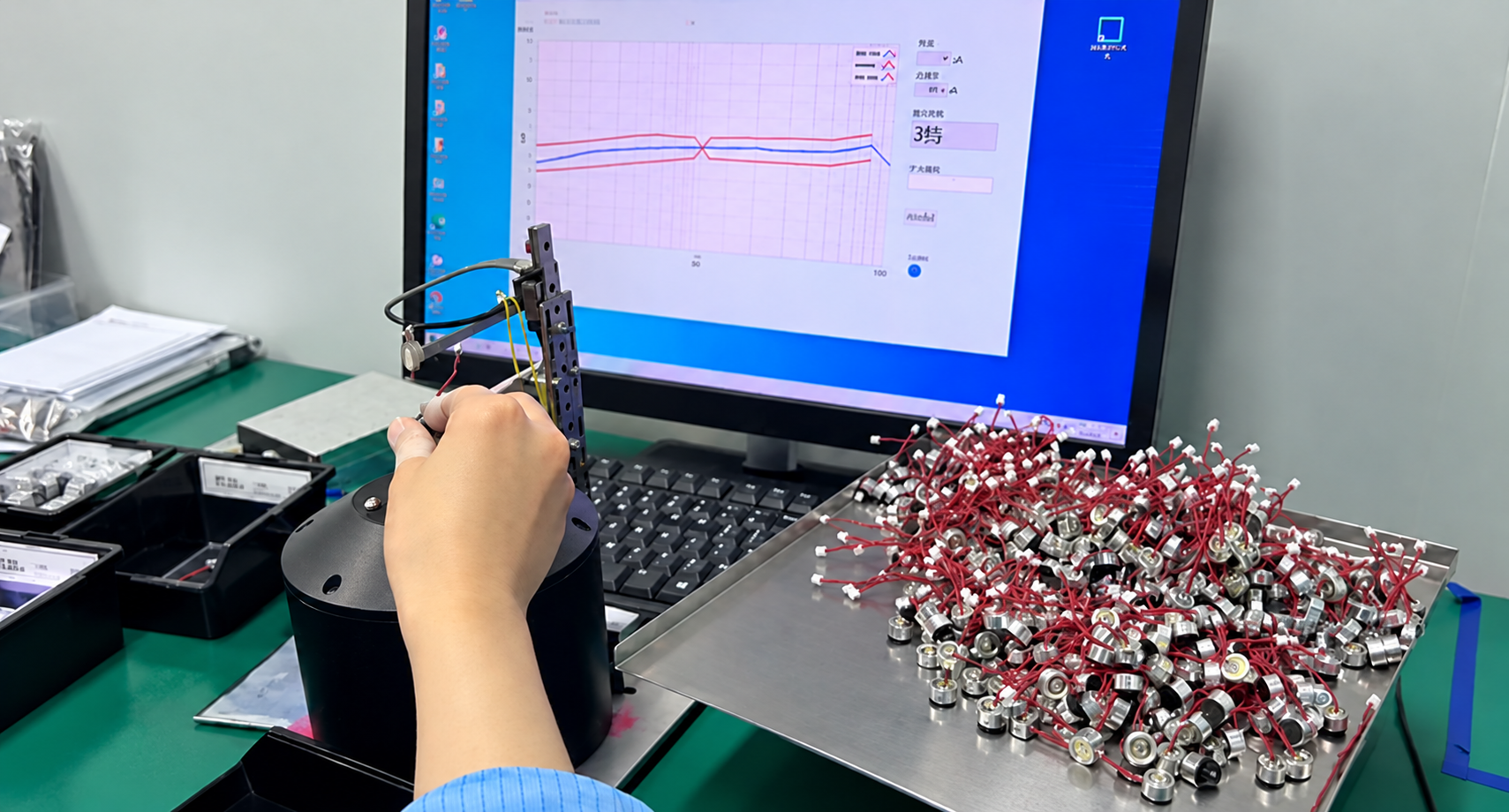
Standard microphones may meet datasheet specifications, but optimal audio capture in the end product depends on proper integration with the product enclosure, acoustic path, PCBA, algorithms, and operating environment.
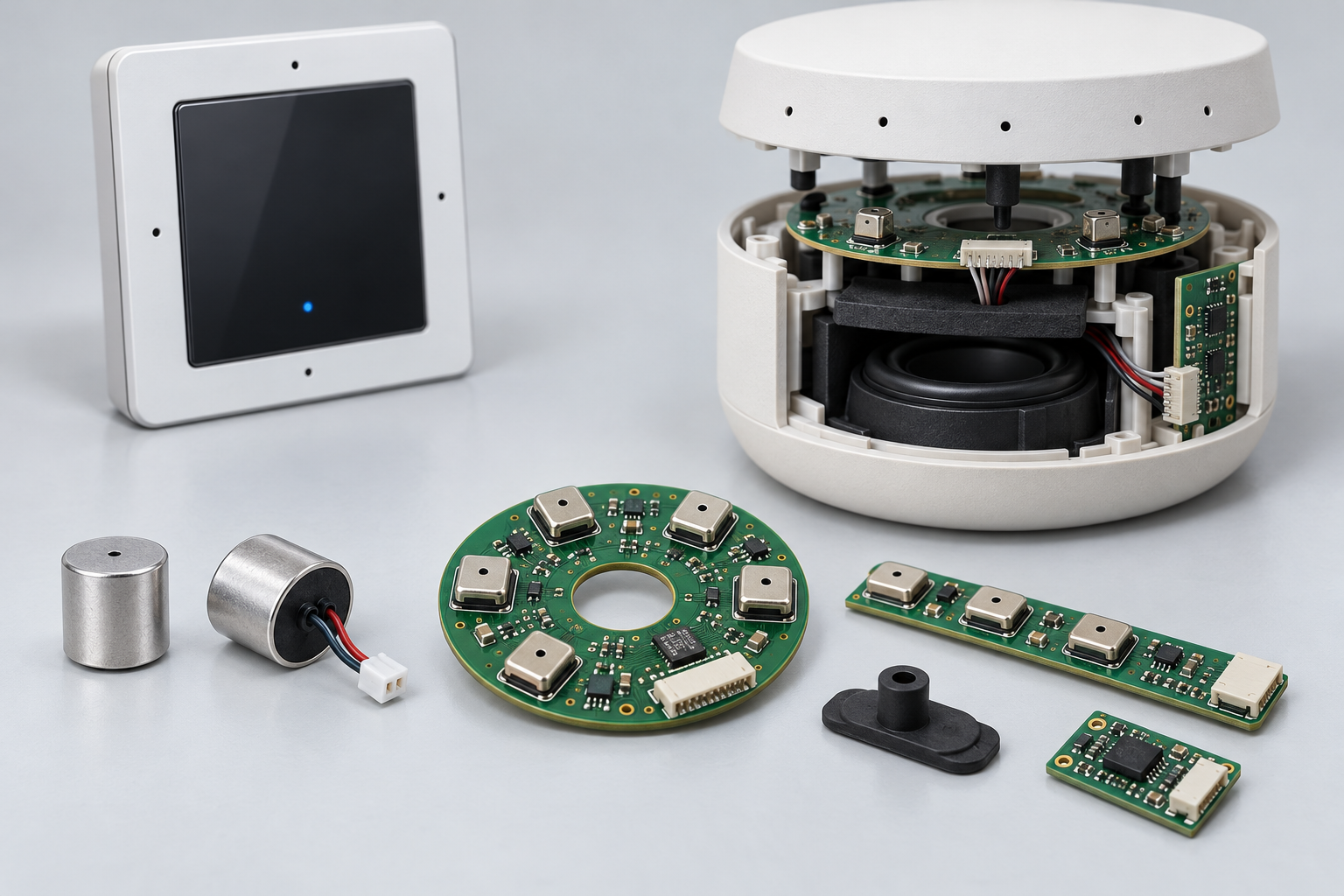
Based on your available installation space, pickup distance, sound direction, ambient noise, interface requirements, and target application, we provide custom microphones, microphone modules, and microphone array solutions. We also optimize the entire system, including microphone type, electroacoustic specifications, array configuration, PCBA, wire harness connections, sealing structure, and enclosure design.
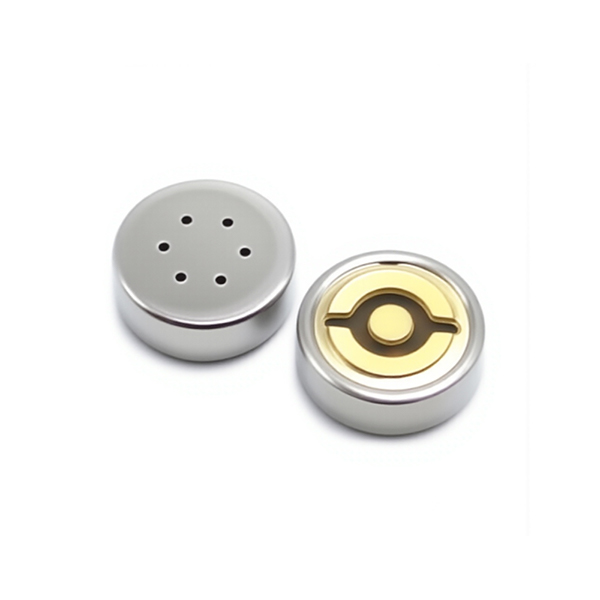
MEMS Microphones:MEMS microphones offer a compact footprint, low power consumption, strong vibration resistance, and excellent unit-to-unit consistency, making them ideal for smart electronic products with demanding space, reliability, and PCBA integration requirements.Based on your product’s main control platform, audio processing architecture, and interface requirements, we can evaluate and select analog or digital MEMS microphones. We can also help optimize microphone placement, PCB layout, power supply, grounding, signal routing, and acoustic port design.
Microphone Arrays:A microphone array uses multiple microphones working together to provide longer-range, more directional audio capture. It can support far-field voice pickup, beamforming, sound source localization, ambient noise suppression, acoustic echo cancellation, voice wake-up, speech recognition, and multidirectional sound detection.

The microphone products below are not fixed, off-the-shelf retail items. Based on your product requirements, drawings, technical specifications, functional needs, or physical samples, we can help select or customize the microphone type, dimensions and thickness, analog or digital output, omnidirectional, unidirectional, or other polar patterns, sensitivity and sensitivity tolerance, signal-to-noise ratio (SNR), acoustic overload point (AOP), frequency response, output impedance, operating voltage and current, pickup distance and angle, operating temperature range, pin and solder-pad design, wire length and specifications, connector type, PCBA dimensions and interfaces, microphone quantity and array configuration, as well as waterproof membranes, acoustic mesh, seals, and other components.
ZEHSMAUDIO can adapt an existing speaker platform or develop a modified structure based on your installation space, sound target, electronics, enclosure and production requirements.
We review your housing dimensions and mounting structure before selecting the frame and magnetic circuit.
Round, oval, rectangular and low-profile frames can be adapted to internal ribs, PCB positions and assembly methods.
Speaker parameters are evaluated together with the amplifier, enclosure, listening distance and required sound performance.
Diaphragm, surround and magnet materials are selected according to the target sound, environment and cost requirements.
The project can include the enclosure, grille, wiring, connector, sealing components and amplifier matching.
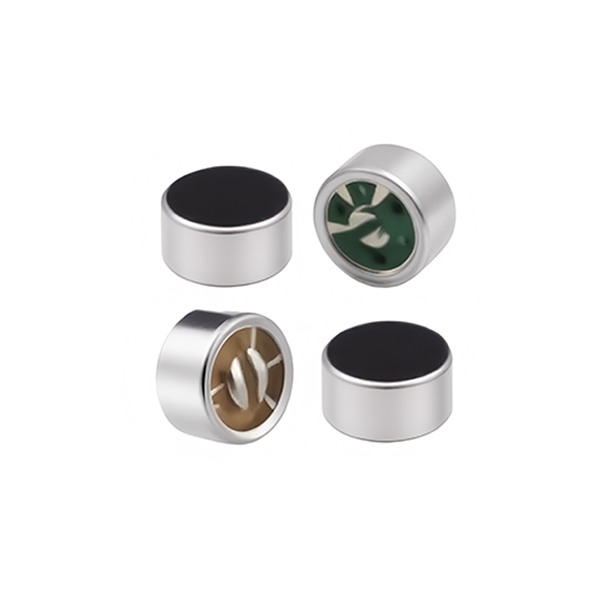
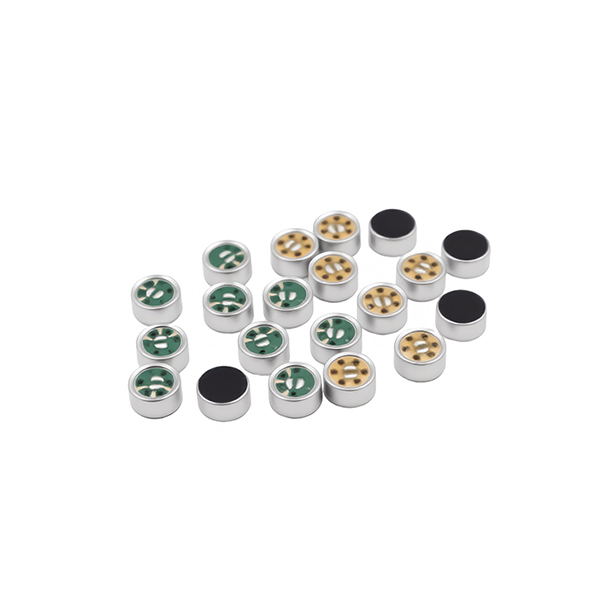
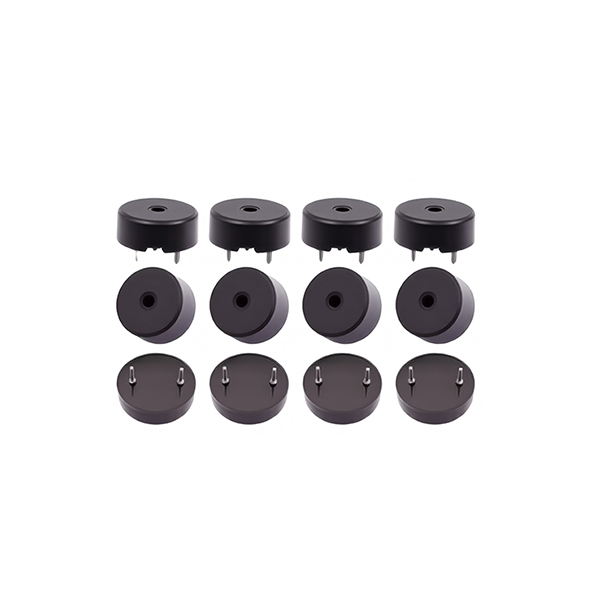
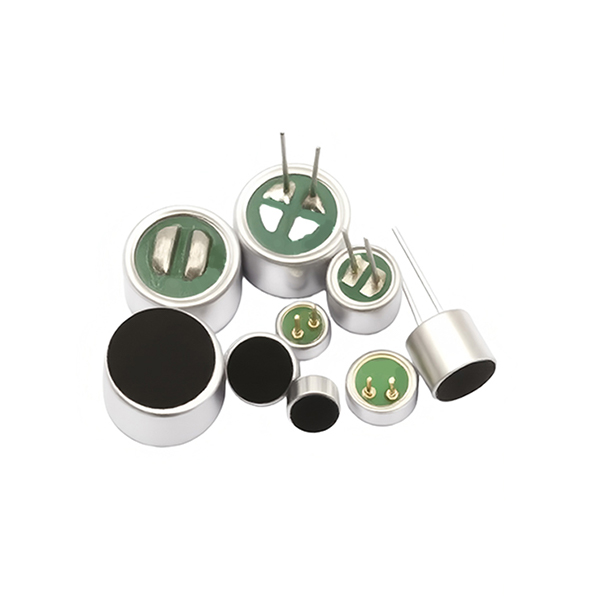
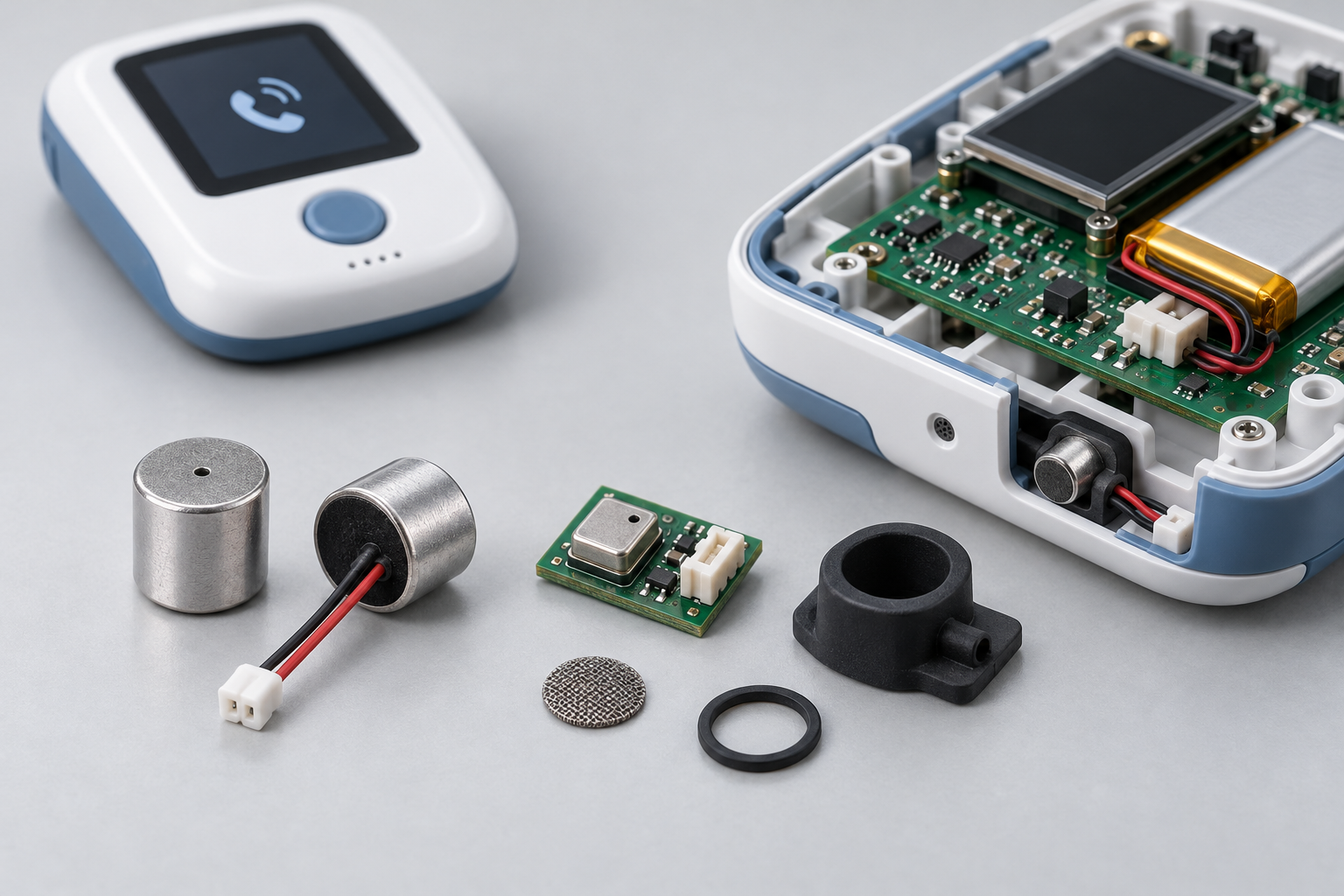
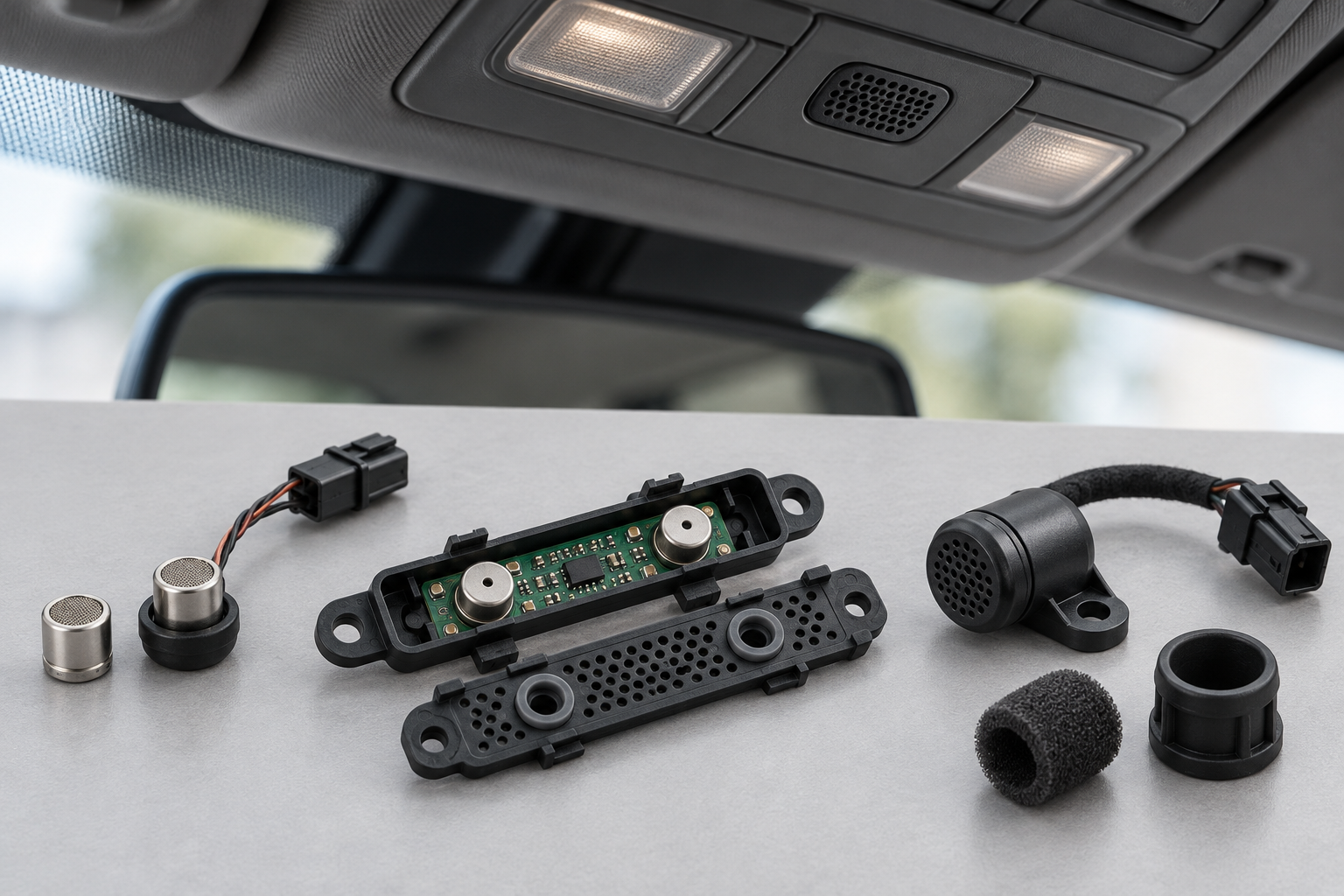
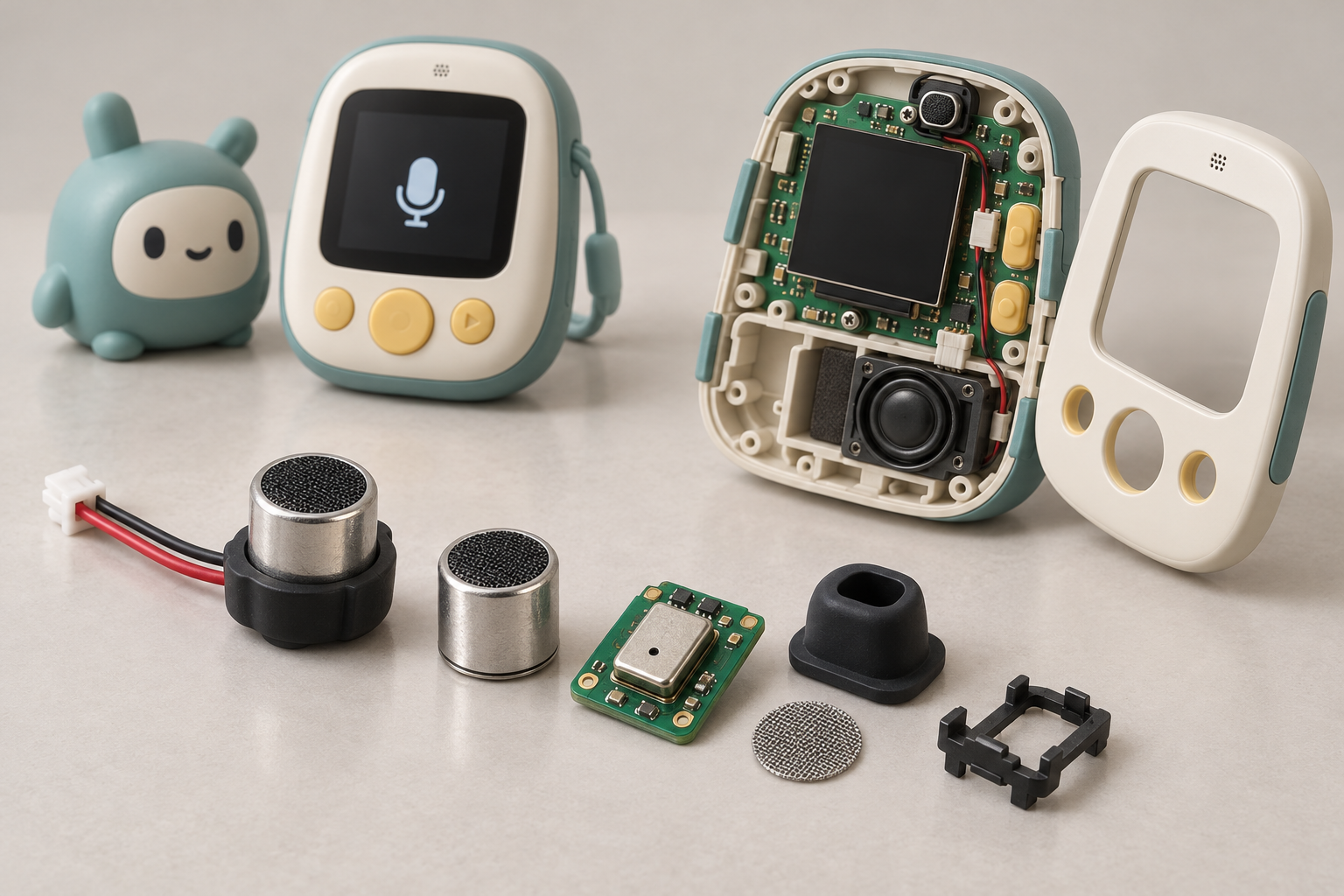
From close-range calls to intelligent voice interaction, devices have different requirements for pickup distance, sound direction, ambient noise, and installation space. ZEH offers omnidirectional, unidirectional, surface-mount (SMT), electret, and MEMS microphone options tailored to your end product, along with lead wires, connectors, mounting sleeves, seals, and microphone modules to help you build a sound capture solution that fits your application.
Different devices have different requirements for pickup distance, sound direction, ambient noise, and power consumption. Based on your application, we evaluate electret, MEMS, unidirectional, omnidirectional, or microphone array solutions. We match sensitivity, signal-to-noise ratio, frequency response, and power supply requirements to balance sound capture performance with your target cost.
Microphone performance is closely tied to enclosure openings, mounting location, acoustic paths, and internal noise. We review microphone placement, acoustic port design, soldering methods, sealing, and vibration isolation within your product to help reduce the effects of acoustic obstruction, transmitted vibration, and acoustic leakage on sound capture.
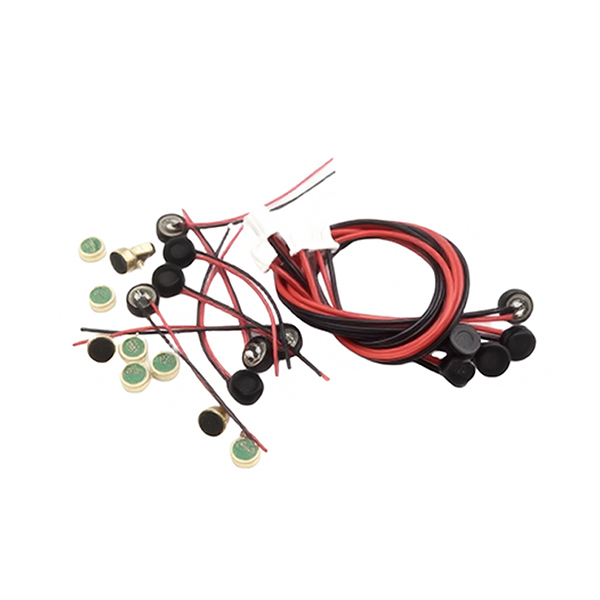
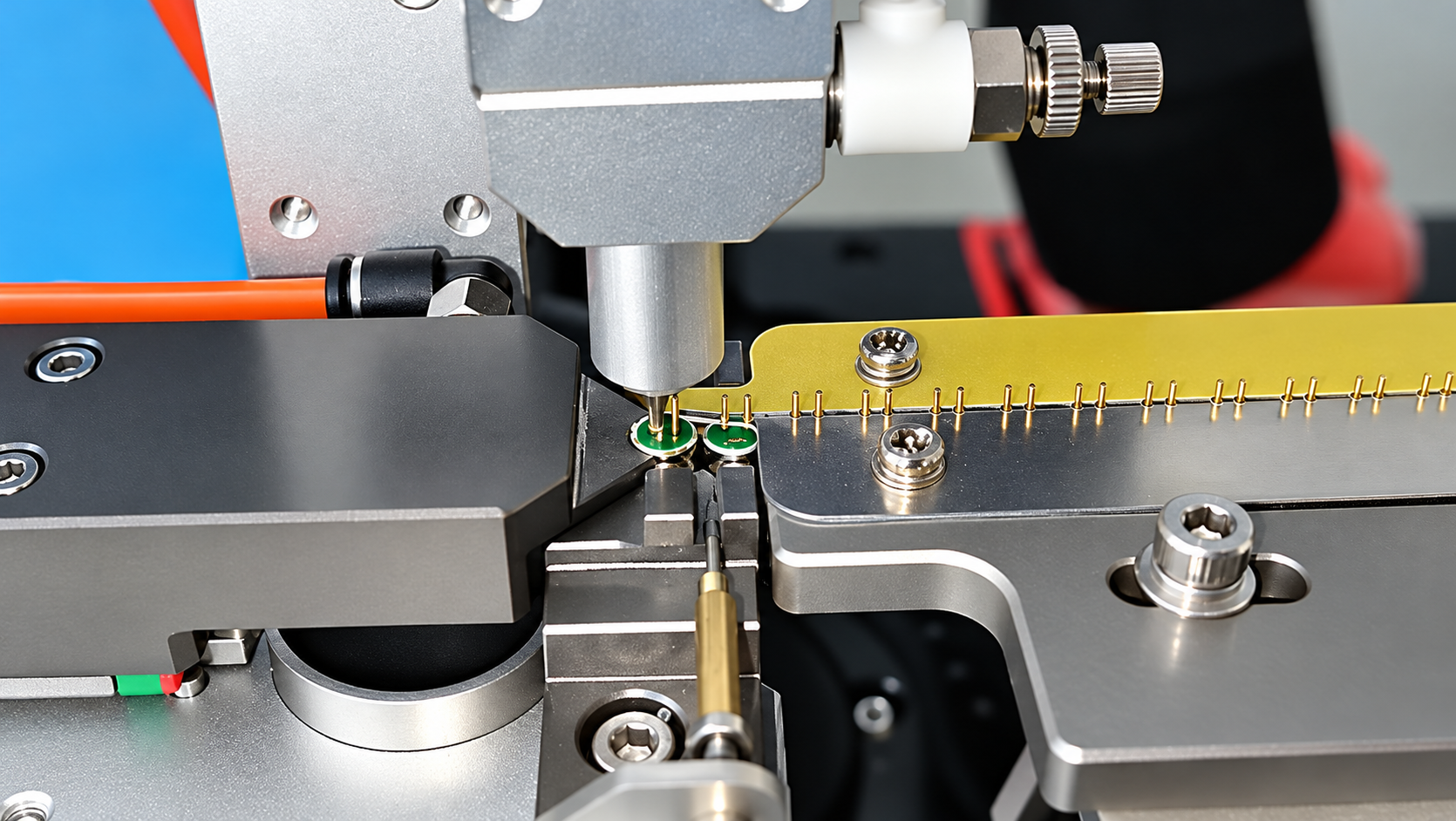
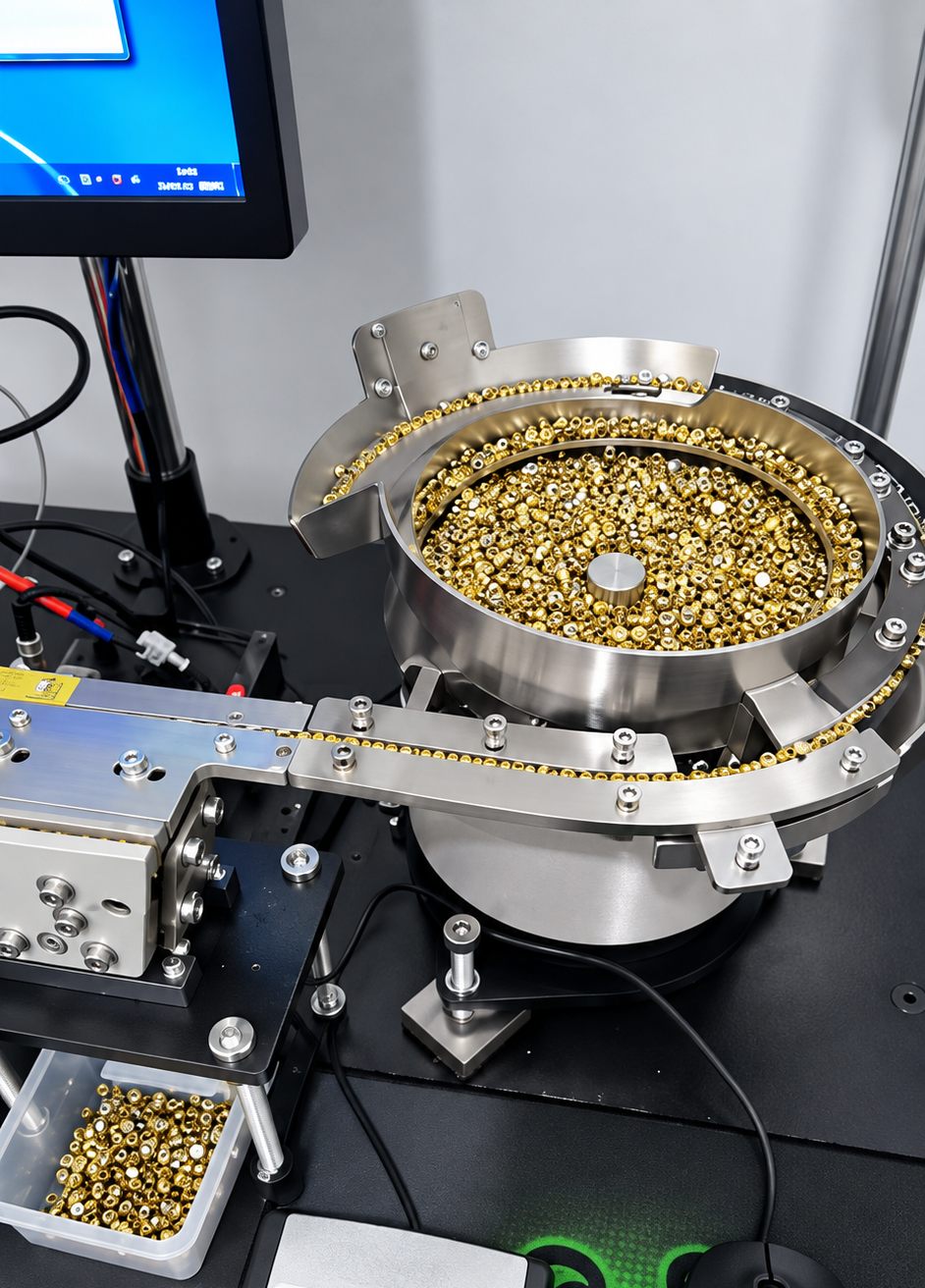
Based on available space, PCBA layout, and production requirements, we offer pin-terminal, wire-lead, and surface-mount options. Custom lead lengths, connectors, mounting sleeves, and seals are also available to help microphone components fit smoothly into your assembly process.
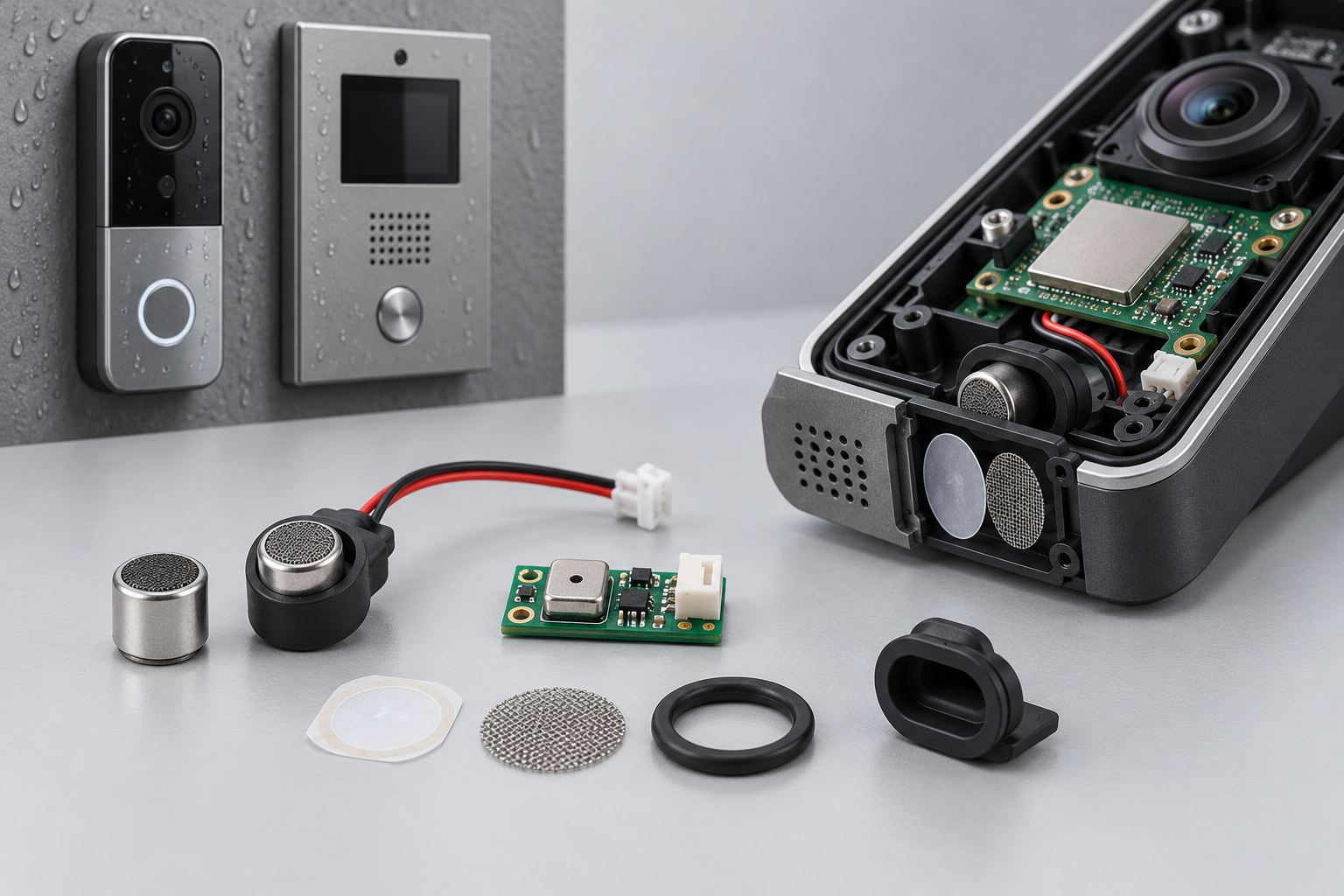
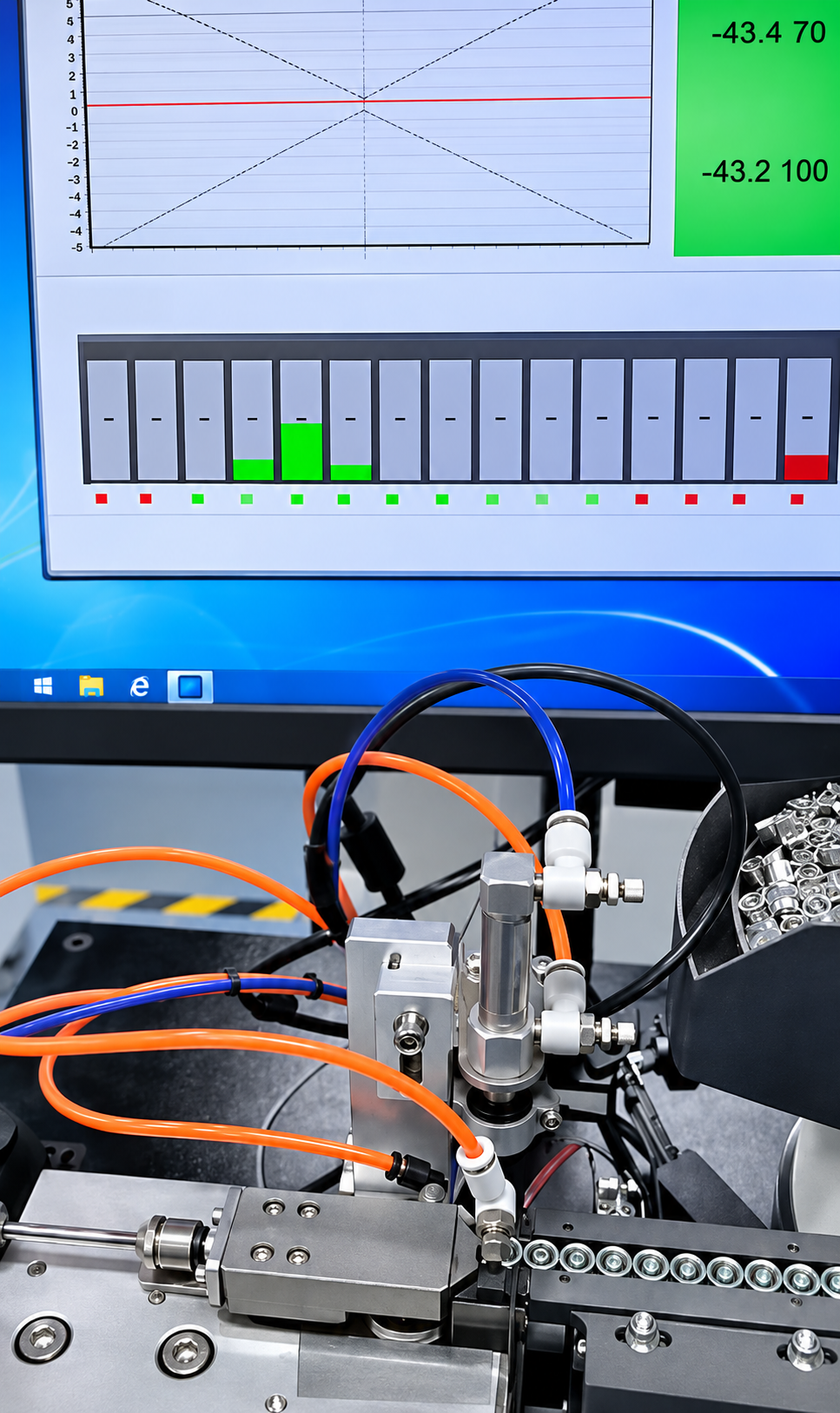
For devices exposed to moisture or noisy environments, as well as products with built-in speakers, we evaluate waterproof acoustic membranes, acoustic mesh, sealing structures, and dual- or multi-microphone configurations. We coordinate these elements with the PCBA, mechanical design, and audio processing solution, then verify protection, sound capture, and noise reduction performance in the complete device to establish clear quality criteria for volume production.
We provide electret condenser microphone capsules, surface-mount (SMT) microphones, MEMS microphones, microphone modules, and multi-microphone array solutions based on your product requirements. We also offer matching wires, connectors, PCBAs, protective sleeves, seals, and enclosure components.
Yes. We can evaluate solutions based on your drawings, technical specifications, physical samples, or overall product requirements. If your design is not yet complete, you can provide the available installation space, target pickup distance, sound source direction, ambient noise conditions, and mainboard interface requirements to help us determine the appropriate microphone and configuration.
Depending on your project requirements, we can evaluate overall dimensions, height, mounting methods, polar patterns, sensitivity and sensitivity tolerance, signal-to-noise ratio (SNR), frequency response, operating voltage, and output type. We also support the selection and modification of wire lengths, connectors, solder terminals, and mounting structures.
Omnidirectional microphones capture sound from multiple directions, making them suitable for applications where the sound source position varies. Unidirectional microphones respond differently to sound arriving from different directions and are suitable for products that need to prioritize sound from a particular direction. Selection should account for the sound source location, microphone orientation, and the product’s acoustic design.
The choice depends on size, cost, power requirements, output interface, and assembly methods. Electret condenser microphones are suitable for a wide range of communication and sound capture products. MEMS microphones are well suited to compact electronic devices that require integration with the mainboard, with analog or digital output options evaluated according to system requirements.
Yes. We can evaluate pin-type, wire-lead, or surface-mount options based on your mainboard layout and assembly methods. For microphones installed away from the mainboard, we can also provide wires, connectors, and mounting components while checking connection reliability and available installation space.
Yes. We can provide matching protective sleeves, wires, connectors, and sealing components based on the microphone dimensions, enclosure design, and assembly requirements. We also evaluate the sound inlet location, acoustic path, and mounting method to improve component fit and assembly consistency.
Yes. We evaluate microphone models, waterproof acoustic membranes, seals, and mounting structures based on the operating environment.
Yes. We evaluate single-microphone, dual-microphone, or multi-microphone array configurations based on your product requirements and coordinate them with the audio PCBA, mechanical design, and algorithms. Pickup distance, speech recognition performance, and noise reduction can be tested and verified in the actual product under the intended noise conditions.
Not necessarily. Sensitivity needs to be matched to the input circuitry, gain settings, target sound pressure levels, and ambient noise. Microphone selection should also account for signal-to-noise ratio, frequency response, distortion, and mounting design. Sensitivity alone does not determine sound pickup performance in the finished product.