Fit the Speaker Into the Available Space
We review your housing dimensions and mounting structure before selecting the frame and magnetic circuit.
Full-Scenario Acoustic Precision Optimization: Exclusive acoustic tuning, anti-interference circuit design, and AI voice algorithm integration.
Integrated Deep Customization Capability: Modular functional configurations, housing-to-mainboard compatibility optimization, and small-batch customization to solve adaptation challenges, balancing cost and performance while flexibly responding to diverse requirements.
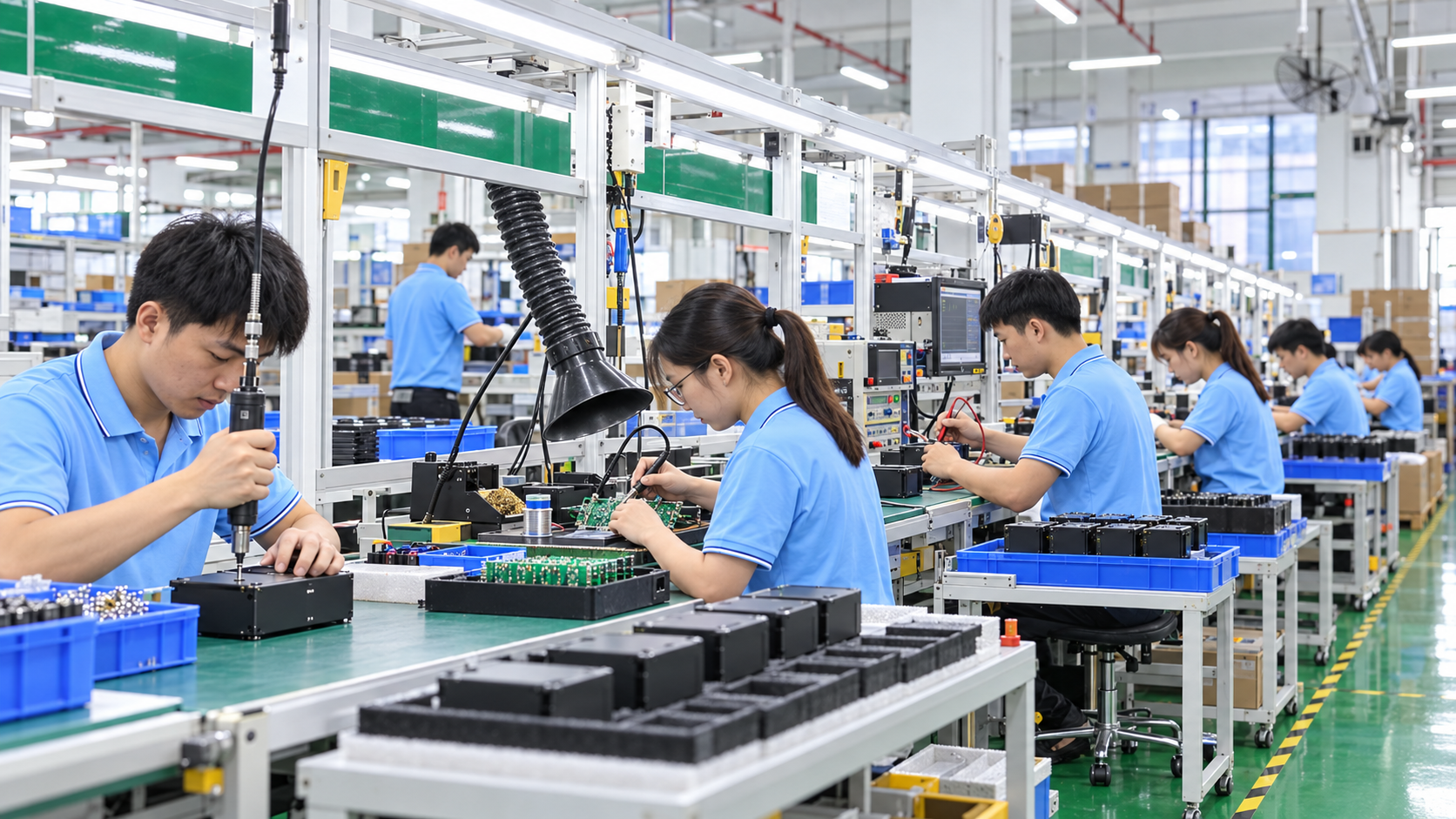
One-Stop Rapid Delivery Workflow: PCB design, mold development, finished product assembly, and expedited mass production to seize market opportunities.
Full After-Sales Technical Support: NDA confidentiality protection and long-term operational stability assurance.
Multi-Industry Compliance Certification Coverage: Customized certification system based on your target market requirements to enable fast access to mainstream global markets.
Security Guarantee:Signing NDAs
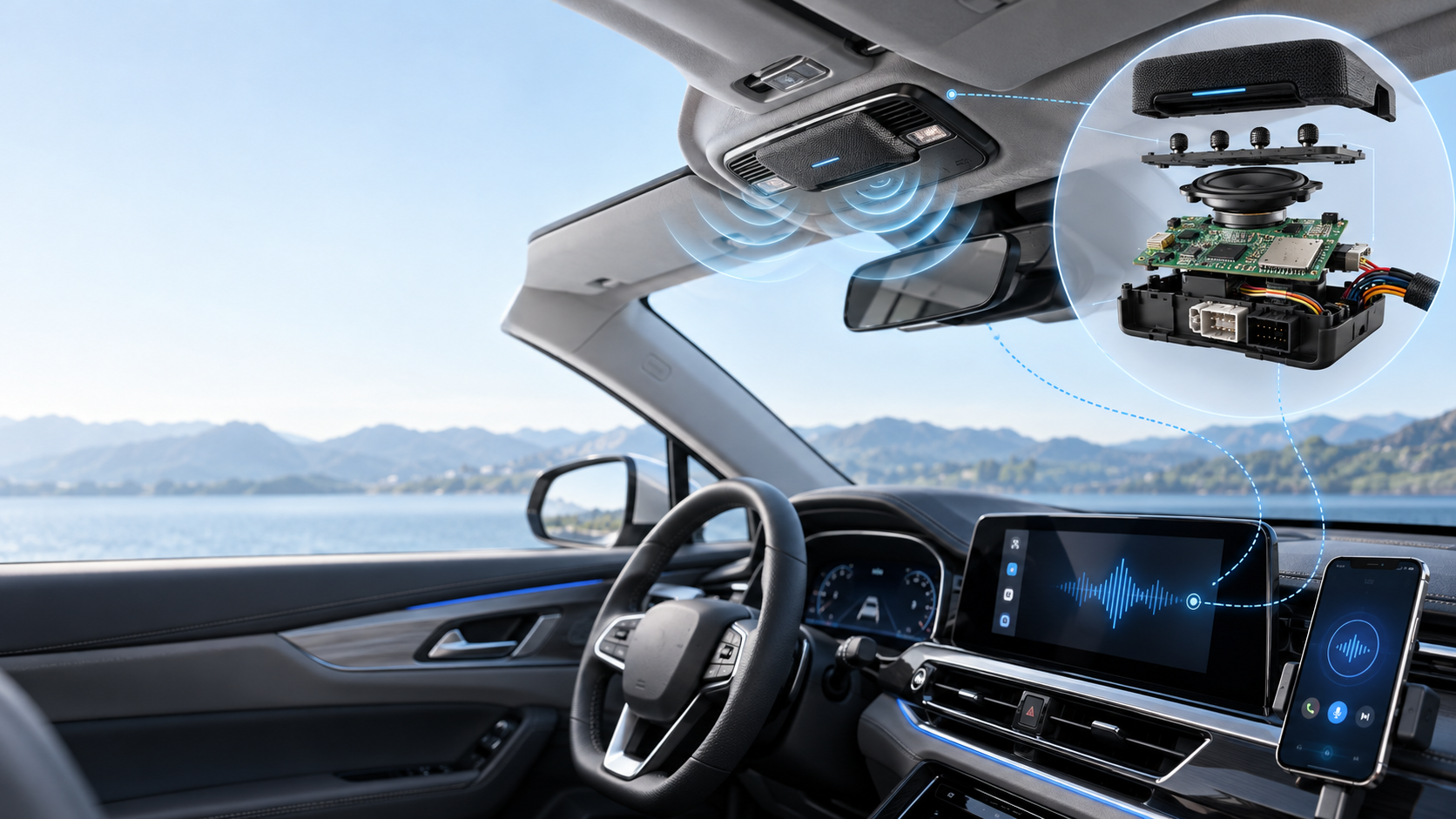
Your product may need to support voice control, play music, enable interactive conversations, or deliver clear announcements in noisy environments. The chips, algorithms, and software services required for these functions place different demands on the processing platform, microphones, amplifiers, speakers, network connectivity, and software architecture.
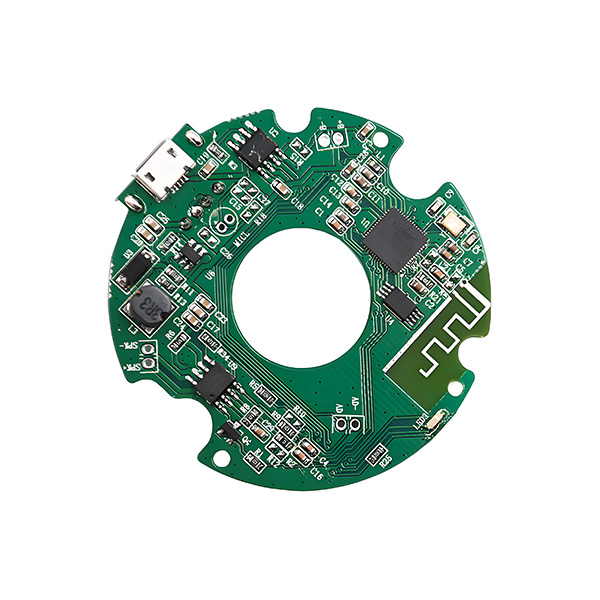
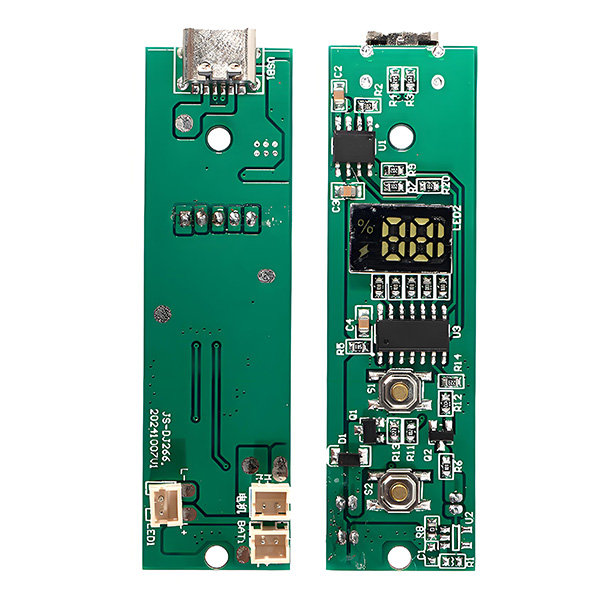
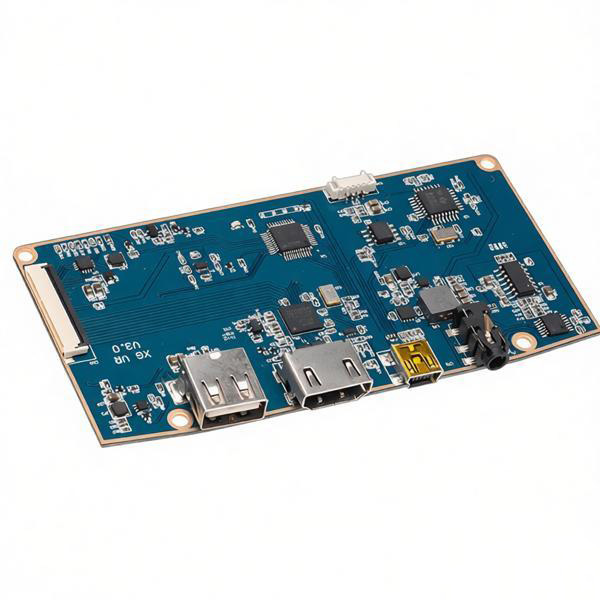
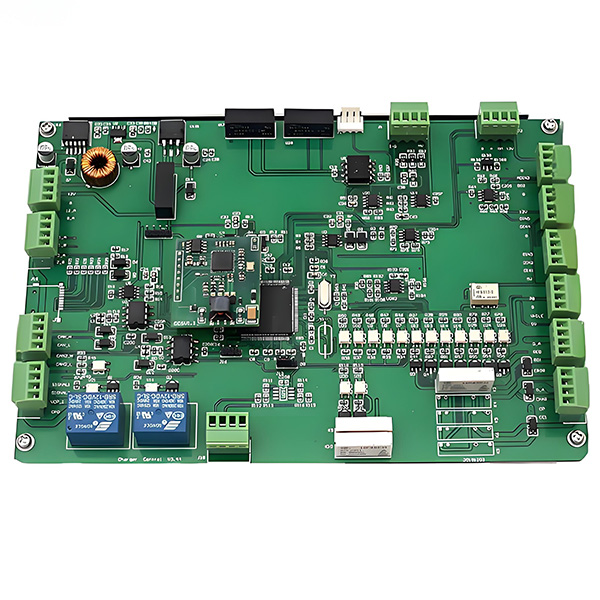
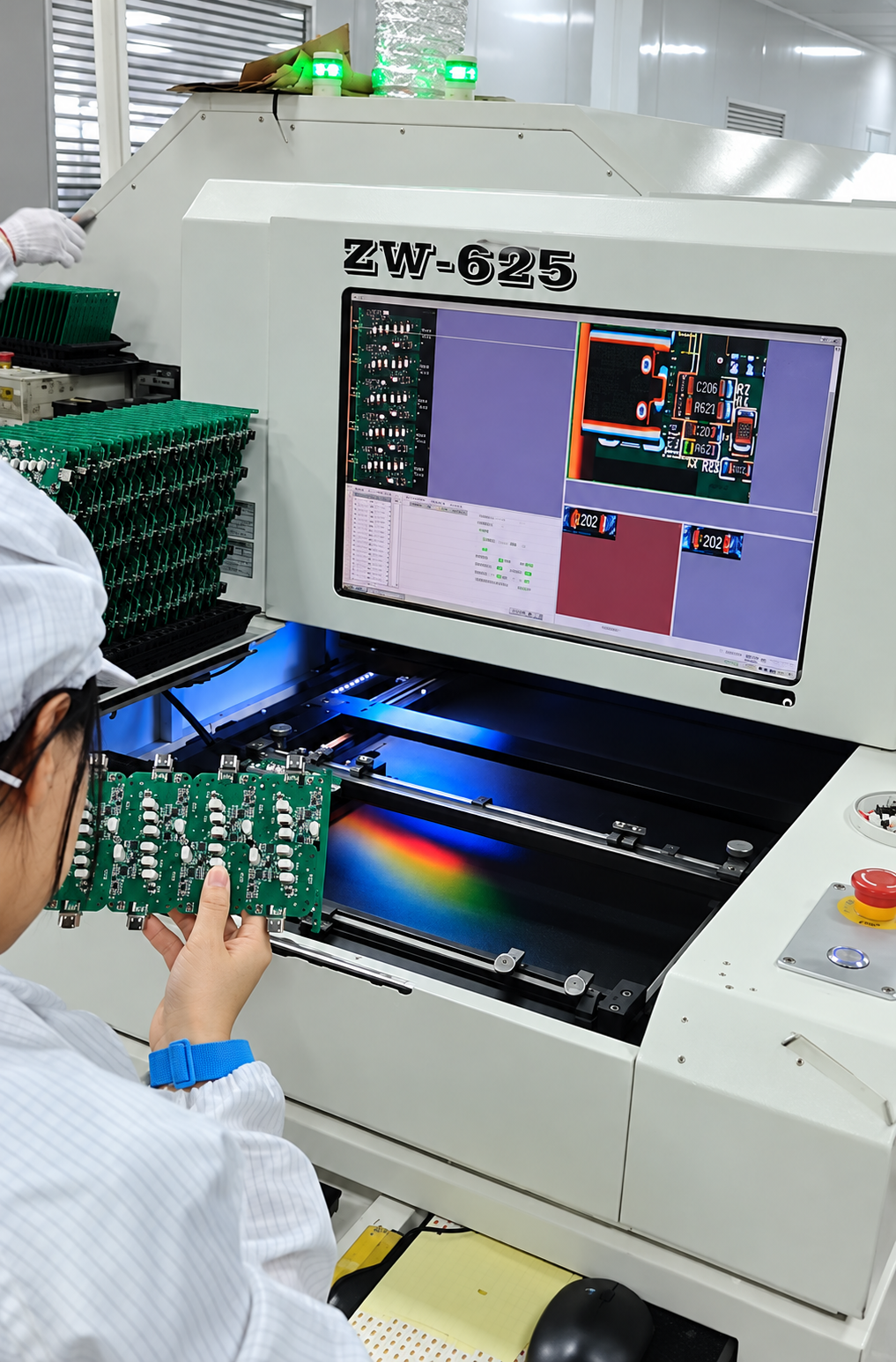
Audio PCBA: Fully assembled boards with firmware programmed and board-level functional testing completed to agreed specifications.
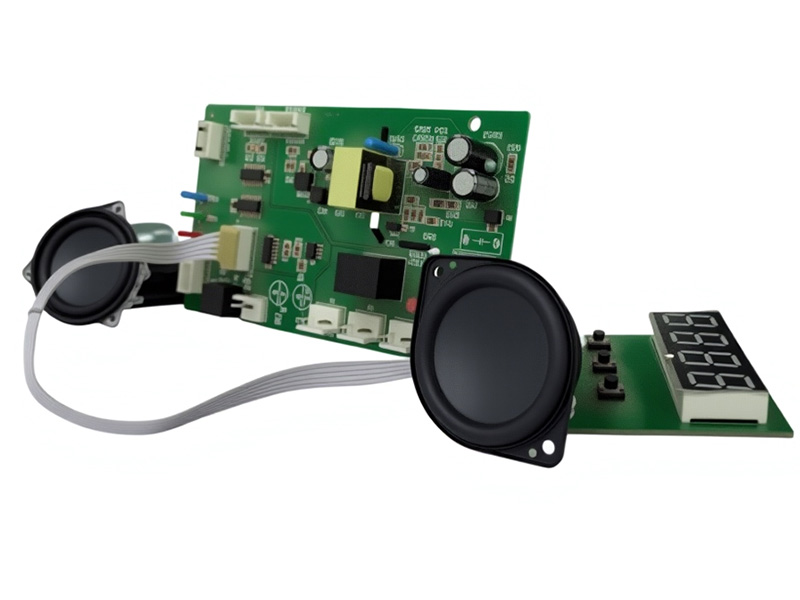
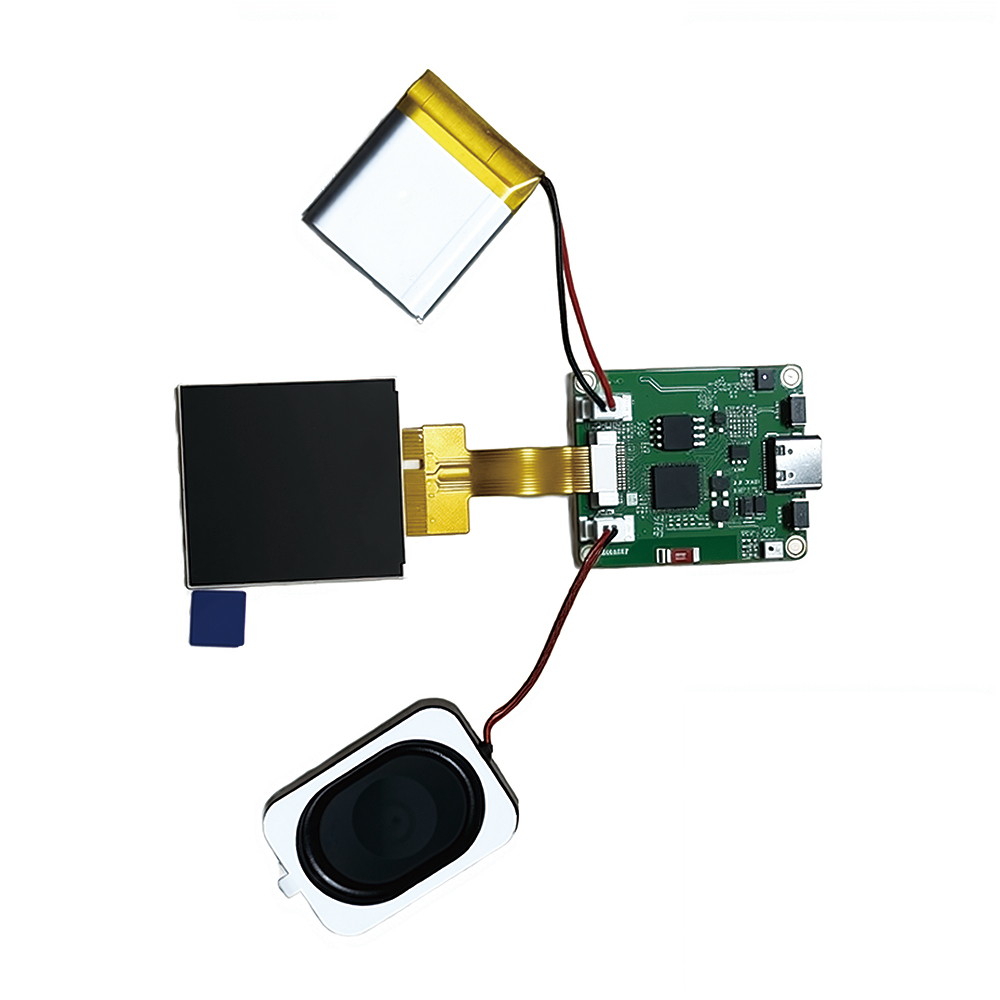
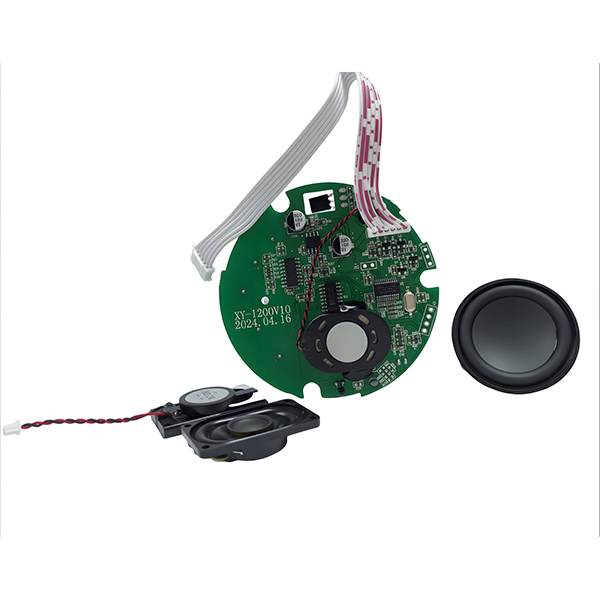
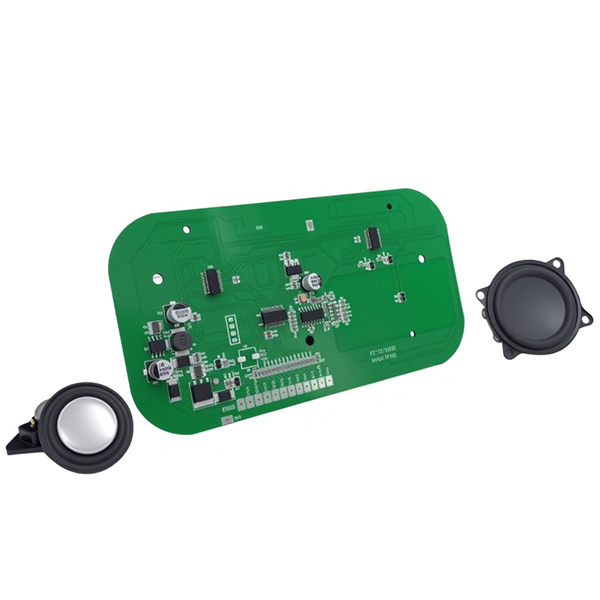
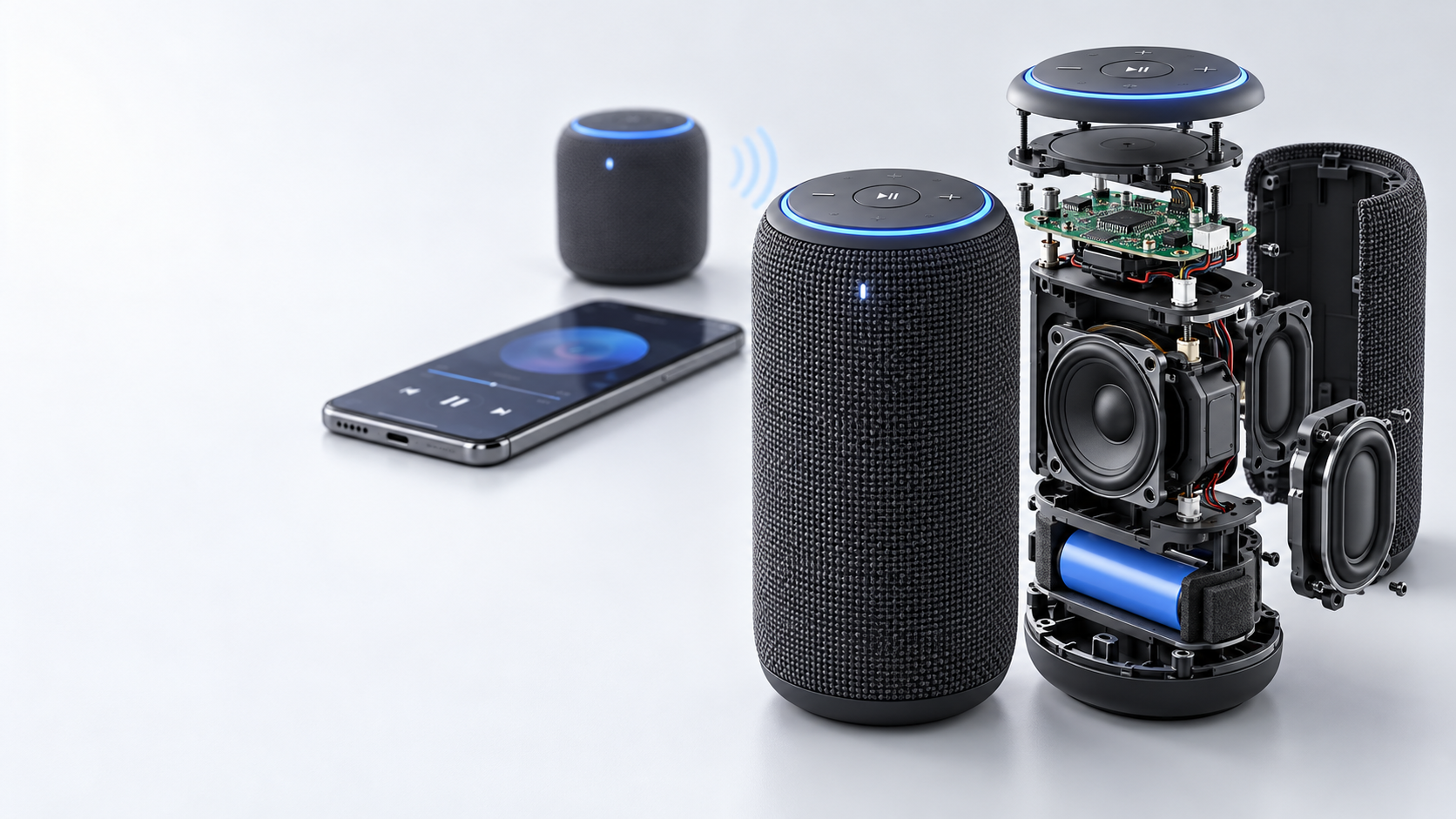
Voice and Audio Modules: Modules supplied with microphones, speakers, connectors, and wiring harnesses for easy integration into your product.
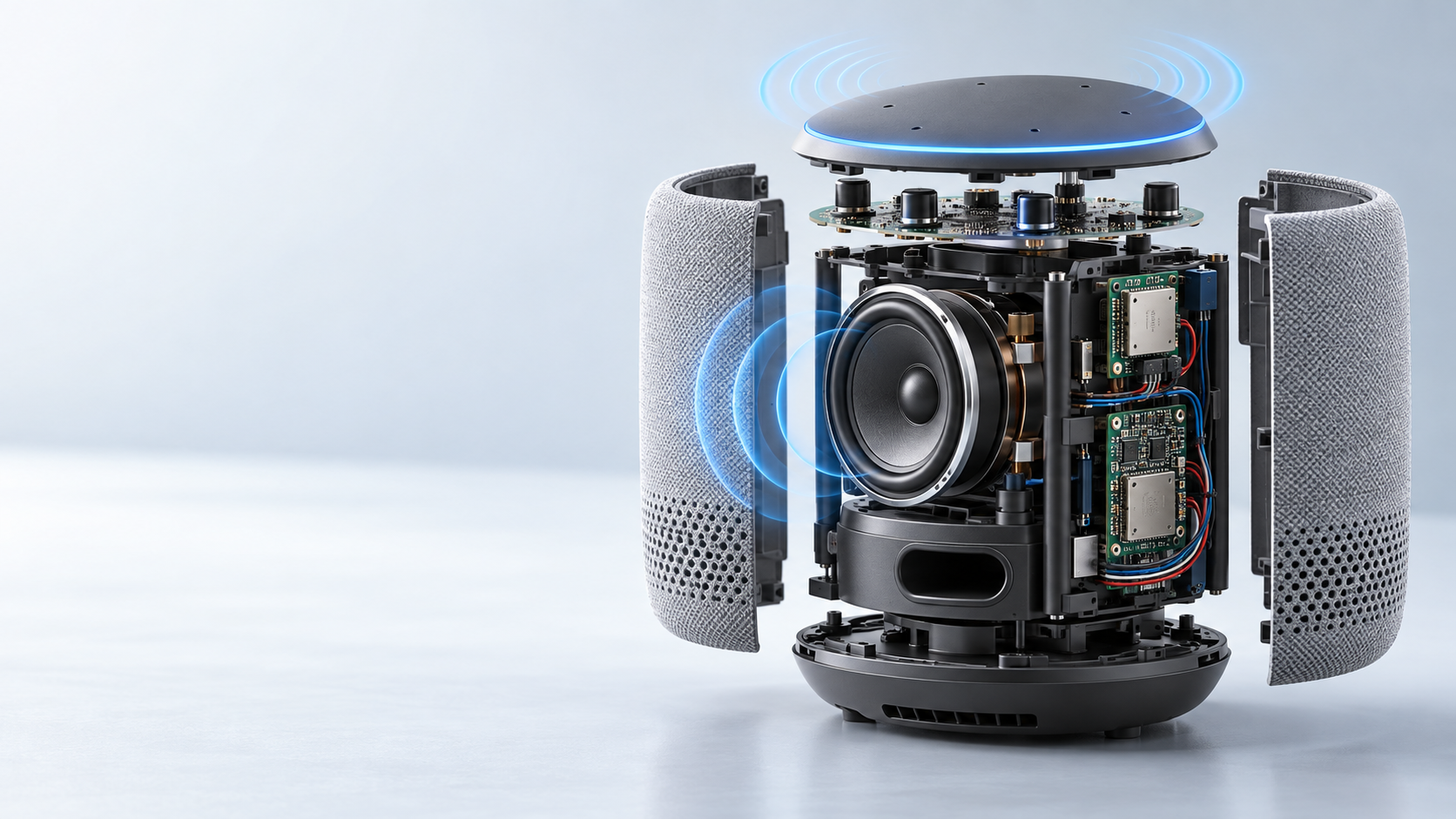
Speaker, Amplifier, and Acoustic Enclosure Integration: Clear speech and natural music reproduction require coordinated design of the speaker, amplifier, acoustic enclosure, and overall product structure. Based on available space and acoustic performance goals, we evaluate speaker size, impedance, rated power, and sensitivity; amplifier output, power supply conditions, and volume requirements; acoustic enclosure volume, sealing, sound openings, and grille design; mounting, vibration isolation, and relative microphone and speaker placement; and EQ, limiting, and other configurable audio processing features.
Complete Enclosed Assemblies: Integrated assemblies with plastic or metal enclosures, buttons, display components, and mounting hardware, assembled and tested to agreed specifications.
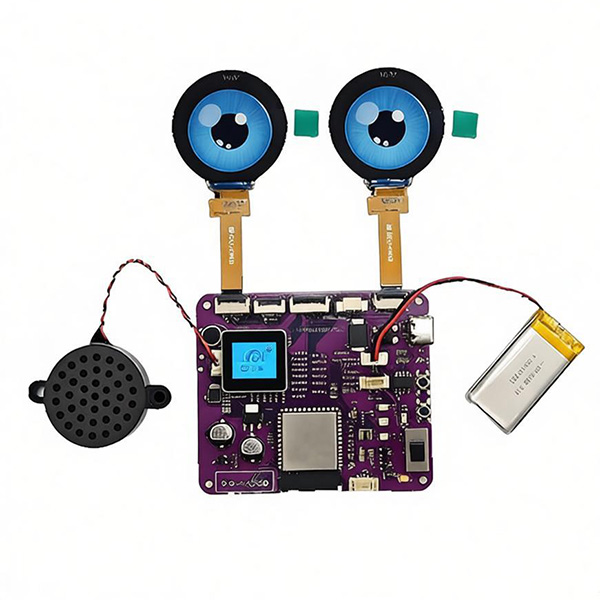
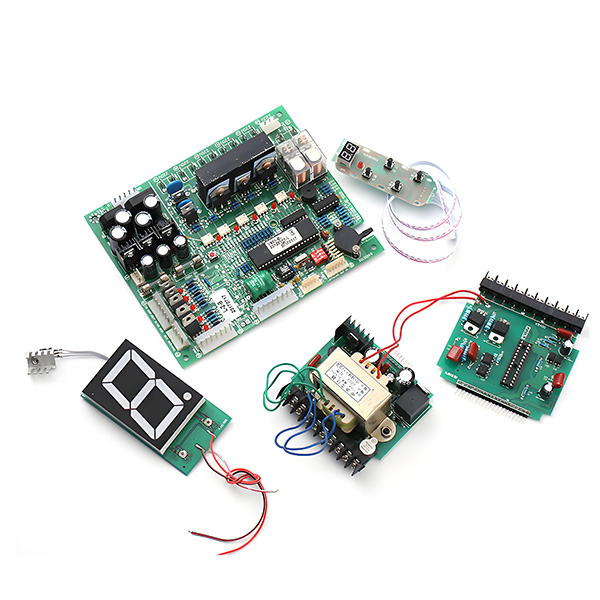
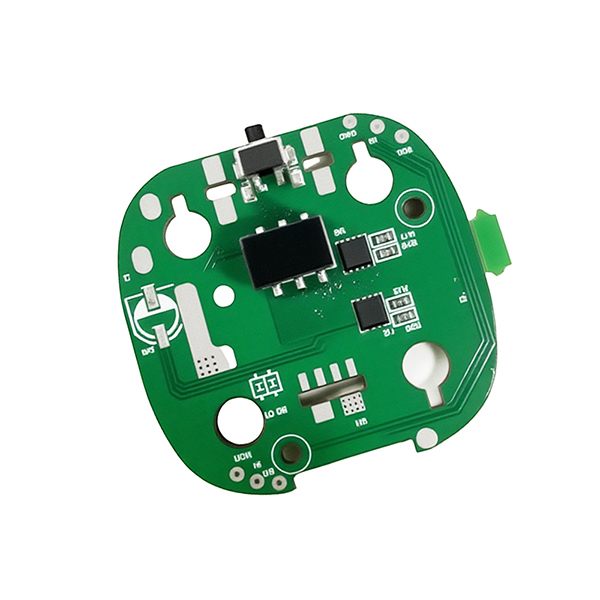
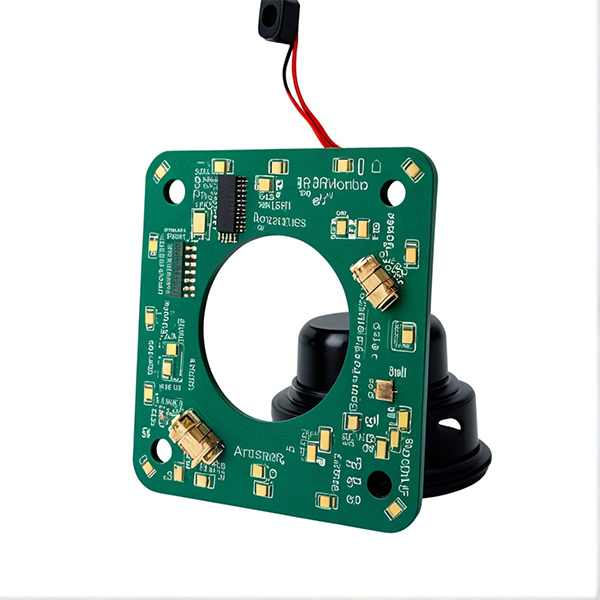
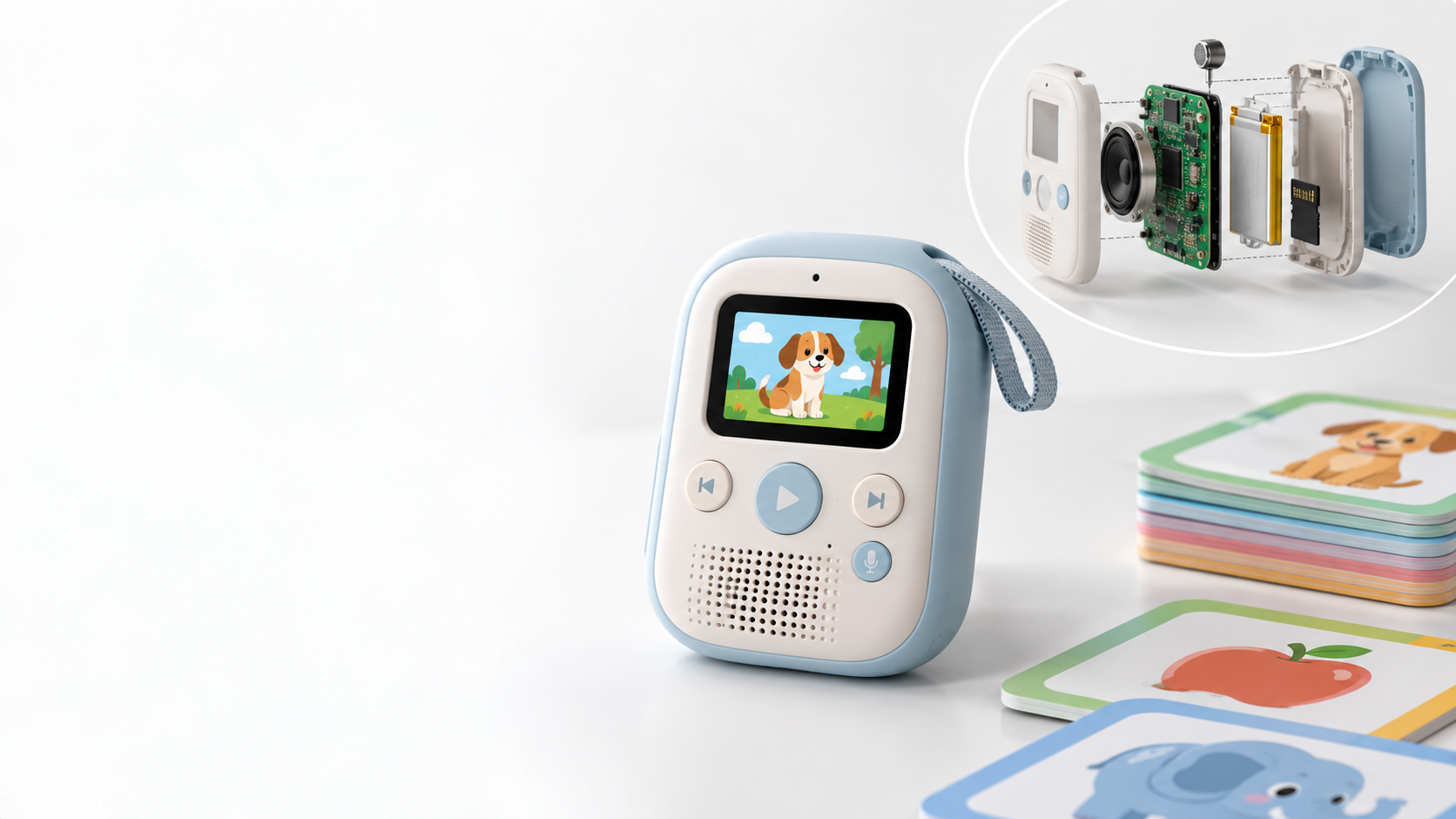
The products shown below are not standard, off-the-shelf items with fixed specifications. They are custom development and manufacturing solutions designed for OEM and ODM projects. Based on the customer’s product concept, functional requirements, engineering drawings, technical specifications, communication protocols, bill of materials (BOM), complete product structure, or physical samples, we can customize the electronic hardware, software functions, display interface, mechanical structure, and assembly method.
ZEHSMAUDIO can adapt an existing speaker platform or develop a modified structure based on your installation space, sound target, electronics, enclosure and production requirements.
We review your housing dimensions and mounting structure before selecting the frame and magnetic circuit.
Round, oval, rectangular and low-profile frames can be adapted to internal ribs, PCB positions and assembly methods.
Speaker parameters are evaluated together with the amplifier, enclosure, listening distance and required sound performance.
Diaphragm, surround and magnet materials are selected according to the target sound, environment and cost requirements.
The project can include the enclosure, grille, wiring, connector, sealing components and amplifier matching.
AI product design requires careful coordination of voice interaction, audio performance, mainboard functionality, mechanical space, and production requirements. Based on your product concept, functional requirements, engineering drawings, technical specifications, BOM, or physical samples, ZEH can develop custom electronic hardware, software features, display interfaces, mechanical designs, and assembly solutions, supporting your project from development evaluation through PCB assembly and complete product assembly.
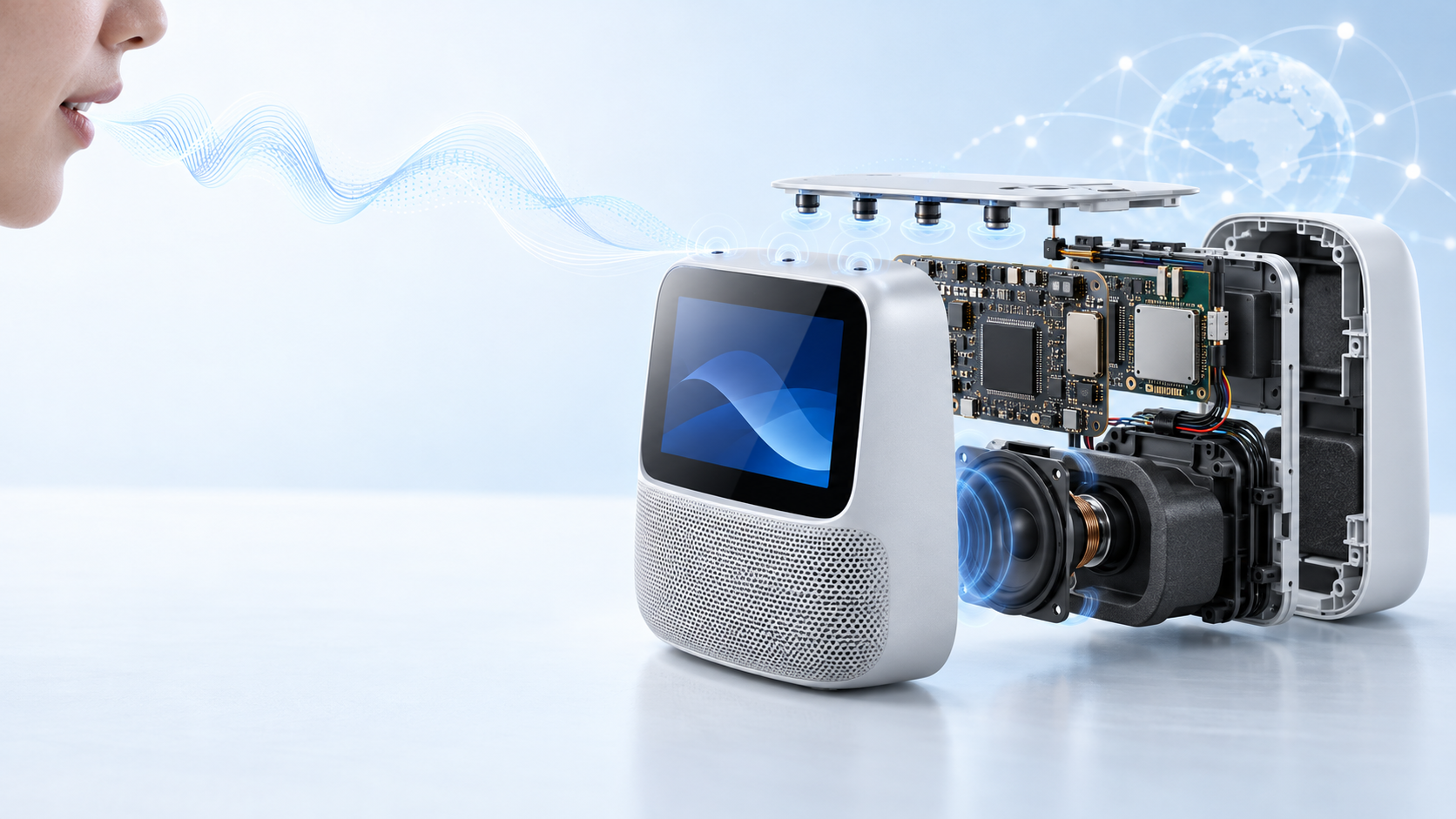
Different products have different requirements for voice control, online interaction, offline wake-word detection, music playback, and voice prompts. Based on the intended use, ZEH can evaluate the processing platform, microphones, speakers, amplifiers, network connectivity, and software architecture to help define product features and system configurations.
Voice pickup and audio playback performance depend on microphone placement, acoustic openings, speaker layout, enclosure structure, and audio processing. Based on the available space and target audio performance, ZEH can jointly evaluate the audio PCBA, microphones, speakers, amplifiers, acoustic chambers, and enclosure design, along with subsequent acoustic refinement and audio processing needs. We can also assess features such as echo cancellation, noise suppression, automatic gain control, and beamforming to help reduce compatibility issues that can arise when modules are selected independently.
Product dimensions, internal structures, and button and display layouts all affect how the mainboard and audio components fit inside the device. ZEH can consider board dimensions, connectors, wiring harnesses, acoustic openings, sealing features, and assembly methods together, supporting module or complete assembly solutions that include enclosures, speakers, microphones, and accessories.
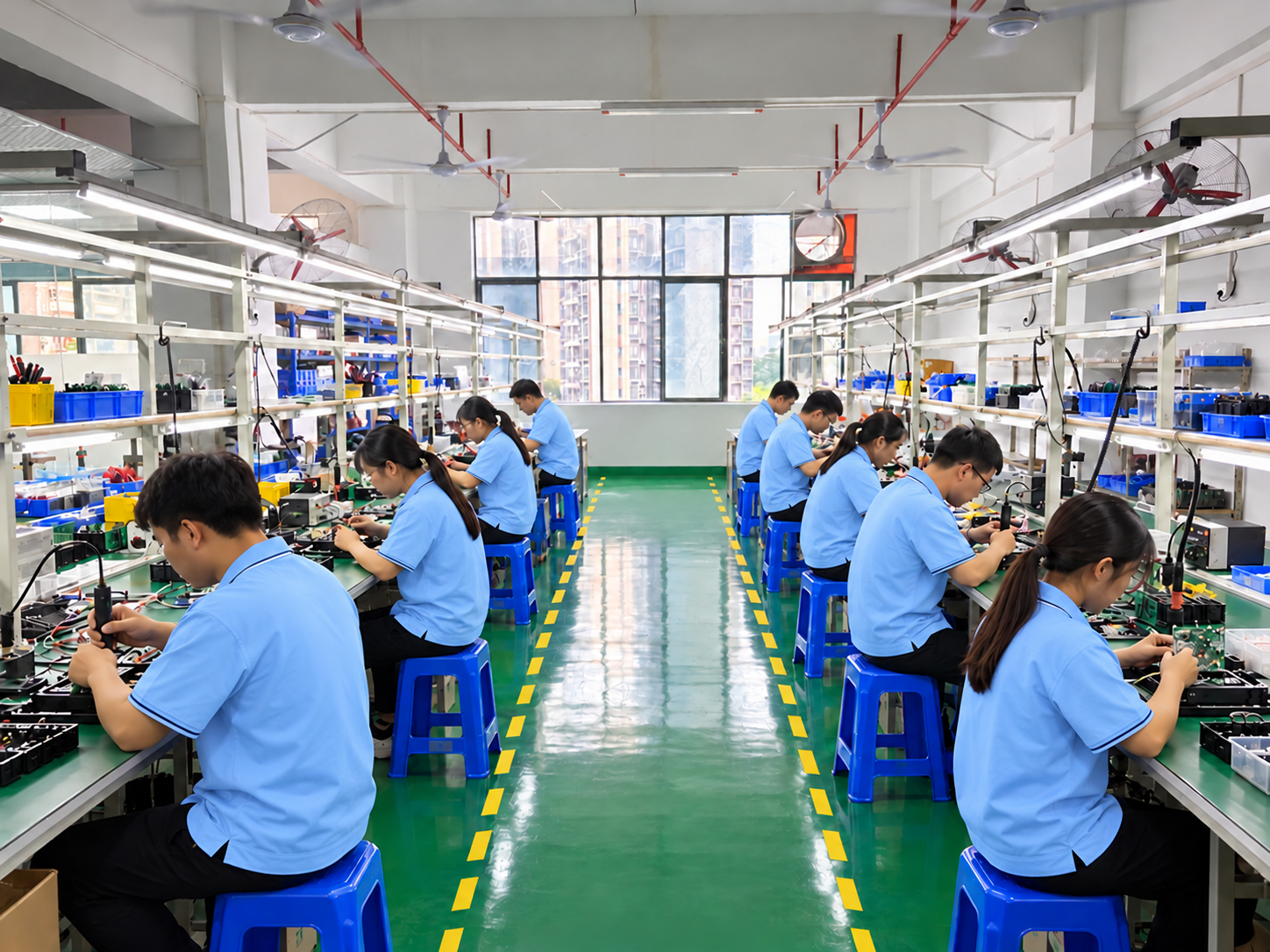
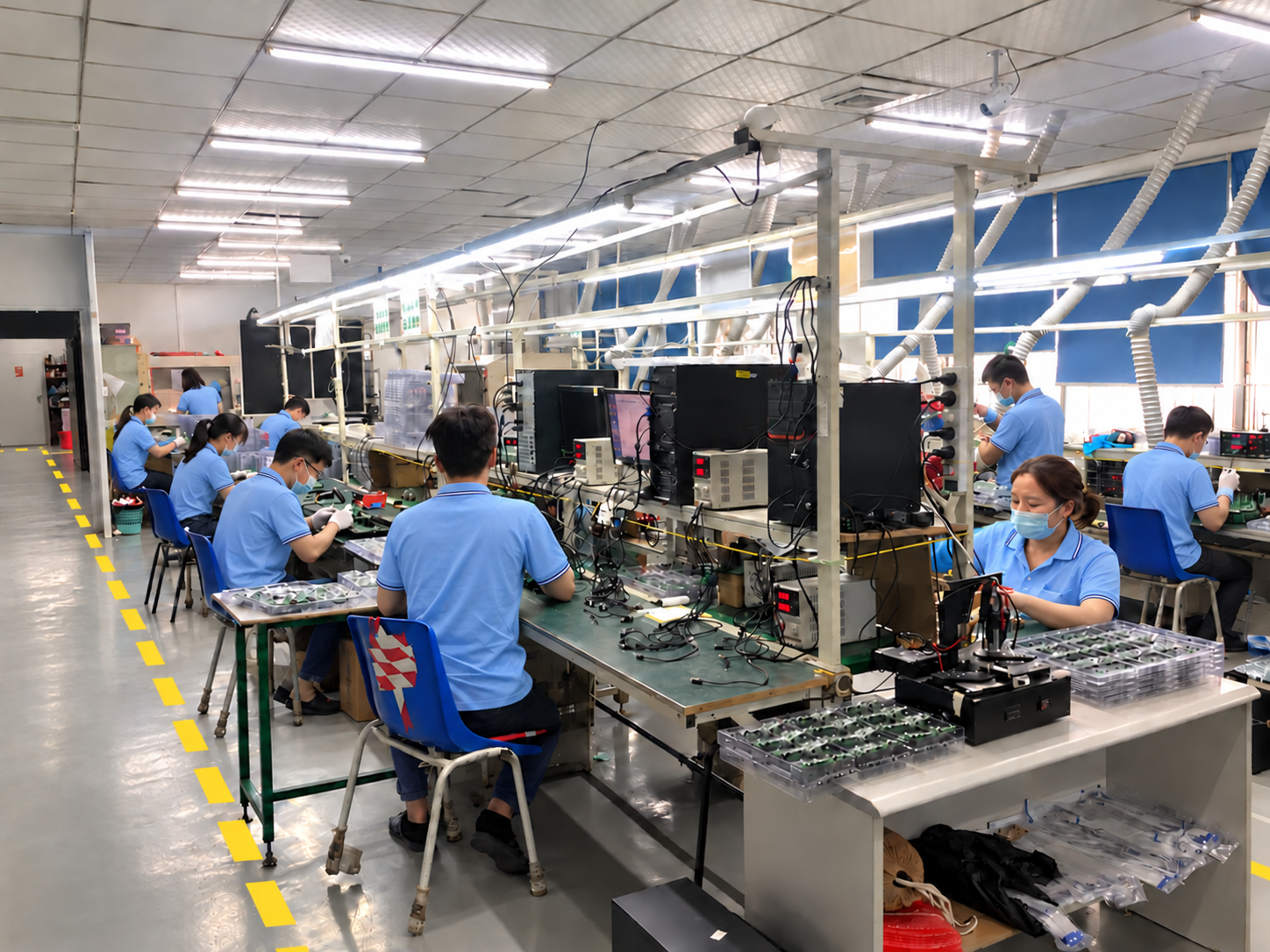
ZEH can support hardware design, software customization, prototype development, firmware programming, PCB assembly, board-level functional testing, and complete product assembly. We can also customize Bluetooth and connectivity features to meet product requirements, including Bluetooth audio reception, music playback, volume adjustment, voice playback control, and connection status indicators. Additional features may include calling, TWS stereo pairing, multipoint connectivity, and BLE data communication.
ZEH provides AI voice control boards, Bluetooth audio PCBAs, voice prompt modules, and integrated solutions with microphones, speakers, wire harnesses, and enclosures. We can supply standalone PCBA systems, audio modules, speakers, enclosures, or fully assembled products, with features and configurations tailored to your project requirements.
Yes. You can start by sharing the intended application, functional requirements, size constraints, reference samples, and target cost. We then evaluate the hardware, software, acoustic, and mechanical requirements to define the development scope, prototype requirements, and deliverables. If you already have drawings, a bill of materials (BOM), or software documentation, we can review your existing design.
For a defined set of voice commands, an offline solution may be a suitable starting point. For open-ended questions and answers, online content, or more advanced interactions, a connected solution and the associated software services need to be evaluated. Key considerations include supported languages, command scope, response requirements, network availability, and ongoing service costs. A hybrid approach can also be considered based on your needs.
Depending on the selected platform, we can evaluate custom wake words, control commands, audio prompt content, playback behavior, and language options. Prerecorded voice playback, speech recognition, and speech synthesis are separate functions and should be specified individually before development. Supported languages, vocabulary size, and implementation methods depend on the chipset’s resources and the software solution.
Features can include Bluetooth audio reception, music playback, volume control, and connection status notifications. Additional features, such as calling, TWS stereo pairing, multi-device connectivity, or BLE data communication, must be confirmed based on chipset, protocol, and software support. Compatible devices and intended operating modes should also be defined before development.
We can evaluate a solution for this use case. Audio from the device’s own speaker can interfere with microphone pickup, so the design needs to account for microphone and speaker placement, mechanical vibration isolation, and processing such as acoustic echo cancellation. Performance should be verified using a complete product prototype under agreed playback volume, operating distance, and ambient noise conditions.
We evaluate the speaker, amplifier, and acoustic enclosure as a system, taking into account the available space, power supply, and acoustic targets. We also review sound openings, grilles, sealing, and mounting structures. Where supported by the platform, we adjust audio parameters to balance speech clarity, output level, distortion, and structural vibration, then verify performance through prototype testing.
Yes. ZEH can coordinate electronic hardware, embedded software, mechanical design, and supporting components around the complete product’s requirements. We evaluate board mounting, connector locations, wire harness routing, acoustic openings, and assembly clearances. Display interfaces, buttons, and other interactive features can also be discussed as part of the development scope.
Yes. You can choose a standalone PCBA, a module with microphones and speakers, or a complete assembly with an enclosure. When requesting a quote, please specify the firmware programming, component installation, and testing you would like us to handle, along with any operations you plan to perform in-house. This helps define the delivery configuration and integration requirements.
Please provide as much detail as possible, including the intended application, overall functionality, voice or Bluetooth features, target languages, size constraints, power supply, interface requirements, expected order quantity, and target delivery date. Please also include any drawings, BOM, reference samples, or sound quality requirements. If your product uses connected AI services, let us know which platform you plan to use and what software resources you already have so we can evaluate the integration scope.