Fit the Speaker Into the Available Space
We review your housing dimensions and mounting structure before selecting the frame and magnetic circuit.
ZEH Premium One-Stop Electronic PCBA Boards — engineered with durable high-performance components for smart home, automotive, medical, pet, voice & children’s devices etc, offering custom R&D, Fastly delivery & full compliance.
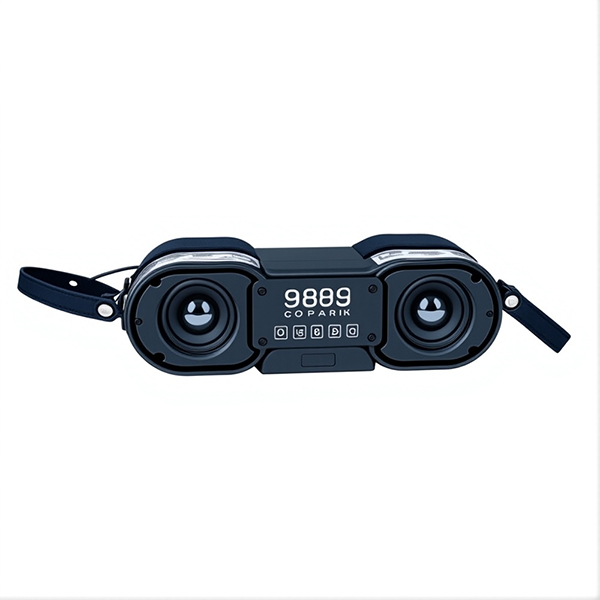
ZEHSMAUDIO can adapt an existing speaker platform or develop a modified structure based on your installation space, sound target, electronics, enclosure and production requirements.
We review your housing dimensions and mounting structure before selecting the frame and magnetic circuit.
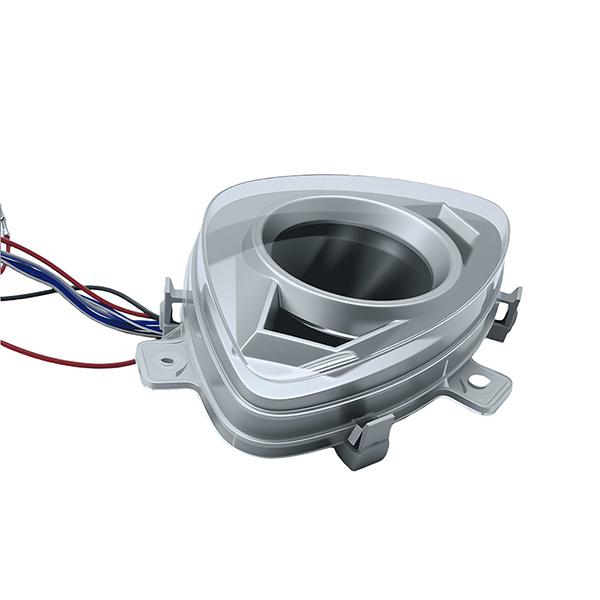
Round, oval, rectangular and low-profile frames can be adapted to internal ribs, PCB positions and assembly methods.
Speaker parameters are evaluated together with the amplifier, enclosure, listening distance and required sound performance.
Diaphragm, surround and magnet materials are selected according to the target sound, environment and cost requirements.
The project can include the enclosure, grille, wiring, connector, sealing components and amplifier matching.
Vocal clarity should be balanced with limited internal cavity and Speaker + Mic + PCBA.
Clear learning content should be balanced with thin and irregular housing and Repeatable daily use.
Prompt and alarm intelligibility should be balanced with controlled assembly space and Long-term consistency.
Efficient sound output should be balanced with shared electronics space and Indoor / semi-outdoor options.
Compact and audible should be balanced with small battery-powered housing and Movement and daily handling.
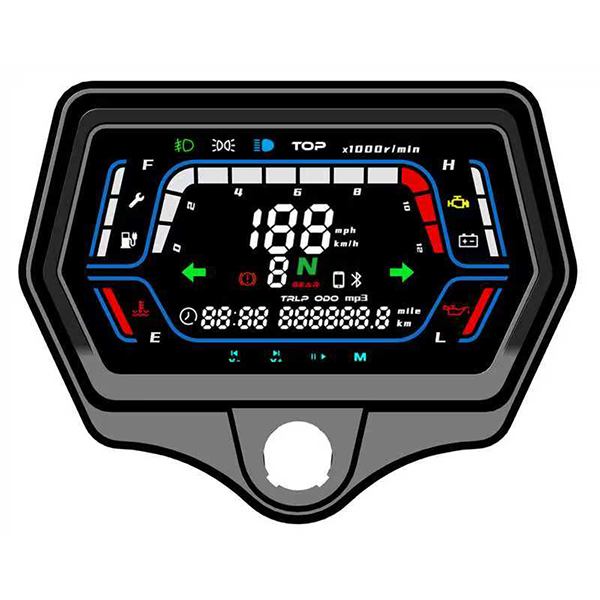
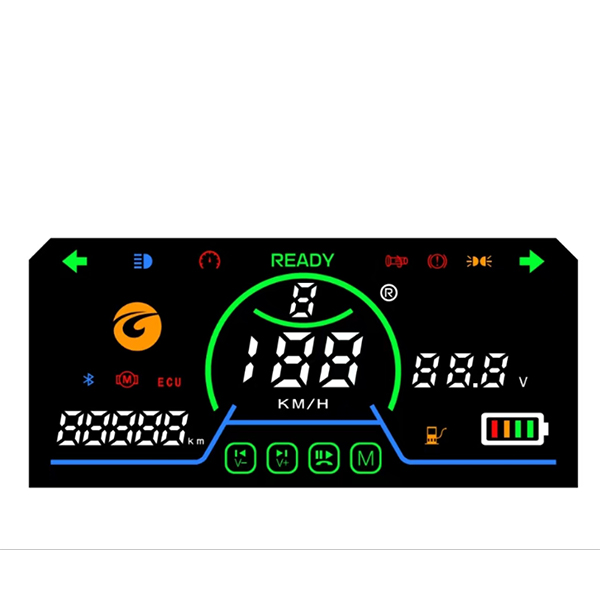
As an IATF 16949-certified partner for vehicle device design, ZEH delivers road-ready, anti-interference solutions that meet global automotive rigor.
Our one-stop service includes custom PCB design, compatibility tuning, and scalable production. With FCC/CE compliance, faster launch cycles, and NDA protection, we deliver reliable in-Vehicle devices.
Customizing motherboards for kids’ devices centers on safety prioritization and child-centric scenario adaptability, adopting a standardized, targeted customization workflow to strike a seamless balance between functionality and protective capabilities. The detailed steps are as follows:
1. Define Core Product Requirements
First, map out the device’s intended use cases (e.g., early education devices, kids’ smartwatches, educational toys), functional modules (positioning, voice interaction, sensors), and safety benchmarks. Outline kid-specific safety requirements—including low radiation, interfaces compatible with food-grade materials, and short-circuit prevention—while validating compliance with relevant children’s safety certifications (e.g., China Compulsory Certificate (CCC) for children’s products).
2. Solution Customization & Prototype Development
Based on the defined requirements, engineers incorporate low-power chips into the motherboard architecture to extend battery life, integrate anti-misoperation circuit safeguards, and minimize the motherboard footprint to align with the compact form factors of kids’ devices. Following the finalization of the initial solution, a prototype motherboard is rapidly fabricated to validate functional compatibility, safety, and stability.
3. Testing & Mass Production Launch
Comprehensive multi-dimensional testing is imperative, covering safety voltage withstand tests, drop and shock resistance evaluations, and functional compatibility assessments to ensure full adherence to children’s product safety standards. Once all tests are passed, mass production can kick off. Additionally, dedicated after-sales technical support is provided to guarantee the long-term reliable operation of the motherboards.
The entire process is anchored in the unique needs of children’s usage scenarios, not only meeting the device’s functional demands but also fortifying a robust safety barrier.