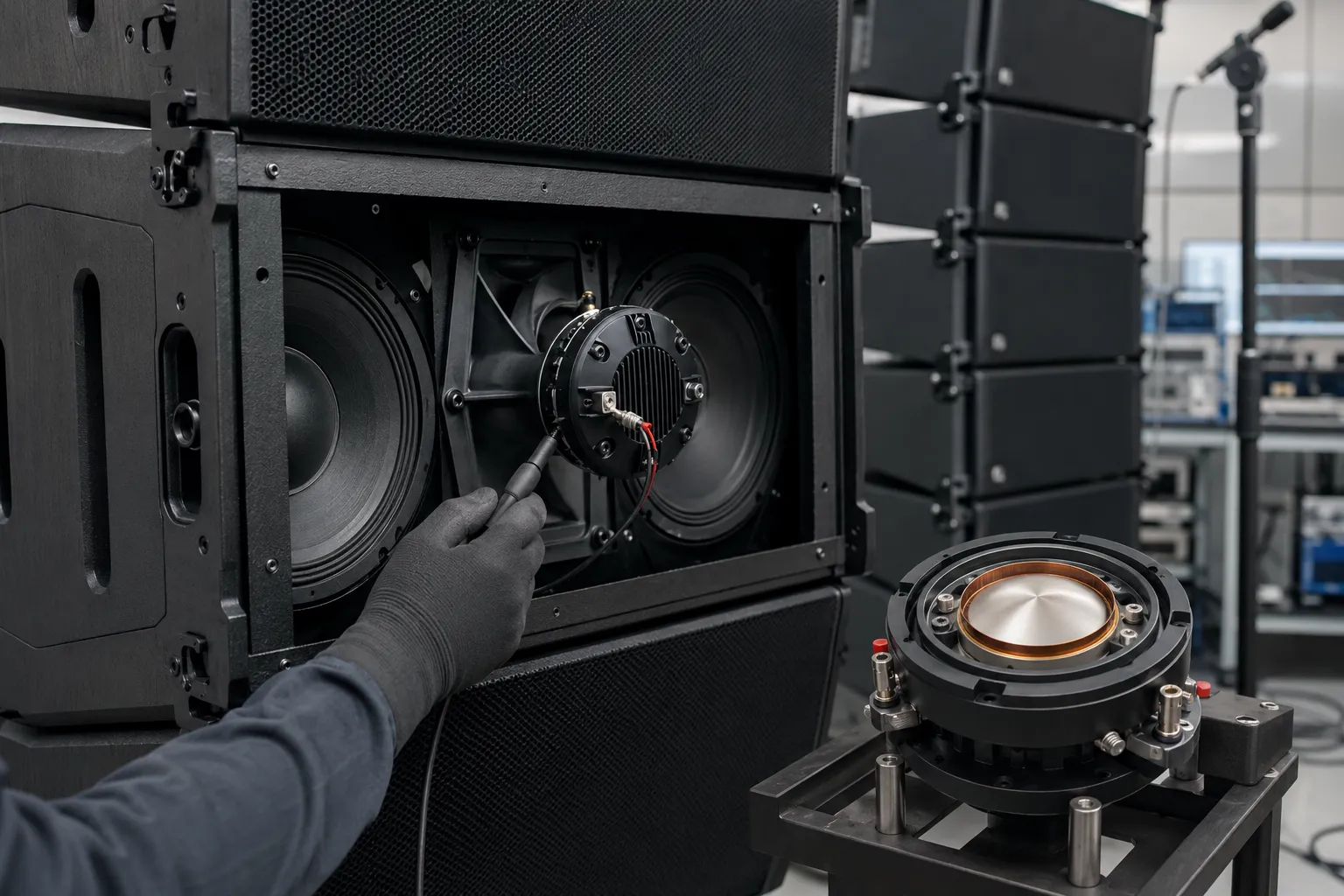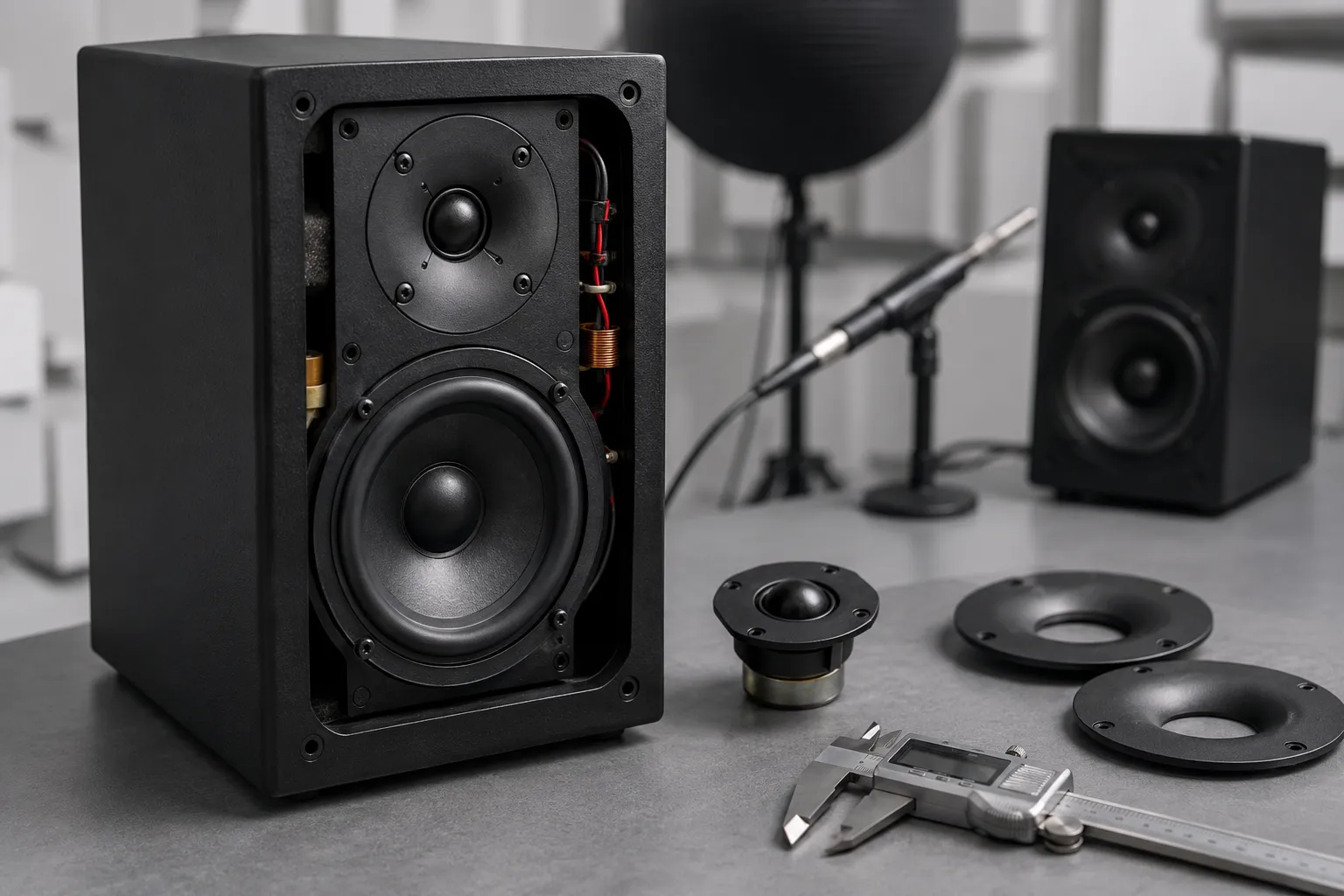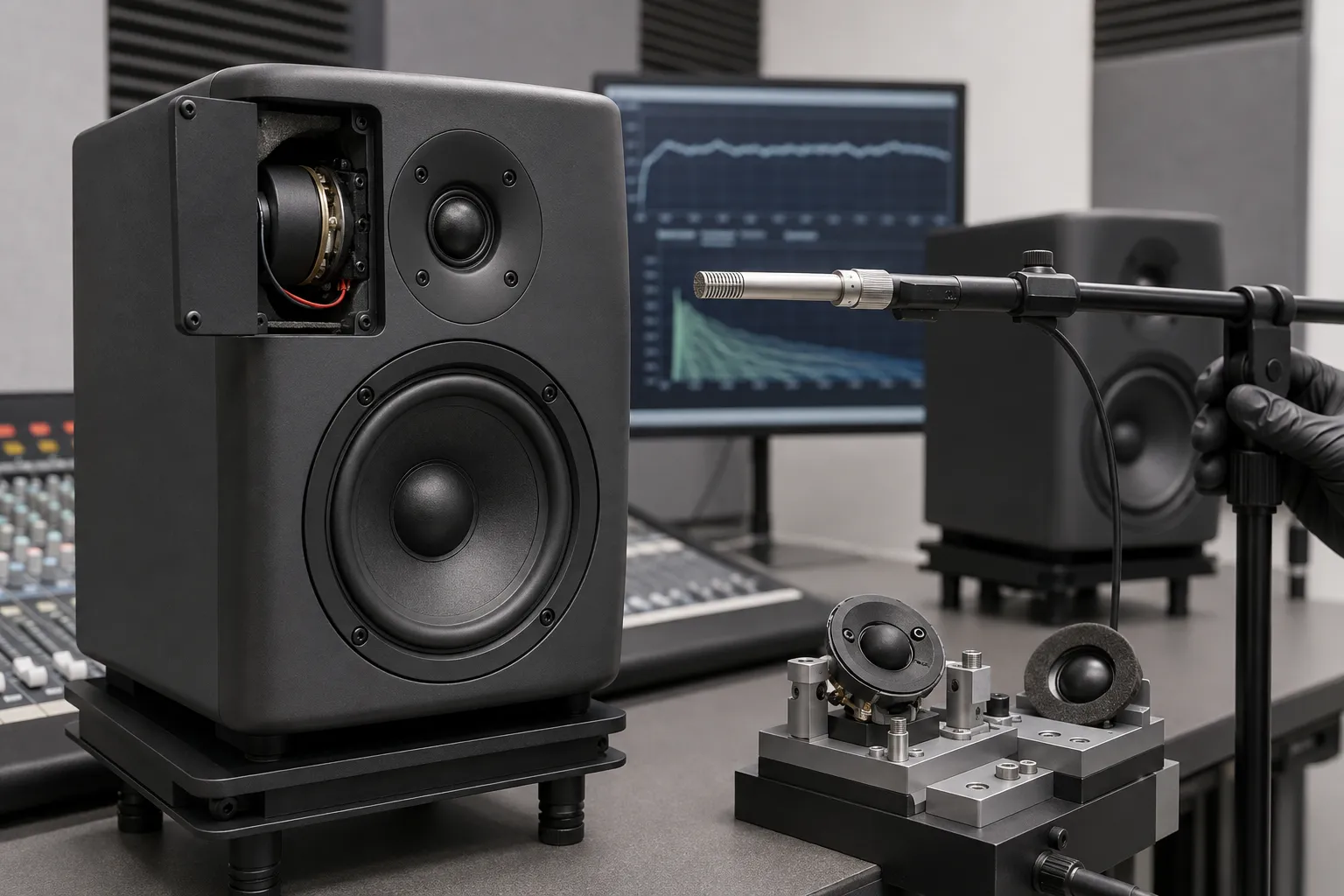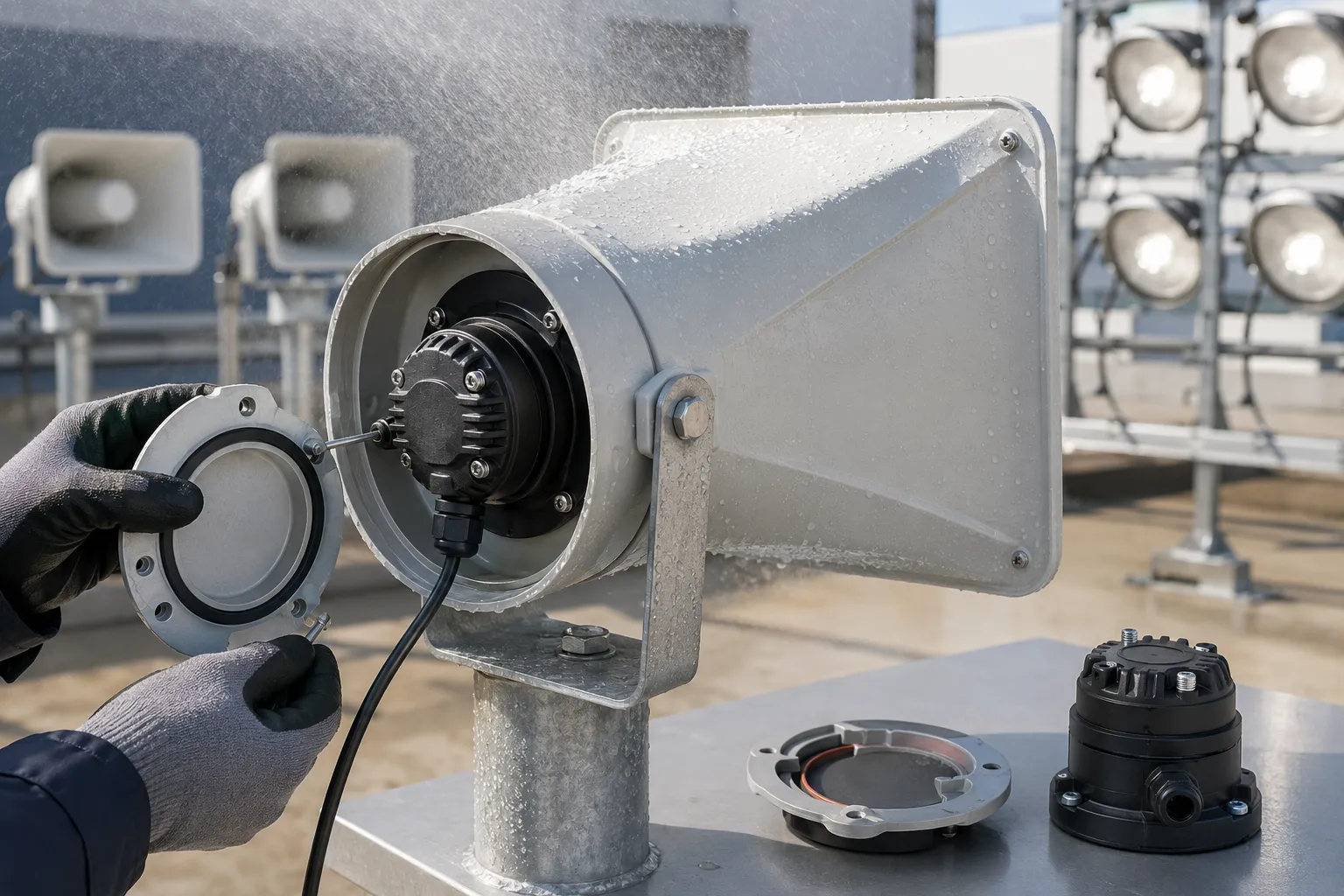

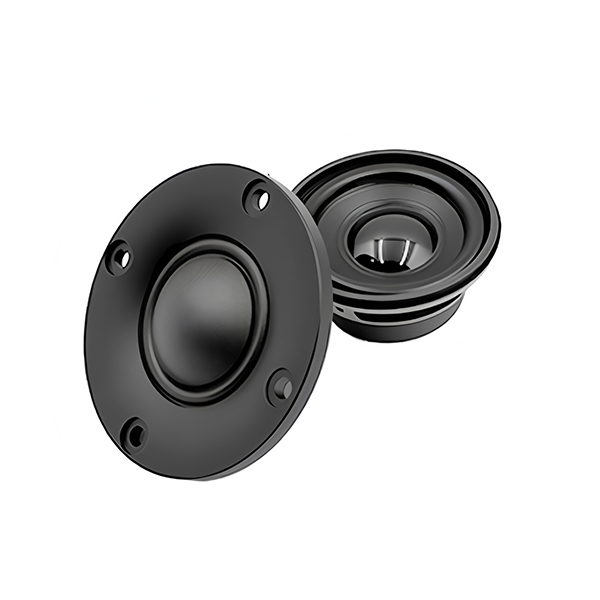
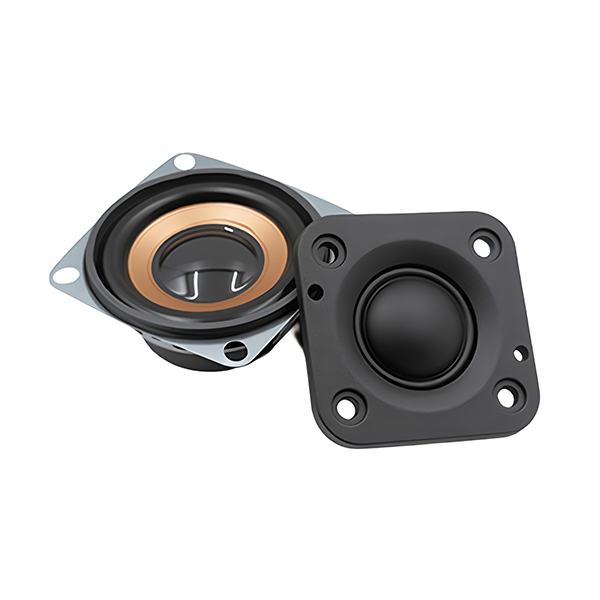
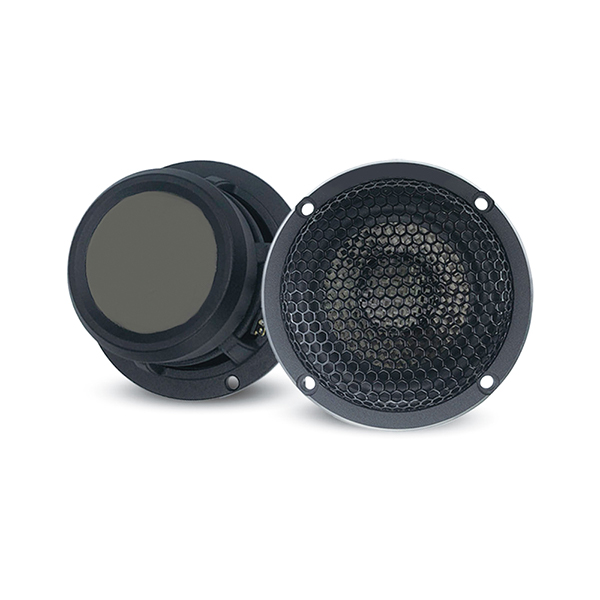
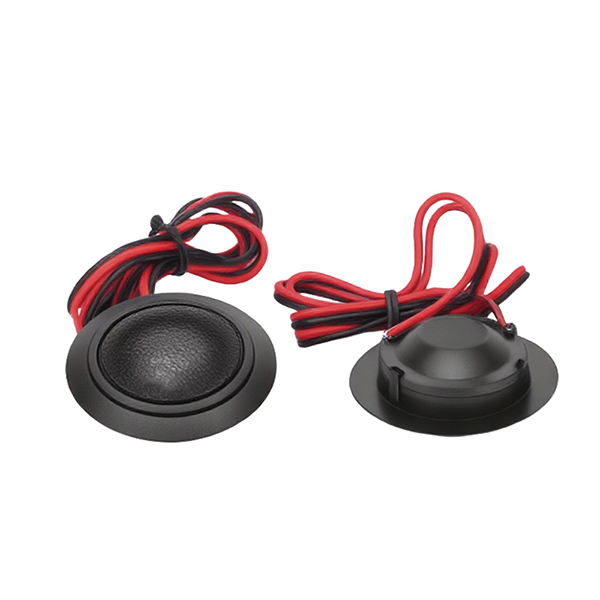
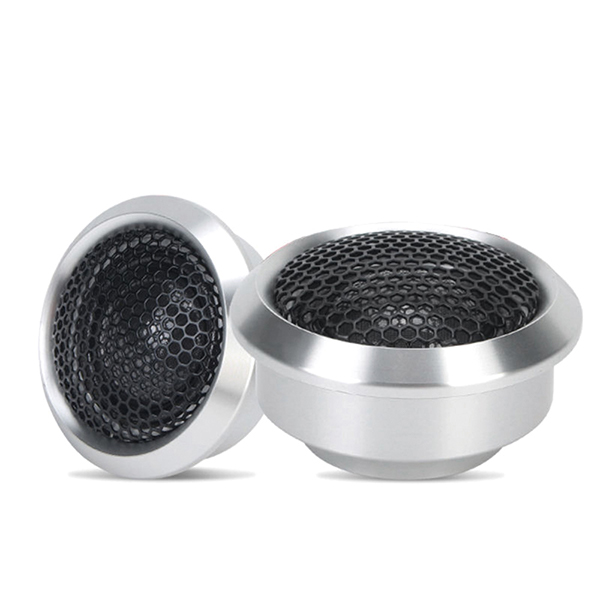
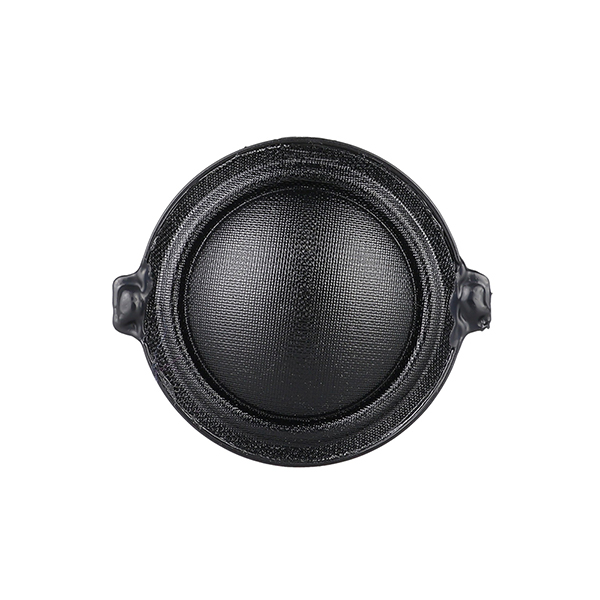
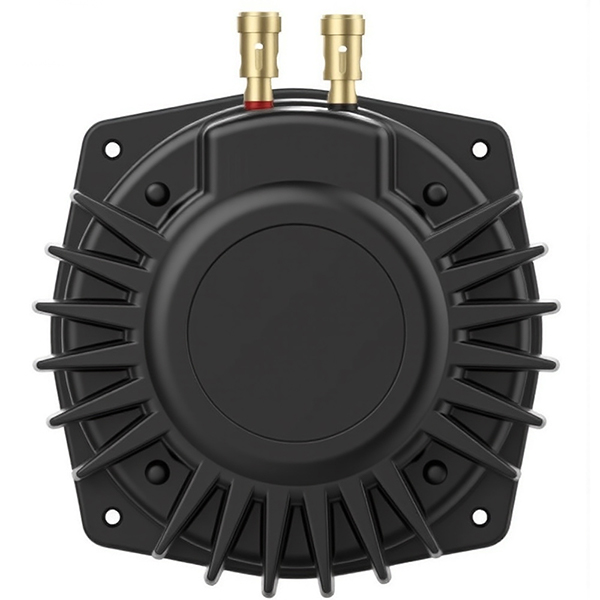
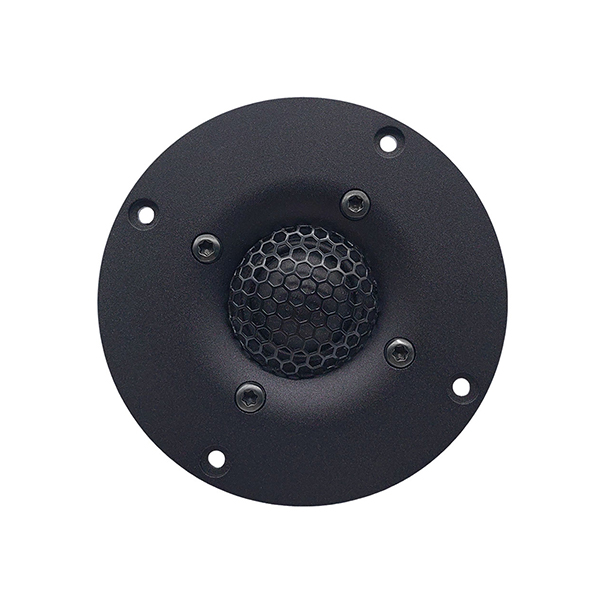
Custom Tweeter Drivers Engineered for Your Audio System

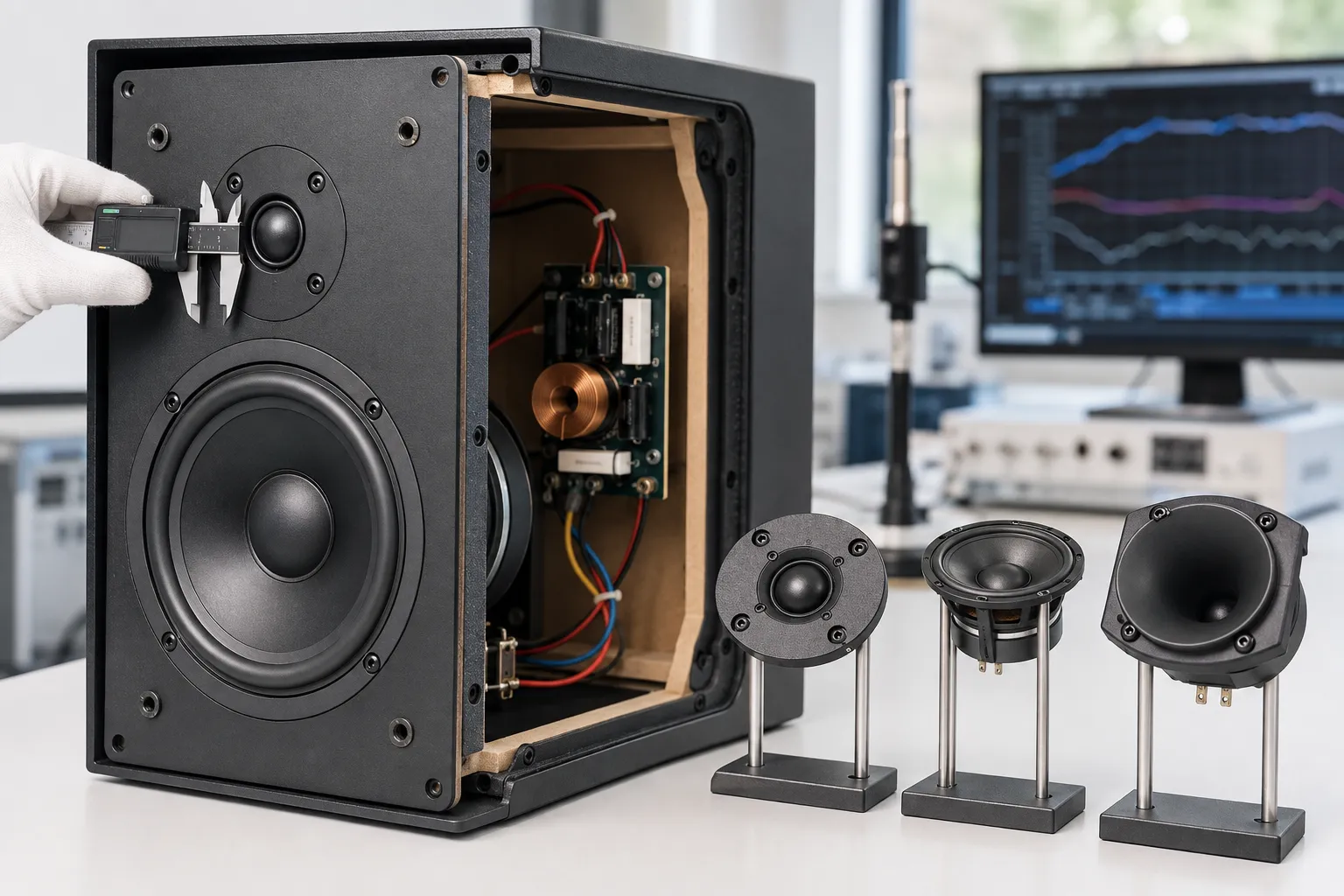
ZEH offers tweeter selection, mechanical customization and acoustic‑matching services for global OEM/ODM partners. Tailored to your installation space, amplifier specs, crossover design, target sound quality, dimensions, power, impedance, sensitivity, diaphragm and mounting structure, our tweeters deliver clear, refined and consistent high‑frequency performance for your products.

  • Wide range of dome, cone and horn tweeter options
  • Customizable power, impedance & frequency response
  • Crossover and mid‑woofer matching support
  • Full‑cycle service: sample development, acoustic testing to mass production
Tweeter speaker & vibration speaker
Tweeter Driver Basics

Add High-Frequency Detail to the Complete Audio System

As audio current passes through the voice coil, magnetic force drives rapid coil movement. This moves the lightweight diaphragm to agitate air and create high‑frequency sound. Fast high‑frequency motion demands tweeter diaphragms that are light‑weight, rigid and possess excellent transient response.

Tweeters operate across upper frequency bands, typically from 2 kHz to 20 kHz. Its actual operating bandwidth is defined by driver construction, crossover frequency and system‑level acoustic design.

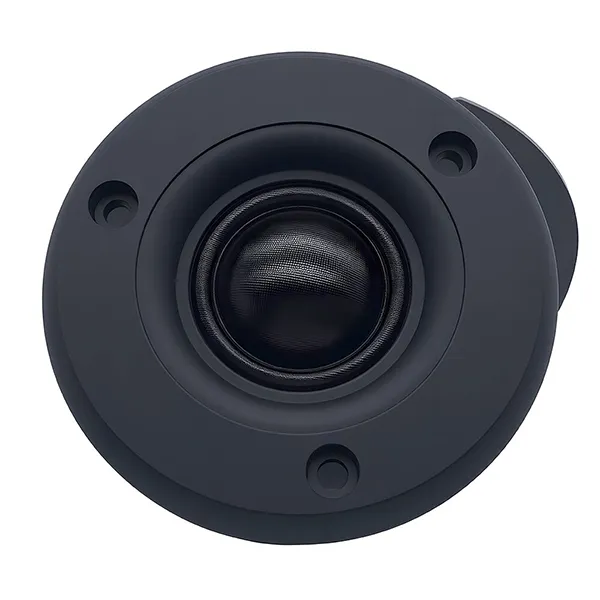
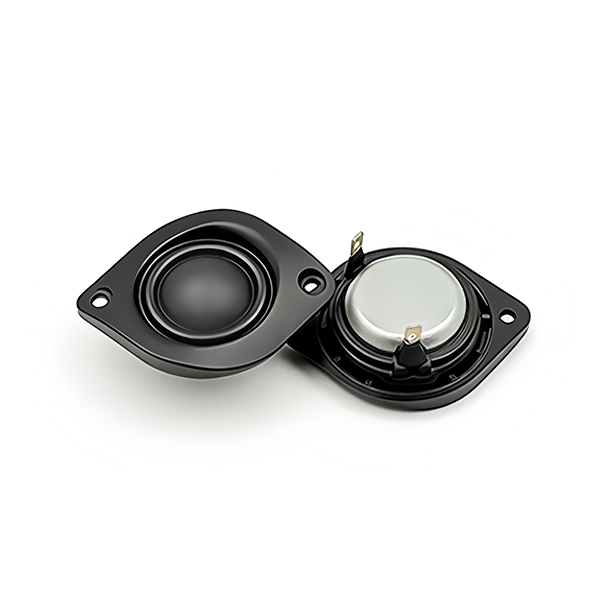
A tweeter is an electro‑acoustic transducer purpose‑built for high‑frequency sound reproduction. Built from a diaphragm, voice coil, magnetic assembly, frame, faceplate and connection terminals, it works alongside mid‑range, woofer or full‑range drivers. Capacitors or crossovers assign separate frequency bands to each driver. It renders fine high‑frequency details, overtones, air and spatial imaging in music and speech, resulting in clearer, brighter and more dimensional sound.

Final system sound quality, however, does not depend solely on tweeter specifications. Diaphragm material, sensitivity, crossover frequency, mounting angle, grille design, enclosure architecture and the frequency response of other drivers all contribute to the overall acoustic outcome.

In a complete loudspeaker system, different drivers cover separate frequency ranges. Woofers handle low frequencies, mid‑range drivers reproduce vocals and primary instrument ranges, and tweeters deliver high‑frequency output.

Add High-Frequency Detail to the Complete Audio System
Compared with a Full-Range Driver
A full-range speaker aims to reproduce a broad range of sound through one driver. A tweeter concentrates on upper frequencies and is normally added when the system needs better high-frequency extension, clarity and detail.
Compared with a Midrange Driver
A midrange driver focuses mainly on speech and middle-frequency content. A tweeter uses a smaller and lighter moving structure to respond more effectively to higher-frequency signals.
Best Suited For
Two-way and three-way speaker systems, automotive component speakers, multimedia equipment, home audio products and devices that require more high-frequency detail than one main driver can provide.

Explore Tweeter Driver Platforms for Custom Development

All tweeter models below allow flexible selection and customization to suit your product structure, acoustic cavity design, amplifier specifications, target sound quality and mass-production requirements.

Evaluation, selection and optimization can be carried out based on your technical parameters, including speaker dimensions, shape, height, mounting hole layout, impedance, rated power, magnet, diaphragm, mounting style and wire connections. Speaker grilles can also be fitted as required by the project.

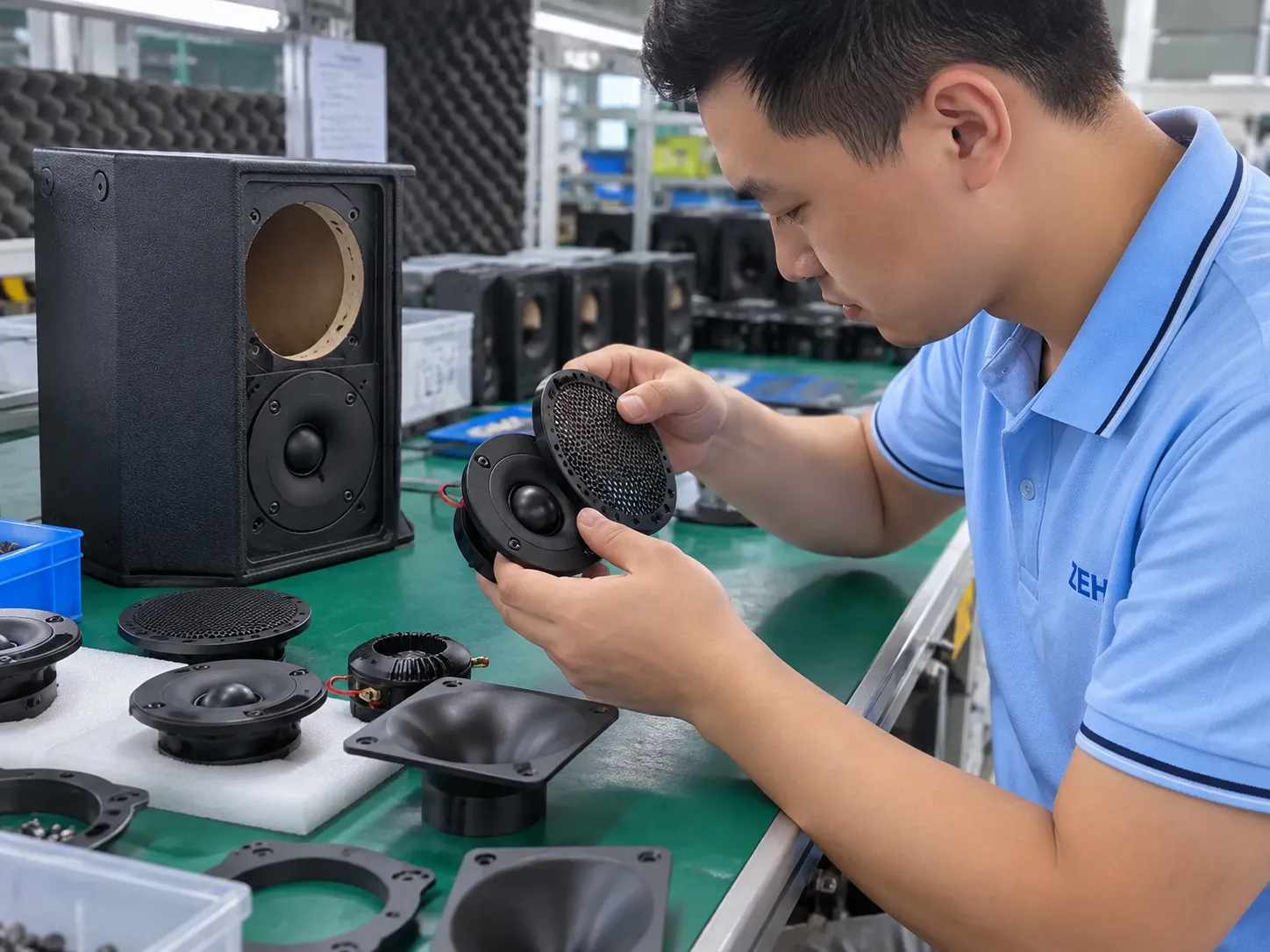
The ZEH engineering team delivers comprehensive turn-key solutions covering appropriate speaker selection, acoustic cavity matching, sample development, plastic housing design, PCBA integration, acoustic tuning and reliability validation. Our support helps customers streamline assembly processes and improve the overall acoustic matching of end-units. It shortens product development lead-time and guarantees stable, consistent acoustic performance, excellent assembly compatibility, and cross-batch manufacturing consistency when the tweeters are implemented in end-products.

Products Categories
Get A Free Quote
Contact Form
Products Categories
Customization Capabilities

Configure the Speaker Around Your Product

ZEHSMAUDIO can adapt an existing speaker platform or develop a modified structure based on your installation space, sound target, electronics, enclosure and production requirements.

Fit the Speaker Into the Available Space

We review your housing dimensions and mounting structure before selecting the frame and magnetic circuit.

Outside diameter Total height Mounting depth Hole positions Magnet dimensions Sound outlet position
Application Engineering
Select an application

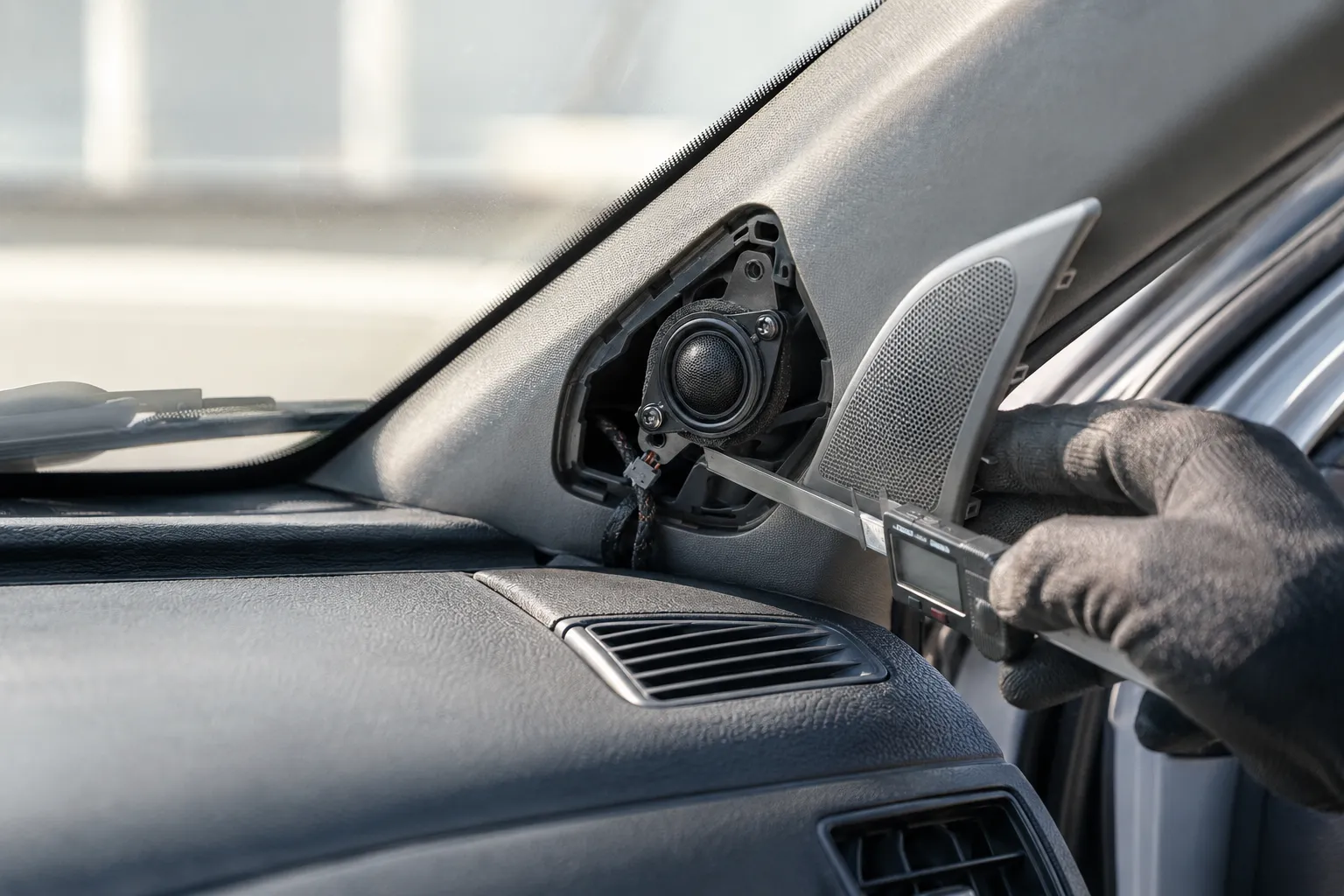
Custom Tweeter Driver for an A-Pillar/Dash-Mounted Application

A-pillar and dash-mounted tweeters need to fit within a very limited mounting depth and diameter, while maintaining smooth high-frequency response and adequate power handling to match the midrange/midbass drivers in the same system, and withstanding sustained heat exposure from direct sunlight through the windshield.
ZEH sizes the tweeter diaphragm and housing (typically 0.75"–1" dome) to fit the customer's mounting cavity, using silk, textile, or metal dome material depending on the target frequency response character. Ferrofluid cooling is applied to the voice coil gap for thermal stability under sustained solar heat exposure. Crossover point and sensitivity are matched to the paired midrange/midbass driver.
ZEH Results
Diaphragm fits within standard A-pillar/dash mounting depth. Thermal stability is maintained under sustained heat exposure testing. Frequency response integrates smoothly with the paired midrange/midbass driver at the target crossover point.
Custom Tweeter Driver for an A-Pillar/Dash-Mounted Application

Why Add a Custom Tweeter Driver to Your Audio Product?

A dedicated tweeter extends the upper-frequency response that a woofer, midbass or full-range driver cannot reproduce efficiently. It adds clarity, detail and spatial definition to music and vocals. ZEH develops custom tweeter drivers around the main speaker, crossover, amplifier, mounting position and target listening experience.

Add High-Frequency Clarity and Detail

A woofer or midbass driver can reproduce bass and vocal content, but its heavier diaphragm cannot respond as effectively to high-frequency signals. The result may sound dull, closed or lacking in detail.

ZEH selects the tweeter structure, diaphragm material and magnetic circuit according to the required frequency extension, sensitivity and sound character. Dome, cone and horn-loaded platforms can be evaluated for automotive, home audio, multimedia and professional speaker systems.

Create a Smooth Transition from the Main Driver

Simply adding a tweeter does not guarantee better sound. Incorrect sensitivity or crossover settings can create a frequency gap, excessive overlap or treble that sounds weak, harsh or disconnected.

ZEH evaluates the tweeter together with the woofer, midbass, midrange or full-range driver. We coordinate impedance, sensitivity, resonant frequency, crossover point and phase to achieve a smoother transition between drivers.

Control Coverage Through Mounting and Structure

High-frequency sound is more directional than low-frequency sound. Mounting position, angle, grille and waveguide structure can significantly change the listening area and perceived treble level.

ZEH adapts the tweeter diameter, mounting depth, flange, grille, bracket and waveguide to the customer’s product structure. Prototype testing inside the actual enclosure helps verify frequency response and coverage before production.

Maintain Consistent High-Frequency Performance

Small changes in diaphragm assembly, voice coil position, magnetic strength or adhesive application can affect tweeter sensitivity, resonance and distortion. Consistency is therefore critical for stereo pairs and multi-speaker systems.

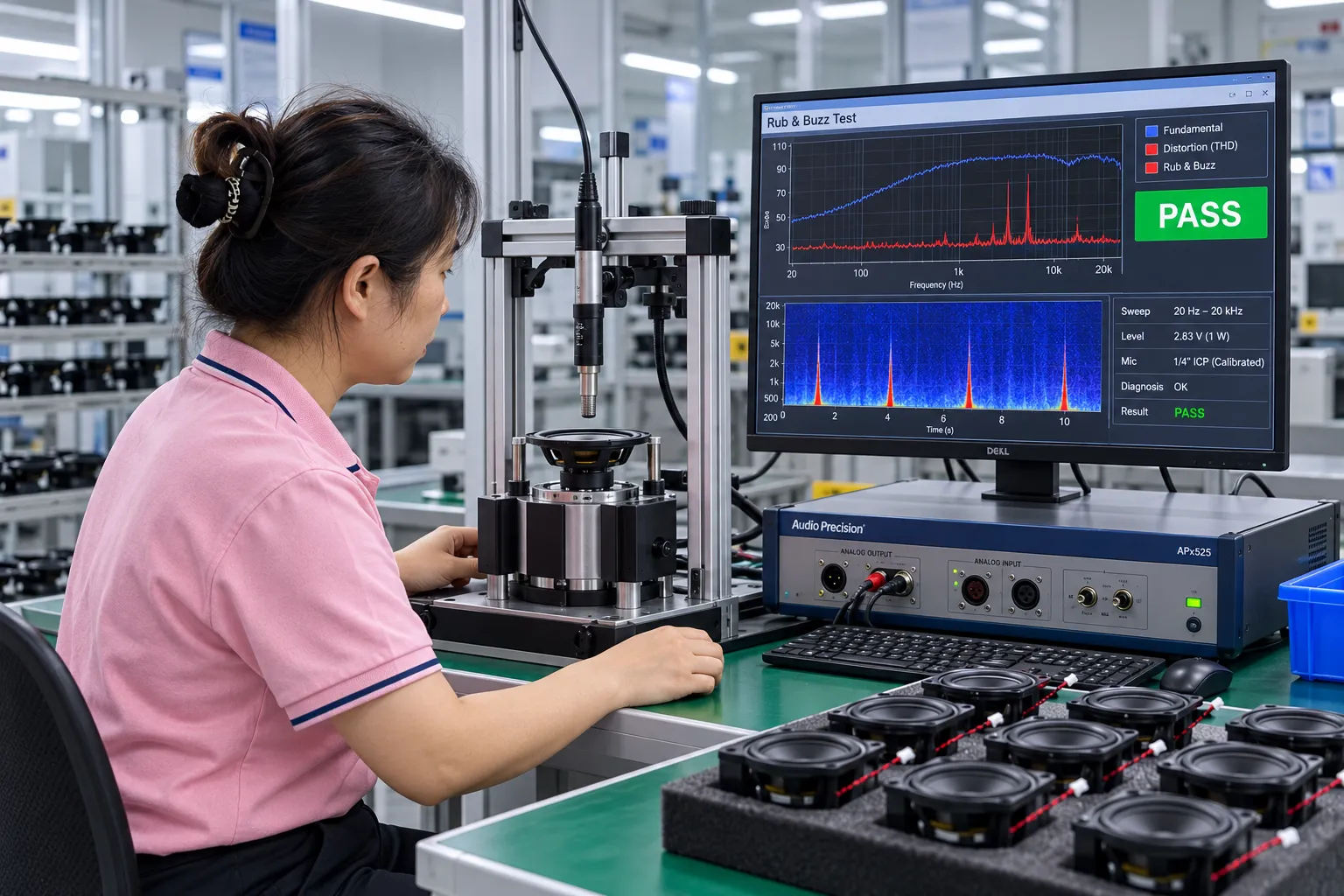
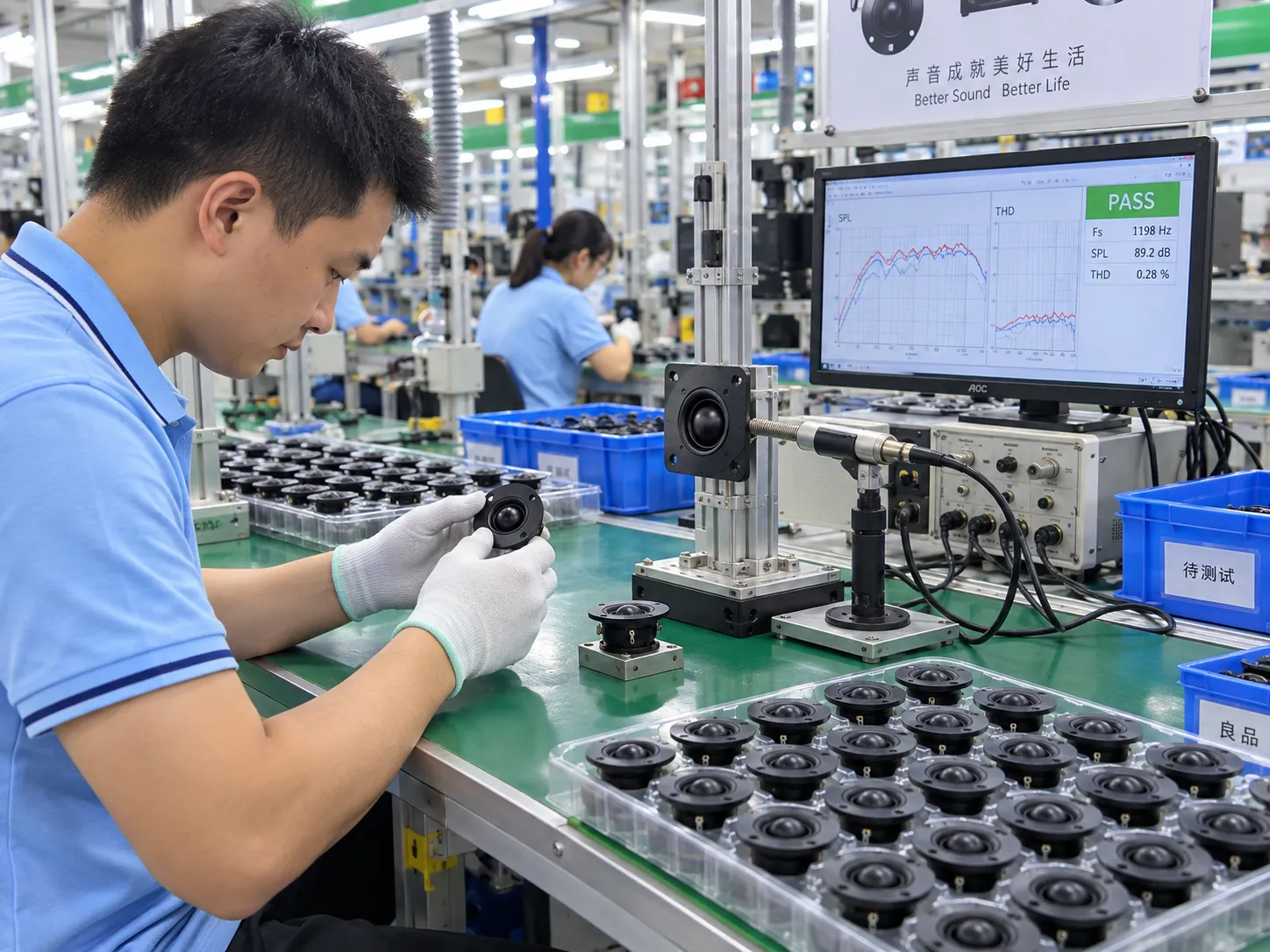
ZEH verifies engineering samples through frequency-response, impedance, sensitivity, distortion, polarity, phase, power and aging tests. Production is controlled against the approved sample to maintain consistent electrical and acoustic performance across volume orders.

Frequently Asked Questions

What is a tweeter speaker driver?

A tweeter is a speaker driver designed mainly for high-frequency sound. It is normally used together with a woofer, midbass, midrange or full-range speaker to extend the upper-frequency response of the complete audio system.

Can a tweeter be used as the only speaker in a product?

A tweeter is generally not suitable as the only speaker because it is not designed to reproduce middle and low frequencies. Most systems use it as part of a two-way or three-way arrangement with another speaker driver.

For products that require one driver to reproduce speech, music and notification sounds, a full-range speaker is usually more appropriate.

What is the difference between a dome, cone and horn tweeter?

A dome tweeter uses a dome-shaped diaphragm and is common in automotive, home and multimedia audio systems. A cone tweeter uses a small cone-shaped diaphragm and can provide a simple, cost-effective structure.

A horn-loaded tweeter couples the driver to a horn or waveguide to increase efficiency and control sound dispersion. The correct type depends on the product size, listening distance, sensitivity target and system design.

How do I choose the correct tweeter size?

Tweeter size should be selected according to the available mounting area, depth, desired frequency response, sensitivity, power requirement and main speaker configuration.

The outside diameter alone is not enough. Dome diameter, magnetic circuit, mounting angle and grille structure must also be considered.

Should I choose a 4-ohm or 8-ohm tweeter?

The impedance should match the amplifier and the rest of the speaker system. A 4-ohm tweeter may be suitable for many automotive and compact electronic systems, while an 8-ohm tweeter is often used in home, commercial and professional audio equipment.

The final choice must also consider crossover components and system sensitivity.

Does a tweeter need a capacitor or crossover?

Most dynamic tweeters require a capacitor or crossover network to prevent unsuitable low-frequency energy from reaching the driver. The required crossover arrangement depends on the tweeter’s impedance, resonance, power handling and the response of the main speaker.

ZEH can supply the bare tweeter or integrate selected crossover components into the assembly.

How does diaphragm material affect tweeter performance?

Different diaphragm materials have different mass, stiffness, damping and environmental characteristics. These differences can influence frequency response, sound character, sensitivity and durability.

The material should be selected according to the target application and verified in the complete system rather than judged by material name alone.

Can ZEH customize automotive tweeter speakers?

Yes. Automotive tweeter projects can include customized diameter, mounting structure, grille, bracket, wiring, connector, impedance, magnet and crossover components.

To recommend a suitable platform, we need the installation dimensions, mounting location, amplifier information, main speaker specification and target sound requirements.

What information is needed to develop a custom tweeter?

Please provide as much of the following information as possible:

  • Product application
  • Installation drawing
  • Maximum diameter and depth
  • Main speaker specification
  • Amplifier output
  • Required impedance
  • Target power and sensitivity
  • Crossover arrangement
  • Mounting direction
  • Environmental requirements
  • Expected production volume

A physical sample or existing speaker specification can also help accelerate the evaluation.

Can you provide samples before mass production?

Yes. Development can begin with an existing tweeter platform or a modified sample. After the mechanical structure and electrical parameters are confirmed, the sample can be evaluated inside the customer’s product.

Further adjustments can then be made to the diaphragm, magnet, mounting structure, crossover or related module components before pilot production.

Scroll to Top

Get a free quote or sample

Contact Form
If you have any questions, please do not hesitate to contact us.