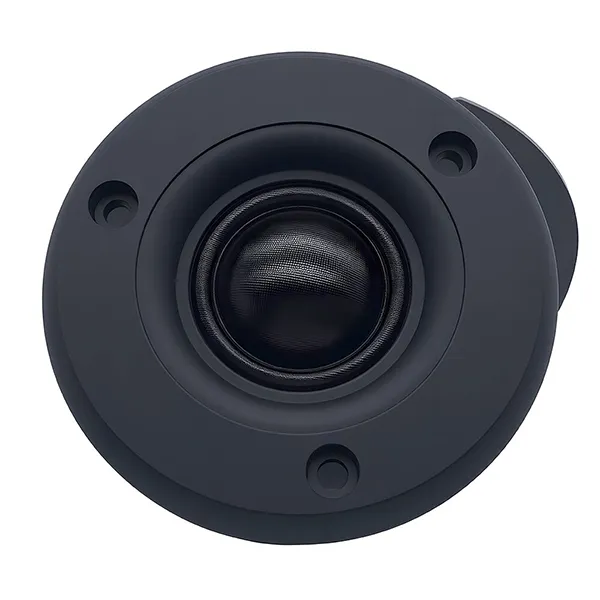

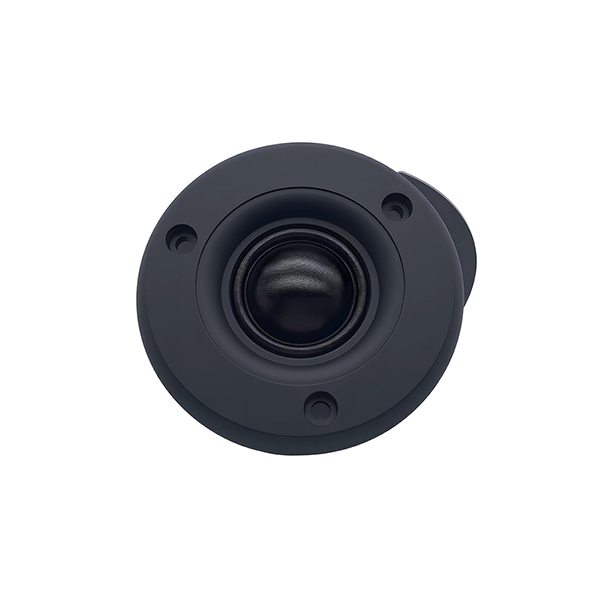
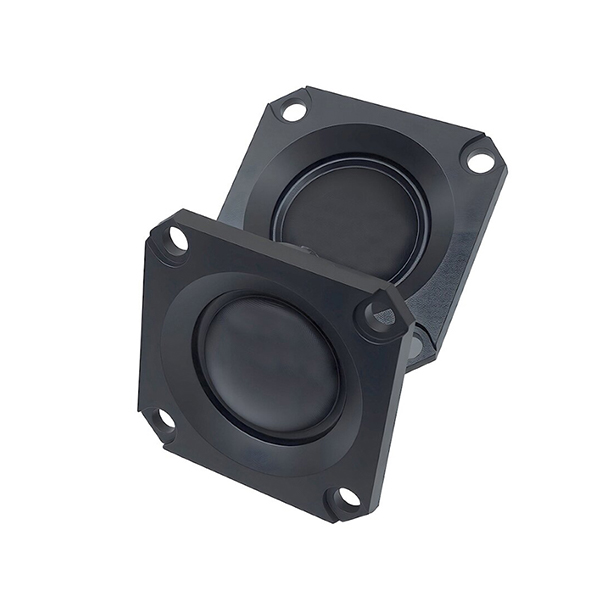
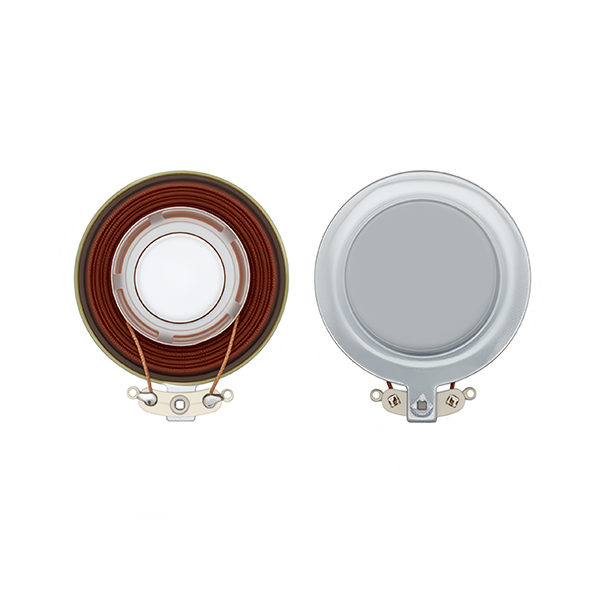
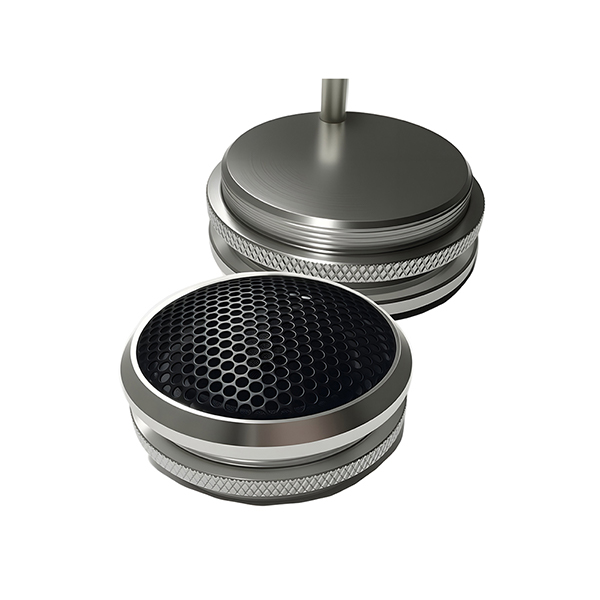
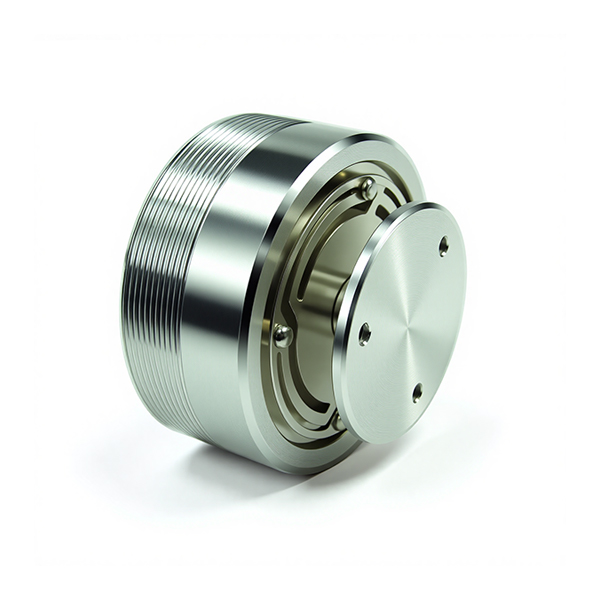
Custom Tweeter Drivers Engineered for Your Audio System

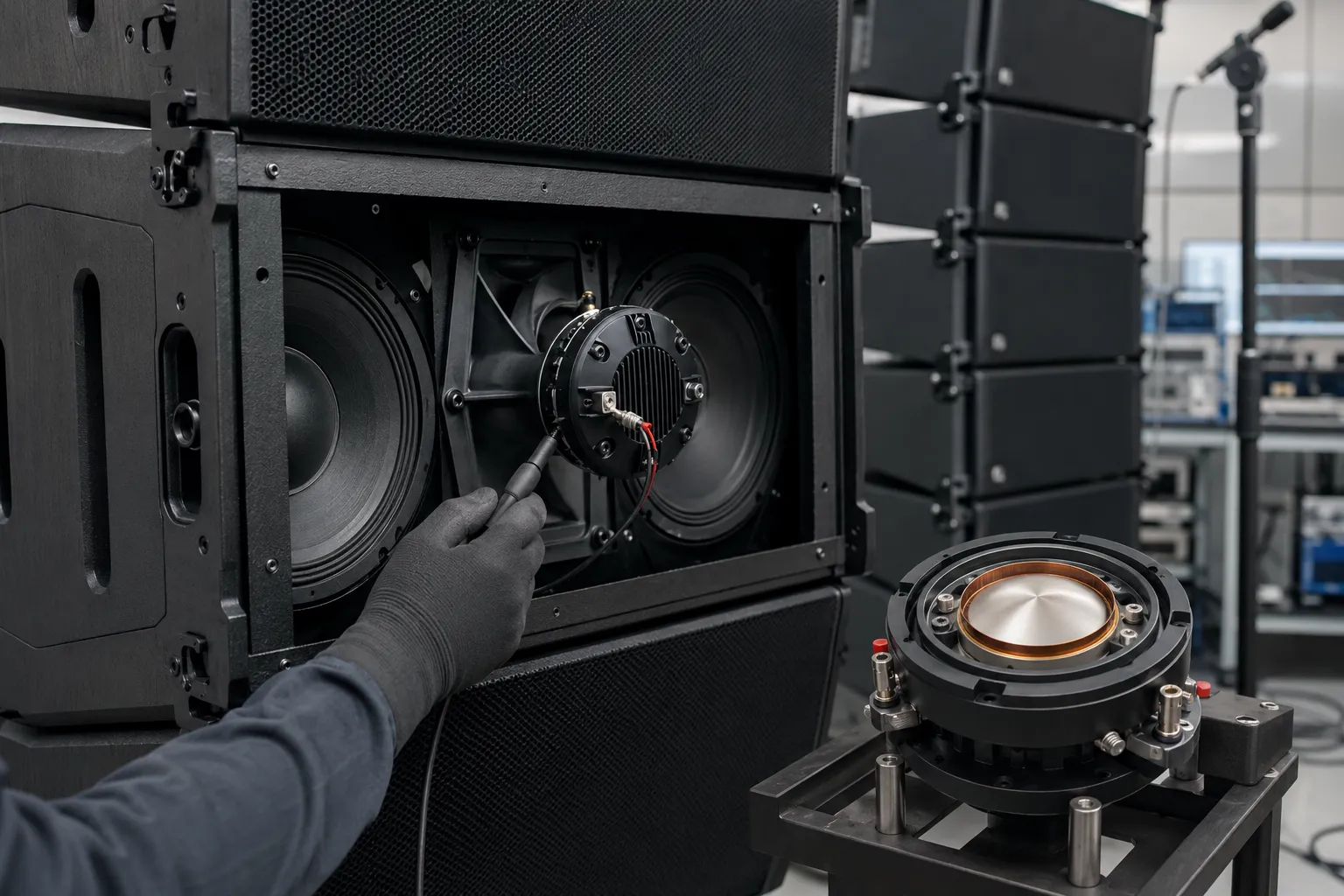
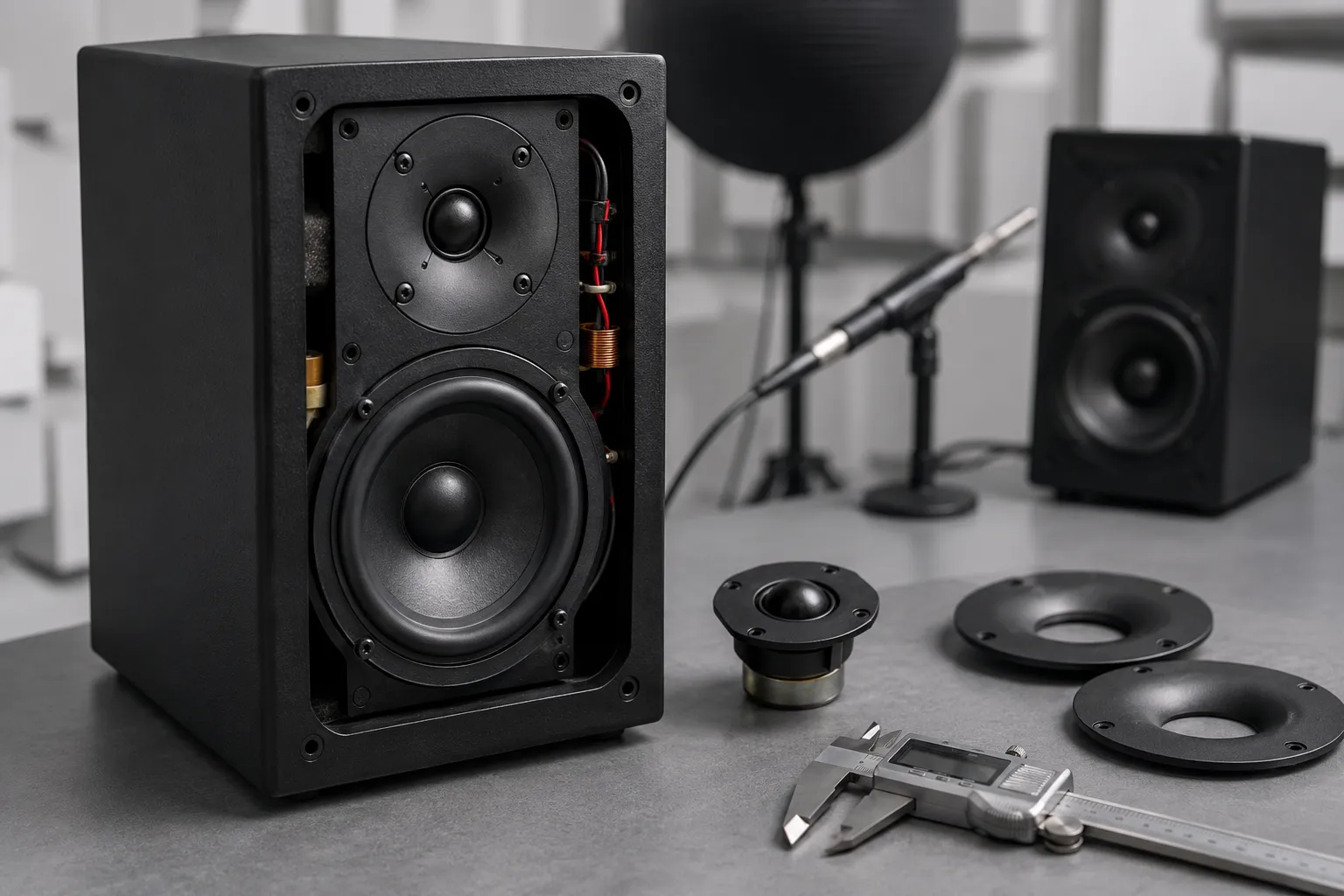
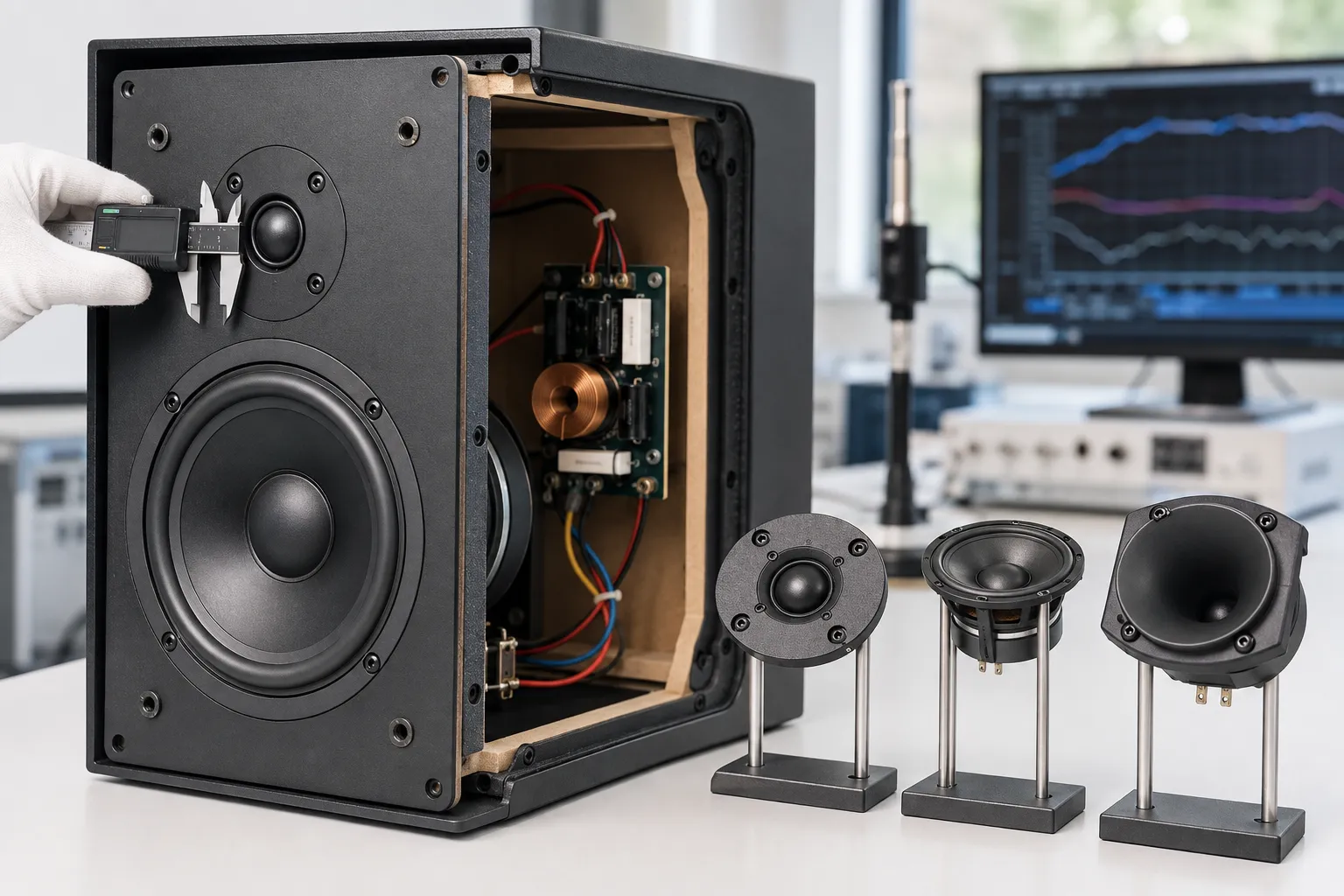
ZEH develops and manufactures tweeter speaker drivers for OEM and ODM audio projects. We match the tweeter size, structure, impedance, sensitivity, diaphragm, magnet and crossover requirements to your enclosure, amplifier and complete speaker system.

Our products are developed as configurable platforms rather than fixed retail models. Existing tweeter designs can be adapted around your installation space, acoustic target and production requirements.

Tweeter speaker & vibration speaker
Tweeter Driver Basics

Add High-Frequency Detail to the Complete Audio System

A tweeter is a specialized speaker driver designed to reproduce the upper-frequency content of an audio system. It helps reproduce vocal detail, instrument overtones and other high-frequency information that a woofer or midbass driver cannot reproduce efficiently.

In most applications, a tweeter does not work alone. It operates together with a full-range, midrange, midbass or woofer driver, while a capacitor or crossover network controls which frequencies reach each unit.

The final result depends on more than the tweeter specification. Diaphragm material, sensitivity, crossover point, mounting angle, grille, enclosure and the response of the other speaker drivers all affect the sound of the completed system.

Add High-Frequency Detail to the Complete Audio System
Compared with a Full-Range Driver
A full-range speaker aims to reproduce a broad range of sound through one driver. A tweeter concentrates on upper frequencies and is normally added when the system needs better high-frequency extension, clarity and detail.
Compared with a Midrange Driver
A midrange driver focuses mainly on speech and middle-frequency content. A tweeter uses a smaller and lighter moving structure to respond more effectively to higher-frequency signals.
Best Suited For
Two-way and three-way speaker systems, automotive component speakers, multimedia equipment, home audio products and devices that require more high-frequency detail than one main driver can provide.

Explore Tweeter Driver Platforms for Custom Development

The tweeter drivers below represent existing diameter, frame, diaphragm, magnet, impedance and mounting platforms. They are starting points for OEM and ODM development rather than fixed retail products.

Each platform can be evaluated or modified according to your:

  • Available installation dimensions
  • Main speaker or woofer configuration
  • Amplifier output
  • Nominal impedance
  • Required sensitivity
  • Target frequency response
  • Crossover arrangement
  • Mounting direction
  • Grille and enclosure structure
  • Production and cost requirements

ZEH can supply the tweeter driver alone or integrate it with capacitors, grilles, mounting parts, wiring and connectors.

Products Categories
Get A Free Quote
Contact Form
Products Categories
Customization Capabilities

Configure the Speaker Around Your Product

ZEHSMAUDIO can adapt an existing speaker platform or develop a modified structure based on your installation space, sound target, electronics, enclosure and production requirements.

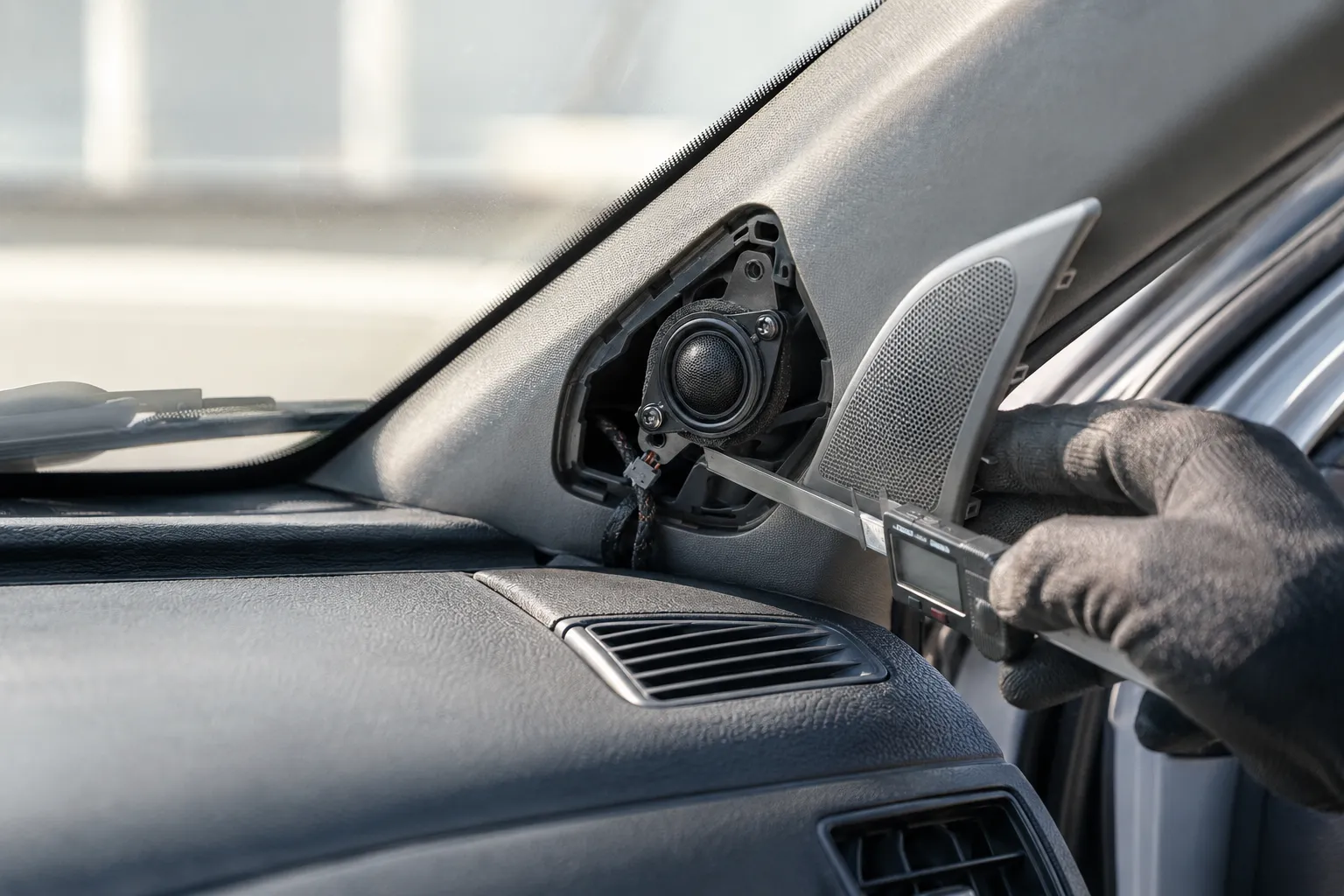
Fit the Speaker Into the Available Space

We review your housing dimensions and mounting structure before selecting the frame and magnetic circuit.

Outside diameter Total height Mounting depth Hole positions Magnet dimensions Sound outlet position
Application Engineering

Different Devices Need Different Acoustic Decisions

Different products place different demands on speaker size, vocal clarity, sound pressure, enclosure volume, power consumption and long-term reliability. Select an application to see how the acoustic priorities change.

Select an application

AI Voice Devices

For smart terminals and voice-enabled products, the speaker must reproduce speech clearly inside a compact enclosure while working together with the microphone, audio PCBA and product housing.

Design Priority Vocal clarity
Typical Constraint Limited internal cavity
Integration Speaker + Mic + PCBA
ZEH Engineering Response

Low-profile structure, vocal-band tuning, cavity matching and complete audio hardware coordination.

AI Voice Devices
Discuss Another Application

Why Choose ZEH Audio for Custom Tweeter Drivers?

A tweeter must work with the main speaker, crossover, amplifier and mounting position. ZEH supports OEM and ODM customers from early platform selection through prototype tuning and volume manufacturing.

Developed Around the Complete Speaker System

We do not recommend a tweeter based only on diameter or rated power. Our engineers evaluate the main speaker, amplifier, crossover arrangement, mounting direction and target response before recommending a suitable platform.

This helps reduce common system problems such as:

  • A frequency gap between the tweeter and main driver
  • Excessive overlap between drivers
  • Treble that is too weak or too aggressive
  • Sensitivity mismatch
  • Incorrect crossover selection
  • Poor performance after the grille is installed

Adapt the Tweeter to Your Product Structure

ZEH can modify an existing tweeter platform according to your housing dimensions, installation method and electrical requirements.

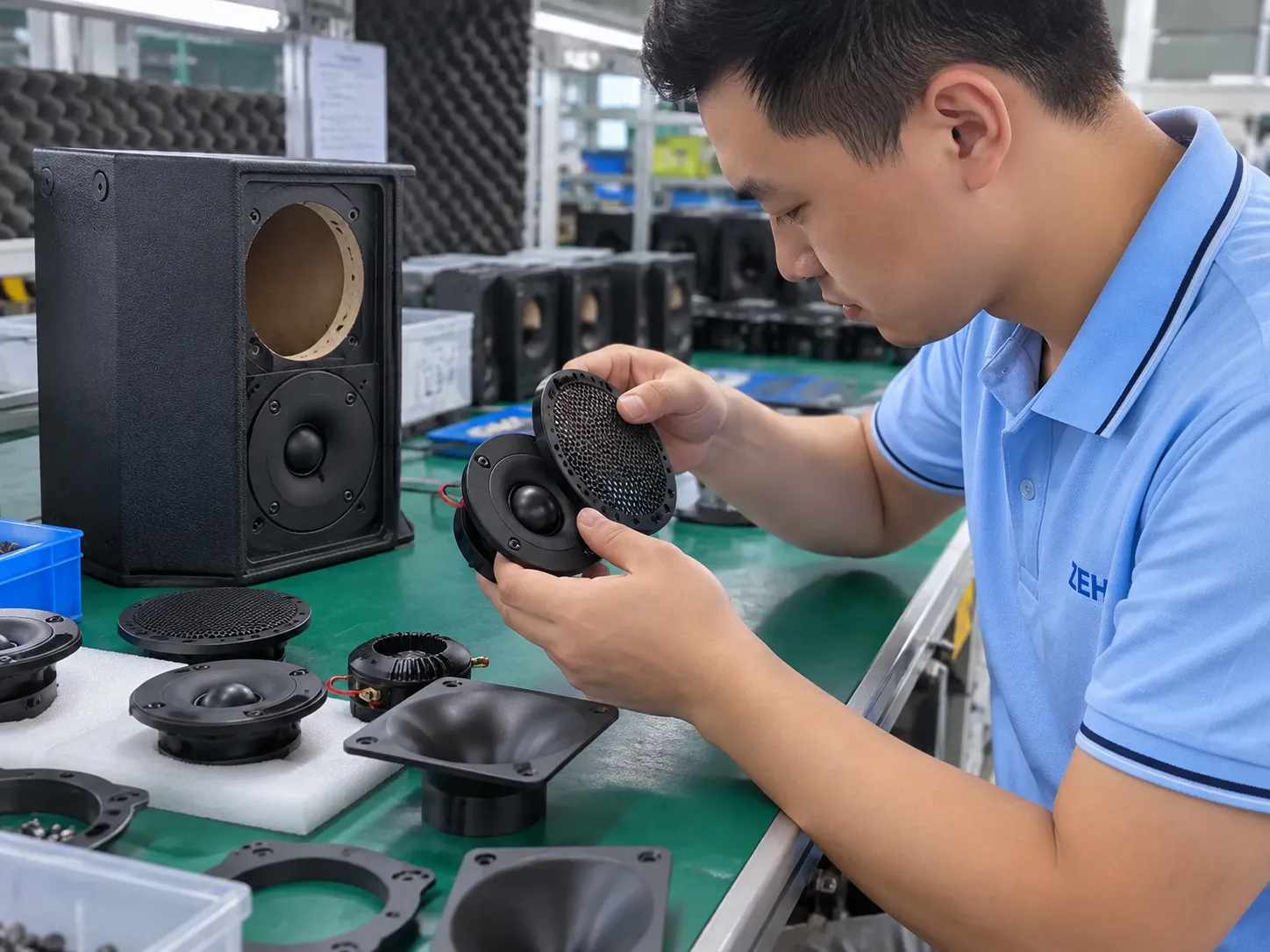
Customization can include:

  • Diameter and mounting depth
  • Frame and mounting flange
  • Diaphragm and magnet
  • Impedance and power
  • Grille and protective structure
  • Capacitor or crossover components
  • Wire length and connector
  • Complete tweeter module assembly

This allows customers to begin with a proven platform while adapting the product to their own equipment.

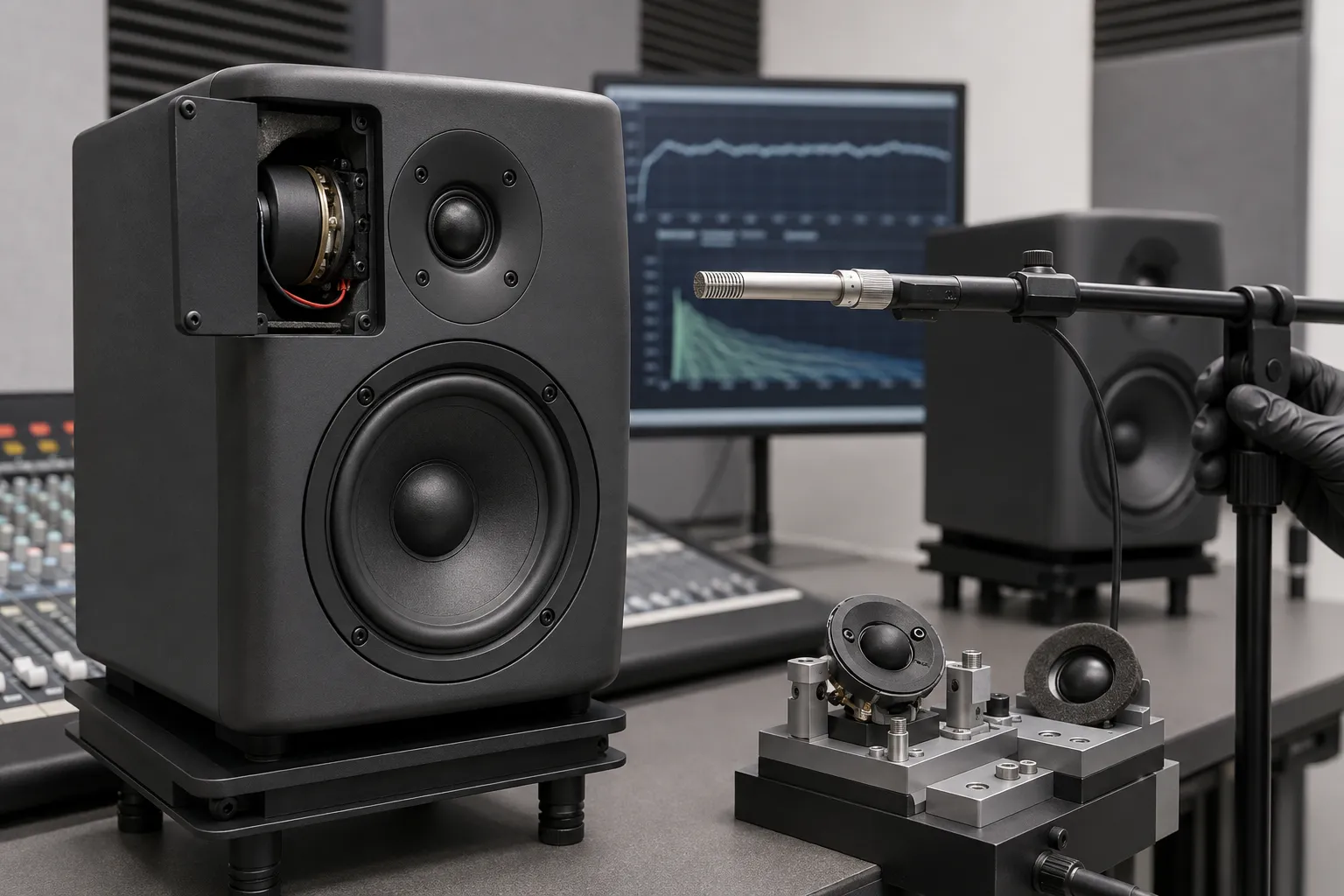
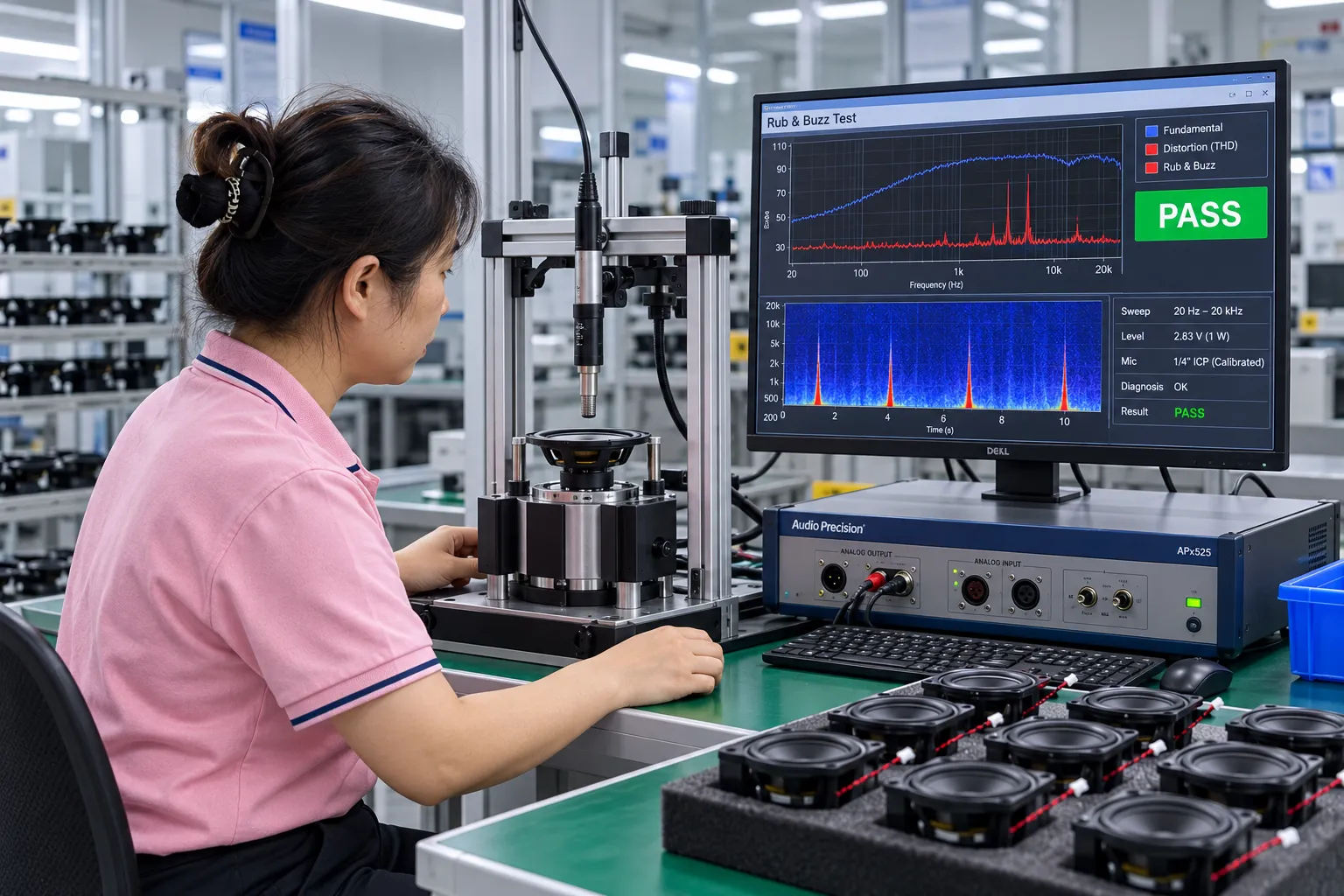
Verify Performance Before Mass Production

A tweeter that performs well during an individual test may behave differently after it is installed behind a grille or combined with another speaker driver.

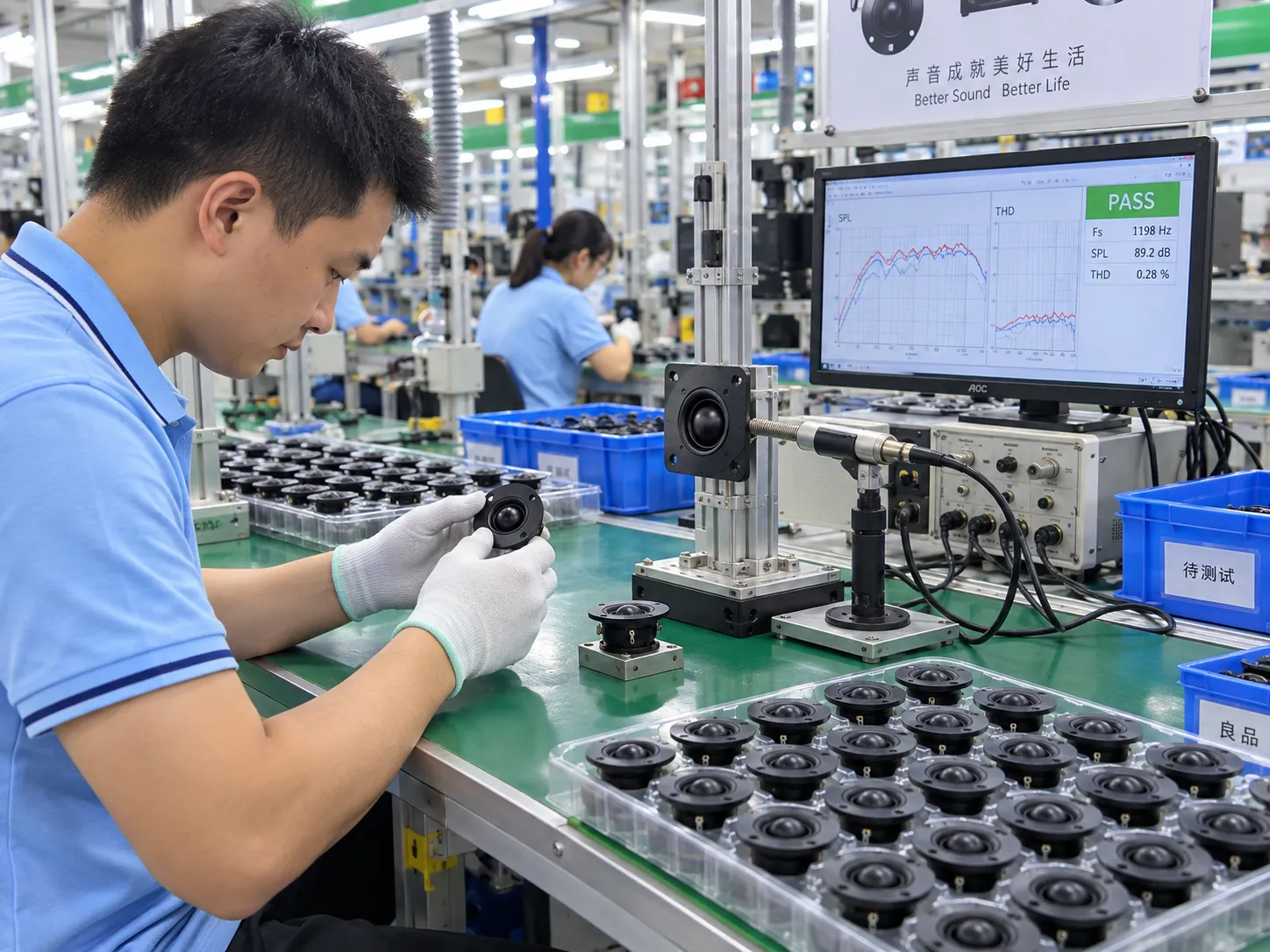
ZEH can evaluate prototypes through:

  • Frequency-response testing
  • Impedance testing
  • Sensitivity and SPL testing
  • Distortion and abnormal-noise evaluation
  • Polarity and phase verification
  • Power and aging testing
  • Crossover matching
  • Complete enclosure testing

Testing helps identify system-matching and structural problems before tooling or mass production.

From Confirmed Sample to Volume Production

With speaker manufacturing experience since 1998, ZEH supports projects from initial requirements and samples through pilot production and mass manufacturing.

Production is controlled according to the confirmed sample and agreed project specifications, including materials, assembly structure, electrical parameters and acoustic performance.

Our typical development process is:

Requirement Review → Platform Selection → Sample Development → System Matching → Prototype Validation → Pilot Production → Mass Production

Frequently Asked Questions

What is a tweeter speaker driver?

A tweeter is a speaker driver designed mainly for high-frequency sound. It is normally used together with a woofer, midbass, midrange or full-range speaker to extend the upper-frequency response of the complete audio system.

Can a tweeter be used as the only speaker in a product?

A tweeter is generally not suitable as the only speaker because it is not designed to reproduce middle and low frequencies. Most systems use it as part of a two-way or three-way arrangement with another speaker driver.

For products that require one driver to reproduce speech, music and notification sounds, a full-range speaker is usually more appropriate.

What is the difference between a dome, cone and horn tweeter?

A dome tweeter uses a dome-shaped diaphragm and is common in automotive, home and multimedia audio systems. A cone tweeter uses a small cone-shaped diaphragm and can provide a simple, cost-effective structure.

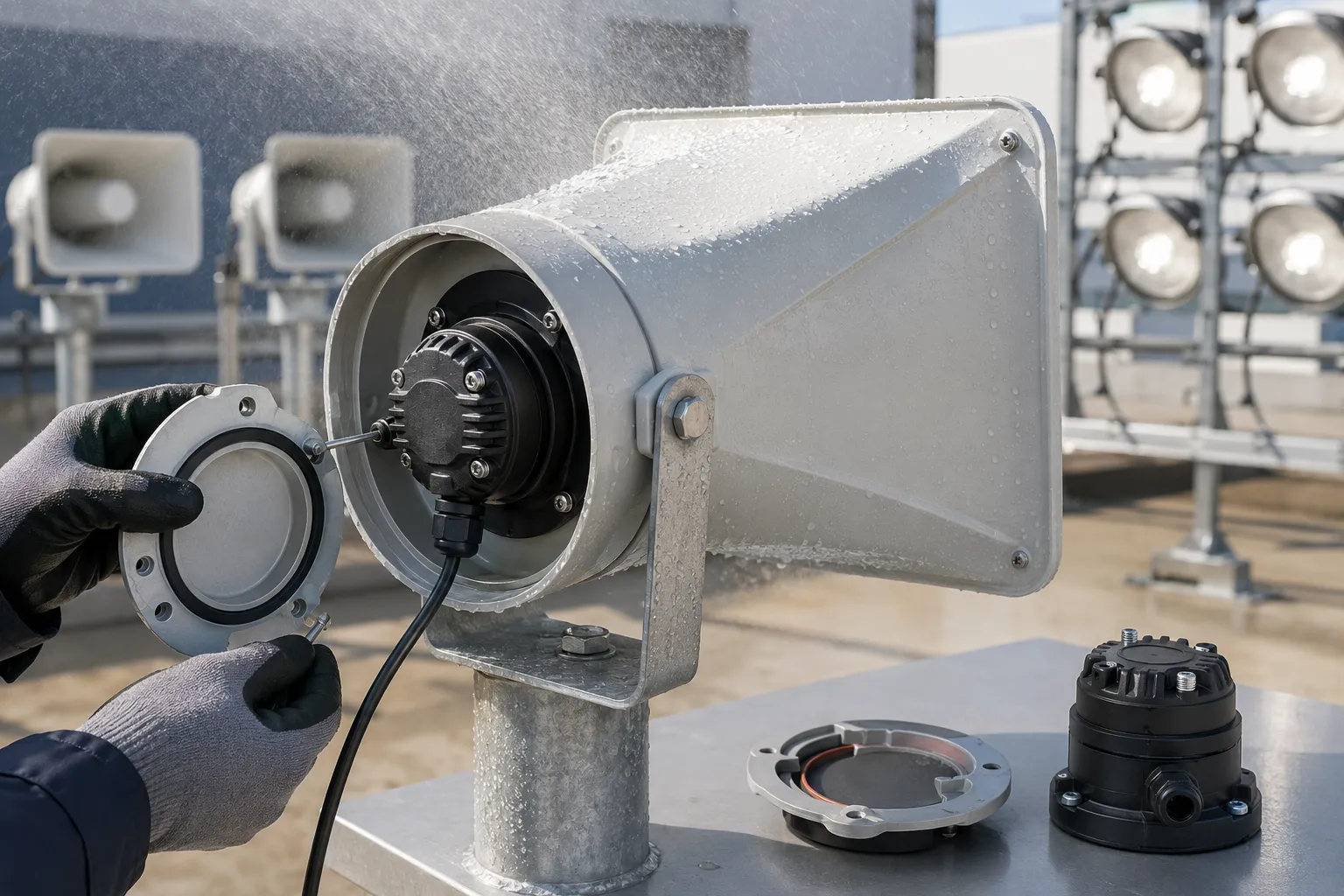
A horn-loaded tweeter couples the driver to a horn or waveguide to increase efficiency and control sound dispersion. The correct type depends on the product size, listening distance, sensitivity target and system design.

How do I choose the correct tweeter size?

Tweeter size should be selected according to the available mounting area, depth, desired frequency response, sensitivity, power requirement and main speaker configuration.

The outside diameter alone is not enough. Dome diameter, magnetic circuit, mounting angle and grille structure must also be considered.

Should I choose a 4-ohm or 8-ohm tweeter?

The impedance should match the amplifier and the rest of the speaker system. A 4-ohm tweeter may be suitable for many automotive and compact electronic systems, while an 8-ohm tweeter is often used in home, commercial and professional audio equipment.

The final choice must also consider crossover components and system sensitivity.

Does a tweeter need a capacitor or crossover?

Most dynamic tweeters require a capacitor or crossover network to prevent unsuitable low-frequency energy from reaching the driver. The required crossover arrangement depends on the tweeter’s impedance, resonance, power handling and the response of the main speaker.

ZEH can supply the bare tweeter or integrate selected crossover components into the assembly.

How does diaphragm material affect tweeter performance?

Different diaphragm materials have different mass, stiffness, damping and environmental characteristics. These differences can influence frequency response, sound character, sensitivity and durability.

The material should be selected according to the target application and verified in the complete system rather than judged by material name alone.

Can ZEH customize automotive tweeter speakers?

Yes. Automotive tweeter projects can include customized diameter, mounting structure, grille, bracket, wiring, connector, impedance, magnet and crossover components.

To recommend a suitable platform, we need the installation dimensions, mounting location, amplifier information, main speaker specification and target sound requirements.

What information is needed to develop a custom tweeter?

Please provide as much of the following information as possible:

  • Product application
  • Installation drawing
  • Maximum diameter and depth
  • Main speaker specification
  • Amplifier output
  • Required impedance
  • Target power and sensitivity
  • Crossover arrangement
  • Mounting direction
  • Environmental requirements
  • Expected production volume

A physical sample or existing speaker specification can also help accelerate the evaluation.

Can you provide samples before mass production?

Yes. Development can begin with an existing tweeter platform or a modified sample. After the mechanical structure and electrical parameters are confirmed, the sample can be evaluated inside the customer’s product.

Further adjustments can then be made to the diaphragm, magnet, mounting structure, crossover or related module components before pilot production.

Scroll to Top

Get a free quote or sample

Contact Form
If you have any questions, please do not hesitate to contact us.