
You face a lot of competition in the speaker market. If your development cycle is too long, you risk missing important market trends, giving your competitors a chance to get ahead. To stay competitive, you need to shorten development cycle. Start by planning early, identifying issues quickly, and using Agile methods. The typical process involves product design, prototyping, engineering changes, designing for manufacturability, and regulatory compliance. By improving each step and encouraging strong teamwork, you can shorten development cycle, create new products faster, and respond to market demands more effectively.
Key Takeaways
Find problems early in the development process to stop delays. Focus on how teams depend on each other and talk often to make work easier.
Plan ahead and set clear goals with frameworks like OKRs. Early planning helps use resources well and keeps projects moving forward.
Use Agile methods to work in short cycles. This way, teams can change things faster and react quickly to market changes.
Use workflows that can be repeated to work better. Standard processes cut down on confusion and help keep quality high in projects.
Support teamwork between different groups and be open. Regular meetings and shared platforms help people talk and stay on the same page.
Strategies to Shorten Development Cycle
Speaker product development has many problems. Designs can be hard. Manufacturing can be slow. Market feedback may not come quickly. Teams may not talk well. These problems make it tough to create new products fast. You need to find and fix these problems early. The strategies below can help you shorten development cycle and respond to market needs faster.
Identifying Bottlenecks in Development
You need to know where delays happen. Bottlenecks can show up at any step. Common bottlenecks are team dependencies, goals not matching, and slow decisions. The table shows frequent bottlenecks:
Bottleneck Description | Source |
|---|---|
Dependencies between product teams and organizational bottlenecks can delay getting impactful features to market. | The 2026 AI Product Lifecycle Playbook for High-Velocity Teams |
AI can cause ‘strategy drift’ if teams lose alignment between big-picture goals and on-the-ground implementation. | The 2026 AI Product Lifecycle Playbook for High-Velocity Teams |
Orchestrating the product development life cycle (PDLC) is far more complex than simply building features with AI. | The 2026 AI Product Lifecycle Playbook for High-Velocity Teams |
Shared context—integrating strategy, customer insights, and operational data—is crucial for effective product decision-making. | The 2026 AI Product Lifecycle Playbook for High-Velocity Teams |
AI tools help with task execution but have limits handling large-scale product orchestration and cross-team alignment. | The 2026 AI Product Lifecycle Playbook for High-Velocity Teams |
Maintaining and evaluating AI products requires more ongoing resources than traditional software, due to unpredictability of results. | The 2026 AI Product Lifecycle Playbook for High-Velocity Teams |
You may also face these problems:
Business and tech goals may not match, which can split engineering teams.
Quick fixes can cause technical debt and slow future work.
Bad communication can make important information late or lost.
To spot bottlenecks, focus on risky parts first. Test and build prototypes early. Know how complex your design is. Manage your supply chain well. Finding risks early helps you plan and avoid delays. Always test carefully. If you rush testing, you may get defects and unhappy customers. Supply chain delays can waste resources if you need to change your design after ordering parts.
Tip: Hold team meetings often and keep clear notes to find and fix bottlenecks fast.
Early Planning and Goal Setting
Early planning helps your project run smoothly. When you plan early, you use your budget, resources, and time better. You can spot risks before they become big problems. Good planning keeps your project organized and helps you finish on time.
A clear timeline keeps your team working together. It helps everyone make smart choices and keeps the project moving. Good time estimates help you plan resources and set clear goals for everyone.
For goal setting, use frameworks like OKRs. OKRs give you a clear goal and ways to measure progress. Combine OKRs with SMART goals to make your goals clear and reachable. When your team helps set goals, they feel more motivated and committed.
Early planning helps you:
Use tasks and resources well.
Find and handle risks before they cause delays.
Keep everyone focused on the same goals.
Agile Methods for Faster Iteration
Agile methods help you work in small, quick steps. You can develop hardware and firmware at the same time using tools like evaluation kits and prototypes. This helps you find and fix problems early, like mismatches between hardware and software.
Many companies switched from Waterfall to Agile. Agile lets you launch products faster, even with complex features. Studies show Agile can cut time-to-market by 15–25% and keep quality high.
Agile practices you can use:
Work in short cycles to deliver features fast.
Test and review often to catch problems early.
Use prototypes to try new ideas before full production.
Note: Agile works best when your team talks well and stays flexible. Regular feedback and quick changes help you respond to market changes faster.
By finding bottlenecks, planning early, setting clear goals, and using Agile methods, you can shorten development cycle and bring speaker products to market faster. These strategies help you stay competitive and meet customer needs quickly.
Process Standardization
Creating Repeatable Workflows
You can make speaker product development faster by using repeatable workflows. When you follow the same steps for each project, your team knows what to do next. This helps everyone avoid confusion and saves time. Repeatable workflows also help you stop mistakes. You can find problems early and fix them before they get bigger. The table below shows how repeatable workflows help your business:
Benefit | Description |
|---|---|
Improved operational efficiency | Cuts out extra steps, lowers waiting time, and stops bottlenecks, making production faster. |
Better resource management | Makes sure labor, materials, and equipment are used well, so nothing is wasted. |
Higher quality control | Keeps each step the same and checks quality, so products stay consistent. |
Scalability | Makes it easier to grow production without causing problems. |
Cost savings through automation | Lowers labor costs and speeds up production, helping you plan money better. |
When you use a set process, you can train new team members quickly. You also make it easier to increase production when more people want your products.
Ensuring Compliance and Efficiency
You must follow industry standards to keep your products safe and reliable. If you meet these standards early, you avoid expensive changes later. An expert from Elekta says that being proactive with compliance makes customers happier and reduces extra work. This way, you deliver better products and keep your team focused on quality. You also work more efficiently because you do not have to fix problems after production starts.
Using Templates and Best Practices
Templates and best practices help you work faster and smarter. You can use checklists, design templates, and standard documents to guide your team. For example, Design for Manufacturing (DFM) uses strict geometric tolerances and features for automated assembly. This method has lowered defects by 68% and made efficiency go up by 31%. Quality control checkpoints and real-time monitoring also keep your process running smoothly. These tools help you shorten development cycle and bring high-quality speaker products to market quickly.
Resource Management
Optimizing Resource Allocation
You need to use your resources wisely to keep your speaker projects on track. Good resource allocation helps you finish work faster and avoid waste. You can use different models to decide where to put your time, money, and people. The table below shows three popular frameworks that help teams in hardware development:
Framework | Best For | Key Benefit | Potential Drawback |
|---|---|---|---|
MoSCoW | Defining scope and project requirements with many stakeholders | Creates clear, shared understanding of what is critical | Stakeholders may call too many items “Must-Haves” |
Value vs Effort | Quick prioritization of backlogs or small tasks | Simple, fast, and visual. Great for finding quick wins | Value and effort can be subjective and need team agreement |
WSJF | Large, complex roadmaps with many features | Gives a data-driven view by factoring in cost of delay | Can be complex and needs a lot of data and analysis |
You should pick the model that fits your project size and team style. This helps you focus on what matters most and keeps your team moving forward.
Addressing Skill Gaps
Skill gaps can slow down your project and cause mistakes. You need to find out what skills your team lacks early. You can do this by reviewing past projects and asking team members about their strengths and weaknesses. When you find a gap, you can train your team, hire new people, or bring in outside experts. This keeps your project strong and helps you avoid delays.
Tip: Regular training sessions and knowledge sharing can help your team stay up to date with new tools and methods.
Resolving Scheduling Conflicts
Scheduling conflicts happen when teams need the same people or tools at the same time. You can solve these problems by following a few steps:
Seek to understand the root cause of the conflict. Listen to all sides.
Make sure everyone has the same facts and information.
Agree on guiding principles for decision-making.
Work together to find solutions.
Choose a solution, write it down, and share it with everyone.
You can also:
Choose team leaders who communicate well.
Build a diverse team for better ideas.
Include experts from different areas.
Set clear goals so everyone knows what to do.
When you manage resources well, you can shorten development cycle and deliver speaker products to market faster.
Prototyping and Design Simplification
Early Prototyping for Feedback
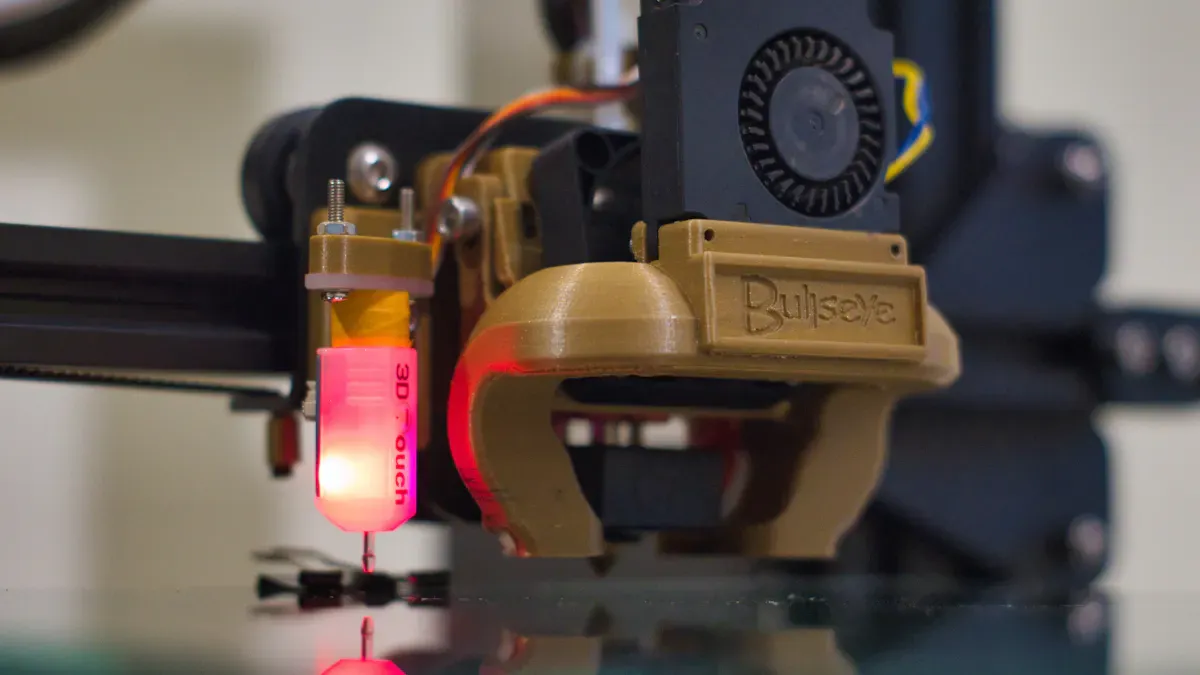
You can make speaker development faster by making prototypes early. High-fidelity prototypes use 3D printing or small batches. These let you test how real users feel about the product. Prototypes help you find problems before they get big. You get better feedback because people can touch and see the product. Getting feedback early stops late changes. This saves you time and money.
Tip: Try user surveys, test prototypes, and change designs to get feedback. If you skip this, your product might not fit what users want.
High-fidelity prototypes do these things:
Show what real users will experience.
Help you find problems early.
Let you fix your design and save money by avoiding late changes.
Leveraging Off-the-Shelf Components
You can use off-the-shelf parts to build and test speakers faster. These parts are ready to use right away. You do not have to wait a long time for custom parts. The table below compares off-the-shelf and custom parts:
Component Type | Development Timeline | Initial Cost Range | Long-term Value |
|---|---|---|---|
Off-the-Shelf | Weeks | $200 to $2,000 per unit | Lower differentiation |
Custom | 12 to 24 months | $50,000 to $500,000+ NRE | Unique brand alignment |
Off-the-shelf parts help you test ideas fast and launch sooner. If you need special features, you can use custom parts later.
Simplifying Product Features
You can make development faster by keeping features simple. Too many features can confuse users. One startup had trouble because their product was hard to use. When they made features easier, customers liked it more. Simple features help users enjoy the product. They also help your team finish on time.
Make your product simple to use.
Focus on the most important features.
Test with real users to learn what they want.
By using early prototypes, off-the-shelf parts, and simple features, you can launch speaker products faster and meet customer needs.
Workflow Optimization
Eliminating Manual Processes
Manual tasks can make speaker development slow. You spend lots of time on messages and files. Lost files and reminders waste time. Confused messages can cause missed deadlines. These problems make your team tired and stressed. You can fix this by using clear steps. Set up rules for collecting materials and sharing updates. Use shared folders or cloud storage to keep files neat. Removing manual steps helps your team work faster and make fewer mistakes.
Tip: Make a checklist for each project stage. This helps everyone know what to do and when.
Using Workflow Management Tools
Workflow management tools help keep projects on track. Tools like Trello, Asana, or Jira let you assign tasks and set deadlines. You can see what everyone is doing. You can spot delays early and fix them fast. These tools keep files and messages in one place. This makes it easy to find information and share updates.
Common challenges can happen when you try to improve workflow:
You may not see how hard and expensive product development is.
Supply chain problems can slow you down.
Agile methods may be tough for hardware projects.
Design changes can cause delays.
Field failures can hurt product reliability.
Missing shipping dates can affect your launch.
You can beat these challenges by using the right tools and checking your process often.
Regular Review of Timelines
You need to check your project timelines often. Regular reviews help you spot delays and fix your plan. Meet with your team each week to look at progress. Ask what is going well and what needs help. Update your timeline if you find problems. This keeps your project moving and helps you shorten development cycle. When you review timelines, you can react quickly to changes and keep your team focused.
Note: Use a simple chart or dashboard to show your timeline. This helps everyone see where the project stands.
Cross-Team Communication

Facilitating Collaboration
You can make speaker product development better by helping teams work together. When teams have the same goals, they all try to reach the same result. Hold meetings often with design, R&D, and production teams. These meetings help everyone know what is happening and fix problems as a group. Use tools like video calls and project management apps to connect teams in different places. Make special teams with people from different jobs for some projects. This brings new skills and ideas together. Give rewards to groups that work well as a team. Leaders should talk clearly and help teams work together. Fun team activities help people trust each other and share ideas more easily.
Set goals that all teams share
Meet often with different departments
Use tech tools to talk and share updates
Make mixed teams for special projects
Give rewards for good teamwork
Teach leaders to help teams work together
Plan fun activities to build trust
Tip: When people from different teams work together, you get new ideas and solve problems faster.
Enhancing Transparency
You need to be open so teams can work well together. When you share news and plans, everyone knows the project goals. This stops mistakes and keeps things clear. In the speaker business, sharing between marketing and product teams helps make better products for customers. Talking openly helps teams plan and use resources the right way. When everyone knows what is going on, you can stop delays and extra work. Sharing updates and letting everyone see progress helps your team do more.
Share news, choices, and progress with all teams
Let everyone see project updates
Make sure marketing and product teams work together
Note: Being open helps you launch products faster and give customers what they want.
Efficient Information Sharing
You can share news better by using digital tools that link all teams. A shared online platform lets everyone see product info right away. This stops mistakes and helps teams make fast choices. Meeting with all teams often keeps everyone up to date. Leaders should make sure all teams know the company’s main goals. In big companies, use strong ways to talk so teams do not get left out. Tools for working together help teams stay in touch and know when to use different ways to share news.
Method | Benefit |
|---|---|
Shared digital platforms | All teams can see data right away |
Regular cross-team meetings | Everyone stays informed and works together |
Clear communication channels | Less confusion and no team gets left out |
Tip: When you share news quickly and clearly, you can finish your project faster and react to market changes sooner.
You can make development cycle shorter with early planning. Agile methods help teams work faster. Process standardization keeps steps clear and simple. Advanced tools like AI help you test ideas quickly. Real-time data lets you react to market changes fast. Agile planning helps you deliver features sooner. It also improves teamwork. Regular reviews help you spot problems early. Clear goals keep your project moving forward. Companies using these strategies launch products faster. They get better feedback from customers. Their business grows stronger. Start checking your process now to stay ahead in the speaker market.
FAQ
What is the fastest way to shorten the speaker development cycle?
Start by making a plan early and set clear goals. Use Agile methods to work in small steps. Build prototypes to test ideas fast. This helps you spot problems early and fix them quickly.
How can I improve communication between teams?
Meet with all teams often. Use digital tools to share updates. Make sure everyone knows the project goals. Good communication helps teams avoid mistakes and finish on time.
Why is prototyping important in speaker development?
Prototyping lets you try out ideas early. You can find design problems before you start making the product. This saves both time and money. Early feedback helps you make better products for your customers.
What tools help manage speaker product workflows?
You can use tools like Trello, Asana, or Jira. These tools help you track tasks and set deadlines. They also help you share updates and keep your team organized.