
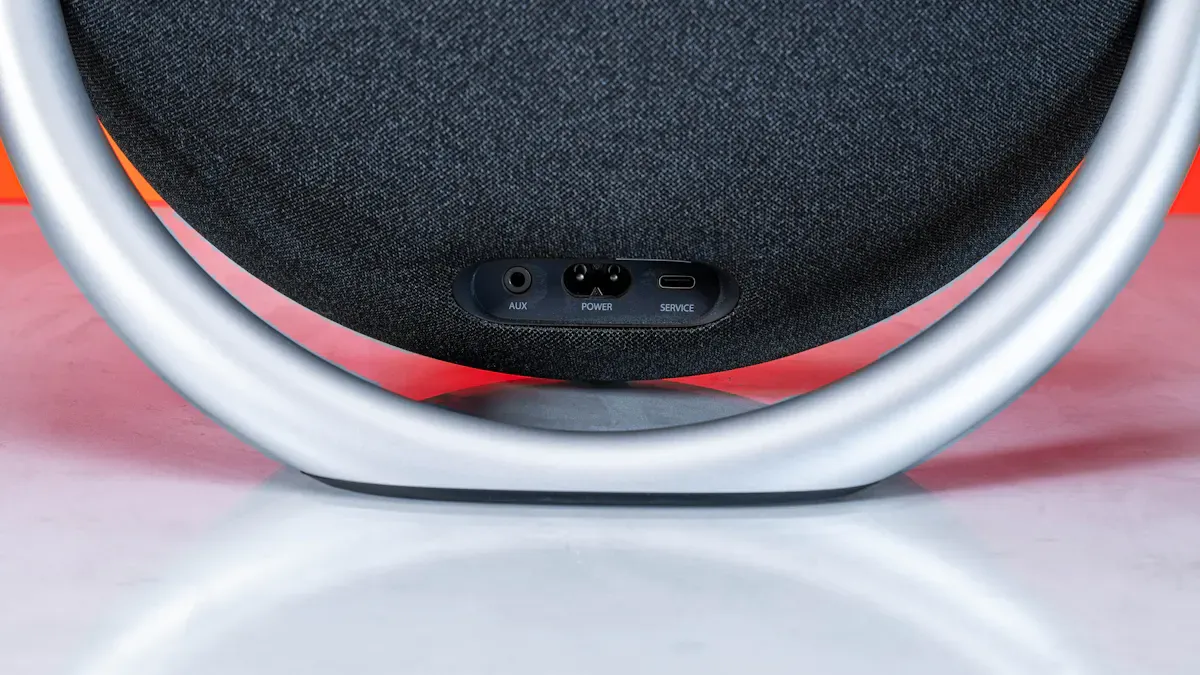
You can make your speaker sound much better with acoustic coatings. These coatings lower unwanted sound bouncing around. This bouncing can change high tones by up to 60 dB. It can also change low tones by 41 dB in rooms without treatment. When you use coatings, the sound is smoother and clearer. More people want these solutions, which shows they are important in audio. Think about how your room changes the sound and what you want to fix.
Key Takeaways
Acoustic coatings help make sound better by stopping extra echoes and reflections in your room.
Picking the right coating material is very important. You should check if it works well with your speaker’s cabinet material for the best sound.
Putting on coatings the right way makes sound clearer. Make sure you use even layers and cover spots where sound bounces a lot.
Taking care of acoustic panels, like cleaning them and looking for damage, keeps sound good for a long time.
Asking experts like ZEH Audio can give you special help and support for setting up your speakers to get the best sound.
Acoustic Coatings and Sound Quality
Reducing Reflections and Reverberation
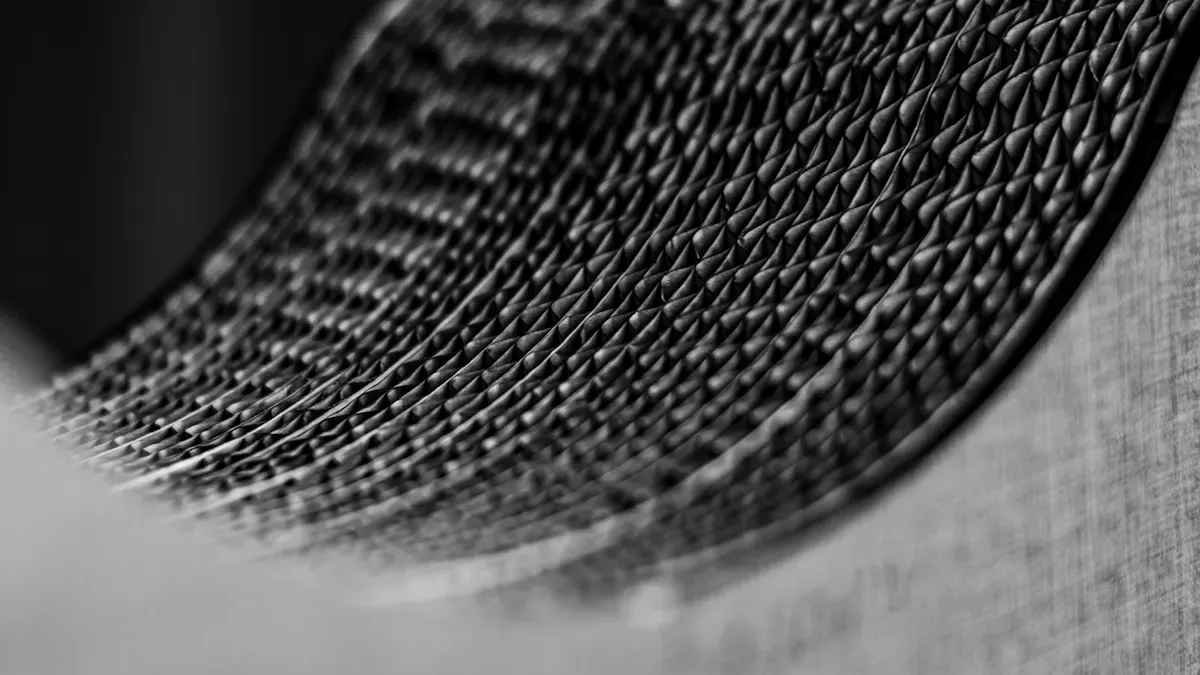
When you put speakers in a room, sound hits hard surfaces. The sound bounces back and makes echoes. This can make music or speech hard to hear. Acoustic coatings help fix these problems. You put coatings on surfaces near your speakers. They soak up sound waves and keep them from bouncing back.
Acoustic treatments like coatings lower sound bouncing and echoes in offices.
Soft materials grab and quiet sound waves, stopping echo problems.
Acoustic panels made from things like fabric-wrapped fiberglass soak up mid and high sounds and cut down echo.
You notice a big change with the right materials. Soft coatings are best for high and mid sounds. Hard surfaces bounce more sound, so cover them with something soft. This makes your audio sound clearer and nicer. If you work with audio or run a brand, you know stopping echoes is important for good sound.
Tip: Put acoustic coatings on walls and ceilings near your speakers. This helps you stop echoes and keeps your sound sharp.
Enhancing Clarity and Frequency Response
You want your speakers to show every detail in music or speech. Acoustic coatings help you do this. They make sound clearer by stopping waves from mixing and making noise. When you use coatings, you hear more real sound and less noise from the room.
Tests show that sealing speaker parts with special coatings like PDMS can make sound louder. For example, you can get a 4.9 dB boost at 20 Hz for low sounds. This happens because the coating stops air leaks and keeps sound from escaping. At high sounds, like 18.7 kHz, the sound can get louder by about 16.5 dB. This helps fix dips in sound caused by parts shaking out of sync.
Pick coatings that fit your speaker’s needs. If you design speakers for OEM or ODM, choose materials that seal well and are not heavy. This helps you keep sound clear at all frequencies.
Frequency Range | SPL Improvement | Benefit |
|---|---|---|
Low (20 Hz) | +4.9 dB | Stronger bass, less leakage |
High (18.7 kHz) | +16.5 dB | Clearer treble, less distortion |
Acoustic coatings help you control your sound better. You can make products with clearer sound and balanced frequencies. This makes your brand stand out in the audio market.
What Are Acoustic Coatings?
Acoustic coatings are special layers for speaker parts or surfaces. People use them to change how sound waves move. These coatings help stop unwanted vibrations, echoes, and noise. You can make your speakers sound better by picking the right coating.
Types and Materials
There are many types of acoustic coatings you can buy. Each type has its own materials and effects on sound. Here are some common types:
Coating Type | Material Properties |
|---|---|
Oil-based Varnish | Absorbs sound waves at many frequencies. Changes how much sound bounces or gets soaked up. |
Spirit Varnish | Works like oil-based varnish. Helps with soaking up sound. |
Nitrocellulose Varnish | Makes special changes to sound. Changes how sound is soaked up or bounced. |
You can also find coatings made from polyurethane, rubber, fiber, and green materials. Polyurethane helps stop shaking and keeps out water. Rubber coatings make things bendy and lower shaking. Fiber coatings, like felt or wool, soak up sound and make it clearer. Green choices use recycled or natural stuff for the planet.
You need to think about what your speaker is made of too. For example:
MDF (Medium Density Fiberboard): It is thick, soaks up shaking, and loses energy fast.
Plywood: It is strong and light, makes sound lively, and you can change it with thickness or more layers.
Some coatings, like epoxy adhesives, do not soak up much sound but block it well. They are stiff and not very open, so they do not soak up a lot. The size and feel of the coating can matter more than how thick it is.
How They Work in Speakers
Acoustic coatings change how speaker parts move and sound. They add damping, which means they soak up extra energy and stop shaking. This makes the sound clearer and less harsh.
Constrained Layer Damping (CLD) uses a sandwich shape. You put a soft layer between a metal piece and a hard layer. When the metal shakes, the soft part bends and turns shaking into heat. This stops extra shaking and makes the speaker sound better.
You can use coatings to make the speaker part harder or softer. A harder part gives you sharper sound. More damping stops ringing and echo. You get better control over bass, mid, and high sounds.
When you pick coatings, look for the right mix of soaking up sound, lasting long, and price. ZEH Audio gives smart choices and advice to help you pick the best materials for your speakers.
Selecting Acoustic Coatings
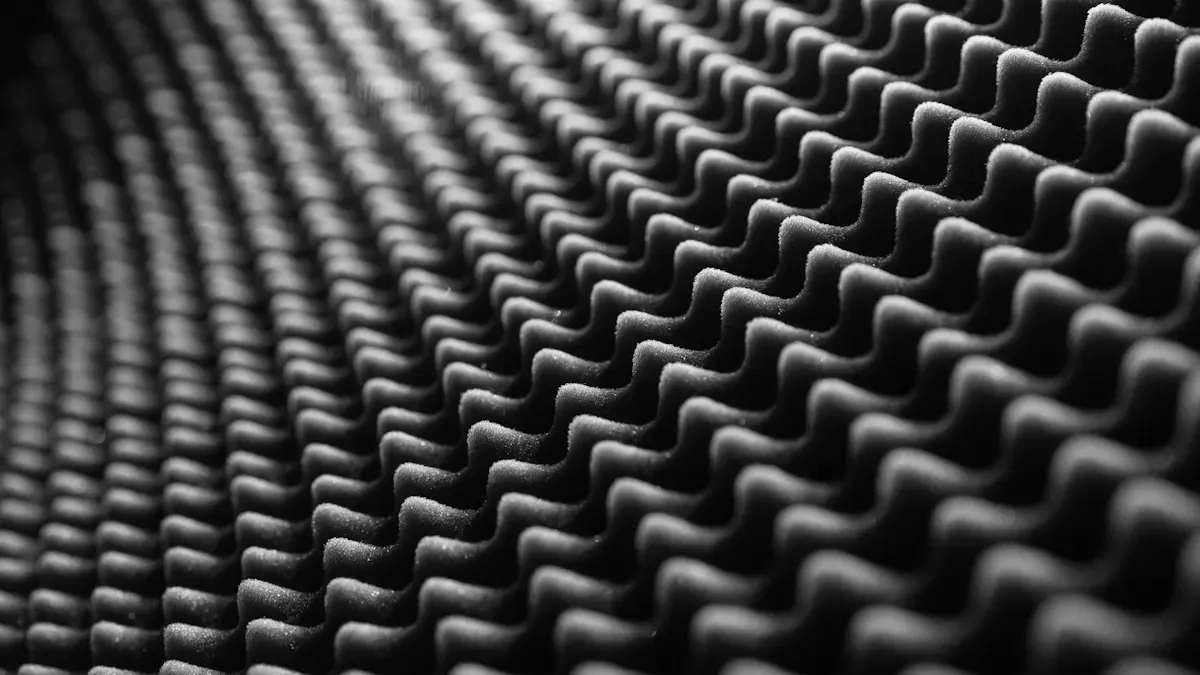
Choosing the right acoustic coatings for your speakers can make a big difference in sound quality and product value. You need to look at how well the coating matches your speaker material, how you plan to apply it, and what your project needs. This section will help you understand what to check before you decide.
Material Compatibility
You want your coating to work well with your speaker cabinet. Each material, like MDF, plywood, or metal, has its own needs. You should check three main things: density, stiffness, and internal damping. These factors affect how your speaker handles sound and vibration.
Criteria | Description |
|---|---|
Density | Mass per volume; higher density can improve bass but adds weight. |
Stiffness | Resistance to bending; stiffer panels vibrate less and keep sound cleaner. |
Internal Damping | How fast vibrations die out inside the material; more damping means less noise. |
If you use MDF, you get good internal damping and a solid feel. Plywood gives you a lighter box with a lively sound. Metal cabinets need coatings that stop ringing and control sharp sounds.
When you pick a coating, think about how it will stick to your cabinet. Polyurethane works well on wood and metal. It adds a tough layer and helps block water. Rubber coatings make surfaces flexible and cut down on shaking. Fiber coatings, like felt or wool, soak up sound and work best on flat panels. Eco-friendly coatings use recycled or natural materials. They help you meet green goals and can still give good sound control.
Tip: Always test a small area first to see how the coating reacts with your cabinet material.
Application Methods
How you put on the coating matters as much as what you use. You can brush, spray, or roll most coatings. Each way has its own benefits.
Brushing gives you control and works well for small areas or touch-ups.
Spraying covers large surfaces fast and gives a smooth finish.
Rolling is good for flat panels and helps you get an even layer.
You should also think about where you place the coating. For the best results, put panels or coatings on walls and ceilings near your speakers. This helps stop sound from bouncing around. Use foam or mineral wool for sound absorption. Place them at points where sound reflects the most.
When you plan your project, look at these factors:
Budget: Pick coatings that last long and look good without costing too much.
Sustainability: Choose coatings made from recycled or renewable materials. Look for green certifications if you need them.
Project Needs: If your speakers go in wet or busy places, pick coatings that resist water and damage.
Performance: Check the Noise Reduction Coefficient (NRC) and absorption ratings. Make sure the coating works for the sounds you want to control.
Mounting: Think about how you will install the coating. Some methods change how well it works and how it looks.
Design: Work with your supplier to find coatings that match your style and sound goals.
Consideration | Description |
|---|---|
Sustainability | Use coatings that help you meet green goals and reduce harm to the planet. |
Fire Safety | Make sure coatings meet fire rules. Do not use materials that have not been tested for safety. |
Integrated Planning | Involve sound, safety, and green experts early to get the best results for your project. |
Modern acoustic coatings help you get better sound and lower noise. They also help you meet safety and green rules. ZEH Audio offers expert advice and a wide range of coatings. You can find the right match for your speaker, your brand, and your market.
Note: Good planning and the right coating can help your speakers sound their best and look great in any space.
Installation Tips and Mistakes to Avoid
Best Practices
You want your acoustic coatings to work well. First, get all the tools and materials you need. Use adhesives, sealants, and sound-absorbing materials. Soundproof paint and special paint help stop sound from bouncing. Damping compounds and foams like melamine or polyurethane help control noise. Bass traps are good for stopping deep sounds in corners.
Adhesives and sealants
Sound-absorbing materials and foams
Soundproof and special paints
Damping compounds
Bass traps
Put on coatings in even layers. Use the right number of layers for your varnish. Five or ten layers of oil-based varnish can make sound fuller at 1.5 kHz. Too many layers can make sound too soft or too sharp. Always read and follow the instructions from the maker.
ZEH Audio uses smart tests to help with installation. Their team helps you pick the best materials and ways to put them on. You get custom help for MDF, plywood, or metal cabinets.
Tip: Put panels and coatings where sound bounces most, like across from speakers or in corners.
Common Errors
Mistakes can make your acoustic coatings not work well. Some people do not cover enough wall space. You need to cover enough area to soak up sound. Some put panels too high or too low and miss the main sound path. Corners are often missed, but sound can build up there and make echoes.
Not covering enough wall area
Putting panels at the wrong height
Forgetting corners
Using the wrong glue or mounting way
If you do not apply coatings right, sound will not be as good. For example, too few layers of spirit varnish can make sound nasal. More than ten layers of oil-based varnish can make sound too soft. Too many layers of spirit varnish can make sound too sharp.
Varnish Type | Layers Applied | Acoustic Effect |
|---|---|---|
Oil-based varnish | 5 or 10 | Fuller sound at 1.5 kHz |
Spirit varnish | N/A | Nasal tone if absorption is too low |
Oil-based (>10) | >10 | Sound becomes too soft |
Spirit (>10) | >10 | Sound becomes too sharp |
Keep your panels clean by vacuuming them often. Check for damage and change broken panels. ZEH Audio can help you avoid mistakes and get great sound every time.
Acoustic coatings help make sound clear by stopping echoes and noise. You can make your speaker work better if you pick good materials and put them on the right way.
Acoustic panels and coatings soak up extra sound and make things clearer.
Putting them in the right spot and using better materials helps you get the best sound.
Professional Service | Benefit |
|---|---|
Custom Acoustic Solutions | Special designs for what you need |
Installation Coordination | Easy setup and results you can trust |
You can also try bass traps, ceiling clouds, and digital tools to fix sound in your room. If your project is hard, you should ask an expert for help to get the best sound.
FAQ
What is an acoustic coating in speaker design?
An acoustic coating is a special layer for speakers. You put it on speaker parts or surfaces. It helps control sound bouncing and lowers shaking. This makes the sound clearer and better. Your audio products will sound nicer with this layer.
How do I choose the right acoustic coating material?
Pick a coating that matches your cabinet material. If you have MDF, use polyurethane or fiber coatings. For metal, rubber or damping compounds work best. Always test if the coating works well. ZEH Audio can help you pick the right material.
Where should I apply acoustic coatings for best results?
Put coatings on walls, ceilings, and speaker panels close to the sound. Focus on spots where sound bounces a lot. Corners and flat places need good treatment. ZEH Audio can help you find the best spots for coatings.
Can acoustic coatings improve both bass and treble?
Yes, they can help both bass and treble. Coatings boost bass by stopping leaks and shaking. They make treble better by cutting down echoes. You get balanced sound if you use the right materials and methods.
Why choose ZEH Audio for acoustic coating solutions?
ZEH Audio has many advanced coatings for you. You get help from experts and custom choices. Their team helps you get better sound and reach your goals. They support OEM, ODM, and brand needs.