
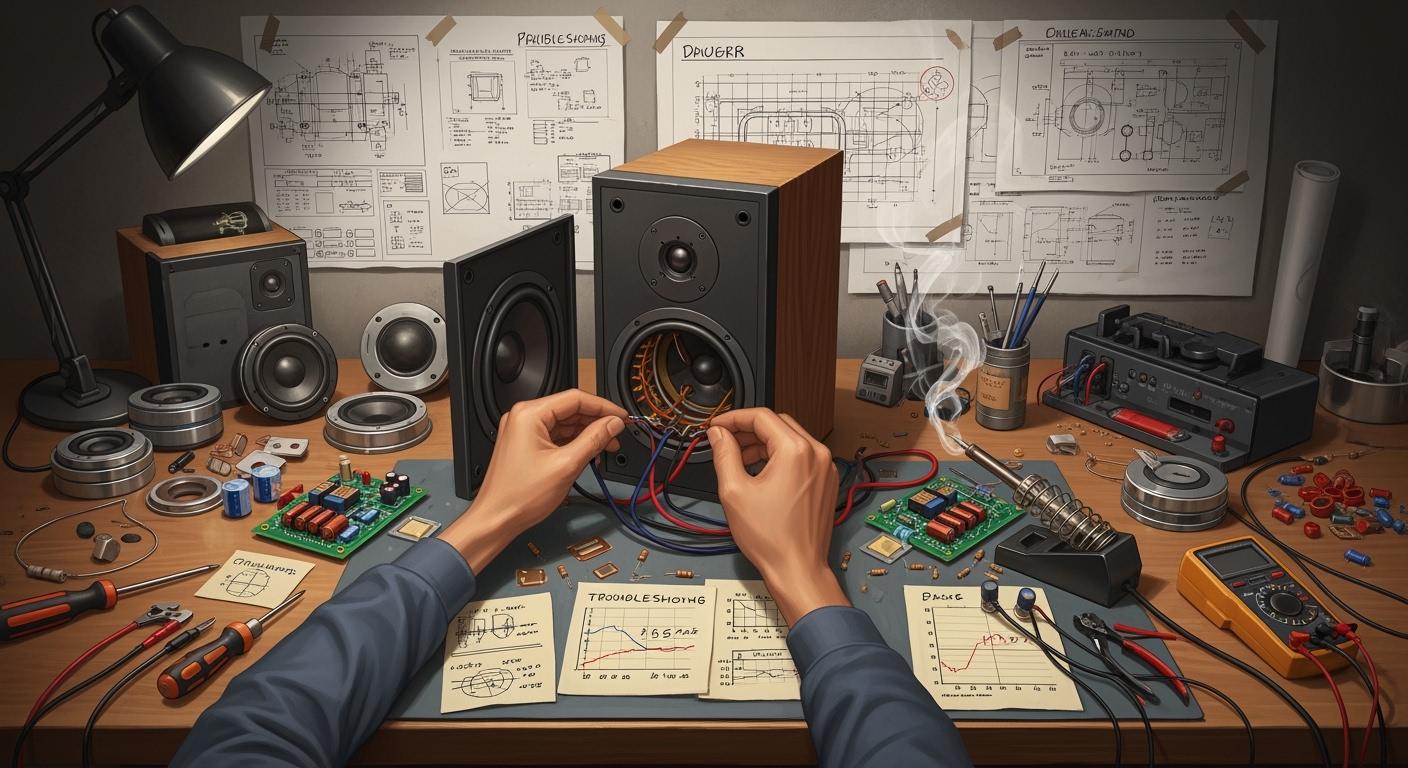
You go through many steps to make custom speaker products. You need to look at what people want at every step. You must pay attention to details and keep high quality. There are special technical problems when making speakers. Many companies say new ideas come fast and old technology becomes useless quickly. Problems in getting parts also make building speakers harder.
Challenge | Description |
|---|---|
Technological Obsolescence | Wireless and smart features change fast, so old speakers become outdated. |
Rapid Innovation | You have to change speaker designs often for new customer needs. |
Supply Chain Disruptions | Not enough parts can slow down making speakers and hurt quality. |
You should know about these problems before you start making a speaker.
Key Takeaways
Learn what customers want before you design the speaker. This helps make sure your product is wanted.
Make a clear Product Requirements Document (PRD) for your team. This stops people from getting confused when making the speaker.
Pick good materials for your speaker box. The material changes how the speaker sounds and how long it lasts.
Test your first models a lot to check if they work right. Make sure they sound good and match the design rules.
Use strong quality checks during the whole making process. This keeps your speakers at a high standard.
Custom Speaker Products: Process Steps
Demand Analysis and PRD
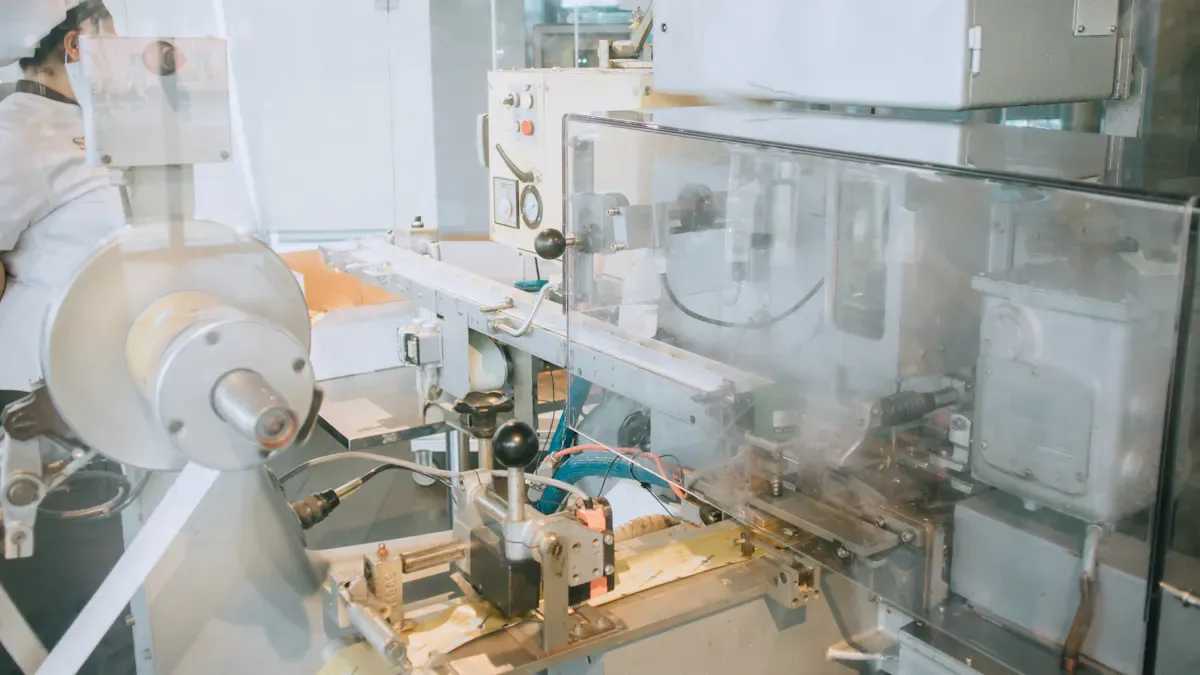
You start the journey of custom speaker products by understanding what customers want. You look at the market and break it down into groups like product type, size, end use, sales channel, and price range. This helps you see which speakers people want the most. You also check how well your suppliers perform. You ask them to compare themselves to others, look at their prices, and see how often they deliver on time. You talk to them often to solve problems quickly.
A Product Requirements Document (PRD) comes next. This document is your guide. It tells everyone on your team what the speaker should do and how it should look. The PRD helps you spot problems early. It also sets clear rules for the design. When you write a good PRD, you make sure everyone works toward the same goal.
Tip: Always lock in your product definition before you ask for pricing. This step saves you time and avoids confusion later.
Design and Customization
You move to the design stage after you finish the PRD. Here, you focus on how the speaker will look and sound. Customization is key. You might want a speaker for home use, or maybe for a smart device. You pick the features and shape that fit your needs.
You can use different design strategies to make your custom speaker products stand out. For example, you can use modular design. This means you create speaker parts that fit many models. You can also roll out your most important model first to test the market. Sometimes, you use the same speaker driver in several products to save money. You talk clearly with your manufacturer so they know exactly what you want.
Strategy | Description |
|---|---|
Modular Design | Make custom drivers fit standard frames to lower costs. |
Phased Rollouts | Start with the most important model to check demand. |
Consolidate Components | Use the same driver in many speakers to save money. |
Hybrid Sourcing | Get special parts from top factories and assemble them in places with lower order needs. |
Clear Communication | Give detailed instructions to avoid mistakes and get better deals. |
Prototyping and Testing
Once you finish the design, you build a prototype. This is your first real speaker. You test it to see if it meets your needs. You use many methods to check the speaker. You do mechanical and thermal tests to make sure it lasts. You use computer tools like Finite Element Analysis to control vibration. You also check if the design is easy to build and put together.
You run special tests like Engineering Validation Tests and Design Verification Tests. These tests show if your speaker is ready for production. You want to make sure your custom speaker products work well and can be made many times without problems.
Mechanical and thermal testing for reliability
Finite element analysis for vibration control
Design for Manufacturability to make building easier
Design for Assembly to speed up putting parts together
Engineering Validation Test for design check
Design Verification Test for final approval
Build a Speaker Box: Enclosure Design
The enclosure, or speaker box, is very important. It shapes how your speaker sounds. The box keeps the sound waves from the front and back of the speaker apart. This stops the waves from mixing and causing bad sound. The box also helps the speaker make better bass. It protects the inside parts from dust and damage. The way you design the box changes how loud and clear the speaker sounds.
You must pick the right materials for your speaker box. Each material changes the sound in a different way. For example, poplar wood gives clear sound but not much bass. Solid wood is good for low and mid sounds. MDF makes strong bass but can lose some clarity. Plywood is tough but gives average sound. Plastic is light but can vibrate too much. Metal is strong but can make unwanted sounds if not thick enough.
Material | Acoustic Properties | Thickness Considerations |
|---|---|---|
Poplar Wood | Clear sound, less bass | Needs to be thick for clarity |
Solid Wood | Accurate low and mid sounds | Thick enough to control sound and look good |
MDF | Strong bass, less clear mid sounds | Thicker for better bass and less distortion |
Plywood | Tough, average sound | Needs to be thick to stop bending |
Plastic | Light, easy to shape, can vibrate | Thinner, may need extra support inside |
Metal | Very strong, can make extra sounds | Must balance thickness and weight |
Quality Standards and Documentation
You finish the process by setting quality standards and writing everything down. You write clear rules that everyone can follow, even if they speak different languages or work in different places. You do a pilot run to make sure you can build the speaker the same way every time. You keep records of every step. This helps you fix problems fast and keeps your custom speaker products at a high level.
Note: Good documentation helps you keep your speaker quality high and makes it easier to solve problems in the future.
You now see that every step, from demand analysis to final checks, shapes the success of your custom speaker products. Customization guides your choices at each stage. You must pay attention to design, materials, and testing to build a speaker that meets your needs.
Technical Difficulties in Speaker Building
Acoustic Design Challenges
Custom speaker products have many acoustic design challenges. Every speaker must balance science and your needs. If you want a taller speaker, you change the bracing and port tuning. These changes affect the sound. You also need to think about crossover design. Crossovers split sound into high, mid, and low frequencies. Good crossover design helps each driver play its best sounds.
Special drivers or shapes make building harder. You must test each part to meet your goals. Sometimes, you use hand-assembled drivers with special parts. This means you need careful testing to reach your targets.
New technologies can help solve design problems. Activated carbon inside the box manages air pressure. This lets you get better bass from a smaller box. Airtight sealing and damping materials reduce unwanted sounds. Engineers use Finite Element Analysis to improve design and shape. These methods help you get the best sound, even if you change the size or look.
Tip: Always test your crossover design with the real drivers you plan to use. This step helps you avoid surprises in sound quality.
Component Sourcing and Compatibility
Finding the right parts for custom speakers is not easy. High tariffs can make parts cost more than finished speakers. This problem is called tariff inversion. You must decide if you build your speaker at home or import it. You also need to test every part from different suppliers. This step makes sure your speaker works well and lasts long.
You must match the amplifier and speaker drivers. Using parts from the same maker gives better compatibility. This match improves reliability. You also need to check the impedance of your speaker and amplifier. If you do not match impedance, you can damage your equipment. Good impedance matching helps your speaker play louder and clearer.
Crossover design is important for compatibility. You must pick the right crossover points for your drivers. Wrong points can lower sound quality. You also need to test your crossovers with your amplifier and drivers. This step helps you find problems before you finish your speaker.
Choose amplifiers and drivers from the same brand for better compatibility.
Match speaker impedance to the amplifier for safe and clear sound.
Test all components together before final assembly.
Adjust crossover design to fit your chosen drivers.
Handcrafting and Assembly Issues
Hand-building custom speakers brings many challenges. You must pick the right materials for your speaker box. Dense and rigid materials like MDF or Baltic Birch plywood work best. These materials stop the box from vibrating and changing the sound. You also need to add bracing inside the box. Bracing keeps the box strong and helps the speaker sound better.
You must use acoustic damping materials inside the box. These materials absorb unwanted sound reflections. You should measure your speaker drivers before you design the box. Do not just trust the numbers from the maker. Real measurements help you design the best box and crossover for your speaker.
Technique | Description |
|---|---|
Material Choice | Use dense, rigid, and non-resonant materials like MDF or Baltic Birch plywood for cabinet construction. |
Bracing | Implement braces to prevent cabinet vibrations that can distort sound quality. |
Acoustic Damping | Line the enclosure with materials like acoustic foam or fiberfill to absorb unwanted sound reflections. |
Measurement | Measure driver parameters to ensure optimal enclosure design, rather than relying on manufacturer data. |
You must pay attention to assembly. Mistakes in assembly can hurt the sound or damage the speaker. Good crossover design and careful assembly help you avoid these problems.
Consistency and Quality Control
Strong quality control makes sure every speaker meets your standards. You should use a Golden Sample as your reference. This sample shows what your finished speaker should look and sound like. You check every speaker against this sample during production.
You must test each speaker for sound quality. You can use a rub-and-buzz test to find problems. You should also check frequency response, total harmonic distortion, impedance, and sensitivity. These tests help you find and fix problems early.
Speaker building needs many quality checks. You start with Incoming Quality Control to check parts. You use In-Process Quality Control during assembly. You finish with Final Quality Control to check the finished speaker. This system helps you keep your speaker building consistent.
Quality Assurance Measure | Purpose |
|---|---|
Logo alignment verification | Ensures branding accuracy using computer vision systems |
Color consistency assessment | Maintains visual quality with spectrophotometers |
Durability testing | Assesses branding elements against wear and environmental factors |
Acoustic impact assessment | Evaluates how branding affects sound quality |
You may see failures in design, component quality, assembly, or from suppliers. You must check for these problems at every step. Good crossover design and careful testing help you keep your speaker building at a high level.
Note: Consistent testing and documentation help you catch problems early and keep your speaker quality high.
How to Build a Speaker Box: Best Practices
Material Selection Tips
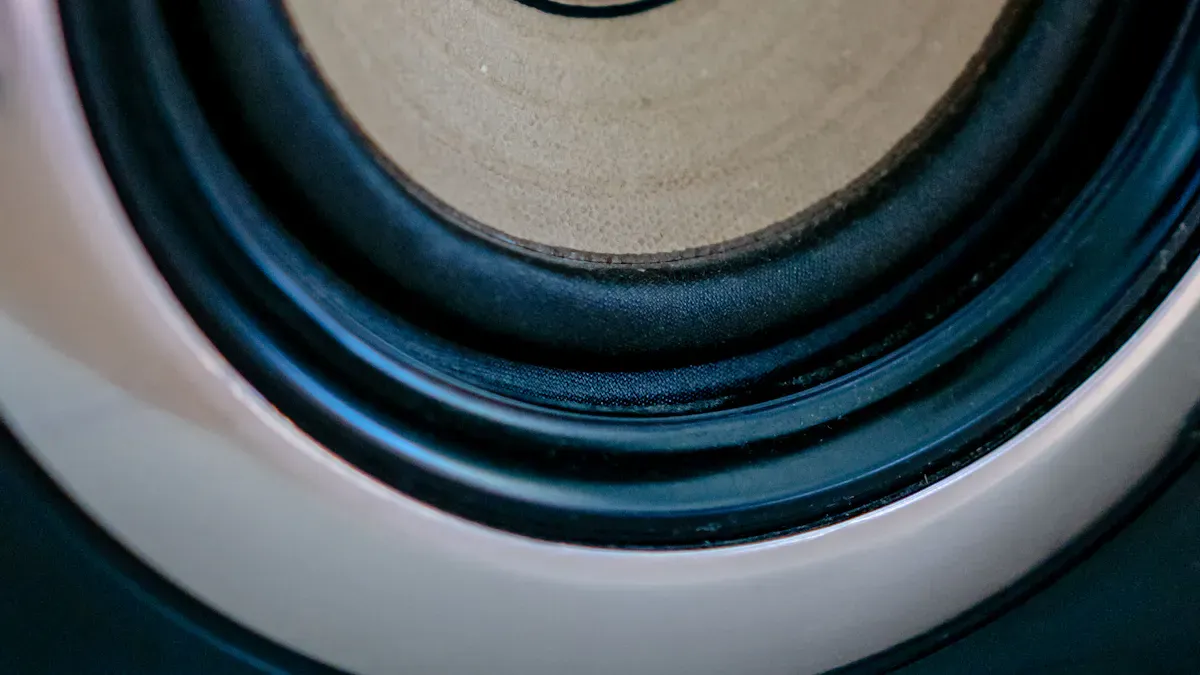
When you build a speaker box, you need to pick the right materials. The material you use changes how your speaker sounds and how long it lasts. MDF is best for most home and studio boxes. MDF makes your speaker sound clear and stops extra noise. If you want a strong and light box for outside or pro use, use Baltic birch plywood. This plywood does not get damaged by water and stays strong. For solid wood boxes, choose woods like cherry or walnut. These woods do not move much and look nice. Always seal wood boxes to keep out water.
You can use plastics or composites if you want a speaker you can carry. These boxes are good if you need them to handle bad weather. If you want a special shape, use fiberglass. Metal boxes need extra padding to stop ringing sounds. Do not use particle board because it breaks easily and does not sound good.
Material | Sound Quality Impact | Durability Impact |
|---|---|---|
Poplar Wood | Makes sound clear but has weak bass | Light but breaks easier |
Solid Wood | Gives true sound but can vibrate | Changes with heat and water |
MDF | Makes bass strong but mid sounds less clear | Gets ruined by water |
Plywood | Has average sound and is steady | Strong and handles water but is heavy |
When you build a speaker box, think about sound, strength, and price. The type of box you make, like sealed or ported, also changes which material is best.
Prototyping for Performance
You need to make a test box to see how your speaker will sound. Start with a simple plan. Good planning helps you make fewer mistakes. Use normal parts so you do not have to wait for special ones. Keep wires short inside the box to stop noise. If your speaker gets hot, use bigger wires or add heat sinks.
Try 3D printing if you want to change your box fast. You can change the shape or size in just a few minutes. This lets you test new ideas quickly. When you build a speaker box, you can use 3D printing to make round or special shapes. This helps you get better sound and more design choices.
Tip: Always check your test box. Listen for rattles or buzzing. Change your plan if you hear problems.
Testing and Optimization
Testing is very important when you build a speaker box. You need to check how it sounds and how strong it is. Tap the box. MDF should make a dull sound. This means it stops extra shaking. Add braces inside to make the box stronger. This helps your speaker sound better.
Match your box to your speaker drivers. A good match gives smooth sound. Test your speaker for how it plays different sounds and if it makes extra noise. If you find problems, change your plan or add more braces. Use strong hardware and coatings for boxes used outside. This keeps your speaker safe from water and sun.
When you build a speaker box, always test and make it better. Each test helps you get better sound and a box that lasts longer. You will learn how to build a speaker box that works for you and sounds great.
You now know that making a speaker needs good planning and teamwork. You have to mix engineering, acoustics, and design to make a special speaker. Keeping records and checking quality helps your speaker work well. You test each speaker prototype to see if it is strong and works right.
New ideas like spatial audio, AI, and green materials will change how speakers are made.
Trend | Impact on Speaker |
|---|---|
Spatial Audio | Makes the sound feel all around |
AI Tools | Lets the speaker fit any room |
Sustainability | Makes building speakers greener |
FAQ
What is the most important step in the speaker building process?
You need to focus on crossover design. Crossover helps each driver play the right sounds. Good crossover design improves sound quality. You also need to check your enclosure and materials. Each part of the speaker project matters, but crossover makes the biggest difference.
How thick should a speaker box be for best sound?
You should use thick materials for your enclosure. MDF or plywood works well. For most home speakers, use at least 0.75 inches. Thicker walls help stop vibrations. This makes your speaker box sound better and last longer.
Why do I need a crossover in my speaker project?
Crossover splits sound into high, mid, and low parts. Each driver gets the right sound. Without crossover, your speaker can sound bad. Crossover design lets you control which driver plays which sound. You get clear music and better quality.
Can I use any materials to build a subwoofer speaker box?
You should pick the best material for speaker boxes. MDF and plywood work best for subwoofers. These materials make your enclosure strong. They help your subwoofer play deep bass. Avoid weak materials. Good materials improve sound and quality.
How do I start with speaker box customization?
You start by choosing your drivers and planning your enclosure. Think about the size and shape you want. Pick the right materials. Focus on crossover design and assembly. Customization lets you build a speaker box that fits your needs and style.