
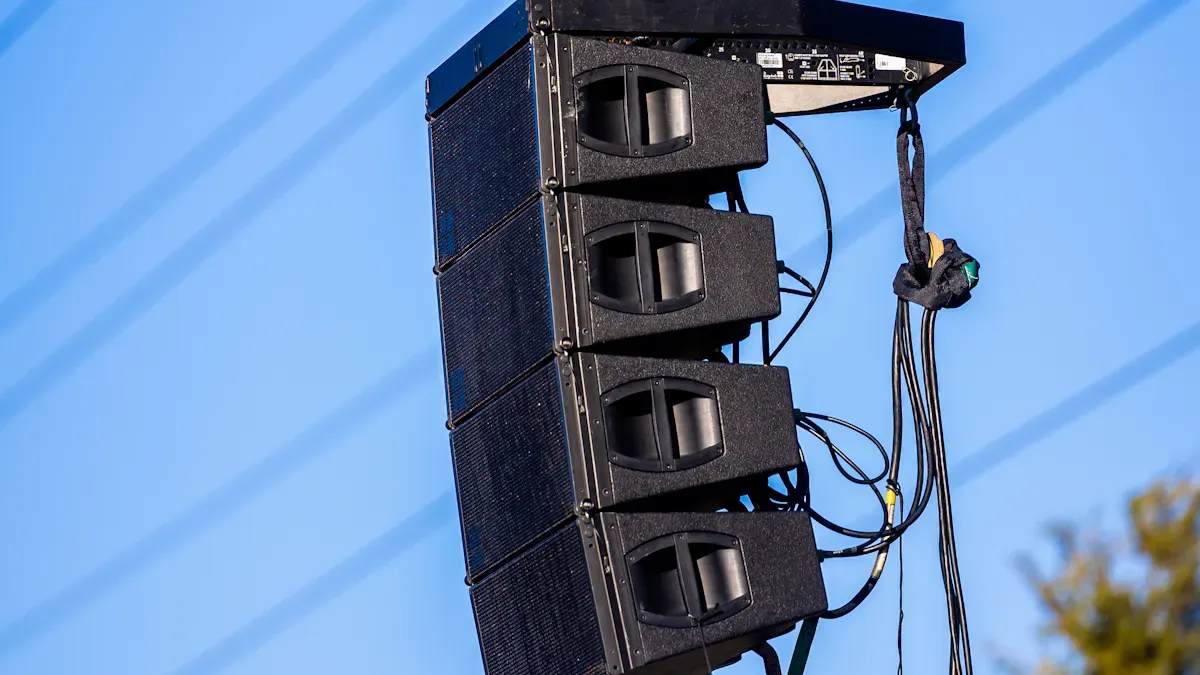
You may ask if outdoor speakers need a receiver or amplifier. Most outdoor speakers are passive devices. They need an amplifier to play music. Active speakers have amplifiers inside them, so you only plug them in. Passive and active speakers have different setups. But do not worry—picking the right one is not hard!
Key Takeaways
Most outdoor speakers are passive. They need a receiver or amplifier to work right.
Active outdoor speakers have amplifiers inside them. This makes setup fast and easy. You just plug them in and play music.
Outdoor places need more power for clear sound. Use at least 50 watts RMS for good sound.
Pick weatherproof equipment and take care of the cables. This helps your outdoor sound system last longer.
Think about where you will listen when placing speakers. Do not put them in corners or near walls. This stops the sound from getting messed up.
Do Outdoor Speakers Need A Receiver Or Amplifier
Quick Answer
Most outdoor speakers need a receiver or amplifier. Passive outdoor speakers cannot play music by themselves. They need another device to give them power and connect to your music. If you want to listen to music outside, you must use a receiver or amplifier to make your speakers work. Active outdoor speakers are not the same. They have amplifiers inside, so you just plug them in and connect your music. Most people use passive speakers outside, so you will probably need a receiver or amplifier.
Why Amplification Is Needed
Outdoor speakers have special problems. You want your music to be clear and loud enough for everyone. There are no walls outside to bounce sound back. This means your speakers must work harder to fill the space with music. You need more power outside than inside. Outdoor speakers need more wattage to be as loud as indoor speakers. If your speakers are far from people, you need even more power.
Here are some reasons why outdoor speakers need amplification:
Outdoor speakers need more wattage because open air does not reflect sound like walls do.
You should use at least 50 watts RMS per channel for good speakers close to people. If your speakers are not very efficient or are farther away, you need more power.
Passive outdoor speakers must connect to an amplifier. The amplifier gives them power and connects your speakers to your music.
If you try to use outdoor speakers without enough power, you will have problems:
The sound may not be loud enough outside.
You might hear distortion, which makes music sound rough or unclear.
An amplifier that is too weak can hurt speaker parts, especially the high-frequency drivers.
Outdoor speakers need the right receiver or amplifier to work well. You want your music to sound good and reach everyone in your yard or patio. If you pick the right equipment, you will not have these problems and you will protect your speakers.
Outdoor speakers also help you make parties, family events, or relaxing nights more fun. ZEH Audio helps business clients by giving them complete speaker system solutions. Their way of making products keeps them the same and working well. If you work with a company like ZEH Audio, you get great sound and an easier supply chain. You can trust your outdoor speakers to play clear music every time.
Passive vs. Active Outdoor Speakers
What Are Passive Speakers
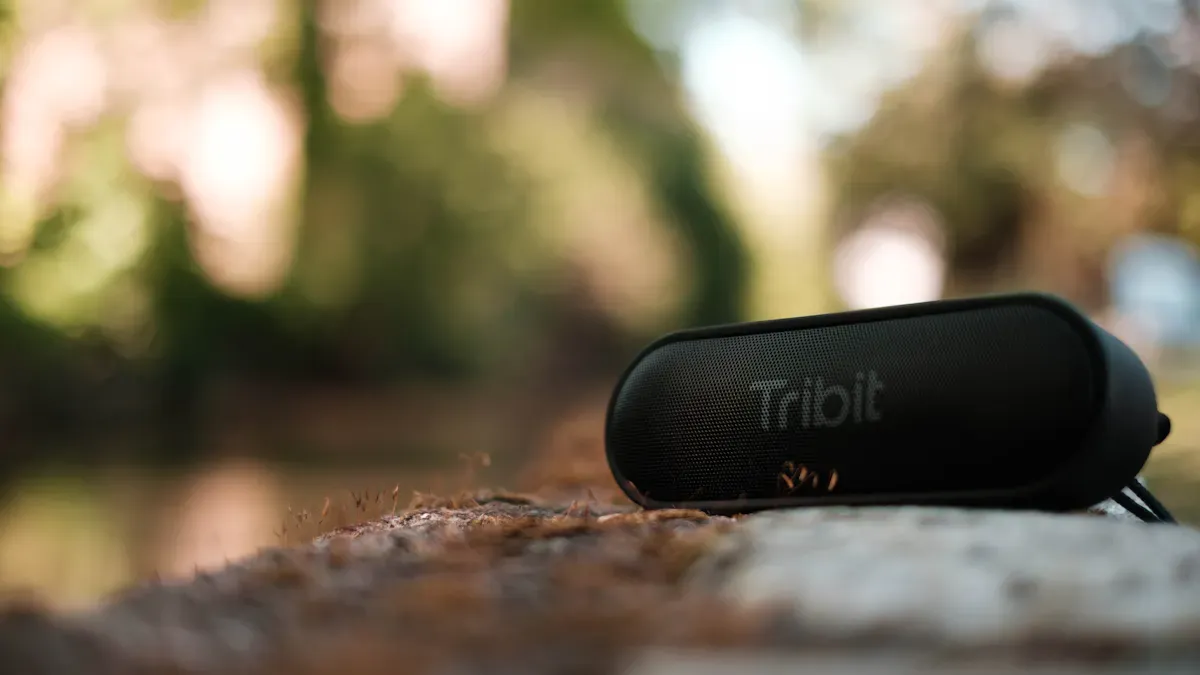
When you shop for outdoor speakers, you may see “passive outdoor speakers.” These speakers do not have amplifiers inside them. They need an amplifier or receiver to work. Passive speakers also do not have their own power source. They get power from another device. You use speaker wire to connect passive speakers to your receiver or amplifier. This setup lets you pick the amplifier you want. You can choose one that fits your needs and how much you want to spend.
Passive outdoor speakers do not have amplifiers inside.
They get power from a receiver or amplifier.
You need speaker cables to hook them up.
Many people like passive outdoor speakers. You can mix and match parts. You can control how your music sounds and how loud it gets.
What Are Active Speakers
Active outdoor speakers are different from passive ones. They have amplifiers built inside the speaker box. You do not need a separate amplifier or receiver. You just plug them into a wall and connect your music player. This makes setting them up very easy. Active outdoor speakers are all-in-one systems. You do not need extra speaker wires, so your area stays neat.
Active outdoor speakers have amplifiers inside.
You only need to plug them in and play music.
Here are some good and bad things about active outdoor speakers:
Advantages | Disadvantages |
|---|---|
You save money because the amplifier is built in | The speakers are heavier |
Built-in crossovers make sound better | Harder to fix if they break |
Each part of the speaker has its own power amp | |
No need for speaker wires, so less mess | |
The drivers are protected and last longer | |
Power amps stay cool better | |
Heavier speakers can sound better | |
Easy to adjust for your space | |
Stops sound problems in digital music | |
Watch out for cheap Class D amplifiers |
Which Type Needs A Receiver Or Amplifier
You may wonder which outdoor speakers need more equipment. Passive outdoor speakers always need a receiver or amplifier. They will not work without one. Active outdoor speakers, or powered speakers, do not need extra equipment. They have amplifiers inside. You just plug them in and play music.
If you want to change your system and pick your own parts, passive outdoor speakers are a good idea. If you want something easy to set up, active outdoor speakers are better. ZEH Audio helps business customers by selling both kinds. Their way of making products fixes problems with matching parts and keeps them working well. You get good quality and an easier way to buy outdoor speakers.
Outdoor Speaker Setup
Setting Up Passive Speakers
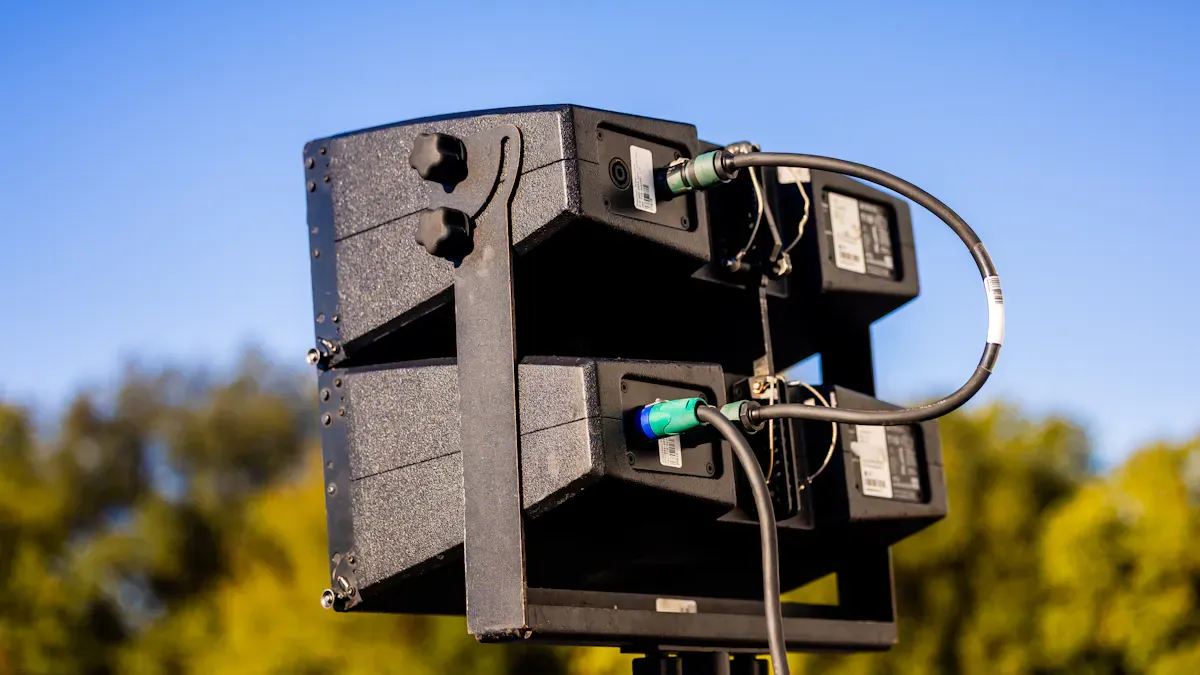
You want to set up outdoor speakers for your yard or patio. Most outdoor speakers are passive. You need both a speaker and an amplifier or receiver. The amplifier or receiver should stay inside to keep it safe from rain and sun. Here is how you set up passive outdoor speakers:
Pick an amplifier or AV receiver that matches your speakers.
Choose speaker wire that is the right size and length.
Use connectors like banana plugs for clean, rust-free connections.
Put up your speakers with brackets and screws.
Spray anti-corrosion spray or put gel on open connections.
Seal holes where cables come out of your house with silicone. This keeps out water and bugs.
Tip: Use cables made for outdoors so they last longer. If you bury cables, use ones made for deep burial and put them in PVC pipe for more safety.
Setting Up Active Speakers
Active outdoor speakers are easier to use. They have amplifiers inside, so you do not need extra gear. You just plug them in and play your music. Here is how you set up active outdoor speakers:
Plug the speakers into a power outlet.
Connect your phone or music player to the speakers.
Play music without worrying about extra wires or parts.
Active outdoor speakers work in many outdoor places. They are small and have everything inside. You can move them if you want.
Connecting Multiple Speakers
You might want to set up outdoor speakers in different areas. You can connect more than one passive outdoor speaker to one receiver or amplifier. Check the total Ohms load so your amplifier does not get hurt. If you wire in parallel, the total impedance goes down. If your amplifier cannot handle it, use series wiring. You get less power, but it is safer.
Use a speaker selector box to control many zones and keep the volume even.
A speaker impedance adapter helps keep the load safe for your amplifier.
You can hook up several pairs of 8-ohm outdoor speakers to an 8-ohm stereo amplifier or receiver.
A speaker control switch lets you add more speakers without unplugging others.
ZEH Audio helps business customers by giving them full outdoor speaker solutions. Their way of making things fixes matching problems and keeps your system working well. You get clear sound and easy setup, no matter if you use passive or active outdoor speakers.
Installation Tips
Choosing Equipment
Picking the right gear for your outdoor speakers can feel tricky, but you can make it simple by focusing on a few key things. Start by thinking about how many speakers you want and where you plan to put them. You need an amplifier or receiver that matches the number of channels and has enough power for your space. Outdoor areas need more wattage than indoor rooms because sound disappears faster in open air. If you use passive outdoor speakers, check the speaker wire gauge and length to avoid losing sound quality. Also, make sure your amplifier matches the speaker impedance. If you mismatch, you might get weak sound or even damage your equipment.
Here’s a quick checklist to help you choose:
Count how many speakers you need and pick a receiver with enough channels.
Make sure your amplifier has enough power for outdoor use.
Choose the right gauge and length of speaker wire.
Check for features like wireless streaming or remote control if you want extra convenience.
Tip: ZEH Audio has over 20 years of experience making audio products. They handle everything from PCBA development to speaker system manufacturing and wire harness processing. Their vertically integrated model helps B2B clients avoid compatibility problems and keeps product quality high. If you want high-fidelity sound and easy setup, ZEH Audio can help you find the right solution.
Weatherproofing and Safety
Outdoor weather can be tough on electronics. You want your speakers to last, so always pick weatherproof models. Look for IP ratings to see how much water and dust your speakers can handle. For example, IPX4 works for covered patios, while IP67 is best for places with lots of rain or dust. Use outdoor-rated wires and waterproof connectors to keep your system safe. Good cable management stops moisture from getting in and keeps everything working.
Safety matters, too. Always keep cords away from water. Use only outdoor-rated equipment and never overload your outlets. Plug your gear into GFCI outlets for extra protection. Before you start, check all cords for damage. If you plan a big installation, call a pro to make sure everything meets safety codes.
Common Mistakes
Many people make the same mistakes when setting up active outdoor speakers or passive ones. Don’t just put speakers where they look good. Think about where people will sit or stand. Avoid placing speakers too close to walls or hard surfaces, since this can cause weird echoes or muffled sound. Try to keep at least 12-18 inches between your speakers and any vertical surface.
Here are some tips to avoid common problems:
Focus on main listening areas like patios or dining spots.
Overlap speaker coverage by 20-30% for even sound.
Mount speakers higher and angle them down for better coverage.
Don’t mount speakers on posts without boundaries, or you’ll lose bass.
Always consider the weather and sun when picking spots.
If you follow these tips, your outdoor sound system will work better and last longer.
You now know most outdoor speakers need a receiver or amplifier. Passive speakers always need an external amp, while Bluetooth speakers have built-in power for easy setup. Here’s a quick comparison:
Speaker Type | Needs Amp? | Setup | Sound Quality |
|---|---|---|---|
Yes | More complex | Often better | |
Bluetooth Speakers | No | Simple | Varies |
Pick the right match for your space. Cover your speakers when not in use and check cables often. If you want a system that works well and lasts, companies like ZEH Audio help you get reliable, high-quality sound outdoors.
FAQ
Do I need a receiver for Bluetooth outdoor speakers?
You do not need a receiver for Bluetooth outdoor speakers. These speakers have amplifiers inside them. Plug them in and connect your phone or tablet. The setup is fast and easy.
Can I use indoor amplifiers for outdoor speakers?
You can use indoor amplifiers, but keep them indoors. Bad weather can harm electronics outside. Run speaker wires from inside to your outdoor speakers. ZEH Audio helps you match equipment safely with their solutions.
How many outdoor speakers can I connect to one amplifier?
You can connect more than one speaker, but check the amplifier’s power and impedance limits. Use a speaker selector or impedance adapter to stay safe. ZEH Audio’s systems make it easier for business clients to set up many speakers.
What makes ZEH Audio a good choice for outdoor speaker systems?
ZEH Audio designs circuits, acoustics, and housing all together. You get reliable sound and fewer problems with matching parts. Supply chain management is easier too. Their experience helps brands build strong, high-quality outdoor audio systems.