

A speaker work involves changing electrical signals into sound you can hear. Inside, important parts like the diaphragm, voice coil, and magnet work together. They move air to create music, voices, or effects. You use speaker work every day with computers and smart devices. You also rely on them for virtual meetings. Good sound is crucial now because people want clear audio. This is essential for work, online classes, and entertainment.
- You see more active speakers with built-in controls, making them popular for various applications.
- As more devices require good sound, more people are seeking better speaker work.
Key Takeaways
- Speakers change electrical signals into sound. They use parts like the diaphragm, voice coil, magnet, and amplifier. Good materials and design make sound clear and high-quality for music and voices. The speaker’s power should match the amplifier. This stops distortion and damage. It also makes audio better. Knowing about frequency response helps you pick a speaker. It lets the speaker play all sounds evenly. This makes listening better. Companies like ZEH Audio give full solutions. They make sure all speaker parts work together for good sound.
Speaker Components
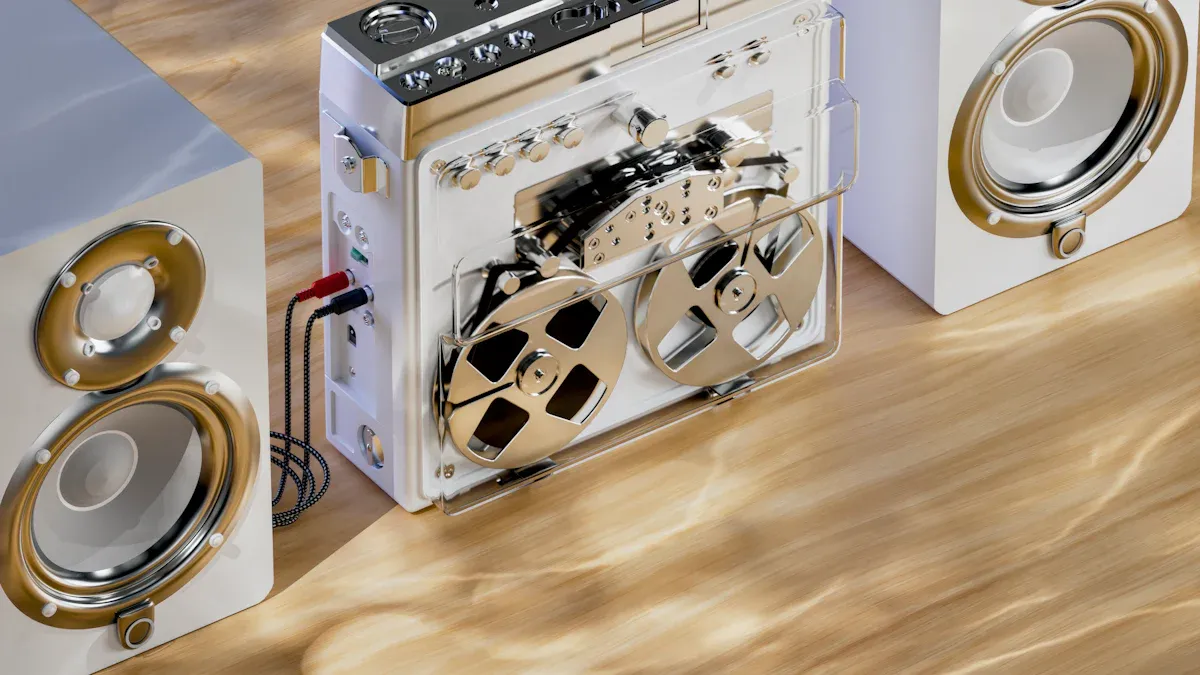
Modern speakers have a few main parts that help make sound from electrical signals. Most speakers use these important components:
- Diaphragm (Cone): Moves back and forth to make sound.
- Voice Coil: Changes electricity into movement.
- Magnet: Makes a magnetic field for the voice coil.
- Amplifier: Makes the signal stronger so the speaker can play sound loudly and clearly.
You might also see other parts like dust caps, surrounds, baskets, and spiders. But the four main parts above do most of the Speaker Work.
Diaphragm
The diaphragm is also called the cone. It shakes when it gets signals. This shaking moves air and makes sound waves you can hear. The diaphragm works like a drum skin. What it is made of changes how it sounds. Here are some common diaphragm materials:
| Material Type | Characteristics | Sound Quality Impact |
|---|---|---|
| Plastic Cones | Strong, keeps out dust and water, good at stopping extra movement | Makes sound clearer and less distorted |
| Paper & Cloth Cones | Light, stops itself from shaking too much, can be affected by wet air | Makes sound warm and natural |
| Foam Cones | Mixed with other stuff, loses energy inside | Makes sound softer and less sharp |
Voice Coil
The voice coil sits in the magnetic field. When music plays, electricity goes through the coil. This makes a magnetic field that works with the magnet. The coil moves back and forth and makes the diaphragm shake. This turns electricity into movement, which is the main part of Speaker Work.
The way the coil moves depends on the audio signal. This helps the speaker play all the details in music or speech.
Magnet
The magnet gives a steady magnetic field. Without it, the voice coil would not move, and there would be no sound. Most home and car speakers use ceramic magnets because they are not too big or expensive. Fancy or small speakers often use neodymium magnets. These are smaller but very strong. The magnet’s quality changes how fast and well the speaker works.
Amplifier Role
The amplifier makes weak audio signals stronger. It gives the speaker enough power so you can hear the sound at the right volume. A good amplifier stops sound from getting fuzzy and keeps it clear. You should match the amplifier’s power to the speaker for the best sound.
In pro audio, companies like ZEH Audio design and build all the parts together. This makes sure the amplifier, magnet, and diaphragm work well as a team. You get good quality and sound that always works, which is important for business.
Speaker Work Process

Electrical To Mechanical Energy
Speaker Work starts when you send an electrical signal from your audio device to the speaker. This signal travels from the amplifier and reaches the speaker’s voice coil. The process of changing electrical energy into mechanical energy happens in a few clear steps:
- The amplifier sends electrical energy to the speaker.
- The electrical signal enters the voice coil, which is a tightly wound wire.
- The voice coil acts like an electromagnet when current flows through it.
- The magnetic field from the coil interacts with the permanent magnet inside the speaker.
- This interaction causes the coil and the attached diaphragm to move back and forth.
You can see that Speaker Work depends on this energy change. Without it, the speaker cannot create sound.
Voice Coil Movement
The voice coil’s movement is the heart of Speaker Work. When the electrical signal changes, the coil moves quickly or slowly. The speed and distance of this movement depend on the sound’s frequency and power. Bass sounds need the coil to move farther, while high notes need smaller, faster movements. You can notice this difference if you watch a subwoofer compared to a small tweeter.
The voice coil’s movement pushes and pulls the diaphragm. This action is what makes the speaker cone vibrate and start the next step in Speaker Work.
Diaphragm Vibrations
The diaphragm, or cone, connects to the voice coil. When the coil moves, the diaphragm vibrates. These vibrations match the pattern of the original electrical signal. If the signal changes quickly, the diaphragm vibrates faster. If the signal changes slowly, the diaphragm moves slower.
The frequency of these vibrations sets the pitch of the sound you hear. For example, if the diaphragm vibrates 500 times per second, you hear a 500 Hz tone. Higher vibration rates create higher-pitched sounds. Lower rates make deeper sounds. This direct link between vibration and pitch is a key part of Speaker Work.
Air Pressure And Sound Waves
When the diaphragm vibrates, it moves the air around it. This movement creates tiny changes in air pressure. These pressure changes travel through the air as waves. If these waves fall between 20 Hz and 20,000 Hz, you can hear them as sound.
- Vibrating air molecules create pressure waves.
- These waves match the frequency of the diaphragm’s movement.
- Your ears pick up these waves and your brain turns them into music, speech, or effects.
Speaker Work ends when these sound waves reach your ears. Every step, from the electrical signal to the moving air, must work together for clear sound.
Note: Companies like ZEH Audio design and build all speaker parts to work as one system. Their integrated approach helps B2B clients get consistent Speaker Work, reliable performance, and easier supply chains.
Speaker Quality Factors
When you listen to music or watch movies, you want the sound to be clear and real. The quality of a speaker depends on a few important things. You should look at frequency response, materials and design, and power handling. These things change how you hear music or voices. They also help you pick the best speaker for what you need.
Frequency Response
Frequency response shows how well a speaker plays low and high sounds. Most speakers can play from 20 Hz up to 20 kHz. This is the same as what people can hear. Some fancy speakers can play even lower or higher sounds.
- A good frequency response means the speaker plays all notes well.
- If some sounds are too strong or weak, the music will not sound right.
- A flat frequency response gives you even sound, so music and voices sound real.
You will hear every instrument and voice clearly with a balanced speaker. If some notes are too loud or too soft, the music can sound weird or sharp.
Materials And Design
The parts of a speaker change how it sounds. The diaphragm, magnet, and the box all matter. For example, plastic cones can make sound sharp, but paper cones make it warmer. The shape of the box also changes how sound moves inside and outside the speaker.
- Good materials stop extra shaking and echoes.
- Smart design helps the speaker play sound the right way.
- Strong parts make the speaker last longer and work better.
You can tell when a speaker uses good materials. The sound is more real and not fuzzy. Companies like ZEH Audio use special materials and smart designs. They make all the parts themselves, from PCBA to putting the speaker together. This helps business customers get the same good quality and steady supply.
Power Handling
Power handling tells you how much power a speaker can take before it breaks. There are two main numbers you will see:
| Term | Definition |
|---|---|
| RMS Power | The power a speaker can take for a long time during normal use. |
| Peak Power | The most power a speaker can take for a short time. |
- RMS power shows what the speaker can handle every day.
- Peak power is the highest it can take for a short time.
- Using the right amplifier with your speaker keeps the sound clear and stops damage.
If you use a speaker with the right power, you get louder sound without fuzziness. This makes music, movies, or games sound better.
Tip: ZEH Audio checks and matches all parts for the best power handling. This makes the speaker work well and last longer.
All these things—frequency response, materials and design, and power handling—work together in Speaker Work. If you pick a speaker that is good in these ways, you will get clear, even, and strong sound every time.
You now know that a speaker changes electrical signals into sound using key parts like the diaphragm, voice coil, magnet, and amplifier. Each part has a special job in making music or voices clear. When you pick a speaker, look for good materials, the right power, and a well-designed enclosure.
- Matching the speaker and amplifier helps you get the best sound.
- The enclosure shapes the sound you hear.
- Understanding these basics lets you choose a speaker that fits your needs.
ZEH Audio’s one-stop solutions help brands get reliable, high-quality speakers for any use.
FAQ
What does the voice coil do in a speaker?
The voice coil changes electrical signals into movement. You hear sound because the coil moves the diaphragm, which pushes air. This process creates the sound waves that reach your ears.
Why does speaker material matter?
Speaker material affects sound quality. For example, plastic cones give clear sound, while paper cones sound warm. Good materials help you hear music and voices without distortion.
How do I know if a speaker is powerful enough?
Check the RMS power rating. If you match the speaker’s RMS rating with your amplifier, you get clear sound without damage. Too much power can break the speaker.
What makes ZEH Audio different for B2B clients?
ZEH Audio designs and builds all speaker parts in-house. You get better product consistency, faster development, and fewer supply chain problems. This helps your brand deliver reliable sound products.
Can one speaker play all sounds well?
No single speaker covers all sounds perfectly. You need different speaker types for bass, midrange, and treble. Many systems use multiple speakers for full, rich sound.