
You can find the Impedance Of A Speaker by looking at the label on the back. You can also use a multimeter to check it. Knowing impedance helps you get clear sound. It also keeps your audio equipment safe. If you match your speaker to the right amplifier, you stop noise and distortion. Look at this table to see how knowing impedance helps your setup:
Aspect | Explanation |
|---|---|
Lets you use your amp safely without overload. | |
Stability | Keeps your sound system free from noise and damage. |
Sound Quality | Gives you better clarity and bass for a richer listening experience. |
Key Takeaways
Look at the speaker label or manual to find the impedance. It is usually shown in ohms (Ω).
Use a multimeter to check the speaker impedance if there is no label. The number you see is often less than the real impedance.
Make sure your speaker impedance matches your amplifier. This helps you get clear sound and keeps your equipment safe.
Speakers with lower impedance use more power. Speakers with higher impedance use less power. Pick the right one for your sound needs.
Always check the impedance before you connect speakers. This helps your system work well and stay safe.
What Is The Impedance Of A Speaker?
Impedance And Ohms Explained
You might ask what the impedance of a speaker is. Speaker impedance shows how much a speaker stops electric current from your amplifier. You measure this in ohms, and the symbol is Ω. When you hook up a speaker to an amplifier, the speaker acts as a load. This load controls how much power the amplifier gives the speaker.
Speaker impedance is more than just resistance. It also has reactance, which changes with different sounds. Resistance always stays the same, but impedance can go up or down. It depends on the music or sounds you play. So, the impedance of a speaker can change when you listen to different songs.
Tip: You can find the lowest impedance by using special tools like an Impedance Analyzer. Companies use this number to set the “nominal” or rated impedance. They make sure it does not drop below 80% of the rating.
Speaker impedance shows how much a speaker blocks electric current.
You measure it in ohms.
Impedance changes with frequency, which affects sound quality and power needs.
Why Impedance Matters
Speaker impedance is important for your audio system. If you match the impedance of a speaker to your amplifier, you get clear sound. It also keeps your equipment safe. If the impedance does not match, you might have problems. These problems are distortion, uneven sound, or even damage to your amplifier.
Speaker impedance changes how much power your amplifier sends out. Lower impedance lets more current flow, so you get more power. Higher impedance lets less current flow, so you get less power. If you use a speaker with the wrong impedance, you might hear bad sound, lower volume, or your amplifier could get too hot.
Matching speaker impedance keeps your music balanced and natural. It also helps your equipment last longer and work well every time you use it.
If you use the wrong impedance, you might have:
Distorted or thin sound
Lower volume
Damage to your amplifier from overheating
Always check the impedance of a speaker before you connect it to your system. This easy step helps you get better sound and keeps your audio gear safe.
How To Tell The Impedance Of A Speaker
Check The Label Or Manual
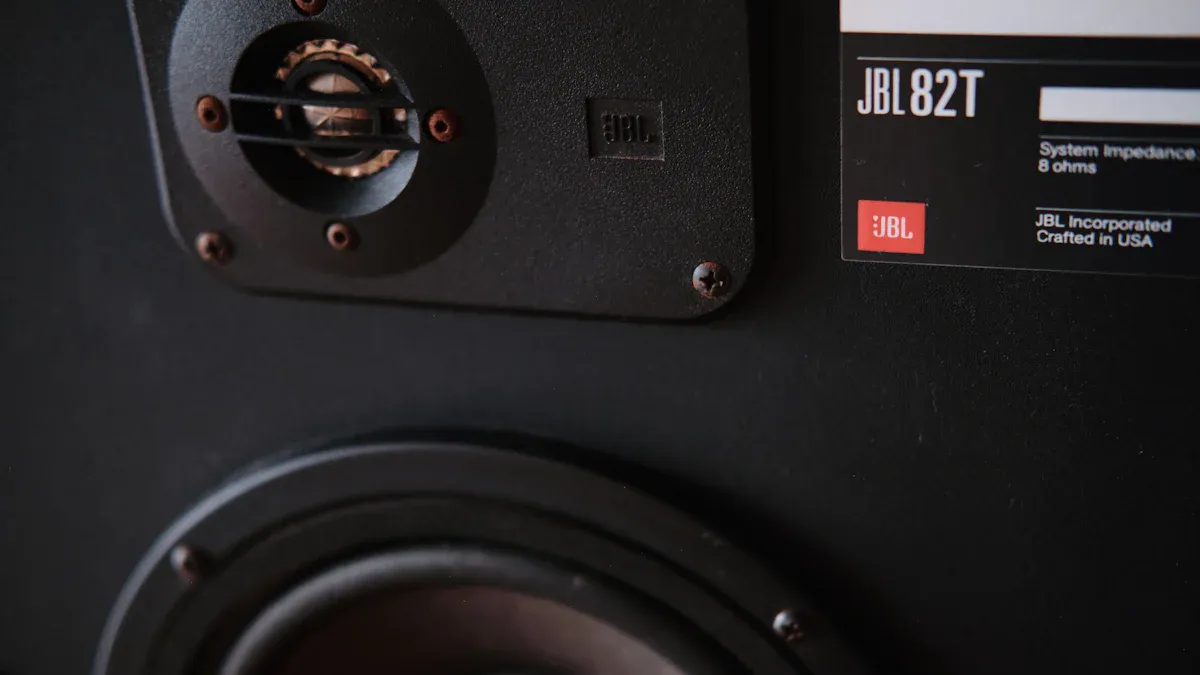
You can find out the impedance by looking at the speaker’s label. Most companies put the speaker impedance near the input spots. You might also see it on the magnet, box, or in the manual. The label shows a number and the ohm symbol (Ω), like 4Ω or 8Ω. This number tells you the speaker ohm ratings.
If you want to check the impedance fast, do these things: First, look for a sticker or words on the back of the speaker. Next, check near the speaker’s terminals. You can also open the manual and look for technical details. Find the part that lists the impedance of the loudspeaker.
Tip: Most speakers show their impedance rating clearly. If you do not see it on the speaker, check the manual or the box.
Measure With A Multimeter
Sometimes, you will not find a label or manual. In this case, you can use a multimeter to measure speaker impedance. This tool helps you find the real impedance by checking the resistance of the voice coil.
Here is how you measure speaker impedance with a multimeter: First, turn off your audio system and unplug the speaker wires. Set your multimeter to the lowest Ohms setting. Touch the probes to the speaker terminals and wait for a steady number. Write down the resistance you see on the screen.
The number you get is the DC resistance, not the real impedance. The real impedance of the loudspeaker is usually higher than what you measure. For example, if you see 6 ohms, the speaker impedance is probably rated at 8 ohms. The resistance you measure is about 65% to 80% of the rated impedance. This is normal because speaker impedance changes with frequency, but resistance does not change.
Note: Crossovers inside the speaker box can change your reading. Always unplug one or both wires before you measure speaker impedance. If you measure across a capacitor, you might get an open circuit or a wrong number.
If you want to know the impedance for sure, round up your measured value to the next standard rating. This helps you match the speaker impedance to your amplifier safely.
Typical Impedance Values
You will see a few common numbers when you check speaker ohm ratings. The most popular speaker impedance values are 4 ohms and 8 ohms. Home audio systems usually use 8 ohm speakers. Car audio and pro sound systems often use 4 ohm speakers. Some speakers have 6 ohms or 16 ohms, but these are not as common.
Here is a table to help you see where you might find each value:
Speaker Type | Impedance Value |
|---|---|
Home Audio Systems | 8 Ω |
Car and Professional Systems | 4 Ω |
The impedance of a speaker changes how much power it needs and how loud it can get. Lower impedance, like 4 ohms, lets more power flow and makes the sound louder. Higher impedance, like 8 ohms, needs less power and is easier for your amplifier.
Remember: Always check the real impedance before you connect speakers to your system. Matching the impedance of the loudspeaker to your amplifier keeps your sound clear and your equipment safe.
If you follow these steps, you will know how to tell the impedance of a speaker every time. You will also know how to measure speaker impedance and use the right speaker ohm ratings for your setup.
Matching Impedance: Speakers And Amplifiers
Compatibility Basics
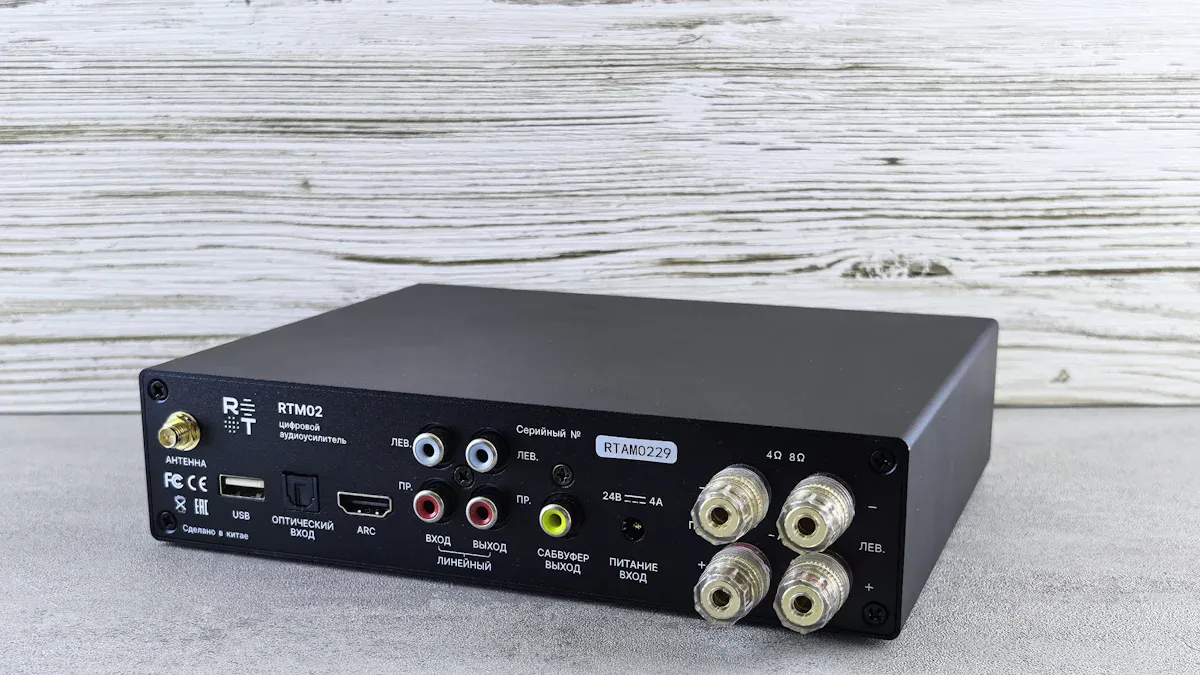
You should match the loudspeaker impedance to your amplifier. This gives you the best sound and keeps your equipment safe. If the loudspeaker and amplifier have the same impedance, your music will sound clear. Your gear will also last longer. Speaker impedance controls how much power moves from the amplifier to the loudspeaker. Look at this table to see what happens with different matches:
Speaker Impedance | Amplifier Impedance | Implications |
|---|---|---|
Same Impedance | Ideal and safe | Optimal performance |
Greater Impedance | Safe | May be quieter |
Lower Impedance | Risky | Can cause amp strain or damage |
Always check the lowest impedance your amplifier can handle. If you use a loudspeaker with higher impedance, your music will be softer but safe. If you use a loudspeaker with lower impedance, you could hurt your amplifier.
Risks Of Mismatched Impedance
If you use a loudspeaker with lower impedance than your amplifier, bad things can happen. Your amplifier can get too hot, sound can get fuzzy, or your gear can break for good. Sometimes, the amplifier will turn off or stop working. If you use a loudspeaker with higher impedance, your music might sound weak or quiet. You might hear more noise and lose some sound details. Many amplifiers can get too hot or stop working in less than 30 minutes if you use the wrong loudspeaker.
Fuzzy sound when you turn up the volume
Amplifier gets too hot or stops working
Loudspeaker or amplifier can break forever
Tips For Safe Pairing
Here are steps to keep your loudspeaker and amplifier safe:
Check the lowest impedance your amplifier can use.
Figure out the total speaker impedance, especially with more than one loudspeaker.
Make sure the total load is not lower than your amplifier’s rating.
Use the right wire size for your loudspeaker and how far it is.
Watch your amplifier for heat or warning lights.
Listen for fuzzy sound at normal volume.
Write down your loudspeaker setup.
If your system is tricky, you can use special tools to match impedance. These tools stop your gear from getting too hot and keep everything safe. Matching the loudspeaker and amplifier makes your music sound clear and protects your stuff. Always check what can happen if the speaker impedance is too low or too high before you connect anything. If you match the impedance, you will get great sound every time.
You can find out speaker impedance by doing these things:
Use an impedance analyzer to make a graph of the speaker’s impedance.
Look for the lowest point on the graph.
Make sure this lowest point is at least 80% of the rated value to get the nominal number.
Measure the DC resistance and round up if you need to.
When you match your speaker and amplifier impedance, your sound will be clear and your equipment will stay safe. Check your speakers now so you can have the best sound possible.
FAQ
How do I know if my amplifier matches my speaker impedance?
Check your amplifier’s manual for the lowest speaker impedance it supports. Make sure your speaker’s impedance is the same or higher. This keeps your system safe and your sound clear.
Can I use two speakers with different impedance values together?
You can, but it gets tricky. If you connect them, the total impedance changes. Use a speaker impedance calculator or ask an expert before you try this.
What happens if I use the wrong speaker impedance?
Your amplifier may overheat.
You might hear distortion or weak sound.
Your equipment could break.
Always match the speaker and amplifier impedance for the best results.
Where can I find the impedance value on my speaker?
Look for a label near the terminals or on the back of the speaker. You will see a number followed by the ohm symbol (Ω), like 4Ω or 8Ω.