
Horn manufacturing needs careful work and new technology. Injection molding makes plastic parts that look the same every time. Metal shell processing creates strong covers to keep inside parts safe. Plastic parts are easy to shape and make things lighter. Metal shells make products stronger. After making the parts, steps like surface finishing and ultrasonic welding make them better. Using these methods together helps companies work faster and save money. New solutions help make products that work well for tough jobs.
Key Takeaways
-
Injection molding makes exact plastic parts. This helps keep the horns the same and good quality.
-
Metal shell processing makes the horns last longer. It gives strong protection to the inside parts from tough conditions.
-
Ultrasonic welding puts horn parts together fast and well. It does not need glue, which makes work faster.
-
Quality control checks, like watching in real time, find problems early. This helps keep the horns made very well.
-
Changing materials and steps lets ZEH Audio fit what each client wants. This makes the horns work better and makes clients happy.
Horn Manufacturing Overview
Horn Parts and Components
Horn products have many parts that work together. Each part has its own job. The diaphragm part shakes to make sound. The coil part helps the diaphragm move. The magnet part makes a field for the coil part. The frame part keeps all parts in place. The shell part keeps dust and water out. The connector part links the horn to power. ZEH Audio uses injection molding to make plastic parts very exact. Metal shell processing shapes the shell part so it is strong. All parts must fit together for the horn to work well.
A typical horn has these parts:
|
Part Name |
Function |
|---|---|
|
Diaphragm part |
Makes sound by vibrating |
|
Coil part |
Moves the diaphragm part |
|
Magnet part |
Creates a magnetic field |
|
Frame part |
Supports other parts |
|
Shell part |
Protects internal components |
|
Connector part |
Connects to power |
Manufacturing Requirements
Horn manufacturing needs careful checks at each step. Every part must be the right size and shape. Parts must stand up to heat, moisture, and shaking. ZEH Audio uses injection molding for plastic parts. They use metal shell processing for the shell part. These methods help keep costs low and make work faster. The company looks for defects in every part before putting them together. Sensors watch the process to make sure it goes well. Each part can be changed to fit what the client wants. Good parts help the horn work better. ZEH Audio’s team can change how they make parts for special needs. This way, all parts meet industry rules.
Tip: Using new technology for each part in horn manufacturing makes products last longer and cuts down on waste.
Injection Molding Technology
Injection Molding Process
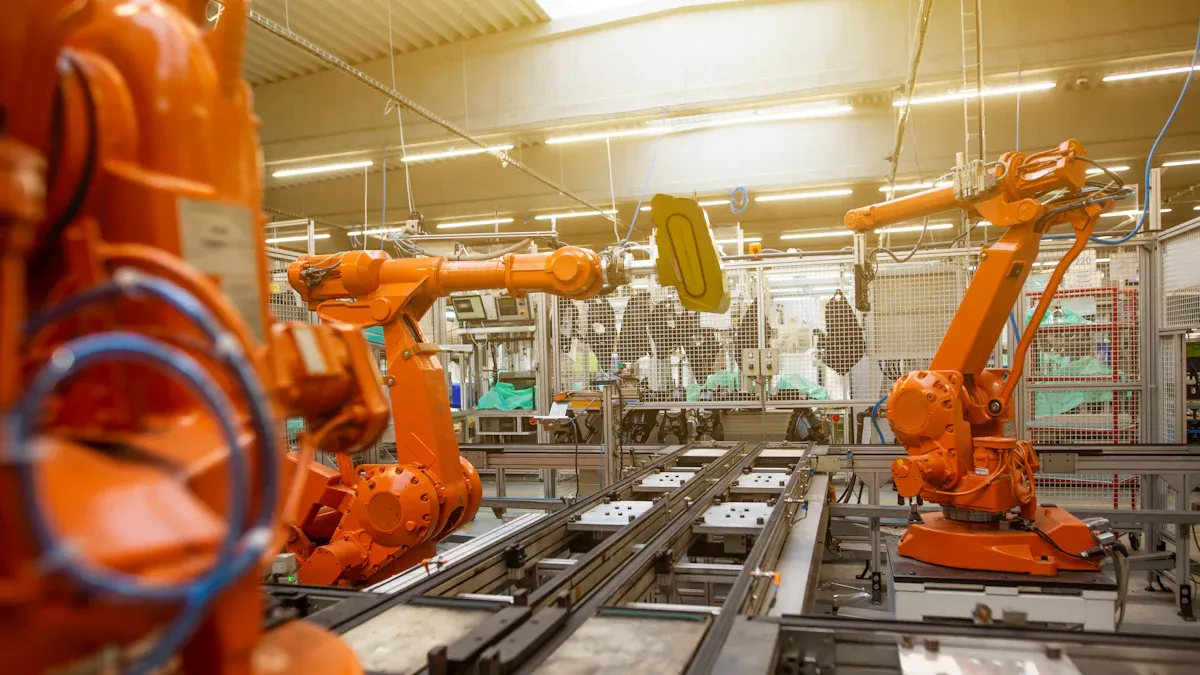
Injection molding is a main method in horn making. Machines push hot plastic into a mold using high pressure. The mold shapes the plastic into exact parts. ZEH Audio uses injection molding to make plastic parts that are always the same. Sliders, lifters, and handloads help make detailed horn parts. These tools keep production steady and cut down extra steps. Injection molding helps make parts faster and more consistent. This makes it good for making lots of horn parts.
Plastic injection molding has many benefits. It makes parts that are light, so horns weigh less. The process lets makers create complex shapes and designs. Shells can be made strong and tough. But, plastic injection molding needs careful mold design and picking the right materials. This stops defects and keeps parts working well.
Note: Injection molding lets companies make plastic parts quickly. This helps them fill big orders and keep quality high.
Metal Injection Molding
Metal injection molding, or MIM, gives more options for horn making. This process mixes metal powders with binders. The mix goes into molds. After molding, parts go through debinding and sintering. This makes them dense and strong. MIM lets ZEH Audio make metal shells with complex shapes and great strength.
|
Advantage |
Description |
|---|---|
|
Cost Efficiency |
MIM makes processing easier and cheaper, especially for complex parts. |
|
Product Complexity |
MIM can make parts with shapes that other methods cannot. |
|
Material Selection |
MIM works with many metals, making parts better for different uses. |
|
Product Density |
MIM gives high density, so parts are stronger than with other methods. |
|
Dimensional Accuracy |
MIM can reach a tolerance of ±0.5%, better than many other ways. |
|
Mass Production Flexibility |
MIM lets makers change how many parts they make, from hundreds to thousands each day. |
Metal injection molding lets horn makers pick different materials and change how many parts they make. It also makes parts more accurate and strong. ZEH Audio uses MIM to make tough metal shells. These shells protect inside parts and last in harsh places.
Materials for Injection Molding
Picking the right material is very important in injection molding for horns. ZEH Audio uses plastics like ABS, ASA, PC/ABS blends, and glass-filled nylon. These plastics are strong and last long. They resist UV rays and heat, so they work well in hard conditions. Thermoplastics with more density and less stiffness, like filled ABS or TPE overmold layers, help dampen sound. These materials cut noise by 3–8 dB compared to sheet aluminum. Choosing the right plastic makes horn parts last longer and absorb sound better.
Plastic injection molded parts must be tough and work well for sound. The best material helps horns sound clear and stay safe from heat, water, and shaking. ZEH Audio picks materials to fit what clients need and make products better.
Injection Molding Steps
The injection molding process has several main steps to make good horn parts:
-
The Mold Closes
-
The Mold Clamps
-
Sprue Break
-
First Stage Injection
-
Pack and Hold
-
Cooling
-
Screw Rotation
-
The Mold Reopens
-
The Part Ejects
Each step makes sure the plastic fills the mold and cools right. The mold closes and clamps to keep the cavity safe. The sprue breaks so plastic can flow. The machine pushes hot plastic in, then packs and holds it to stop shrinking. Cooling makes the part solid. Screw rotation gets the next batch ready. The mold opens, and the part comes out for checking and more work.
Plastic injection molding makes parts that are very accurate and repeatable. ZEH Audio checks each step to stop defects and keep quality high. The company uses sensors and automation to make work faster and waste less.
Tip: Controlling each step in injection molding makes parts reliable and production efficient.
Injection molding technology lets horn makers build parts that are light, strong, and good for sound. ZEH Audio uses both plastic and metal injection molding to make custom parts for tough jobs.
Post-Processing for Plastic Injection Molding
Ultrasonic Welding
Ultrasonic welding is very important after plastic injection molding in horn making. This method uses fast vibrations to make heat where two plastic parts touch. The heat melts the plastic so the parts stick together without glue. ZEH Audio uses ultrasonic welding to put horn parts together fast and well. This way, they can make many horns and keep the quality the same every time.
The shape of the horn changes how energy moves during ultrasonic welding. Engineers set the horn’s frequency to match the transducer for even shaking. The most vibration happens at the horn’s small end, which sends energy well. Good tuning stops energy from being wasted and keeps welds strong. The process uses the right force and shaking to stop mistakes and make better bonds. Ultrasonic welding makes horns stronger and helps them sound better. ZEH Audio knows a lot about ultrasonic welding, so they can join plastic parts well for every job.
Other Post-Processing Methods
Horn making needs many steps after plastic injection molding. These steps use things like bolts, screws, pins, and rivets to put parts together. Glue joins plastic parts when welding does not work. Gate trimming cuts off extra plastic from the parts. Painting makes the parts look nice, and laser marking puts names or numbers on them. Pad printing puts pictures or logos on curved parts. Heat staking joins different materials by melting and shaping plastic.
Each step helps finish the horn and makes it better. ZEH Audio picks the best steps for each client’s needs. Their team chooses the right way to finish each project. When parts are painted or marked, ZEH Audio makes sure they look good and last long. These steps help ZEH Audio make horns that follow all the rules and make clients happy.
Tip: Picking the best post-processing for plastic injection molding makes products better, lowers mistakes, and helps put horns together faster.
Metal Shell Processing Technology
Shell-Molding Process
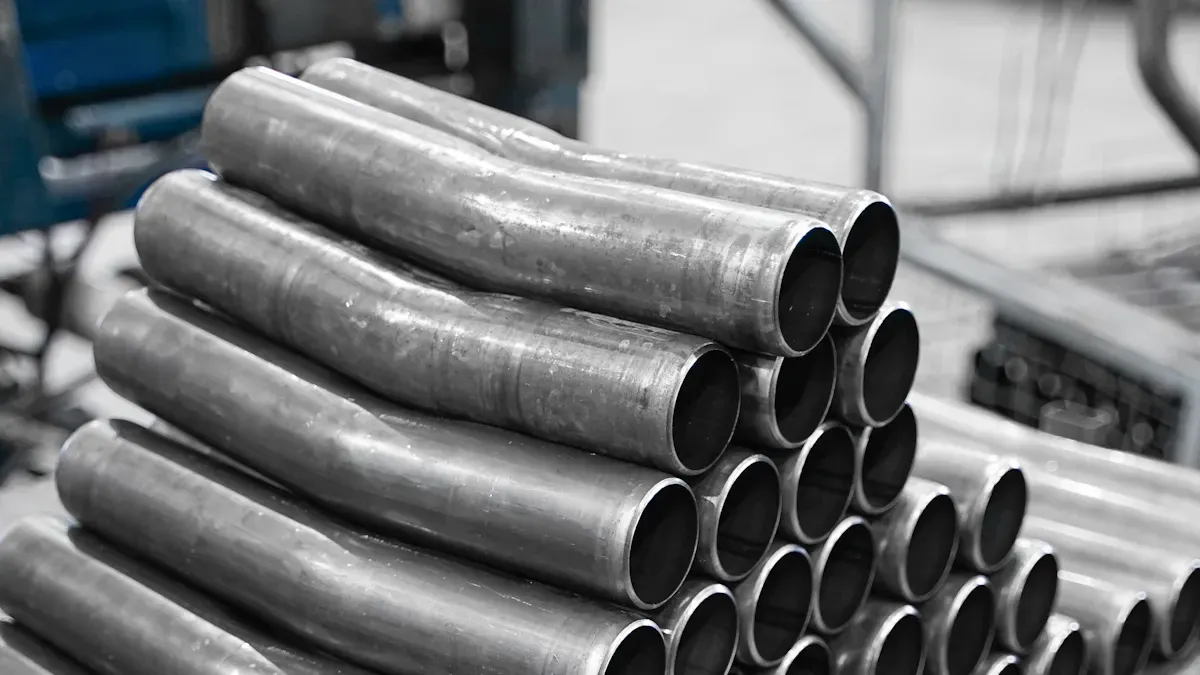
Metal shell processing starts by picking the right material. ZEH Audio often uses aluminum alloys or steel for horn shells. These metals do not rust and are very strong. The shell-molding process shapes each part to fit the horn. Casting makes shells with tricky shapes. Stamping makes parts fast and easy. Precision machining smooths the shell and checks every part. Metal shells help stop extra shaking, so sound is better. Each part keeps the horn’s inside safe and helps it work in tough places. ZEH Audio changes the shell-molding process for each client. This makes sure every part fits just right.
Stamping and CNC Machining
Stamping uses strong tools to cut and shape metal sheets. This way, parts are made quickly and cost less. CNC machining uses computers to carve and finish each part. This makes sure parts are always the same. ZEH Audio uses both stamping and CNC machining to make exact parts. After stamping, parts may get laser marking or pad printing. Laser marking puts labels on metal shells that last a long time. Pad printing adds logos or numbers. These steps help track parts and make them better. ZEH Audio’s team checks each part for problems before putting them together.
Sensor Technology in Metal Processing
Sensor technology is important for checking quality in metal shell processing. ZEH Audio uses the TRZ Horn Analyzer to check frequency and impedance. These checks make sure each part works in the right range. Testing and tuning often help stop problems. For ultrasonic transducers, keeping the right frequency and impedance is needed for best work and long life.
-
The TRZ Horn Analyzer checks frequency and impedance for good work.
-
Quality control gets better with tuning and testing.
-
The right frequency and impedance help horns work well and last longer.
Sensors watch each part during processing and find problems early. ZEH Audio uses sensor data to change the process and keep parts the same. Laser marking and pad printing help tell parts apart and make tracking simple. These tools help ZEH Audio make horns that meet all the rules.
Technology Integration
Combining Injection Molding and Metal Shell Processing
Horn manufacturing uses both injection molding and metal shell processing. ZEH Audio puts these two methods together to make good parts. Injection molding shapes plastic pieces with exact details. Metal shell processing makes strong shells that keep inside parts safe. Using both ways helps ZEH Audio make horns that work well in hard places.
ZEH Audio changes each injection molding job for the client. Engineers pick materials and change mold shapes for better sound. They use ultrasonic welding and bonding to join parts tightly. The team also uses laser marking and pad printing to label and track parts. Kitting gets all parts ready for assembly, so there are fewer mistakes and work goes faster.
Note: ZEH Audio’s kitting step sorts parts for easy assembly. This makes work smoother and keeps quality high.
The company also changes metal shell processing for each horn. Changing the shell makes it stronger and helps sound. ZEH Audio uses stamping, CNC machining, and other steps to finish shells. Laser marking and pad printing add names and logos. Kitting gets shells ready for the last step, so every part fits right.
|
Technology |
Role in Horn Manufacturing |
Customization Options |
|---|---|---|
|
Injection Molding |
Shapes plastic parts |
Material selection, mold design |
|
Metal Shell Processing |
Forms protective shells |
Shell thickness, finish, marking |
|
Post-Processing |
Joins and finishes parts |
Welding, bonding, painting |
|
Kitting |
Organizes parts for assembly |
Custom kits for each project |
ZEH Audio mixes injection molding post processing with metal shell processing. This helps them make horns that fit what clients want. The team works with clients to make sound better and shells stronger. Changing the sound and shell makes horns clear and tough.
Impact on Horn Quality and Performance
Using both injection molding and metal shell processing makes horns better. ZEH Audio’s way makes parts that are always the same and fit well. Injection molding makes light parts that help horns sound clear. Metal shells give strength and keep water and shaking out.
Bonding and ultrasonic welding make the parts stay together. These steps help horns last longer when used. Laser marking and pad printing help track parts and check quality. Kitting sorts parts for fast assembly, so there are fewer mistakes.
Tip: Using injection molding post processing and kitting together helps ZEH Audio make horns that last long and work well.
ZEH Audio lets clients pick materials, finishes, and markings for their horns. The company uses bonding to make horns stronger. Engineers use laser marking to track parts and pad printing for logos. Kitting gets all parts ready for the next job, so assembly is quick and correct.
Mixing injection molding and metal shell processing gives ZEH Audio an edge. The company saves money by making work faster and wasting less. Clients get horns that are high quality and work well. ZEH Audio’s skill in making sound better and shells stronger makes them special in horn manufacturing.
Challenges and Quality Control
Technical Challenges
Horn manufacturing has many tough problems. Surface defects can show up when molding or processing metal. These defects change how the horn looks and sounds. Engineers must make sure parts line up and energy moves well. This is important when joining plastic and metal parts. Kitting errors can cause mistakes in assembly. This leads to delays or broken products. Picking the right material and controlling the process helps stop problems.
Manufacturers use different ways to fix these issues:
|
Strategy |
Description |
|---|---|
|
Proper Equipment Setup |
Makes sure horns touch and line up right for best energy use. |
|
Regular Maintenance |
Checks and fixes horns often to stop problems before they happen. |
|
Optimization of Design |
Changes horn frequency and strength to make welding better. |
|
Material Compatibility Tests |
Tests different materials to find the best settings for welding. |
|
Preventative Maintenance |
Plans regular checks to keep tools working longer and better. |
Surface defects and kitting mistakes can slow down making horns. They also make costs go up. ZEH Audio uses smart monitoring and checks equipment often to fix these challenges.
Quality Control Measures
Quality control makes sure every horn is good. ZEH Audio uses many ways to keep products strong:
-
Calibration checks the horn’s shape and looks for defects or dirt.
-
Environmental controls keep temperature and humidity steady to stop errors.
-
Quality management follows rules to get the same results every time.
-
Real-time monitoring finds defects while making horns so workers can fix them fast.
-
The Tristar platform gives workers live updates to cut inspection costs and keep quality high.
-
Kitting sorts all parts before putting horns together to stop missing or wrong parts.
Tip: Real-time monitoring and kitting help ZEH Audio find problems early and keep horns good.
ZEH Audio mixes these steps with regular maintenance and process changes. This helps stop surface defects and makes sure each horn works well in tough places.
Injection molding and metal shell processing are very important in horn making. These methods help ZEH Audio make horns that are strong and work well. The shells protect the inside, and the plastic parts fit just right. New post-processing and sensor tools help put horns together and check quality. Makers now use new materials and machines to keep up with what people want. The table below lists big changes in how horns are made:
|
Trend |
Description |
|---|---|
|
Advancements in acoustic technology |
Horns can send sound in one direction and use two tones for better warnings. |
|
Miniaturization and integration |
Small horns fit inside cars because of smart designs. |
|
Smart connectivity and ADAS |
Horns can work with car safety systems to help drivers. |
|
Sustainability and compliance |
Using safe materials and ways to make horns that follow world rules. |
Tip: Companies using these new ways can make better horns that last longer and work well.
FAQ
What advantages does injection molding offer in horn manufacturing?
Injection molding makes plastic parts that are very exact. ZEH Audio uses this way to make the same parts every time. This method helps save money and work faster. It also lets them make special shapes for different jobs, like in defense and healthcare.
How does metal shell processing improve horn durability?
Metal shell processing makes strong covers for horn parts. ZEH Audio uses smart ways to make shells that fight off water and shaking. These covers help horns last a long time, even in tough places. This is important for things like surgery tools and medical equipment that get thrown away.
Why is ultrasonic welding important for horn assembly?
Ultrasonic welding sticks plastic parts together without glue. ZEH Audio uses this to make strong and neat joins. This way, they can put horns together faster and make them better. It also helps make special parts for defense and healthcare.
How does ZEH Audio ensure quality control during manufacturing?
ZEH Audio uses sensors to watch each part as it is made. The team looks for problems and checks every step. This makes sure horns are good enough for things like surgery tools and defense.
Can ZEH Audio customize horn components for special applications?
ZEH Audio can change horn parts any way a client needs. The team picks different materials, shapes, and finishes for each job. This helps with special needs in healthcare, defense, and other hard jobs.