
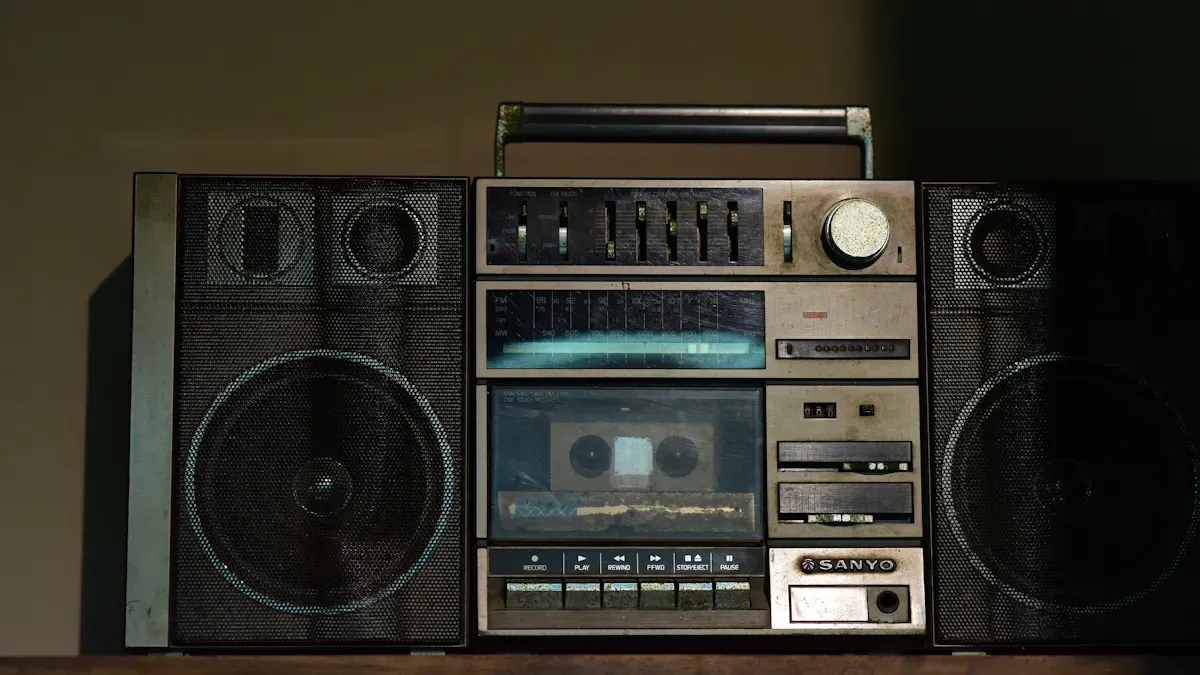
You can see strong market competition between traditional speakers and voice-controlled speakers. Big brands like Amazon, Google, and Apple now own more than 60% of the voice assistant speaker market. Amazon’s Echo series is the most popular. New AI and voice recognition make voice-controlled speakers better for your home. The COVID-19 pandemic made more people want contactless entertainment and smart home control. Fast changes and people wanting easy and energy-saving products keep driving this market competition and transforming the industry quickly.
Key Takeaways
Voice-controlled speakers are becoming popular very quickly. This is because they have smart features and use AI technology. Traditional speakers have better sound quality. This makes them great for people who love music. Smart speakers are easy to use. They can connect with home devices. You can control things by talking to them. The competition in the market is very strong. Both traditional and smart speaker brands want to make new things. They also want to make customers happy. Knowing what you like, such as sound quality or smart features, can help you pick the best speaker for you.
Market Competition Overview
Key Market Players
There are two main groups in the speaker market. Traditional speakers come from brands people know well. These companies have been around for many years. They have good reputations. They sell many types of speakers. Some are cheap, and some are expensive. The table below lists top brands and what they focus on:
Brand Name | Market Positioning |
|---|---|
Sony Corporation | Established brand with diverse offerings |
JBL | Budget-friendly, high market segment |
Harman Kardon | Known for quality audio products |
Polk Audio | Popular among audiophiles |
Ultimate Ears | Focus on portable high-quality speakers |
Marshall | Vintage design with quality sound |
Edifier | Affordable options for consumers |
Krell | High-end audiophile brand |
Devialet | Premium sound quality |
Focal | High-end craftsmanship |
Bowers & Wilkins | Superior sound quality |
Yamaha Corporation | Wide range of audio products |
Pioneer Electronics | Established in the audio market |
LG Electronics | Diverse product range |
Samsung Electronics | Known for innovation |
Sennheiser | High-quality audio products |
Klipsch | Popular among audio enthusiasts |
Bang & Olufsen | Premium brand with strong loyalty |
Sonos | Strong brand recognition |
Teufel | Known for value and quality |
Naim Audio | High-end audio solutions |
Cambridge Audio | Focus on quality and performance |
Voice-controlled speakers have different leaders. Big tech companies are in charge here. They use smart home systems and voice assistants to get more users. The table below shows the main companies and their future market share:
Company | Projected Market Share in 2026 |
|---|---|
Amazon | Significant share |
Significant share | |
Apple | Significant share |
Lenovo | Contributing to growth |
Android-based Segment | 53.28% |
Residential Applications | 60.81% |
Amazon, Google, and Apple are the top brands for voice-controlled speakers. Their products, like Amazon Echo, Google Nest, and Apple HomePod, are in many homes. Android-based systems are also popular, especially for home use.
Competitive Landscape
Competition is tough for both types of speakers. New numbers show smart speakers are about 15% of all speaker sales. In the U.S., about 35% of homes have a smart speaker. This means voice-controlled speakers are growing fast.
People want better sound and new features, so the market grows. Brand names and prices matter a lot. Companies must keep making their speakers better to get your attention. There are many choices, from cheap to fancy speakers. Both big and small brands try to be different.
Note: The fight between brands has changed a lot in five years. Here are some trends:
Some companies joined together or made teams to get bigger.
Brands work on new technology and smart features.
Famous brands use their names and big networks to stay strong.
Small companies try to make special features.
Companies use different plans, like better wireless and smart home tools.
Big brands can sell for less and give more deals because they sell a lot.
Fast changes and new tech make it hard for new brands to start.
Competition makes all brands try to get better. Both traditional and voice-controlled speaker makers want to give you better sound, smarter features, and more value. This helps you because you get more choices and better speakers every year.
Technology and Features
Sound Quality Comparison
Traditional speakers usually have better and deeper sound. Many brands use high-quality audio parts. You can hear clear highs and strong bass. These speakers are great for music and movies. Voice-controlled speakers have gotten much better. Some models now sound good for everyday use. Still, traditional speakers often sound the best. If you want top sound, you may pick a traditional speaker.
Smart Integration
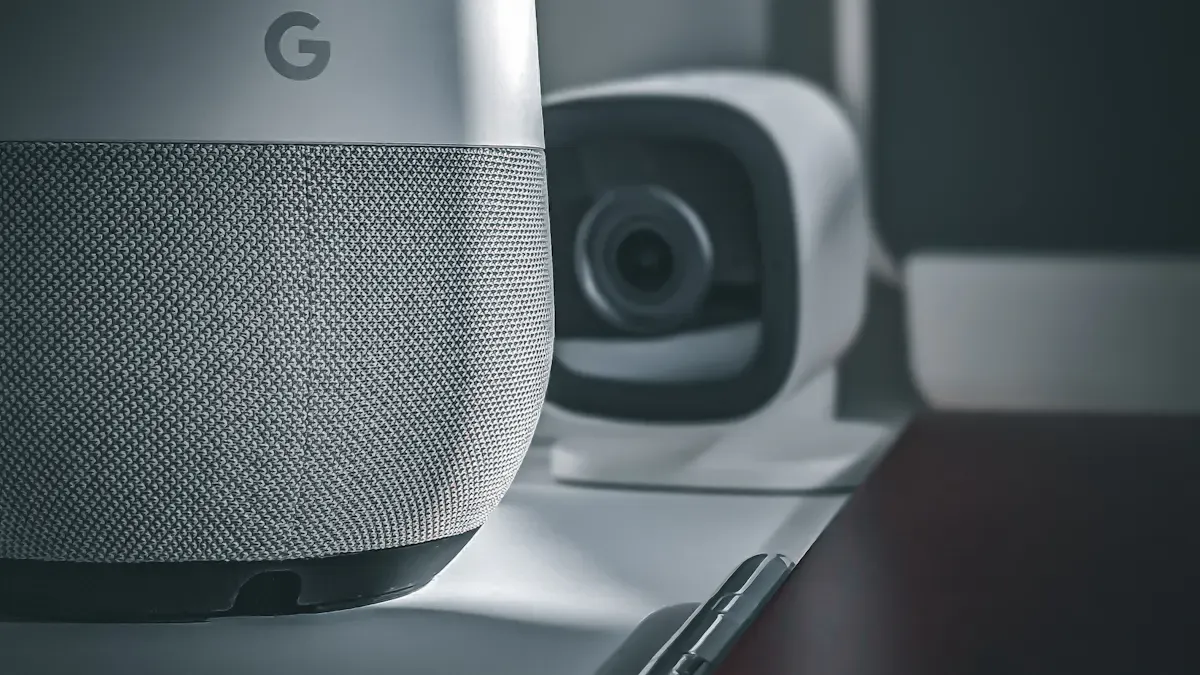
Smart speakers are special because they connect to many home devices. You can use them to control lights, thermostats, and locks. Traditional speakers do not have these features. They often need wires or other sources to play music. The table below shows how smart speakers and traditional speakers are different:
Feature | Smart Speakers | Traditional Speakers |
|---|---|---|
Integration with Smart Home | Yes, acts as a hub for controlling smart devices | No, standalone devices requiring separate sources |
Connectivity Options | Wi-Fi and Bluetooth for various devices | Typically wired or require separate audio sources |
Voice Control | Yes, allows for hands-free operation | No, requires manual control |
Smart speakers give you more ways to connect and control your home. This big difference affects how the two types compete in the market.
User Experience
User experience is very important. Smart speakers let you use your voice to play music or ask questions. You can also set reminders without pressing buttons. This is easy for kids and older adults. Traditional speakers need a remote or your phone. Some people like this simple way. Others want the extra features of smart speakers. Your choice depends on what you care about most—sound quality or smart features.
Pricing and Value
Traditional Speaker Pricing
Traditional speakers can be cheap or expensive. Some cost less and fit in small rooms. Others cost more because they sound better or look nicer. The table below shows what you get for different prices:
Price Range | Description |
|---|---|
Around $300 | Small, stylish speakers that feel fancy but are not big. |
$500 – $800 | Better home speakers with nicer parts and design. |
Beyond $800 | You get upgrades, but they may not be worth it for everyone. |
You might buy a cheaper speaker for your bedroom or office. If you want better sound or cool looks, you pay more. Some speakers cost over $800, but you should check if you need the extra features.
Voice-Controlled Speaker Pricing
Voice-controlled speakers usually cost less than fancy traditional speakers. You can buy a basic smart speaker for under $100. These play music and let you use your voice. Middle-priced smart speakers cost $100 to $300. They sound better and have more smart tools. The best ones, like Apple HomePod or top Amazon Echo, cost $300 or more. These give you better sound and more smart home choices.
Smart speakers often give you more for your money. Many people start with a simple one and get a better one later.
Value Proposition
When you compare both types, think about what you want most. Many people pick voice-controlled speakers because they make life easier. You can ask questions, play music, or control your home by talking. About half of users have bought something using their voice assistant, so more people trust them now. Still, some people do not feel safe using voice assistants for buying things or important jobs.
Here are some reasons people like smart speakers:
They make your home easier to use and connect.
You can control things and get help made just for you.
Smart speakers help you save energy and time.
Traditional speakers are all about good sound and nice looks. If you love music or movies, you might like these more. Smart speakers have more features, but you should think about how you feel about new tech.
Consumer Preferences

Traditional Speaker Preferences
You may prefer traditional speakers if you value sound quality and design. Many people choose these speakers for their clear audio and strong bass. You can find models that fit your style, from classic wood finishes to modern looks. Some users like the hands-on control that comes with buttons or remote controls. You might enjoy setting up your own audio system and picking each part. Traditional speakers often last longer and work well for music lovers or movie fans. If you want a speaker that focuses on pure sound, you will likely lean toward this type.
Voice-Controlled Speaker Preferences
You might choose voice-controlled speakers for their smart features and convenience. These speakers let you play music, ask questions, or control your home with your voice. You can pick from two main types:
Speakers with screens show you song lyrics, weather, or news. This makes it easy to get information at a glance.
Speakers without screens are small and easy to move. You can place them anywhere in your home.
Both types help you connect with other smart devices. You can turn off lights, adjust the thermostat, or lock doors just by speaking. Many users like how these speakers fit into their daily routines. Over time, smart speakers have become more than just tools. They now act as lifestyle companions. You may find that future models will understand your needs better and respond in more natural ways.
Demographic Trends
Younger people, especially those between 18 and 29, use voice-controlled speakers the most. Over 80% of this group has tried voice assistants. They are also more likely to shop using their voice. If you live in a city or have a higher income, you are more likely to own a smart speaker. In the U.S., smart speaker use grew from 27% to 35% in just two years. That means about 100 million people aged 12 and up now use these devices. People choose AI speakers based on how easy they are to use, how useful they feel, and how much fun they provide. Security and price also matter. These factors help explain why different groups prefer different types of speakers.
Marketing and Distribution
Marketing Strategies
Brands use different ways to get your attention. Traditional speaker companies want you to trust them. They show they know a lot about speakers. They use SEO so you can find them online. They build email lists to keep in touch with you. Lead magnets help them get your interest. Cold outreach helps them find new buyers. They change their marketing to stay up-to-date. The table below shows some top strategies:
Strategy | Best For | Key Learnings |
|---|---|---|
SEO Optimization | Speakers who want better search results | Make main pages better and find what is missing |
List Building | Speakers wanting a stronger pipeline | Link lead generation to booking and keep it easy |
Creating Lead Magnets | Speakers ready to package expertise | Make lead magnets fun and do not send too many emails |
Cold Outreach | Expanding into new markets | Pick the right groups and use good messages |
Adapting Strategies | Rebuilding marketing consistency | Change plans and use ideas that fit today |
Voice-controlled speaker brands use more interactive ways. You can hear ads and talk back using your smart speaker. Brands make skills and extra content you use with your voice. Podcasts and research happen right on the device. Brands can target you based on what you listen to. Listener IDs help make ads feel more personal. Voice technology lets you talk with brands. This makes ads feel more like a conversation.
Distribution Channels
You can buy speakers in stores or online. Voice-controlled speakers are sold both ways. Online shopping is easy and gives you lots of choices. You can compare prices and features fast. In stores, you can touch and try the speakers. This helps you pick the best one for you. Traditional speakers are often in special audio shops and electronics stores. Voice-controlled speakers are in big stores and online shops. Brands use both ways to reach more people. You get more choices and can shop how you like, online or in person.
Market Trends and Shifts
Market Share Shifts
The speaker market is changing a lot right now. Voice-controlled speakers are growing much faster than traditional speakers. Experts say smart speakers will grow at a rate of 22.5% each year until 2030. The market could reach $52.44 billion by 2030. This fast growth means more people want smart features in their homes.
Smart speakers are growing at 22.5% each year until 2030.
The market could be worth $52.44 billion by 2030.
Traditional speakers are still important, especially for people who care about sound quality. But smart speakers are getting a bigger share every year. You can see this change in many countries. More homes now have at least one voice-controlled speaker. This makes brands work harder to stand out in the market.
Adoption and Growth Rates
Smart speaker adoption rates are not the same everywhere. Some places are growing faster than others. The table below shows how growth rates compare:
Region | Growth Rate (CAGR) | Market Size (2020) | Estimated Value (2030) |
|---|---|---|---|
Asia-Pacific | 33.2% | N/A | N/A |
North America | 29% | N/A | USD 106 billion |
Europe | N/A | N/A | N/A |
Asia-Pacific has the highest growth rate. North America is also growing fast and could reach $106 billion by 2030. These numbers show smart speakers are popular in many places. More homes will use these devices as prices go down and features get better.
Note: Smart speakers are being adopted quickly. You will see new products and features every year. Companies want to meet your needs and keep up with what you want.
Innovation Impact
Innovation changes how you use speakers today. Companies add new technology to make their products smarter and better. Here are some of the biggest changes:
AI and edge computing make voice recognition more accurate. This helps you get answers faster and keeps your data safer.
Portable smart speakers are more popular now. Over 40% of connected homes use smart home systems with these speakers.
Many buyers want compact and multifunctional devices. More than 55% of people look for speakers that are easy to carry and have long battery life.
You also see new features added by companies. Manufacturers focus on AI-powered sound, better wireless connections, and eco-friendly designs. You can find speakers made with sustainable materials. Many people want premium sound and a personal listening experience. Companies form partnerships and use new ideas to stay ahead in the market.
Here is a table that shows how changing preferences shape new products:
Evidence Type | Description |
|---|---|
Technological Features | Companies add AI-powered sound and voice control. |
Connectivity | You get more wireless and Bluetooth options. |
Eco-Friendly Designs | Brands use more sustainable materials. |
Consumer Preferences | People want better sound and a personal experience. |
Market Dynamics | Fast innovation and partnerships help brands meet your needs. |
You can expect even more changes in the future. Companies will keep making smarter, greener, and easier-to-use speakers. Your choices and feedback help shape what comes next in this fast-moving market.
Challenges and Opportunities
Traditional Speaker Challenges
If you pick or make traditional speakers, you face some problems. The market is changing fast because more people want smart, voice-controlled devices. You have to follow these new trends to stay important. Here are some big problems:
You must keep up with the quick rise of smart speaker systems.
New rules about waste and saving energy mean you need to change how you build speakers.
It is hard to get parts because of supply chain issues, especially for fancy models.
Prices are going down because there is a lot of competition, so profits are lower.
In many places, people want cheap speakers, so you have to balance price and quality.
By 2025, over 70% of U.S. homes might use smart speakers. This means what people want is changing a lot. There are also more rules for using green materials and saving energy.
Voice-Controlled Speaker Challenges
There are also problems if you use or sell voice-controlled speakers. Many people find it hard to learn and use all the features these speakers have. This can make you not use them as much. Here are some common problems:
You may have trouble setting up and using all the smart features.
These speakers often only work with a few devices, so you cannot do everything you want.
Many popular entertainment devices do not connect well with smart speakers.
Amazon and Google control most of the market, so other brands have a hard time standing out.
Small brands find it hard to keep your interest because big companies run the platform.
Growth Opportunities
There are many chances to grow in both traditional and smart speaker markets, especially in places that are growing fast. The table below shows where you might see the most growth:
Region | Key Opportunities |
|---|---|
Asia Pacific | Fast digital growth, more factories, higher demand, and modern industries. |
Latin America | Industry recovery and upgrades, with Brazil, Mexico, Chile, and Argentina leading the way. |
Middle East & Africa | New projects beyond oil, big upgrades in UAE and Saudi Arabia, and better industries in South Africa. |
More people want smart devices that work together. They also look for products that save energy and help the planet. New technology, like 3D printing and AI, helps companies make better speakers faster. Working together and using green designs brings in buyers who care about the earth.
Tip: If you want to do well in this market, focus on smart features, saving energy, and new technology. This will help you give people what they want today.
You can see that voice-controlled speakers are becoming more popular. These smart devices work as home hubs now. Brands like Amazon and Google add new features with AI. You get to control things without using your hands. They also connect with other smart home devices. In the future, technology will keep getting better. People’s habits will change too. Some people worry about privacy when using these speakers. If you want the newest experience, watch these trends. They will help make the next big changes in speakers.
Voice-controlled speakers are ahead because of smart features and AI.
Competition will be about technology, what users want, and privacy.
FAQ
What is the main difference between traditional and voice-controlled speakers?
Traditional speakers are made for good sound. Voice-controlled speakers have smart features too. You can use your voice to play music or ask questions. You can also control smart home devices with your voice. Traditional speakers need you to use buttons or a remote.
Can you use a voice-controlled speaker without the internet?
Most voice-controlled speakers need the internet for smart things. If your internet is off, you can still play music from your phone with Bluetooth. Some simple things might still work without the internet.
Are smart speakers safe for your privacy?
Smart speakers listen for your voice commands. You can turn off the microphone if you want privacy. Always look at the privacy settings. > Tip: Check the user manual to see how to keep your data safe.
Do traditional speakers last longer than smart speakers?
Traditional speakers usually last longer. They do not have as many electronic parts. Smart speakers might need updates or repairs sooner because of their technology.