

You have an important job in speaker product life cycle management. This process helps a business do well and be more sustainable. You can make each stage better. These stages are development, introduction, growth, maturity, and decline. This helps bring new ideas and better quality. Speakers have special problems like hard manufacturing, ecodesign needs, and how materials hurt the environment. Companies often have trouble with distribution, brand management, and keeping up with market changes. A holistic approach helps you see risks, keep improving, and add safety and sustainability to every part of the speaker product life cycle.
Common challenges:
Hard manufacturing steps
Ecodesign needs for sustainability
Bad effects from materials on the environment
Problems with distribution
Brand management troubles
Changing with the market
Holistic management benefits:
Better risk understanding
Always working to improve
Mixing development and manufacturing parts
Key Takeaways
Take care of each stage in the speaker product life cycle. This helps make better speakers, saves money, and keeps customers happy. Use good designs, strong materials, and smart tests. This makes speakers sound better and last longer. Work with suppliers and use data to help production. This makes it faster, cheaper, and more reliable. Pick the best ways to sell speakers. Give quick customer support and clear warranties to build trust. Plan to recycle or reuse old speakers. This helps the environment and keeps customers coming back.
Product life cycle stages
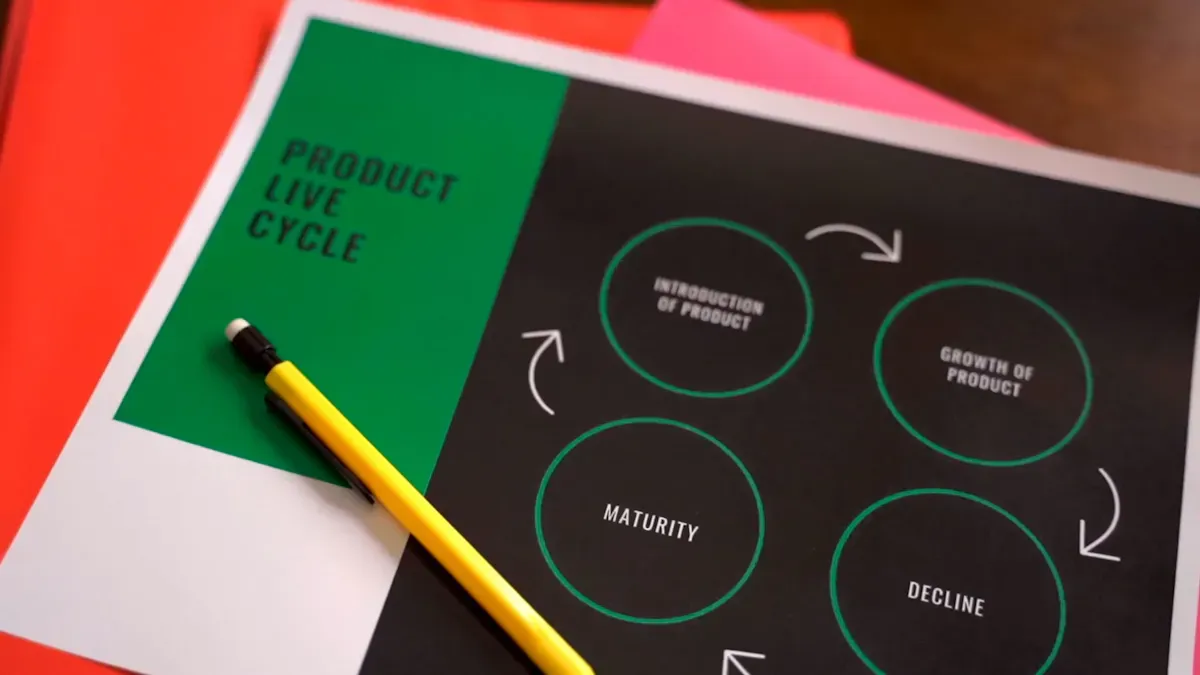
The speaker product life cycle is the story of a speaker. It starts with an idea and ends when it leaves the market. You can split this story into different parts: development and launch, growth and maturity, and decline and end-of-life. Each part has its own problems and chances to do well. If you manage the product life cycle well, you can make more money, spend less, and beat other companies. In audio technology, things change fast. You need to try new things but also keep your products steady. This helps you make customers happy and keep your brand strong.
Development and launch
The first part is development and launch. This is when you turn ideas into real speakers. What you do here can decide if your speaker will do well later. You should work on research, design, and planning. Electronics makers have to pick the right features, materials, and prices. You also need to find ways to stand out from other brands.
Tip: Use checklists and templates before you launch. These tools help you remember every step.
Some things you can do are:
Make a good plan for your product launch.
Show why your speaker is different from others.
Use checklists and templates to get ready for launch.
You can follow steps to help your speaker do better:
Step | Description |
|---|---|
1 | Add a Discovery stage to find new ideas |
2 | Use research to make your product better |
3 | Pick the best projects with Go/Kill points |
ZEH Audio uses research and careful project choices. This helps them make great speakers. They focus on new ideas and good sound, so people notice them.
Growth and maturity
When your speaker grows, more people buy it. This is when you reach more customers and build your brand. The speaker market grows fast because of smart TVs, streaming, and home tech. You need to keep up with new tech and what customers want.
Soundbars are popular because they are small and sound good.
More people buy speakers as smart TVs and streaming get bigger.
New sound tech like Dolby Atmos and wireless systems make speakers better.
Companies add voice control and smart home features to get more buyers.
People with more money want better sound, so the market grows.
The market changes as new tech comes out. You must keep making new things to stay ahead. ZEH Audio uses the newest sound tech and makes products for many people.
You will see new problems as your speaker gets older:
Stage | Challenges |
|---|---|
Growth Stage | You need to tell more people about your speaker, sell in more places, make enough products, and stop other brands from copying you. |
Maturity Stage | There is more competition, you must keep making new things, lower prices, and avoid getting stuck. |
You need to make enough speakers, protect your brand, and keep making your product better. Using data and talking to customers helps you win. Good service after the sale can help your speaker last longer.
Decline and end-of-life
All products reach the end of their life. The decline stage is when sales go down and new products take over. You need to plan for this so your business and the environment are safe.
Here are some things you can do:
Check how much your speaker is still worth and plan for its last days.
Change your legal plans to protect what you have left.
Change prices, ads, and sales to get the most out of your speaker.
Spend less on ads and repairs when your speaker does not make money.
You can try to make your speaker last longer:
Update your speaker or change it for new needs.
Find new ways to sell or show your speaker’s value.
Start selling your next product before the old one is gone.
Note: Decline is normal in the product life cycle. It does not mean you failed. If you plan ahead, you will be ready for what comes next.
ZEH Audio plans for the end early. They recycle, reuse, and design speakers that are better for the planet. This helps the environment and keeps customers happy.
If you manage every part of the product life cycle, you can make new things, save money, and keep customers coming back. This helps your speaker brand stay strong even when things change fast.
Design and engineering
Design and engineering are important for every speaker’s success. You must plan well and listen to what customers want. Using new ideas helps make better speakers. ZEH Audio is special because they use smart design and strong research. They care about sound quality and being good for the planet.
Electronic design
You can make speakers work better and last longer with good electronic design. Start by picking high-quality materials and planning your design. Test your speakers often so you find problems early. Make sure your speakers work in different places, like outside or in wet rooms.
Best Practice | Description |
|---|---|
Material Selection | Pick strong materials for better sound and longer life. |
Design Considerations | Plan circuits and layouts for best performance. |
Rigorous Testing | Test at each step to meet quality standards. |
Environmental Adaptability | Add things like water resistance for tough conditions. |
You should check important measurements:
Frequency response shows how your speaker plays sounds.
THD+N tells if there are unwanted noises.
Thiele-Small parameters help match the speaker to its box.
Mechanical design
Mechanical design changes how your speaker sounds and how long it lasts. Choose the best materials for each part. Coated paper gives good sound. Aluminum is good for deep bass. Polypropylene is light and works for low notes, but it can bend.
Material Type | Advantages | Disadvantages |
|---|---|---|
Coated Paper | Good sound quality | Not very strong |
Polypropylene | Light, good bass | Can bend under pressure |
Aluminum | Great for low sounds | Heavy and costs more |
Composites | Strong, low resonance | Expensive, needs special design |
Rubber/Foam | Flexible | Can wear out over time |
Make sure the cone and voice coil move smoothly. The cone surround and spider keep sound clear and steady. Pick the right box material, like wood for rich sound or plastic for wet places.
Sustainable design
Sustainable design helps protect the planet. Use recycled plastics, reclaimed metals, and renewable materials. Make speakers easy to take apart for repairs or upgrades. Modular designs let you swap parts instead of throwing away the whole speaker.
Use energy-saving parts, like LED displays.
Add smart controls to save power.
Keep standby power low.
Pick recycled and renewable materials.
Plan for easy repair and taking apart.
Give guides and spare parts to help repairs.
Keep materials in a loop for reuse.
Working together and sharing feedback is important. Work with all teams and listen to customers. Share feedback quickly and review it often. This teamwork helps fix problems fast and keeps speakers meeting real needs.
Manufacturing and quality
Supplier selection
Picking the right suppliers is very important when making speakers. Good suppliers help you make strong products and keep your brand trusted. You should check a few key things before choosing. Use the table below to help compare suppliers:
Criteria | Description |
|---|---|
Reputation | Check if the manufacturer has made good speakers before. |
Product Range | See if they offer many products for different needs. |
Quality | Make sure they use good materials that last and sound great. |
Technological Features | Look for new tech like Bluetooth and smart home features. |
Customer Service | Find out if they give good help, warranties, and support. |
Value | Make sure the price is fair for the quality and how long it lasts. |
ZEH Audio works with suppliers who have new technology and give strong support. This helps the product life cycle stay smooth and work well.
Production efficiency
You can make production better by using lean manufacturing and machines. These ways help you waste less and make speakers faster. Managers watch important numbers to spot problems and make smart choices. Some important numbers are:
Overall Equipment Effectiveness (OEE): Shows how well machines work.
Cycle Time: Tells how fast you make each speaker.
Throughput Rate: Counts how many speakers you make in a certain time.
Defect Rate / First Pass Yield: Checks how many speakers pass tests the first time.
Capacity Utilization: Compares what you make to what you could make.
Downtime / Uptime: Shows how long machines work or stop.
Changeover Time: Tells how fast you switch between making different products.
Production Cost per Unit: Finds out how much each speaker costs to make.
Work in Progress (WIP): Counts speakers that are not finished yet.
Takt Time: Matches how fast you make speakers to what customers want.
Waste Reduction Rate: Shows how much waste you cut over time.
ZEH Audio uses data and machines to keep production quick and steady. You can use these numbers to make your factory better and more trustworthy.
Parameter | Target Specification | Current Yield Rate | Industry Average |
|---|---|---|---|
Frequency Response Flatness | ±1.5dB (100Hz-10kHz) | 98.7% | 94.2% |
Total Harmonic Distortion | <0.5% @ 90dB (1kHz) | 99.1% | 97.3% |
Voice Coil Alignment | 0.15mm concentricity | 99.4% | 98.1% |
Impedance Match | ±7% of nominal | 99.8% | 98.9% |
Assembly Defects | 0 per unit | 99.95% | 99.5% |
Quality control
You need to check every speaker to make sure it is good. Quality control helps your speakers stay safe and work well. Use different tests to find problems early. The table below shows some common ways to check quality:
Quality Control Method | Description |
|---|---|
End-of-Line Testing | Done before packing, makes sure all speakers are good. |
Rub-and-Buzz Test | A fast test to find sound problems, but only checks basic things. |
Frequency Response Margin | Makes sure each speaker’s sound is within the right range. |
Total Harmonic Distortion | Checks for bad sounds so music always sounds nice. |
Impedance Margin | Looks at impedance to find problems that hurt performance. |
Average Sensitivity | Checks how loud the speaker is for each bit of power. |
Additional Tests | Other tests to make sure quality is always high. |
ZEH Audio uses strong quality checks and new testing tools. You can trust their speakers to sound great and last a long time. Good manufacturing and quality help you keep customers happy and make the product life cycle longer.
Distribution and support
Distribution strategies
You need to choose the right way to get your speakers to customers. Most people still buy speakers in stores. In 2023, offline channels made up over 60% of speaker sales. Many customers want to hear the sound and see the product before they buy. You can use stores, showrooms, and exhibitions to let people try your speakers. ZEH Audio often joins tech expos and audio fairs to show new products and meet buyers face-to-face.
Online sales are growing fast. Many people like shopping on websites because it is easy and offers more choices. Big sites like Amazon, Alibaba, eBay, and Flipkart help you reach customers all over the world. Online stores also let you offer discounts and easy returns. You can use both online and offline channels to reach more people and grow your brand.
Tip: Use data from both online and offline sales to see what works best. This helps you plan better and sell more speakers.
Customer support
Good customer support helps you keep your customers happy. You should answer questions quickly and solve problems fast. Most people say that customer service affects how they feel about a brand. If you listen to complaints and fix them, you build trust. ZEH Audio uses a support team that helps customers by phone, email, and chat.
You can collect feedback after each sale. Ask customers what they like and what you can do better. Use this feedback to improve your speakers and your service. When you make changes based on what customers say, you show that you care.
Customer Support Channel | Benefit |
|---|---|
Phone | Fast answers |
Easy to track problems | |
Live Chat | Quick help for web buyers |
Warranty and service
You should offer strong warranty and service plans. These plans make customers feel safe when they buy your speakers. Product protection plans help people trust your brand, especially for expensive items. If you handle warranty claims well, you can turn a bad experience into a good one.
Product protection plans increase buyer confidence.
Good warranty service builds loyalty and trust.
Fast repairs and easy returns make customers happy.
ZEH Audio gives clear warranty terms and quick service. This keeps customers coming back and helps your brand grow. When you support your customers after the sale, you make your speakers last longer and keep your business strong.
End-of-life management
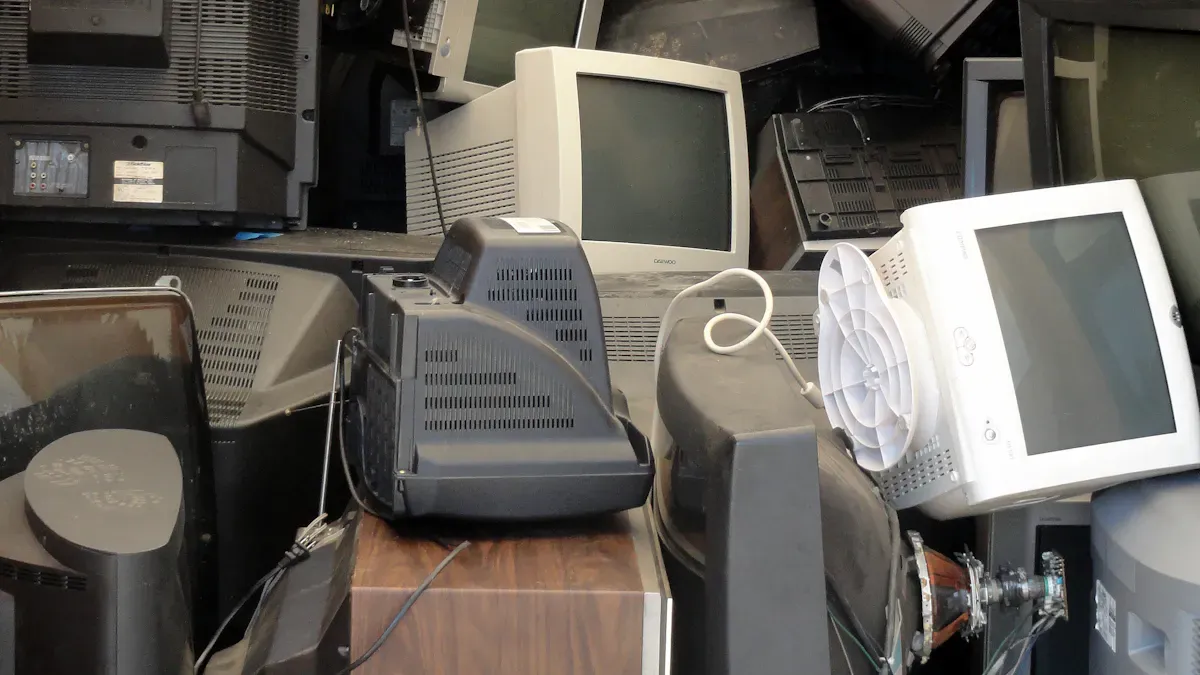
Recycling and disposal
You help the planet when speakers reach the end of their product life cycle. Instead of throwing old speakers away, you can recycle them. Recycling keeps e-waste out of landfills. It also helps get back useful materials. This stops toxic things like lead and cadmium from hurting soil and water. Making new products from recycled parts uses less energy.
Benefit | Description |
|---|---|
Reduces demand for new raw materials | You get metals, magnets, and plastics back, so companies do not need to mine as much. |
Prevents toxic materials from polluting | You keep lead solder, batteries, and electronics out of the ground and water. |
Supports the circular economy for electronics | You help use parts from old speakers in new products. |
Here are steps to recycle speakers:
Learn why recycling e-waste is good for health and nature.
Find out which devices you can recycle, like speakers.
Work with e-waste recycling services that handle electronics safely.
Set up a way to collect old speakers at your store or company.
Make sure you follow the rules for recycling.
Tip: Pick speakers made from bamboo or recycled plastic. Choose brands that let you return old speakers or take them apart for recycling.
Repurposing speakers
You can use old speakers in new ways. Repurposing means you do not throw speakers away. You might give them to schools or community centers. You can also take them to a recycling center or use company programs like Sonos, which gives shipping labels for recycling.
Give speakers to people who need them.
Take speakers to a recycling center for safe handling.
Use brand programs for easy recycling and safe disposal.
You can make old speakers better by adding new features or using them longer. ZEH Audio helps customers upgrade and add new features. You can stop selling old products and bring in new ones that fit new needs. This makes customers happy and helps the planet.
Note: If you manage the end-of-life stage well, you help the environment and earn trust from customers. You help keep materials and products useful for a longer time.
You can bring new ideas and save money by managing the speaker product life cycle well. This way helps you make better products, spend less, and keep customers coming back. ZEH Audio shows that good planning and teamwork make speakers sound great and last longer.
Match your product plans with what your company wants.
Ask customers what they think and listen to their ideas.
Talk with sales and support teams to learn more.
Get ready before you start selling new speakers.
Look at data and feedback after you launch.
Think about how to do well for a long time.
Work together with all teams for easy changes.
You will notice new trends changing things:
ESG factors help companies make smart choices.
Net-zero goals push for more green actions.
Circular economy ideas replace single-use ways.
Green technology gives better answers.
You can be a leader in making speakers better and helping the planet.
FAQ
What are the main stages of a speaker’s product life cycle?
There are five main stages for speakers. These are planning and design, production, marketing, updates, and end-of-life. Each stage needs good management. ZEH Audio plans well and uses new ideas to make each stage better.
How can you optimize speaker product life cycle management?
You can use data to help make smart choices. Try new ideas often to improve. Save money by making production better. Build strong relationships with your customers. ZEH Audio uses these ways to stay ahead in sound and technology.
Why is after-sales service important for speakers?
After-sales service helps keep customers happy. Good support and fast repairs build trust in your brand. ZEH Audio gives quick help and clear warranties. This keeps customers coming back and helps speakers last longer.
What makes ZEH Audio stand out in speaker life cycle management?
ZEH Audio is different because they use advanced design and strong research. They make speakers with the newest sound technology and care about the planet. Their team works together to make every stage better.
How does customer feedback help improve speakers?
Customer feedback shows what is good and what needs fixing. You can use this to update designs and add new features. ZEH Audio listens to customers and uses feedback to make speakers better.