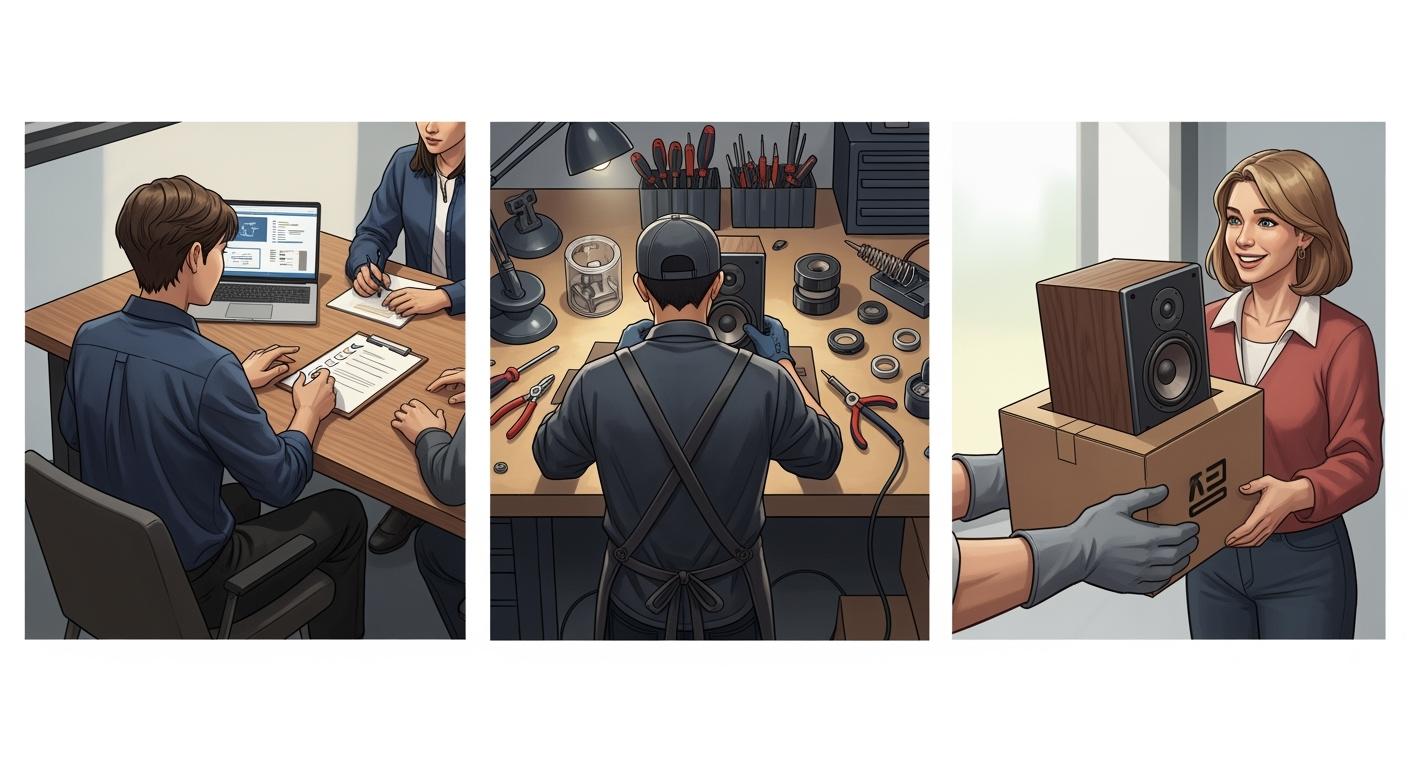
You want the speaker service process to go smoothly for your event. This process helps you pick the right speaker. It helps you manage details and keeps communication clear. Early booking makes everything easier. It gives you more time to talk and plan. You get help with travel and technical needs. You also get help with last-minute changes. The speaker service process helps you find content that fits your audience. Here are some common reasons people use a speaker service provider:
Reason for Engagement | Description |
|---|---|
Logistical Support | A speakers bureau helps with travel and places to stay. They handle technical needs and keep communication easy between you and the speaker. |
Tailored Content | Bureaus choose speakers based on your audience and event. They make sure the speaker matches your event goals. |
Handling Unforeseen Circumstances | Bureaus act fast when problems come up. They find solutions and help event organizers feel safe. |
The speaker service process makes communication important. You get support at every step.
Key Takeaways
Book your speaker early so they are available. This also gives you more time to plan.
Talk clearly from the start to build trust. This helps stop any confusion.
Use the consultation to learn what your audience needs. Change the speaker’s content to fit those needs.
Set clear expectations during the consultation. This stops surprises and helps the event go well.
Get feedback after the event. This helps you know what worked and what you can do better next time.
Booking And Initial Steps
Early Booking Benefits
Booking your speaker early gives you a big advantage. You get more time to plan, and your speaker has more time to prepare. Most speakers—over 71%—prefer to know about bookings at least two months before the event. This extra time helps everyone feel ready and confident. You can talk about your event goals, share important details, and ask questions. Early booking also means you have more choices. You can pick the speaker who fits your needs best. If you wait too long, your favorite speaker might not be available.
Good communication starts right here. You can share your ideas and listen to the speaker’s thoughts. This helps you both understand what will make your event special. Early communication also helps you avoid surprises. You can talk about fees, travel, and technical needs before things get busy.
Tip: Start your communication as soon as you know your event date. This gives you the best chance to get the speaker you want.
First Contact
The first contact is your chance to set the tone for the whole process. You might reach out by email, phone, or through a speaker bureau. This first step is not a formal consultation. It is a simple way to check schedules and share basic information.
Here are some common challenges you might face during this stage:
You need to define your event goals. This helps everyone stay clear on what you want your audience to learn or feel.
Some speakers may not want to change their presentation. You should check if your speaker will tailor their talk for your group.
You must clarify logistics early. Talk about fees, travel, and technical needs right away. This keeps communication smooth and avoids misunderstandings.
Strong communication during the first contact makes everything easier. You build trust and set up a good working relationship. When you focus on clear communication, you help your event run smoothly from the very start.
Consultation In The Speaker Service Process

The consultation is where you really start to shape your event. This step usually happens after you finish the first planning and booking. You get to sit down with your speaker service provider and talk about what you want. You can ask questions, share your ideas, and make sure everyone is on the same page. The consultation is your chance to build rapport and trust. You want to feel comfortable with your speaker and the team. Good rapport makes everything easier later on.
Needs Assessment
You want your event to stand out. The needs assessment is the heart of the consultation. Here, you talk about your goals and what you want your audience to learn or feel. You get to share your vision. The provider listens and asks questions. This is where building rapport really matters. When you feel heard, you can trust the process.
During the consultation, you look at your audience. Are they experts or beginners? Do they like stories or data? You talk about what works best for them. The provider might use tools like surveys, interviews, or even public forums to learn more about your group. You might see them use listening sessions or focus groups. They want to know what your audience cares about.
Here are some tools you might see during a needs assessment:
Tool/Framework | Description |
|---|---|
Listening sessions | You join group talks to share ideas and concerns. |
Public forums | You speak up in open meetings about your needs. |
Assets mapping | You look at maps to see what resources you have. |
Existing data | You check records or surveys for helpful facts. |
Interviews | You answer questions in a relaxed setting. |
Direct observation | The provider watches how your group interacts. |
Surveys | You fill out forms to share your thoughts. |
The consultation helps you match the speaker’s skills to your event goals. You get to see if the speaker can connect with your audience. You also learn about different ways to keep people engaged. Maybe you want small group breakouts or visual slides. The provider will suggest ways to make the session fun and useful.
You also talk about logistics during the consultation. You cover things like timing, location, and technology. You want to make sure everything fits together. The provider checks if the speaker needs special tools or training. You get to ask about rules and how everything will work on the day.
The needs assessment is not just about facts. It is about building rapport. You want to feel like you are working with a partner. You want open communication. You want to know that your ideas matter. The consultation gives you that chance.
Tip: Use the consultation to ask about past events. Find out what worked and what did not. This helps you avoid mistakes and get the best results.
You also get to learn about engagement strategies. The provider might suggest using real-world stories or case studies. They might talk about using digital tools for hybrid events. You get to see how the speaker can make the session fit your group.
Setting Expectations
Setting expectations is a big part of the consultation. You want to know what will happen next. You want clear answers. The provider will talk about how you will stay in touch. They will set up ways to share updates and answer questions. Good communication keeps everyone happy.
Here are some ways you set expectations during the consultation:
You agree on how to talk—email, phone, or video calls.
You set response times so you know when to expect answers.
You make a schedule for updates.
You talk about what to do if something changes.
You ask questions and share concerns.
You want to avoid surprises. The consultation helps you do that. You talk about what the speaker will cover. You ask about timing and breaks. You check if the speaker can change their talk for your group. You also talk about what happens if there is a problem.
Here is a quick list of methods you might use to set expectations:
Set up clear processes and rules early.
Write down what you agree on after each talk.
Share your working hours and how you like to talk.
Be honest about what you can and cannot do.
Listen as much as you talk.
You want to build rapport by being open and honest. If you make a mistake, you say sorry and share your plan to fix it. This builds trust. The consultation is your time to show you care about the event.
Note: Always follow up your talks with a written outline. This keeps everyone clear and avoids confusion.
The consultation is also where you talk about how you will measure success. You might plan to ask the audience for feedback. You could use surveys or watch social media for comments. You want to know if the session worked. You want to see if people learned something new or felt inspired.
Here are some ways you can check if your consultation worked:
Ask the audience for feedback during or after the event.
Listen to stories from people who attended.
Watch for comments on social media.
Send out surveys to see how people felt.
Check how many people showed up and stayed.
The consultation is not just a meeting. It is a way to build rapport, set clear goals, and make sure everyone knows what to expect. You want to walk away feeling ready and excited for your event. Good consultation leads to great results.
Callout: Use the consultation to build rapport, set clear expectations, and create a plan that works for everyone. This is your chance to make your event a success.
Planning And Customization
Tailoring Solutions
You want your event to be special, so you need a speaker that fits well. First, think about what your audience needs most. Do you need really clear sound for a big room? Maybe you want cool things like wireless microphones or Bluetooth. You might care about how the speaker looks on stage. Or you may need something strong for outdoor events.
Here are ways to pick the best speaker for your event:
Sound Quality: Pick a speaker that works for your room and crowd size. Big rooms need more power. Small rooms need clear sound but not too loud.
Features: Look for things like wireless options, built-in mixers, or smart controls. These extras make setup easier and give you more control.
Appearance: Choose a style that matches your event. Sleek speakers look nice for fancy events. Tough ones are better for outdoor or busy places.
Application Scenario: Think about where you will use the speaker. Is it inside or outside? Is it for music or talking?
Size and Power: Make sure the speaker is easy to carry and strong enough for your group.
Materials and Durability: If you need something that lasts, pick strong materials that can handle travel and setup.
You also want to balance sound, features, looks, and price. It is smart to talk with your provider about how much you can spend. They can help you get the best mix without spending too much.
Speakers like Chris and Scott Deming always change their talks to fit your group and industry. This custom way makes your event stand out and helps you get good results.
If you work with ZEH Audio, you get special choices. ZEH Audio can mix cool features, different looks, and strong materials. They help you save money, so you get a lot for your budget. Their team listens to you and builds a speaker just for your event.
Timeline Coordination
You want everything to happen on time. Good planning keeps your event easy and calm. Start by making a clear schedule and share it with everyone. Pick one person to handle the details and keep things moving.
Here are some tips for good timeline planning:
Make a timeline with extra time for surprises.
Share the schedule with all team members and speakers.
Set up calls before the event to talk about the plan.
Test the tech before the event starts.
Check travel and setup plans early.
Give people jobs to help the speaker.
Be ready to change things if needed.
A run-of-show document helps everyone know what to do next. You can use a table like this to keep track of important jobs:
Task | Why It Matters |
|---|---|
Supervise vendor arrivals and setup | Stops delays and makes sure things are ready |
Manage event time and make adjustments | Keeps things moving and speakers on time |
Use a run-of-show with exact timing | Helps switch between speakers smoothly |
Tip: Always have a backup plan for tech problems or last-minute changes. Pick one person as the main helper for quick fixes.
When you plan well, your speakers do their best and your event goes great. Everyone feels ready, and your audience has a good time.
Preparation For Public Speaking

Getting ready for public speaking can feel like a big task, but you can make it easier with the right preparation. When you deliver a speech, you want your presentation to connect with your audience. The way you choose to deliver a speech can change how people listen and remember your message.
Speech Delivery Methods
You have several ways to deliver a speech. Each method fits different situations in public speaking. Here’s a quick look at the most common ones:
Delivery Method | How It Works | Audience Engagement Impact |
|---|---|---|
Impromptu | You speak without much preparation. You might get called on suddenly. | Feels natural and casual, but can be risky. |
Extemporaneous | You use notes or an outline. You plan your speech but keep it flexible. | Lets you interact and connect with listeners. |
Manuscript | You read your speech word-for-word from a script. | Can sound robotic and lose audience interest. |
Speaking from Memory | You memorize your speech. You use keywords or stories to help remember. | Can sound smooth, but you might forget parts. |
When you prepare for a presentation, try practicing with different methods. You might start with a script, then move to notes, and finally try to deliver a speech from memory. This helps you find what feels best for your speaking style.
Tip: Practice your speech out loud. Use notes as a guide, but don’t be afraid to add your own stories or examples during your presentation.
Vocal Delivery Essentials
Your voice is a powerful tool in public speaking. How you use it can make your presentation stand out. Here are the key parts of vocal delivery:
Rate: Change how fast or slow you speak. This keeps your audience interested.
Volume: Speak louder or softer to show emotion or highlight points.
Pitch: Use high and low tones to add excitement to your speech.
Articulation: Say words clearly so everyone understands your message.
Pronunciation: Use the correct way to say words. This builds trust with your audience.
Fluency: Speak smoothly without too many pauses or fillers.
If you want your presentation to shine, practice these skills. Try recording yourself as you deliver a speech. Listen for places where you can improve your speaking. Good preparation helps you avoid common problems like stumbling over words or losing your place in your speech.
Remember: The more you practice your presentation, the more confident you will feel when you deliver a speech in front of others.
Delivery And Support
Event Execution
You want your event to go well from beginning to end. The delivery stage is when your plans become real. You get the most from your speaker if you have good support. Good support helps you and your speaker feel ready and sure.
Here are some support services you might get during delivery:
Technical rehearsals to check sound and visuals
Live technical help for problems that come up
Speaker coaching to help them feel confident
Contingency plans for surprises
Engagement tools like apps, polls, and Q&A
On-site staff to help with logistics
Streaming systems for virtual events
Interactive Q&A and backup feeds for smooth delivery
You may wonder how delivery is different for in-person and virtual events. Look at this table:
Aspect | In-Person Events | Virtual Events |
|---|---|---|
Planning | Focus on venues and logistics | Focus on event platform and technology |
Budget Allocation | Higher costs for venue and food | Costs can be lower, but may change |
Audience Engagement | Direct interaction and experience | Interaction through digital tools |
Technical Requirements | Less tech, mostly audio/visual | More focus on video and streaming |
Value Proposition | Includes physical experiences | Must give clear added value |
You get the best delivery when you set clear rules, offer rehearsal space, and give the right equipment. Show your speaker you care about their work. Give them special treatment or a small gift. This makes the delivery feel nice for everyone.
Post-Event Follow-Up
Your event is not over when the speaker finishes. Support after delivery helps you learn and grow. You want to know what worked and what to fix next time.
Here are ways to get feedback after delivery:
Method | Description |
|---|---|
Post-Event Surveys | Find out what people liked or did not like. |
Measuring Experiences | Focus on how people felt and what they learned. |
Creating Connection Spaces | Give people a place to share stories and connect after the event. |
You can help your speaker by giving honest feedback. Thank them for their work and share what the audience liked. This helps your speaker do better next time. When you keep talking, you build strong relationships and make every event better.
Tip: Always follow up with your team and your speaker after delivery. A simple thank you or a quick survey can make a big difference.
You want your event to go smoothly. The speaker service process keeps things simple and helps your team trust each other. Here’s why you can rely on it:
You get help with logistics and support all the way.
Speakers feel important and ready, so their talks are better.
Everyone knows what will happen, so surprises are rare.
Want your next event to stand out? Try these ways to start:
Platform | Example CTAs | Key Features |
|---|---|---|
Website | Sign Up for Free, Get Instant Access | Simple steps to start your event planning |
Social Media | Join the Conversation, Comment Below | Meet others and share your thoughts |
Email Marketing | Shop Now, Read the Full Article | Get news, tips, and special offers |
Multimedia Content | Don’t Forget to Subscribe, Visit our Website for More | Always get new ideas and updates |
Start your speaker service journey now!
FAQ
How do I pick the right speaker model for my event?
You should look at these things:
Sound quality for your space
Features you need (like wireless)
How the speaker looks on stage
Ask your provider for advice if you feel unsure.
What should I balance when customizing a speaker?
You want great sound, useful features, and a style you like. Cost matters, too.
Tip: Tell your provider what matters most. They can help you find the best mix for your budget.
What do I need to think about for different event spaces?
Check these before you choose:
Indoor or outdoor use
Room size and crowd size
Power and durability
Pick a speaker that matches your event’s needs.
Why is ZEH Audio a good choice for custom speakers?
ZEH Audio gives you strong sound, smart features, and cool designs. They help you save money, too.
Advantage | What You Get |
|---|---|
Custom Design | Fits your event |
Cost Control | Stays in your budget |
Feature Options | Adds what you need |
Can I get help if I have special requests?
Yes! You can ask for custom looks, extra features, or special sizes. ZEH Audio listens to your ideas and works with you to make it happen.