
You may ask if speaker wire and regular wire are really different. A lot of people think you can use both wires just fine. Here are some common thoughts:
- Speaker cables are almost the same as regular electrical wires.
- Many people use one instead of the other and do not hear a change in sound.
- Both wires carry low voltage and look almost the same.
Key Takeaways
- Speaker wire bends easily and is made for low-voltage jobs. This makes it great for hooking up speakers to audio systems. – Regular wire can be used for speakers if the wire is not too long. But, if the wire is thin or the distance is far, it might hurt the sound. – You should always pick the right gauge wire for your speakers. This helps you get clear sound and stops wires from getting too hot or breaking.
Speaker wire vs regular wire: What’s the difference?

You might wonder about the real difference between speaker wire and regular wire. Many people face confusion when choosing the right wire for their speaker setup. Let’s break down the speaker wire differences so you can make a smart choice.
Key features of speaker wire
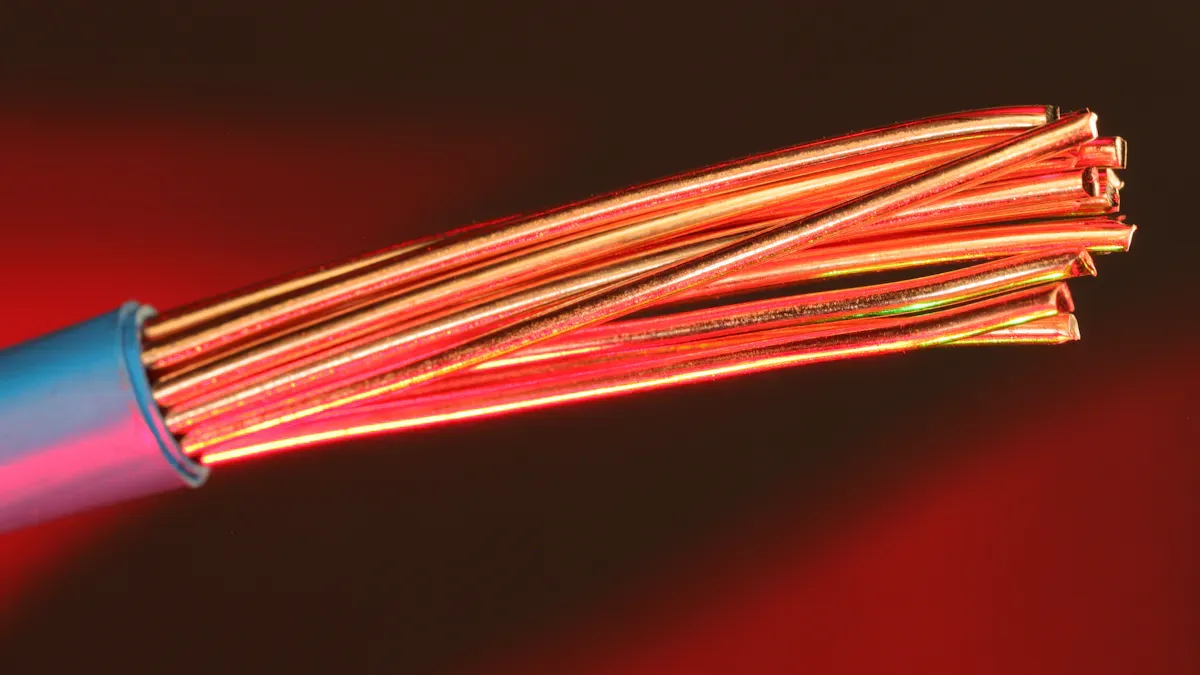
Speaker wire stands out because of its design. It uses many small strands of copper. This makes the wire flexible and easy to route around furniture or corners. You can bend speaker wire without breaking it. Most speaker wire has a strand count around 189, which gives high flexibility. Speaker wire is made for low-voltage use, perfect for connecting speakers to your audio system. You get clear sound and safe operation.
Tip: If you need to move your speakers often or run wire through tight spaces, speaker wire works best.
Here’s a quick look at the main features:
| Feature | Speaker Wire |
|---|---|
| Strand Count | Many small strands (about 189) |
| Flexibility | High |
| Voltage Rating | Low-voltage, ideal for speakers |
Key features of regular wire
Regular wire is different. It usually has a single, solid conductor. This makes it less flexible. You might find it hard to bend or shape regular wire. Regular wire can handle higher voltage, so it’s used for power outlets and lighting. It works well in permanent installations where you don’t need to move the wire.
- Solid wire gives better performance in fixed setups.
- Regular wire is not designed for speaker use, but some people use it anyway.
| Feature | Regular Wire |
|---|---|
| Strand Count | Single, solid conductor |
| Flexibility | Low |
| Voltage Rating | Higher voltage, not ideal for speakers |
The main difference comes from the strand count and flexibility. Speaker wire is flexible and safe for audio, while regular wire is stiff and made for higher voltage. You should pick the wire that fits your speaker needs.
Speaker wire and speaker cable: Technical details
Materials and conductivity
Speaker wire and speaker cable use different materials. Most speaker wire is made from pure copper. Copper is good at carrying electricity and is not too expensive. Some speaker cable uses copper-clad aluminum. This costs less but does not carry electricity as well. Sometimes ads talk about oxygen-free copper. It does not really change how your speakers sound. Silver is better than copper for electricity, but it costs a lot. You do not need silver for home speakers. Gold is used on connectors because it does not rust. Gold is not used for the wire itself.
Most speaker wire has PVC insulation. PVC is bendy and works well inside your house. Some speaker cable uses polyethylene. Polyethylene keeps out water better. Teflon is used for high heat. Rubber insulation is strong and bendy. Rubber helps if you move your speakers often.
Wire gauge and current capacity
Wire gauge is important for speaker cable. Thick wire with a low gauge number lets more electricity flow. This helps your amplifier work better and makes your music sound clearer. Thin wire can make your sound worse if you use it for long distances. For most home setups, 16 gauge wire is good for short runs. If your wire is longer than 50 feet or your speakers are powerful, use 14 or 12 gauge. Thick wire keeps resistance low and helps your speakers work well.
Insulation and flexibility
Insulation keeps your speaker wire safe from damage. Flexible insulation makes it easier to install your wire. This is helpful in tight spaces. Materials like thermoplastic rubber, silicone, and regular rubber are bendy. They also resist heat and water. This means your speaker cable lasts longer and stays safe. Good insulation stops electrical shorts. This protects your audio equipment.
Speaker cable usually has stranded conductors. This makes it flexible. Speaker wire can be solid or stranded. If you want easy installation and long-lasting wire, pick flexible and well-insulated speaker cable.
Can you use regular wire for speakers?
You might wonder if you can use regular electrical cable instead of speaker wire for your speaker systems. Many people try this because regular electrical cable is easy to find and often costs less. Let’s look at what happens when you use regular wire for your speakers.
Pros and cons
You can use regular electrical cable for your speakers in some cases. It works best for short runs and low-power speaker systems. If you have extra wire from another project, you might want to use it. This can save you money and time.
But there are some big drawbacks you need to know:
- High resistance can show up in regular electrical cable, especially if you use thin wire or run it over long distances. This resistance can hurt your sound.
- Thin wire does not work well for speakers that need a lot of power. You might notice weak bass or muffled music.
- Regular electrical cable is stiff. It can be hard to bend around corners or fit behind furniture.
- The insulation on regular electrical cable is not made for audio. It may not protect your speaker systems from interference or damage.
Note: If you use regular electrical cable, pick a thick wire. Make sure your runs are short. Always check the connections for a tight fit.
Impact on sound quality
You care about how your music sounds. So, does regular electrical cable change the sound from your speakers? The answer depends on the type and size of wire you use.
Here’s what tests show:
| Wire Type | Sound Quality Comparison |
|---|---|
| 16-gauge lamp cord | Indistinguishable from specialized speaker wire |
| Monster cable | Indistinguishable from 16-gauge lamp cord |
| 24-gauge wire | Higher resistance leads to audible differences |
| Exotic cables | No validated sonic benefits over common wires |
If you use a thick, 16-gauge regular electrical cable, you probably won’t hear a difference in your home audio. But if you use a thin wire, like 24-gauge, you might notice your music sounds dull or weak. High resistance in thin wire can make your speakers lose detail, especially in the bass.
Safety issues
Safety matters when you set up your speaker systems. Using regular electrical cable can cause problems if you don’t choose the right type or size.
- If you use wire that is too thin for your speakers, it can get hot. This heat can damage the wire and your speakers.
- Mixing different types of wire on each speaker channel can cause interference and buzzing.
- Running speaker wires next to power cables can make your music sound noisy.
- Loose connections can make your speakers cut out or sound harsh.
- Old or reused factory wiring may not handle the power your speakers need.
When regular electrical cable has high resistance, your amplifier works harder. This can cause distortion and heat. Over time, heat can damage the inside of your speakers. You might hear buzzing, lose volume, or even ruin your speakers.
Tip: Always use wire that matches your speaker’s power needs. Check for heat and make sure your connections are tight. If you notice buzzing or weak sound, check your wiring right away.
You can use regular electrical cable for speakers in some cases, but you need to watch for these problems. For the best sound and safety, speaker wire or speaker cable is usually the smarter choice.
Choosing the right wire for your speakers
When regular wire is okay
Setting up speakers can feel confusing. Many people want a simple answer. Can you use regular wire? Regular wire works if the distance is short. Try to keep it between 5 and 10 feet. If you use 16-gauge wire, your sound will stay clear. This works well in small rooms or for temporary setups. Thicker wire is better for strong amplifiers or longer runs.
- Use regular wire for short distances, up to 10 feet.
- Pick 16-gauge or thicker wire for good results.
- Choose thicker wire if your speaker needs more power.
When to use speaker wire or speaker cable
If you want the best sound, use speaker cable. Speaker cable is made for speakers. It bends easily and lasts longer. It also keeps your music clear and strong. Good speaker cable stops interference and helps your system work well.
Here’s a simple guide for picking wire gauge:
| Impedance | Recommended Wire Gauge |
|---|---|
| 4 ohms or less | 14- or 12-gauge |
| 6 ohms | 16-gauge |
| 8 ohms | 18 or 16-gauge (use 12 or 14-gauge for long runs) |
Speaker cable is great for high-quality audio setups. You get strong connections and good shielding. Your music sounds better. The table below shows why experts like speaker cable:
| Advantage | Description |
|---|---|
| Reliability and Longevity | Lasts longer and resists damage |
| Shielding | Blocks interference for cleaner sound |
| Audio Quality | Delivers accurate sound with less loss |
| Reduced Inductance | Improves efficiency and performance |
| Core Quality | Uses high-grade materials for better results |
If you need special cables, ZEH Audio has many options. Their team can help with custom projects. You can trust their engineers to support your work.
In-wall and special installations
Safety is important for in-wall speaker cable. Building codes need special jacketed wire, like CL3 type. Inspectors may have different rules. Using the right cable keeps your building safe. Always check local codes before starting.
Tip: For in-wall speaker cable, pick CL2 or CL3 ratings. These cables protect against fire and meet most safety codes.
If you need a custom cable for a big project, ZEH Audio can help. Their team knows how to handle tough jobs. You can talk to their engineers, ask for a quote, or get a custom design for your audio project.
You now know the key differences. Speaker wire gives you lower resistance and better sound. Regular wire can work, but only for short runs. Always pick the right gauge for your setup. Avoid thin or reused wires. For safe, clear audio, choose quality wire and check your connections.
FAQ
Can you use regular wire for a speaker?
You can use regular wire for a speaker if the run is short and the wire is thick. You may lose sound quality with thin wire.
Does speaker wire improve sound quality?
Speaker wire helps your speaker deliver clear sound. You get less resistance and better performance. Choose the right gauge for your setup.
What gauge wire should you use for a speaker?
Pick 16-gauge wire for most home speaker setups. Use thicker wire for longer runs or powerful speakers. Always check your speaker’s manual.