
Common car speaker sizes
Standard speaker sizes
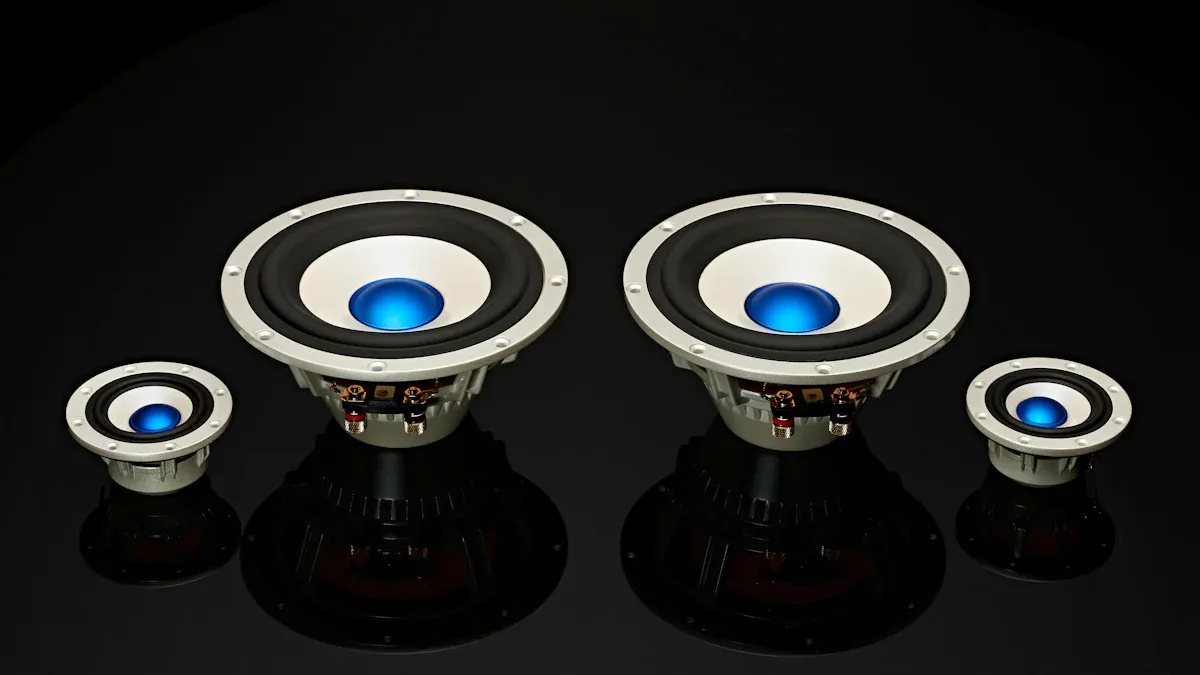
You will find several standard car speaker sizes in most vehicles. These sizes help you choose the right speakers for your car. Here is a list of the most common car speaker sizes:
- 3.5 inch speakers
- 4 inch speakers
- 5.25 inch speakers
- 6 inch and 6.5 inch speakers
- 4×6 inch coaxial and plate speakers
- 5×7 inch speakers
- 6×8 and 6×9 inch speakers
- 4×10 inch speakers
Each size fits different locations and serves unique purposes. Smaller speakers often handle high frequencies. Larger speakers can produce deeper bass.
Typical locations in vehicles
You can find car speaker sizes in specific spots inside your vehicle. The table below shows where these speakers usually go:
| Location | Common Speaker Sizes |
|---|---|
| Front Doors | 6.5″ or 6×9″ |
| Rear Decks | 5.25″ to 6×9″ |
| Dashboards | 3.5″ or 4″ |
Sedans often use 6.5-inch speakers in doors. SUVs and trucks usually feature 6×9-inch speakers in rear decks. Larger vehicles may need more speakers and amplifiers to fill the cabin with sound.
Tip: Check your car’s manual or use a fit guide to confirm the speaker size for each location.
Sound characteristics by size
Car speaker sizes affect how your music sounds. Smaller speakers, like 3.5″ or 4″, work best for high notes and vocals. Mid-sized speakers, such as 5.25″ to 6.5″, provide balanced sound for most music styles. Larger speakers, like 6×9″, deliver strong bass and higher volume.
A bigger speaker cone can move more air, which helps create deeper sounds. Smaller cones move faster and handle treble better. The Q factor describes how a speaker’s parts control movement at certain frequencies. This factor changes how efficient the speaker is and how it responds to different sounds. You get better sound quality when you match the right car speaker sizes to your vehicle and music preferences.
Measuring speaker size
Measuring diameter and mounting depth
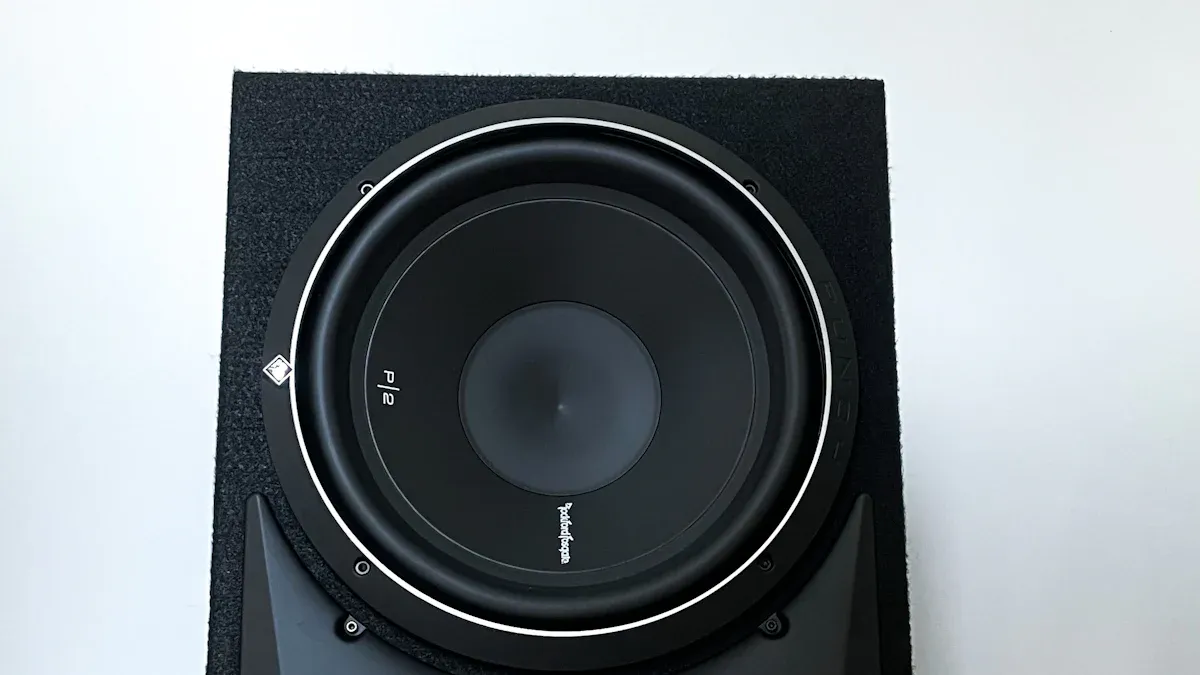
Before you install speakers, you need to measure them. Use a tape measure, ruler, or caliper. Put the speaker on a flat surface. Measure the widest part of the speaker. Check the hole where the speaker will go. The hole should be a little smaller than the speaker’s edge. Look at the screw holes. Count how many there are and write down their spacing. To measure mounting depth, turn the speaker sideways. Measure from the front to the back. Write down any parts that stick out in front. These steps help you avoid problems with fitting the speaker.
Tools for measuring speaker size:
- Tape measure, ruler, or caliper for diameter.
- Tape measure for mounting depth.
- Notepad for screw hole positions.
- Flashlight for better visibility.
Tip: Always check your measurements twice. This makes sure the speaker fits your car audio system.
Understanding nominal vs. actual size
Sometimes a speaker says “6.5 inch,” but it might not be that size. Nominal size is the name the maker gives. Actual size is what you measure yourself. The nominal size can be different from the real diameter. Always measure the speaker on your own. This helps you understand car audio specs and stops mistakes when you install.
| Nominal Size | Actual Diameter (inches) |
|---|---|
| 6.5″ | 6.3″ – 6.7″ |
| 5.25″ | 5.0″ – 5.3″ |
| 4″ | 3.8″ – 4.2″ |
Checking wire harness compatibility
You need to check the wire harness before you put in new speakers. Look at the wiring harness that came with your car. Some cars use special connectors like JST or Molex. Others just have bare wires. Find the color-coded wires and check your owner’s manual or look online for pinouts. This step makes sure your new speakers connect right and work with your car audio system.
- Check the wiring harness for connector type.
- Look up color codes in manuals or online guides.
- Make sure everything matches before you install speakers.
Note: Using the right connector stops wiring problems and keeps your car audio system working well.
Choosing the right car speaker sizes
Matching size to vehicle and audio needs
When you pick car speaker sizes, think about your car’s space and what you want to hear. First, look at how much room you have in your car. Measure how deep the speaker can go. Check the size of the hole and the whole speaker. These steps help you avoid problems with fitting. They also make sure your speakers sound good. Next, think about the kind of music you like. Small speakers are good for high sounds and singing. Big speakers give you more bass and play louder.
Here is a table that shows which speaker size works best in each spot and what makes them special:
| Speaker Size | Best Location | Notable Features |
|---|---|---|
| 3.5-inch | Dashboard | Handles 15-30 watts, perfect for high frequencies |
| 4-inch | Dashboard/Doors | Manages 25-40 watts, richer mid-range output |
| 5.25-inch | Rear Doors | Solid mid-bass, works well with tweeters |
| 6.5-inch | Front Doors | Adaptable, excellent mid-range and bass |
| 6×9-inch | Rear Deck | Deep bass, distinctive oval shape |
Tip: Always look in your car’s manual or use a fit guide before you buy new speakers.
Integration and housing optimization
You can make your music sound better by using the right speaker housing and making sure everything fits well. The box or space around the speaker changes how sound moves in your car. A good speaker box stops shaking and blocks extra noise. Pick a box that fits your speaker size and fits tight in your car. This helps your speakers play clear and strong music.
- Use boxes made for your speaker size.
- Make sure the box closes tight so sound does not leak.
- Do not leave gaps or loose parts that can make rattling noises.
Acoustic tuning and PCBA
Acoustic tuning and PCBA help your car speakers sound their best. PCBA tuning cuts down on noise and keeps the music clear. It also lets you use more speakers and keeps the signal strong. Good PCBA uses tough parts and handles heat well, so your speakers last longer.
| Feature | Description |
|---|---|
| Superior Sound Quality | Optimized circuits keep noise and distortion low for clear audio |
| Multi-Channel Support | Works with many speakers and subwoofers |
| Robust Components | Uses automotive-grade parts for long life |
| Signal Stability | Advanced layout reduces electromagnetic interference |
| Customization Ready | Allows tuning for your specific vehicle |
| Thermal Management | Efficient heat design keeps performance steady |
Note: When you use the right speaker size, a good box, and PCBA tuning, your car music will sound its best.
System integration and supply chain risks
Integrated vs. fragmented procurement
Buying car audio parts from different suppliers can cause problems. You might have delays and pay extra money. It is harder to follow rules when you get parts from many places. Managing speakers, housings, and wiring separately makes things tricky. You may find it tough to change products for local markets. Meeting strict rules can be a challenge. The table below lists common risks:
| Risk Type | Description |
|---|---|
| Regulatory Compliance Overhead | Costs go up and rules get harder because parts come from many suppliers. |
| Slower Procurement Cycles | Getting parts takes longer when you use more suppliers. |
| Localization Complexity | It is hard to change products for local needs and rules. |
Problems in the supply chain can slow down getting the right speaker sizes. You may pay more for parts and have trouble meeting what customers want. Using integrated solutions gives you better quality and faster delivery. In China, factories in Guangdong and Zhejiang use smart machines and skilled workers. These places have big ports that help lower shipping costs and make delivery quicker. Integrated car audio solutions make your supply chain stronger and more efficient.
Quality and compliance standards
You must follow strict rules when making car speakers. Manufacturers use special tools and new technology to make sure parts fit and work well. They test speakers for frequency response, sensitivity, power handling, and distortion. The table below explains important points:
| Aspect | Description |
|---|---|
| Speaker Design | Size, shape, and material must fit the car and make the right sound. |
| Speaker Material Selection | Materials like paper, polyester film, aluminum, and titanium help balance sound and durability. |
| Speaker Manufacturing Process | Special tools and new technology make sure parts connect and work together. |
| Speaker Testing and Calibration | Professional equipment checks how speakers sound and handle power. |
Certifications help you know your speakers are good. Look for IATF 16949, ISO9001, CE, FCC, and RoHS marks. These show your speakers are safe, reliable, and good for the environment. IATF 16949 means strict quality checks. ISO9001 helps keep products the same every time. CE and FCC marks show safety and compatibility. RoHS keeps dangerous materials out, making products safer for everyone.
- IATF 16949 checks quality very closely.
- ISO9001 sets up strong ways to manage quality.
- CE and FCC marks show safety and compatibility.
- RoHS keeps products free from harmful substances.
Customization and B2B solutions
You can get car speakers made just for you. B2B buyers often want changes in design, branding, and packaging. You may ask for custom test reports or manuals in different languages. You can match colors or add new features. The list below shows common choices:
- Change product design, like size or materials.
- Use private label branding and special packaging.
- Get custom documents and manuals.
- Match colors and finish surfaces.
- Add new functions or modular parts.
ZEH has many years of experience in car audio. The company uses strict tests and checks to keep quality high. ZEH works with clients to make solutions that fit their needs. You get full systems, not just single parts. ZEH delivers products quickly and reliably, helping you finish your car audio projects faster. When you start looking at car audio specs, you can trust ZEH to help you with skill and proven results.
You can upgrade your car audio easily with a car speaker fit guide. Measure your speakers carefully before you buy new ones. This helps you pick speakers that sound good in your car. Accurate measurements make sure you get high sound quality. System integration and housing optimization help B2B buyers get better results. Following standards is important for good performance. If you need custom solutions or technical help, contact ZEH for a free quote.
FAQ
How do you measure car speaker size?
You measure the diameter across the widest part of the speaker. Use a tape measure or ruler. Check the mounting depth by measuring from the front to the back of the speaker.
What happens if you install the wrong speaker size?
You may face poor sound quality or the speaker may not fit. The speaker can rattle or fail to mount securely. Always check your car’s manual or use a fit guide.
Can you use aftermarket speakers with factory wiring?
You can use aftermarket speakers with factory wiring. Check the connector type and wire harness. Some speakers need adapters for JST or Molex connectors.
Which speaker size gives you the best bass?
| Speaker Size | Bass Quality |
|---|---|
| 6×9-inch | Excellent |
| 6.5-inch | Good |
| 5.25-inch | Moderate |
Choose larger speakers for deeper bass.
Do you need professional help to install car speakers?
You can install speakers yourself if you follow instructions and use the right tools. Ask a car audio specialist for help if you feel unsure or want the best results.