
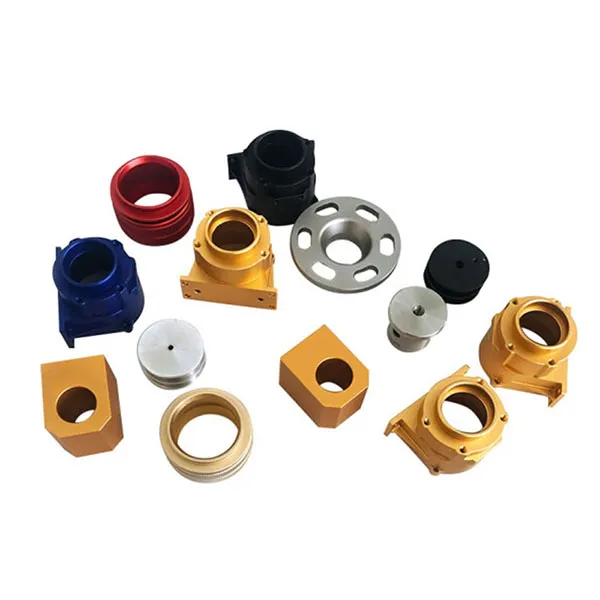

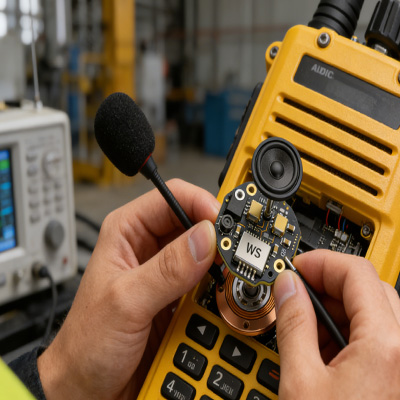
The high conductivity of copper is its core advantage, mainly used in manufacturing precision conductive components. CNC machining can achieve high-precision forming of complex structures, with typical applications including: electrical connectors, conductive terminals of circuit boards, chip heat dissipation bases, precision relay contacts, etc.

Copper undertakes conductive and thermal conductivity functions in automobiles, and is especially suitable for the high demands of new energy vehicles. CNC machining is used to produce high-reliability automotive copper components, such as: copper end caps for motors, battery pack poles, copper valve cores for braking systems, copper housings for on-board sensors, etc.
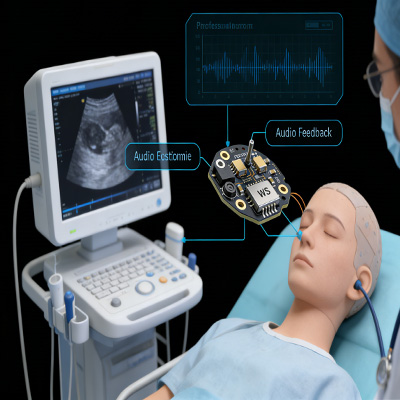
Copper has certain antibacterial properties and good biocompatibility, while medical devices have extremely high precision requirements. CNC machining can meet micron-level precision needs, with common applications including: precision copper clamps for surgical instruments, copper conductive components for diagnostic equipment (e.g., ultrasonic probes), copper terminals for medical instruments, etc.

The wear resistance and corrosion resistance of copper are suitable for industrial environments, while CNC machining ensures precise fit between components. Main applications include: copper valves for hydraulic systems, copper connectors for pneumatic components, copper guide sliders for precision machine tools, copper protective housings for sensors, etc.

Relying on die stamping forming, ZEH can complete multiple processes such as blanking, bending, and punching in a single operation. The stamping speed can reach 30-300 strokes per minute (adjusted according to part complexity), which is suitable for mass production needs. At the same time, combined with an automated feeding system, it can achieve 24-hour continuous operation. Compared with cutting processes, the production efficiency is increased by 3-5 times, significantly shortening the delivery lead times for customers.

Our mold processing precision can reach ±0.02mm, with small dimensional tolerance variation of stamped parts. The consistency of parts in the same batch exceeds 99%, which meets the needs of scenarios with strict precision requirements such as auto parts and electronic connectors. Additionally, the molds have a long service life (ordinary steel molds can withstand 100,000 to 1,000,000 stamping strokes), and there is minimal precision degradation during long-term production.

Through optimized nesting design, ZEH achieves a metal sheet utilization rate of 80%-95%. This reduces waste compared with traditional cutting processes (with a utilization rate of approximately 50%-70%). Similarly, during mass production, the unit part cost is low after amortizing the mold cost. Compared with processes like CNC milling, the comprehensive costs are reduced by 20%-40%.

We can process metal sheets with a thickness of 0.1mm-10mm, compatible with various materials such as cold-rolled steel, stainless steel, aluminum alloys, and copper alloys, which can meet the needs of different industries. Moreover, it supports integrated forming of complex shapes (such as three-dimensional curved surfaces and porous structures), reducing subsequent assembly processes.