Big Power Tweeter Speaker & Vibration Speaker

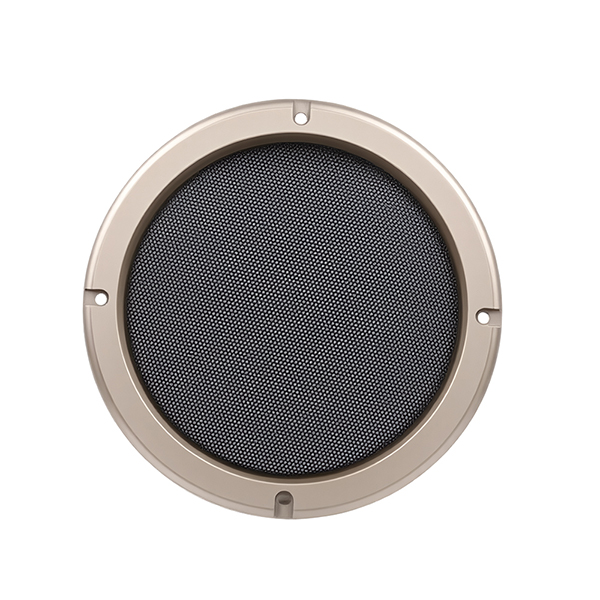
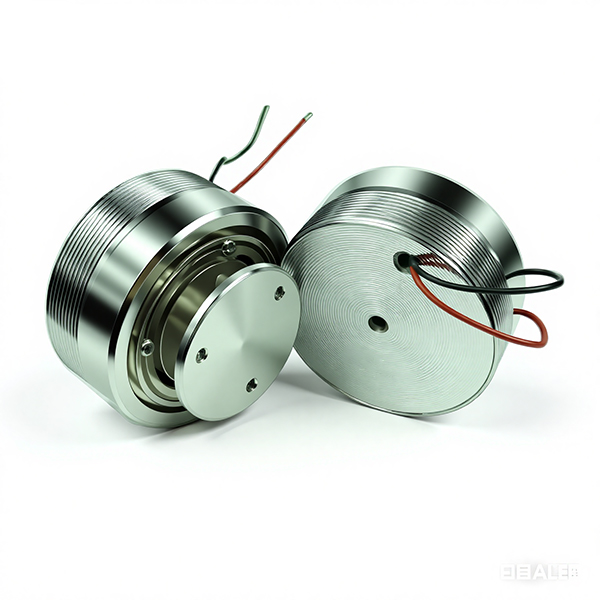
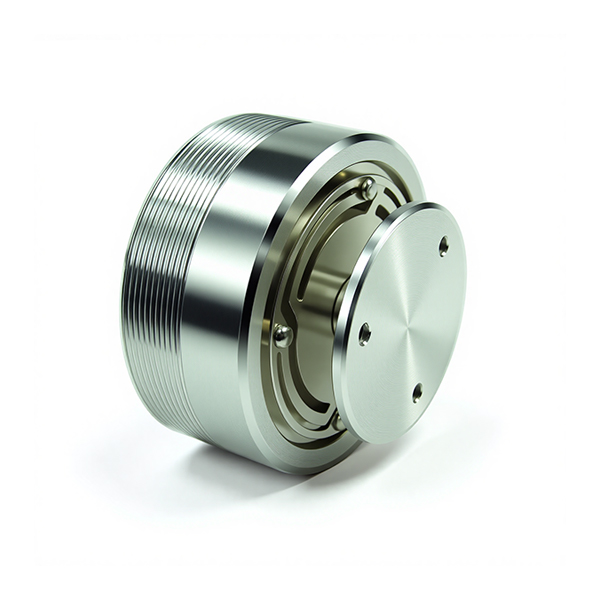
Tweeter (High-Frequency Speaker):As the high-frequency reproduction unit of an audio system, the tweeter’s core function is to convert the high-frequency components (typically 2 kHz – 20 kHz) in electrical signals into sound waves.

It features a small-sized, high-rigidity diaphragm and heat-resistant magnet design, enabling rapid response to high-frequency signals. This allows it to clearly render high-frequency details and a sense of space in music, making it a key component for achieving complete sound quality output. It is widely used primarily in audio systems and public address systems.

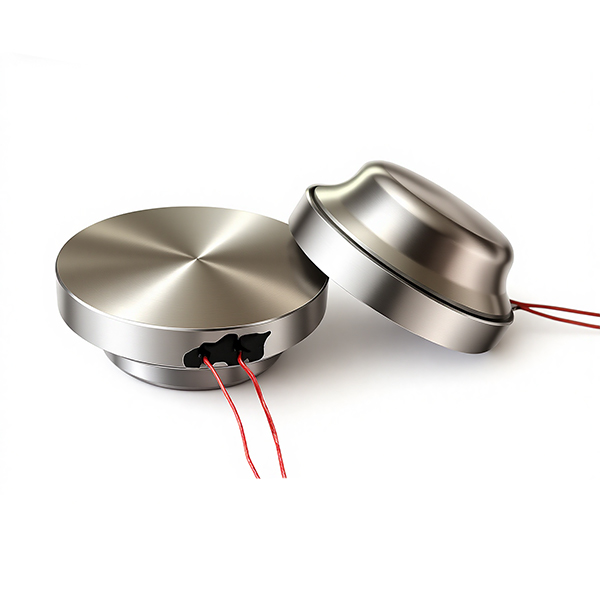
Vibration Speaker: As a type of specialized audio transducer, the vibration speaker excels in bass performance.

It delivers deeper bass extension and stronger impact; compared to standard transducers, it reproduces low-frequency details more clearly, enhancing the fullness and impact of audio.Meanwhile, its vibration performance is equally impressive. Equipped with a design using high-end vibrator materials and optimized large magnets, it can transmit vibrations directly through the carrier. Its vibration can also accurately vary with audio dynamics, providing designers with a more stable and rich sound texture.

Products Categories
Get A Free Quote
Contact Form
Big Power Tweeter Speaker & Vibration Speaker Feature
  • Tweeters: Feature a highly compact design with smaller dimensions, while stably delivering 10W and above power output—balancing space adaptability (e.g., narrow installation areas) with sound performance requirements.
  • Vibration Speakers: As complementary acoustic components, their core advantage lies in adapting to diverse scenarios via vibration-borne sound, forming functional complementarity with tweeters.
  • Power Adaptability: Both vibration speakers and tweeters offer flexible power adjustment capability. Power parameters can be adjusted based on actual sound needs (e.g., small indoor spaces, medium-distance outdoor transmission) to meet output requirements in different scenarios.
  • Waterproof Performance: Both speaker types achieve IP68 waterproof rating. They effectively resist complete dust intrusion and withstand prolonged submersion under certain pressure (e.g., outdoor rainy days, humid environments), making them suitable for complex humid scenarios like outdoor use, bathrooms, and in-vehicle applications.
  • Mounting Adaptability: Both speakers support mounting space adjustment per customer requirements, with available wire-soldered or screw-mounted designs.

Tweeter speaker & vibration speaker Description

Tweeters are the core of audio systems, directly defining high-frequency audio quality. Whether capturing the delicate sibilance in vocals, the bright overtones of a violin, or the high-frequency details of musical instruments, tweeters are essential for clear reproduction. Without a high-quality tweeter, sound turns dull, loses depth, and fails to convey the transparency and spatiality of music.

Design is equally critical, as diaphragm material, size, and magnetic circuit structure directly impact high-frequency response speed and resolution—ultimately determining if the entire audio system can reproduce sound with its authentic texture. Leveraging its audio engineering prowess, ZEH creates premium tweeter units: made with high-end materials like silk or titanium diaphragms, and paired with heat-resistant magnets and voice coils, these units deliver both quality and rich texture.
As the core audio components in a wide range of devices, vibration speaker units directly shape sound output quality and user experience. Engineered for multi-scenario equipment needs, our units offer broad compatibility, seamlessly integrating into smart wearables, smart home devices, and portable audio-visual products alike.

With built-in low-power technology, they reduce energy use while preserving sound quality—extending device battery life. We enforce strict production controls: each vibration speaker unit undergoes rigorous testing to ensure stable vibration performance and long durability, effectively lowering distortion risks. Their lightweight build simplifies device integration, enhancing the audio competitiveness of end products and delivering a premium sound experience.

The Tweeter speaker & vibration speaker Technical Date Sheet/ Specifications

Product Name 26mm Tweeter speaker or Customized according to your requirements
Related model 0.5inch, 1.0inch, 1.5inch, 2.0inch, 2.5inch, 3.0inch, 3.5inch, 4.0inch, 4.5inch, 5.0inch, 5.5inch, 6.0inch, 6.5inch, 8inch, 10inch, 12inch, 15inch, 18inch and more big size. 18mm, 20mm, 23mm, 26mm, 27mm, 28mm, 30mm, 31mm, 32mm, 34mm, 36mm, 40mm, 42mm, 45mm, 50mm, 52mm53mm, 57mm63mm, 66mm, 78mm 82mm89mm92mm102mm105mm and etc..Round shape or square shape etc. please contac us and provide for your more size for you choose
Enclosure Material Matel or Plastic
Customized service Yeah, Based on your drawings or require customization
Product impedance (4Ω to 6Ω to 8Ω to 16Ω )±15%
Product power 1w~100w( customized as you)
Frequency Range FO:20~20KHZ
Function play ,wireless, Perfect sound speaker and multi-functional products, more widely used, applicable to any electronic product

Get Free Quote of Tweeter speaker & vibration speaker

As a professional speaker manufacturer, we are dedicated to delivering high-quality audio solutions. Whether you require tweeters, vibration speakers, full-range speakers, or custom-designed speakers, we always take professionalism as our core, exercise strict control over every detail, and provide precise and reliable audio support for your products—ultimately empowering your product upgrade.

The Tweeter speaker & vibration speaker Applications

Both tweeters and vibrating speakers find broad application across diverse sectors. Their specific use cases are detailed below:

Portable Audio Devices

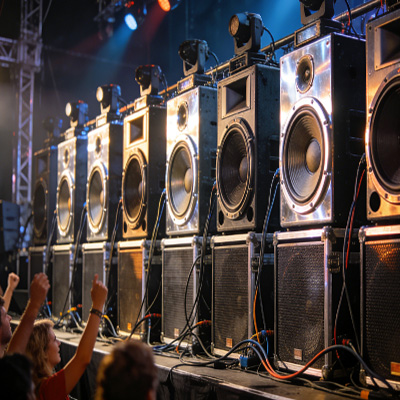
Including small Bluetooth speakers, sports headphones, and various mobile terminals. Vibrating speakers enhance immersive sound experiences via low-frequency vibrations. Meanwhile, in noisy environments, they guarantee effective sound transmission through vibration conduction—such as direct contact with the ear or desktop resonance. Tweeters, by contrast, focus on optimizing high-frequency audio quality, compensating for the lack of high frequencies in compact devices and delivering clearer, more transparent human voices and musical instrument overtones.
In-Vehicle Devices

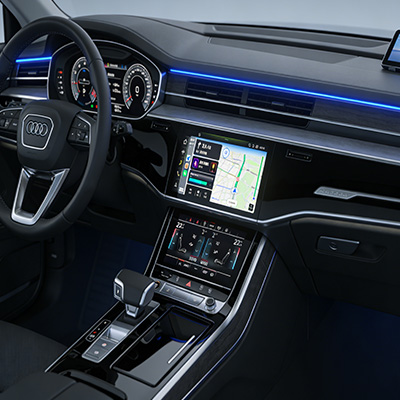
Covering safety warning equipment (e.g., reverse radars, collision warning systems), in-car audio systems, and in-vehicle interaction systems (e.g., voice control feedback). Vibrating speakers can transmit vibration signals through components like seats and instrument panels—for example, graded vibration reminders during reversing, or fatigue warning vibrations during high-speed driving—preventing traditional audio alerts from being masked by noisy road conditions. Tweeters expand the high-frequency range of in-car audio to boost music resolution, while also improving the clarity of voice interactions, ensuring accurate transmission of navigation instructions, incoming call alerts, and other key information.
Smart Home Sector

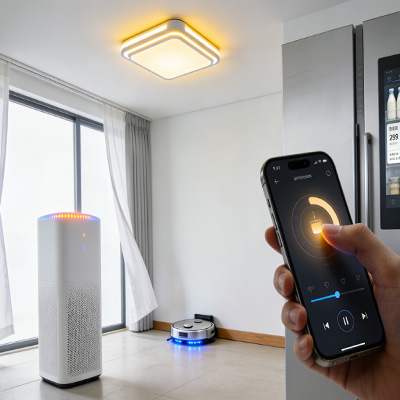
Applied in products such as smart door locks, smart switches/sensors, and cleaning equipment (e.g., robot vacuums, floor scrubbers). The core role of vibrating speakers here is to provide low-interference feedback: examples include handle vibration alerts for low battery in smart door locks, subtle vibrations from sensors when alarms are triggered (to avoid disturbing others with noise), and vibration feedback from robot vacuums when they hit obstacles. Tweeters are mainly used in voice interaction scenarios—such as “unlocked/locked” voice prompts for smart door locks, and working mode announcements for cleaning equipment. Their high-frequency properties ensure voices are clearly distinguishable in home environments and not easily confused with ambient noise.

Healthcare Sector

Vibrating speakers play a critical role in assistive perception devices (e.g., navigation tools for the visually impaired, assistive devices for the hearing impaired) and rehabilitation & nursing equipment (e.g., limb rehabilitation trainers, sleep monitors). By precisely controlling vibration frequency and intensity, they enable reliable signal transmission: for instance, navigation tools for the visually impaired use different vibration frequencies to indicate directions (e.g., high frequency for right turns, low frequency for left turns), while rehabilitation trainers use specific-frequency vibrations to aid muscle relaxation and blood circulation. Tweeters are primarily used for voice announcements in medical equipment—such as “abnormal breathing alert” from sleep monitors and “training completion prompt” from rehabilitation devices—ensuring medical staff or users can quickly capture key information through their clear high-frequency output.
Related Products

Related News

[product_related_posts]
Scroll to Top

Get A Free Quote Now !

Contact Form
If you have any questions, please do not hesitate to contact us.