

You may ask if wireless audio systems or traditional speakers are better for you. The answer depends on what is important to you. Many people want good sound, simple setup, and a nice look at home. Some people like moving speakers around or saving money. Others feel confident with technology and want to change settings. Here are some things people care about in this market comparison:
Audio quality
Installation ease
Aesthetics
Flexibility in placement
Budget
Technical comfort level
This market comparison helps you find which choice fits your life and what you like.
Key Takeaways
Pick wireless speakers if you want easy setup and more options. They connect fast and you can move them anywhere in your house.
Pick traditional speakers if you care most about sound quality. They give better sound and are liked by people who love music.
Think about your space and what you need before you choose. Wireless speakers work well in small rooms, but traditional speakers are better for big rooms.
Plan your spending. Wireless systems might cost more at first, but traditional speakers can get expensive with extra parts.
Keep an eye on new trends. The wireless audio market is getting bigger and has more features and better sound each year.
Market Comparison Overview
Quick Recommendations by User Type
You may not know which audio system is right for you. This guide can help you choose:
User Type | Best Choice | Why? |
|---|---|---|
Casual Listener | Setup is easy. You can put them anywhere. Controls are simple. | |
Audiophile | Sound is better. They support high-resolution formats. | |
Home Theater Enthusiast | Wireless or Traditional | Wireless is convenient and syncs rooms. Traditional gives more audio detail. |
Professional Audio User | Traditional Speakers | Pro-audio monitors and bipolar speakers give accurate sound for studios or stages. |
If you want things to be easy, wireless systems are best. If you care about sound, traditional speakers are better in this market comparison.
Key Factors Influencing Choice
When you compare wireless and traditional speakers, you see some key things:
Convenience: Wireless systems connect fast. More than half of people like wireless for smart homes. You can move speakers and use your phone to control them.
Sound Quality: Traditional speakers give richer sound. Audiophiles and professionals pick them for clarity and depth.
Installation: Wireless systems are easy to set up. You do not need to run cables. Traditional speakers need wires and extra gear. This makes setup harder.
Cost: Here is how prices compare in this market comparison:
System Type | Cost Structure |
|---|---|
Wired Speakers | Lower starting price. Extra costs for AV receiver, wires, and setup. |
Wireless Speakers | Higher starting price. More costs if you add soundbar or subwoofer. |
Wireless surround sound systems cost between $1,000 and $3,000. Prices change because of supply chain problems and chip shortages. Cheaper options are out there, but big price drops are not common.
Personalization: Many wireless systems let you change sound profiles. Brands offer these features to fit your style.
Sustainability: Most buyers want eco-friendly products. This affects choices in the market comparison.
Tip: If you want a modern look and easy setup, wireless systems are a good choice. If you want the best sound, traditional speakers are the best.
Wireless systems are great for convenience and flexibility. Traditional speakers are best for sound and professional use. What matters most to you decides which system wins in this market comparison.
Wireless Speaker Systems
What Is a Wireless Speaker
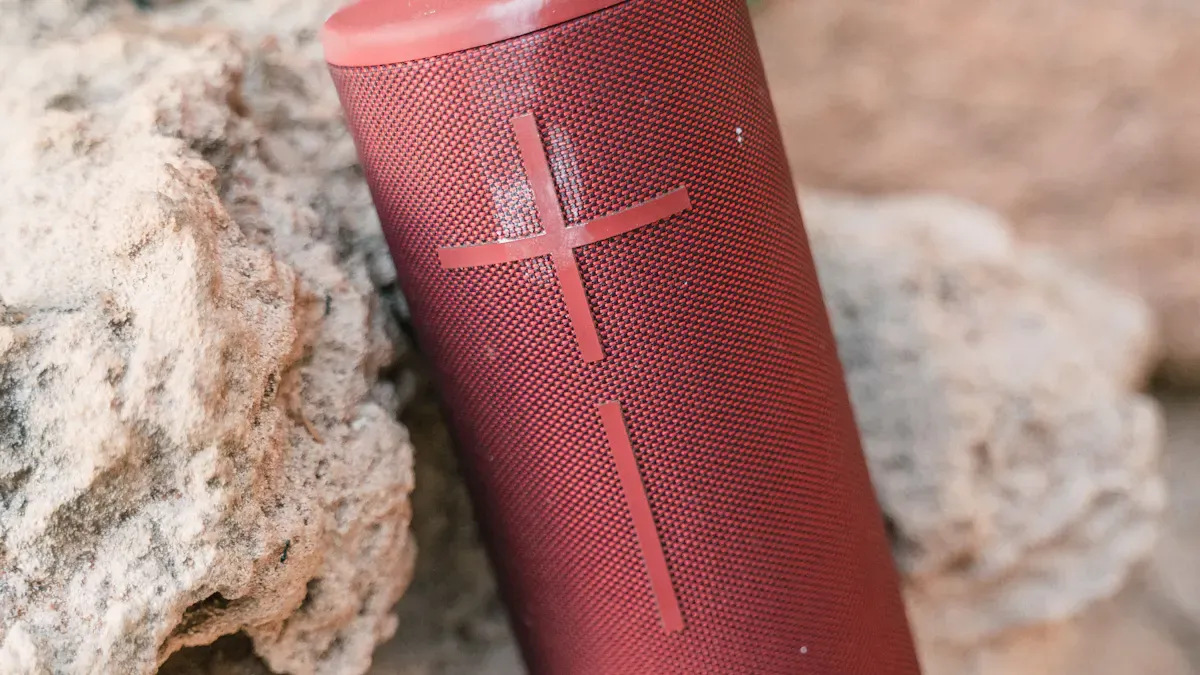
You might wonder what makes a wireless speaker different from a regular one. A wireless speaker lets you play music or sound without using wires to connect to your phone, tablet, or computer. You can use bluetooth or Wi-Fi to send audio signals. Most wireless speakers need to be plugged into a power outlet, but some have batteries. Battery-powered options give you more freedom, but sometimes the sound is not as strong. Here’s a quick look at how these speakers connect and get power:
Connectivity Method | Description |
|---|---|
Bluetooth | You pair your device with the speaker. It works well for bluetooth sound boxes and is easy to use. |
Wi-Fi | The speaker joins your home or office network. This gives you better sound and more range. |
Power Requirements | Most wireless speakers need a plug. Some run on batteries, but battery life and sound quality can vary. |
Bluetooth Sound Boxes vs. Wi-Fi Speakers
You see bluetooth sound boxes everywhere. They are small, light, and easy to carry. You can take portable bluetooth sound boxes to the park or use them in your room. Bluetooth sound boxes connect fast, but they have a short range. Usually, you need to stay within 30 feet. The sound is good for most people, but not as rich as Wi-Fi speakers.
Wi-Fi speakers work best in your home. They use your Wi-Fi network, so you can walk around and not lose the signal. The range can reach up to 100 feet or more. Wi-Fi speakers give you better sound because they use more data. Here’s a table to help you compare:
Feature | Bluetooth Speakers | Wi-Fi Speakers |
|---|---|---|
Range | Up to 30 feet | Up to 100 feet |
Audio Quality | Lower quality | Better quality |
Core Features and Technologies
Wireless speaker systems use smart technology to make your music sound great. Some use acoustic holography to create a 3D sound feeling. You might not even know where the sound is coming from in the room! Many bluetooth sound boxes use digital signal processors, or DSPs, to boost sound quality. Some have ARM processors inside to help with fast connections and smooth music. Wave field synthesis is another cool feature. It helps the speaker fill the room with booming stereo sound, even if the speaker is small.
Tip: If you want easy setup and music everywhere, try bluetooth sound boxes. If you want the best sound at home, Wi-Fi speakers are a smart pick.
Traditional Speakers
What Are Traditional Speakers
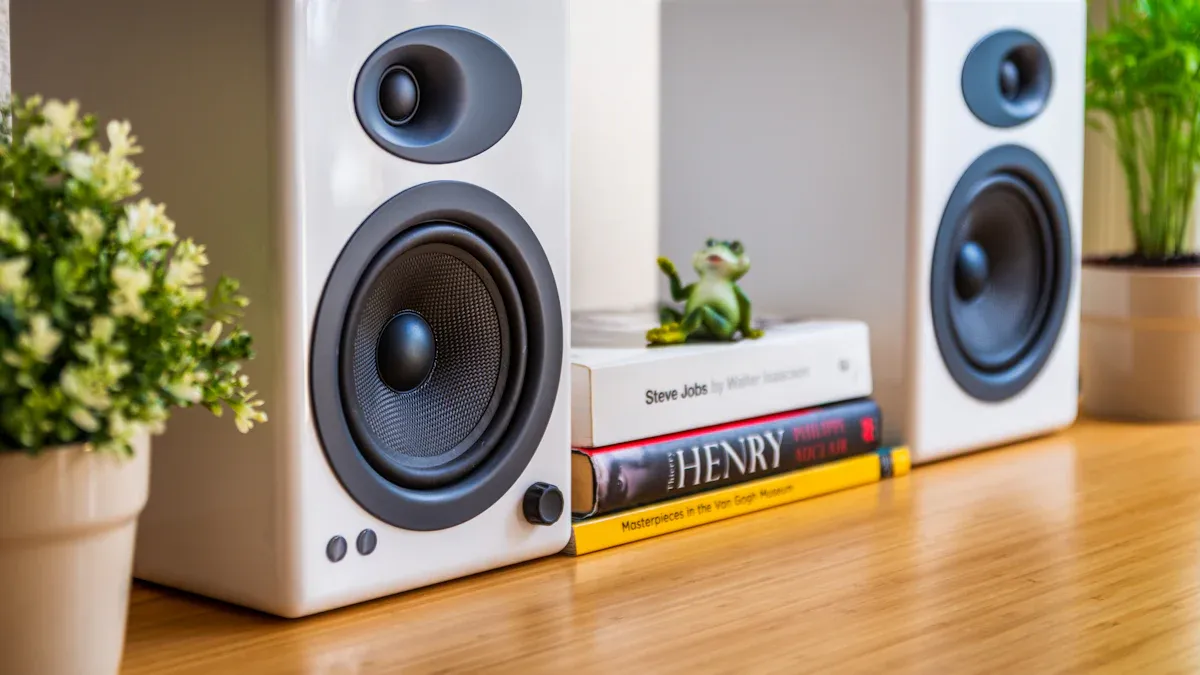
You can find traditional speakers in homes, studios, and theaters. These speakers use wires to connect to your audio system. They look classic and are built to last. Most have a strong cabinet and special drivers inside. A cover protects the parts inside the speaker. Here’s a table that shows what makes traditional speakers special:
Feature | Description |
|---|---|
Cabinet Structure | The cabinet is closed and may have a bass port tube. |
Components | They have tweeters, woofers, input posts, and a crossover network. |
Grille Cover | The cover is wood, metal, or plastic with a cloth that lets sound through. |
Mounting Options | You can use inserts to put them on walls or stands. |
Placement Considerations | You need to place them carefully to avoid sound problems. |
Traditional speakers come in many shapes and sizes. There are bookshelf speakers, floor-standing speakers, and wall-mounted ones. Each type gives you a different sound.
Sound Quality and Latency
You want your music or movies to sound great. Traditional speakers give you clear and full sound. You can hear deep bass and sharp highs. Many people notice better sound with traditional speakers than with wireless ones. Here’s a table to show how they compare:
Feature | Wired Speakers | Wireless Speakers |
|---|---|---|
Sound Quality | The sound is very clear and accurate. | The sound is better now, but not always perfect. |
Latency | There is almost no delay or interference. | There can be some delay, especially with Bluetooth. |
Connection Stability | The connection is strong and steady. | The connection can have problems with distance or walls. |
Traditional speakers have almost no delay. The sound does not cut out. If you want the best sound, traditional speakers are a great choice.
Installation and Setup
Setting up traditional speakers takes some effort. You need to pick the right spot for each speaker. Sometimes, you can’t put them on the wall. In big rooms, you might hang them from the ceiling. Shelves do not always fit these speakers because of their shape. Here are some common problems:
It can be hard to find the best spot for each speaker.
You may need to hang speakers from the ceiling in large rooms.
Shelves often do not fit traditional speakers.
You get the best sound when you set them up well. Take your time, and you will enjoy great sound for a long time.
Side-by-Side Market Comparison
Audio Quality
You want your music to sound amazing. When you compare wireless and traditional speakers, you notice some big differences in audio quality. High-end traditional speakers give you pure, uncompressed sound. You hear every detail in your favorite songs. These speakers send the audio signal straight through a cable, so nothing gets lost. Modern wireless systems have come a long way. They use advanced codecs like aptX HD and LDAC. These help wireless speakers sound much better than before.
Most people can’t tell the difference between a good wireless system and a wired one. If you love music and want the best audio experience, you might still notice that traditional speakers have more depth and clarity. For casual listening, wireless speakers do a great job. You can enjoy music streaming in any room. The sound fills your space and makes you feel like you’re at a live concert. If you want an immersive audio experience, both systems can deliver, but audiophiles often choose traditional speakers for top performance.
High-end traditional speakers offer the best sound fidelity.
Wireless speakers use smart technology to boost quality.
Most listeners enjoy music on both systems without missing details.
Audiophiles may prefer traditional speakers for extra clarity.
Installation and Convenience
You probably want a system that’s easy to set up. Wireless speakers win here. You can place them anywhere in your home. You don’t need to run wires under carpets or behind furniture. You just plug them in, connect to Wi-Fi or Bluetooth, and start playing music. The installation takes only a few minutes. You can control your music with your phone or even your voice. Many wireless systems work with smart home devices. You can group speakers together or play different music in each room. Music streaming becomes simple and fun.
Traditional speakers need more work. You have to connect wires and sometimes use extra equipment. Setting up a home theater with wired speakers can take hours. You need to plan where each speaker goes. Moving them later is not easy. If you want a quick and flexible setup, wireless systems make your life easier.
Wireless systems set up fast and let you move speakers anytime.
You control music with apps or voice commands.
Traditional speakers need wires and careful placement.
Wireless systems make music streaming in every room possible.
Aesthetics and Space
You care about how your room looks. Wireless speakers help you keep things neat. No messy wires run across the floor. You don’t have to worry about tripping over cables. Your space looks clean and modern. Wireless systems fit well in small rooms or open spaces. You can put speakers on shelves, tables, or even hide them behind plants. Some wireless speakers are portable, so you can move them outside for a party.
Traditional speakers often need visible wires. These can make your room look cluttered. You might need to hide cables behind furniture or use special covers. In-ceiling speakers can blend into the ceiling, but most wired systems still show some wires. If you want a tidy and stylish room, wireless systems give you more options.
Wireless systems remove cable clutter and look modern.
You can place portable speakers anywhere.
Traditional speakers may need visible wires.
In-ceiling speakers help keep a clean look, but not all wired systems offer this.
Cost and Value
You want the best value for your money. Wireless systems often cost more at first. You pay for smart features and easy setup. If you add more speakers or a subwoofer, the price goes up. Still, you get a lot for your money. You can stream music in every room and control everything from your phone. Portable wireless speakers let you take music outside or to another room.
Traditional speakers can cost less at the start. You might need to buy extra gear like an AV receiver or special cables. The total price can add up. If you want high-end sound, both systems can get expensive. Think about what matters most to you. Do you want easy setup and smart features? Or do you want the best sound for your music?
Feature | Wireless Speaker System | Traditional Speaker System |
|---|---|---|
Starting Price | Higher | Lower |
Extra Costs | Add-ons like subwoofers | AV receiver, cables |
Value | Smart features, flexibility | Top sound quality |
Portability | Yes | Rare |
Tip: If you want a system that grows with you, wireless speakers make it easy to add more speakers or move them around. If you want the best sound for your music, traditional speakers give you great value.
You can enjoy music, movies, and games with both systems. Your choice depends on what you want from your audio experience.
Choosing the Right Audio Solution
Matching Systems to Priorities
You want your music to sound great, but you also want a system that fits your life. Choosing the right audio solution means thinking about what matters most to you. Here are some things you should look at before you buy:
Room size: Big rooms need powerful speakers. Small rooms work well with compact systems.
Room shape: Open spaces need more sound power. Closed rooms can use smaller speakers.
Your needs: If you have kids or pets, you may want speakers that are safe and easy to move. If you like to host parties, you need a system that fills the room with sound.
Sound quality: Listen for clear highs, deep bass, and strong midrange. Check if the system covers all the sounds you love.
Budget: High-end systems cost more but give you top sound. If you want to save money, try a sound bar or a Bluetooth speaker.
You might want an all-in-one system if you like things simple. These systems give you everything in one box. You just plug it in and play your favorite songs. If you want to build your own setup, you can mix and match speakers and parts.
Tip: Write down what you care about most. Do you want easy setup, great sound, or a low price? This will help you pick the best music system for your space.
Home, Office, and Outdoor Use
You use your audio system in many places. Each space has its own needs. Let’s look at how you can match your system to your environment.
Home:
You want music in your living room, bedroom, or kitchen. Wireless speakers make it easy to play music in every room. You can move them around or group them together. If you love movies, a home theater with traditional speakers gives you big sound. Families with kids or pets may like wireless systems because there are no wires to trip over.
Office:
You may work from home or in an office. Wireless audio systems help you join meetings and listen to music while you work. You can connect your phone or laptop in seconds. Many people now use wireless devices for calls and video chats. This trend keeps growing as more people work from home.
Outdoor:
You want music at a picnic, in your backyard, or at the park. Portable wireless speakers are light and easy to carry. Some are waterproof, so you can use them by the pool. You do not need to worry about finding a power outlet. Just charge the speaker and go.
Here’s a quick table to show how wireless audio systems are growing in homes and offices:
Year | Market Size (USD Billion) | CAGR (%) |
|---|---|---|
2025 | 18.39 | N/A |
2030 | 22.11 | 3.8 |
2025 | 60.01 | N/A |
2032 | 81.39 | 4.4 |
People want wireless audio because it is easy to use. More people use smartphones, smart TVs, and smartwatches. You can connect these devices to your speakers without wires. The shift to working from home also means you need good sound for calls and meetings.
Note: The market for wireless audio keeps growing. You will see more smart features and better sound in the future.
Choosing the right audio solution depends on your space, your needs, and what you want from your system. Think about where you will use it most. Pick the system that makes your life easier and your music sound amazing.
Market Trends and Future Outlook
Growth of Wireless Audio Market
Wireless audio is everywhere these days. The market is getting bigger very quickly. People like speakers that are simple to use and easy to move. You can listen to music in your living room, outside, or even at the beach. Companies keep making wireless speakers better and cheaper. Streaming services let you play music whenever you want.
Here’s a table showing how fast the wireless audio market is growing:
Source | Projected CAGR | Market Size by 2028 |
|---|---|---|
20% | Over $50 billion | |
Zion Market Research | 15.40% | N/A |
There are three main reasons for this growth:
Technology keeps getting better
People want things to be easy
Streaming services are very popular
Wireless speakers make life simple. You do not have to deal with wires or hard setups. You just connect and start playing music. That is why more people pick wireless audio for home, work, and outdoor fun.
Innovations and Consumer Preferences
You want your music to sound good and your speakers to work well. Wireless audio keeps getting better every year. You get clearer sound, stronger connections, and easier controls. AI now helps speakers change sound for your room, block noise, and understand your voice. New wireless protocols like 5G and Wi-Fi 6 let you stream high-quality music with no delay.
Here are some cool new things in wireless audio:
Better sound and stronger connections
AI features like smart sound and voice control
5G and Wi-Fi 6 for faster streaming
More people are choosing wireless speakers instead of traditional ones. Surveys show that people care most about easy use and convenience. In the US, wireless audio devices sell more each year. Bluetooth and Wi-Fi speakers are the most popular because they connect easily to smart home devices and phones. You can take your music anywhere and control it with your phone. That is why wireless speakers keep getting more popular.
You have lots of choices when picking speakers. Here’s what you should remember:
Wired speakers give you top sound and cost less.
Wireless speakers are easy to move and set up.
Think about what matters most—sound, style, or price.
Your Priority | Best Pick |
|---|---|
Best sound | Wired speakers |
Easy setup | Wireless speakers |
Portability | Wireless speakers |
Pick what fits your life now, but keep an eye on new tech coming soon!
FAQ
Can wireless speakers sound as good as traditional speakers?
You can get great sound from wireless speakers, especially high-end models. Most people enjoy music on both types. If you want the very best sound, traditional speakers still have a slight edge.
Do I need Wi-Fi for wireless speakers to work?
You do not always need Wi-Fi. Bluetooth speakers connect right to your phone or tablet. Wi-Fi speakers need your home network. Some speakers support both, so you can choose what works best for you.
Are wireless speakers hard to set up?
No, you can set up most wireless speakers in minutes. Just plug them in, connect with your phone, and start playing music. You do not need to run wires or use special tools.
Can I use traditional speakers with my TV?
Yes, you can connect traditional speakers to your TV. You may need an AV receiver or amplifier. Check your TV’s audio output and match it with the speaker system.