
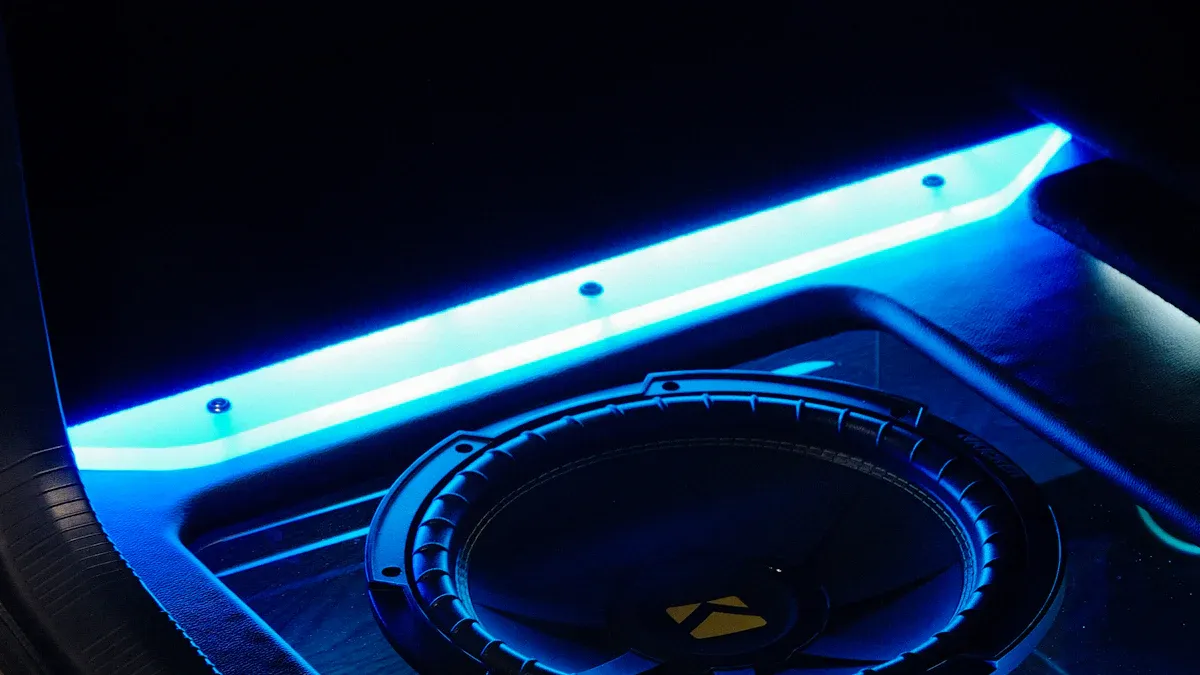
Electric vehicles are changing how people drive. In 2024, more than 17 million EVs were sold around the world. By November 2025, sales went up by 21%.
Year | Global EV Sales (millions) | Global Share of New Vehicle Sales (%) |
|---|---|---|
2024 | 17 | 20 |
Nov 2025 | 18.5 | N/A |
Q1 2025 | N/A | 35 |
People want better sound in their cars. Quiet cabins make good sound and easy phone use important. Speaker Requirements now face new problems like noise, sound quality, space, and safety rules. ZEH Audio uses smart solutions to solve these problems.
Key Takeaways
Electric vehicles have very quiet cabins. They need special speaker systems. This makes sound clearer. But it also brings problems like road and wind noise.
Safety rules say EVs must use Acoustic Vehicle Alerting Systems. These systems warn people walking nearby. This is important when the car moves slowly.
Speaker design in EVs must save energy. It also needs to fit in small spaces. Speakers must work well with the car’s systems. They should not use too much battery power.
Speakers use light and strong materials. This helps make better sound. It also keeps the car energy efficient.
Speakers must be put in the right places. The sound must be set up well. This gives balanced sound in the special cabin of electric vehicles.
Unique Speaker Requirements in EVs
Differences from Traditional Vehicles
Electric vehicles are much quieter than regular cars. This is because they do not have an internal combustion engine. In normal cars, the engine makes a lot of noise. That noise can hide sounds from the speakers. In electric vehicles, you can hear music and voices better. There is less background noise. So, it is important to think about how the audio system works.
Speaker Requirements change in electric vehicles because of how they use energy. Electric vehicles use batteries for power. Every part, even the speakers, uses battery power. You have to think about saving energy when making the audio system. Regular cars do not have this problem. They use fuel instead. Space is also different. Electric vehicles sometimes have less room for speakers. Their design is unique. You need smart ideas to fit speakers in small spaces.
Not having engine noise changes how you hear things. In regular cars, the engine gives you feedback. In electric vehicles, you do not get that feeling. Engineers make fake sounds to help driving feel better and safer. These sounds help you and others know when the car is moving.
Tip: When you drive an electric vehicle, listen to the sound quality. You might notice music and voices are clearer and easier to hear.
Key Factors in EV Audio Design
When you make audio systems for electric vehicles, you must think about many things:
Environmental Durability: Speakers should last a long time. They need to work in rain, snow, and dust. This keeps your audio system working in any weather.
Size and Weight Constraints: There is not much space in electric vehicles. You need small speakers that are not heavy.
Integration with Vehicle Systems: The audio system must work with navigation, battery checks, and other electronics.
Compliance with Safety Regulations: You must follow rules like UNECE R138. These rules help keep everyone safe.
Vibration Resistance: Roads can be bumpy. Speakers must not break or stop working when the car shakes.
Ambient Noise Management: Electric vehicles are quiet, but you still hear wind and road noise. The audio system should adjust so music and speech stay clear.
Electromagnetic Interference (EMI): Electric motors can make extra noise. Speakers need to block out this noise.
Speaker Requirements in electric vehicles are about more than just good sound. You must save energy, use space well, and keep people safe. The system should also work with new technology. Picking or making speakers for electric vehicles helps make driving better and safer.
Regulatory and Safety Requirements
Acoustic Vehicle Alerting Systems (AVAS)
Electric vehicles are very quiet when moving slowly. This can be risky for people walking nearby. It is even more dangerous for people who cannot see well. To help keep everyone safe, many countries have a rule. Electric vehicles must have an Acoustic Vehicle Alerting System, or AVAS. AVAS uses outside speakers to make sounds at low speeds. These sounds warn people that a car is coming.
Here is a table that shows how different places use AVAS rules:
Country/Region | Regulatory Requirement | Purpose |
|---|---|---|
US | AVAS installation at low speeds | Enhance pedestrian safety |
China | AVAS installation mandated | Address safety for visually impaired |
Japan | AVAS required for electric vehicles | Prevent accidents involving pedestrians |
EU | Regulations for sound alerts | Ensure safety in urban environments |
The main goal is to keep people safe. Most rules say cars must make a sound when moving slowly. This helps people hear the car before they see it. You must follow these rules if you make or sell electric vehicles.
Note: Using the same alert sounds helps people know an electric vehicle is near. This is very helpful for people who cannot see well. It makes streets safer for everyone.
Sound Pressure and Frequency Standards
AVAS sounds must be loud enough to hear but not too loud. Different countries have rules for how loud and what kind of sound AVAS makes. These rules use sound pressure levels in decibels (dB) and frequency bands in Hertz (Hz).
Here is a table with some important standards:
Regulation | Minimum Sound Level | Maximum Sound Level | Measurement Method |
|---|---|---|---|
UN ECE Reg.138 | 56 dB(A) at 20 km/h | 75 dB(A) at any speed | ISO 16254 |
FMVSS 141 | 56 dB(A) at 20 km/h | 75 dB(A) at any speed | SAE J2889-1 |
You also need to check the frequency of the sound. The rules say the sound must cover certain frequency bands. This helps people hear the car even in noisy places. Here is a summary of the main requirements:
Compliance Option | Frequency Band (Hz) | Minimum Sound Pressure Level (dB) |
|---|---|---|
4-band | 315 – 5000 | Minimum levels in any four non-adjacent one-third octave bands |
2-band | 315 – 3150 | Minimum levels in two non-adjacent one-third octave bands, one below 1000 Hz and the other at or above 1000 Hz |
These rules can make designing AVAS speakers harder. The system must work in busy cities and quiet neighborhoods. Sometimes, the sound is too quiet in loud places or too loud in calm places. Some experts say smart systems should change the sound level based on the noise around the car. This keeps the alert helpful but not annoying.
Tip: Following these rules is not just about passing tests. It helps keep people safe and makes your electric vehicle trusted by more drivers and people walking.
Why Compliance Matters
You must follow these rules to sell electric vehicles in most countries. Governments make these laws to keep people safe. If you do not follow them, you may not be allowed to sell your car. Using the same sounds helps people know when an electric vehicle is close. This is very important for people who cannot see well. As more people buy electric vehicles, safety is even more important. Speaker Requirements now include making sure your car meets these safety rules.
Laws say electric vehicles must make sounds at low speeds.
More electric vehicles means more focus on safety for all.
Rules help stop accidents, especially in cities with many people.
You help make sure your vehicle is safe and follows all the rules. By learning about these requirements, you help make roads safer for everyone.
Cabin Quietness and Audio Quality
Impact of Reduced Engine Noise
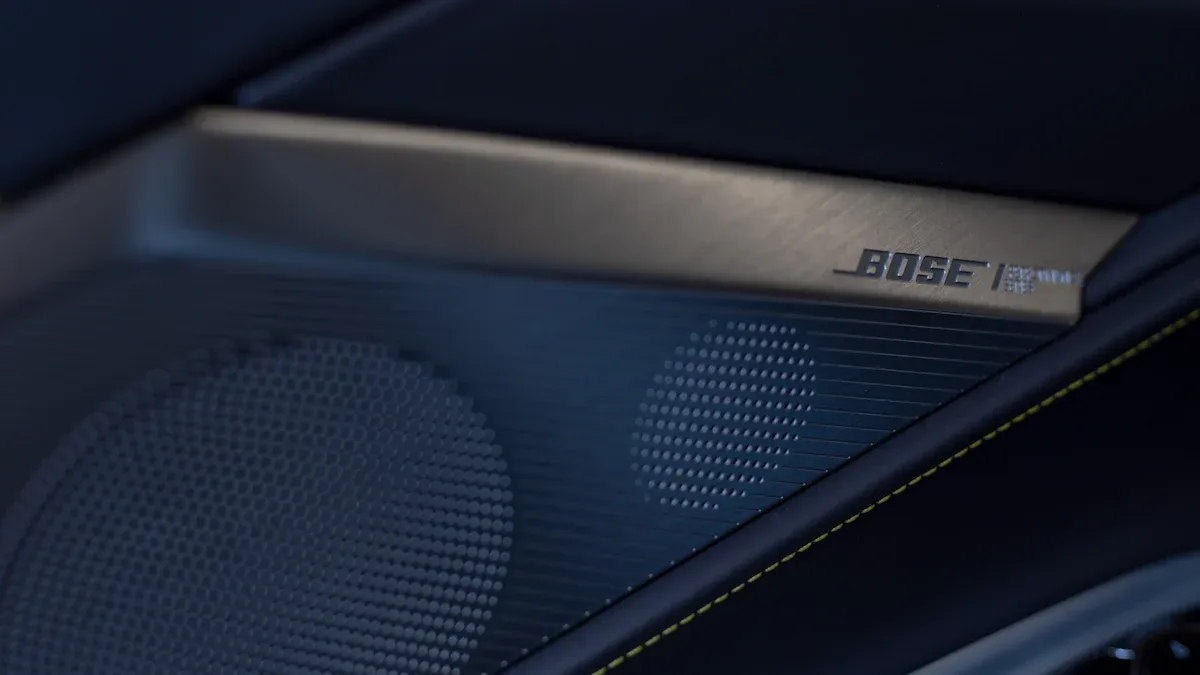
When you sit in an electric vehicle, it feels different. The engine does not make noise like in other cars. This makes it easier to hear music and voices. You also hear alerts more clearly. The cabin is quieter, but new problems show up. Wind and road noise are easier to notice now. Engineers use special ways to keep the cabin quiet. They want to make your audio experience better.
Here is a table that shows how less engine noise changes your cabin:
Aspect | Description |
|---|---|
Road Noise Optimization | New ways help lower road noise in BEV cabins. These focus on better suspension and smart control systems. |
Wind Noise Significance | Wind noise is easier to hear when engine noise is gone. Engineers use new modeling and simulation to fix this. |
Noise Cancellation Technology | This is important for a quiet cabin. It helps make the audio experience better in EVs. |
Speaker systems in electric vehicles must change to fit these needs. Designers pick the right speaker size and power for the cabin. They use noise cancellation technology to block bad sounds. You get better sound, but the system must work harder to keep things quiet.
Tip: Because the cabin is quieter, you can hear more details in music and calls. This makes driving more fun.
Managing Road and Wind Noise
Road and wind noise can bother you while driving. You can do things to make these sounds less noticeable and keep your cabin nice.
Check your tire pressure often. Tires with the wrong pressure make more noise.
Ask a technician who knows electric vehicles to look for noise problems.
Drive on smooth roads and change how you drive to avoid extra noise.
Make sure loose items in the cabin are secure so they do not rattle.
Use cargo covers to help soak up sound.
Test drive at highway speeds to see how much noise gets inside.
Some electric vehicles use double-glazed glass and special side windows. These help block outside noise. Extra insulation also keeps the cabin quiet. Speaker systems must fit the cabin’s shape and handle changing noise levels. Engineers use new materials and smart designs so you hear clear sound, even on noisy roads.
Note: A quiet cabin helps you pay attention to driving and enjoy your music. You get a safer and nicer ride.
Space and Layout Constraints
Optimizing Speaker Placement
Electric vehicles have cabins that look different from regular cars. The cabin is much quieter because there is no engine noise. This makes it easier to hear music and voices. But it also means you can notice sound problems more. If speakers are in the wrong place, the sound might not be even. You might also hear weak bass. It is important to think about where each speaker goes.
The biggest change in an electric or hybrid vehicle is the quiet cabin. In regular cars, engine vibration hides many sound problems. In electric vehicles, that noise is mostly gone. This makes what engineers call low noise cabins. You can hear things more clearly, but you also notice problems. Bad speaker placement and uneven sound are easier to spot in these cars.
You should work with audio engineers to find the best places for speakers. Putting speakers in the doors, dashboard, and back panels helps make the sound balanced. You also need to think about the seat shapes and the materials inside the car. These things change how sound moves around. Good speaker spots help you hear music and alerts clearly.
Compact Design Solutions
Electric vehicles do not have much extra space. Batteries and electronics take up room under the floor and in the trunk. You need small speakers that fit in tight spaces but still sound good. Many companies now use special speaker systems made for each car’s shape.
Here are some examples of small speaker systems in electric vehicles:
Feature | Description |
|---|---|
Speaker System | Focal Electra® hi-fi system in DS N°4 |
Number of Speakers | 14 |
Amplifier Power | 690-watt 16-channel amplifier |
Speaker Technologies | Polyglass woofers/midrange, TNF aluminum inverted-dome tweeters, Power Flower triple-coil subwoofer |
Acoustic Integration | Made to fit the inside of the car and give better sound |
Sound Experience | Gives steady sound and makes listening feel real |
Speaker System | Harman Kardon Premium Sound system in Volvo EX30 |
These systems show you can meet Speaker Requirements even with less space. You get strong sound without losing storage or comfort. Smart design lets you enjoy music, calls, and alerts in a small, quiet cabin.
Tip: When you pick an electric vehicle, ask about the speaker system. A good system can make your drive much better.
Integration with Infotainment and Smart Systems
Voice Assistant and Navigation Compatibility
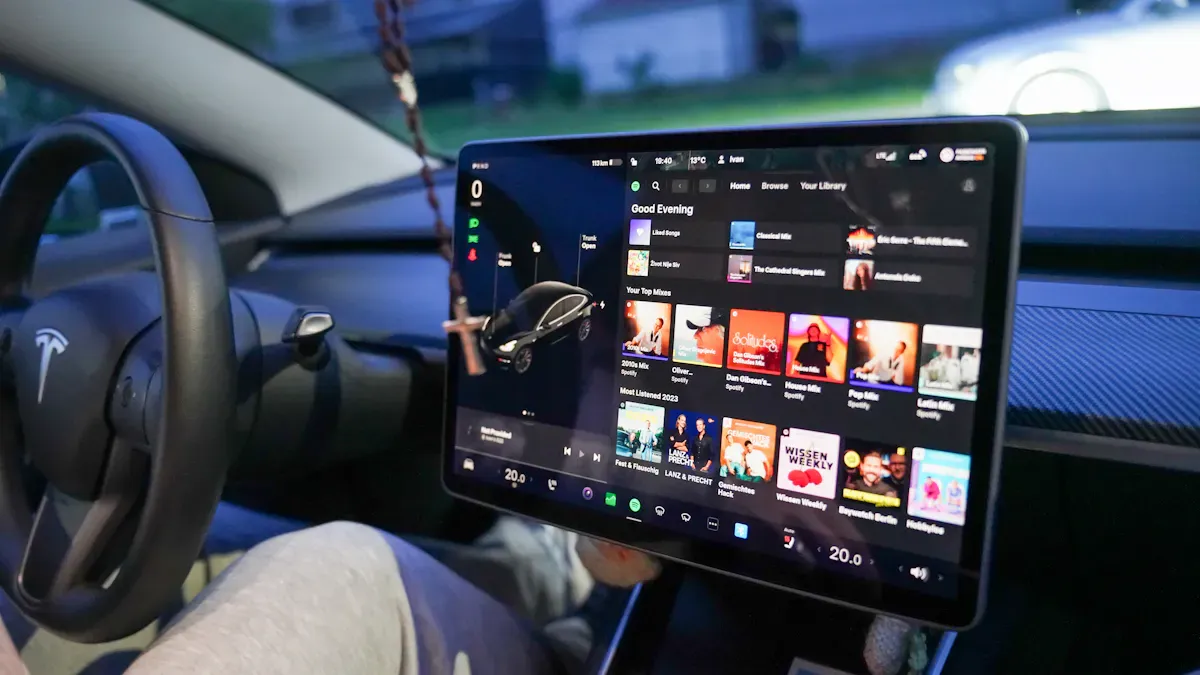
You use voice assistants often. In electric vehicles, these tools help you drive safely. You can ask your car to play music or call someone. You can also ask it to find a place on the map. The speaker system must work well with these smart features. If speakers do not pick up your voice clearly, the assistant may not understand you. Good speakers help you hear directions and answers easily.
Navigation systems need clear sound too. When you drive, you want to hear turn-by-turn directions. If the sound is too soft or unclear, you might miss an exit. Engineers design speakers to give you crisp instructions. They also put microphones in smart spots. This helps your voice commands work even when the car is moving.
Tip: Try using voice commands for music or directions. Notice how the speaker system helps you stay focused on the road.
Multimedia System Integration
Modern electric vehicles have advanced multimedia systems. You can stream music, watch videos, or connect your phone. The speaker system must handle all these tasks without problems. You want smooth sound when you switch from a call to a song or a video.
You may face some challenges when these systems come together:
Premium audio systems can cost more. This can make electric vehicles more expensive.
Mixing new audio technology with the car’s design takes time and skill.
Supply chain issues can slow down making advanced speaker systems.
Different brands use different audio standards. This can make it hard for systems to work together.
Some people do not know why advanced audio matters. Car makers must show you the benefits.
Engineers work hard to make sure everything connects well. They test the system with many devices and apps. You get a better experience when the speakers, screens, and controls all work as one.
Feature | Benefit |
|---|---|
Bluetooth Connectivity | Easy phone and music pairing |
App Integration | Access to streaming services |
Multi-Zone Audio | Different sounds in each area |
Note: A well-integrated multimedia system makes your drive more fun and keeps you connected.
Material and Acoustic Design
Lightweight, Durable Materials
You want your electric vehicle speakers to last and sound good. The materials you pick for your speakers are very important. Light and strong materials help speakers work well. They do not make your car heavy. This helps your car use less energy and drive farther.
Many speaker makers use special materials to build boxes that are strong and light. Here is a table showing some common materials and how they are used:
Material | Properties | Applications |
|---|---|---|
MDF | Easy to cut, not heavy | Subwoofer boxes in the trunk |
Fiberglass | Very stiff, keeps water out | Custom speaker boxes for odd-shaped spaces |
Marine-grade plywood | Strong, handles bad weather | Places needing extra moisture protection |
Plastics | Needs no care, stands up to weather | Most speaker parts |
Aluminum | Looks nice, does not rust | Special speaker designs |
You want your speakers to handle bumps, heat, and rain. Using the right material keeps your sound clear and your speakers safe. You also get more space in your car because these materials let you use smaller, smarter designs.
Tip: Lighter speakers help your electric vehicle go farther and use less battery power.
Acoustic Simulation and Optimization
You want your music and alerts to sound clear everywhere in your car. Engineers use computers to test how sound moves inside your car. They try different speaker shapes and spots before building anything. This helps them find the best design for your car’s cabin.
You get better sound because engineers can fix problems before you even drive the car. They use acoustic simulation to check for echoes, dead spots, and unwanted noise. They also test how road and wind noise might change your listening experience.
Engineers use 3D models to see how sound waves move.
They adjust speaker angles and positions for the best effect.
They test different materials to see which ones block noise best.
You enjoy music, calls, and alerts that sound clear and balanced. Smart design and testing make your electric vehicle’s audio system stand out.
Note: Good acoustic design means you hear every detail, even when the road gets noisy.
Speaker System Performance in EVs
Low-Frequency and Bass Response
You may notice that bass sounds feel different in an electric vehicle. Low-frequency sounds, like deep bass in music, need special attention. Standard speakers often cannot produce strong bass. You need subwoofers to get the full effect. These speakers handle the lowest sounds and make music feel powerful.
Cabin acoustics play a big role in how you hear bass. The shape and size of your car’s cabin can change the way low sounds move. Some spots in the car may have strong bass, while others sound weak. Engineers test different speaker spots to find the best place for subwoofers.
Vehicle design can also limit where you put speakers. Batteries and other parts take up space. You need smart solutions to fit subwoofers without losing storage or comfort.
Subwoofers boost low-frequency sounds.
Cabin shape changes how you hear bass.
Car design affects speaker placement.
Tip: If you want strong bass, ask about subwoofers when you choose your electric vehicle.
Frequency Balance and Distortion Control
You want music and voices to sound clear and natural. This means the speaker system must balance all frequencies, from deep bass to high notes. Engineers use special tools to test how each speaker handles different sounds. They adjust the system so you hear every detail.
Distortion can make music sound harsh or muddy. This happens when speakers cannot handle certain sounds well. In electric vehicles, you notice distortion more because the cabin is quiet. Good speaker systems use filters and smart controls to keep sound clean.
Speaker Requirements for electric vehicles focus on clear sound and low distortion. You get a better experience when the system balances all frequencies and keeps unwanted noise away.
Note: A well-designed speaker system helps you enjoy music, calls, and alerts without distraction.
ZEH Audio’s Solutions for EV Speaker Requirements
Custom System Design
You want your electric vehicle to sound good and use less energy. ZEH Audio makes special speaker systems for electric vehicles. Their team checks how sound moves in the cabin first. They design each part so everything works well together. This way, you get clear sound and strong performance.
ZEH Audio uses neodymium magnets and smart motor parts. These help speakers make more sound but use less power. You can listen to music without using too much battery. They also keep speakers cool with special materials. Aluminum voice coil formers and strong adhesives help speakers stay safe on long trips.
ZEH Audio picks materials that are good for the planet and last a long time. They use advanced diaphragm composites to make speakers light and strong. The company uses Class D amplifiers that save energy and make less heat. This helps your electric vehicle keep its range.
Uses neodymium magnets for better sensitivity
Keeps speakers reliable with thermal management
Uses Class D amplifiers to save energy
Designs all parts to work together
Picks materials that are strong and last
Tip: Custom system design means your audio system fits your car and meets Speaker Requirements.
Advanced Integration and User Experience
You want your audio system to work with your car’s smart features. ZEH Audio makes sure their systems connect with voice assistants and navigation. You can listen to music, make calls, and hear alerts easily.
ZEH Audio’s design lets you hear clear sound in every seat. Their engineers use tests to find the best places for speakers. You get balanced sound, strong bass, and clear voices. The system changes to fit the cabin and blocks bad noise.
Feature | Benefit |
|---|---|
Smart integration | Easy use with car electronics |
Acoustic optimization | Clear sound everywhere |
Energy-efficient amplifiers | Longer battery range |
Durable materials | Long-lasting performance |
You will notice the difference every time you drive. ZEH Audio’s solutions help you meet Speaker Requirements and enjoy your ride.
You need special speaker systems in electric vehicles. These speakers help control noise and make sound better. They also help you follow safety rules. Active sound control and different sound settings make driving nicer. They also give you feedback as you drive. If you upgrade your audio system, you get a safer and better ride:
Good sound makes trips more fun.
Installing speakers the right way keeps you safe.
Getting help from experts keeps your car in good shape.
Benefit | Description |
|---|---|
Expertise in Audio Solutions | ZEH Audio is a leader with smart designs. |
Comprehensive Product Range | You can pick from many speaker types and sizes. |
Focus on Professional Acoustics | ZEH Audio makes solutions just for you. |
Rigorous Design Standards | You get steady sound and strong performance. |
FAQ
What makes EV speakers different from regular car speakers?
EV speakers use less energy and fit in tight spots. They must work with less engine noise but more road noise. They also need to follow safety rules for outside alerts.
Why do electric vehicles need external speakers?
External speakers warn people when your car is quiet. These speakers help keep pedestrians safe. They are important for people who cannot see well.
How do EV speakers help save battery power?
EV speakers use light materials and smart designs. You get good sound without using much battery. This lets your car go farther on one charge.
Can you upgrade the speaker system in your electric vehicle?
You can upgrade your EV’s speakers. Pick systems made for electric vehicles. These systems fit well and follow safety rules.