
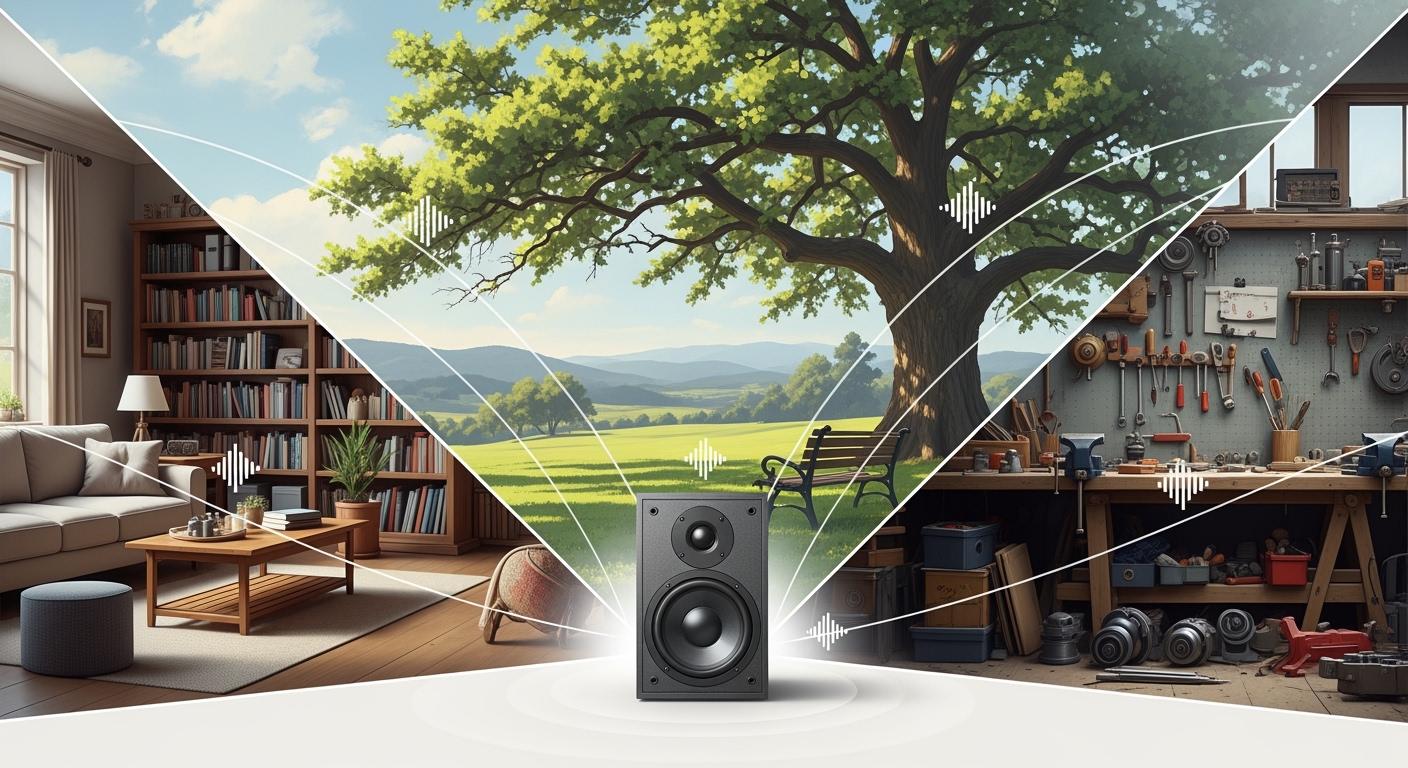
To ensure the stability of speaker products, consider their placement, protect them from environmental factors, ensure tight connections, and conduct regular check-ups. Indoor speakers typically utilize normal materials and have basic vibration resistance. In contrast, outdoor speakers require strong materials and specialized coatings to prevent rust. They must also withstand temperature fluctuations and maintain effective power control.
Feature | Indoor Speakers | Outdoor Speakers |
|---|---|---|
Material | Normal materials | Strong composite materials |
Corrosion Resistance | Very little | Special coatings to stop rust |
Environmental Adaptability | Works inside | Handles temperature changes |
Vibration Resistance | Simple resistance | Built to stop shaking |
Power Management | Normal needs | Good power and heat control |
It’s important to consider both indoor and outdoor environments and apply the appropriate solutions to ensure the stability of speaker products in each setting.
Key Takeaways
Put your speakers in the best spot to stop sound bouncing. This helps you hear sounds clearly.
Use strong stands and anti-vibration pads for floor-standing speakers. These keep them steady and make the sound better.
Keep outdoor speakers safe from weather by putting them under covers. Make sure they have good airflow.
Check and clean your speakers often. This stops damage and keeps them working well.
Use good cables and tight connections. This makes the sound clear and stops problems with your speakers.
Stability of Speaker Products: Physical Solutions
Proper Placement and Leveling
You can make speakers more stable by thinking about where you put them. Pick a spot that does not bounce sound off walls or furniture. This keeps the music clear and stops echoes. Put your speakers at the right height for better bass and clear sound. If your speaker is level, it will not rock or tip. Leveling also helps you point the speaker in the best direction.
Put the tweeter at your ear level when you sit down.
Turn the speaker a little to make the sound better.
Put anti-vibration pads under the speakers to stop shaking.
You can use special feet to keep the speaker from moving.
Tip: Good placement and leveling help your speakers stay steady and make your music sound clearer.
Here is a table that shows what can change how steady speakers are:
Factor | Explanation |
|---|---|
Proper Height | Makes sound clear and bass better, so music sounds good. |
Placement to Avoid Reflections | Stops sound from bouncing off things, so music is not messy. |
Different walls need different ways to hold speakers tight and stop shaking. | |
Anti-Vibration Pads | Pads cut down on shaking and noise, so music is clearer. |
Secure and Stabilize Floor-Standing Speakers
Big floor speakers need extra help to stay steady. They can tip or shake if you do not set them up right. You can keep floor speakers safe and steady by doing these things:
Put spikes under the speakers. Spikes help them grip the floor and not slide.
Make sure the speaker is flat. Change the feet or spikes so it does not rock.
Use a bigger base or add outriggers. A wide base keeps the speaker from tipping.
Try a custom base if your speaker is not wide. This gives more support.
Bolt the speaker to the floor if you have pets or kids.
Keeping speakers steady is not just for safety. It also makes the sound better. If speakers move, the music can sound muddy or unclear.
You should always keep floor speakers steady in every room. This is important for good sound and safety. How well you do these steps will decide how steady your speakers are.
Choosing Supports and Bases
Picking the right stands or bases is important for steady speakers. Different speakers need different stands or mounts. Heavy speakers do best on metal stands because they are strong. Some stands let you put sand inside to stop shaking. The top of the stand should be a little smaller than the speaker bottom.
Some companies make special bases and plates to stop noise and shaking. These fit many speaker sizes and weights. Always check that the stand can hold more weight than your speaker. For bookshelf speakers, flat stands usually hold up to 20 pounds, which is enough for most.
The way your speaker is made also matters. Big floor speakers need more support because they can shake more. Small bookshelf speakers do not shake as much, so they need less support. In-wall speakers need strong anchors to stay in place and not shake the wall.
Note: The right stand or base helps your speakers last longer and sound better.
If you follow these tips, you can keep floor speakers steady, use spikes, and use bases for the best sound and safety. Speakers stay steady when you set them up right and use the right gear.
Prevent Outdoor Speaker Damage
Weatherproofing and Ventilation
You can stop outdoor speaker damage by picking products made for outside. Outdoor speakers have to deal with rain, sun, humidity, and dust. These things can hurt the sound and make your speakers not last as long. Put your outdoor speakers under a roof or a patio cover. This keeps them safe from rain and strong sunlight. If you use portable speakers, bring them inside when it storms or when you are not using them.
Good ventilation is important too. Put your speakers where air can move around them. Do not put them in closed boxes or tight spots. Airflow keeps speakers cool and stops them from getting too hot. Put your speakers on stands or wall brackets to keep them off the ground. This helps protect them from water and bumps.
Tip: Use weather-resistant cables and make sure all connections are tight and dry. This helps keep water from causing trouble.
Outdoor Placement and Zones
You should think about where to put your outdoor speakers for good sound and safety. Make different zones in your yard or patio. Put speakers in shady spots or under covers. This helps stop weather damage and lets you control the sound in each zone. Do not put speakers near hot things like grills or fire pits.
A table can help you pick the best place for your outdoor speakers:
Placement Area | Protection Level | Sound Quality |
|---|---|---|
Under Overhang | High (less weather) | Good |
Open Yard | Low (more weather) | Wide coverage |
Patio Corner | Medium (some weather) | Focused sound |
Zones let you listen to music in different parts of your yard and keep your speakers safe.
Cleaning and Maintenance
Cleaning and taking care of your speakers helps stop damage and keeps them working well. Wipe your speakers with a soft, dry cloth to get rid of dust. Use compressed air to clean the grills and vents. Do not spray water or chemicals right on your speakers. If your speakers get wet, dry them fast and wait until they are totally dry before using them again.
Check your cables and connections every few months. Look for any damage, rust, or loose parts. Be gentle with your speakers so you do not drop or hit them. Update your speaker’s firmware if there are updates from the company. This can help your speakers work better and fix problems.
Note: Cleaning and checking your speakers often can help them last longer and save you money on fixing them.
If you do these things, you can keep your outdoor speakers safe from weather, humidity, and dust. This will help your speakers sound clear and last a long time outside.
Connection and Power Stability
Quality Cables and Secure Connections
You can make your speaker system more stable by using good cables. Make sure every connection is tight and secure. Good cables help your speakers sound clear and strong. Bad cables or loose connections can cause static or lost sound. Sometimes, your music might skip if the cables are not good. Many people say wireless speakers, like Sonos, can stop playing sometimes. Problems with apps, like Spotify, can also make the connection weak.
Wired systems usually give better sound and have fewer problems than wireless ones. Wireless speakers can lose their connection if your Wi-Fi is weak. Too many devices on your network can also cause problems. Wired connections do not have these issues. They work well for home theaters or when you want really good music.
Here is a table that shows different connector types and what they do:
Connector Type | Benefits |
|---|---|
Copper Connectors | Excellent conductivity |
Gold-Plated Connectors | Corrosion resistance, enhancing durability |
Banana Plugs | Easy to connect and disconnect |
Spade Connectors | Secure connection, minimizing signal loss |
Bare Wire Connections | Direct connection, often used for simplicity |
Corrosion can make your signal weaker by 15%. If your connections are tight, your sound can get over 20% better. Clean your connectors with isopropyl alcohol to keep them working well. These steps help your sound system work smoothly.
Power Protection and Surge Prevention
You need to keep your speakers safe from power surges and spikes. Devices like the TPD-AmpPro can stop extra energy before it gets to your speakers. This device works with many audio systems and is very fast. It is easy to put in, inside or outside, and has a long warranty.
Surge protection is very important for outdoor speakers. Lightning or long wires can hurt your speakers if you do not use protection. Many experts say you should use surge protectors for public address systems and outdoor setups. These devices send extra energy safely into your building’s ground.
Tip: Test your connections and power protection devices often. This helps you find problems early and keeps your speakers safe.
Maintenance and Regular Checks
Routine Inspection for Outdoor Speaker Damage
You should check your outdoor speakers often. Look for cracks, faded spots, or water marks. Check cables and connections for rust or loose parts. Wipe away dust with a soft cloth. Do not use strong cleaners because they can hurt the finish. Keep your speakers out of direct sun and rain. Make sure air can move around them. This stops them from getting too hot and helps them last longer. If you see damage, fix it right away. Fixing problems fast keeps your music clear and stops bigger issues.
Tip: Checking your speakers often helps you find damage early and keeps your speakers safe.
Addressing Wear and Tear
Speakers can have problems over time, especially outside. Clean your speakers often to keep them working well. Dust and dirt can make the sound worse. Use a soft cloth to clean them. Always look for loose wires or broken parts. Move your speakers gently so you do not break them inside. Keep the volume at a safe level. Playing music too loud for a long time can hurt the inside parts. Put your speakers at ear level and away from things that block sound. This helps them work better and keeps them safe.
Some common problems are using stands that are too short or too tall, not using pads to stop shaking, messy cables, and stands that are not strong enough. Stands too close to walls or corners can make the sound muddy. Fix these problems to keep your speakers steady.
Clean your speakers often.
Check for loose parts.
Move them carefully.
Keep the volume safe.
Use the right stands and put them in good spots.
Firmware and Software Updates
Modern speakers need software and firmware updates to work well. Updates make your speakers better and add new things. For example, Sonos gets updates to help old and new products work well. Monitoreal firmware version 2.0 gives new controls and fixes. Updates help your speakers last longer and work better. You should check for updates from the company and install them when you can. This keeps your outdoor speakers working well and stops problems from old software.
Note: Updating your speaker’s software helps you get the best sound and keeps your speakers working right.
You can keep your speakers steady by putting them in strong spots. Make sure all the wires are tight and check them often. Pick the right stands for inside and outside use. Clean your speakers and update their software a lot.
Taking care of your speakers stops sudden trouble and keeps them safe.
You will have fewer problems and more working time if you follow the rules.
For outdoor places, use tough speakers and wireless gear. Put outdoor speakers where they are safe from weather. Clean and check them outside to keep them working well. Using zones and covers outside gives you better sound and helps your speakers last longer.
Look at how your speakers are set up now and change things to make them work better.
FAQ
How do you keep speakers from falling over?
You can use sturdy stands, anti-vibration pads, or floor spikes. Place speakers on flat surfaces. Make sure the base is wide enough. Secure cables so they do not pull on the speaker.
What should you do if your outdoor speaker gets wet?
Dry the speaker with a soft cloth right away. Move it to a dry place. Wait until it is completely dry before using it again. Check for water inside the connectors.
How often should you check your speaker connections?
You should check all connections every three months. Look for loose wires, rust, or dirt. Clean connectors with isopropyl alcohol for the best sound.
Can you use indoor speakers outside?
Indoor Speaker | Outdoor Use? | Why or Why Not? |
|---|---|---|
Yes | Not advised | Indoor speakers cannot handle rain, sun, or dust. They may break quickly outside. |
What is the best way to clean speaker grills?
Remove the grill if possible.
Use a soft brush or compressed air.
Wipe gently with a dry cloth.
Do not use water or harsh cleaners.