Custom Wire, Cable & Wire Harness Manufacturer in China

Engineered to Fit. Tested for Reliability. Built for Production.

Get application-specific wire, cable and wire harness solutions developed around your electrical requirements, equipment structure and operating environment. From material and connector selection to prototyping, testing and volume production, we help you improve connection reliability, simplify assembly and control total project costs.

  • Custom-built to your drawings and specifications
  • Reliable materials and consistent batch quality
  • Electrical, temperature and mechanical testing
  • Flexible production from samples to volume orders
  • Engineering support for complex applications

Quality Materials | Flexible Customization | Reliable Testing | Scalable Production

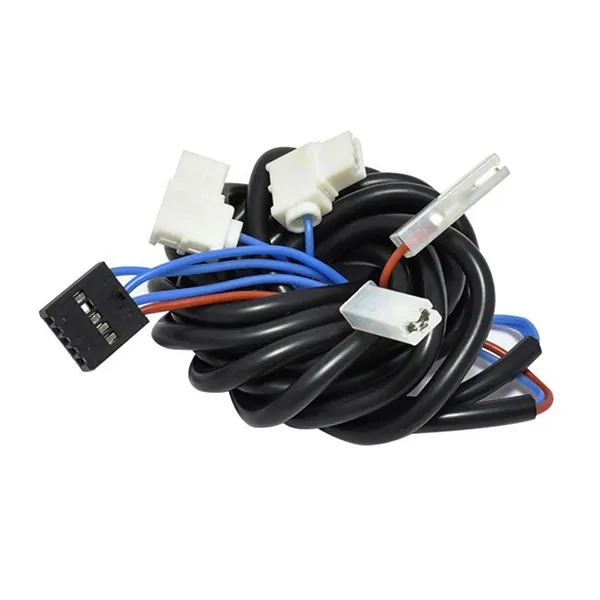
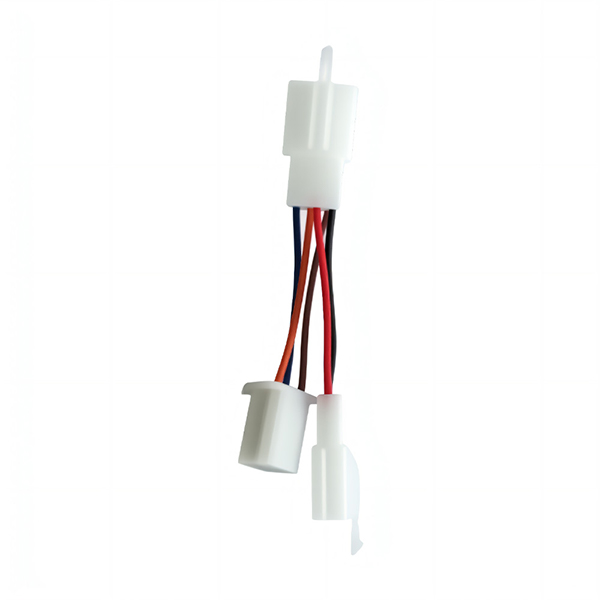
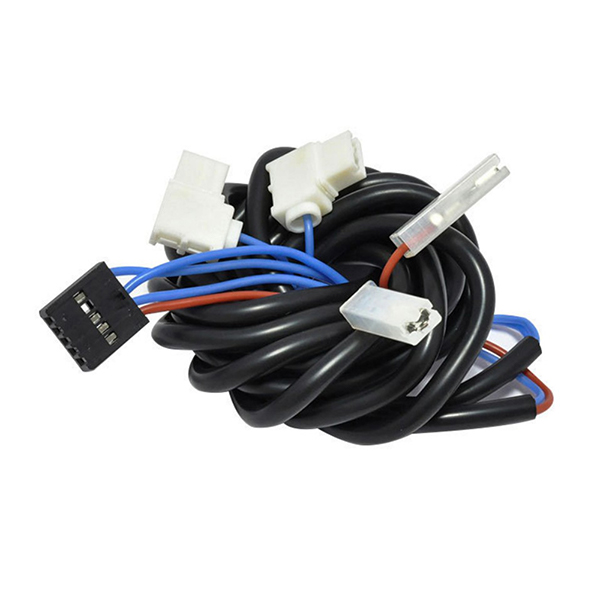
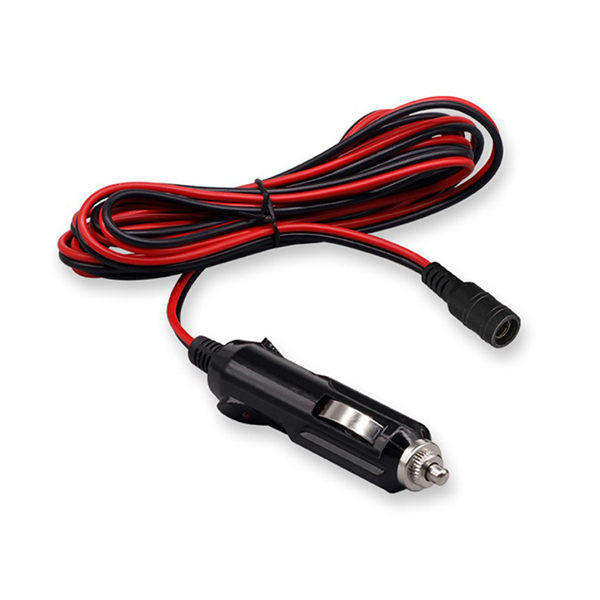
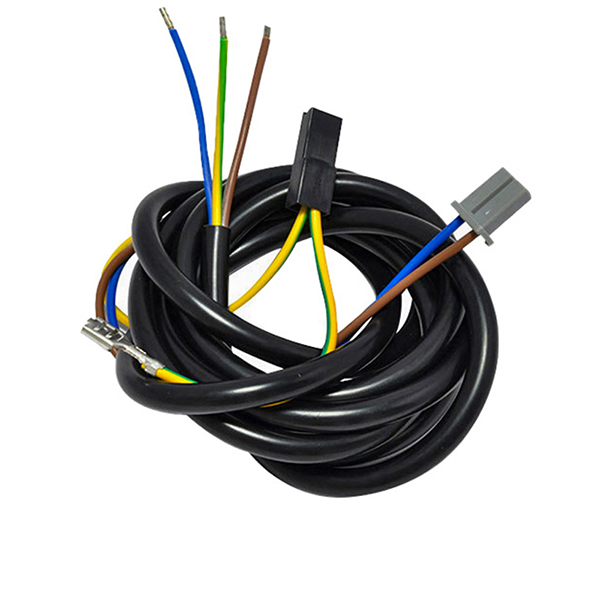
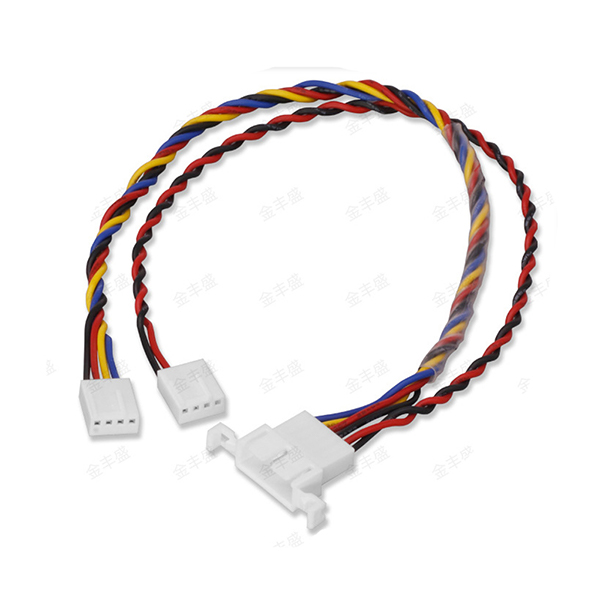
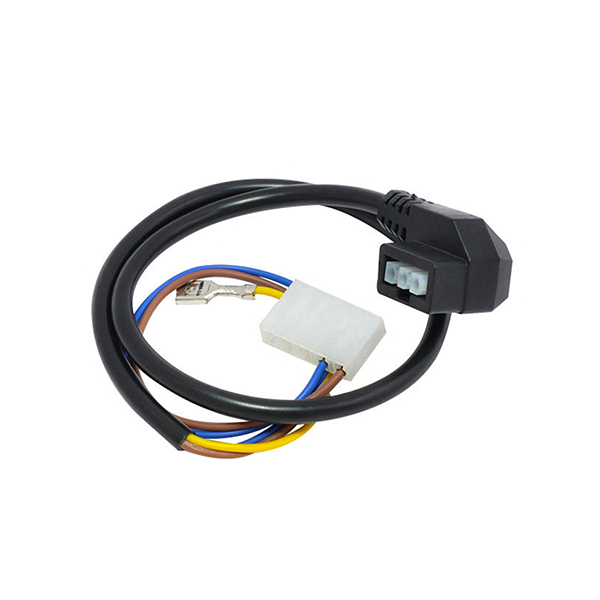
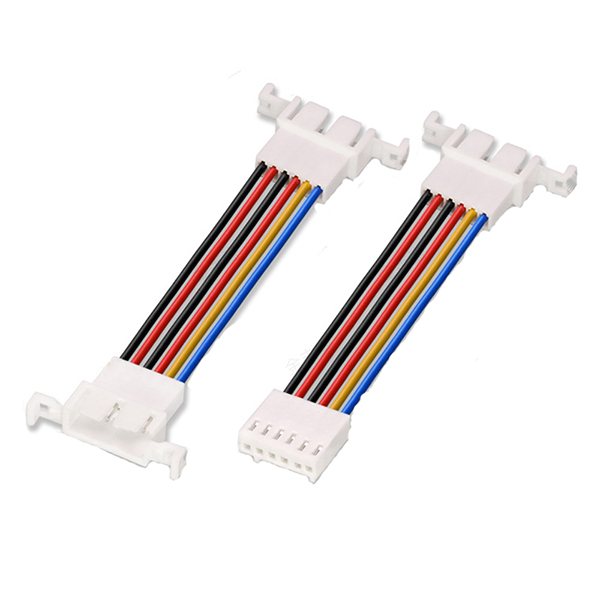
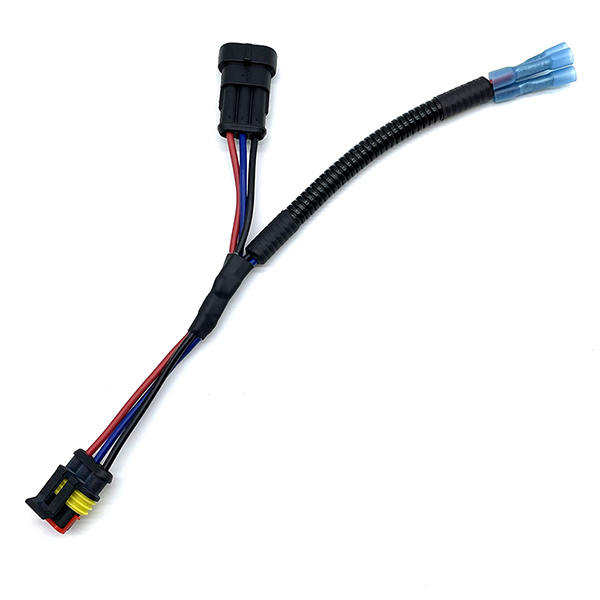
Custom Electronics Wire Harness
The Importance of Wire Harnesses

Key Features of Wire Harnesses

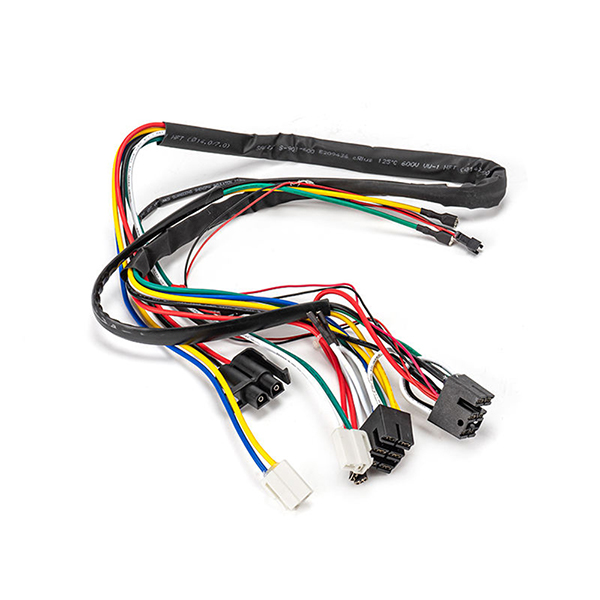
A wire harness is a complete electrical interconnection assembly made by cutting, stripping, crimping, soldering, routing, securing, and protecting multiple wires of different colors, gauges, and lengths according to the equipment’s electrical schematics, internal structure, and assembly requirements.

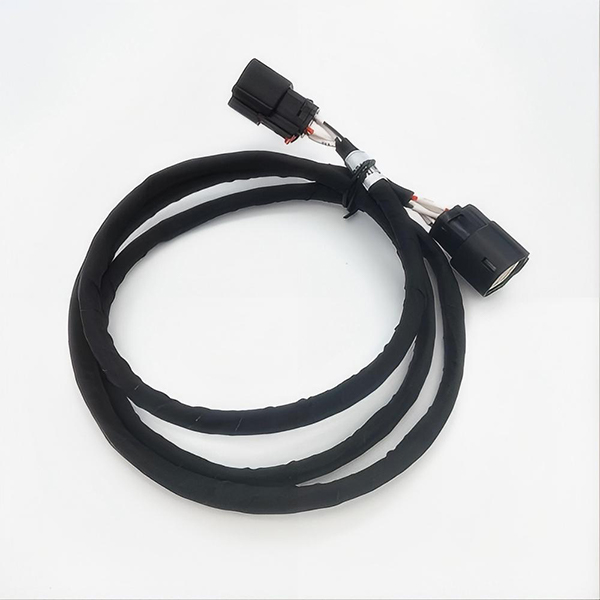
A typical wire harness consists of wires, cables, connectors, terminals, protective sleeves, heat-shrink tubing, braided sleeving, corrugated tubing, labels, clips, and seals. Compared with individual wires, a wire harness integrates complex power, signal, and grounding circuits into a ready-to-install wiring assembly, simplifying final product assembly and reducing wiring errors.

  • Multi-Circuit Integration:Combines power, control, signal, data, and grounding circuits into a single assembly.
  • Improved Assembly Efficiency:Wire cutting, terminal crimping, connector assembly, branch routing, and securing are completed in advance, allowing the harness to be installed directly onto a PCBA or inside the product enclosure.
  • Reduced Wiring Errors:Different wire colors, connector designs and part numbers, labels, and wire identification numbers make each circuit and connection easy to identify.
  • Space-Saving Design:The main trunk, branches, bend directions, and mounting points are planned around the product’s internal structure for neat, efficient routing.
  • Enhanced Wire Protection:Tape, braided sleeving, corrugated tubing, heat-shrink tubing, and protective jackets can be added to improve abrasion resistance and protect against mechanical damage.
  • Reliable Connections:Properly matched terminals, connectors, crimping parameters, and pull-force standards help ensure stable electrical connections.
  • Easier Testing and Maintenance:A modular design simplifies production testing, component replacement, troubleshooting, and after-sales maintenance.
  • Ideal for Custom Manufacturing:OEM/ODM development and volume production are available based on customer drawings, BOMs, physical samples, electrical specifications, and product structures.
igh- and Low-Temperature Environments
Automotive engine compartments, kitchen appliances, heating equipment, industrial machinery, and outdoor products may be exposed to high temperatures, low temperatures, or repeated thermal cycling for extended periods. Conductors, insulation materials, connectors, and protective tubing should be selected according to the actual operating temperature to prevent the insulation from softening, cracking, or deteriorating over time. These applications may require waterproof connectors, sealing rings, wire seals, heat-shrink tubing, and sealed terminal structures, with the required IP rating clearly specified. Oil-resistant and corrosion-resistant insulation, jackets, and sealing components can also be selected based on the product’s application requirements.
Electromagnetic Interference Environments
Motors, variable-frequency drives, power modules, communication equipment, and other products containing high-frequency circuits may generate electromagnetic interference (EMI). For sensors, audio, data, and other sensitive signals, shielded cables, twisted-pair wiring, dedicated grounding, or proper separation of power and signal circuits can be used to minimize interference. Wire harnesses should also incorporate reliable terminal locking, strain relief, secure mounting, and flex-resistant design to prevent wire fatigue, loose terminals, and intermittent or poor electrical connections.
Frequent Movement, Flexing, and Outdoor UV Exposure
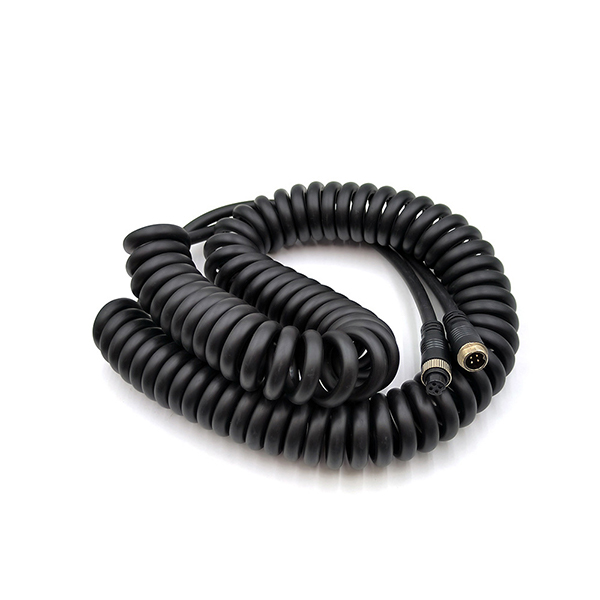
Wire harnesses used in robotic arms, moving components, and other equipment may be subjected to continuous bending and flexing. These applications require highly flexible conductors and flex-resistant jackets, along with properly designed bend radii, mounting points, and strain-relief features. For long-term outdoor use, exposure to sunlight, UV radiation, rain, dust, and temperature fluctuations must also be considered. Weather-resistant jackets, connectors, seals, and other protective materials should be selected accordingly.

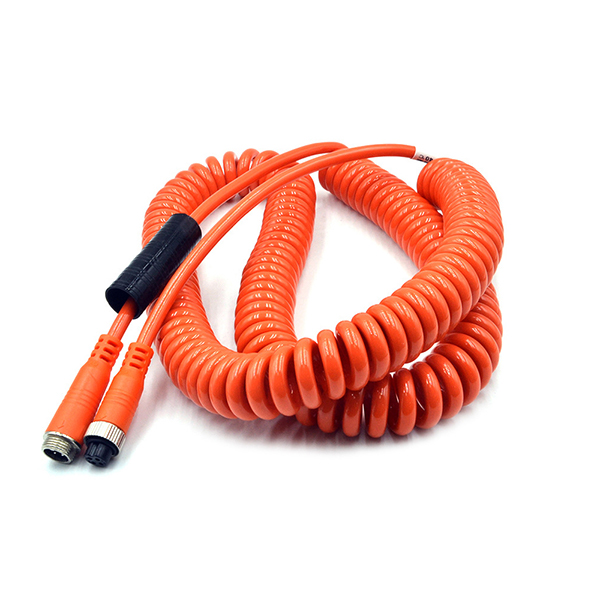
Custom Electronics Wire Harness and Cable Series

Each wire harness is custom-engineered rather than offered as a fixed, off-the-shelf product. Based on your electrical schematics, physical samples, wire harness drawings, wire specifications, product structure, installation space, and operating environment, we provide one-stop wire and cable harness manufacturing services—from connector selection across a wide range of brands, wire gauge matching, and color-coding layouts to prototyping, testing and validation, and volume production.

Products Categories
Get A Free Quote
Contact Form
Products Categories
Customization Capabilities

Configure the Speaker Around Your Product

ZEHSMAUDIO can adapt an existing speaker platform or develop a modified structure based on your installation space, sound target, electronics, enclosure and production requirements.

Fit the Speaker Into the Available Space

We review your housing dimensions and mounting structure before selecting the frame and magnetic circuit.

Outside diameter Total height Mounting depth Hole positions Magnet dimensions Sound outlet position

Application Engineering
Select an application
Speakers, microphones, amplifiers, audio PCBAs, and power modules have different connection requirements. Limited internal space can place power and signal wiring close together, making connection polarity, shield termination, and wiring harness retention important design considerations.
Based on the connected components, current loads, and signal types, we configure speaker wires, microphone cables, amplifier power cables, and control wiring harnesses. We evaluate wire gauge, cable length, polarity, shielding, and twisted-pair construction in the context of the complete product layout. We also plan cable routing and use labeling, distinct connectors, and retention features to help reduce wiring errors and prevent harnesses from striking nearby components and causing rattles.
ZEH Results
Support stable power delivery and audio signal transmission, reduce the risk of wiring errors, interference, and mechanical noise, and improve assembly and maintenance efficiency for audio components.

Why Choose ZEH to Manufacture Your Wiring Harnesses?

Wiring harnesses are essential interconnect components in audio systems, linking speakers, microphones, amplifiers, audio PCBAs, power supplies, and control modules. Wire specifications, quality, shielding methods, and routing all affect power delivery, signal transmission, and overall product assembly.Based on customer drawings, wiring diagrams, BOMs, or physical samples, we manufacture custom audio wiring harnesses, electronic equipment harnesses, and cable assemblies. We consider electrical connection requirements alongside product structure, operating conditions, and volume production needs.

Address Audio Connection Requirements for Both Power and Signals

Output wiring, signal cables, amplifier power cables, and control wiring each have different requirements. Based on the connected components, current loads, signal types, and transmission distances, we evaluate wire specifications, connectors, polarity, and shielding needs to match the harness to the actual audio system configuration.

Match Materials and Connectors to the Application

We select suitable conductor sizes, insulation materials, jackets, heat-shrink tubing, terminals, and connectors based on operating voltage, current, temperature, flexibility, and environmental conditions. For customer-specified parts, we follow the requested configuration and review electrical ratings, mechanical compatibility, and material requirements before proceeding with manufacturing.

Focus on Termination Quality to Reduce Connection Failures

Using the equipment’s wiring diagrams, interface definitions, and internal layout, we review pin assignments, connector orientation, harness lengths, branch locations, and installation space in advance. Proper wire-to-terminal matching, stripping quality, and crimping are fundamental to reliable connections. Based on terminal specifications and project requirements, we control strip length, conductor integrity, crimp dimensions, and terminal retention. Where soldering is required, we address solder joint quality, insulation protection, and strain relief to reduce the risk of loosening, wire breakage, and poor electrical contact.

Evaluate Interference Control Within the Complete Product Layout

We customize main harness runs, branches, cable exit directions, and securing points to fit the equipment’s structure, adding connectors, heat-shrink tubing, braided sleeving, labels, and clips as needed. Wire colors, wire numbers, and distinct connectors help identify the connection functions of each branch and pin.For microphones, analog audio, sensors, and other signals, we evaluate shielded cables, twisted-pair construction, shield termination, and grounding methods based on interference sources and interface requirements. We also plan the routing of power cables, speaker output wiring, and other signal cables to support overall system noise control and stable signal transmission.

FAQs

What Benefits Do Qualified Wire Harnesses Bring to Your Product Design?
  • Ensure Stable Core Electrical Performance: The conductor material, wire diameter specifications, and insulation layer performance of qualified wire harnesses all comply with industry standards, enabling precise control of key parameters such as resistance, voltage drop, and insulation resistance. For example, in the design of precision electronic devices, unqualified harnesses may cause insufficient power supply due to excessive resistance or signal interference due to poor insulation. In contrast, qualified harnesses can ensure current transmission efficiency and signal integrity, providing fundamental support for the realization of designed functions.
  • Eliminate Safety Hazards and Accident Risks: Formal wire harnesses undergo specialized tests for flame retardancy, temperature resistance, and anti-aging properties. They are less prone to issues such as insulation layer damage and conductor short circuits in high-temperature, humid, or vibrating environments. Taking automotive wire harness design as an example, unqualified harnesses may cause fires due to substandard flame retardancy, while qualified harnesses can pass rigorous safety certifications (e.g., ISO 6722), reducing safety risks such as electric shock and fire during equipment operation.
  • Enhance Product Reliability and Service Life: Qualified harnesses strictly control processes such as crimping and protective treatment during production, giving them stronger environmental adaptability and anti-wear capabilities. In industrial equipment design, qualified harnesses can resist external impacts such as mechanical vibration and chemical corrosion, reducing equipment downtime caused by harness failures, extending the overall service life of the product, and lowering long-term maintenance costs.
  • Meet Compliance Requirements and Adaptability Needs: Different industries (e.g., medical, aerospace) have clear mandatory standards for wire harnesses (e.g., UL certification, IEC standards). Qualified harnesses can directly meet the compliance requirements of the design, avoiding design rework caused by failure to pass inspections. Meanwhile, their interface specifications, wire sequence arrangement, and other aspects have better adaptability with other equipment components, which can simplify the assembly process and improve design implementation efficiency.
Scroll to Top

Get a free quote or sample

Contact Form
If you have any questions, please do not hesitate to contact us.