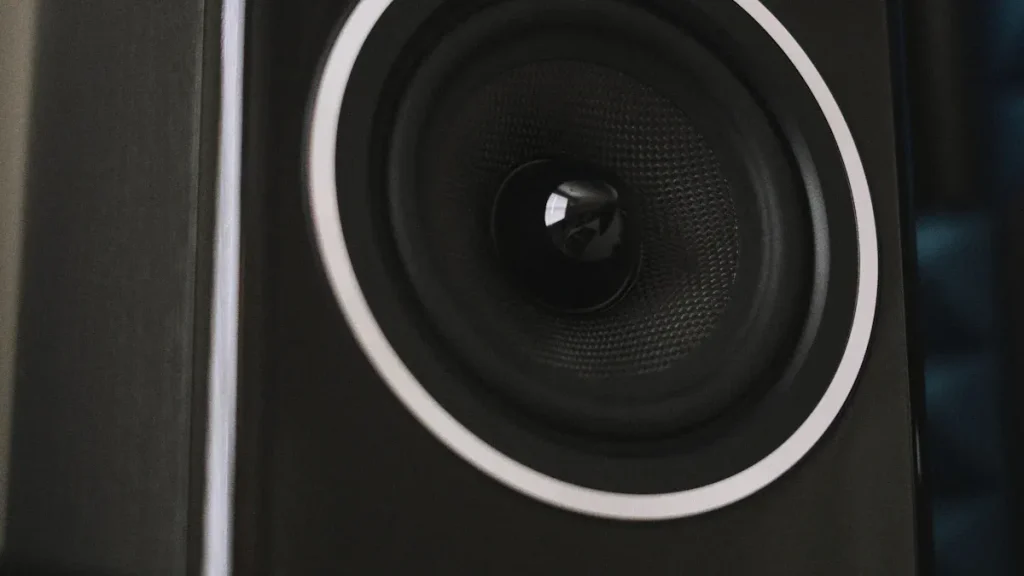
How does speaker impedance affect sound?
Speaker impedance affects sound quality, volume, and amplifier safety. Matching impedance ensures clear audio and prevents distortion or equipment damage.

Speaker impedance affects sound quality, volume, and amplifier safety. Matching impedance ensures clear audio and prevents distortion or equipment damage.
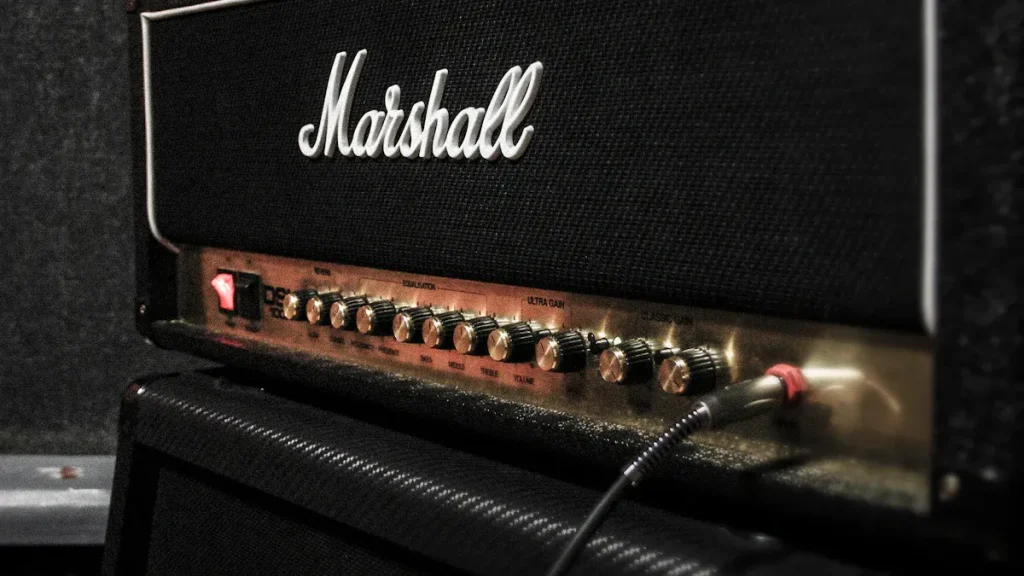
Using speaker impedance that’s too low risks amplifier damage, while too high leads to weak sound. Match impedance for safe, clear audio performance.
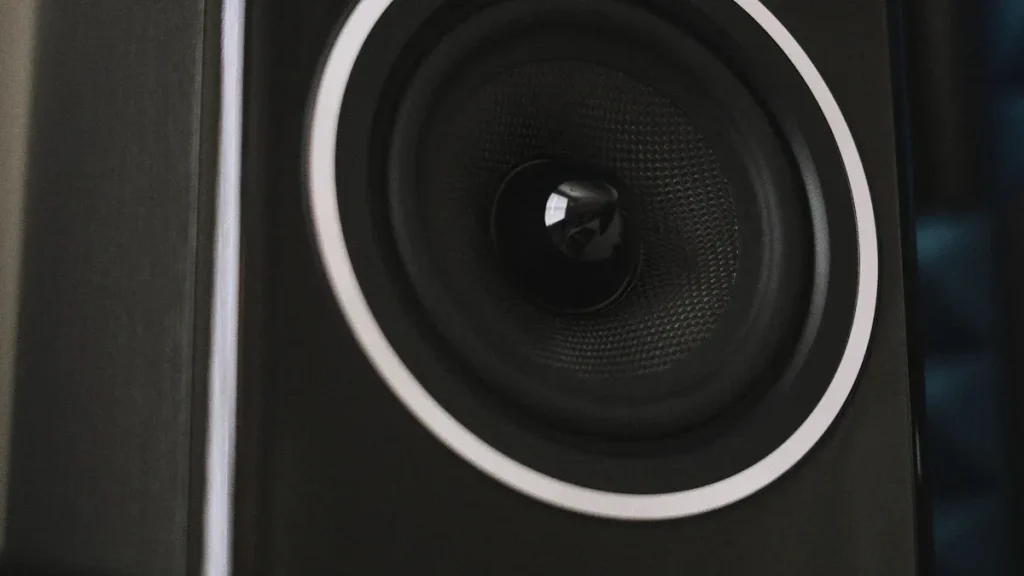
Select the correct resistance range for speakers to match your amplifier, prevent damage, and achieve clear sound. Find tips for safe, optimal audio setup.
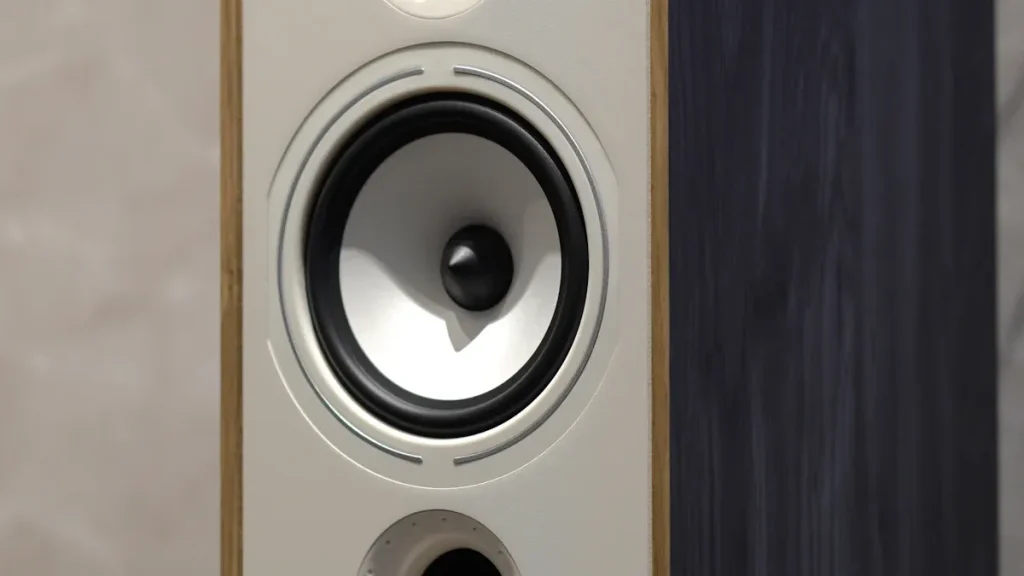
Identify the impedance of a speaker using labels or a multimeter, understand speaker ohms, and ensure proper matching for clear sound and safe equipment.
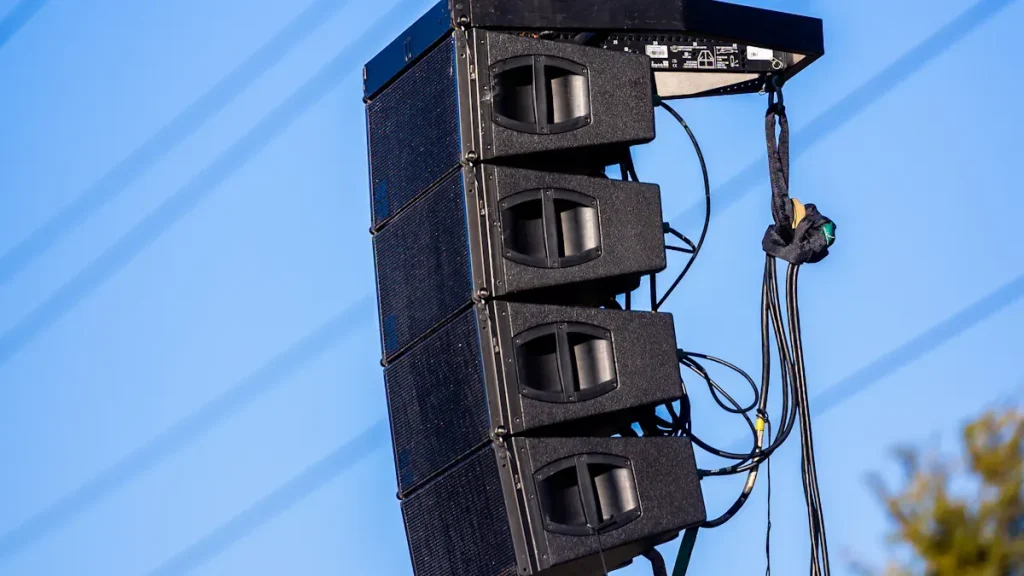
Most outdoor speakers need a receiver or amplifier unless they’re active models with built-in power. Learn which setup fits your outdoor audio needs.
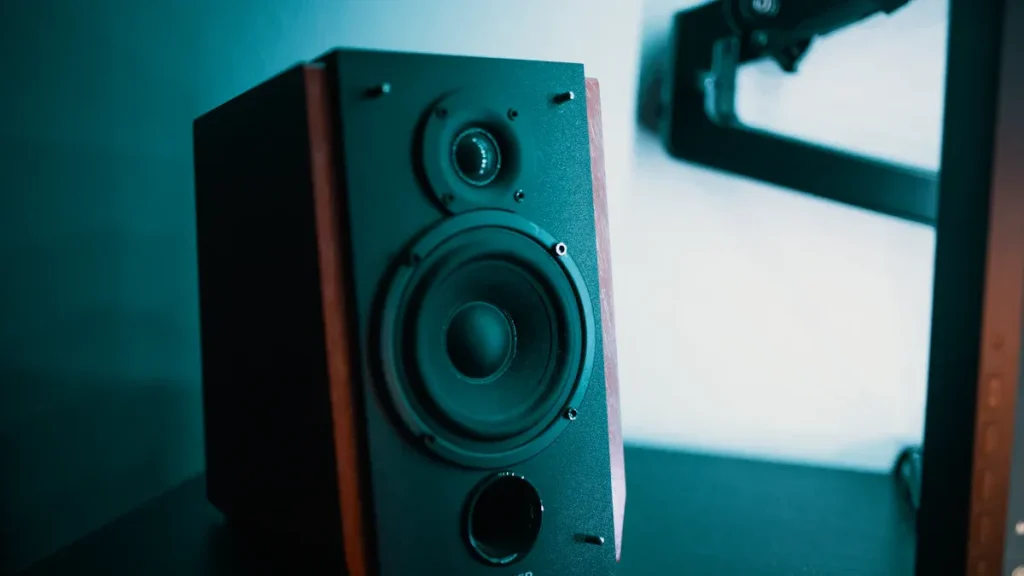
Speaker driver types like woofers, tweeters, and mid-range drivers each shape sound quality. Find out how to choose the right drivers for your needs.
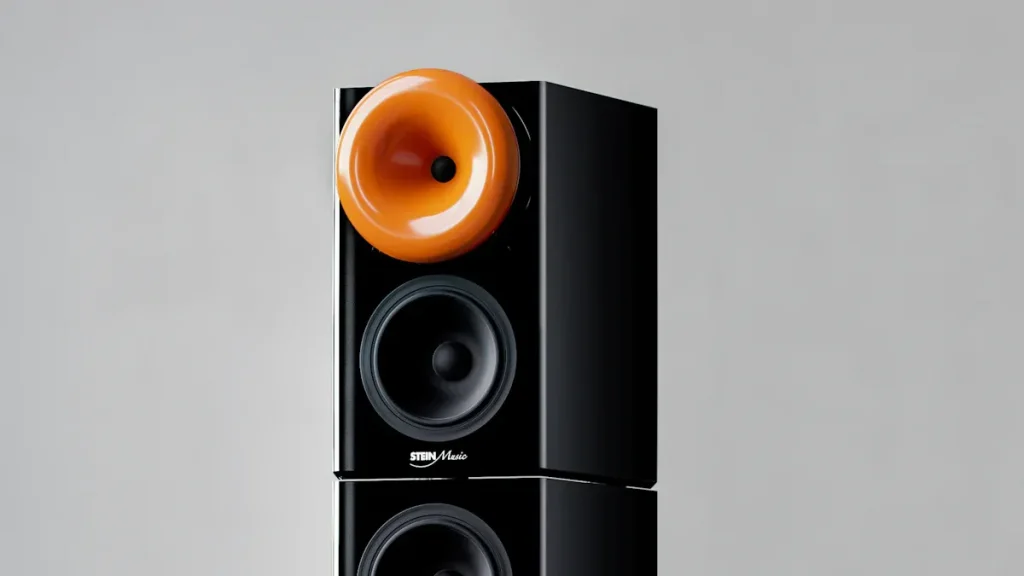
Find out the different types of speakers, including passive, powered, portable, and frequency-specific, to match your home or event audio needs.
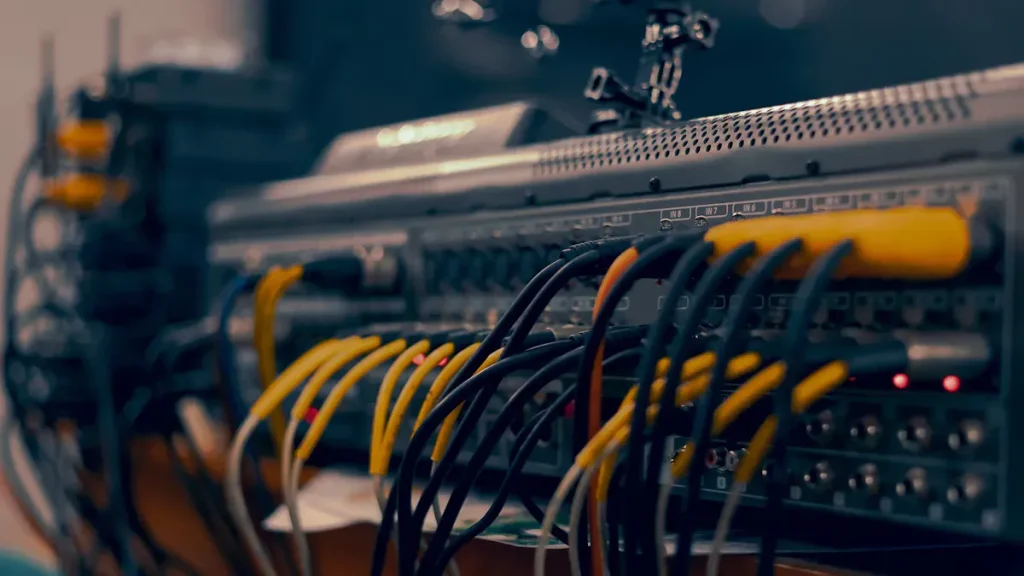
Copper covered aluminum speaker wire offers a cost-effective, lightweight solution for audio setups, balancing performance and price for most speaker needs.
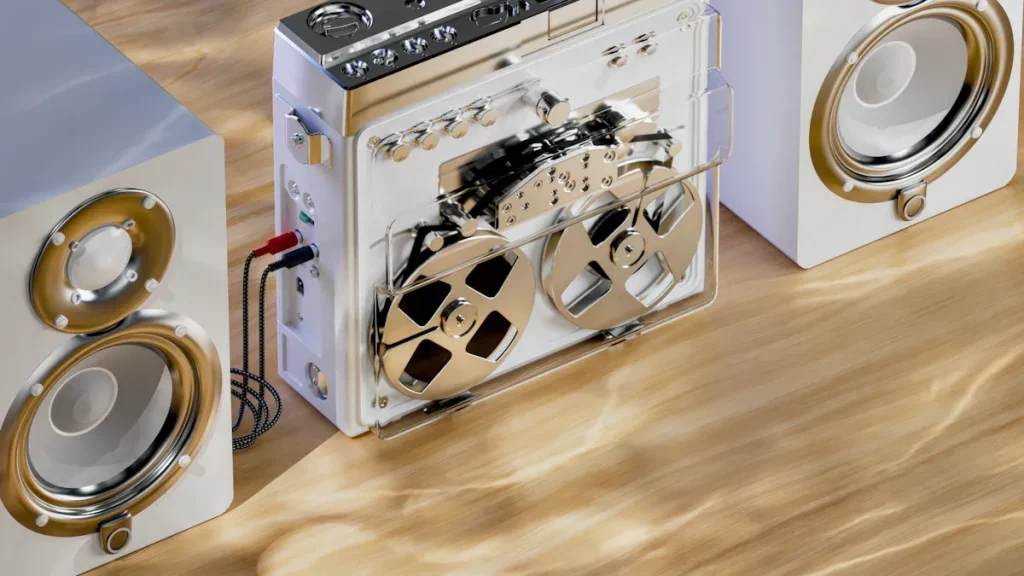
A speaker work involves changing electrical signals into sound you can hear. Inside, important parts like the diaphragm, voice coil,
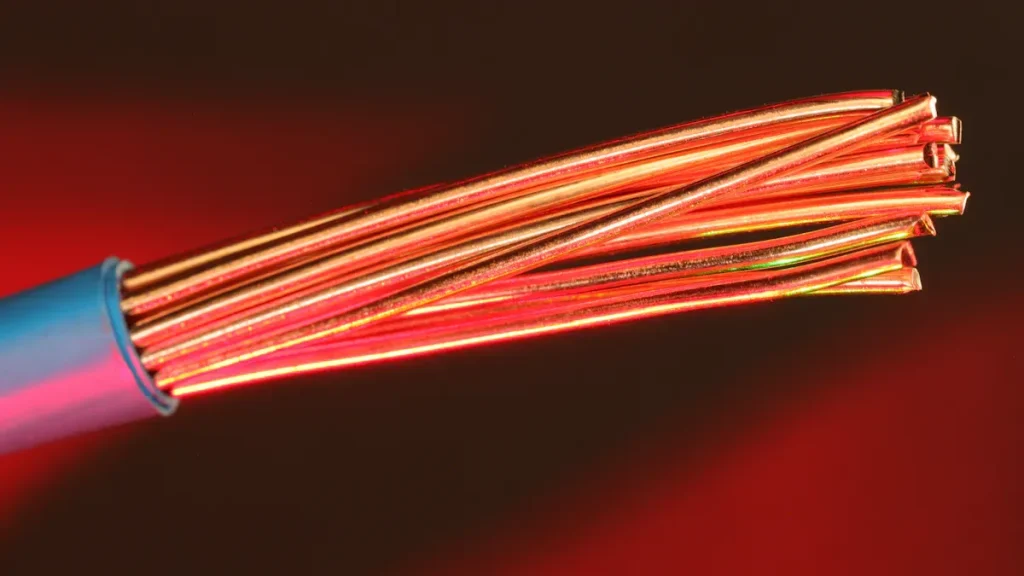
You may ask if speaker wire and regular wire are really different. A lot of people think you can use