How to Define Speaker Specifications for OEM Products
Developing a product with audio functionality does not always begin with a speaker specification. In many OEM projects, the product

Developing a product with audio functionality does not always begin with a speaker specification. In many OEM projects, the product
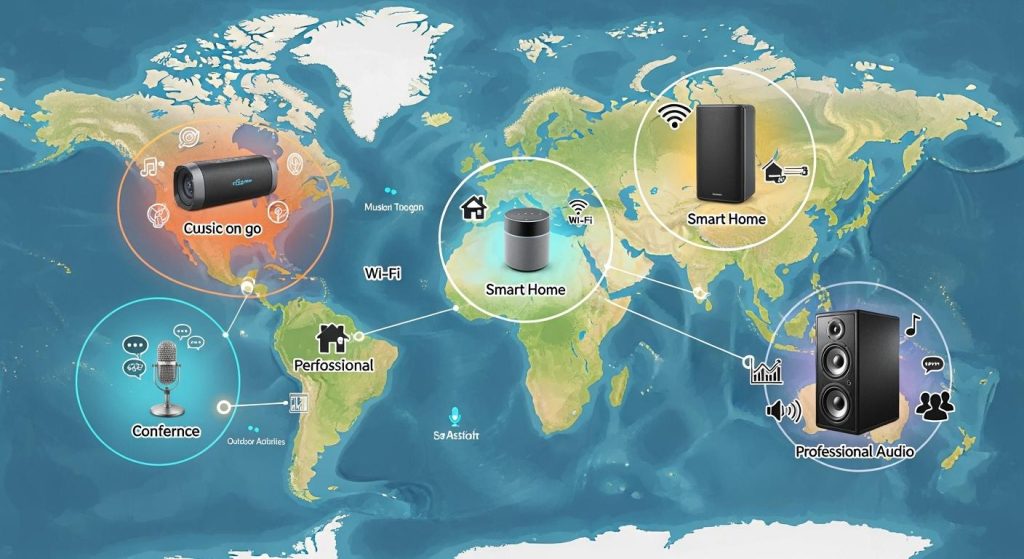
Market demand differentiation for speakers varies by region due to income, tech adoption, and local preferences, shaping business strategies worldwide.
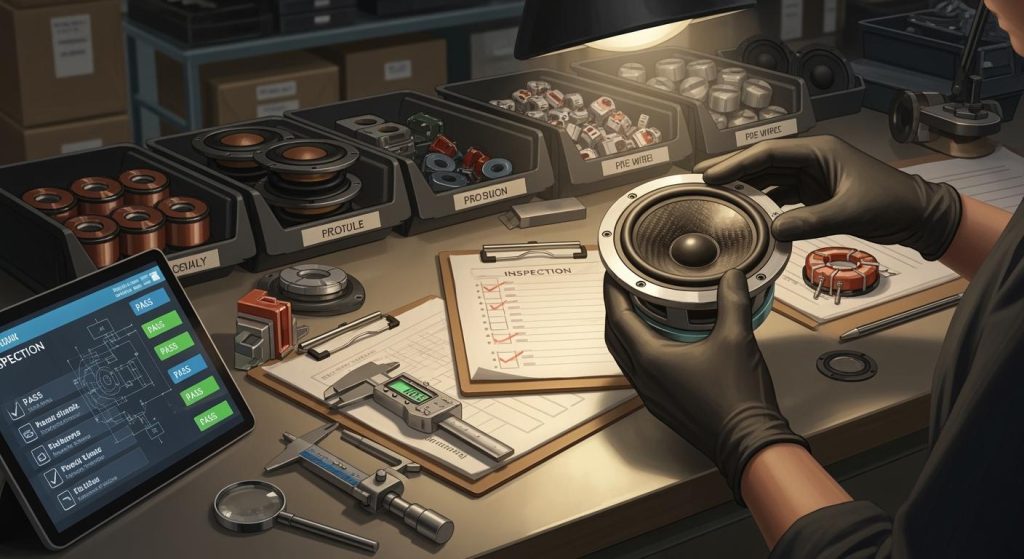
Quality control ensures speakers meet strict standards in mass production with thorough inspection methods for consistent sound and reliability.
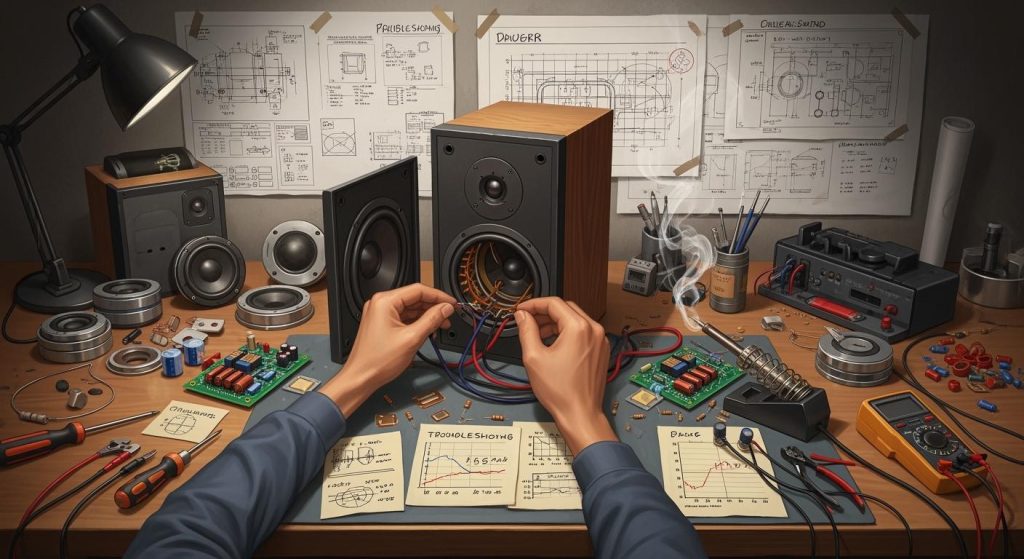
Custom speaker products require careful design, sourcing, and testing. Key challenges include rapid innovation, supply chain issues, and quality control.
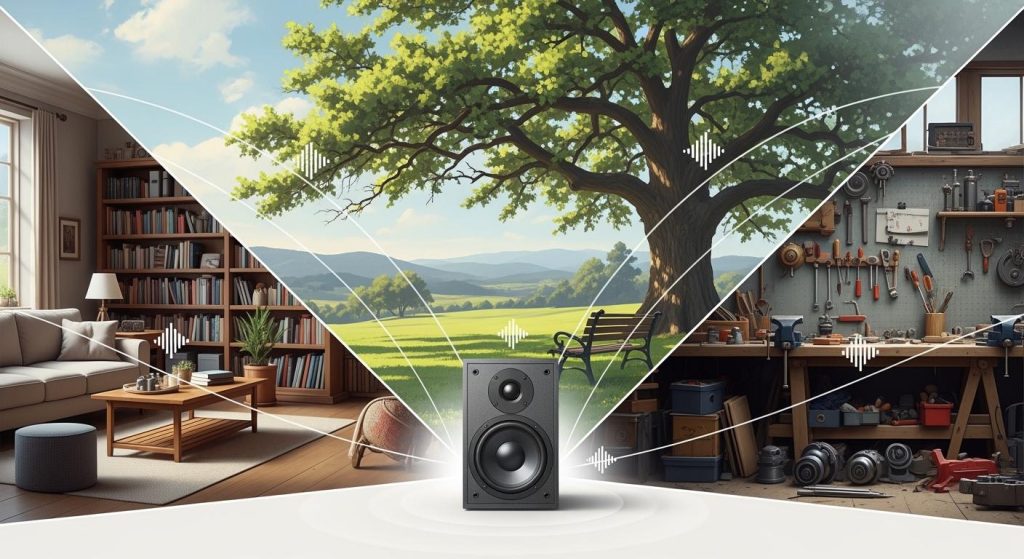
Maintain the stability of speaker products in any environment with proper placement, weatherproofing, secure connections, and regular maintenance.
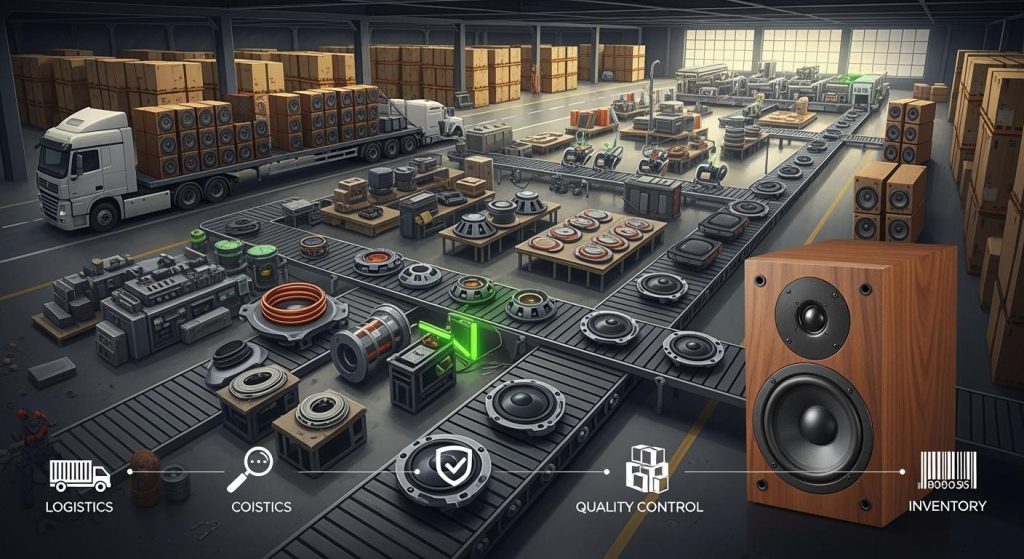
Supply chain management in speaker manufacturing boosts efficiency, quality, and resilience by optimizing sourcing, logistics, and supplier partnerships.
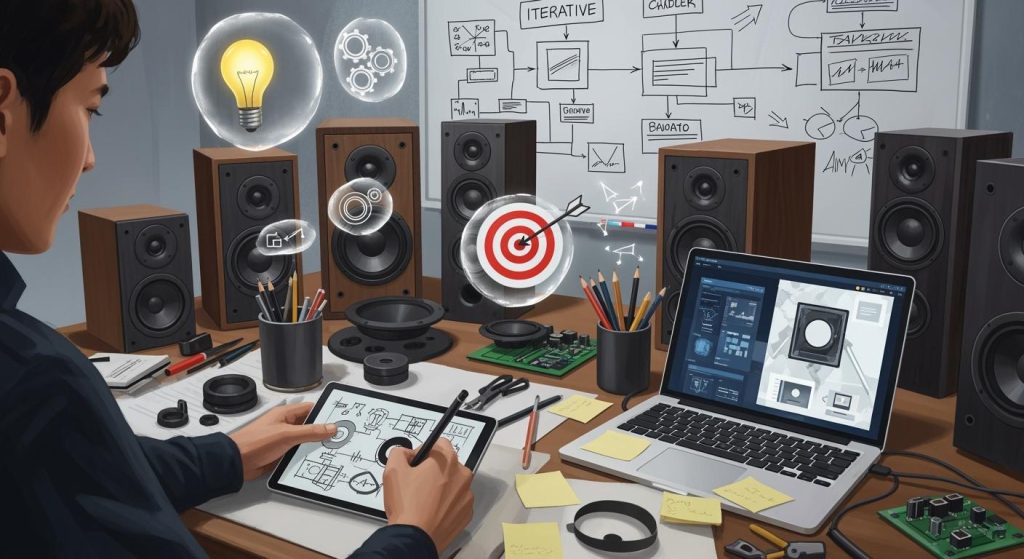
Achieve rapid prototyping for speakers by setting clear goals, using modular parts, and iterating designs fast with user feedback for better results.
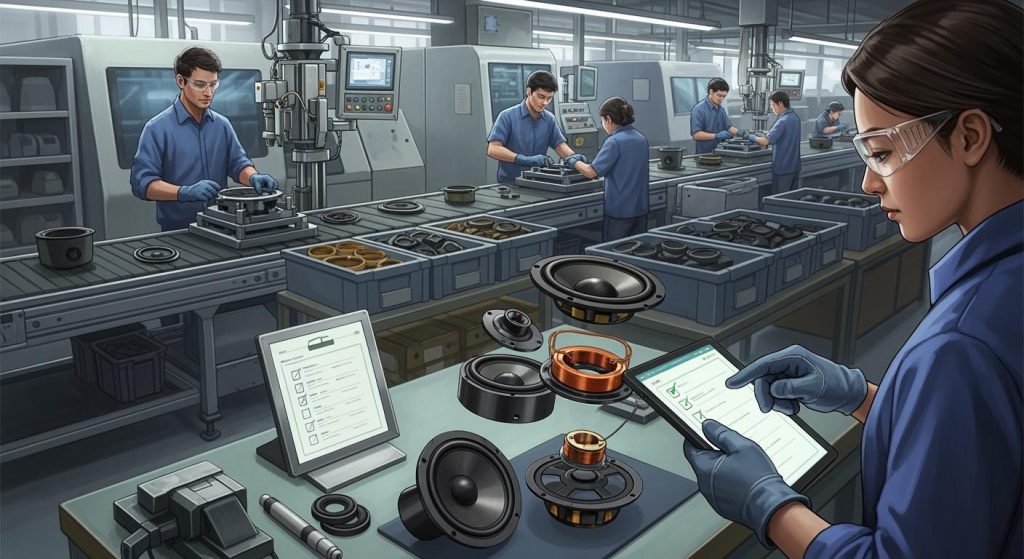
Process control in OEM speaker production ensures consistent quality, reliability, and compliance with industry standards at every manufacturing stage.
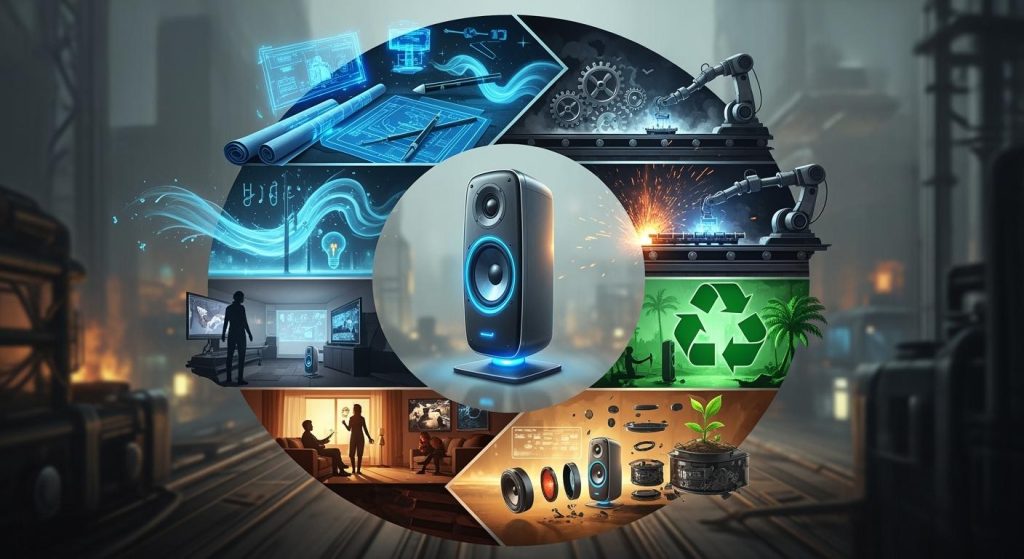
Speaker product life cycle management improves quality, sustainability, and profitability by optimizing each stage from development to end-of-life.
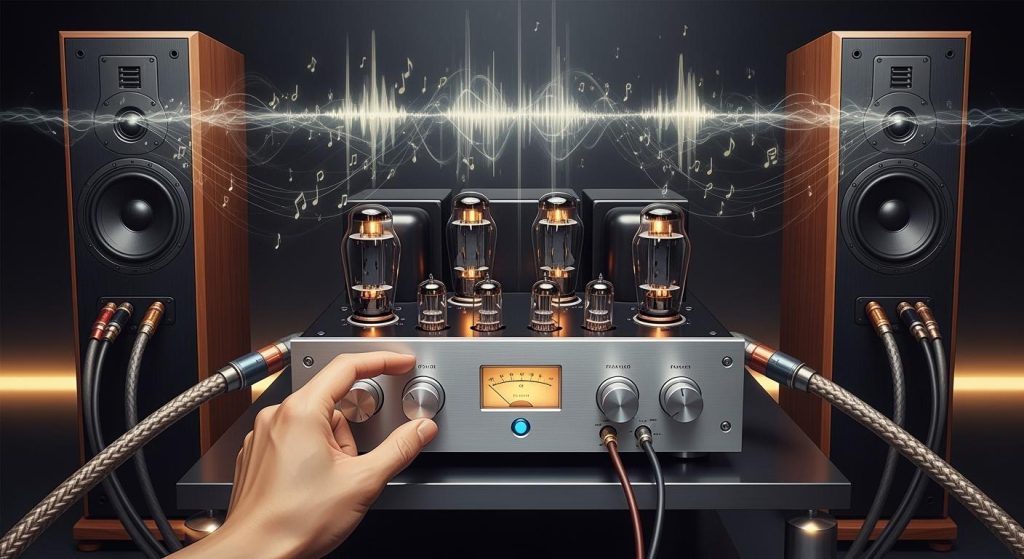
High-end audio equipment requires premium speakers to reveal every musical detail, ensuring accurate sound reproduction and a true high-fidelity experience.
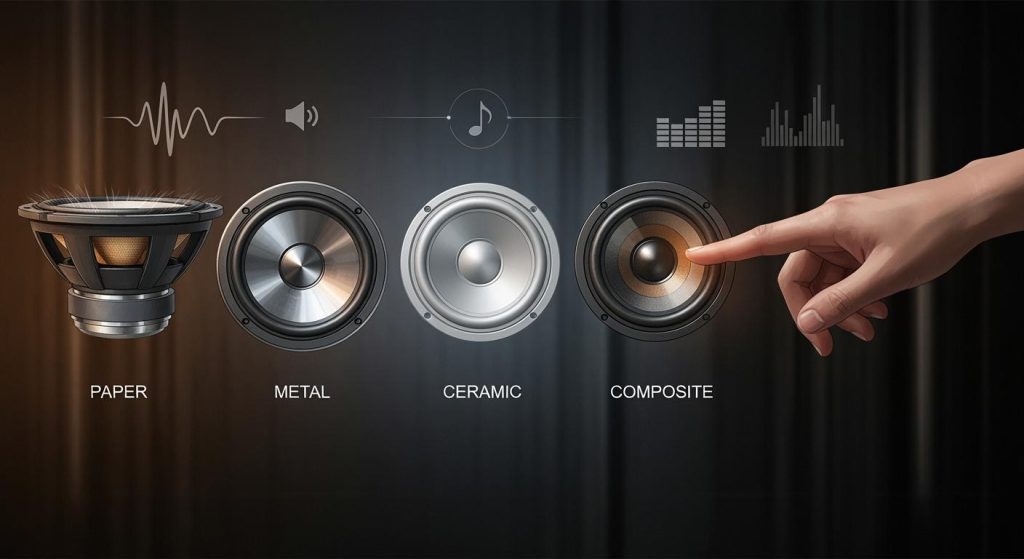
Choose speaker driver units by material to match sound quality needs, from bass-heavy to detailed audio, for home, studio, or live environments.
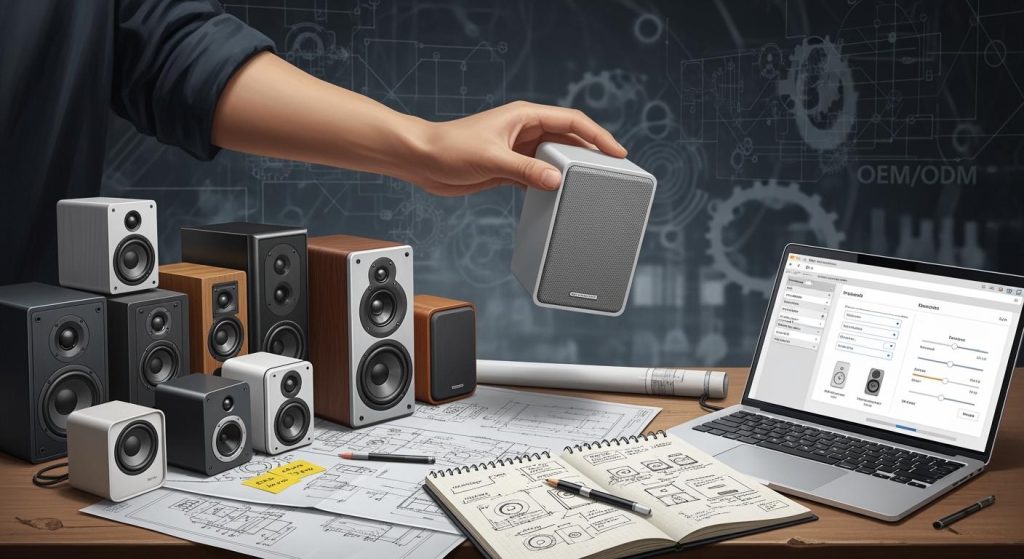
Choose a speaker model for OEM/ODM by evaluating supplier trust, customization options, quality control, and cost to ensure the best fit for your business.