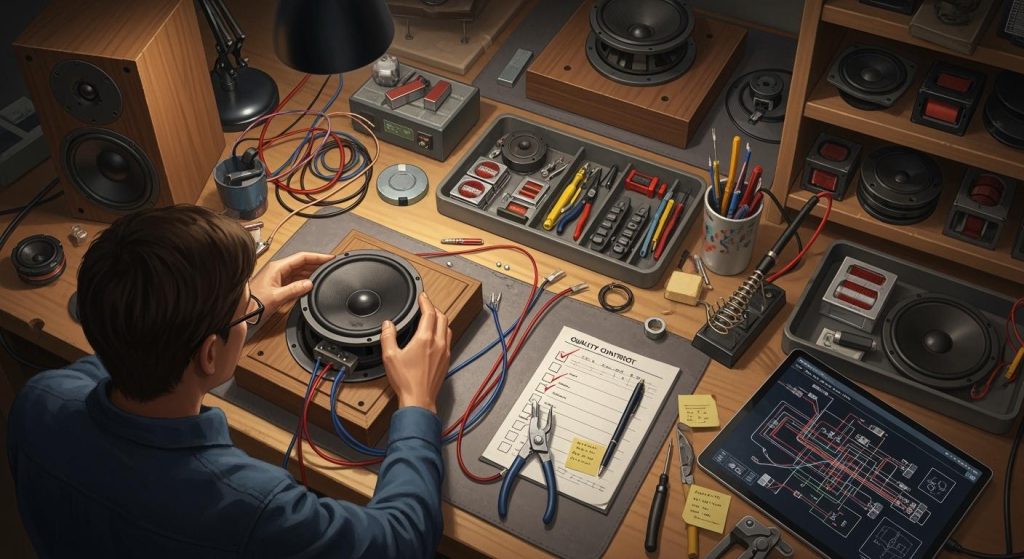
How to reduce human errors in speaker production
Reduce human errors in speaker production with clear instructions, effective training, and error-proofing tools for higher quality and fewer defects.

Reduce human errors in speaker production with clear instructions, effective training, and error-proofing tools for higher quality and fewer defects.
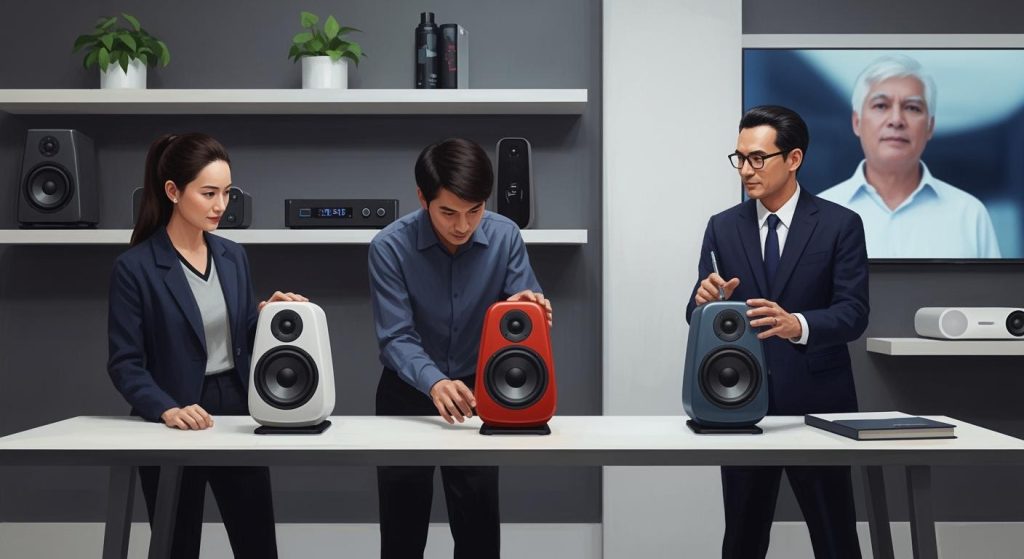
Customizing speakers means understanding the different needs of customers, from sound quality to design, for personal and commercial spaces.
Lightweight design in speakers uses advanced materials and engineering to deliver clear sound and portability, balancing performance with convenience.
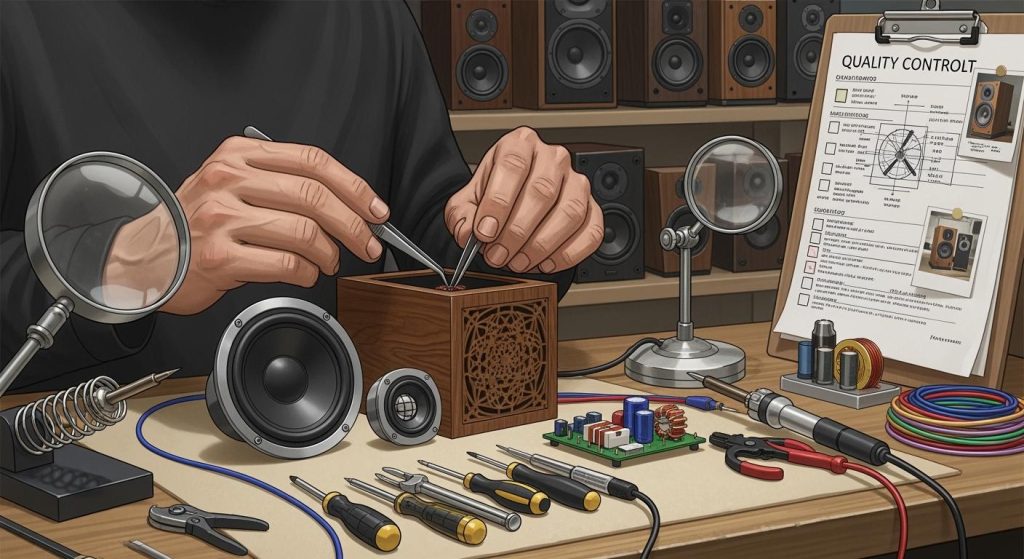
Maintain consistency of craftsmanship in speaker customization with strict quality controls, advanced tools, and clear process management.
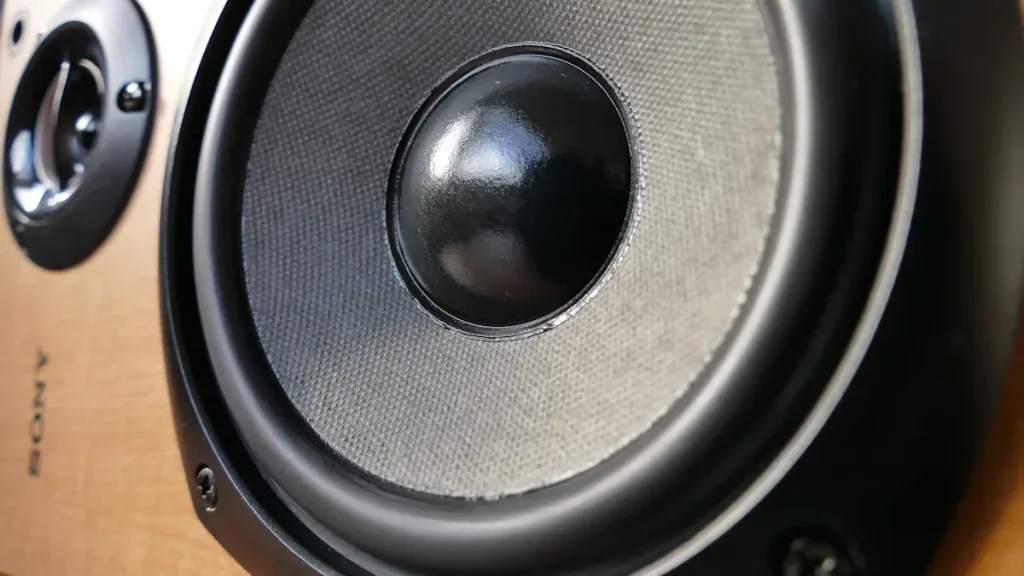
Reduce harmonic distortion in speakers by optimizing placement, using quality components, and maintaining your system for clearer, accurate sound.
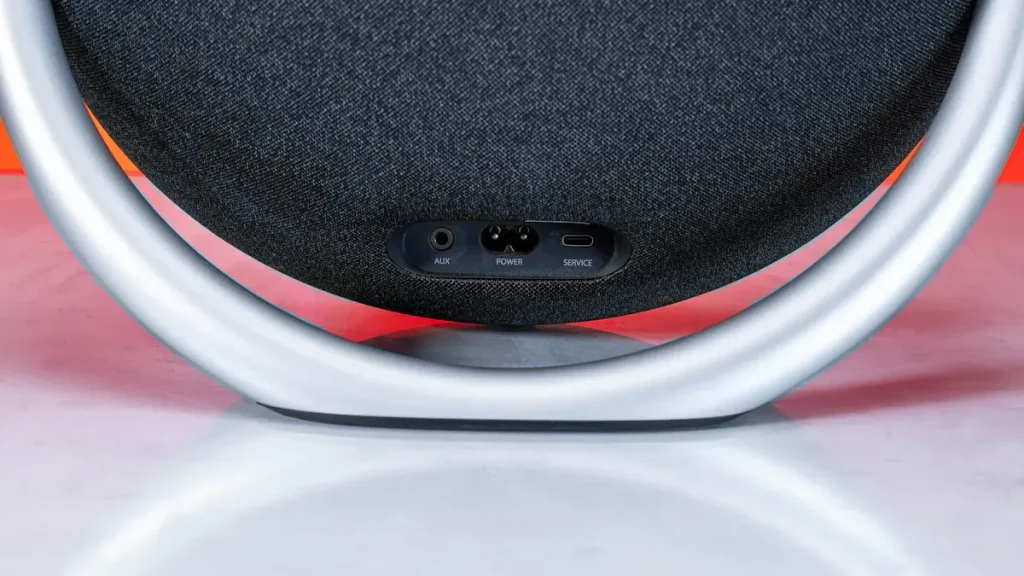
Acoustic coatings enhance speaker sound by reducing reflections and noise. Learn key factors for selecting coatings to achieve optimal audio clarity.

Optimize sound quality by managing direct, early, and late sound reflections for clear, immersive audio in any room.
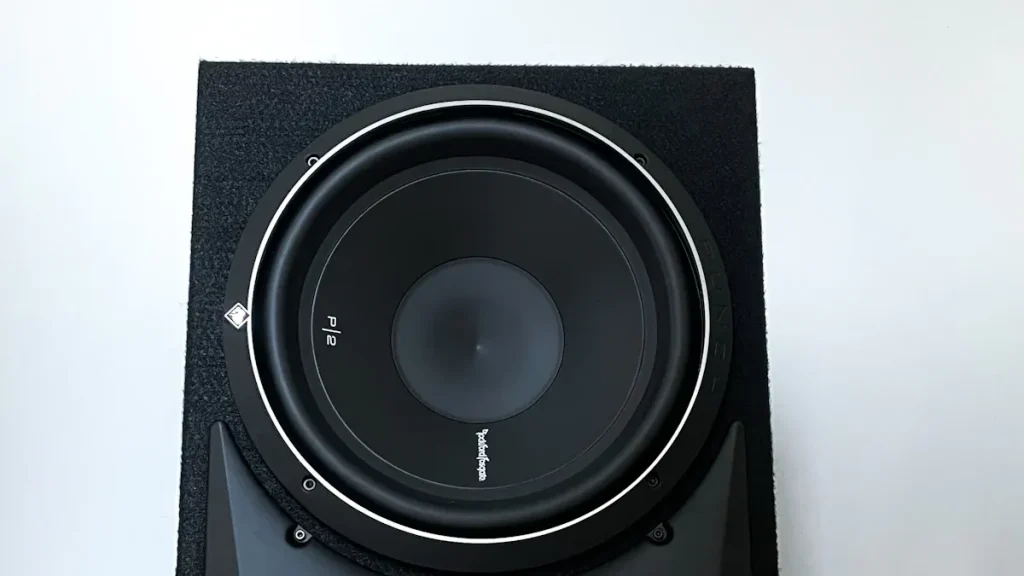
Technological innovations in subwoofer design solve bass distortion, enhance durability, and offer wireless, smart features for better sound and easy setup.
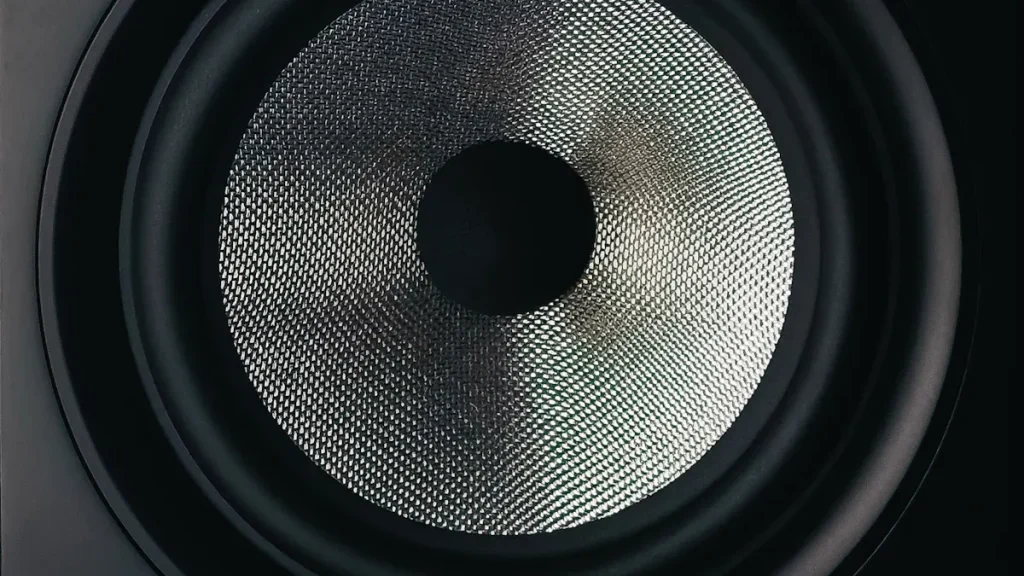
Driver unit size impacts bass depth, sound pressure, and detail. Learn how different sizes affect sound quality and which is best for your listening needs.
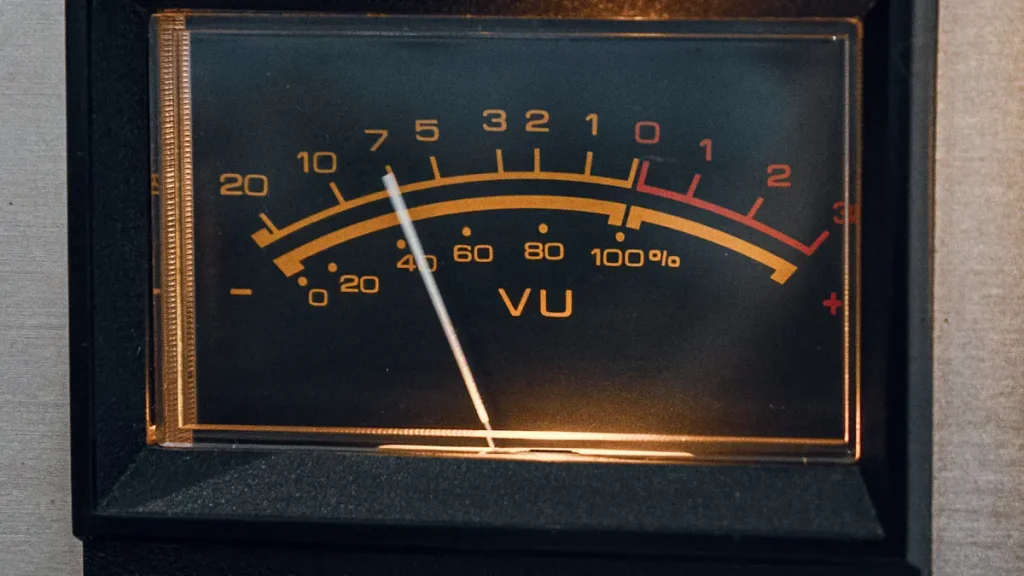
Check sound pressure level by reviewing speaker specs and using a sound meter to ensure your speakers deliver clear, loud audio for your environment.
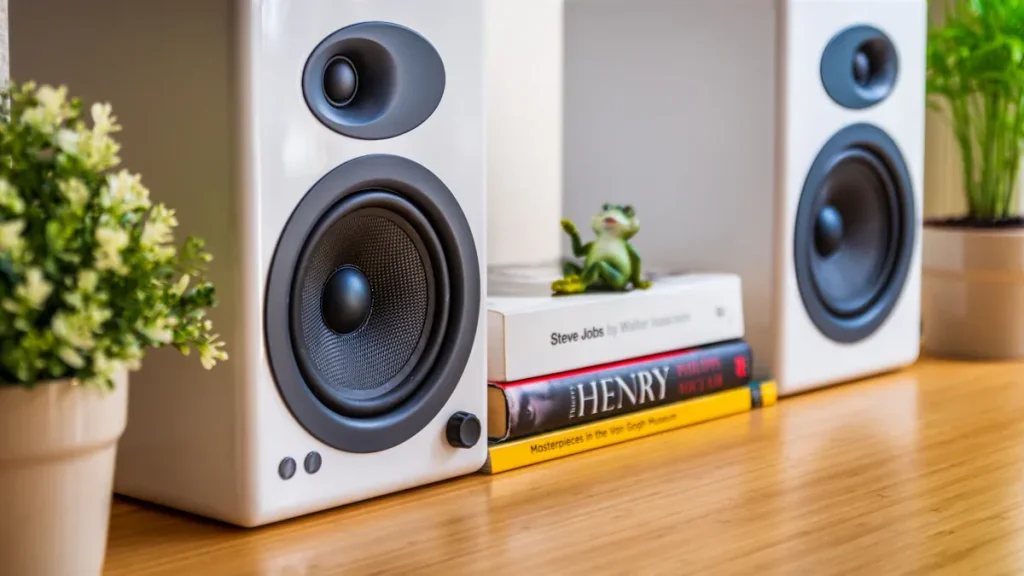
High-quality speakers deliver clearer sound, deeper bass, and lasting durability compared to low-quality speakers, enhancing your listening experience.
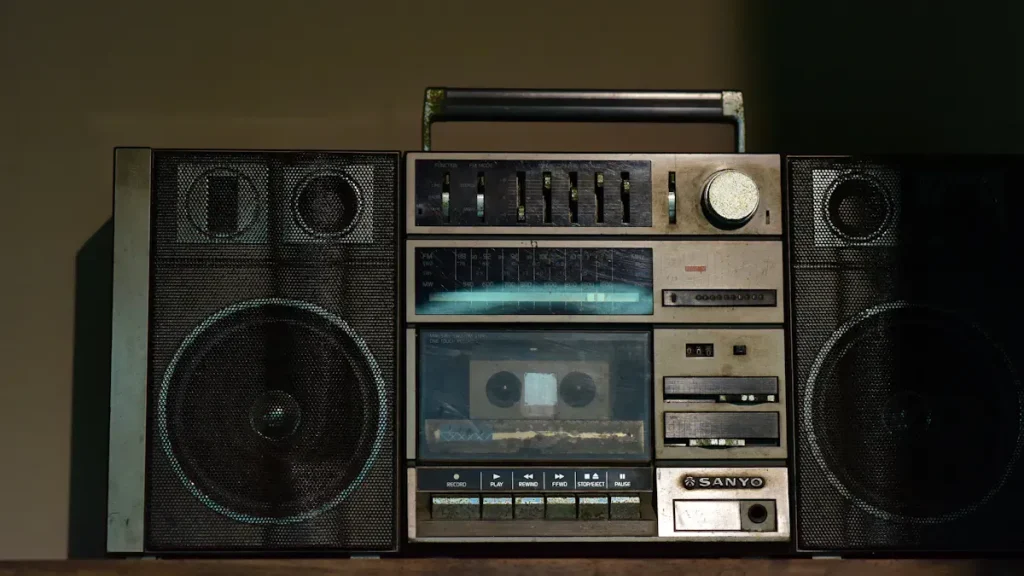
Market competition between traditional and voice-controlled speakers drives innovation, affects pricing, and shapes consumer preferences in the audio industry.