
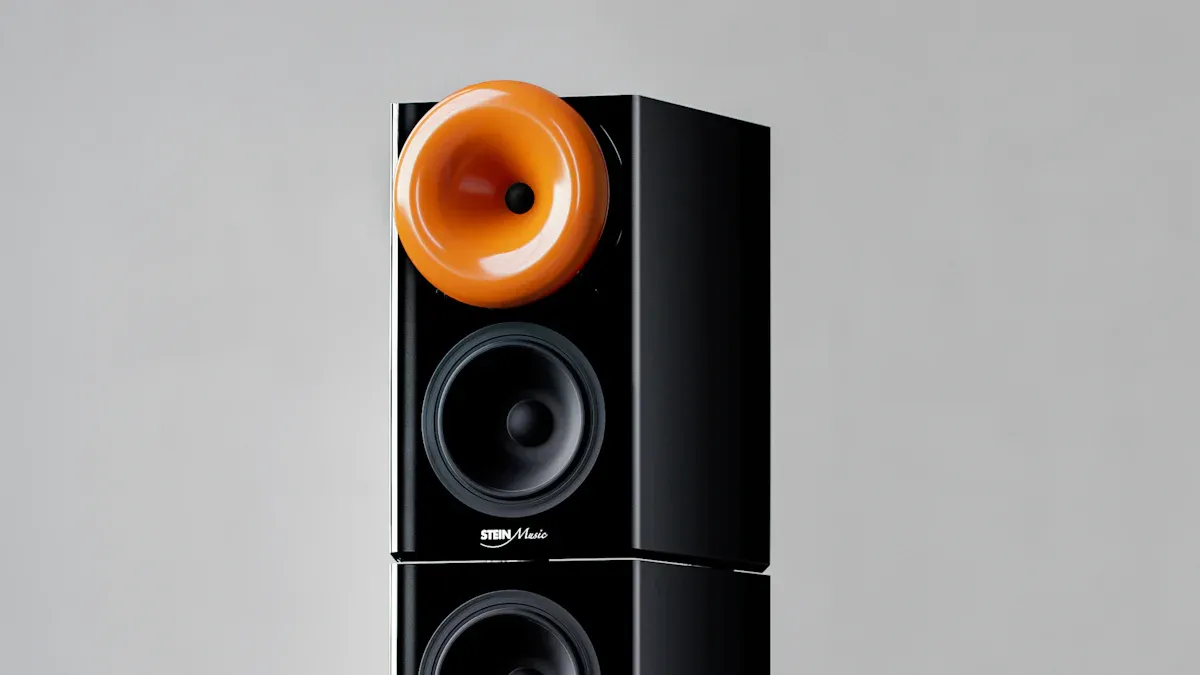
You see many different types of speakers every day, like classic passive ones and new wireless music speakers. Speaker types include passive, powered, portable, custom-installed, and frequency-specific. Recent market numbers show that Bluetooth, portable, and wireless speakers are still popular at home. Each different type of speaker system helps you build the sound you want at home. You can achieve clear audio, strong music, or great sound quality. Picking the right speakers makes your home audio better.
Key Takeaways
Learn about the different types of speakers. These include passive, powered, portable, custom-installed, and frequency-specific. Each type has its own use. Each one works best in different places.
Pick passive speakers if you want more options. They are easy to upgrade. You need an external amplifier for them. You can change them as your audio needs change.
Powered speakers are good for fast setup. They are also easy to move. They have amplifiers inside them. This makes them great for small rooms and outdoor parties.
For outside, use weatherproof speakers. They do not get ruined by rain or sun. They give good sound anywhere you put them.
Think about what you need before picking speakers. You might need them for home, parties, or special uses. The right speaker will make your music sound better.
Different types of speakers
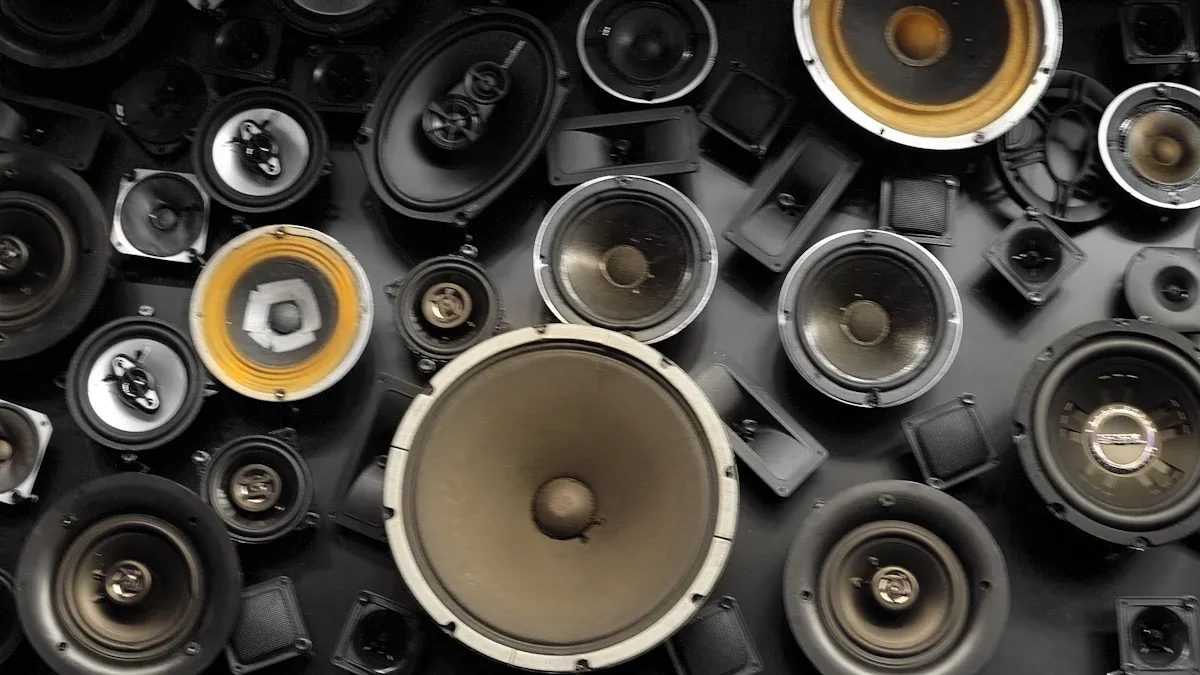
You can see many kinds of speakers in homes, schools, and outside. Each speaker has its own job and fits certain places. Knowing about these speakers helps you pick the best sound system.
Passive speakers
Passive speakers need an amplifier to make sound. You connect them to an amplifier. The amplifier gives power and controls the sound. This setup lets you change your sound system. Passive speakers are not heavy and easy to upgrade. You can swap parts to make your audio better.
Passive speakers give you:
Choices in setup
Changeable parts
Less weight
Simple upgrades
Passive speakers are good if you want to change or grow your sound system later.
Advantages | Disadvantages |
|---|---|
Can pair with many things | Needs more parts |
Easy to place | Setup can be tricky |
Simple to upgrade | You must handle setup |
Not heavy | |
Costs less |
Powered speakers
Powered speakers, or active speakers, have amplifiers inside. You just plug them in and play music. These speakers are simple to use and move. Powered speakers are great for small places, outside events, and home use. They match amps and drivers well, so sound is better.
Feature | Powered Speakers | Passive Speakers |
|---|---|---|
Amplification | Has amplifiers inside, works alone | Needs amplifiers outside |
Setup | Easy, just plug in | Needs extra connections |
Portability | Small and easy to carry | Can be bigger because of extra parts |
Customization | Not many choices for size and style | Many ways to change parts |
Sound Quality | Good amp and driver match | Bigger drivers can give better sound |
Price | Costs more because of built-in features | Costs less at first, but needs more gear |
Use Case | Good for small places, outside, and DJs | Good for big setups and changing needs |
Powered speakers are best when you want easy setup and fast, good sound.
Portable Bluetooth speakers
Portable Bluetooth speakers are small and light. You can carry them anywhere, like home or outside. These speakers connect to your devices without wires. They are great for trips and outdoor fun. Most have batteries inside, so you do not need to plug them in.
Feature | Description |
|---|---|
Portability | Made to be small and light, good for moving around. |
Battery Life | Has batteries inside, so you can use them outside. |
Durability | Built strong to last in different places. |
Sound Quality | Made to give good sound for you and small groups. |
Portable Bluetooth speakers give you:
Easy to carry
Strong build
Smart features
Nice sound
In the last five years, more people buy portable Bluetooth speakers. People like wireless music and easy use.
Custom-installed speakers
Custom-installed speakers go in walls or ceilings. You need a pro to check where to put them. These speakers hide in your home and spread sound evenly. Custom-installed speakers work best if you plan before building or fixing your space.
To install, you need:
A pro to check the space
Plan wires for safety
Put speakers in the design for best sound
Custom-installed speakers are good for big rooms like living rooms or kitchens. You can use more speakers to cover the space and get better sound.
Outdoor speakers
Outdoor speakers are made to handle bad weather. They use strong materials like stainless steel and Mylar to stop rust and water damage. Outdoor speakers have tight seals to keep water out. You can use them for parties, workouts, DJ events, and community fun.
Component Type | Indoor Speakers | Weatherproof Speakers |
|---|---|---|
Frame and Grille | Steel (can rust) | Stainless steel, aluminum, or brass |
Diaphragm Material | Paper (not good with water) | Mylar (handles water well) |
Cabinet Protection | Regular materials | Polypropylene finish with tight Teflon seal |
People use outdoor speakers for:
Parties outside
Exercise and fitness
DJ and event hosting
School and community events
Smart home and fun
Outdoor speakers let you hear good sound in your yard, patio, or garden.
Frequency-specific speakers
Frequency-specific speakers focus on certain sounds. Midrange speakers are good for music and talking. Tweeters play high sounds, making them sharp and clear. Woofers make deep bass, and subwoofers play very low sounds you can feel.
Types of frequency-specific speakers:
Midrange speakers: Play middle sounds for music and speech.
Tweeters: Play high sound waves.
Woofers: Make deep bass sounds.
Subwoofers: Play very low sounds.
Frequency-specific speakers use crossovers to send the right sound to each speaker. This makes sound clearer and stops bad noise, so you get better audio.
You can pick different speakers for what you need. Each type has special features and good points. Knowing about speakers helps you make the best sound system for your home and other places.
Speaker configurations and uses
Bookshelf speakers
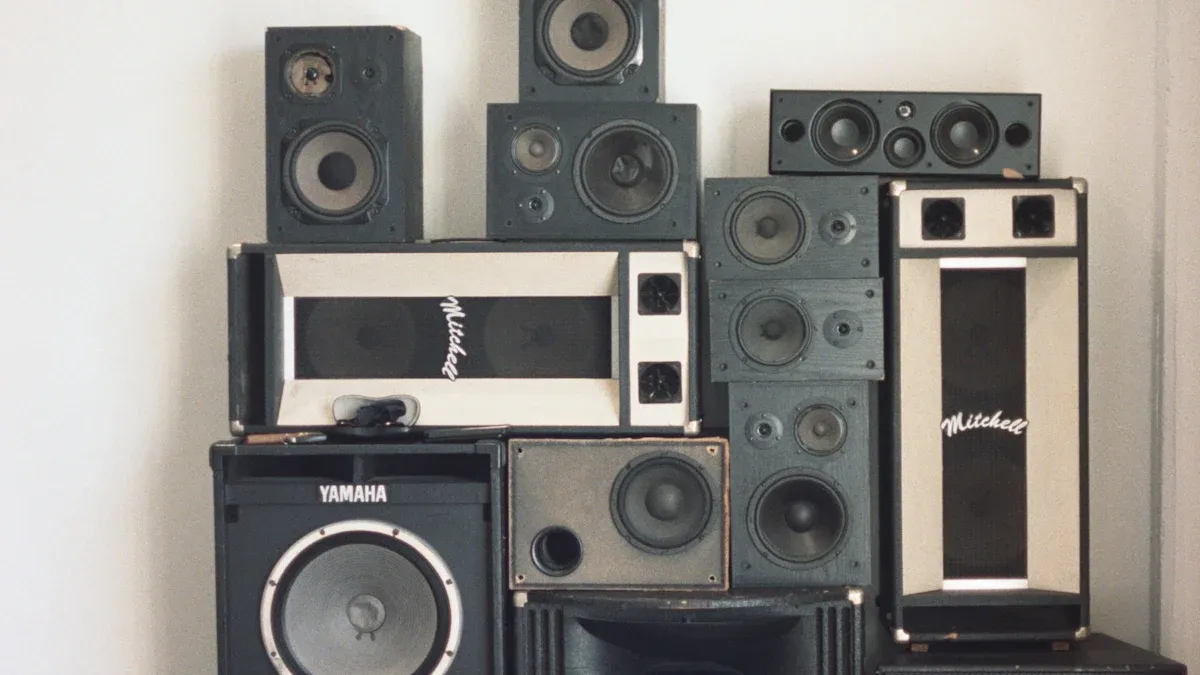
Bookshelf speakers work in many home setups. They are small and fit on shelves or stands. You can use them in front or back of your home theater. Put them at ear level and point them at where you sit.
Keep bookshelf speakers at least one foot from the wall. This stops too much bass.
Place them six to eight feet apart for clear stereo sound.
Do not put them in corners. Corners can make sound unclear.
Pick the right size and spot for your room and money.
Floor-standing speakers
Floor-standing speakers give strong sound and full audio. You hear deep bass and clear music. Many people say these speakers make movies feel real. You can feel sound effects like thunder behind you.
Speaker Type | Sound Output Characteristics |
|---|---|
Floor-standing speakers | Give powerful, full sound with great bass. |
Bookshelf speakers | Small and flexible, fit many setups, but need good placement for best sound. |
Ceiling and in-wall speakers
Ceiling and in-wall speakers hide in your home and spread sound everywhere. You use them in stores, museums, public places, and events.
Environment Type | Benefits of Ceiling and In-Wall Speakers |
|---|---|
Retail | Makes special sound areas to help people shop, especially near signs. |
Museums and Galleries | Gives sound without making the place too loud. |
Public Sector Spaces | Sends sound to certain spots for privacy and clear hearing, so you do not need loud speakers. |
Events and Trade Shows | Helps your booth stand out by sending sound to visitors. |
You may have problems when putting in these speakers. You must follow rules for where to put them and deal with wall insulation. Running wires in finished walls or ceilings takes careful planning.
Soundbars
Soundbars make home audio easy. You just plug them in for better sound than TV speakers. Soundbars fit under your TV and look neat in modern rooms.
You get easy setup.
Soundbars are good for small rooms.
You get better sound without a hard setup.
Attribute | Soundbar | Traditional Surround Sound |
|---|---|---|
Setup Complexity | Very Low (often one cable) | High (needs receiver, speaker setup, and wires) |
Space Required | Small (one bar under TV) | Big (many speakers and a receiver) |
Audio Immersion | Good (often uses fake surround) | Great (real sound from all sides) |
Aesthetic Impact | Neat and simple | Can be seen and take up space if not planned |
Home theater speakers
Home theater speakers make your home feel like a real theater. You use different speakers for front, back, and surround sound. You hear clear voices, deep bass, and cool effects. You can build a system that fits your room and what you want. You enjoy movies, music, and games with great sound.
Pick your speakers based on your space, what sound you want, and the kind of audio experience you like.
How speakers work
Understanding how speakers create sound helps you get the best audio experience at home. You can find different types of speakers, but they all use the same basic parts to turn electrical signals into music or voices you hear.
Speaker components
Every speaker has key parts that work together to make sound. You can see these parts in most speaker types:
Function | |
|---|---|
Cone | Vibrates to produce sound waves. |
Voice coil | Receives electrical signals from an amplifier. |
Magnet | Interacts with the voice coil to create movement. |
Suspension | Keeps the cone centered, allowing it to move back and forth. |
Cabinet | Supports and holds all the other components together. |
The voice coil gets signals from your sound system. The magnet and coil work together to move the cone. The cone pushes air, which makes sound waves. The suspension keeps the cone steady. The cabinet holds everything in place and affects the quality of the sound. Some speakers also use a crossover. This part sends the right frequencies to each driver, so you get clear audio.
Tip: A good cabinet design can improve the quality of your home audio and make your music sound better.
Audio frequency roles (woofers, tweeters, subwoofers, midrange)
Speakers use special drivers to handle different sounds. Each driver focuses on a certain range of audio.
Woofers play low sounds, like drums or bass guitars.
Tweeters handle high sounds, such as cymbals or sharp notes.
Subwoofers create very deep bass you can feel in your chest. You often use subwoofers in home theaters for movie effects.
Midrange speakers cover the middle sounds, like voices and many instruments.
You need all these drivers to get full, rich sound at home. Subwoofers give you strong bass for music and movies. Tweeters make sure you hear every detail. Woofers and midrange speakers fill in the rest. When you combine these drivers, you get a balanced sound system that brings your audio to life.
If you want the best sound quality at home, use the right mix of drivers. This setup lets you enjoy every part of your favorite songs and movies.
Choosing the right speaker
Home use
You want clear sound and easy setup for your home. Start by thinking about your room size and how you listen to music or watch movies. Bookshelf speakers work well in small rooms. Floor-standing speakers fill bigger spaces with strong sound. If you want a simple setup, soundbars give you better audio than TV speakers. For a true home theater, use different types of speakers for front, surround, and deep bass. Place your speakers at ear level for the best quality. Always check if your sound system matches your devices.
Tip: Keep your speakers away from walls and corners to avoid muffled sound.
Events and parties
You need loud, clear sound for events and parties. Powered speakers make setup fast and easy. Portable Bluetooth speakers help you move sound to any spot. For big spaces, use more than one speaker type to cover the area. Make sure your speakers can handle high volume without losing quality. Look for features like wireless connection and battery power for outdoor or moving events.
Event Type | Best Speaker Types | Key Features |
|---|---|---|
Small party | Portable Bluetooth | Easy to move, wireless |
Large event | Powered, frequency-specific | High volume, clear sound |
Outdoor settings
You want speakers that last outside. Outdoor speakers use strong materials to resist rain and sun. Place them where they face your yard or patio. Make sure they have weatherproof seals. Portable Bluetooth speakers also work well for short outdoor use. Always check the power source and battery life before your event. Good placement gives you even sound across your space.
Note: Outdoor speakers need regular cleaning to keep sound quality high.
Specialized needs
Some people need special speaker types for unique audio needs. The Mirai speaker helps people with hearing loss by making TV speech clearer. Musicians use in-ear monitors in studios for personal sound and hearing safety. These options improve sound quality and protect your hearing. If you need custom solutions for your business, companies like ZEH Audio offer strong support. Their integrated manufacturing and research help you get consistent products and reliable supply chains. This solves common problems like compatibility and quality checks.
You can find the right speaker for any need by thinking about your space, use, and sound goals.
You learned about the different types of speakers and how each type fits your home and other spaces. You can choose speaker types for home, events, outdoor areas, or special needs. If you want clear sound and high quality at home, pick bookshelf or floor-standing speakers. For outdoor sound, use weatherproof speakers. Portable speakers work well for parties. Always check your space and sound goals before building your sound system. Good placement improves sound quality and makes your home feel alive.
Think about your needs and the sound you want. The right speaker type gives you the best quality and sound for your home.
FAQ
What is the difference between passive and powered speakers?
Passive speakers need an external amplifier. Powered speakers have built-in amplifiers. You plug powered speakers in and play music right away. Passive speakers let you change your setup more easily.
How do I choose the best speakers for my room?
You look at your room size and how you use sound. Small rooms work well with bookshelf speakers. Large rooms need floor-standing speakers. Place your speakers at ear level for clear audio.
Can I use outdoor speakers inside?
You can use outdoor speakers indoors. They work well in places with moisture or dust. Outdoor speakers last longer in tough conditions, but you may not need their weatherproof features inside.
Why do some speakers have multiple drivers?
Multiple drivers help speakers play different sounds. Woofers handle bass. Tweeters play high notes. Midrange drivers cover voices and instruments. This setup gives you balanced and clear audio.
Do portable Bluetooth speakers work for parties?
Portable Bluetooth speakers work well for small parties. You carry them anywhere and connect wirelessly. For bigger events, you may need powered speakers for louder sound.