
You can make speaker voice coils work better and last longer by picking good materials, using smart engineering, and adding ways to cool them down to improve efficiency. The voice coil is in the middle of every loudspeaker and makes sound by moving back and forth. How good the coil is changes how good the sound is and how well the speaker works. Good design ideas, like derating and thermal management, lower stress and make the speaker more reliable. You can use heat sinks, magnetic fluid, or add holes to help get rid of heat. Careful voice coil design helps your loudspeaker sound clear and last a long time.
Tip: A good coil design makes the speaker work better and sound better, ultimately improving efficiency.
|
Design Principle |
Description |
|---|---|
|
Derating Design |
Lowers stress on important parts so they do not break as easily when used, thus improving efficiency. |
|
Thermal Design |
Helps get rid of heat in different ways to keep the speaker cooler and improve efficiency. |
|
Redundant Design |
Adds backup parts so the speaker keeps working if something fails, enhancing overall efficiency. |
Key Takeaways
-
Pick good materials for your voice coil. Copper gives strong bass and works well. Aluminum is lighter and cools down faster.
-
Use smart ways to wind the coil. This makes the coil fit better. It also makes the magnetic field stronger. The sound will be better too.
-
Add good cooling methods like ferrofluid and heat sinks. Keeping the coil cool stops it from getting too hot. This helps your speaker last longer.
-
Choose strong support materials for the voice coil. This keeps the coil in shape and strong. It works even when using a lot of power.
-
Make sure your amplifier matches your speaker’s power. This stops the coil from getting too hot. It also keeps the sound clear and not fuzzy.
Voice Coil Basics in Speaker Design
What Is a Voice Coil?
The voice coil is found in every speaker. It sits inside the magnetic gap. When you play music, electricity goes through the coil. The current changes direction very fast. Each time this happens, the coil’s magnet switches sides. This makes the coil move back and forth. The coil is connected to the cone, also called the diaphragm. The cone pushes air to make sound. You hear music or voices because the coil moves the cone when it gets an electrical signal.
The voice coil works like an electromagnet. It gets both positive and negative charges. This helps the coil move the speaker cone. The coil and cone move together to make sound. How good the coil is changes how well the speaker works. If you use good materials and design, the sound is better and the speaker lasts longer.
Note: The voice coil changes electrical signals into movement. This is important for making sound in any loudspeaker.
Why Voice Coil Design Matters for Sound
You want your speaker to sound clear and true. The voice coil design is a big part of this. The coil’s material and how it is made change the sound. Heavy coils, like copper, make strong bass. Light coils, like aluminum, help with high sounds. Some coils use copper-clad aluminum to balance weight and work better.
A good coil design keeps the coil moving straight. This helps stop distortion and makes the sound better. If the coil moves wrong, you hear noise or distortion. The size and quality of the coil are important too. A bigger, well-made coil can handle more power and heat. This makes the speaker work better and last longer.
-
The voice coil:
-
Changes electrical signals into sound.
-
Changes how the speaker sounds.
-
Needs the right material and size to work best.
-
Should move straight to stop distortion.
-
Affects how good and long your speaker works.
-
You can make the voice coil work better by picking the right design and materials. This gives you better sound, a longer-lasting speaker, and a better time listening.
Improve Efficiency in Voice Coil
Material Selection and Conductivity
You can make your speaker work better by picking the right materials for the voice coil. The material you choose changes how well electricity moves and how heat is handled. Here are some common choices:
-
Copper voice coils let electricity move very well. This means less energy turns into heat, so your speaker uses less power and works better.
-
Aluminum voice coils do not move electricity as well as copper, but they are lighter. This helps the coil move faster and cool down more quickly. You get steady sound, especially in speakers that use a lot of power.
If you want your speaker to last longer and sound clear, pick the material that fits your needs. Copper is good for strong bass and high efficiency. Aluminum is good for fast movement and better cooling. Both can help your speaker work better in different ways.
Winding Techniques and Fill Factor
How you wrap the coil wire also changes how well your speaker works. You want to fit as much wire as you can into a small space. This is called the fill factor. A higher fill factor means more wire in the same spot, which gives you a stronger magnetic field and better sound.
You can use rectangular wire instead of round wire. Rectangular wire fits closer together, so you get more turns in the same area. This lowers resistance and helps the coil use power better. You can also use lighter coils to make the speaker more efficient. Fewer turns or thinner wire can make the coil lighter, but you need to keep the magnetic field strong.
Some new speakers use Virtual Voice Coil modules or active stabilization. These systems help control how the coil moves and keep the sound clear. They also help the coil use power better by wasting less energy.
Cooling and Heat Dissipation
Keeping the voice coil cool is important if you want your speaker to work well and not break. When the coil gets too hot, it does not work as well and can stop working. There are different ways to keep the coil cool.
Ferrofluid, vented pole pieces, and heat sinks all help move heat away from the coil. These ways let you use more power without getting too hot. For example, a bigger coil spreads heat out more, so your speaker can handle more power. Aluminum windings help too because they are lighter and can hold more heat. This means the coil heats up slower and stays sensitive, even if you use it for a long time.
You should also think about airflow. Good coil design lets air move around the coil, which helps cool it down. Good airflow keeps the coil from getting too hot and helps your speaker last longer.
|
Coil Diameter |
Magnet Diameter |
Number of Turns |
Sound Pressure Level (SPL) |
|---|---|---|---|
|
Larger |
Smaller |
Increased |
Higher SPL |
|
Saturation |
– |
– |
Diminished returns |
If you make the coil bigger and add more wire turns, you can get louder and clearer sound. But if the coil gets too big, you will not get much more sound and might lose efficiency. You need to balance coil size, magnet strength, and wire turns for the best sound.
Tip: Pick a coil with the right size, enough turns, and a strong magnet. This will help your speaker work better and sound better.
You can make your speaker more efficient by picking the right materials, using smart winding, and keeping the coil cool. These steps help your speaker use power better, sound clearer, and last longer.
Enhance Durability of Loudspeaker Voice Coil
Mechanical Strength and Support
You want your speaker to last a long time and work well, even when you play music loudly. The voice coil needs to stay strong and keep its shape. You can make the coil stronger by picking good materials and smart designs. A bigger coil spreads heat better and can handle more power. Strong materials, like alloy 1145 aluminum foil, let the coil work in high heat without breaking. Advanced thermoset composites can take even more heat and stress, so your speaker works in tough places.
You should also give the coil good support with a strong bobbin and collar. A sealed bobbin and collar, especially with ferrofluid, help move heat away from the coil. This keeps the coil cool and stops it from bending. Aluminum bobbins are good because they move heat fast and keep the coil round. Insulating collars protect the wires that come out of the coil and help glue hold everything together. This keeps the coil in the right shape and makes your speaker work better.
|
Feature Description |
Benefit |
|---|---|
|
Surface-sealed bobbin and collar submerged in ferrofluid |
Helps cool the coil by moving heat into the magnet |
|
Alloy 1145 aluminum foil |
Handles high power and heat up to 356°F (180°C) |
|
Advanced thermoset composite materials |
Takes on very high heat and stress |
|
Aluminum bobbins |
Spread heat fast, making the coil last longer |
|
Insulating collars |
Protect wires and keep coil round for steady sound |
Tip: Pick strong materials and good support for your coil. This helps your speaker coil last longer and handle more power.
Protective Coatings and Insulation
You can keep your voice coil safe from damage by using the right coatings and insulation. Powder coating puts a hard layer on the coil. This layer stops scratches, chips, and fading. It also keeps out water, chemicals, and sunlight. Marine-grade coatings are good if you use your speaker outside or near the ocean. These coatings stop salt and sun from hurting the coil.
Before you add a coating, you need to clean the coil’s surface. Cleaning helps the coating stick and keeps out water. Thick coatings last longer than thin paint. They protect better and help your speaker work in many places.
|
Feature |
Description |
|---|---|
|
Powder Coating |
Makes a hard, tough skin on the coil |
|
Protection Against Elements |
Blocks water, chemicals, salt spray, and sunlight |
|
Thickness |
Thicker than paint, stops chipping and scratching |
|
Marine-Grade Formulations |
Made for saltwater and strong sunlight |
|
Importance of Pre-treatment |
Clean surface helps coating stick and keeps out water |
Note: Use strong coatings and good insulation to keep your coil safe from the environment and make your speaker last longer.
Managing Thermal Stress
Heat is one of the main reasons a voice coil breaks. When you play your speaker loud, the coil gets hot. If the coil gets too hot, it can bend, burn, or stop working. You can stop this by using good ways to manage heat. Move heat away from the coil with aluminum bobbins, ferrofluid, and vented designs. These things help your coil handle more power without getting too hot.
You should also match your amplifier’s power to your speaker’s power rating. If you use too much power, the coil can get too hot and break. Make sure the speaker’s impedance matches the amplifier. This keeps the voltage steady and stops bad sounds. Do not let the amplifier clip, which happens when you push it too hard. Clipping makes the coil heat up fast and can hurt your speaker.
Here are some best ways to manage heat and stop coil failure:
-
Match amplifier RMS output to speaker RMS rating.
-
Use the right impedance for your speaker and amplifier.
-
Avoid amplifier clipping to keep coil temperature safe.
If you do these things, you can lower the chance of coil failure by over one-third. You can also cut down bad sounds and keep your speaker sounding clear. Good heat management keeps your coil cool, strong, and ready for high power.
Callout: Keep your coil cool and safe by using smart design, matching power, and avoiding clipping. This helps your speaker last longer and sound better.
Loudspeaker Voice Coil Materials Comparison
Copper vs. Aluminum
You should pick the right material for your speaker voice coil if you want good sound and a speaker that lasts. Copper and aluminum are the most used materials. Each one changes how your speaker works in different ways.
Here is a simple table to help you compare them:
|
Material |
Typical Use |
Weight (Relative) |
Conductivity (% IACS) |
Avg. Price Tier |
|---|---|---|---|---|
|
Pure Copper |
Subwoofers, Studio Monitors |
High |
100% |
Premium |
|
Aluminum |
Tweeters, High-Frequency Drivers |
Low |
~61% |
Mid to Premium |
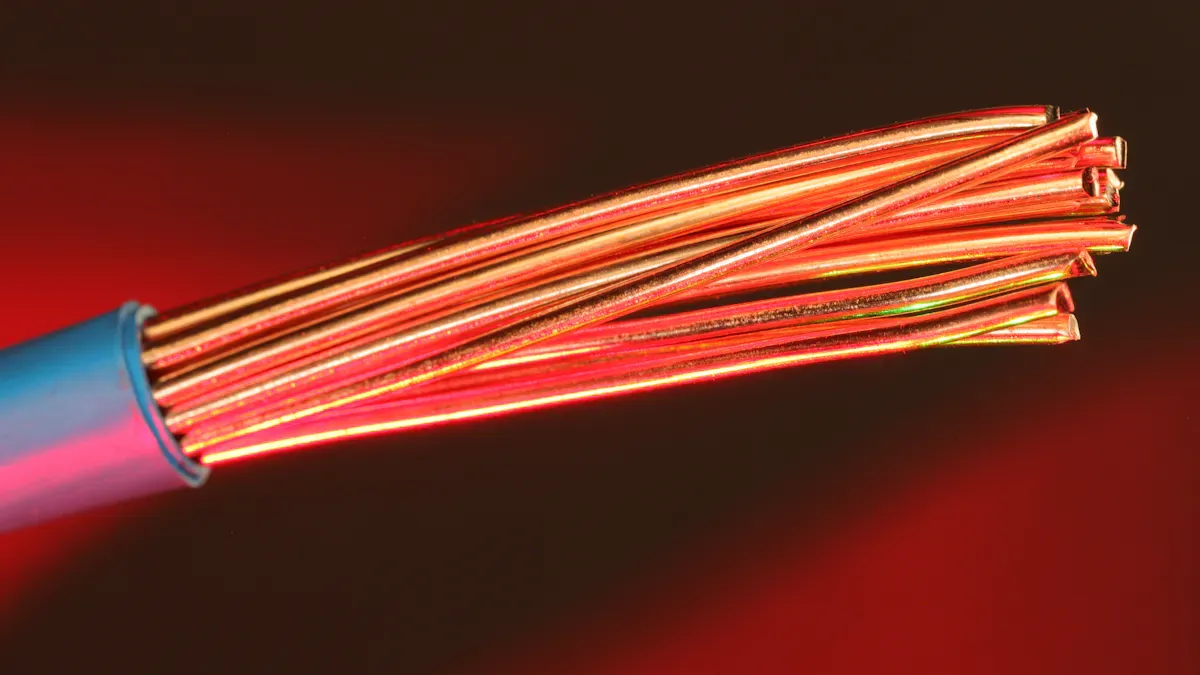
Copper voice coils let electricity move very well. This gives you better sound and makes your speaker work better. You will hear strong bass and clear music, especially in subwoofers. Copper is heavy, so it is good for low sounds. Aluminum voice coils are much lighter. They help your speaker move fast and play high sounds well. You will hear sharp highs and quick notes in tweeters. Aluminum costs less and cools down fast, but it does not carry electricity as well as copper.
Advanced Alloys and Composites
Some new speakers use special alloys and composites in their voice coils. These materials, like copper-nickel mixes, give you more benefits. Studies show these alloys can save up to 40% power compared to pure copper coils at the same loudness. This means your speaker uses less energy and stays cooler. Composites also make the coil stronger and last longer. You get good sound and steady performance, even if you use your speaker a lot.
Impact on Sound and Longevity
The material you pick for your voice coil changes how your speaker sounds, what notes it can play, and how long it lasts. Copper gives you deep sound and strong bass. Aluminum gives you quick response and clear high notes. Special alloys give you both good sound and power savings.
Acoustic transparency is important too. A good voice coil lets sound pass through without blocking or changing it. This helps your speaker keep its true sound and play all kinds of music. You want a voice coil that gives you great sound and keeps your speaker working for years.
Tip: Pick the voice coil material that fits your sound needs and speaker type. This helps you get the best sound and a speaker that lasts a long time.
Actionable Speaker Voice Coil Design Tips
Material and Winding Choices
When you build a loudspeaker, picking the right voice coil material and winding style is important. You want your speaker to sound clear and last a long time. Experts say inverter-grade magnet wire with many layers of insulation works well for reliability. New conductor alloys help electricity move better and handle heat. Advanced winding tensioners keep the wire tight and neat. This means your speaker will have less distortion and better sound.
|
Aspect |
Recommendation |
|---|---|
|
Voice Coil Material |
Inverter-grade magnet wire, multi-layer insulation |
|
Conductor Alloys |
New alloys for better conductivity and thermal stability |
|
Winding Technology |
Advanced tensioners for precision |
|
Power Handling |
Match RMS needs (80W–220W typical) |
|
Frequency Range |
1000–18000Hz for most loudspeakers |
|
Impedance |
Ensure 2–8Ω compatibility |
|
Temperature Resistance |
Up to 180°C standard, 600°C for special needs |
|
Distortion & Sensitivity |
Use materials for low distortion, high sensitivity |
|
Stiffness-to-Mass Ratio |
Important for fast response and accurate sound |
ZEH Audio uses these tips to make custom voice coils for your speaker. If you pick the right voice coil, your speaker will sound better and last longer.
Assembly and Cooling Best Practices
You can make your speaker work better by using good assembly and cooling steps. The voice coil former can be made from kraft paper, Nomex, Bondex, or aluminum. Each one gives different insulation and heat movement. Steel top plates and T-yokes help take heat away from the voice coil. This keeps your speaker cool when you play music loudly.
|
Component |
Material Types |
Key Properties |
|---|---|---|
|
Voice Coil Former |
Kraft paper, 3M TufQUIN, Nomex, Bondex, Aluminum |
Insulation and thermal conductivity |
|
Top Plate |
Steel |
Helps with heat transfer |
|
T-yoke |
Steel |
Draws heat away from voice coil and former |
ZEH Audio knows how to put together voice coils so your speaker stays cool and works well, even if you use it a lot.
Tip: Good cooling and careful building keep your voice coil safe and help your speaker work its best.
Innovative Solutions for Sound Quality
You can make your speaker sound better by using new voice coil materials. Copper makes a strong magnetic field and gives louder sound. Aluminum is lighter, so your speaker moves faster and plays high notes well. Copper-clad aluminum is a mix that balances weight and electricity flow. Silver lets electricity move best for fancy speakers. Titanium is strong and good for pro audio.
-
Voice coils move the speaker cone and change the sound you hear.
-
New materials like copper, aluminum, copper-clad aluminum, silver, and titanium help you get the sound you want.
-
These choices also help your speaker handle heat and last longer.
ZEH Audio uses these new ideas to make custom voice coils for clear, strong sound and good performance. If you pick the right voice coil, your speaker will be better and last longer.
You can make your speaker work better and last longer by picking good materials, wrapping the wire in smart ways, and keeping the coil cool.
Ferrofluid technology helps cool the voice coil, lowers extra shaking, and keeps the coil in the right spot. This lets your speaker handle much more power for a short time, up to 40 times more, so it can play loud sounds without getting fuzzy.
You can try these new ideas for your speaker:
-
Sound Castle clamping helps stop noise and makes fixing easier.
-
Coreless designs make speakers smaller and work better.
-
Water-cooling systems help your speaker use more power and last longer.
Use these tips to get clear sound and a speaker that works for a long time.
FAQ
What materials make a voice coil more efficient?
You get better efficiency with copper or copper-clad aluminum. Copper moves electricity well and gives strong sound. Aluminum is lighter and cools faster. Choose the material that fits your speaker’s needs for best results.
How can you prevent voice coil overheating?
You can use cooling methods like ferrofluid, vented pole pieces, or heat sinks. Match your amplifier power to your speaker rating. Good airflow and strong materials help keep the coil cool and safe.
Does coil size affect speaker durability?
Yes. A larger coil spreads heat and handles more power. Strong support and good materials help the coil stay round and last longer. Pick the right size for your speaker’s power needs.
What winding technique improves sound quality?
Rectangular wire winding packs more wire in less space. This gives you a stronger magnetic field and clearer sound. Advanced tensioners keep the wire tight and neat for less distortion.
Which coatings protect voice coils best?
Powder coating and marine-grade coatings protect against water, salt, and sunlight. Thick coatings last longer and stop scratches. Clean the coil before coating for best results.