
You have more pressure now to think about material choices and environmental issues in making speakers. The things you pick for resources and how you make them affect how good your product is. They also affect if you follow rules and if your brand can compete. In the last ten years, caring for the environment has become very important in music and audio. Artists and ecomusicologists now talk about how music and being green are connected. Because of this, you can find new chances to use eco-friendly design and make things in a better way, but there are still some challenges related to environmental issues.
Key Takeaways
Pick sustainable materials to make products last longer and create less waste. This makes your brand special in a busy market.
Use energy-saving ways to make products. This lowers costs and helps the environment. It also shows you care about sustainability.
Make products that are easy to recycle and take apart. This helps a circular economy and makes customers trust your brand.
Learn about certifications like RoHS and ISO 14001. These show you care about safety and the environment.
Cut down on packaging waste by using eco-friendly materials and less extra stuff. This helps the Earth and makes your brand look better.
What Is Sustainable Speaker Production
Defining Sustainability in Audio
You need to know what makes speaker production sustainable. In audio, sustainability means looking at a product’s whole life. You pick materials that last longer and use less energy. You also think about how your choices affect the planet and people.
Many companies now make speakers that use less power. Self-powered speakers can cut energy use by 20% compared to older ones. If you choose strong materials, your products last longer. This means less waste and fewer replacements. You also need to think about size and weight. Big and heavy systems use more resources and make more emissions when shipped.
Tip: Try to make your products use less energy and last longer. This helps your products stand out in the market.
Sustainable speaker production means using responsible sourcing. You try to lower environmental issues at every step, from design to delivery. Many studios and venues now use energy-saving ways and digital tools to help the planet.
Key Principles for Eco-Friendly Manufacturing
You can follow some main ideas to make speaker production eco-friendly:
Use recycled and renewable materials when you can.
Design products to help the environment from start to finish.
Plan for recycling and reuse to cut waste.
Make sure your supply chain uses safe and responsible practices.
You should learn about important certifications and standards. These show you care about sustainability:
Certification | What It Means |
|---|---|
RoHS | Limits hazardous substances in electronics |
REACH | Promotes safe chemical use in manufacturing |
WEEE | Focuses on recycling and waste management |
ISO 9001 | Ensures quality management |
ISO 14001 | Improves environmental performance |
ISO 45001 | Ensures safe working conditions |
If you follow these ideas and standards, you can handle environmental issues and build trust with your customers.
Environmental Issues in Materials
Resource Extraction and Rare Materials
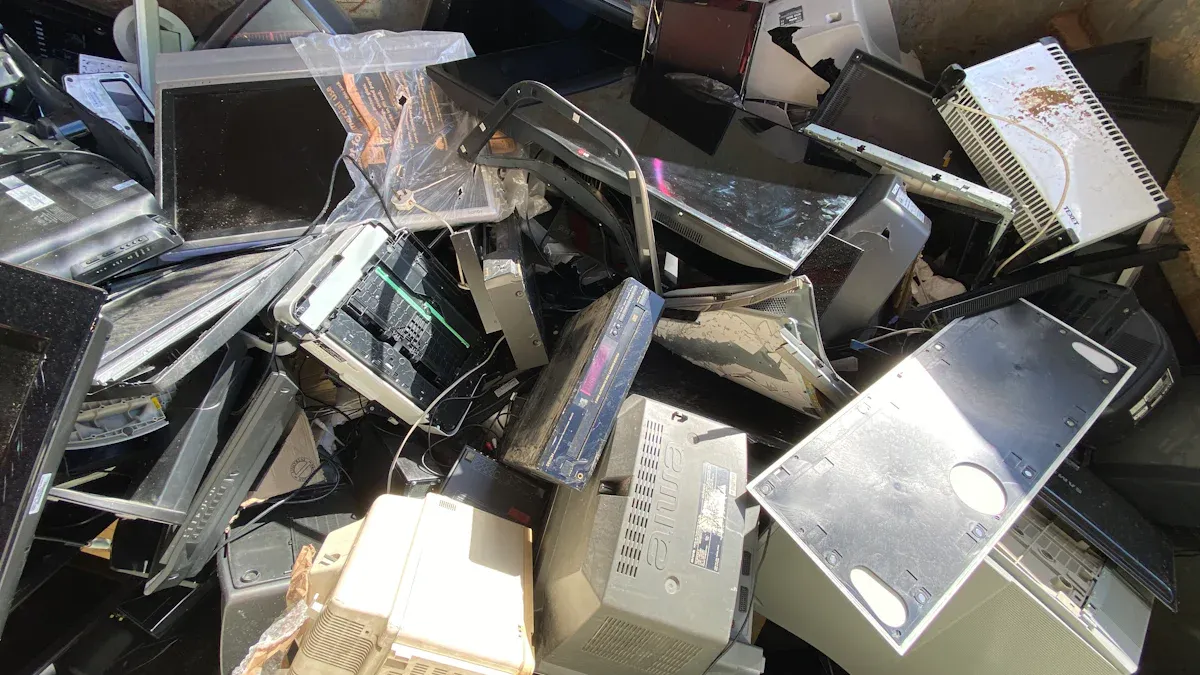
When you pick materials for speakers, you face many problems. Speakers often use rare metals like lithium, cobalt, and nickel. These metals make speakers sound better and last longer. Getting these metals from the earth causes big issues. Open pit mining uses lots of energy and makes greenhouse gases. Mining destroys animal homes and lowers the number of plants and animals. It can also make water dirty, which hurts people and farms. Cleaning these minerals needs lots of water and strong chemicals. This makes dangerous waste.
Recycling rare earth elements takes a lot of energy. It needs high heat and risky chemicals. This makes toxic leftovers and more electronic trash. You must find a way to get good performance but also protect the planet.
Open pit mining makes greenhouse gases.
Mining destroys habitats and pollutes water.
Cleaning uses strong chemicals and water.
Recycling rare earths makes toxic waste.
Toxic Substances and PFAS Concerns
You also need to watch out for toxic substances in speaker materials. Some plastics and coatings have PFAS. PFAS are chemicals that stay in the environment for a long time. These chemicals can leak out when making or throwing away speakers. PFAS can hurt people and animals. You should check your supply chain for these chemicals. Try to pick safer materials when you can. Using certified materials helps you follow rules and keeps your brand safe.
Packaging and Waste Impact
Packaging brings more environmental problems. Many companies use too much packaging, so there is more trash. You can help by using only what you need. Pick packaging that can be recycled or composted. You can also change your products so they need less packaging.
Use less packaging to make less trash.
Pick eco-friendly materials for boxes and wraps.
Design products that ship safely with less packaging.
When you do these things, you help cut waste and show you care about the planet.
Sustainable Practices in Speaker Production
Recycled and Renewable Materials
You can help the planet by picking recycled and renewable materials. Many companies use recycled plastics, metals, and wood for speaker parts. These materials cost less and help the environment. For example, you can use recycled magnets, copper, steel, and aluminum. These materials stay strong and can be reused many times.
Here is a table that shows common recycled materials and their benefits:
Material Type | Benefits |
|---|---|
Magnets (neodymium, ferrite) | Needed for sound, can be recycled for new electronics. |
Copper coils and wiring | Used in voice coils, can be melted and reused. |
Steel and aluminum frames | Make speakers strong, metals can be recycled. |
Plastics and wood cabinets | Enclosures can be recycled, but options are limited. |
Circuit boards | Have metals and other parts that can be reused. |
Batteries | Need special recycling to stop hazards. |
Overall Benefits | Cuts need for new materials, stops pollution, supports circular economy, follows laws. |
You can also use renewable materials like bamboo and natural fibers. These materials grow fast and do not hurt the planet. Some outdoor speaker boxes use up to 92% recycled plastic. These boxes can be recycled again when they are old. The price is close to regular materials, so you do not spend more.
Best practices include using products like the LG Sound Bar. It has at least 15% post-consumer recycled content. The packaging uses recycled molded pulp instead of polystyrene. This cuts waste by 30 tons each year. You should pick materials that meet REACH and RoHS standards. These certifications show you care about safety and the environment.
Tip: Pick materials that are easy to recycle and safe for people and the planet. This helps you follow rules and attract buyers who care about the environment.
Energy-Efficient Manufacturing
You can help the planet by using energy-efficient ways to make speakers. Many companies use machines that need less electricity. This saves money and helps the environment. For example, Warwick Acoustics uses Electrostatic Audio Panels. These panels are 90% lighter and use 90% less energy than regular speakers. Their factory uses only renewable energy. Extron offers ENERGY STAR® amplifiers, with over 25 models made for high efficiency.
Here are some steps you can take:
Use machines that save energy.
Switch to solar or wind energy.
Check your energy use and find ways to improve.
These steps help you spend less and support global sustainability. Energy-efficient ways also help you follow environmental rules and show customers you care about the planet.
Note: Making your factory use less energy is good for the planet. It also makes your business stronger and helps you compete.
Waste Reduction and Circular Economy
You can cut waste by making products that can be recycled and reused. This is called the circular economy. Instead of throwing away old speakers, you can get back valuable parts and materials. For example, you can recycle copper coils, magnets, and metal frames. You can also use less packaging and switch to biodegradable or compostable options.
Best practices include:
Using less packaging made from recycled or compostable materials.
Designing products that are easy to take apart and recycle.
Starting take-back programs for old speakers.
The LG Sound Bar is a good example. It uses recycled materials and packaging. The design makes it easy to fix and recycle. These steps help you lower environmental issues and meet the needs of buyers who want green products.
Callout: When you focus on cutting waste and using the circular economy, you save resources and build a good brand image.
By following these sustainable practices, you can handle material and environmental issues in speaker production. You also show leadership in the audio industry and help make a cleaner future.
Innovations for Environmental Impact
Green Materials and Loudspeaker Motors
You can pick new materials that help the environment. Niron Magnetics makes iron nitride magnets. These magnets do not need rare earth metals. They work well in loudspeakers. This means less mining for rare metals. Faital and Niron Magnetics work together. They design loudspeakers that are more sustainable.
Some high-end speakers use biocomposite materials. The Wilson Benesch Omnium loudspeaker uses new materials from the SSUCHY project. This project swaps oil-based plastics for bio-based polymers. These materials help the circular economy. They make recycling easier. The Eminence loudspeaker uses the A.C.T. 3Zero Monocoque structure. This structure makes sound better and cuts waste.
Iron nitride magnets use fewer rare metals.
Bio-based polymers take the place of oil-based plastics.
New designs boost performance and make recycling easier.
Tip: Picking green materials helps your products stand out. It also helps you reach global sustainability goals.
Design for Disassembly and Recycling
You can make speakers easy to take apart. This lets you get back valuable parts and materials. It also creates jobs for repair and recycling. Planning for disassembly makes recycling old speakers easier. It saves resources.
You help the economy by making new jobs.
You save resources by making recycling simple.
You let customers join recycling programs.
Callout: Designing for disassembly cuts waste. It also builds a stronger bond with your customers.
Smart Manufacturing Technologies
Smart manufacturing makes factories work better and greener. AI and automation help control quality and manage inventory. IoT gives real-time data about equipment and energy use. Digital manufacturing helps you design and test products faster.
Smart sensors check energy use and cut waste.
AI predicts demand and lowers emissions.
Automation helps recycling and reuse in factories.
Smart manufacturing uses real-time data and analytics. This makes your processes better. You cut waste and work more efficiently. You can react fast to changes in the market. These steps help you handle environmental issues and stay competitive.
Note: Using smart technologies lowers costs. It also shows you care about sustainability.
You can solve material and environmental issues by using recyclable materials. You should pick suppliers who meet standards. Design your speakers so they can change and last longer. Energy-efficient machines and digital tools help lower pollution. Companies keep improving by using recycled magnets and renewable energy. Modular designs make products last longer.
Trend | Description |
|---|---|
Recycled Materials | Use recycled neodymium and ferrite magnets to help the planet. |
Energy Efficiency | Use renewable energy and make less waste in factories. |
Longevity & Repair | Make speakers easy to fix and use longer to cut trash. |
You will see more green materials and smart technology soon. Recycling programs will become more common. Working with partners like ZEH Audio helps you follow rules. You can make high-quality and sustainable speakers.
FAQ
What are the main material issues in speaker production?
You deal with rare metals, plastics, and chemicals like PFAS. These things can hurt the environment and make recycling tough. Picking safer, recycled, or renewable materials helps lower these problems.
How can you reduce environmental impact during manufacturing?
You can use machines that save energy and switch to green power. Design products so they are easy to recycle. Using less packaging and making less waste also helps. These actions cut your carbon footprint and help the planet.
Why is eco-material selection important for your brand?
Eco-materials show you care about the environment. They help you follow rules and attract buyers who want green products. Using certified materials also makes your brand look better and stronger in the market.
Which certifications should you look for in sustainable speakers?
Look for RoHS, REACH, WEEE, and ISO 14001 certifications. These show your products are safe and good for the planet. Certifications help you build trust and stay ahead of others.
What technical strengths does ZEH Audio offer for sustainability?
ZEH Audio uses advanced recycled materials and modular designs. They also use energy-saving ways to make products. You get eco-friendly sound solutions from their team. Their products meet strict rules and help you reach your green goals.