Fit the Speaker Into the Available Space
We review your housing dimensions and mounting structure before selecting the frame and magnetic circuit.
Engineered to Fit. Tested for Reliability. Built for Production.
Get application-specific wire, cable and wire harness solutions developed around your electrical requirements, equipment structure and operating environment. From material and connector selection to prototyping, testing and volume production, we help you improve connection reliability, simplify assembly and control total project costs.
Quality Materials | Flexible Customization | Reliable Testing | Scalable Production
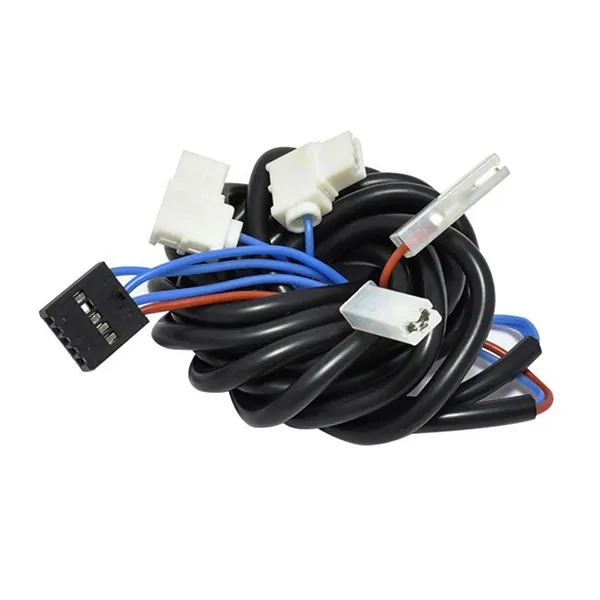
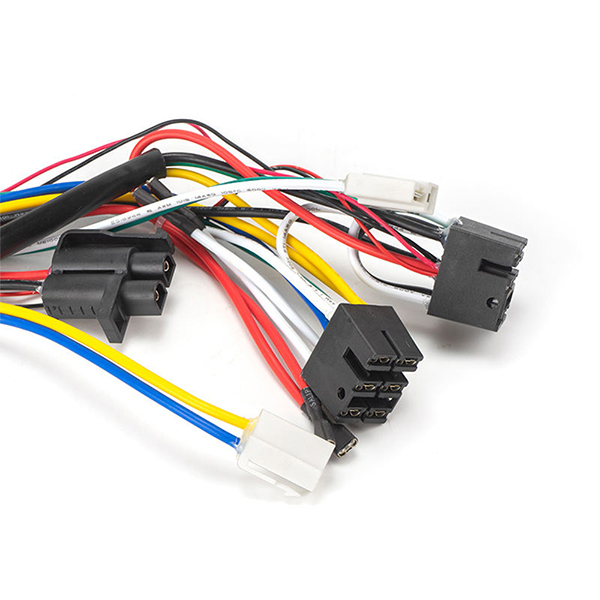
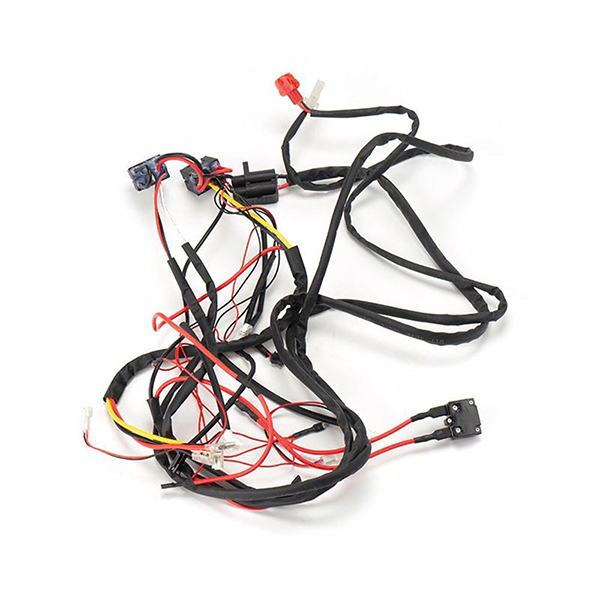
A wire harness is a complete electrical interconnection assembly made by cutting, stripping, crimping, soldering, routing, securing, and protecting multiple wires of different colors, gauges, and lengths according to the equipment’s electrical schematics, internal structure, and assembly requirements.
A typical wire harness consists of wires, cables, connectors, terminals, protective sleeves, heat-shrink tubing, braided sleeving, corrugated tubing, labels, clips, and seals. Compared with individual wires, a wire harness integrates complex power, signal, and grounding circuits into a ready-to-install wiring assembly, simplifying final product assembly and reducing wiring errors.
Each wire harness is custom-engineered rather than offered as a fixed, off-the-shelf product. Based on your electrical schematics, physical samples, wire harness drawings, wire specifications, product structure, installation space, and operating environment, we provide one-stop wire and cable harness manufacturing services—from connector selection across a wide range of brands, wire gauge matching, and color-coding layouts to prototyping, testing and validation, and volume production.
ZEHSMAUDIO can adapt an existing speaker platform or develop a modified structure based on your installation space, sound target, electronics, enclosure and production requirements.
We review your housing dimensions and mounting structure before selecting the frame and magnetic circuit.
Round, oval, rectangular and low-profile frames can be adapted to internal ribs, PCB positions and assembly methods.
Speaker parameters are evaluated together with the amplifier, enclosure, listening distance and required sound performance.
Diaphragm, surround and magnet materials are selected according to the target sound, environment and cost requirements.
The project can include the enclosure, grille, wiring, connector, sealing components and amplifier matching.
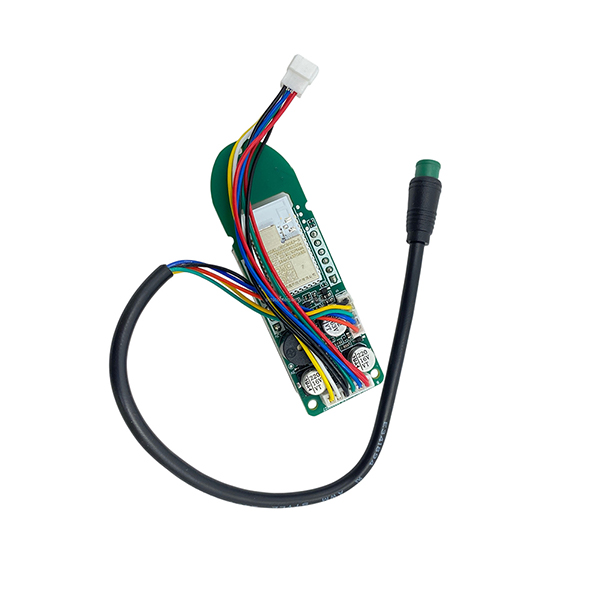
Wiring harnesses are essential interconnect components in audio systems, linking speakers, microphones, amplifiers, audio PCBAs, power supplies, and control modules. Wire specifications, quality, shielding methods, and routing all affect power delivery, signal transmission, and overall product assembly.Based on customer drawings, wiring diagrams, BOMs, or physical samples, we manufacture custom audio wiring harnesses, electronic equipment harnesses, and cable assemblies. We consider electrical connection requirements alongside product structure, operating conditions, and volume production needs.
Output wiring, signal cables, amplifier power cables, and control wiring each have different requirements. Based on the connected components, current loads, signal types, and transmission distances, we evaluate wire specifications, connectors, polarity, and shielding needs to match the harness to the actual audio system configuration.
We select suitable conductor sizes, insulation materials, jackets, heat-shrink tubing, terminals, and connectors based on operating voltage, current, temperature, flexibility, and environmental conditions. For customer-specified parts, we follow the requested configuration and review electrical ratings, mechanical compatibility, and material requirements before proceeding with manufacturing.
Using the equipment’s wiring diagrams, interface definitions, and internal layout, we review pin assignments, connector orientation, harness lengths, branch locations, and installation space in advance. Proper wire-to-terminal matching, stripping quality, and crimping are fundamental to reliable connections. Based on terminal specifications and project requirements, we control strip length, conductor integrity, crimp dimensions, and terminal retention. Where soldering is required, we address solder joint quality, insulation protection, and strain relief to reduce the risk of loosening, wire breakage, and poor electrical contact.
We customize main harness runs, branches, cable exit directions, and securing points to fit the equipment’s structure, adding connectors, heat-shrink tubing, braided sleeving, labels, and clips as needed. Wire colors, wire numbers, and distinct connectors help identify the connection functions of each branch and pin.For microphones, analog audio, sensors, and other signals, we evaluate shielded cables, twisted-pair construction, shield termination, and grounding methods based on interference sources and interface requirements. We also plan the routing of power cables, speaker output wiring, and other signal cables to support overall system noise control and stable signal transmission.