
Custom Speaker Drivers by Frequency Range | OEM/ODM Manufacturer

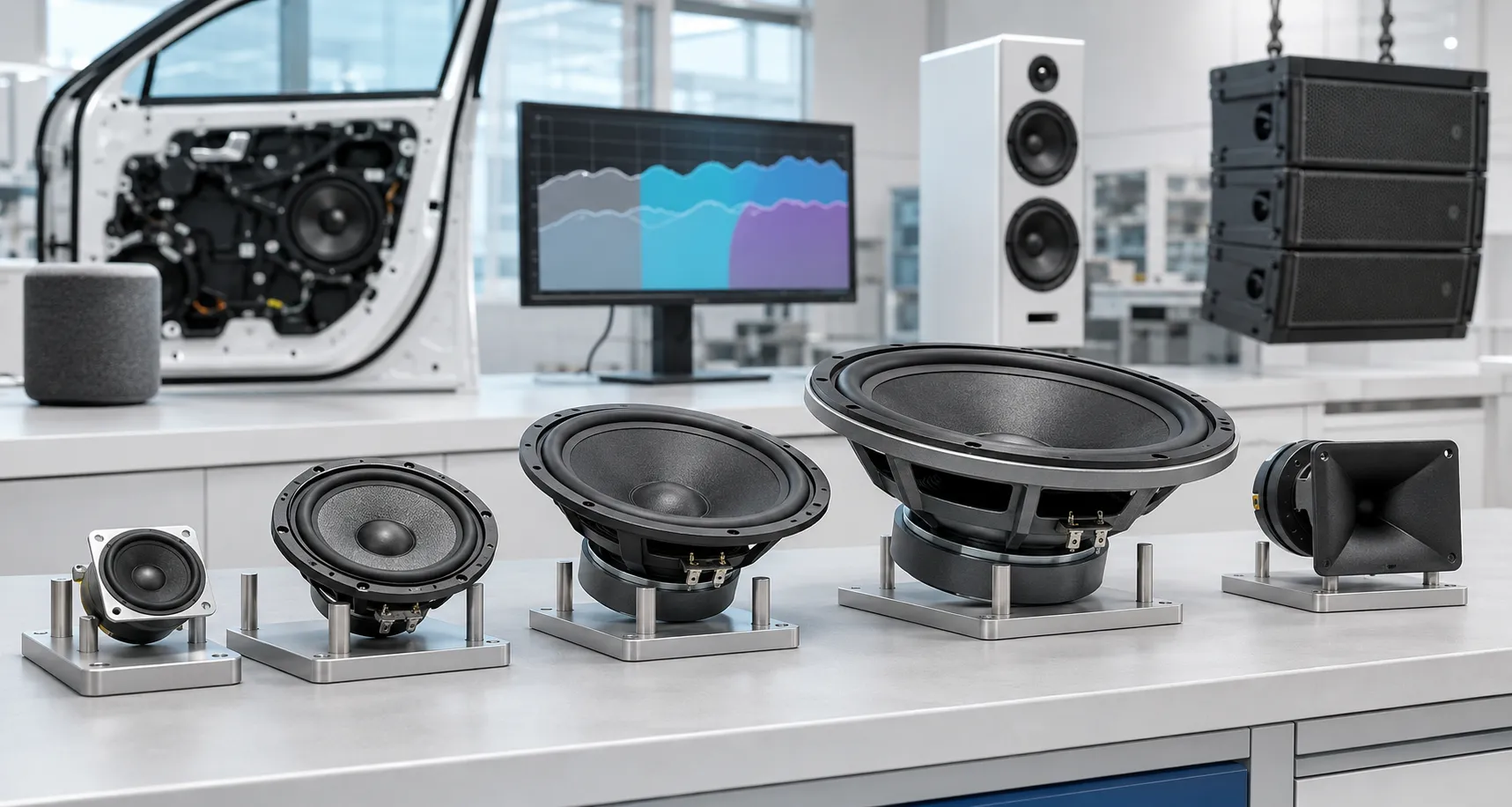
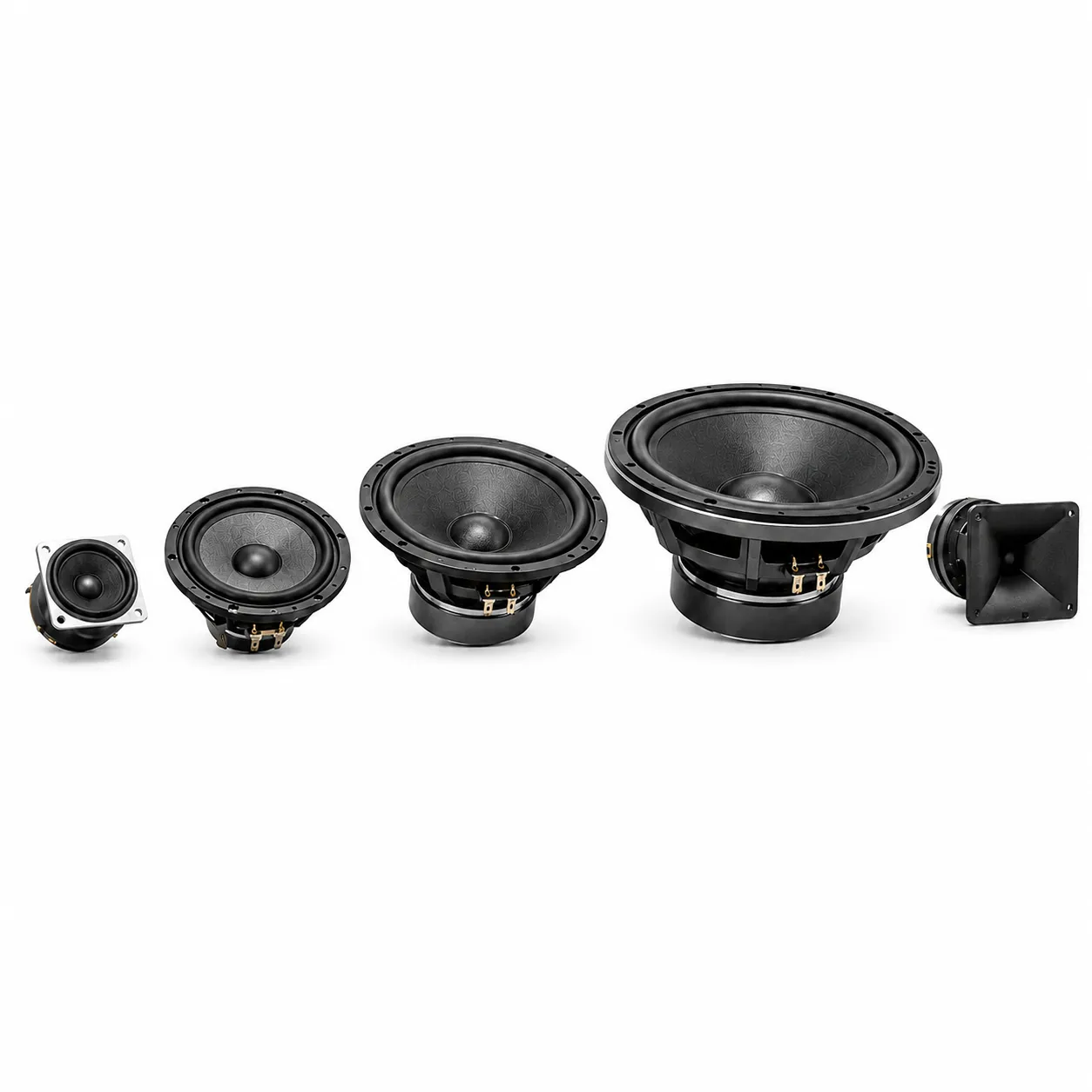
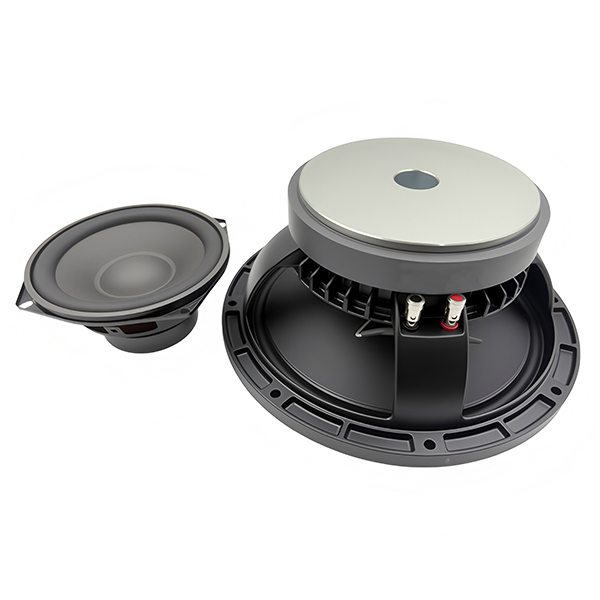
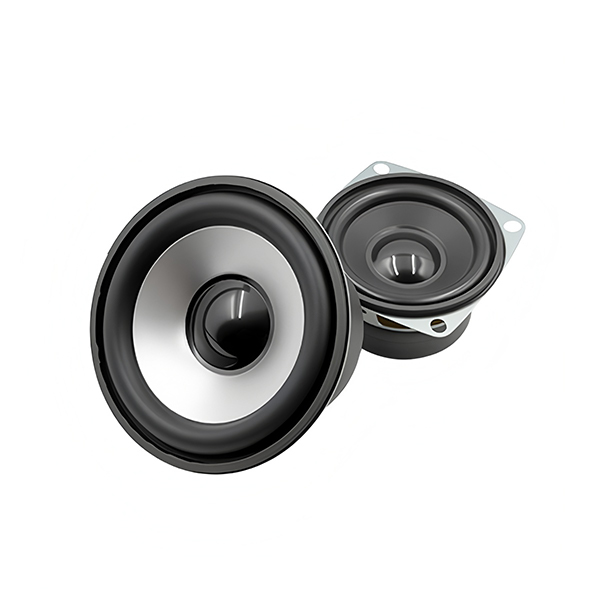
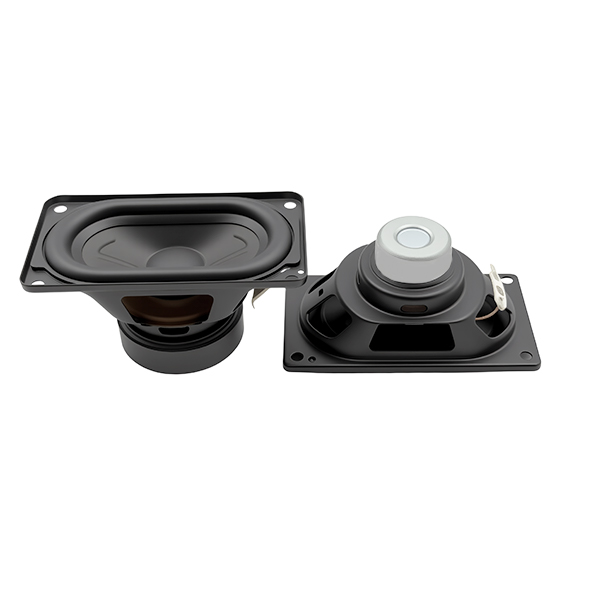
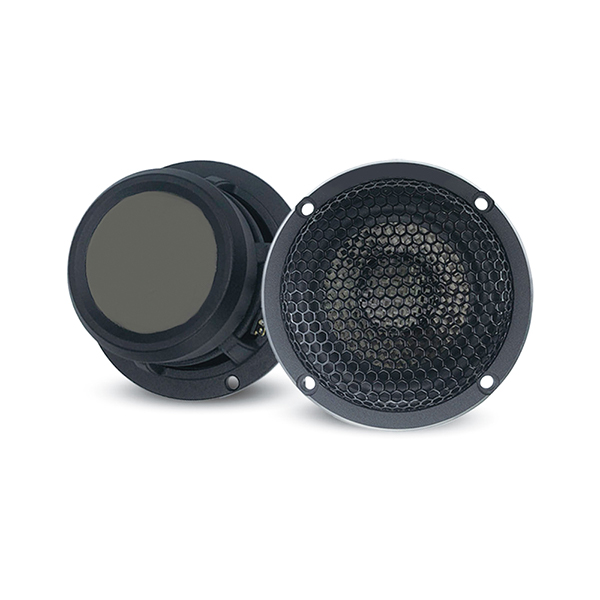
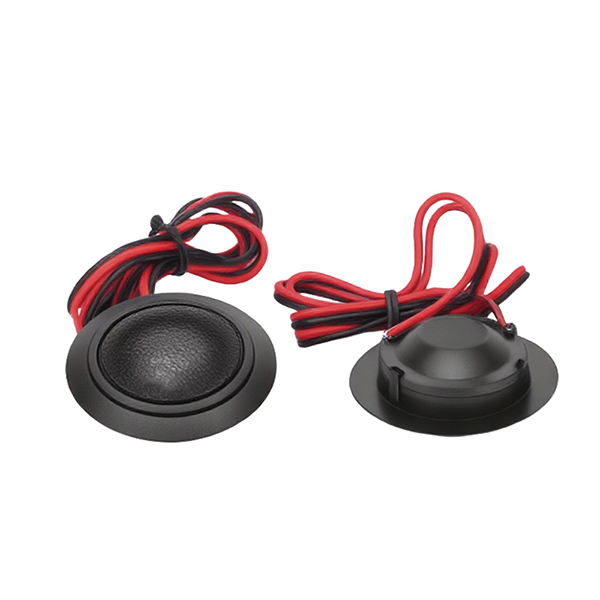
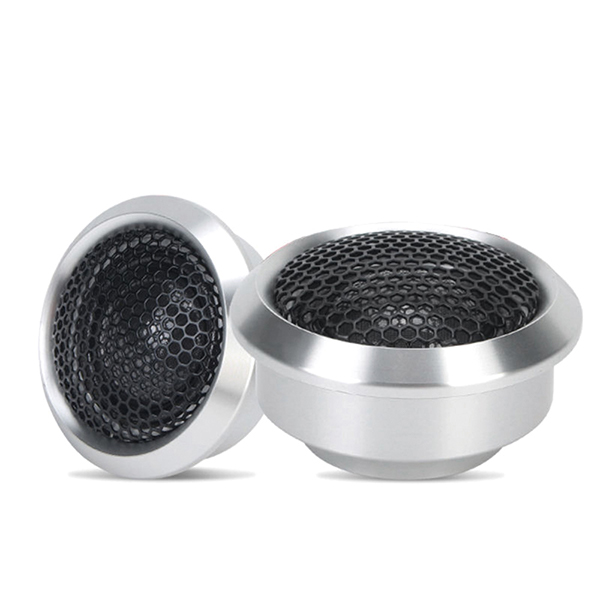
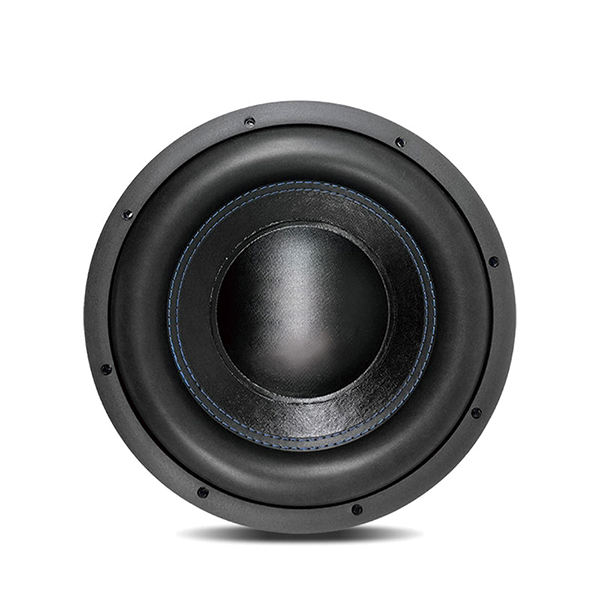
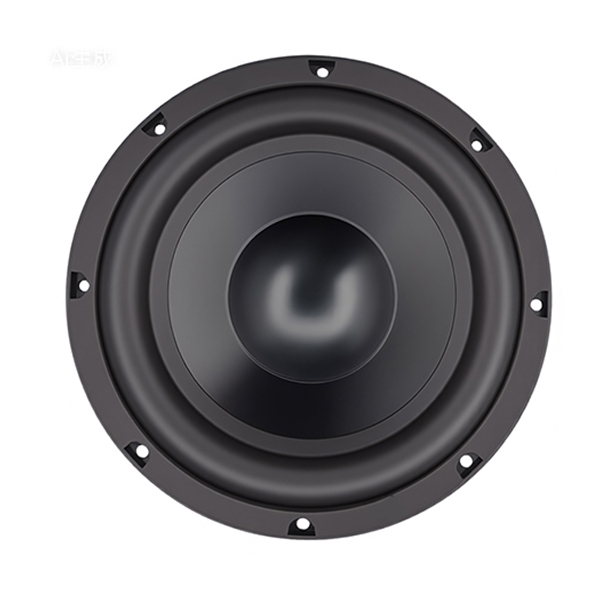
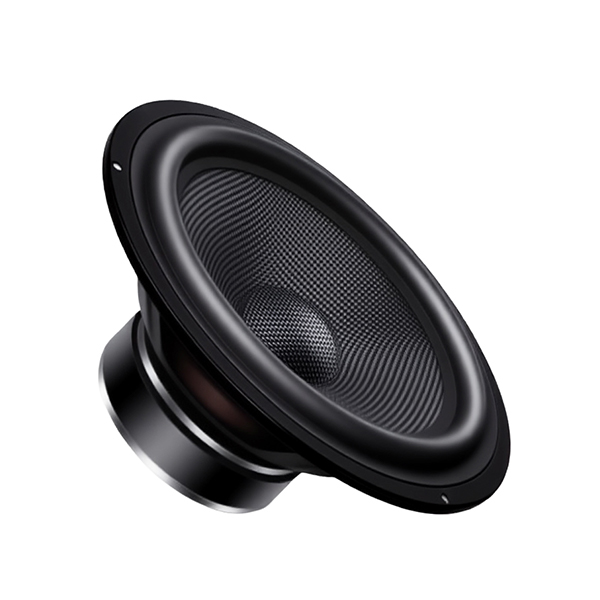
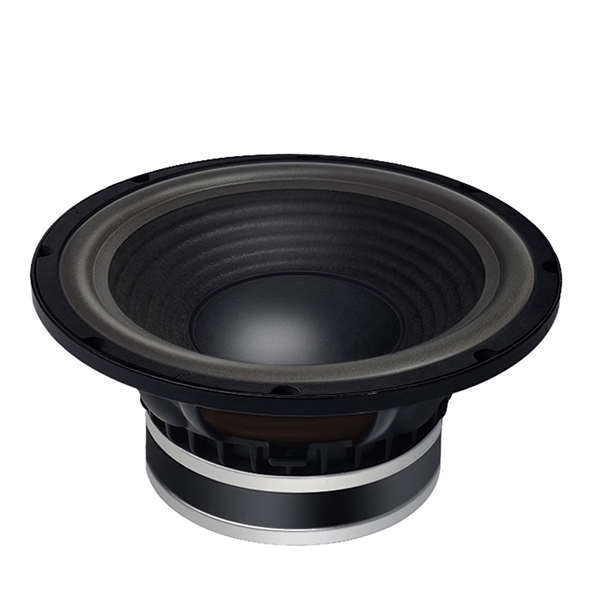
ZEH designs and manufactures custom speaker drivers across different frequency ranges, including full-range speakers, midrange speakers, midbass speakers, woofer drivers and tweeter drivers. We customize driver size, frequency response, power rating, impedance, structure and enclosure matching according to your audio system requirements.

With over 30,000 proven configurations, ZEH provides one-stop OEM/ODM support covering driver selection, acoustic tuning, sample evaluation, testing and volume production—helping audio brands and equipment manufacturers build balanced, reliable and production-ready speaker systems.

Speaker Driver Frequency Range Basics

How Are Speaker Drivers Classified by Frequency Range?

Speaker drivers are designed to reproduce different parts of the audio spectrum. Their usable frequency range depends on the diaphragm size and material, voice coil, magnetic circuit, suspension, enclosure, crossover design and intended application.

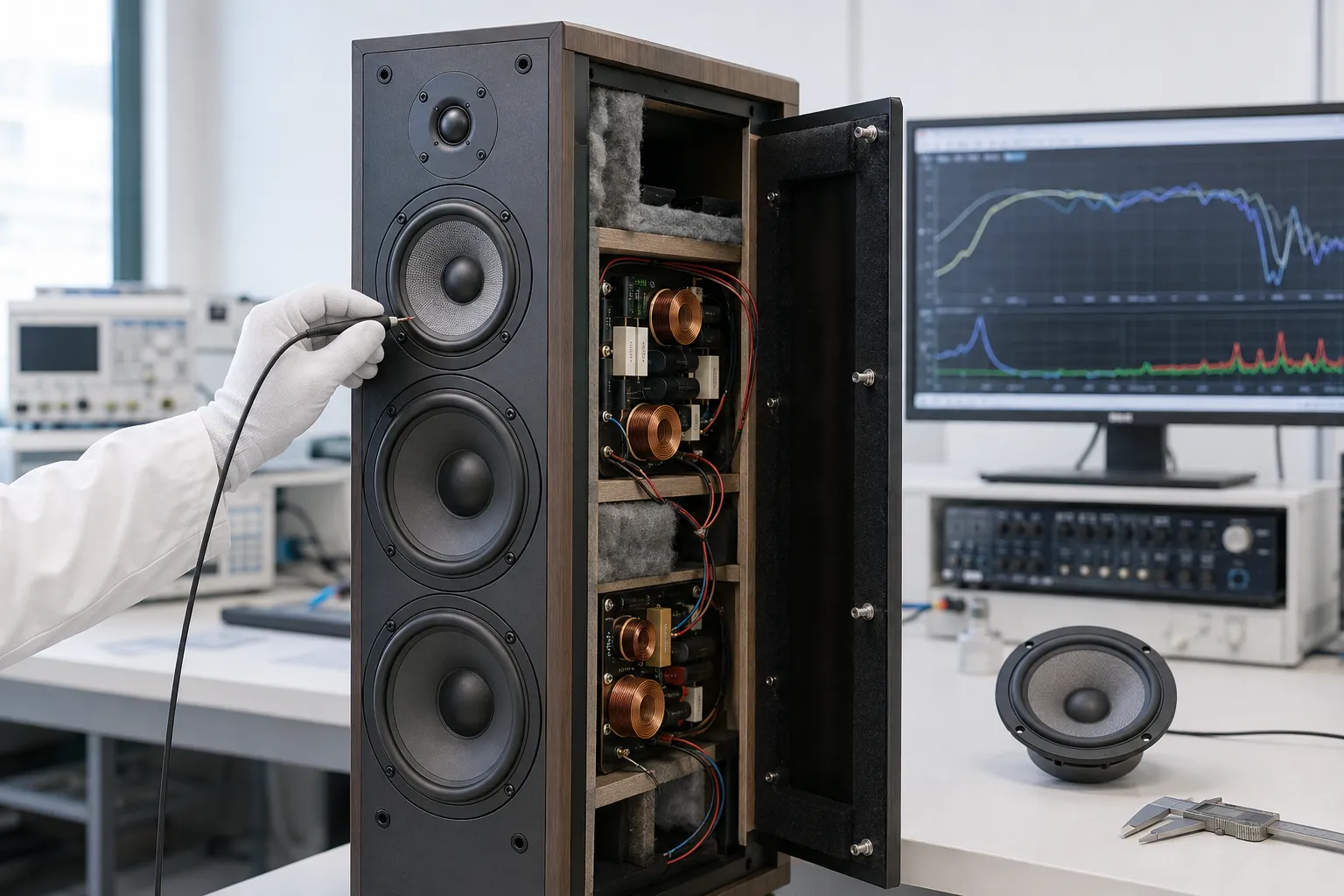
ZEH develops and manufactures full-range, midrange, midbass, woofer and tweeter drivers for OEM/ODM audio products. We customize driver size, impedance, power handling, sensitivity, frequency response, mounting structure and acoustic performance around the customer’s enclosure, amplifier, crossover and installation requirements.

How Are Speaker Drivers Classified by Frequency Range?
Speaker Type Frequency Focus Key Characteristics Typical Use
Full-Range Speakers Broad range through a single driver Compact, simple design Compact equipment, voice devices, portable electronics, space-limited applications
Midrange Speakers Middle frequencies Handles vocals, dialogue, many instruments; needs controlled crossover matching Two-way and three-way systems requiring clarity
Midbass Speakers Upper-bass / lower-midrange Adds body, impact, warmth; smooths transition between woofer and midrange/tweeter Multi-driver systems needing a bridge frequency range
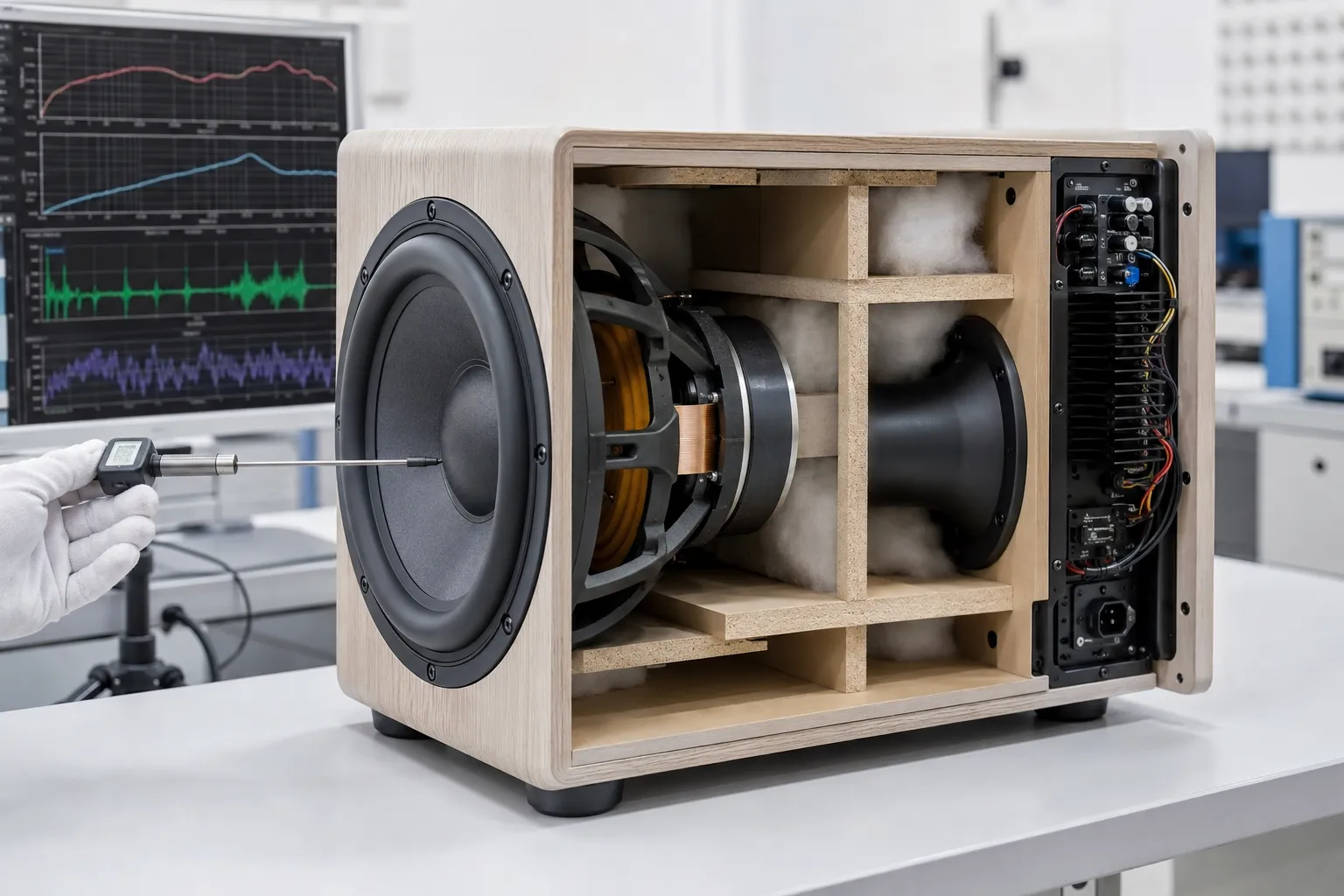
Woofer Drivers Low frequencies Greater diaphragm excursion, higher mechanical loads; must match enclosure volume, amp power, bass extension Bass reproduction in speaker systems
Tweeter Drivers High frequencies Performance depends on diaphragm structure, mounting position, crossover point, sensitivity matching, dispersion High-frequency detail and clarity
Products Categories
Get A Free Quote
Contact Form
Products Categories
Customization Capabilities

Configure the Speaker Around Your Product

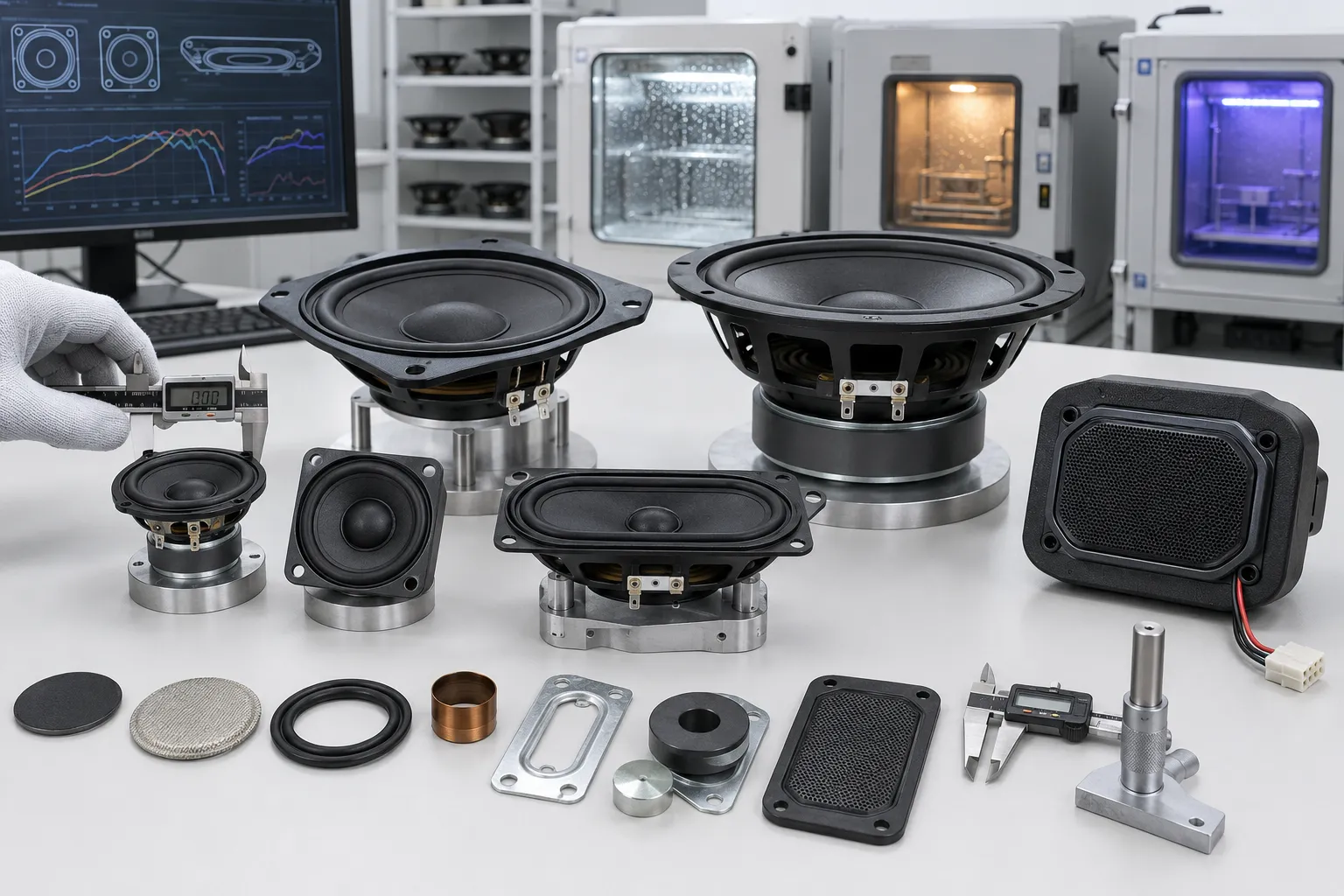
ZEHSMAUDIO can adapt an existing speaker platform or develop a modified structure based on your installation space, sound target, electronics, enclosure and production requirements.

Fit the Speaker Into the Available Space

We review your housing dimensions and mounting structure before selecting the frame and magnetic circuit.

Outside diameter Total height Mounting depth Hole positions Magnet dimensions Sound outlet position
Application Engineering
Select an application

Broad range through a single driver — compact, simple design

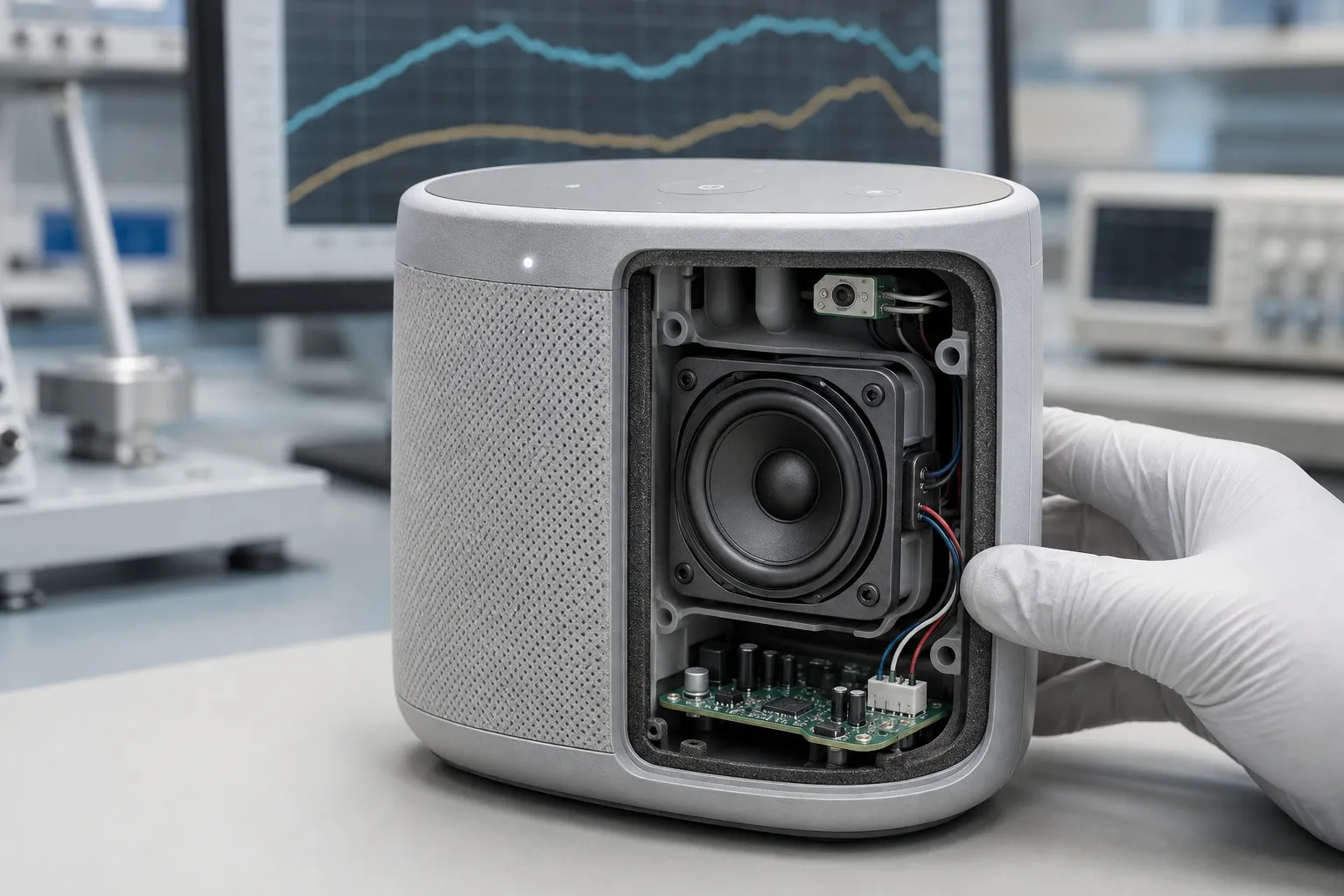
Smart speakers and voice assistant terminals need a single driver to reproduce full-range audio (voice + music) inside a compact enclosure, working in coordination with the microphone and amplifier, without distortion or enclosure resonance at higher volume.
ZEH selects a compact full-range driver (typically 40mm–50mm) and tunes diaphragm geometry, voice-coil winding, and magnetic circuit as a complete system with the enclosure's acoustic chamber volume and sound-outlet design — avoiding the complexity of a multi-driver crossover in a space-limited product.
ZEH Results
Voice clarity and output volume meet target specification using a single driver. Enclosure vibration and abnormal noise at higher volume are reduced. Design transitions from prototype to mass production without additional acoustic rework.
Broad range through a single driver — compact, simple design

Why Choose ZEH as Your Custom Speaker Driver Manufacturer?

From compact full-range speakers to dedicated tweeters, midrange, midbass and woofer drivers, ZEH develops and manufactures speaker solutions across the complete frequency range. Whether your product requires a single driver or a multi-way audio system, we can match the speaker configuration to your enclosure, electronics, sound target and production requirements.

Speaker Drivers Across the Complete Frequency Range

Different products require different frequency coverage. A compact voice device may need one full-range speaker, while automotive, home audio or professional systems may require multiple dedicated drivers.

ZEH provides:

  • Full-range speakers for compact, single-driver audio products
  • Midrange drivers for vocals, dialogue and central musical content
  • Midbass drivers for upper-bass impact and lower-midrange body
  • Woofer drivers for deeper low-frequency reproduction
  • Tweeter drivers for high-frequency clarity and detail

Customers can source one driver type or coordinate several frequency sections through the same manufacturer.

The Right Speaker Configuration for Your Product

We do not begin with a fixed speaker model. Our engineers review the product application, available installation space, enclosure volume, amplifier output, required sound pressure and target frequency response.

Based on these requirements, ZEH can recommend:

  • A single full-range driver
  • A two-way speaker system
  • A three-way speaker system
  • A dedicated woofer or tweeter
  • A customized multi-driver audio module

This helps avoid using an unnecessarily complex system or selecting a driver that cannot meet the finished product’s acoustic requirements.

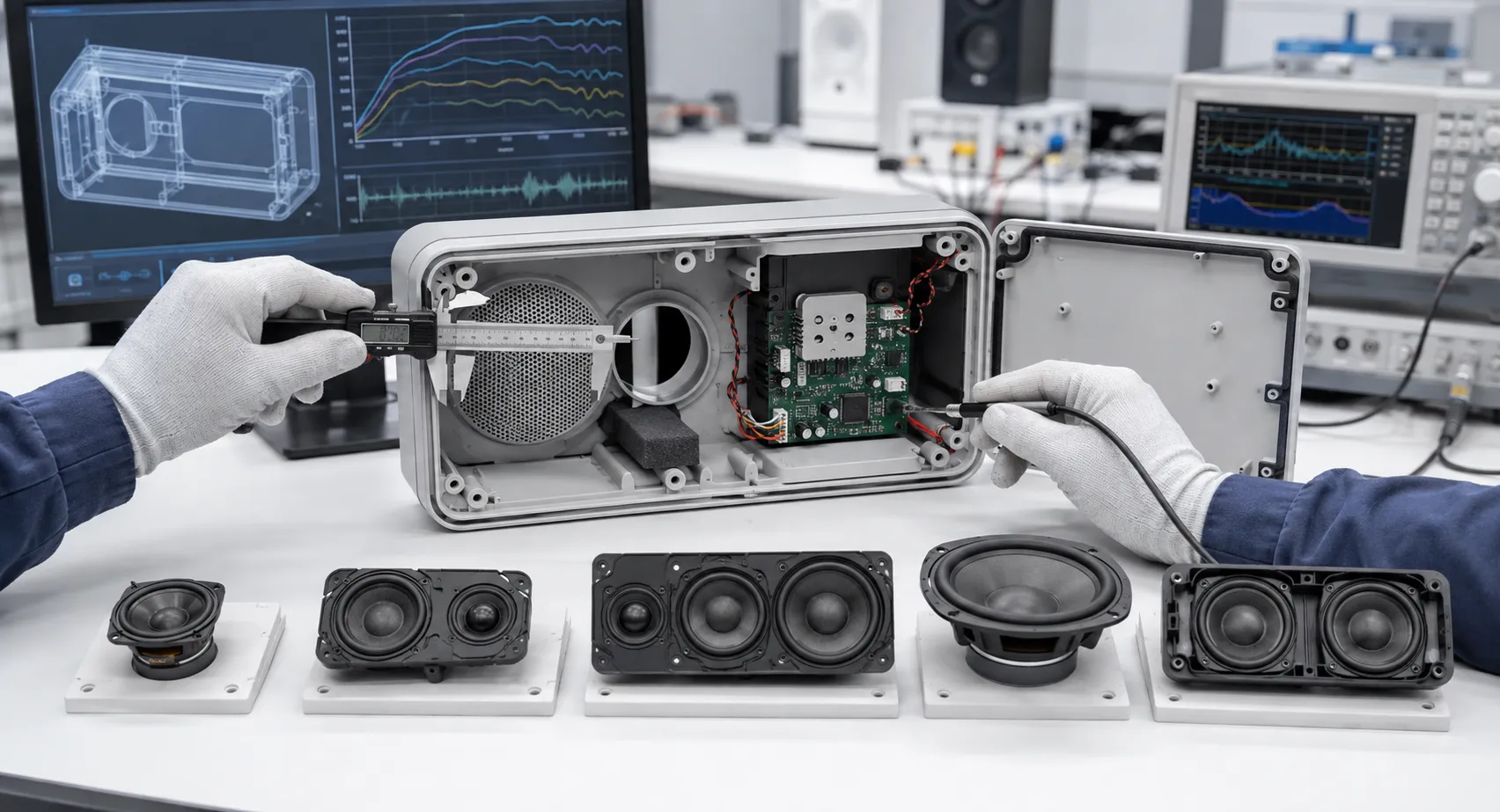
Complete Audio-System Matching

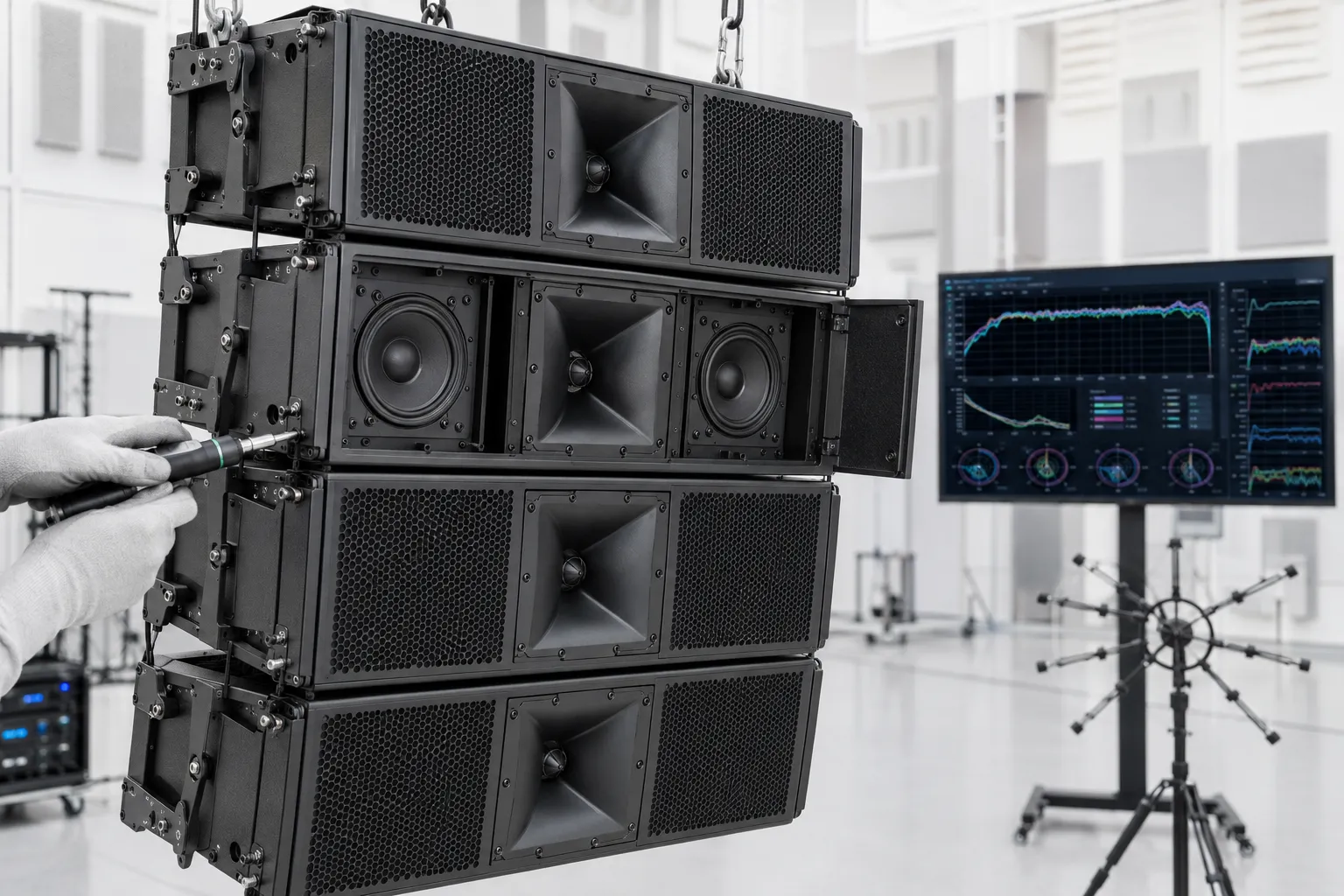
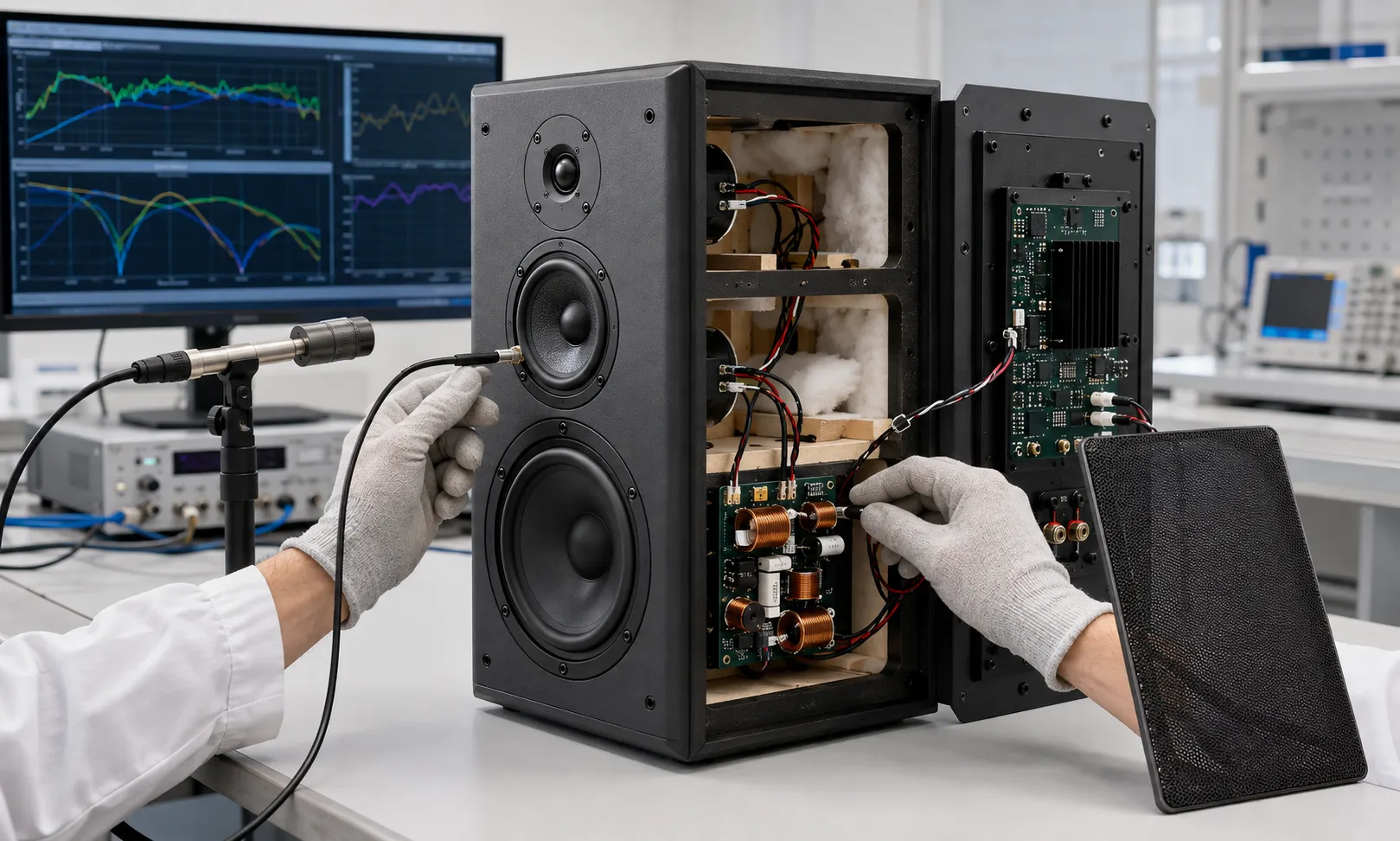
In a multi-driver system, every speaker must work correctly with the other frequency sections. Incorrect sensitivity, impedance, crossover points or phase can create frequency gaps, excessive overlap and an unbalanced sound character.

ZEH evaluates the speaker drivers together with the:

  • Enclosure and acoustic chamber
  • Amplifier and audio PCBA
  • Crossover components
  • Grille and sound outlet
  • Wire harnesses and connectors
  • Mounting position and listening direction

This system-level approach helps create smoother frequency transitions and more predictable performance in the finished product.

Custom Development for Different Products and Markets

ZEH can adapt existing speaker platforms or develop modified structures according to the product’s mechanical, electrical, acoustic and environmental requirements.

Custom options include:

  • Diameter, shape and mounting depth
  • Frame, flange and mounting holes
  • Impedance and rated power
  • Sensitivity and frequency response
  • Diaphragm and suspension materials
  • Ferrite or neodymium magnetic circuits
  • Moisture-, heat- or UV-resistant structures
  • Grilles, enclosures, wiring and connectors

This allows one manufacturing partner to support different models, sizes and performance levels across your product line.

Frequently Asked Questions About Speaker Frequency Ranges

What is the frequency range of a speaker driver?

A speaker driver’s frequency range is the span of frequencies it can reproduce effectively. The usable range depends on the diaphragm size and material, voice coil, magnetic circuit, suspension, enclosure, mounting structure and crossover design.

The published frequency response should therefore be evaluated together with the required sound-pressure level, distortion limit and installation conditions—not as an isolated number.

What is the difference between full-range, midrange, midbass, woofer and tweeter drivers?

Each driver type is designed to handle a different part of the audio spectrum:

  • Full-range speaker: Reproduces a broad frequency range through one driver.
  • Midrange speaker: Focuses on vocals, dialogue and middle-frequency instruments.
  • Midbass speaker: Covers the upper-bass and lower-midrange region.
  • Woofer driver: Reproduces low frequencies and requires greater diaphragm excursion.
  • Tweeter driver: Handles high-frequency detail and clarity.

The actual operating range varies according to the driver structure, enclosure and crossover settings.

Does a larger speaker driver always produce lower frequencies?

Generally, a larger diaphragm can move more air and is better suited to low-frequency reproduction. However, driver diameter alone does not determine bass performance.

Resonant frequency, diaphragm mass, suspension compliance, magnetic strength, excursion capability and enclosure volume must also be considered. A larger speaker will not automatically produce deeper or better-controlled bass if these parameters are not properly matched.

Can one full-range speaker reproduce all audible frequencies?

A full-range speaker can reproduce a broad part of the audio spectrum without requiring several separate drivers. This makes it suitable for compact devices, voice equipment and products with limited installation space.

However, a single driver normally cannot provide the same bass extension, high-frequency dispersion and maximum output as a properly matched multi-driver system. The correct choice depends on the product size, listening distance, sound target and cost requirements.

How do I choose the correct speaker frequency range for my product?

Start with the product’s primary audio requirement:

  • Choose a full-range speaker for compact, single-driver audio reproduction.
  • Choose a midrange driver when vocal and dialogue clarity are priorities.
  • Choose a midbass driver to add body and impact between the bass and mid/high-frequency sections.
  • Choose a woofer when stronger low-frequency output and bass extension are required.
  • Choose a tweeter to improve high-frequency detail and coverage.

Final selection should also consider the enclosure, amplifier power, impedance, crossover points, mounting depth and target SPL.

What is the difference between a driver’s frequency response and crossover range?

Frequency response describes how a speaker behaves across a measured range of frequencies. The crossover range defines where the driver is intended to begin or stop operating within the complete audio system.

A driver may produce sound outside its recommended operating range, but that does not mean it will maintain the required output, distortion or reliability there. The crossover should be selected within the driver’s stable usable range.

How should crossover points be selected between speaker drivers?

Crossover points should be determined from the measured frequency response, impedance curve, resonant frequency, sensitivity, distortion and power-handling capability of each driver.

The acoustic response inside the actual enclosure must also be considered. Incorrect crossover settings can cause frequency gaps, excessive overlap, phase problems, harsh treble or weak vocals. ZEH can evaluate the drivers, crossover components, enclosure and amplifier as one system.

How do the enclosure and grille affect speaker frequency response?

The enclosure volume, acoustic chamber, sealing, sound outlet, grille opening and internal structure can all change the finished frequency response.

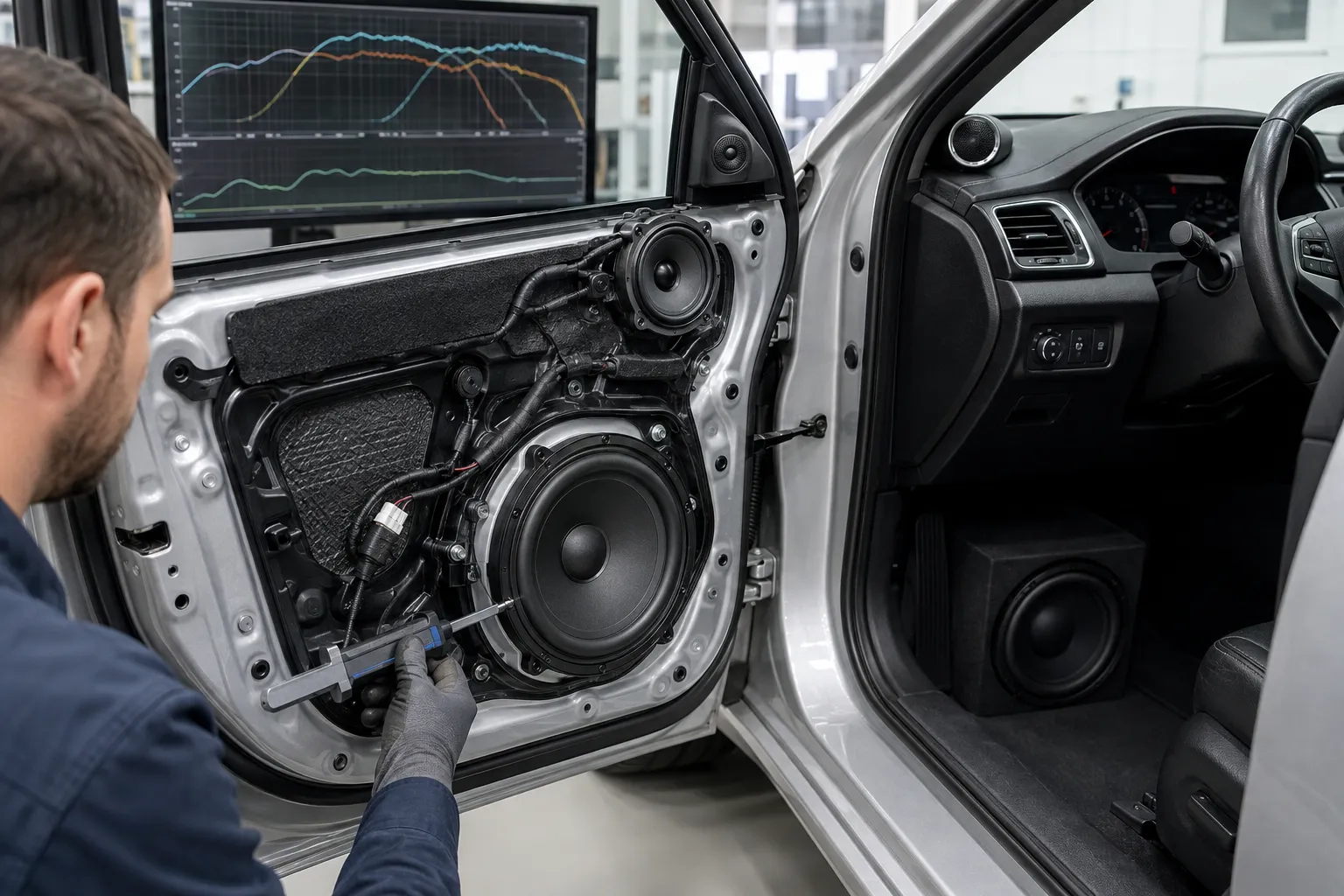
A driver that performs correctly on a standard test baffle may behave differently after installation in the customer’s product. For OEM/ODM projects, ZEH recommends evaluating engineering samples inside the actual or representative enclosure before volume production.

Can ZEH customize the frequency response of a speaker driver?

Yes. ZEH can adjust the speaker structure and electroacoustic parameters according to the customer’s target frequency range and product requirements.

Custom development may include changes to:

  • Diaphragm material and geometry
  • Voice coil size and winding
  • Surround and spider compliance
  • Magnetic circuit
  • Resonant frequency
  • Sensitivity and impedance
  • Frame and mounting structure
  • Enclosure and crossover matching

Final performance must be confirmed through sample measurement and system-level acoustic testing.

What information is required to select or customize a speaker by frequency range?

To recommend a suitable custom speaker driver, please provide as much of the following information as possible:

  • Target frequency range or frequency-response curve
  • Product application and listening distance
  • Available diameter, height and mounting depth
  • Required impedance and rated power
  • Target sensitivity or SPL
  • Amplifier specifications
  • Enclosure dimensions and internal volume
  • Crossover points or other drivers in the system
  • Environmental and reliability requirements
  • Expected order quantity

If complete acoustic specifications are not available, ZEH can begin with the product structure, existing sample and required sound performance.

Scroll to Top

Get a free quote or sample

Contact Form
If you have any questions, please do not hesitate to contact us.