
Fit the Speaker Into the Available Space
We review your housing dimensions and mounting structure before selecting the frame and magnetic circuit.
Custom control cores for efficient signal acquisition, device communication and actuation control.
From circuit design and embedded firmware to PCBA assembly and volume production, we deliver complete OEM/ODM control solutions tailored to your equipment’s space, power, connectivity, and operating requirements.
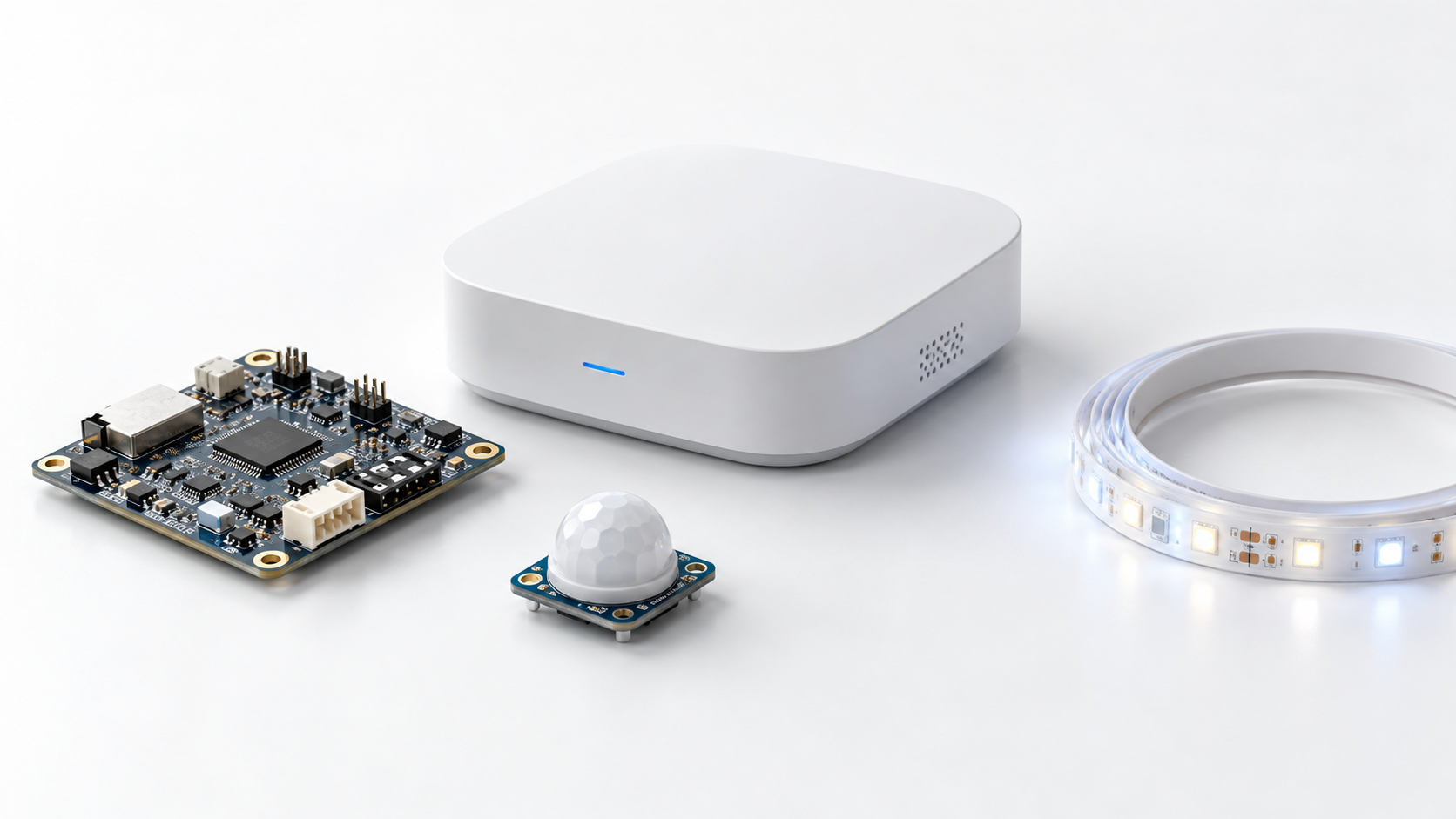
Choose standalone boards or integrated assemblies with displays, sensors, wiring harnesses, speakers, and enclosures—all designed to simplify integration and streamline production.
Custom I/O & Functions | Hardware & Firmware Development | Prototyping to Production | System Integration
Different types of industrial equipment have different control requirements. Some require continuous temperature, pressure, and liquid level monitoring, while others need to control motors, valves, relays, and lighting. Still others must handle user interfaces, network connectivity, and remote monitoring simultaneously.
When a control board’s interface count, electrical specifications, communication methods, or physical dimensions do not match the equipment’s requirements, additional adapter boards, wiring harnesses, or software modifications are often necessary, increasing assembly complexity and maintenance costs.
EMI Immunity Design: Evaluate PCB layout, grounding, filtering, isolation, and shielding requirements for power inputs, signal paths, communication interfaces, and power switching circuits. Wiring harness routing and enclosure design must also be considered for their impact on electromagnetic compatibility (EMC).
Temperature Rise and Continuous Operation: Assess PCB copper heat dissipation, heatsinks, and system ventilation based on the heat generated by processors, voltage regulators, power devices, and loads.
Fault Detection and Recovery: Develop fault-handling logic for communication timeouts, sensor faults, power supply abnormalities, and output failures based on equipment requirements. Define alarm, shutdown, retry, and recovery conditions to help minimize unpredictable operating behavior.
Environmental Protection: Evaluate component selection, connector retention, moisture protection, and mechanical protection based on the product’s actual installation environment.
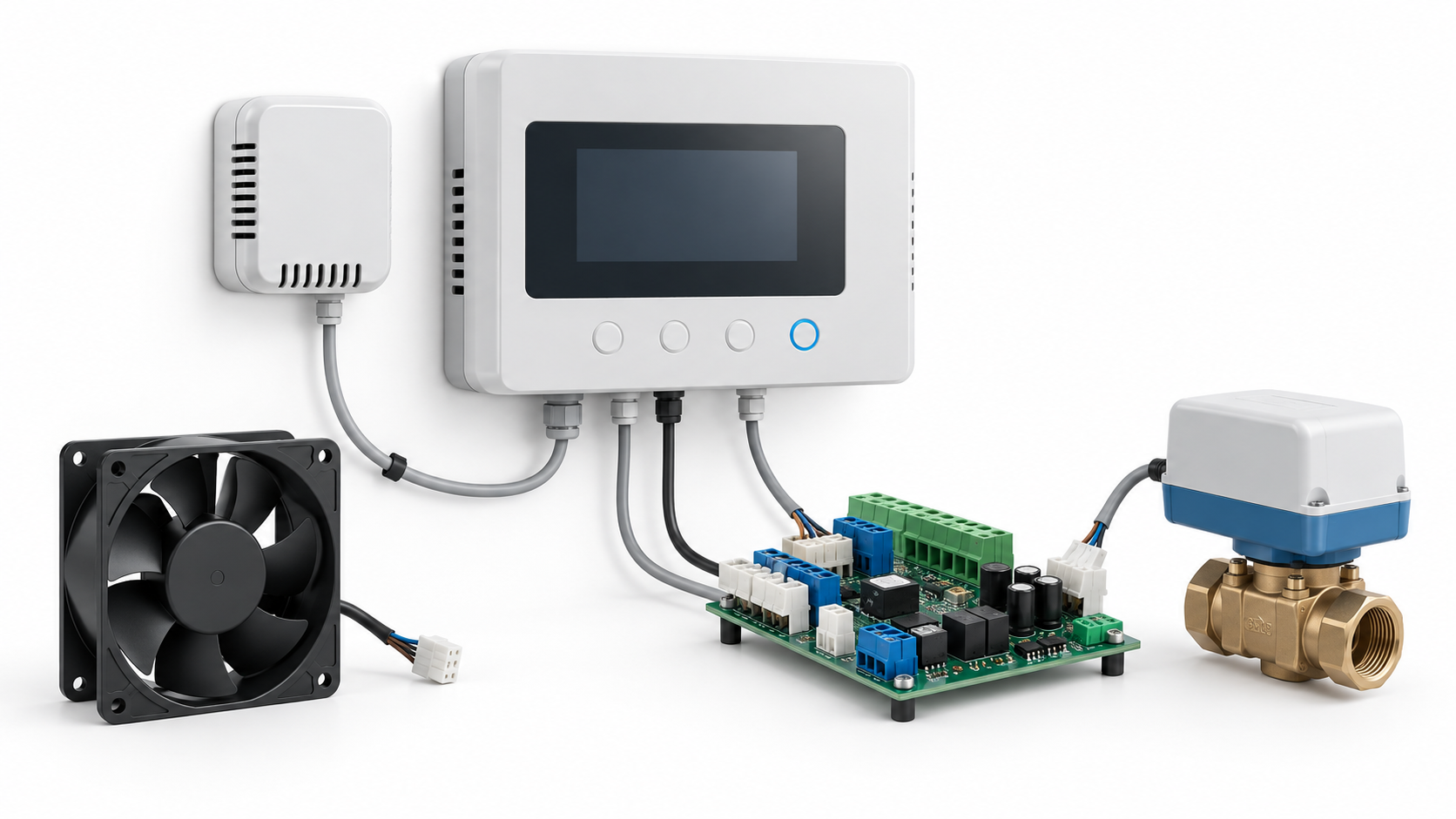
Starting from the actual equipment workflow, and incorporating requirements for sensors, actuators, power supplies and host systems, plan the mainboard functions, interface layout, protection circuits and control logic to achieve stable product control and efficient integration.
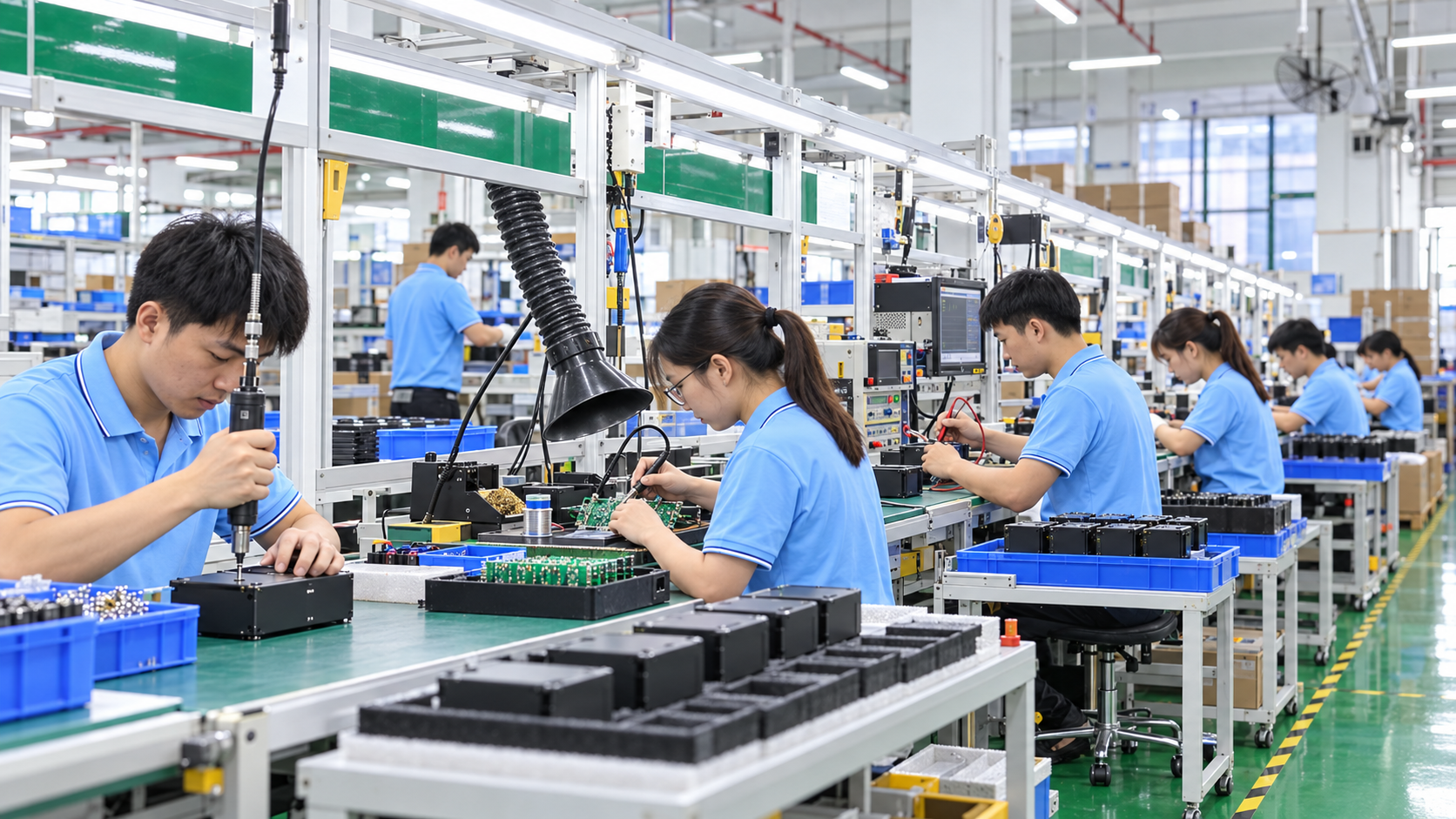
The products shown below are not standard, off-the-shelf items with fixed specifications. They are custom development and manufacturing solutions designed for OEM and ODM projects. Based on the customer’s product concept, functional requirements, engineering drawings, technical specifications, communication protocols, bill of materials (BOM), complete product structure, or physical samples, we can customize the electronic hardware, software functions, display interface, mechanical structure, and assembly method.
ZEHSMAUDIO can adapt an existing speaker platform or develop a modified structure based on your installation space, sound target, electronics, enclosure and production requirements.
We review your housing dimensions and mounting structure before selecting the frame and magnetic circuit.
Round, oval, rectangular and low-profile frames can be adapted to internal ribs, PCB positions and assembly methods.
Speaker parameters are evaluated together with the amplifier, enclosure, listening distance and required sound performance.
Diaphragm, surround and magnet materials are selected according to the target sound, environment and cost requirements.
The project can include the enclosure, grille, wiring, connector, sealing components and amplifier matching.
Based on your product concept, functional requirements, technical specifications, communication protocols, bill of materials (BOM), mechanical drawings, or physical samples, ZEH provides customized hardware, software, display interface, mechanical, and assembly solutions—from concept design and prototype development through mass production.
For functions such as collecting temperature, pressure, and liquid-level data, as well as controlling motors, valves, relays, and lighting, ZEH can assess the main control platform, number of I/O points, electrical parameters, communication methods, and control logic in line with the equipment’s operating workflow. This helps align the control board with the requirements of the complete system.
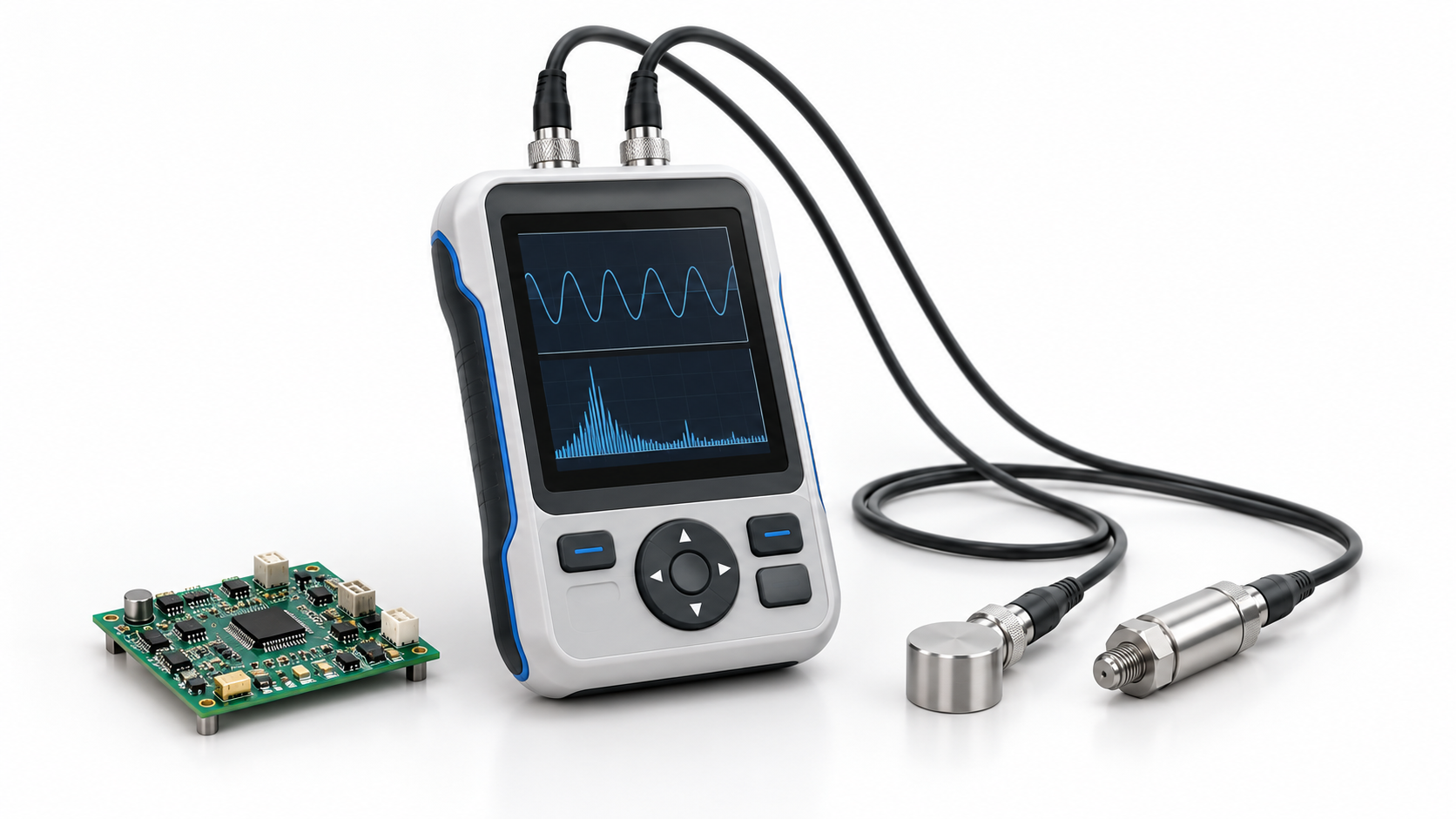
We support circuit design, embedded firmware development, display and human-machine interface (HMI) design, and customized communication and protocol conversion. Depending on equipment requirements, solutions may include industrial display and HMI boards, industrial communication and gateway boards, and lighting and power management control boards. This helps clarify the interfaces between the control board and the equipment.
In addition to standalone control boards, projects can integrate displays, sensors, wiring harnesses, speakers, connectors, and enclosures as needed. By considering hardware interfaces, installation space, and assembly methods together, we help simplify product integration and production coordination.
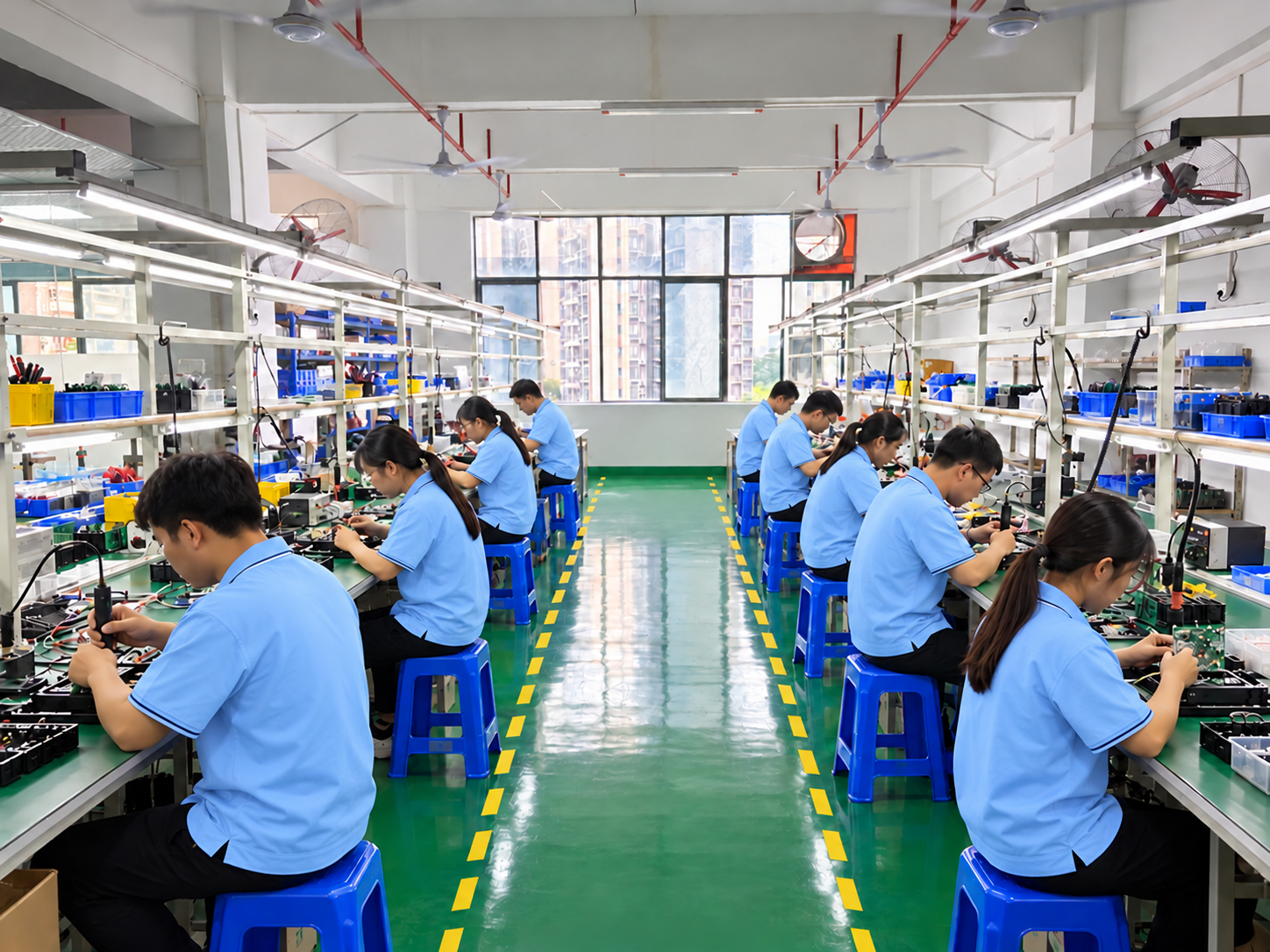
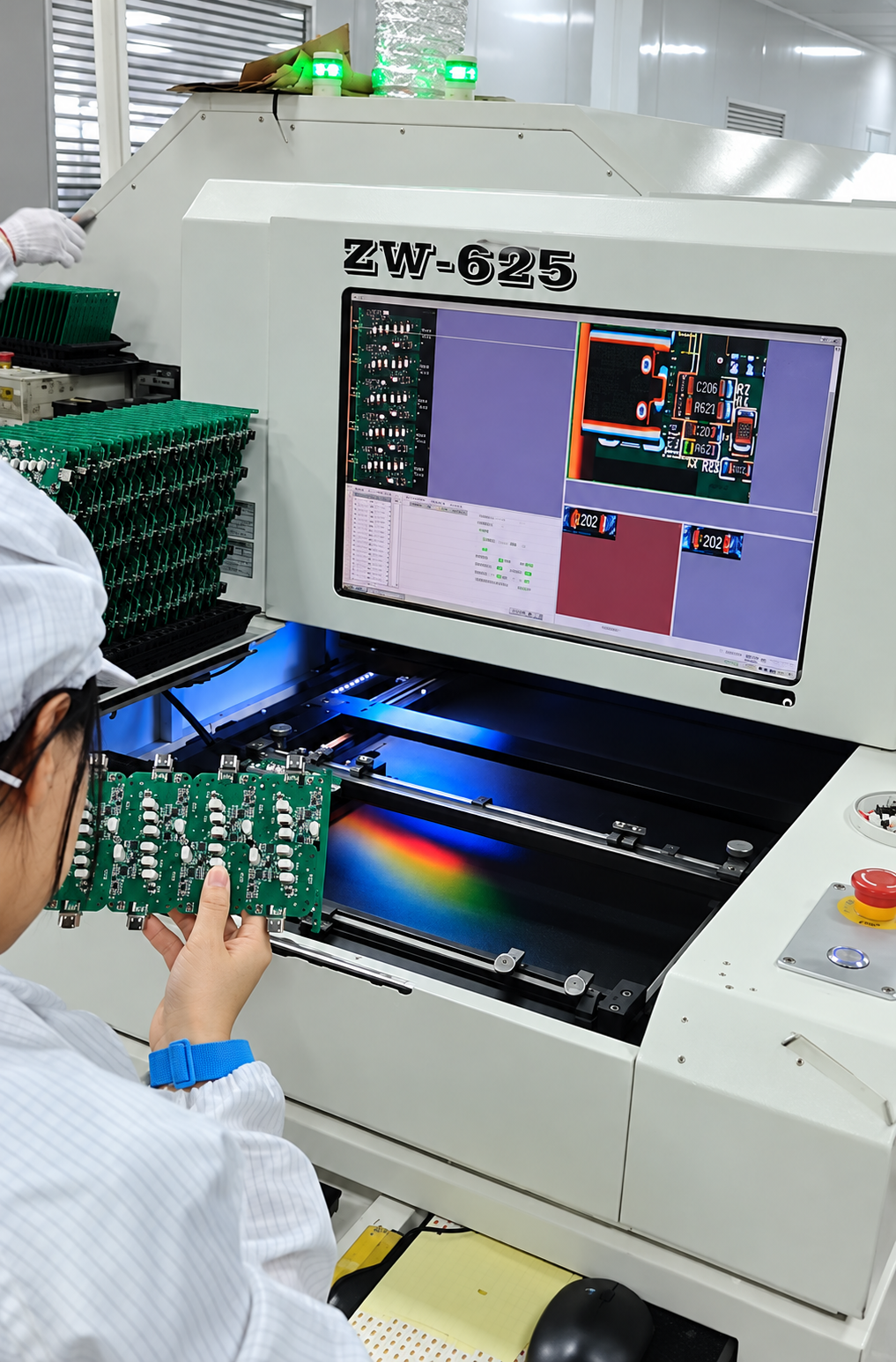
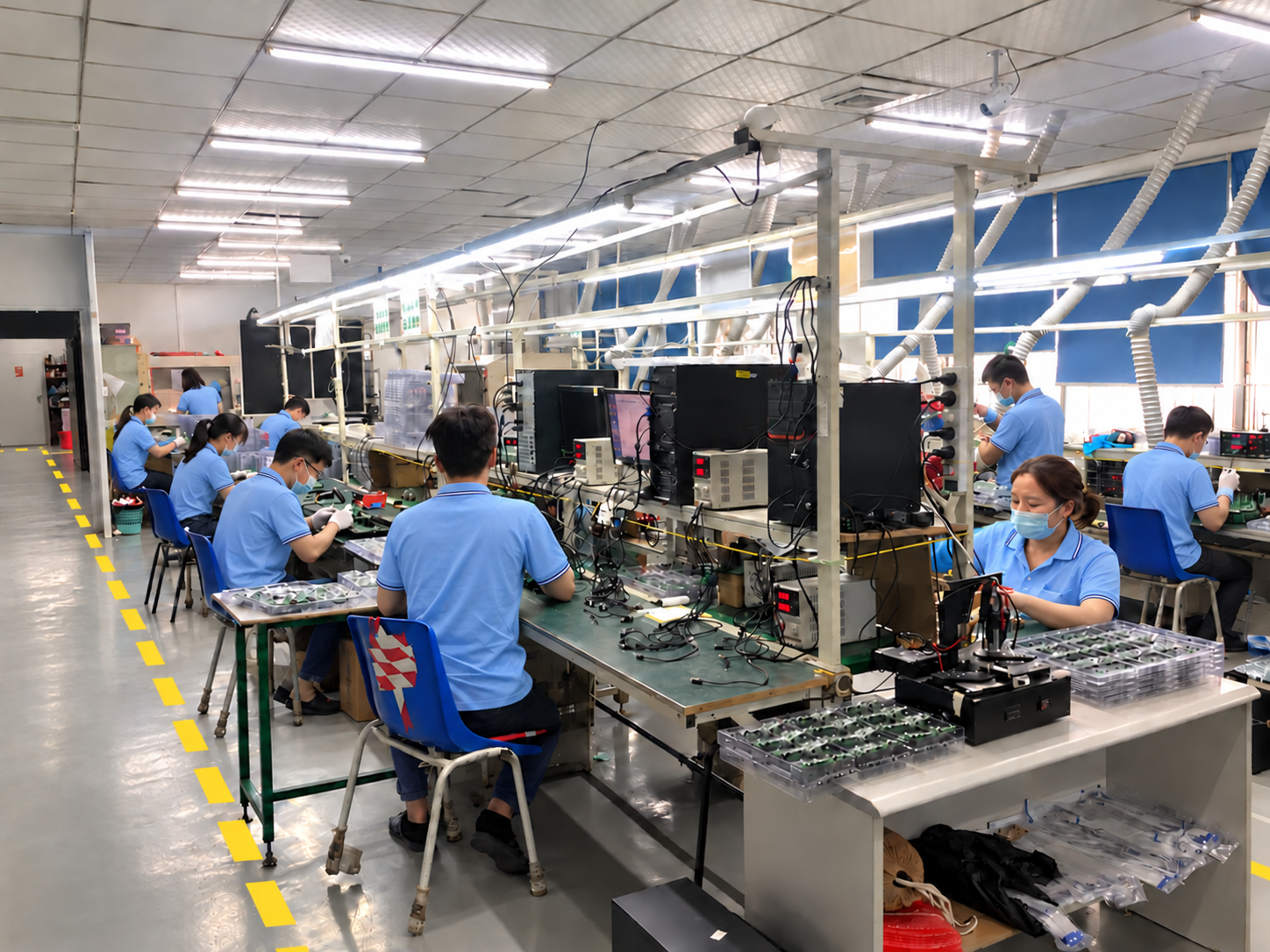
ZEH supports hardware and firmware development, prototype production, PCBA assembly, and mass production. Customers can confirm functions, technical specifications, and production requirements at each project stage to advance product development and manufacturing step by step.
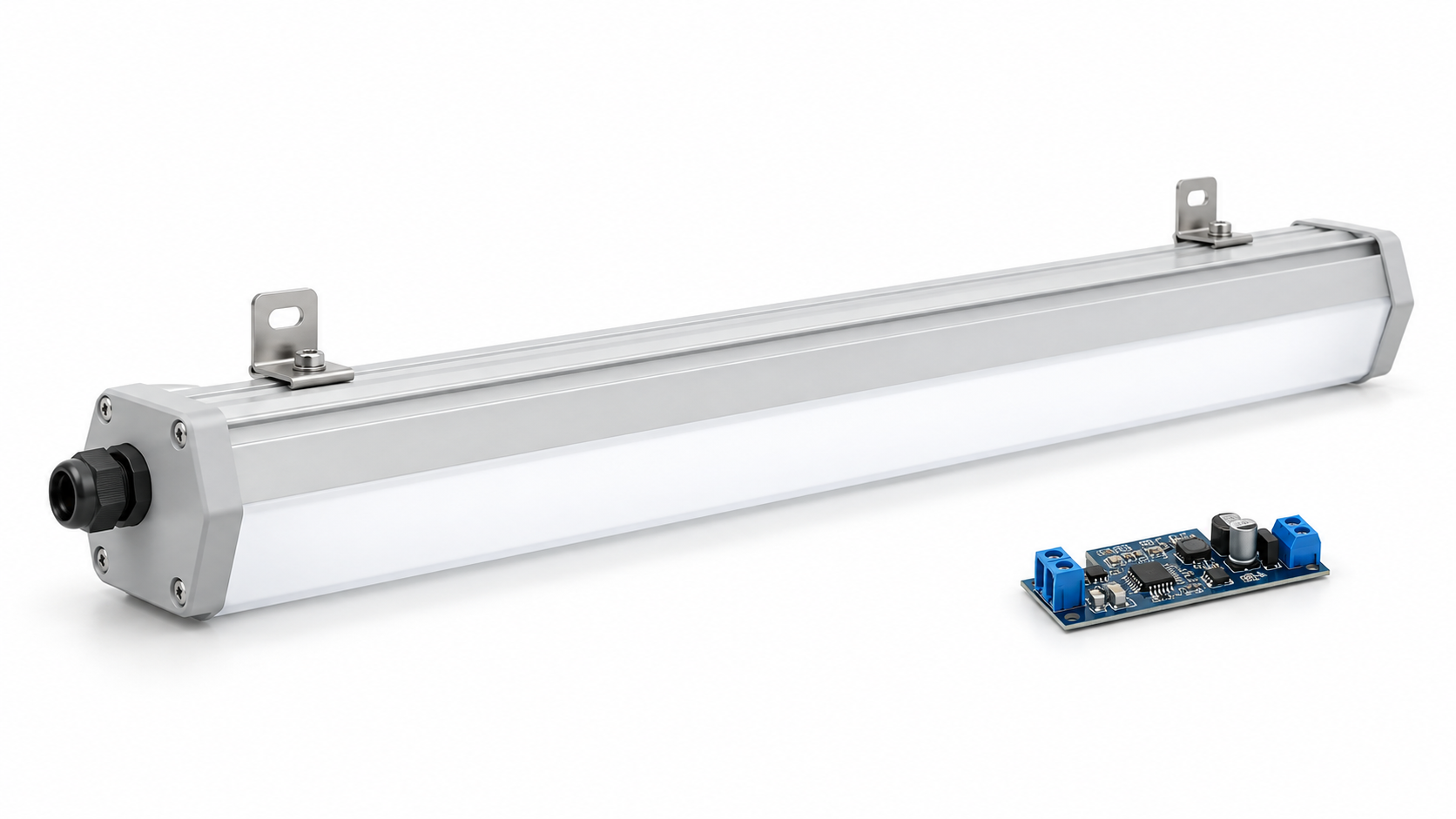
ZEH provides customized electronic control solutions for industrial equipment, lighting systems, and electronic products. Depending on project requirements, our services can include PCBA design, control circuits, lighting control boards, embedded software, communication interfaces, wiring harnesses, connectors, enclosures, and product assembly.
Yes. We can develop customized PCBA solutions based on your product concept, functional requirements, electrical specifications, circuit diagrams, BOM, or existing samples. The design scope can cover control logic, input and output interfaces, power management, sensor connections, communication functions, and protection features, depending on the application.
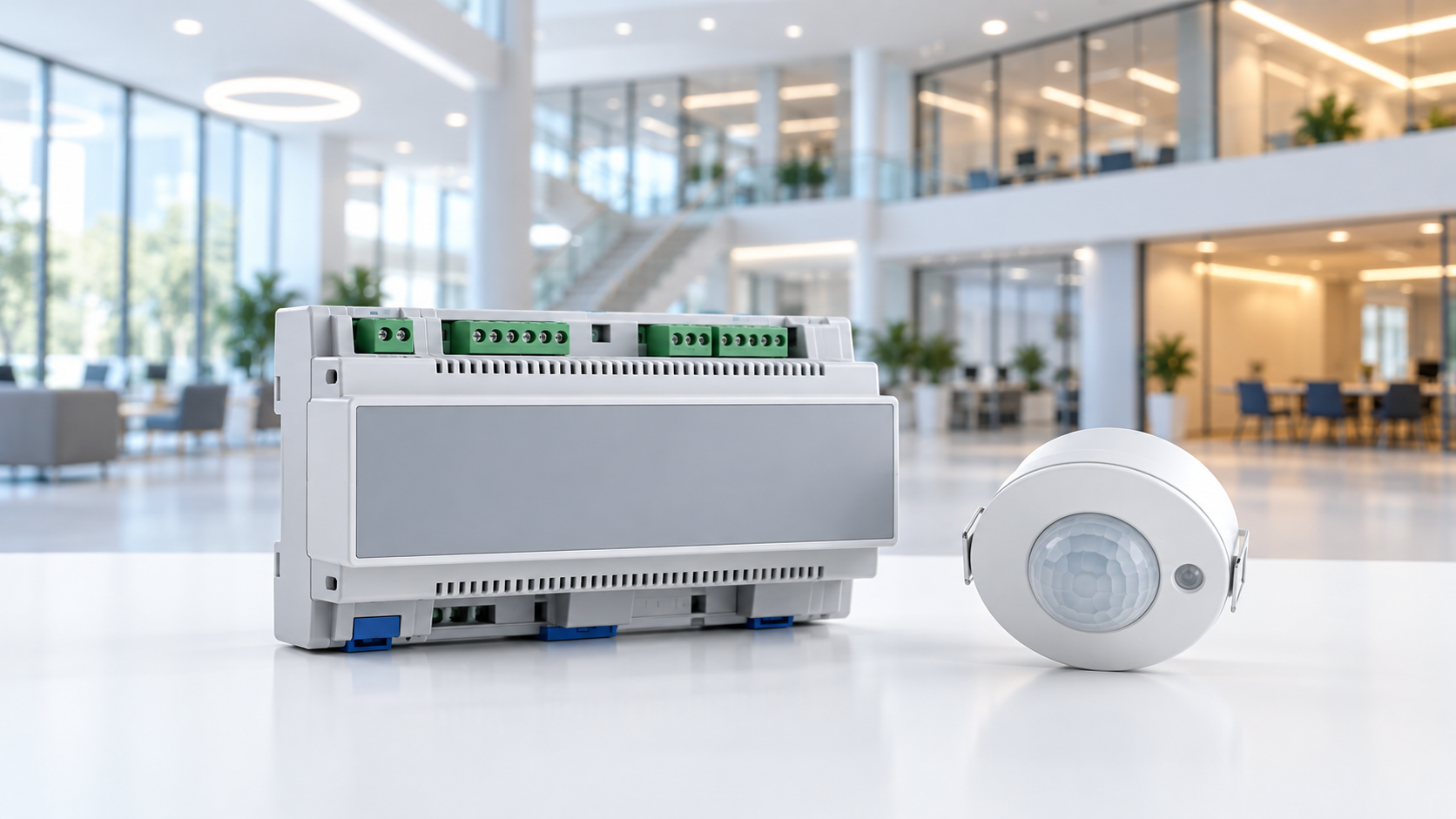
Yes. We can customize lighting control boards according to your lighting product’s requirements. Depending on the application, the solution may include LED control, dimming interfaces, switching functions, brightness adjustment, timer control, sensor integration, and communication interfaces. Specific functions are evaluated according to the LED driver, power supply, and system architecture.
We can support hardware and embedded software development according to the project scope. This may include circuit design, component selection, firmware development, control logic, communication protocols, and functional integration. Please provide your required operating logic, interface specifications, and target functions so we can assess the development requirements.
You can start with a product concept, functional description, electrical schematic, PCB files, BOM, technical specifications, or an existing sample. It is also helpful to provide the operating voltage, input and output requirements, communication protocols, installation dimensions, operating environment, and estimated production quantity. If your project is still at the concept stage, we can discuss the requirements before defining the development scope.
Yes. Depending on the design requirements, a customized control board can integrate sensor inputs, display interfaces, buttons, indicator lights, communication ports, and other electronic functions. We evaluate interface compatibility, available PCB space, power requirements, and system architecture to help coordinate the functions within the intended product.
We can evaluate communication requirements such as UART, I²C, SPI, CAN, RS-485, USB, or other interfaces according to the project. Wireless connectivity may also be considered when appropriate. The final solution depends on the selected controller, peripheral devices, protocol specifications, operating environment, and compatibility requirements of the customer’s system.
Yes. In addition to PCBA development, we can coordinate custom wiring harnesses, cables, loudspeakers,Horns, plastic enclosures, and selected metal components according to project requirements.
Yes. We can support sample development and functional evaluation before moving to volume production. Depending on the project, verification may cover power-up behavior, input and output functions, communication, lighting operation, thermal performance, and mechanical fit. The validation plan and acceptance criteria should be agreed upon before testing.
Reliability requirements depend on the product’s operating conditions and intended application. Relevant considerations may include operating temperature, electrical load, power stability, thermal management, vibration, environmental exposure, and protection against overcurrent or short circuits. We can help define appropriate verification items and evaluate the design against agreed technical requirements.
We can evaluate projects from prototype development through production planning and volume manufacturing. The suitable production arrangement depends on PCB complexity, component availability, tooling requirements, testing procedures, order quantity, and delivery schedule
OEM services generally focus on manufacturing products according to the customer’s established design and specifications. ODM services may include a broader development scope, such as hardware design, firmware development, component integration, and product engineering. ZEH can evaluate the appropriate level of support based on your existing design resources and project requirements.
Yes. If you have an existing PCBA, schematic, BOM, or product sample, we can review the stated requirements and evaluate potential improvements. Areas for review may include component selection, PCB layout, assembly structure, interface compatibility, thermal management, manufacturability, and cost. Any proposed changes should be assessed against the original functional and reliability requirements.
Please share your product application, technical specifications, drawings or PCB files, required functions, target quantity, and expected delivery schedule. If available, include the BOM, firmware requirements, communication protocols, and relevant compliance standards. we can use this information to assess feasibility, clarify the development scope, and prepare a quotation based on the agreed requirements.