
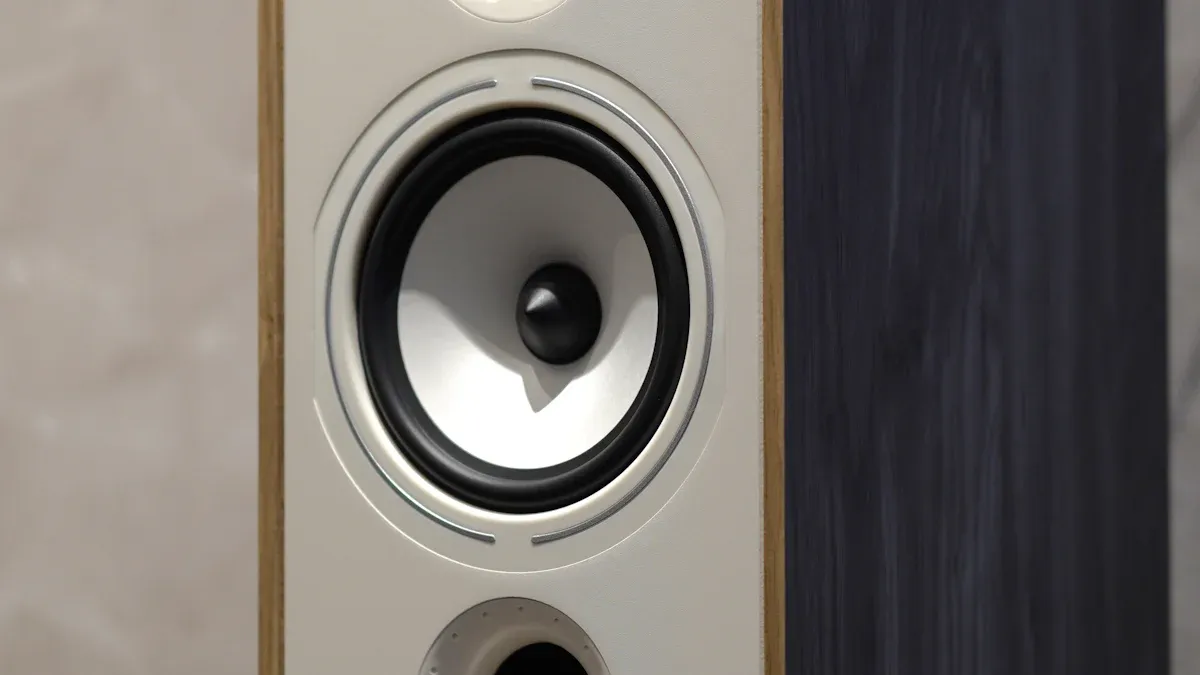
The speaker market around the world is expanding rapidly. Prices can range from less than $50 to more than $200, with projections indicating that the market could reach $1.6 trillion by 2033.
Metric | Value |
|---|---|
Global speaker market size | USD 151.82 billion in 2024 |
Expected market size in 2025 | USD 198.43 billion |
Projected market size in 2033 | USD 1689.72 billion |
CAGR (2025-2033) | 30.7% |
Price range segments | Less than $50, $50-$100, $100-$200, More than $200 |
Highest contributing segment | $100 to $200 |
CAGR for $100 to $200 segment | 32.8% |
ZEH Audio is recognized for crafting custom speakers. They excel at enhancing speaker performance while also offering more affordable options. There are many factors to consider when purchasing speakers, and the top ten factors include brand reputation, speaker type, materials, driver quality, power, frequency response, connectivity, size, manufacturing costs, and market demand. Understanding these top ten factors will help you make informed decisions that align with your budget and preferences. By familiarizing yourself with these aspects, you can select speakers that suit your style, musical taste, and financial considerations.
Key Takeaways
Learn about the ten things that change speaker prices, like brand reputation, materials, and design. Knowing this helps you buy speakers wisely.
Think about what you need, like how big your room is and what music you like. This helps you pick the right speakers and features without spending too much.
Look at how important brand reputation is. Well-known brands can cost more, but they usually give better quality and service. This can make them worth the money.
Choose between wired and wireless speakers for your lifestyle. Wired speakers often have better sound, but wireless ones are easier to use and move.
Pay attention to wattage and frequency response for your space. More power can make sound better, but pick what works for your room and how you listen.
Top Ten Factors Overview
Why These Factors Matter
When you shop for speakers, you might notice prices can jump a lot from one model to another. That’s because many things work together to set the final price. The top ten factors help you see what makes one speaker cost more than another. If you know what these factors are, you can pick the right speaker for your needs and avoid paying for features you don’t want.
Let’s look at what experts say matters most:
Brand reputation and demand
Speaker type and design
Materials and build quality
Driver and amplifier quality
Power and wattage
Frequency response and sound
Connectivity and features
Size and form factor
Manufacturing and R&D costs
Market demand and exclusivity
Tip: When you understand these factors, you can focus on what’s important for your space, music style, or budget.
How They Affect Speaker Prices
Each factor changes the price in its own way. Some, like brand reputation, can make a speaker cost more even if the parts are similar. Others, like materials or driver quality, add value by improving sound or durability.
Here’s a quick look at how these factors play a role:
Factor | How It Impacts Price |
|---|---|
Trusted brands often charge more for their name and history. | |
Premium woods or metals raise costs but boost quality. | |
Driver and amplifier | Better drivers and amps mean clearer sound but higher prices. |
Connectivity and features | Wireless, smart, or voice features add convenience and cost. |
Market demand | Limited editions or trending designs can push prices up. |
You don’t have to pay for every feature. Think about which of the top ten factors matter most to you. That way, you get the best value for your money.
Brand Reputation

Perceived Value
When you look at speakers, you might notice that some brands always seem to cost more. That’s not just about the sound. Brand reputation plays a huge role in how much you pay. People trust certain brands because they have a history of making great products. This trust means you feel more confident buying from them, even if the price is higher.
A strong reputation keeps people interested in a brand. Many buyers use reputation as a way to decide if a speaker is worth the money. For example, some well-known speakers can charge much more because people believe they offer better quality and service. You might see a famous speaker brand ask for $40,000 for a single model. That price comes from the trust and value people see in the name, not just the parts inside.
Price Differences by Brand
You’ll see big price gaps between premium and budget speaker brands. Let’s break down why:
Premium speakers use high-quality components. These materials and advanced technology make the sound clearer and richer.
Top brands invest in research and development. This means you get new features and better sound, but you pay more for these upgrades.
Premium speakers last longer. Even though you pay more at first, you might save money over time because you won’t need to replace them as often.
Budget brands focus on keeping costs low. They use simpler materials and fewer features. You get a lower price, but you might not get the same sound or durability.
When you think about the top ten factors that affect speaker prices, brand reputation stands out. It’s not just about what’s inside the box. It’s about how much you trust the name and what you expect from it. If you want the best value, decide how much brand matters to you before you buy.
Speaker Type & Design
Types of Speakers
When you start shopping for speakers, you’ll see many different types. Each type has its own features and price range. Some speakers need extra equipment, while others work right out of the box. Here’s a quick look at the main types you’ll find:
Type of Speaker | Description | Examples/Brands |
|---|---|---|
Passive Speakers | Need an external amplifier. These include floor-standing, bookshelf, center channel, and surround speakers. | Klipsch, Fluance |
Powered Speakers | Have built-in amplifiers. This group includes subwoofers, soundbars, powered stereo speakers, and portable Bluetooth speakers. | JBL, Sonos, KEF |
Custom-Installed Speakers | Fit into your walls or ceiling for a clean look. They’re great for high-quality sound without taking up space. | Sonos |
Outdoor Speakers | Built to handle weather. Perfect for patios and backyards. | Yamaha, Klipsch |
You might notice that powered speakers and custom-installed options often cost more. That’s because they include extra technology or special installation. Outdoor speakers also use tougher materials, which can raise the price.
Tip: Think about where you want to use your speakers and how much setup you want to do. The right type can save you money and give you the sound you want.
Design Complexity
Speaker design isn’t just about looks. The way a speaker is built can change the price a lot. Some designs are simple, while others need special engineering and more time to make.
Unusual shapes need extra engineering, which makes them more expensive.
Custom logos or branding add to the design work and cost.
Special acoustic engineering means better sound but also higher prices.
Fancy finishes and small details take more time and resources to create.
Products with lots of small parts or intricate designs take longer to put together. This extra work increases the manufacturing cost, which you’ll see in the final price. Simple designs can help keep costs down.
When you look at the top ten factors that affect speaker prices, remember that both the type and the design play a big part. If you focus on what matters most for your space and style, you’ll get the best value for your money.
Materials & Build Quality
Premium Components
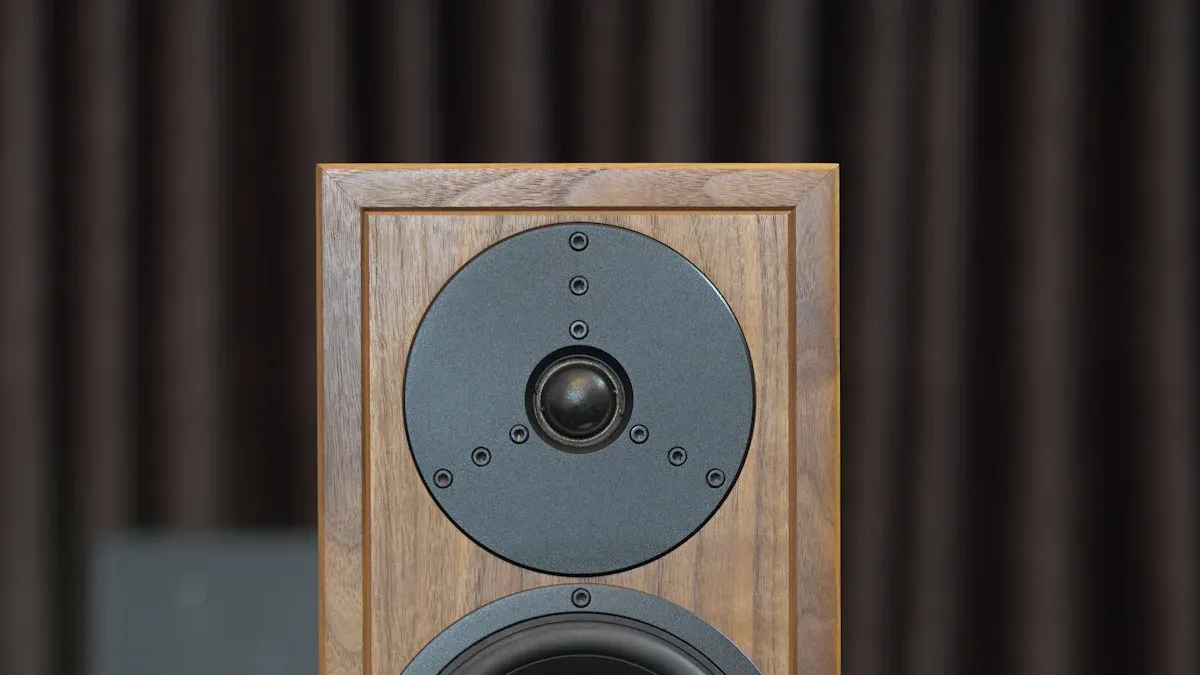
When you look at speakers, you might wonder why some cost so much more than others. The answer often comes down to the materials inside. High-end speakers use special parts that make a big difference in both sound and price. For example, many top brands use copper wire for voice coils because it handles heat well and helps deliver clear sound. The bobbin, which holds the coil, might be made from paper or aluminum. Aluminum costs more but helps keep the speaker cool during long listening sessions.
Speaker magnets also matter. Some brands use ferrite magnets, which are heavy and less expensive. Others use neodymium magnets. Neodymium is lighter and more powerful, but it costs more. This choice can make the speaker sound better and last longer. The cones, which move to create sound, might be made from aluminum, titanium, or carbon fiber. These materials are stiff and light, so they reduce distortion and help music sound crisp.
Speakers with premium components often sound clearer and last longer, but you pay extra for these upgrades.
Enclosure Costs
The box around the speaker, called the enclosure, does more than just look nice. It shapes the sound and protects the parts inside. High-quality enclosures use wood or MDF (medium-density fiberboard). These materials help control vibrations and improve sound quality. Some brands add fancy finishes or custom designs, which can raise the price even more.
MDF is popular because it’s dense and blocks unwanted noise.
Real wood looks beautiful and adds to the cost.
Custom shapes or finishes take more time and skill to make.
ZEH Audio stands out by picking the right mix of materials and design. They focus on giving you great sound without making you pay for things you don’t need. When you think about the top ten factors that affect speaker prices, remember that materials and build quality play a huge role. If you want the best value, look for speakers that balance strong materials with smart design.
Driver & Amplifier Quality
Driver Types
Drivers are the main part of your speakers. They change electric signals into sound you can hear. There are different drivers, like woofers for bass and tweeters for high notes. Midrange drivers handle sounds in the middle. Some speakers have high-efficiency drivers. These play louder with less power and sound clearer. High-efficiency drivers cost more because they use better materials and need careful design.
Some speakers have special drivers, like ribbon tweeters or planar magnetic drivers. These make music sound more detailed. They also cost more because they are harder to build and need more testing. When you shop for speakers, check the driver types. Better drivers give you a richer sound, but they also raise the price.
Amplifier Impact
The amplifier gives power to your speakers. Some speakers have amplifiers inside. Others need an outside amplifier. The amplifier’s quality changes how your music sounds. For example, current-source amplifiers can make sound more accurate. These cost more because they use better parts and smart designs.
Paying more does not always mean better sound. Here are some things to remember:
Higher prices do not always mean better sound.
After a certain point, it is hard to hear big changes.
Over $1,000 or $2,000, you mostly pay for extra power, stronger build, or more features, not much better sound.
Tip: Pick speakers with good driver and amplifier quality for your needs. You do not need the most expensive ones to get great sound.
When you know how driver and amplifier quality change price, you can choose better. Try to find a balance between performance and cost. This helps you get the best value for your money.
Power & Wattage
Performance Benefits
When you look at speakers, you will see numbers like “50 watts” or “200 watts.” These numbers show how much power a speaker can handle. More power means your speaker can play music louder without breaking up or sounding fuzzy. If you like to turn up the volume for parties or movies, you might want a speaker with higher wattage.
Here are some benefits of higher power:
Louder sound: You can fill a big room or even your backyard with music.
Clearer audio: High wattage helps keep the sound clean, even when you turn it up.
Better for events: If you host gatherings, you will want speakers that can handle more power.
Note: You do not always need the most powerful speaker. For a small bedroom or office, lower wattage works just fine.
Price Implications
Power and wattage can change the price of a speaker. Speakers with higher wattage need stronger parts. These parts cost more to make. Brands also test high-power speakers more to make sure they last.
Here’s a quick look at how wattage affects price:
Wattage Range | Typical Use | Price Range (USD) |
|---|---|---|
Under 50 watts | Small rooms, desks | $30 – $100 |
50 – 150 watts | Living rooms, parties | $100 – $400 |
Over 150 watts | Large spaces, events | $400 and up |
You might think more power always means better sound. That is not always true. After a certain point, you pay more for extra volume, not better quality. Think about your space and how loud you want your music. Pick a speaker that matches your needs, not just the biggest number.
Tip: Focus on the right wattage for your room and listening style. You can save money and still get great sound.
Frequency Response & Sound
Frequency Range
When you shop for speakers, you might see numbers like “38Hz–20kHz” on the box. These numbers show the frequency range. Frequency range tells you how low and how high a speaker can play sounds. If you want deep bass, you need a speaker that can reach lower frequencies. If you love clear vocals and sharp cymbals, you want a speaker that covers higher frequencies.
Here’s how frequency response looks at different price points:
High-end speakers, like the M40.3, offer a frequency response of 38Hz–20kHz ±3dB. You get deep bass and crisp highs.
Budget speakers usually cover a smaller range. You might miss some low notes or high details.
Mid-range speakers often balance both ends, giving you good sound for most music.
Tip: You don’t always need the widest range. Think about your favorite music and how you plan to use your speakers.
Sound Quality
Sound quality depends on more than just frequency range. You want your music to sound clean and pleasant. That means the speaker needs to handle all frequencies without distortion. High-power speakers use premium materials and smart engineering. Drivers must work hard to play loud music without breaking up. This makes them cost more.
Premium drivers are built for clear sound across many frequencies. Brands spend a lot on tuning and testing. They use quality parts like capacitors and resistors. This process takes time and money, but it helps you hear every detail.
Check out this table to see how price relates to sound quality:
Price Bracket | What You Get |
|---|---|
$2,000–$5,000 | Smooth response, controlled sound, small upgrades |
Over $5,000 | Fancy finish, more output, tiny refinements |
Once a speaker nails smooth response and direct sound, paying more often buys you extra features or a nicer look—not a huge jump in sound.
Note: If you want powerful sound effects or deep bass, look for speakers with strong drivers and careful tuning. ZEH Audio can help you find a custom solution that fits your needs and budget.
Connectivity & Features
Wired vs. Wireless
You face a big choice when you shop for speakers: wired or wireless. Wired speakers connect with cables. They often give you steady sound and less delay. You might like them if you want the best audio for movies or music. Wired models usually cost less because they use simple parts.
Wireless speakers use Bluetooth or Wi-Fi. You can move them around your home. You do not need to worry about messy cords. These speakers often cost more. The extra price comes from the wireless chips and batteries inside. Some wireless speakers let you link many units together for bigger sound. That feature can push the price up even more.
Tip: If you want easy setup and clean spaces, wireless speakers work well. If you care most about sound quality and saving money, wired speakers might fit you better.
Smart Features
Smart features change how you use your speakers. You can talk to your speaker and ask it to play music. Some speakers work with apps on your phone. These features make life easier, but they also add to the price.
Let’s look at how smart features affect cost:
Price Range | Features | Example Speakers |
|---|---|---|
Under $100 | Basic voice control, decent sound | Echo Dot |
$200 – $300 | Good sound, voice assistants, app controls | Mid-range models |
$300+ | Top sound, advanced voice control, app support, smart home links | Premium models |
You pay more for speakers with voice assistants, app controls, or smart home links. These features use special chips and software. They also need updates and support, which adds to the cost.
Note: You do not need every smart feature. Think about what you use most. Pick a speaker that matches your habits and your budget.
Smart features can make your daily life easier, but you should decide if they are worth the extra money for you.
Size & Form Factor
Material & Shipping Costs
Speaker size changes more than just how it looks in your room. Bigger speakers use more materials. You pay for extra wood, metal, or plastic. Heavy speakers need stronger boxes and more packing. Shipping costs go up when a speaker is large or heavy. You might see a price jump just because of the size.
Here’s a quick look at how size affects costs:
Size | Material Cost | Shipping Cost | Example Use |
|---|---|---|---|
Compact | Low | Low | Desk, bedroom |
Medium | Medium | Medium | Living room |
Large | High | High | Home theater |
Tip: If you want to save money, look for speakers that fit your space. You do not need the biggest model for a small room.
Compact vs. Large
You might wonder if you should pick a compact speaker or a large one. Compact speakers fit almost anywhere. They cost less to make and ship. You can move them easily. They work well for small spaces or if you want a clean look.
Large speakers fill big rooms with sound. They have bigger drivers and enclosures. You get deeper bass and louder music. You pay more for the extra size and power. Large speakers can be heavy and hard to move.
Here’s what to think about:
Compact speakers: Save space, cost less, easy to set up.
Large speakers: More power, better for big rooms, higher price.
Note: You do not always need the biggest speaker. Think about your room size, how you listen to music, and your budget. ZEH Audio can help you find the right size for your needs.
Size and form factor change the price, but they are just one part of the story. Focus on what fits your space and style. That way, you get the best value for your money.
Manufacturing & R&D Costs
Production Location
Where your speakers are made can change the price a lot. You might not think about it, but the country of production and the path your speakers take to reach you both matter. Here’s how location and supply chain can affect what you pay:
Tariffs on imports from countries like China, Canada, and Mexico have made it more expensive to bring in speakers or their parts. These extra costs often get passed on to you.
U.S. companies sometimes pay higher tariffs on parts than on finished speakers. This makes it tricky for brands to decide where to build and assemble their products.
Manufacturers use strategies like spreading out their factories and picking trusted suppliers in different places. This helps them avoid big price jumps and keep things running smoothly.
ZEH Audio stands out because they know how to manage these challenges. They use smart supply chains and have experience with global delivery. This means you get high-quality speakers without paying extra for shipping or tariffs.
Tip: If you want to save money, ask about where your speakers are made and how they get to you. Sometimes, a smart supply chain means better value.
Research & Development
You might wonder why some speakers cost so much more than others. Part of the answer is research and development, or R&D. Brands spend money to design new speakers, test them, and make sure they sound great. This work adds to the final price.
For high-end speakers, the cost of making parts is usually about 5–20% of the sale price. Most of the time, it’s close to 10%.
When you see speakers that cost $30,000 or more, you’re often paying for the brand name and special features, not just better sound.
R&D costs can be lower for these top models because the brand’s reputation does a lot of the work.
ZEH Audio invests in advanced engineering and custom solutions. They help you get the features you want without paying for things you don’t need. Their large-scale production keeps costs down, so you get quality speakers at a fair price.
Note: Price comes from many places—where your speaker is made, how it’s designed, and the brand behind it. Focus on what matters most to you, and you’ll find the best value.
Crossover & Craftsmanship
Crossover Design
You might not notice the crossover inside your speaker, but it plays a huge role in how your music sounds. The crossover splits the audio signal and sends the right sounds to the right drivers—bass to the woofer, highs to the tweeter. Simple crossovers cost less and work well for basic speakers. When you want better sound, you need a more complex crossover. These advanced designs, like multi-way or hybrid crossovers, require careful planning and expert knowledge.
Designers use special simulations and custom settings to make sure each part works perfectly together. This extra effort means higher costs. For example, the price for designing a complex crossover can range from £95.00 to £120.00. You pay more because the process takes time, skill, and lots of testing. If you want a speaker that sounds smooth and balanced, a well-designed crossover is worth the investment.
Tip: If you love clear sound and want every detail in your music, look for speakers with advanced crossover designs. You’ll notice the difference, especially at higher volumes.
Skilled Workmanship
Craftsmanship sets premium speakers apart from the rest. Skilled hands and sharp eyes make sure every detail is perfect. You see this in the world’s most expensive speakers, like the Magico M9 Carbon Fibre Floorstanding Speakers. These cost $1.5 million AUD, and here’s why:
Makers use aerospace-grade carbon fibre, which is rare and strong.
Each speaker gets built with advanced engineering and careful handwork.
The mix of technology and artistry makes these speakers hard to copy.
When you buy a speaker with top-notch craftsmanship, you pay for more than just sound. You get a piece of art that lasts for years. If you care about quality and want something special, skilled workmanship is a factor you shouldn’t overlook.
Note: Craftsmanship and crossover design both add to the price, but they also bring you closer to the music you love.
Market Demand & Exclusivity
Limited Editions
Some speakers are made in limited edition batches. These models look different or have special features. Brands only make a few, so they feel rare. This makes people want them more. When these speakers sell out, prices can go higher than before. For example, Bowers & Wilkins made a speaker inspired by The Orb. Fans liked the design and felt close to the music. This made the speakers very popular.
Limited editions often have cool finishes or better performance. Brands know people want something rare. They use this to charge more money. You might feel rushed to buy before they are gone. After production stops, these speakers become collector’s items. Their value can keep going up over time.
If you want something special, a limited edition speaker could be worth the extra money. Remember, you pay for the story and rarity, not just the sound.
Consumer Trends
Speaker prices change because of what people like now. Wireless and smart speakers are very popular. Bluetooth speakers are everywhere. They make up most wireless audio sales and keep growing. Smart speakers with voice assistants are in many homes. There are 320 million smart speakers installed. People like the easy use and new features.
Here’s a quick look at trends and how they change prices:
Trend Description | Impact on Prices |
|---|---|
More people want wireless and smart speakers | More sales and competition, prices go up |
Smart speakers cost less now | Easier to buy, more people want them |
Not enough parts for speakers | Harder to make, prices may rise |
Materials cost more | Parts cost more, prices increase |
Portable speakers and high-quality models are also popular. Multi-room audio systems are used more often. Shortages of parts and higher material costs can make prices go up.
When you shop, think about which trends matter to you. Pick features you will use every day. If you want something special or future-proof, ZEH Audio can help you find the right speaker for your needs and budget.
You’ve seen how the top ten factors shape speaker prices. If you want the best value, start by checking your room size and seating distance. Make a list of your sources, like TV or gaming. Look for the connections you need. Choose speakers with the right cabinet and driver quality. Build your setup step by step—begin with strong left and right speakers, then add a center channel or subwoofer if you need more bass or clear dialogue.
Remember, you don’t have to pay for every feature. Balance what matters most for your space, sound, and budget. ZEH Audio can help you find a custom solution that fits your needs.
FAQ
What makes one speaker cost more than another?
You pay more for speakers with better materials, advanced features, or a trusted brand name. Some speakers cost extra because they use special designs or rare parts. Always check what matters most to you before you buy.
Do expensive speakers always sound better?
Not always! Sometimes you pay for the brand or fancy looks. Focus on sound quality, build, and features that fit your needs. Test speakers if you can. You might find a great-sounding speaker at a lower price.
Should I choose wired or wireless speakers?
Wired speakers usually give you steady sound and cost less. Wireless speakers are easier to move and set up. Pick what fits your space and how you listen to music. Both can sound great if you choose the right model.
How important is brand reputation when buying speakers?
Brand reputation can mean better quality and service. Some brands charge more just for their name. If you want peace of mind, a trusted brand helps. If you want value, compare features and reviews before you decide.
Can ZEH Audio help me find the right speaker?
Yes! ZEH Audio offers custom solutions and expert advice. You can tell them your needs and budget. They help you pick speakers that give you the best value for your money.