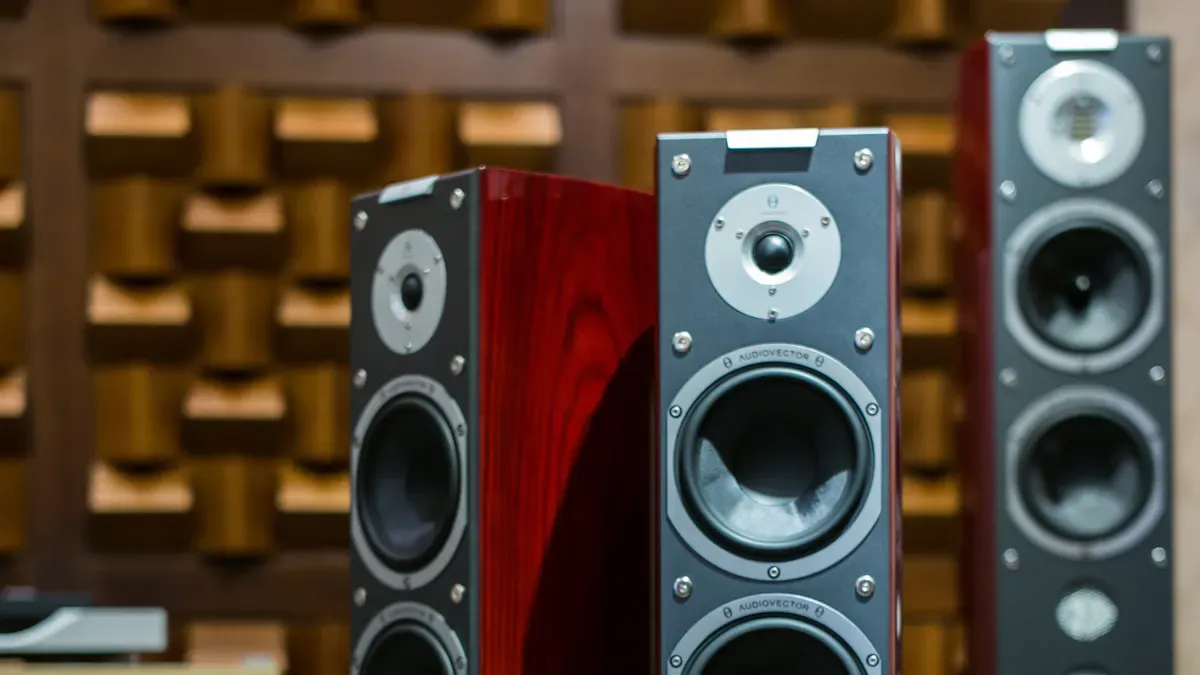
You can see flexible production is changing how speakers are made. This way lets you make speakers that bend or twist. You can also make them fit special shapes. Today, flexible speakers are important. The market for portable Bluetooth speakers is growing very fast.
Worth US$ 12.3 billion in 2025
Expected to reach US$ 33.7 billion by 2032
Growing at a rate of 15.5% each year
Flexible production gives many big benefits. You can cut down on waste and use less energy. You can pick recycled materials. You can also make products that last longer.
Environmental Benefit | Description |
|---|---|
Use of Recycled Materials | Recycled neodymium from old electronics lowers the need for new resources. |
Energy Efficiency | Using renewable energy in factories lowers carbon pollution. |
Modular Design | Speakers that can be fixed make less waste and help a circular economy. |
End-of-Life Strategies | Take-back and recycling programs stop materials from going to landfills. |
You also get more ways to customize and use speakers on many surfaces.
Key Takeaways
Flexible production lets people make speakers that bend. These speakers can fit into special shapes. This makes them easier to use.
Using recycled materials helps cut down on waste. Energy-saving methods also help the environment.
Modular designs let you upgrade and fix speakers easily. This makes speakers last longer and saves money.
Flexible speakers can go into many surfaces. They give new ways to use sound in homes, cars, and public places.
More people want flexible speakers now. The market is growing fast because people like portable and changeable audio devices.
Flexible Production: Meaning & Value
What Makes a Speaker Flexible
You might ask what makes a flexible speaker different from a regular one. Flexible production means you can make speakers that bend or twist. These speakers can fit into many shapes. You do not need to use hard boxes anymore. Now, you can pick materials and designs that let speakers work in many ways.
Some main things that make a speaker flexible are:
Modular design helps you change or fix parts fast. You can upgrade or repair your speaker without throwing it away.
Scalable amplification and processing lets you grow your system without lots of wires. You can use network-based audio protocols for easy setup.
Adaptable configurations means you can change your speaker system for different places or events.
Flexible speakers use special materials and smart designs. Here is a table that shows some important parts and how they help:
Material Type | Key Features | Contribution to Flexibility |
|---|---|---|
Plastic Cones | Strong, keeps out dust and water, good at stopping shakes | Makes the speaker last longer and work better |
Composite Diaphragms | Foam inside, mixes materials for better sound | Makes sound better and adds flexibility |
PET-grade Braid | Bends into smooth shapes, keeps dust away from drivers | Makes the speaker easy to shape and move |
Modular Design | Lets you connect units for any size or space | Makes it easy to install in many places |
Protective Covers | Fabric covers for safety and style | Helps speakers fit in different places |
Lightweight designs make moving and setting up speakers easy. Fabric covers help speakers look good in homes or public spaces.
Why Flexibility Matters
Flexible production gives many good things to making speakers. You can change your products fast when the market changes. You can save money by using modular parts and smart machines. You can work better by making speakers that fit many places.
Here is a table that shows the main benefits:
Advantage | Description |
|---|---|
Scalability | You can make speakers in many shapes and sizes. They fit many needs. |
Eco-friendliness | You can use materials that break down naturally. This cuts down on electronic waste. |
Customization | You can cut speakers into any shape and they still work well. |
Integration | You can put speakers behind curtains, in posters, or on walls. They fit almost anywhere. |
Flexible speakers help audio technology grow. You can use them in museums, stores, or buses and trains. These speakers let you control sound very well. You can make quiet spots or lower noise in busy places.
Flexible production also helps the planet. Many companies use materials like polylactic acid (PLA) and paper. This helps the audio world be more green.
Note: Flexible production lets you change, automate, and build your speaker systems in parts. You get faster answers, spend less money, and work better. You also help the earth by picking greener materials.
If you run production or supply chains, flexible production helps you stay ahead. You can meet customer needs faster and give special answers for each project.
Key Materials & Technologies
Advanced Materials (Electrets, Nanotubes, Thin Films)
There are many new materials that help make flexible speakers. These materials are strong, light, and work well.
Kevlar is very strong. It helps the cone move and does not wear out fast. This gives you better bass that is clear and tight.
Liquid metal, like Galinstan, lets electricity flow easily. It melts at low heat and is safe to use.
Graphene bends easily and you can see through it. It is good for new types of sound devices.
You can also use very thin, clear nanomembranes. These materials are strong in many ways. They help you make speakers for things you wear or new ideas. Carbon nanotube thin films use heat to make sound. When you add electricity, the film gets hot and cools the air. This makes sound waves. These speakers are light, bendy, and not expensive. You can put them in cars or other places where weight is important. Some scientists use silver nanowires in plastics to make speakers you can stick on your skin. These speakers can go on your body and are hard to see.
Flexible Structures (Surrounds, Substrates)
You need the right parts to keep your speakers bendy and sounding good. Here is a table with two common types:
Type of Speaker | Key Features | Audio Quality Benefits |
|---|---|---|
Flat Flexible Loudspeakers | Very thin, light, and bendy materials | Clear sound, less noise, and sound goes where you want |
Fabric Speakers | Made from bendy wires woven together | Even sound, no quiet spots, and fits many uses |
Fabric speakers use bendy electronics. They are thin and light. You can hang them on walls or put them under pillows. Flexible bases do not shake or get too hot. They last a long time and fit many shapes. Flat, bendy loudspeakers keep sound good, even if you change their shape.
Scalable Fabrication Methods
There are many ways to make lots of flexible speakers:
3D printing helps you make tricky shapes very well.
Microfabrication makes tiny parts that help sound.
Additive manufacturing builds up layers to make bendy parts.
Some labs use self-assembly to make things faster. Others use special ways to separate materials to make new shapes. These methods help you make more flexible speakers as people want more of them.
Flexible Production Process
Design & Customization Phases
You start the flexible production process by listening to what users want. Their preferences shape the design, the parts you choose, and how the speaker looks. For example, if your customers love bass, you can focus on subwoofers. If they want clear voices, you can use full-range drivers. You also need to think about the size and shape. Some people want small, portable speakers. Others want large models for big rooms.
User preferences guide design and component selection.
Musical tastes affect the type of drivers you use.
Size and shape choices impact both performance and style.
ZEH Audio stands out in this phase. Their quick mold change systems let you switch designs fast. You can meet different customer needs without long delays.
Manufacturing Steps
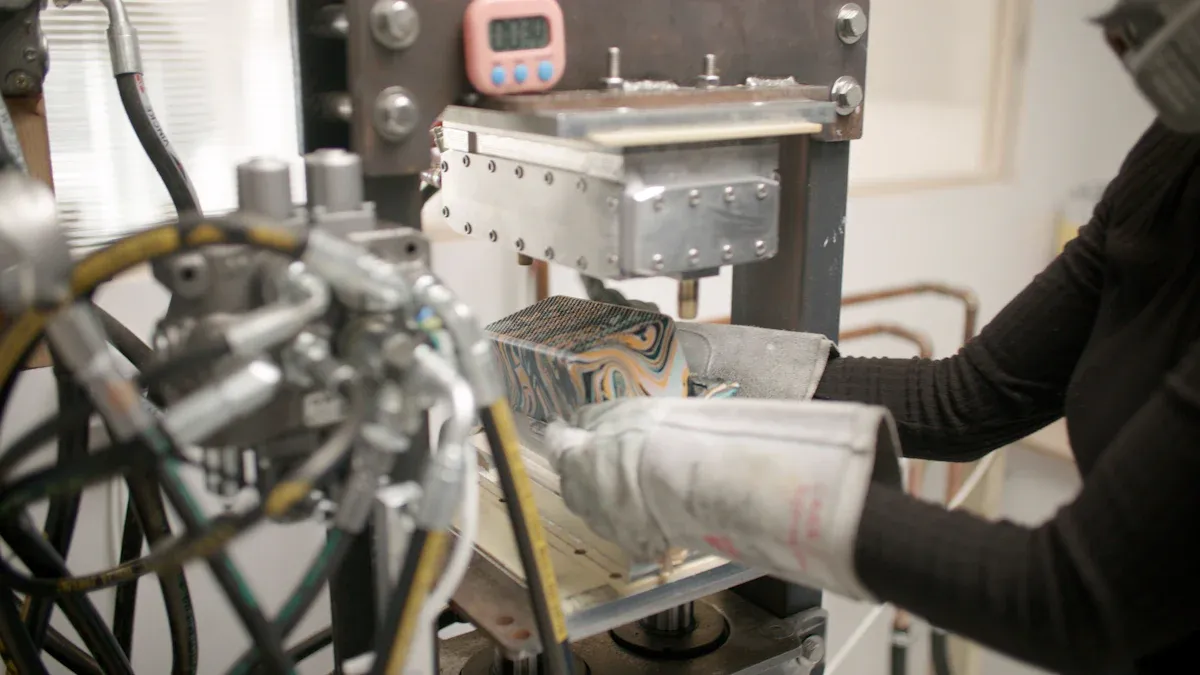
You follow a series of steps to make flexible speakers. Each step helps you build a product that works well and lasts.
Cut the base to the right size and smooth the edges.
Make holes for screws or fasteners.
Add the core material.
Attach the assembly to the backing frame with glue and screws.
Fill empty spaces with sound-dampening materials like foam.
Insert the electromagnetic coil and connect it to the cone.
Assemble the coil and cone so they vibrate and make sound.
Place the assembly into the enclosure, which can be metal, plastic, or wood.
Add extra parts like woofers or tweeters if needed.
Use hand or automated tools for steps like coil winding, based on quality and price.
Smart manufacturing systems, like those from ZEH Audio, use digital tools and flexible equipment. These tools help you scale up production and adapt quickly to new designs.
Quality Control
You need strong quality checks to make sure each speaker meets high standards. You test for sound clarity, durability, and safety. Digital twins and AI help you spot problems early. You can fix issues before the speakers reach your customers. This approach saves time and money.
Tip: Flexible production lets you respond to market changes fast. You can offer custom solutions and keep costs low.
Challenges & Solutions
Durability & Performance
Making flexible speakers can be hard. These speakers need to sound good and last long. You must pick the right materials and test them a lot. If you do not, the sound may get bad or the speaker may break. You also have to think about heat, cold, and wet air. These things can change how your speaker works.
Here is a table that lists common problems and ways to fix them:
Durability/Performance Issue | Solution |
|---|---|
Audio Distortion | Use good parts, match them well, and test the sound |
Material Selection | Pick strong designs and check them many times |
Environmental Factors | Use heat control, test in different weather, and check for long life |
These steps help your speakers work in many places. You can also add special covers to keep your speakers safe.
Cost & Scalability
You want to spend less money and make lots of speakers. Flexible production helps, but you still need to plan. Some parts cost more, and new machines can be pricey. You can save money by using modular designs and smart tools. These let you change your line fast and make new models quickly.
Tip: Try making a few speakers first to test your plan. Make more when you know what works best.
You can also buy recycled or local parts from suppliers. This can save money and help the earth.
Recent Innovations
There are many new ideas for making flexible speakers. Companies use AI to check quality and find problems early. Some factories use robots to build speakers faster and with fewer mistakes. New materials like graphene and carbon nanotubes make speakers lighter and stronger.
You can use digital twins to test your designs before building them. This saves time and money. You can also use 3D printing to make special shapes for your projects.
Note: Keep learning about new tools and ways to work. This helps you stay ahead and meet your customers’ needs.
Applications & Future Trends
Consumer Electronics & Wearables
Flexible speakers are changing how you use devices. Many companies put thin, bendy speakers in smartwatches and fitness bands. They also use them in wireless earbuds. These speakers fit into small spaces. They move with your body. You can listen to music or talk on calls without big parts. Some brands make custom-fit earphones for better comfort and sound. Flexible speakers are also in foldable phones and tablets. They keep working even when the device bends.
Integration with Surfaces
You can place speakers on many surfaces now. They do not have to be inside boxes. Flexible speakers stick to walls, windows, or furniture. Sometimes, they hide behind wallpaper or inside car seats. This fills a room with sound without showing any equipment. Some hotels use these speakers in headboards or mirrors. Guests get a new audio experience. You can use them in museums or buses too. They share music or information in a clean way.
Tip: Try flexible speakers in your next project. You can save space and make new designs.
Market Outlook
Flexible speakers are becoming more popular. More people want smart devices and custom audio. Flexible production will become standard in making speakers. Experts think the market will grow a lot in five years. Wearables and smart home products will lead this growth. Companies using flexible production can react faster to trends. They can offer more choices to customers. If you work in supply chain or product management, watch this trend. Plan for new chances.
Application Area | Growth Potential | Example Use Case |
|---|---|---|
Wearables | High | Smartwatches, earbuds |
Home Integration | Medium | Wallpaper, furniture |
Automotive | High | Car seats, dashboards |
You have seen how flexible production lets you create speakers that fit many needs. You use new materials and smart designs to make products that last and work well. You face challenges with cost and durability, but new tools help you solve them. As you look ahead, you can expect more ways to use speakers in daily life and business.
FAQ
What is flexible speaker production?
Flexible speaker production lets you make speakers that bend or twist. You can shape them to fit special places. You use advanced materials and smart machines. This way helps you make custom products for many uses.
Why should you choose flexible speakers for your projects?
You get more ways to design your speakers. You can put them in walls, furniture, or wearables. Flexible speakers help you cut waste and use eco-friendly materials.
How do flexible speakers impact your supply chain?
You can react faster when the market changes. You can change designs quickly. This helps you spend less and meet customer needs on time.
Are flexible speakers as durable as traditional ones?
Yes, flexible speakers can be strong. You must pick good materials and test them well. Many flexible speakers last as long as regular ones.
Can you scale up flexible speaker production easily?
You can scale up by using modular designs and digital tools. Automated systems let you make more units with less work. This helps your business grow.