
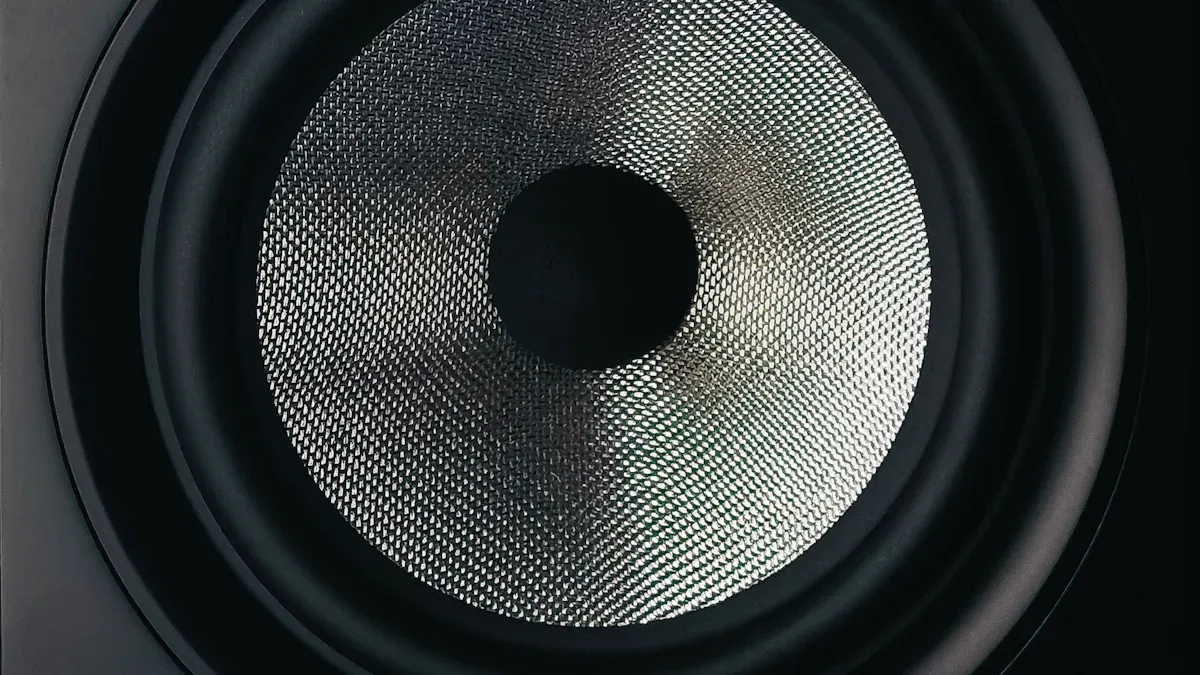
The driver unit is one of the most important parts of any speaker. When you look at driver unit size, you find that it can change the way you hear music. Larger drivers usually create deeper bass and stronger sound pressure, while smaller ones often give you clear details but less low-end power. Here is a quick look:
Driver Size | Bass Response | Detail Reproduction |
|---|---|---|
Small (20–30mm) | Limited bass extension | Can be detailed but lacks low-end |
Medium (40mm) | Good mix of bass and detail | Balanced performance |
Large (50mm+) | Deeper and punchier bass | Better balance and clarity |
Many people think bigger always means better sound, but that is not true. Sound quality depends on more than just size. You need to consider design, materials, and how you plan to use your speakers. Sometimes, a smaller driver can sound better in the right setup.
Key Takeaways
The size of the driver unit changes sound quality. Bigger drivers make deeper bass and louder sounds. Smaller drivers are better for clear and detailed sound.
Pick the driver size that fits your needs. If you like music with a lot of bass, choose bigger drivers. If you listen to podcasts or travel a lot, smaller drivers are better.
Sound quality is not only about driver size. The materials, design, and where the drivers are placed also matter a lot for how you hear music.
Bigger drivers can make a wider soundstage. This helps you hear different instruments and voices more clearly.
Comfort is important too. Bigger drivers can make headphones heavier. Smaller drivers are lighter and easier to wear for a long time.
What is driver unit size?
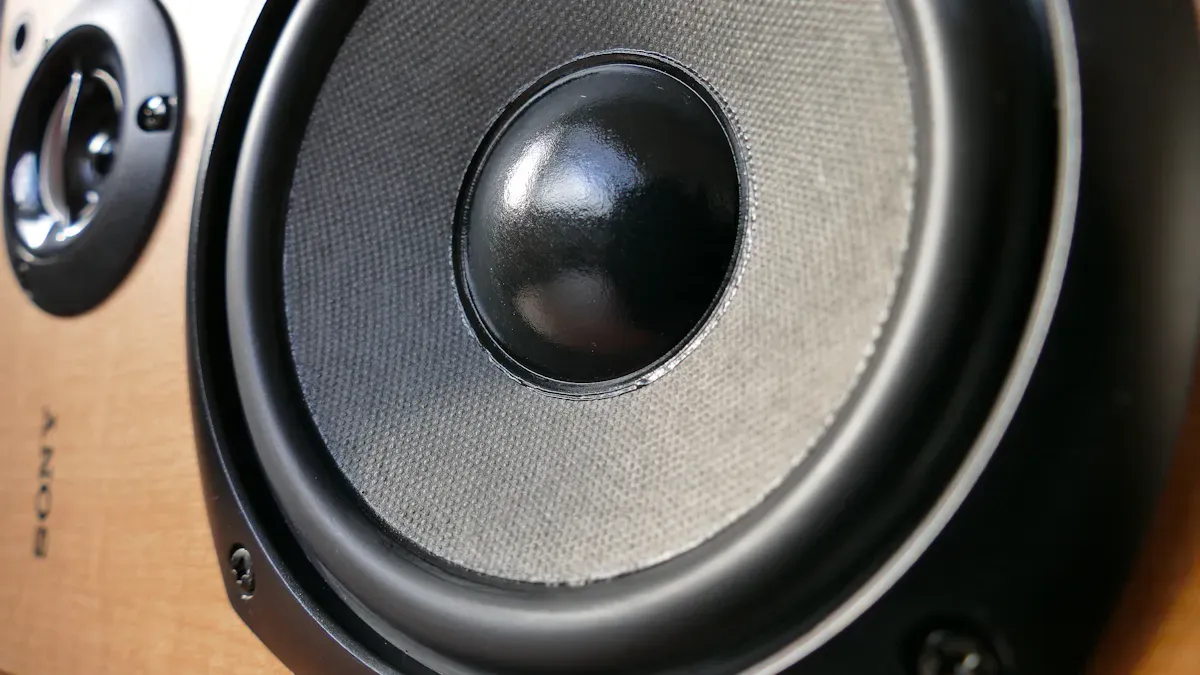
Driver unit basics
You can think of the driver unit as the heart of your headphones or speakers. It takes electrical signals and turns them into the sounds you hear. The main parts of a driver unit include the voice coil, the magnet, and the diaphragm.
The voice coil moves when electricity passes through it.
The magnet creates a magnetic field that helps the coil move.
The diaphragm is a thin, flexible surface that vibrates to make sound waves.
When you listen to music, the driver unit works hard to create every beat, note, and word. The quality of your listening experience depends a lot on how well the driver unit performs. If the driver unit is well-designed, you get clear and powerful sound.
Tip: A good driver unit can make even simple headphones sound amazing.
Measuring driver size
You measure driver unit size by looking at the diameter of the diaphragm, usually in millimeters (mm). For example, you might see headphones with 20mm, 40mm, or 50mm drivers. A larger diaphragm can move more air, which often means deeper bass and louder sound.
Here’s a quick guide:
Driver Size (mm) | Common Use | Sound Characteristic |
|---|---|---|
20–30 | Earbuds | Light bass, clear highs |
40 | Headphones | Balanced sound |
50+ | Studio headphones | Strong bass, full sound |
You should remember that driver unit size is only one part of the story. The materials and design also play a big role in sound quality. Still, knowing about driver unit size helps you choose the right headphones or speakers for your needs.
Driver unit size and sound quality

Bass response and sound pressure
When you listen to music or watch movies, you want to feel the beat and hear every detail. The driver unit size plays a big role in how much bass you hear and how loud your headphones or speakers can get. Larger drivers can move more air. This means you get deeper and punchier bass. You also notice a stronger sound pressure, which makes the music feel more powerful.
Larger drivers create deeper bass because they push more air.
Bigger drivers often give you a wider soundstage, so you can hear instruments and voices more clearly.
You get a better balance between low-end power and clarity with larger drivers.
For example, subwoofers use very large drivers to produce the deep rumbles in action movies. Studio headphones with 50mm drivers can deliver strong bass and clear sound, which helps musicians and sound engineers catch every detail. If you play games, a bigger driver can make explosions and footsteps sound more real.
Tip: If you love bass-heavy music or want to feel the impact of sound effects, choose headphones or speakers with a larger driver unit size.
Detail and frequency range
The driver unit size also affects how well you hear high and low sounds. Smaller drivers move quickly. They do a great job with high frequencies, like cymbals or vocals. You hear more detail and less distortion in the treble range. Larger drivers handle low frequencies better. They can create the deep notes you feel in your chest.
The size of the driver unit in speakers shapes the frequency range and detail you hear. Smaller drivers excel at high notes because they move fast and stay accurate. Larger drivers are important for low notes. They move more air and reach the deep bass that smaller drivers cannot.
If you listen to classical music, you might want a balanced driver unit size. This way, you hear both the delicate strings and the powerful drums. For podcasts or audiobooks, smaller drivers can give you clear voices without too much bass.
Other influencing factors
You should know that driver unit size is not the only thing that matters for sound quality. Many other factors play a big role:
The strength and weight of the diaphragm in the driver unit affect how clear and accurate the sound is.
High-quality materials, like graphene, help drivers produce better sound and last longer.
The design of the headphones or speakers, including the shape and build, changes how sound travels to your ears.
Where you place your speakers in a room can change the way you hear music. Proper placement helps balance the sound and prevents too much bass.
The size and shape of your room also affect sound quality. Some rooms make music sound better, while others can make it echo or feel flat.
The ability of your audio gear to play the full range of sounds, from deep bass to high treble, is key for great sound.
Note: Even the best driver unit size will not sound good if the materials are poor or the design is weak. Always look for headphones or speakers that use strong, light materials and smart design.
When you choose audio gear, think about how you plan to use it. For music lovers, a larger driver unit size can bring out the bass and make concerts feel live. For gamers, big drivers add excitement to every sound effect. For studio work, you need a driver that balances bass and detail, so you hear every note as it was recorded.
Is bigger always better?
Pros of larger drivers
You get some clear benefits when you choose headphones or speakers with larger drivers. Bigger drivers can move more air. This means you hear deeper bass and feel more impact from your music or movies. If you enjoy hip-hop, EDM, or action films, you will notice the difference. Larger drivers also handle loud volumes better. They can play music at higher sound pressure levels without distorting the sound. Many studio headphones use large drivers because they give a balanced mix of bass and detail.
Advantages of larger drivers:
Stronger and deeper bass
Louder sound without distortion
Wider soundstage for a more immersive experience
Tip: If you want to feel the beat in your chest, look for headphones or speakers with larger drivers.
Cons of larger drivers
Larger drivers do not always fit every situation. They make headphones heavier and bulkier. You might find them less comfortable for long listening sessions. Bigger drivers can also struggle with high-frequency sounds. Sometimes, you lose a bit of detail in the treble range. Large drivers need more space, so they do not work well in small earbuds or compact speakers.
Drawbacks of larger drivers:
Heavier and less portable
Can lose detail in high frequencies
Not suitable for small or lightweight designs
When smaller drivers excel
Smaller drivers shine in situations where size and comfort matter most. Earbuds use small drivers to stay light and fit easily in your ears. You get clear vocals and crisp highs because small drivers move quickly. They work well for podcasts, audiobooks, and music with lots of detail. If you travel often or want something easy to carry, smaller drivers make a smart choice.
Note: The best sound comes from matching the driver unit size to your needs. Think about what matters most to you—bass, detail, comfort, or portability.
Choosing the right driver unit size
When you pick audio equipment, the driver unit size matters. You should match the size to how you will use your headphones or speakers. This helps you get the best sound for your needs.
For casual listening
If you like music at home or while traveling, comfort is important. Smaller driver units, about 20–30mm, are light and easy to carry. They fit well in your ears or bag. These drivers make voices and high notes sound clear. They are great for podcasts, audiobooks, or just relaxing with music. Because they are small, they often need less power to play loud sounds. But, smaller drivers do not make deep bass. They are best for clear and detailed sound in a small size.
For professional use
If you work in a studio or mix music, you need accurate sound. Larger driver units, usually 40mm or bigger, give you more range of sound. They control distortion better and play both high and low notes well. This gives you a full and natural sound. When you choose these, think about other things too. Impedance and where the driver sits near your ears also matter. These things change how the driver works in different places. Materials like titanium or aluminum make the diaphragm strong. This helps lower distortion and lets you hear every detail.
For gaming
Gamers want sound that feels real and exciting. Medium to large driver units, around 40–50mm, are common for gaming. They make strong bass and a wide soundstage. This makes explosions and footsteps sound real. Comfort is important for long games, so look for good design and the right driver size. Other things, like the diaphragm material and magnet strength, also help the driver sound better. These features make your games more fun.
When you pick a driver unit size, think about what you will use it for most. Try to balance the size with other features like impedance, sensitivity, and where the driver sits. This way, you get the best sound for what you like.
You have learned that driver unit size shapes how you hear bass and detail. You should remember that other factors matter, too. The materials, tuning, and design of your audio gear play a big role in sound quality.
The driver makes up about 30-40% of what you hear.
Larger speakers often give you deeper bass and higher volume.
Small speakers can sound great with smart design and good materials.
Choose headphones or speakers that match your needs. When you make informed choices, you enjoy music and games much more.
FAQ
What does driver unit size mean in headphones?
Driver unit size tells you how big the part is that makes sound in your headphones. You measure it in millimeters. Bigger drivers can move more air and often create stronger bass.
Does a bigger driver always sound better?
No, bigger drivers do not always sound better. You need to look at materials and design. Sometimes, smaller drivers give you clearer sound, especially for high notes and vocals.
How do I choose the right driver size for my needs?
Think about what you listen to most. If you love bass-heavy music, pick larger drivers. For podcasts or travel, smaller drivers work well. Always check comfort and build quality.
Can driver unit size affect comfort?
Yes, driver unit size changes how headphones feel. Large drivers make headphones heavier and bulkier. Small drivers keep headphones light and easy to wear for long periods.
What else impacts sound quality besides driver size?
Materials, design, and placement matter a lot. High-quality diaphragms and smart engineering help drivers perform better. You get the best sound when all parts work together.