The Application of Noise Control Technology in Speakers
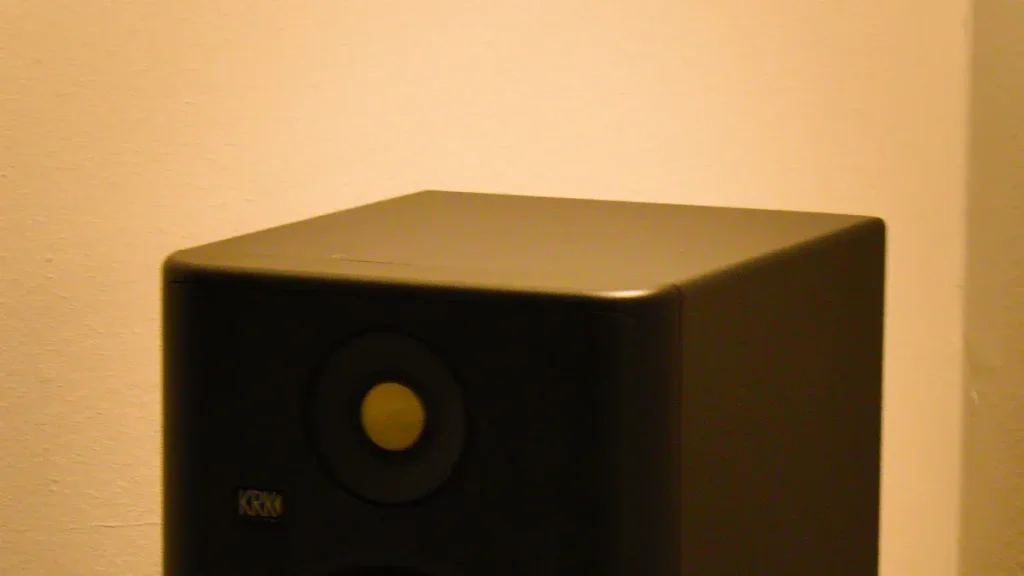
Noise Control Technology in speakers reduces unwanted noise, enhancing audio clarity and comfort for music, calls, and entertainment in any environment.

Noise Control Technology in speakers reduces unwanted noise, enhancing audio clarity and comfort for music, calls, and entertainment in any environment.
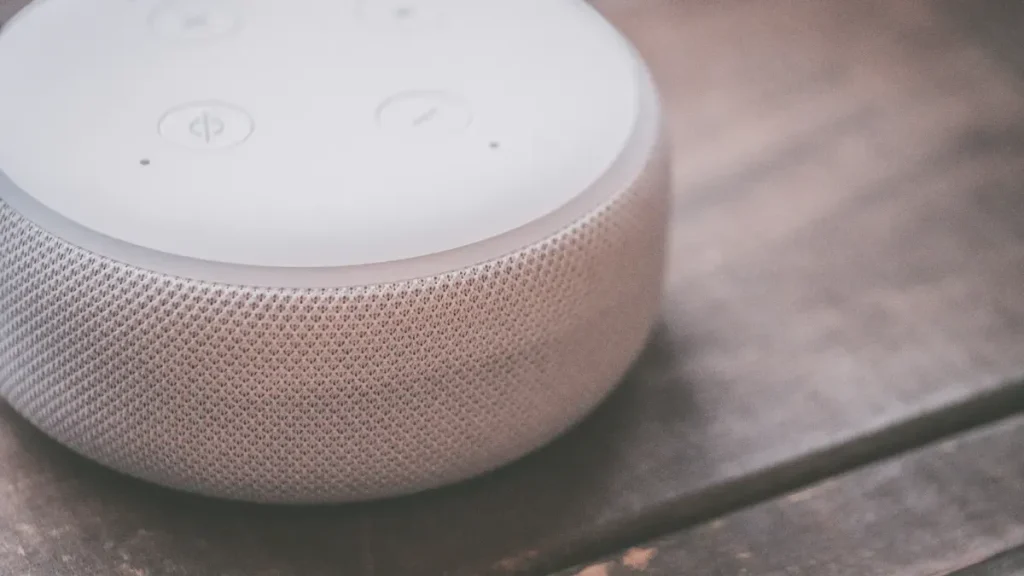
Hardware requirements for voice assistant speakers now focus on sound quality, smart features, miniaturization, and energy efficiency.
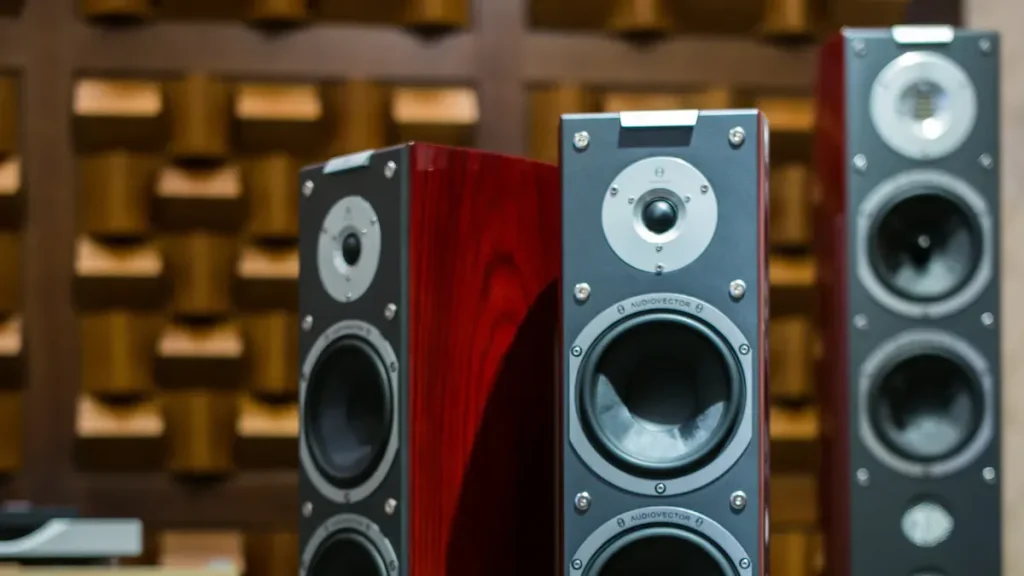
Flexible production enables customizable, eco-friendly speakers by using advanced materials, modular designs, and scalable manufacturing methods.

Manage the cost of your speaker customization project with budgeting tips, cost control strategies, and ways to avoid hidden fees for a successful outcome.
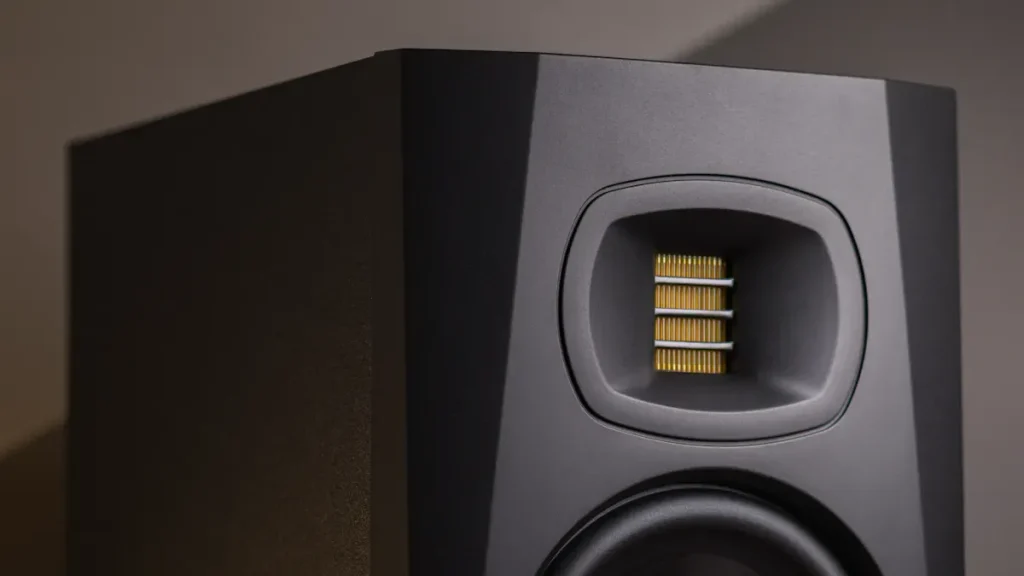
Ensure quality and safety in speaker customization with clear goals, material selection, thorough testing, and compliance with industry standards.
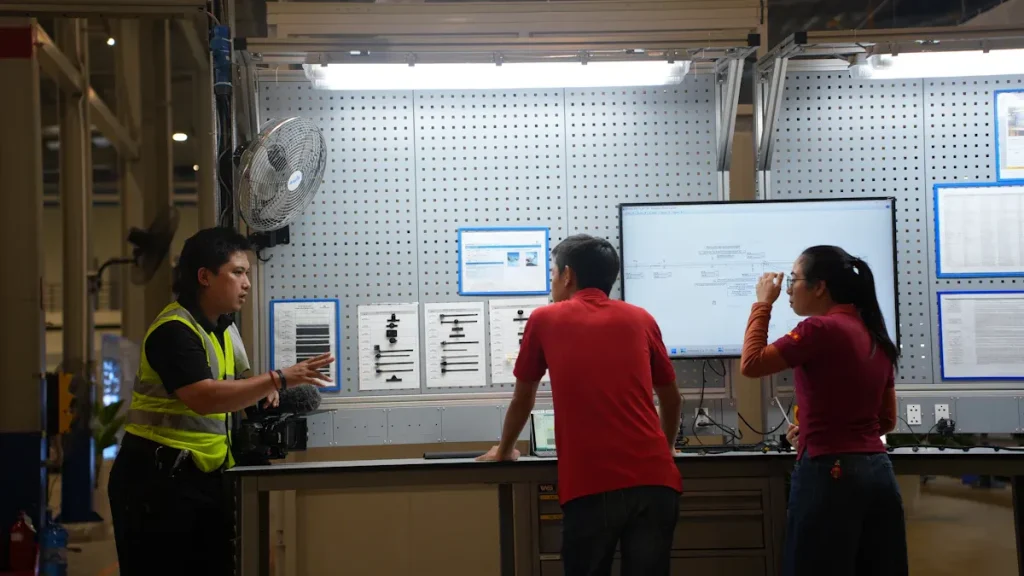
Scrap rate control in speaker manufacturing reduces waste, improves quality, and boosts profits with process discipline and digital tools.
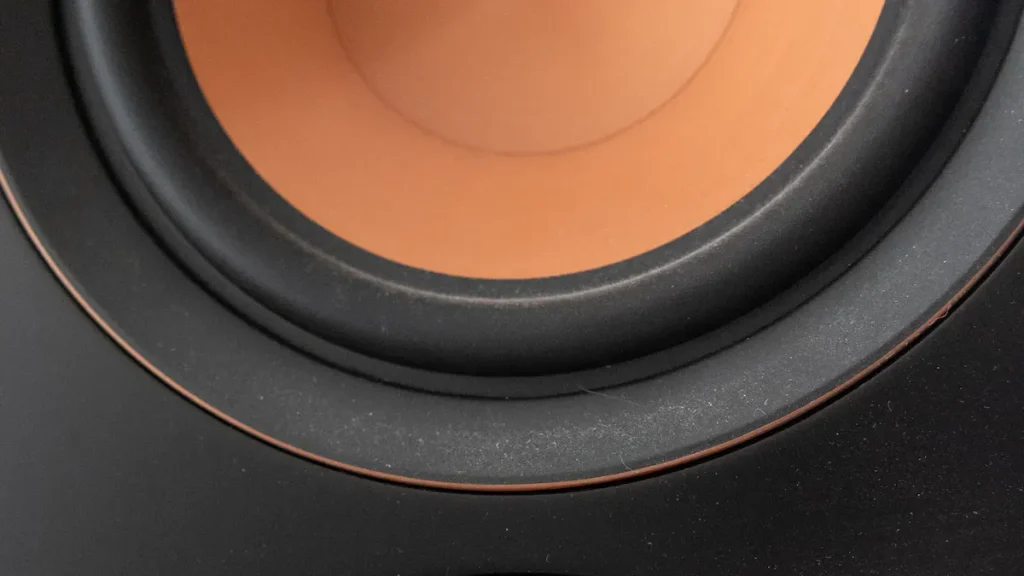
Understand the design process and techniques for custom speaker driver units, including material selection, assembly, and tuning for optimal sound quality.
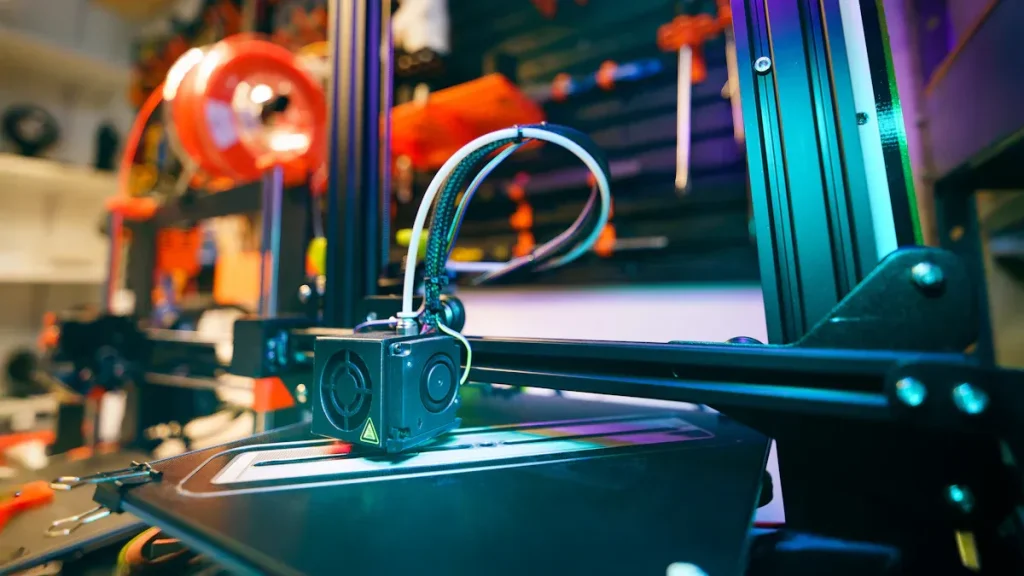
Shorten development cycle for speaker products with agile planning, early prototyping, and streamlined workflows to boost market response speed.
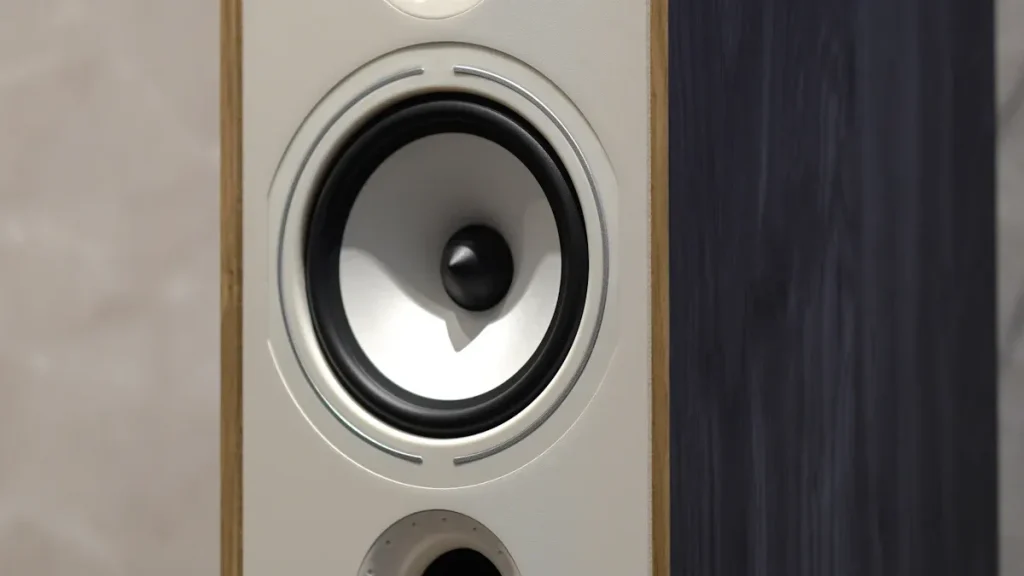
See the top ten factors that influence speaker prices, from brand and materials to features and demand, so you can choose the best speakers for your budget.
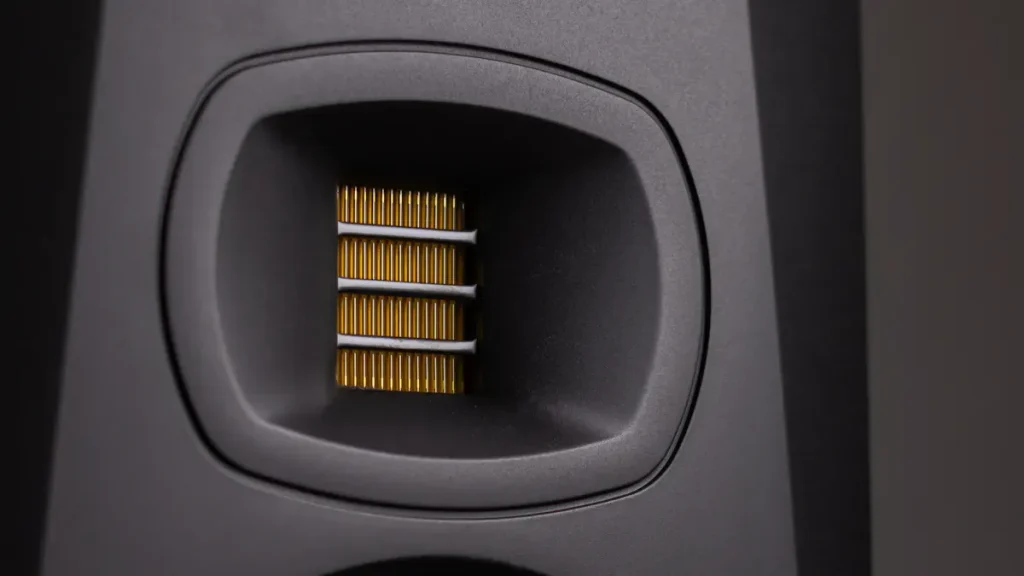
The design of speakers, especially tweeter materials and diaphragm size, directly affects high-frequency clarity, detail, and overall audio quality.

Market demand for automotive audio speakers is rising due to tech advances, consumer preference for premium sound, and growth in electric vehicles.
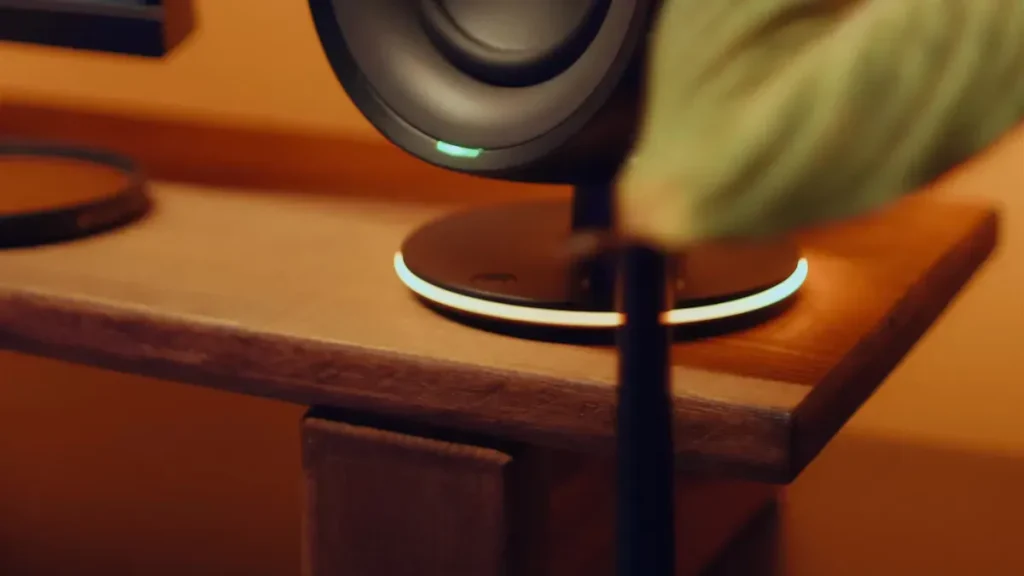
Current market situation of the global audio speaker industry, key growth drivers, challenges, and future trends shaping technology and consumer demand.